
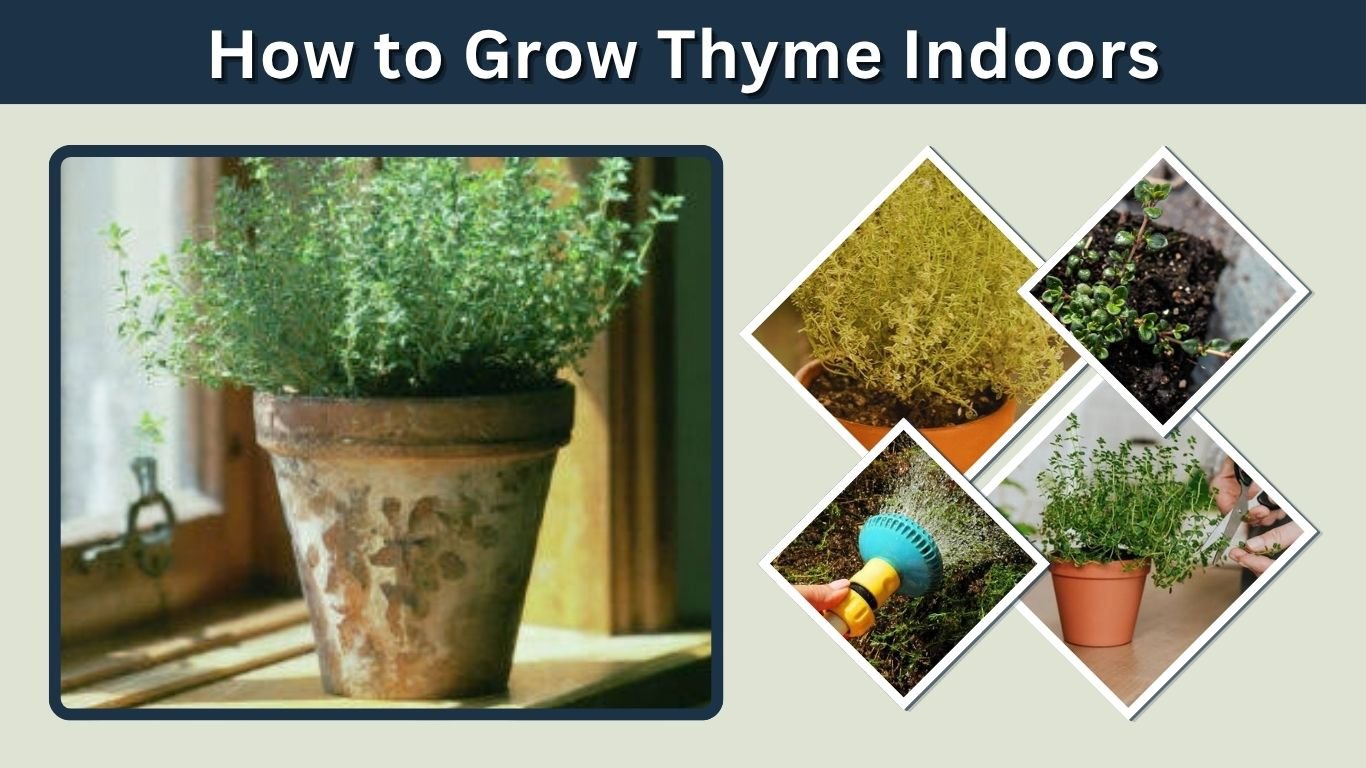
Learning how to grow thyme indoors is easier than many gardeners expect. Thyme is a compact Mediterranean herb that grows well in containers when it receives strong light, well-draining soil, and careful watering. A healthy indoor thyme plant can provide fragrant leaves for cooking throughout much of the year while requiring relatively little space. Whether you start with seeds, cuttings, or a young nursery plant, understanding the right pot size, sunlight, soil, watering routine, and pruning method will help you grow productive thyme successfully inside your home.
Can You Grow Thyme Indoors?
Yes, thyme can be grown indoors successfully, especially when you can provide plenty of direct light and good drainage. Indoor conditions differ from an outdoor herb garden, so the biggest challenges are usually insufficient sunlight and excessive watering. Thyme naturally prefers relatively dry conditions and does not perform well when its roots remain constantly wet.
Why Thyme Works Well Indoors
Thyme stays relatively compact, tolerates moderate dryness, and does not require extremely rich soil. These characteristics make it suitable for sunny windowsills, kitchen herb gardens, and small indoor growing areas.
Its shallow root system also makes growing thyme in a pot practical. Once established, the plant can continue producing usable stems and leaves as long as it receives enough light and is harvested correctly.
Best Thyme Varieties for Indoor Growing
Many thyme varieties can grow successfully indoors. Common thyme is an excellent choice for cooking, while lemon thyme provides a noticeable citrus aroma.
Compact varieties are particularly convenient when windowsill space is limited. Regardless of the variety, choose healthy plants with dense growth and no obvious signs of pests or root problems.
Thyme Growing Conditions Indoors
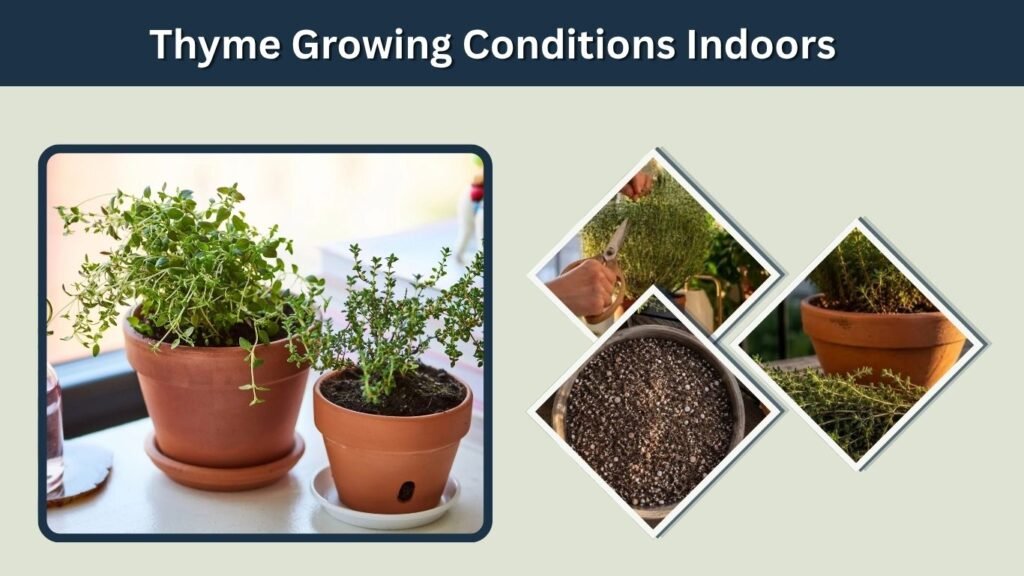
Creating the right environment is the most important part of growing thyme indoors. Thyme evolved in sunny, relatively dry environments, so indoor plants benefit from bright light, excellent airflow, and soil that drains quickly. Trying to keep thyme constantly moist often causes more problems than allowing the soil to dry slightly between waterings.
Ideal Indoor Conditions
For healthy thyme growth, provide:
- About 6 or more hours of strong light when possible
- Well-draining potting soil
- A container with drainage holes
- Moderate indoor temperatures
- Good air circulation
- Water only after the upper soil begins drying
These conditions help encourage compact, aromatic growth.
How Much Sunlight Does Thyme Need?
Thyme grows best with abundant direct sunlight. A bright south- or west-facing window is often ideal in the Northern Hemisphere.
If your home does not provide enough natural light, a grow light can help. Position the light according to its manufacturer’s recommendations and provide enough daily illumination to maintain compact growth.
A thyme plant stretching toward the window or developing long, weak stems may need stronger light.
Temperature and Airflow
Normal household temperatures generally work well for thyme.
Avoid placing the plant beside cold drafts, heating vents, or constantly humid areas. Some airflow around the foliage helps the soil dry appropriately and may reduce fungal problems.
How to Plant Thyme in a Pot
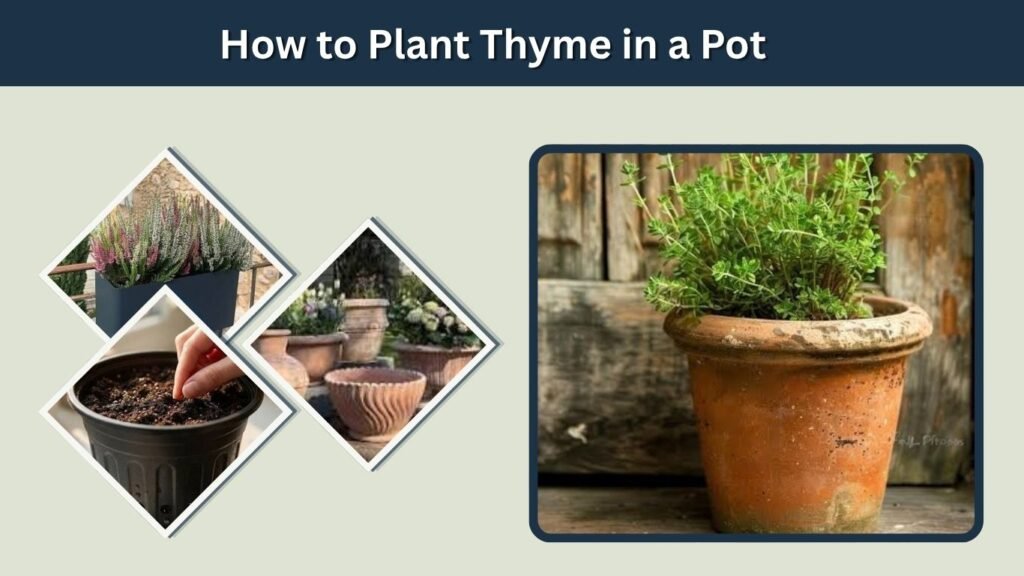
A suitable container is essential because thyme roots are sensitive to waterlogged soil. When planting thyme in a pot, focus more on drainage than on providing an excessively large container. A properly sized pot filled with loose soil makes controlling moisture much easier and creates better conditions for root development.
Choose the Right Thyme Pot Size
For a young thyme plant, start with a pot around 6 inches wide or slightly larger depending on the plant’s root system.
Make sure the container includes one or more drainage holes. You can use:
- Terracotta pots
- Ceramic containers with drainage
- Plastic nursery-style pots
- Small herb planters
- Window boxes with good drainage
Terracotta can be particularly useful because it allows moisture to evaporate relatively quickly.
Best Soil for Thyme
The best soil for thyme should drain quickly and remain relatively loose.
A quality potting mix amended with additional perlite, coarse material, or another drainage-promoting amendment can work well. Avoid heavy garden soil in indoor containers because it may compact and retain too much water.
Thyme does not need overly fertile soil. Excessive fertility can encourage soft growth rather than the compact, aromatic foliage normally desired.
Planting a Nursery Thyme Plant
Remove the plant carefully from its original container and inspect the roots.
Place it at approximately the same depth it was previously growing. Fill around the root ball with potting mix and gently firm the soil.
Water thoroughly once after planting and allow all excess moisture to drain before placing the container in its permanent sunny location.
How to Grow Thyme From Seed Indoors
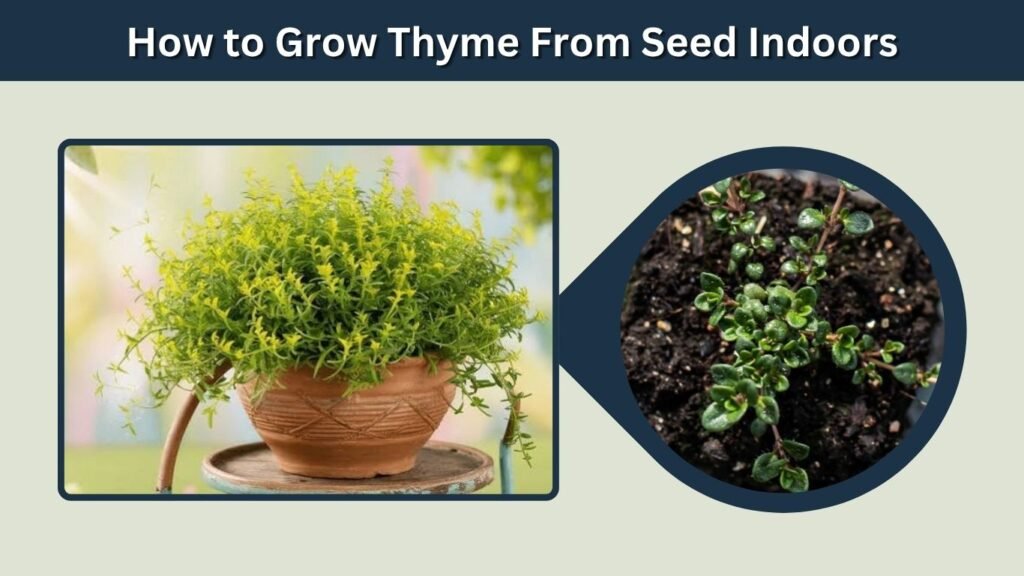
Starting thyme from seed takes longer than beginning with an established plant, but it allows you to grow several plants inexpensively. Thyme seeds are very small and seedlings initially develop slowly. Consistent moisture during germination is important, but once plants become established, watering should become less frequent.
Planting Thyme Seeds
Follow these basic steps:
- Fill a seed-starting tray or small pots with seed-starting mix.
- Scatter the tiny seeds over the surface.
- Press them gently against the soil rather than burying them deeply.
- Mist carefully so the seeds are not displaced.
- Keep the growing medium lightly moist during germination.
- Provide warmth and bright light after seedlings appear.
Germination may take roughly two to four weeks, although conditions and seed quality can affect the timing.
What Do Thyme Sprouts Look Like?
Young thyme sprouts are extremely small.
The first leaves appear delicate and may not immediately resemble mature thyme. As seedlings develop, they begin producing the tiny aromatic leaves associated with mature plants.
Strong light becomes particularly important at this stage because insufficient light can produce thin, stretched seedlings.
Transplanting Thyme Seedlings
Wait until seedlings have developed several sets of true leaves and are large enough to handle safely.
Transplant them carefully into individual containers without damaging the young roots. Keep the plants slightly moist while they adjust, but avoid soaking the potting mix.
How to Care for a Thyme Plant Indoors
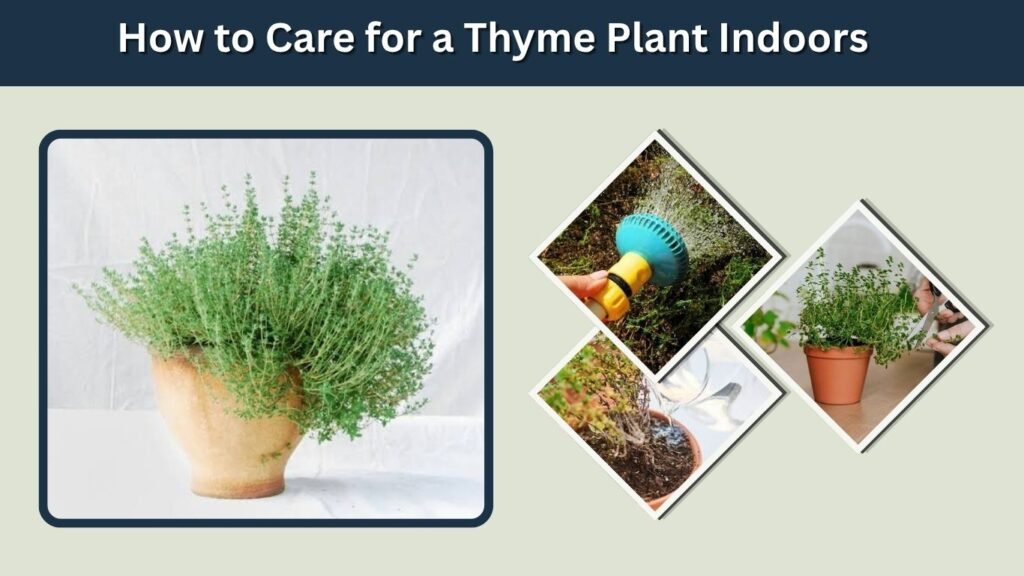
Once established, thyme plant care is relatively simple. Most indoor problems occur because plants receive too much water or too little light. A consistent routine based on the condition of the soil rather than a strict calendar usually produces better results.
Water Thyme Carefully
Allow the upper portion of the soil to dry before watering again.
When watering, thoroughly moisten the potting mix and allow excess water to leave through the drainage holes. Never allow the container to sit continuously in a saucer of water.
Signs of excessive moisture can include yellowing leaves, weak growth, and declining stems.
Feed Lightly
Thyme is not a heavy feeder.
Indoor plants may benefit from occasional diluted fertilizer during active growth, but excessive fertilization is unnecessary. Too much nitrogen may produce soft, weak growth and reduce the concentrated character of the leaves.
Rotate the Pot
Indoor plants often receive light primarily from one direction.
Rotate your thyme container occasionally so all sides receive more even exposure. This can reduce leaning and encourage a more balanced shape.
Pruning and Harvesting Indoor Thyme
Regular harvesting can help maintain compact growth and prevent thyme from becoming overly woody. Instead of removing a large portion of the plant at once, harvest smaller amounts regularly. Leaving enough healthy green growth allows the plant to continue producing new stems.
How to Harvest Thyme
Use clean scissors or pinch tender stems just above a leafy section.
Follow these guidelines:
- Harvest established growth rather than very young seedlings.
- Take small amounts regularly.
- Avoid cutting deeply into old woody stems.
- Leave plenty of foliage after each harvest.
- Remove flowers if you want to encourage leafy growth.
Morning harvesting often provides flavorful, aromatic leaves.
How to Keep Thyme Bushy
Pruning the soft tips encourages branching.
When stems become long, lightly cut them back while leaving green growth below the cut. Repeated light pruning usually produces a fuller plant than allowing stems to grow unchecked.
How Long Does Thyme Take to Grow?
The growth rate depends largely on how you start the plant. Nursery thyme provides harvestable growth much sooner than seed-grown thyme. Seeds can require several weeks simply to germinate, followed by additional weeks or months of development before substantial harvesting is appropriate.
Thyme Growing Stages
Thyme generally passes through several recognizable stages: germination, seedling establishment, vegetative growth, mature branching, flowering, and increasingly woody growth as the plant ages.
Indoor conditions can influence the speed of these stages. Strong light generally produces denser growth, while inadequate light slows development and encourages weak stems.
Is Thyme Easy to Grow?
Thyme is fairly easy to maintain once its basic preferences are understood.
The key is not treating it like a moisture-loving indoor plant. Plenty of light and careful watering are usually more important than frequent fertilizing or complicated maintenance.
Common Problems When Growing Thyme Inside
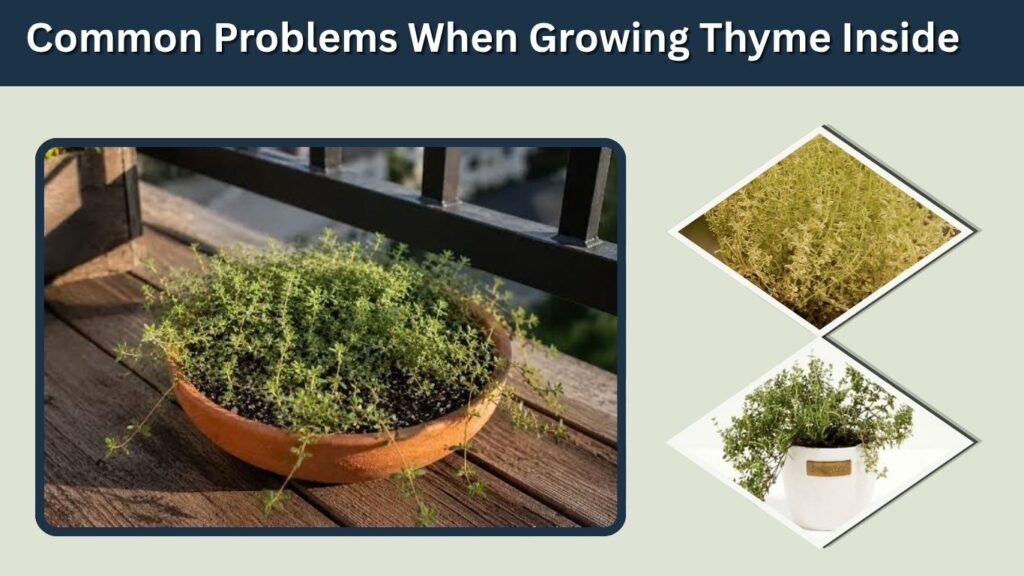
Indoor thyme is generally resilient, but unsuitable growing conditions can quickly cause problems. Inspecting the plant regularly makes it easier to correct issues before they become severe. Pay particular attention to soil moisture, stem strength, leaf color, and the presence of pests.
Watch for These Problems
Common issues include:
- Yellow leaves: Often associated with excessive moisture.
- Drooping growth: May result from watering problems or root stress.
- Long, thin stems: Usually indicate insufficient light.
- Dry, crispy foliage: Can indicate prolonged drought or environmental stress.
- Root rot: Common in poorly draining soil.
- Indoor pests: Aphids, spider mites, or similar pests may occasionally appear.
Improving light, drainage, and watering habits solves many thyme-growing problems.
Growing Thyme From Cuttings
Propagating thyme from cuttings is another convenient way to create new indoor plants. This method can be faster than starting seeds and allows you to reproduce a healthy plant that is already growing well.
How to Propagate Thyme
Cut a healthy non-flowering stem several inches long and remove leaves from the lower portion.
Place the cutting in a small container of moist, well-draining medium. Keep it in bright indirect light while roots begin developing.
Once new growth and root development are evident, gradually provide stronger light and begin treating the plant like established thyme.
FAQs
1. Can thyme be grown indoors year-round?
Yes. Thyme can grow indoors throughout the year when it receives sufficient light and appropriate care. During darker months, supplemental grow lighting may be helpful if natural sunlight is limited.
2. How often should you water indoor thyme?
There is no fixed schedule because drying time varies with temperature, container material, plant size, and light. Check the soil first and water when the upper layer has dried rather than automatically watering every few days.
3. What size pot does thyme need?
A small thyme plant can usually begin in a container about 6 inches wide, provided it has good drainage. Larger established plants may eventually benefit from a slightly wider pot.
4. How much sunlight does thyme need indoors?
Aim for at least around six hours of strong sunlight when possible. A bright sunny window is ideal, although grow lights can supplement natural light in darker homes.
5. Can you grow thyme indoors from cuttings?
Yes. Healthy stem cuttings can be rooted in a well-draining growing medium. Once roots and fresh growth develop, the new plant can be cared for like mature indoor thyme.