
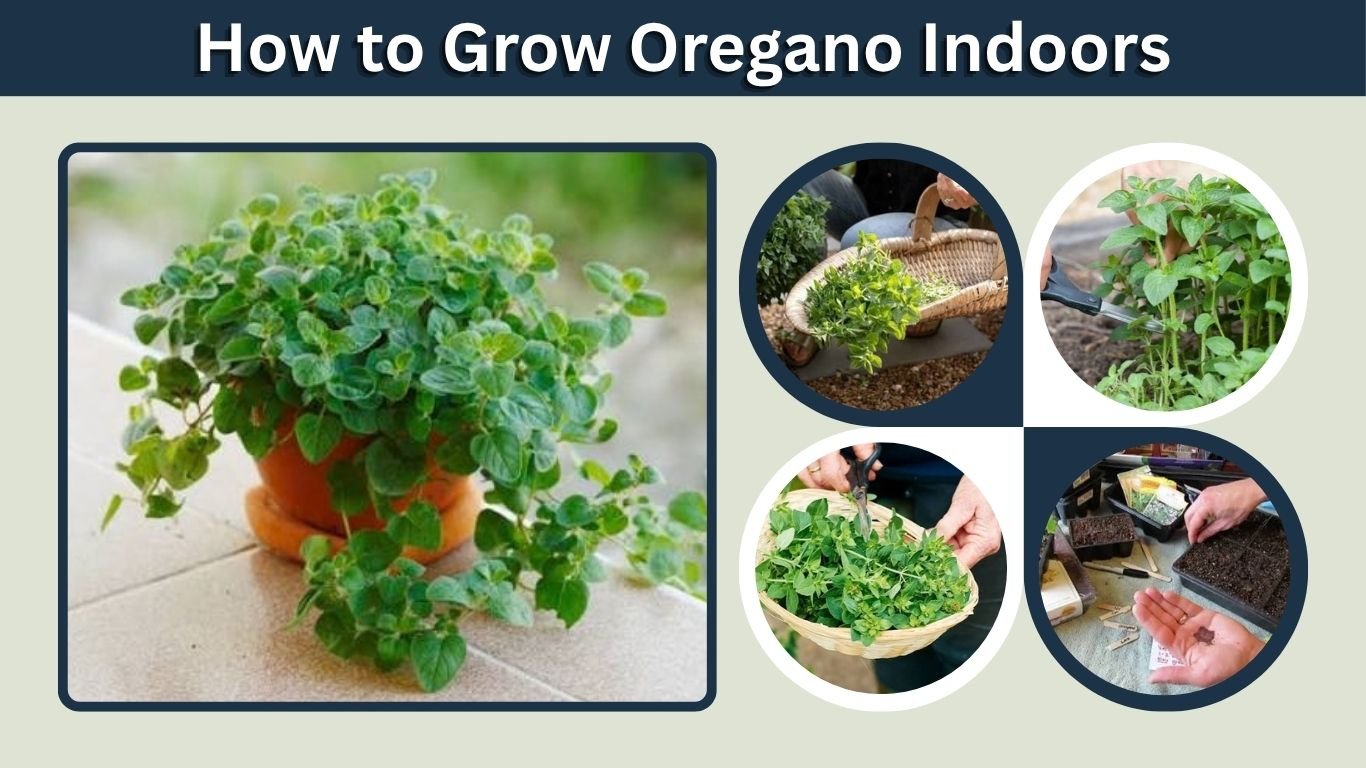
Learning how to grow oregano indoors is a simple way to keep this flavorful herb close to your kitchen throughout the year. Oregano grows well in containers when it receives strong light, well-draining soil, moderate watering, and regular pruning. You can start an indoor oregano plant from seed, cuttings, or a young nursery plant, depending on how quickly you want to harvest. With the right pot, sunlight, watering routine, and care, growing oregano indoors can provide fresh aromatic leaves for cooking while requiring relatively little space.
Can You Grow Oregano Indoors?
Yes, oregano can grow very well indoors when its basic needs are met. Like many Mediterranean herbs, oregano prefers bright light, relatively dry soil, and good airflow. The biggest problems usually come from insufficient sunlight or keeping the soil too wet. A sunny windowsill or supplemental grow light can help maintain compact, healthy growth.
Why Oregano Is Suitable for Indoor Growing
Oregano has a compact growth habit and adapts well to containers. Established plants can also tolerate short dry periods better than many moisture-loving herbs.
Growing oregano inside can be especially convenient because you can harvest small amounts whenever you need them for sauces, soups, marinades, roasted vegetables, and other dishes.
Best Oregano for Indoor Growing
Several oregano varieties can be grown indoors, but culinary types are usually the most practical.
Greek oregano is well known for its strong flavor, while Italian oregano is also popular for cooking. Whatever variety you choose, start with healthy seed or a vigorous young plant for the best results.
Best Growing Conditions for Indoor Oregano
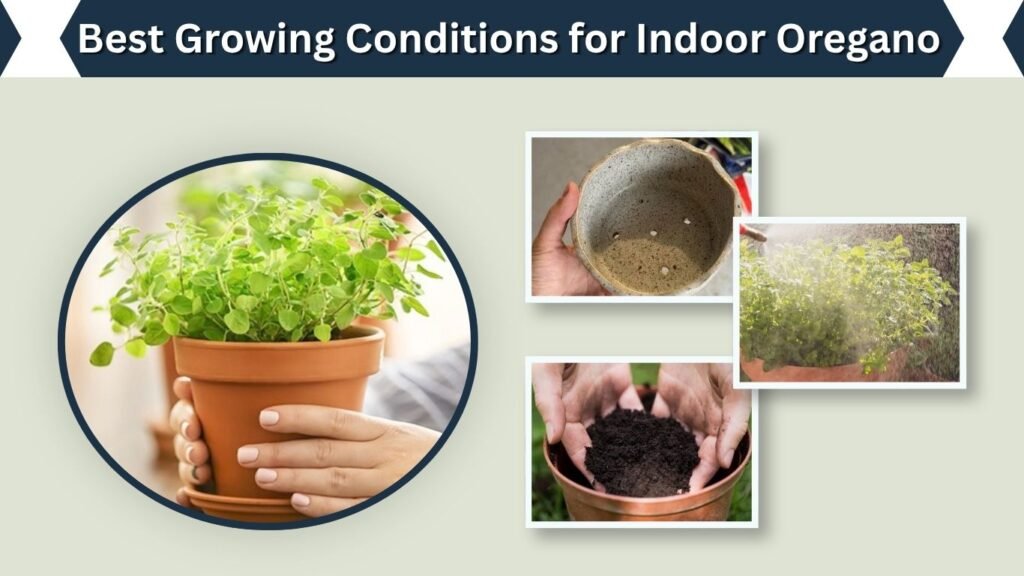
Successful growing oregano indoors depends heavily on recreating the bright, well-drained conditions the herb naturally prefers. Oregano generally performs better when slightly dry than when constantly wet. Providing strong light and avoiding waterlogged soil encourages dense growth and stronger flavor while reducing the risk of root problems.
Ideal Indoor Conditions
For healthy indoor oregano, provide:
- Around 6 or more hours of strong light
- A pot with drainage holes
- Loose, well-draining potting mix
- Moderate indoor temperatures
- Good air circulation
- Water only when the upper soil begins drying
These conditions help keep oregano compact and productive.
How Much Light Does Oregano Need?
Oregano prefers plenty of direct light.
A bright south-facing or west-facing window is often a good location in the Northern Hemisphere. If natural light is weak, especially during shorter winter days, a grow light can provide additional illumination.
Plants that become pale, stretched, or unusually weak may not be receiving enough light.
Temperature and Air Circulation
Typical indoor household temperatures are usually suitable for oregano.
Avoid placing plants directly beside heating vents, air conditioners, or extremely cold windows. Moderate air movement around the foliage can help reduce excess moisture and discourage fungal problems.
How to Plant Oregano in a Pot
Choosing the right container is important because oregano does not like its roots sitting in wet soil. A pot should provide enough room for growth while allowing excess water to escape quickly. When growing oregano in a pot, drainage and soil structure are generally more important than choosing an oversized container.
Choose the Right Container
A young oregano plant can begin in a pot approximately 6 to 8 inches wide.
Suitable choices include:
- Terracotta pots
- Ceramic planters with drainage holes
- Plastic nursery pots
- Herb containers
- Window boxes
- Small raised indoor planters
Terracotta is useful because moisture can evaporate through the porous material.
Best Soil for Oregano
Oregano prefers loose soil that drains quickly.
A quality indoor potting mix can work well when combined with perlite or another drainage-promoting amendment. Avoid dense garden soil because it can compact inside containers and retain too much water.
Oregano also does not require extremely rich soil. Excess fertilizer can sometimes encourage soft growth at the expense of strong aroma and flavor.
How to Plant a Nursery Oregano Plant
Remove the oregano carefully from its nursery pot without aggressively disturbing the roots.
Place it into the new container at roughly the same depth it was previously growing. Fill around the roots with fresh potting mix and gently firm the surface.
Water after planting and allow all excess water to drain before moving the plant into its sunny indoor location.
How to Grow Oregano From Seed Indoors
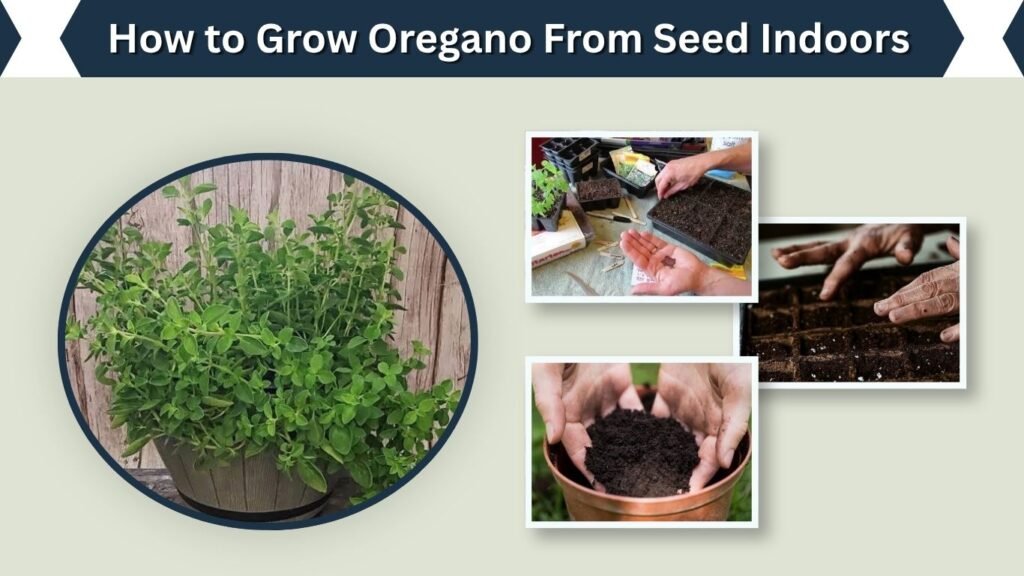
Starting oregano from seed requires more patience than using an established plant, but it is an inexpensive way to grow multiple plants. Oregano seeds are small, and young seedlings can develop slowly at first. Consistent moisture during germination and strong light after sprouting are particularly important.
How to Plant Oregano Seeds
Follow these basic steps:
- Fill small pots or seed trays with seed-starting mix.
- Scatter oregano seeds thinly across the surface.
- Press them gently against the growing medium.
- Cover them only very lightly, if at all.
- Mist the soil carefully.
- Keep the medium lightly moist during germination.
- Provide bright light once seedlings appear.
Germination commonly occurs within roughly one to two weeks under suitable conditions, although temperature and seed quality can affect timing.
When to Start Oregano Seeds Indoors
If you eventually plan to move oregano outdoors, seeds are commonly started indoors several weeks before the last expected frost.
For oregano that will remain indoors permanently, you can start seeds at almost any time of year as long as sufficient light and warmth are available.
Transplanting Oregano Seedlings
Once seedlings produce several true leaves and are large enough to handle safely, they can be moved into individual pots.
Handle the roots carefully and avoid planting seedlings too deeply. Provide consistent but moderate moisture while they become established.
How to Take Care of an Oregano Plant
Proper oregano care is relatively straightforward after the plant becomes established. Strong light, careful watering, and occasional pruning are more important than frequent feeding. Checking the plant regularly allows you to notice problems early and keep growth compact.
Water Oregano Correctly
Allow the top portion of the soil to dry before watering again.
When the plant needs moisture, water thoroughly until excess begins draining from the bottom of the pot. Empty any water collected in the saucer rather than allowing the container to remain submerged.
Constantly wet soil can contribute to root rot and declining growth.
Fertilize Lightly
Indoor oregano usually needs only modest feeding.
A diluted balanced fertilizer can occasionally be used during active growth, but frequent heavy fertilization is unnecessary. Overfeeding can lead to excessive soft foliage.
Rotate the Plant
Indoor plants tend to lean toward windows.
Rotating the pot every week or two can help expose different sides to the available light and encourage more balanced growth.
How to Prune Oregano Plants
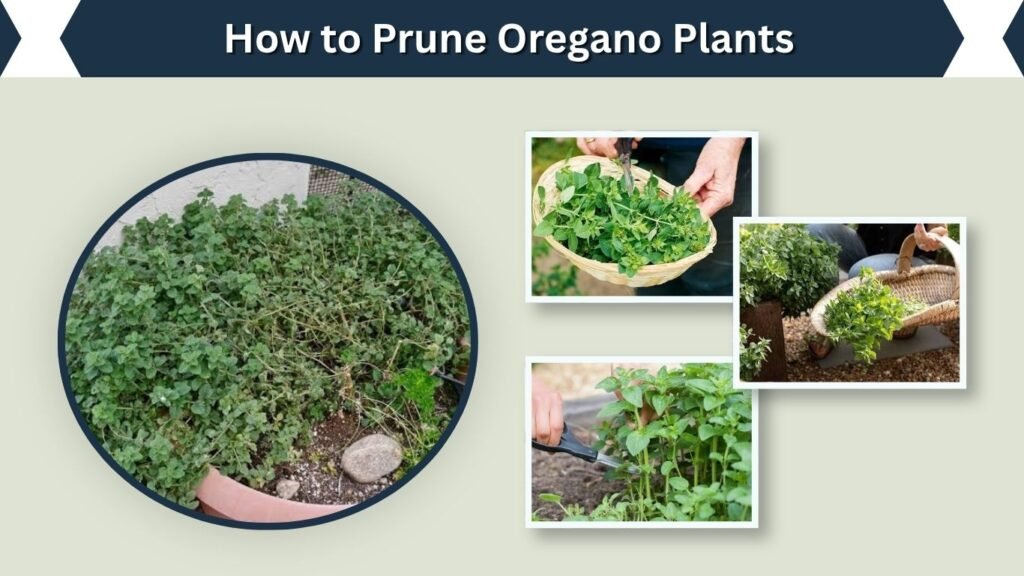
Regular pruning is one of the best ways to maintain a compact, productive oregano plant. Without trimming, oregano can develop long stems and become increasingly woody. Removing the growing tips encourages branching and provides a fuller supply of tender leaves.
Pruning for Bushier Growth
Trim oregano just above a pair of leaves or a branching point.
Avoid cutting every stem back at once. Instead, remove smaller amounts regularly.
Pruning can help:
- Encourage side shoots
- Reduce leggy growth
- Keep plants compact
- Increase harvestable leaves
- Delay excessive flowering
Regular harvesting often functions as natural pruning.
Should You Remove Oregano Flowers?
You can allow oregano to flower, but flowering may reduce the amount of tender leafy growth.
If leaves are your main goal, pinch flower buds off when they begin to develop. However, flowering itself does not mean the plant is unhealthy.
How and When to Harvest Oregano
You can begin harvesting once your plant has developed enough healthy stems to tolerate regular trimming. Mature plants can usually be harvested repeatedly, making oregano particularly useful for indoor kitchen gardens. Avoid removing too much foliage from a young plant at one time.
Best Way to Harvest Oregano
Use clean scissors or pinch tender stems with your fingers.
For healthy regrowth:
- Take stems from several areas of the plant
- Cut above a leaf node
- Avoid removing more than about one-third at once
- Leave plenty of green foliage behind
- Harvest regularly to encourage branching
The leaves can be used fresh or preserved for later use.
How to Pick Oregano So It Keeps Growing
Cutting stems above healthy leaves allows buds lower on the stem to produce new branches.
Avoid repeatedly plucking only individual leaves from the tips. Taking short sections of stem can encourage a fuller plant and produce a cleaner shape.
Can You Harvest Oregano After It Flowers?
Yes, oregano leaves can still be harvested after flowering.
However, many gardeners prefer harvesting before or around early flowering because the foliage may have especially strong aroma and flavor during that period.
How Long Does Oregano Take to Grow?
How quickly oregano becomes harvestable depends on whether you start from seed, cuttings, or an established plant. Nursery plants can provide usable leaves almost immediately, while seed-grown oregano requires additional time for germination and establishment.
Growing Oregano From Seed
Seeds may germinate within approximately one to two weeks under good conditions, but seedlings require further development before regular harvesting.
Expect seed-grown plants to need several weeks or months to develop into substantial plants.
Growing an Established Plant
A nursery oregano plant can usually provide a light harvest once it adjusts to its new container and begins producing fresh growth.
Avoid heavy harvesting immediately after transplanting because the roots need time to become established.
Common Indoor Oregano Problems
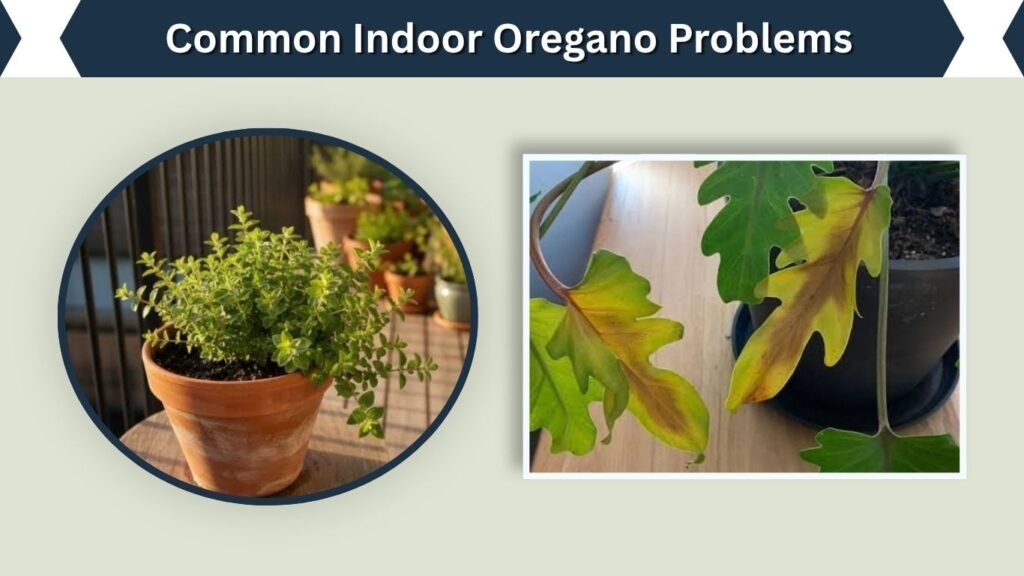
An indoor oregano plant is generally resilient, but unsuitable growing conditions can lead to weak growth. Most problems are associated with excessive moisture, insufficient light, or poor air circulation. Observing changes in leaf color, stem structure, and soil condition can help identify the cause.
Common Problems to Watch For
Typical issues include:
- Yellowing leaves: Often linked to overwatering.
- Long, weak stems: Frequently caused by inadequate light.
- Brown or crispy foliage: May result from prolonged dryness.
- Root rot: Associated with continuously wet soil.
- Slow growth: Can result from low light or cool conditions.
- Aphids or spider mites: Can occasionally affect indoor plants.
Correcting light and watering conditions solves many common oregano problems.
How to Grow Oregano From Cuttings
Oregano can also be propagated from healthy stem cuttings. This method is useful when you already have an established plant and want to create additional plants without starting from seed.
Propagating Oregano
Cut a healthy non-flowering stem several inches long and remove the leaves from the lower section.
Place the cutting into a small container filled with moist, well-draining growing medium. Keep it in bright indirect light while roots develop.
Once new growth appears and the cutting is well rooted, gradually move it into stronger light and care for it like a mature oregano plant.
How to Preserve Fresh Oregano
Fresh oregano can be used immediately, but larger harvests can also be stored for later. Drying is one of the most common preservation methods because oregano generally retains good flavor after moisture is removed.
Drying Oregano
Harvest healthy stems and gently clean them if necessary.
Small bundles can be hung in a dry, well-ventilated location away from intense direct sunlight. Once the leaves are completely dry, remove them from the stems and store them in an airtight container.
You can also use other suitable food-drying methods depending on your equipment.
Storing Fresh Oregano
Freshly harvested oregano can be stored briefly in the refrigerator.
For longer storage, drying or freezing may be more practical than keeping fresh stems refrigerated for extended periods.
FAQs
1. Can oregano grow indoors year-round?
Yes. Oregano can grow indoors throughout the year when it receives enough light, appropriate temperatures, good drainage, and proper watering.
2. How much sunlight does indoor oregano need?
Aim for around six or more hours of strong light each day when possible. If natural sunlight is inadequate, supplemental grow lighting can help maintain healthy growth.
3. How often should I water oregano indoors?
Do not follow a strict calendar. Check the potting mix and water when the upper layer begins to feel dry. Oregano generally prefers slightly dry conditions over constantly wet soil.
4. Can I grow oregano from seed indoors?
Yes. Sow seeds near the surface of moist seed-starting mix, provide warmth and light, and keep the medium lightly moist until germination occurs.
5. How do I harvest oregano without killing the plant?
Cut small sections of healthy stem just above leaf nodes and leave plenty of foliage behind. Regular moderate harvesting encourages branching and allows the plant to continue growing.