
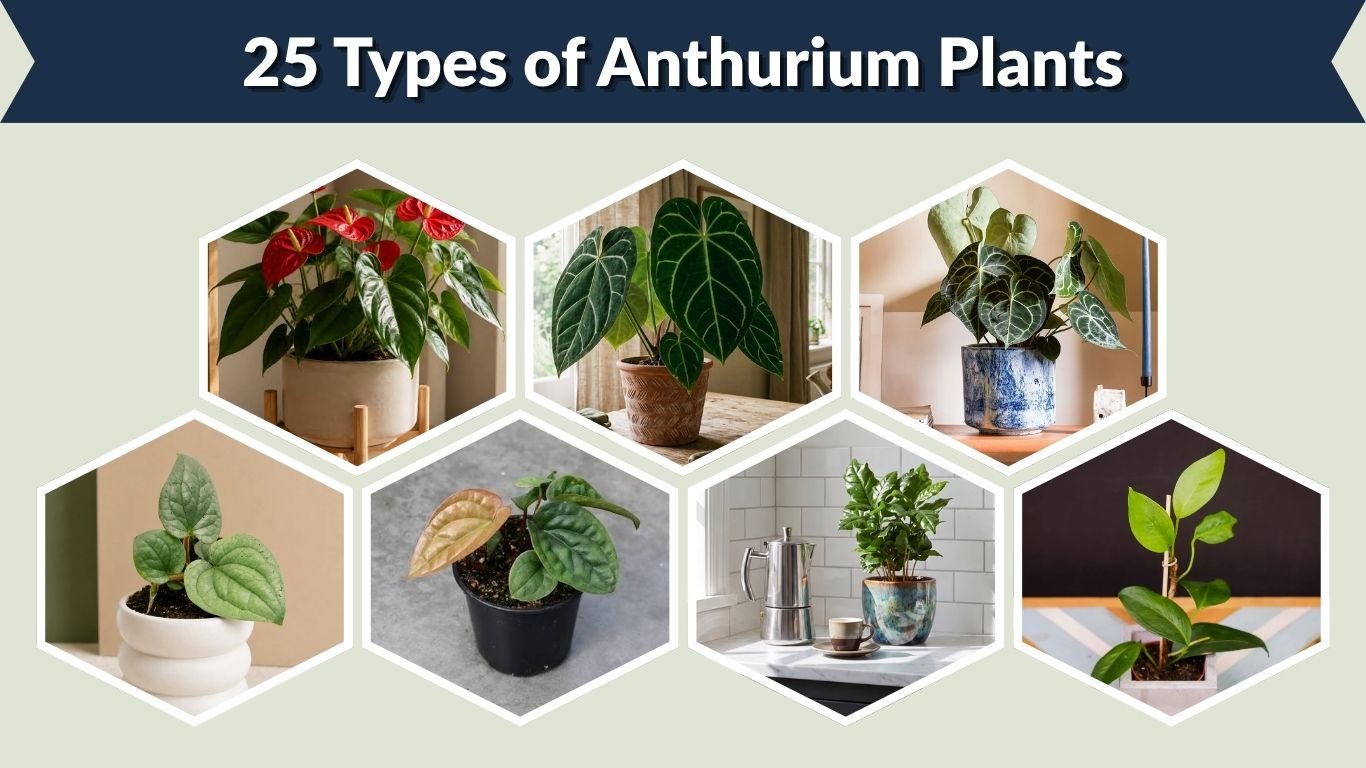
Looking for beautiful Anthurium plants to enhance your indoor space? Anthuriums are popular tropical houseplants admired for their glossy foliage, stunning leaf patterns, and colorful blooms. From the vibrant Flamingo Flower to the elegant Queen Anthurium, these plants bring natural beauty to any room. Explore 25 types of Anthurium plants for indoor growing, including their identification features, ideal growing conditions, and essential care tips.
1. Anthurium andraeanum
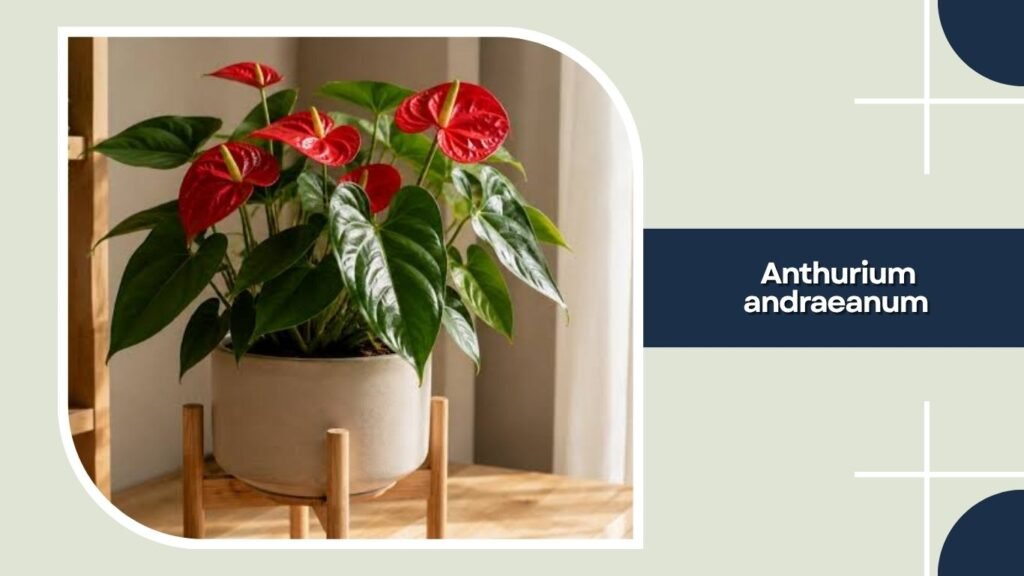
Anthurium andraeanum is a beautiful tropical houseplant admired for its glossy, heart-shaped leaves and colorful, long-lasting flower-like spathes. Commonly known as Flamingo Flower, this popular Anthurium variety adds an elegant tropical appearance to bedrooms, living rooms, and offices. Its vibrant red, pink, or white spathes and attractive foliage make it an excellent choice for indoor plant enthusiasts.
Identification
- Scientific Name: Anthurium andraeanum
- Common Name: Flamingo Flower, Flamingo Lily
- Plant Family: Araceae
- Leaf Color: Deep green with a glossy surface
- Leaf Shape: Broad, heart-shaped leaves
- Flower Color: Red, pink, white, or other cultivated colors
- Mature Height: Approximately 1–2 feet indoors
- Growth Habit: Upright, compact, and bushy
- Native Origin: Colombia and Ecuador
Ideal Indoor Growing Conditions
Anthurium andraeanum thrives in bright, indirect sunlight, which encourages healthy foliage and regular flowering. Avoid harsh direct sunlight because it may scorch the leaves. Maintain temperatures between 65°F and 85°F (18°C–29°C) with moderate to high humidity. Use a loose, well-draining potting mixture containing orchid bark, perlite, and organic matter. Protect the plant from cold drafts and sudden temperature changes.
Watering and Maintenance Tips
Water Anthurium andraeanum when the top 1–2 inches of potting mix feel slightly dry. Avoid overwatering because soggy roots can cause root rot. Apply diluted balanced liquid fertilizer every four to six weeks during active growth. Remove faded flowers and damaged leaves to maintain its attractive appearance. Wipe the foliage occasionally with a damp cloth and repot when roots become crowded. Keep away from children and pets because the plant is toxic if ingested.
2. Anthurium scherzerianum
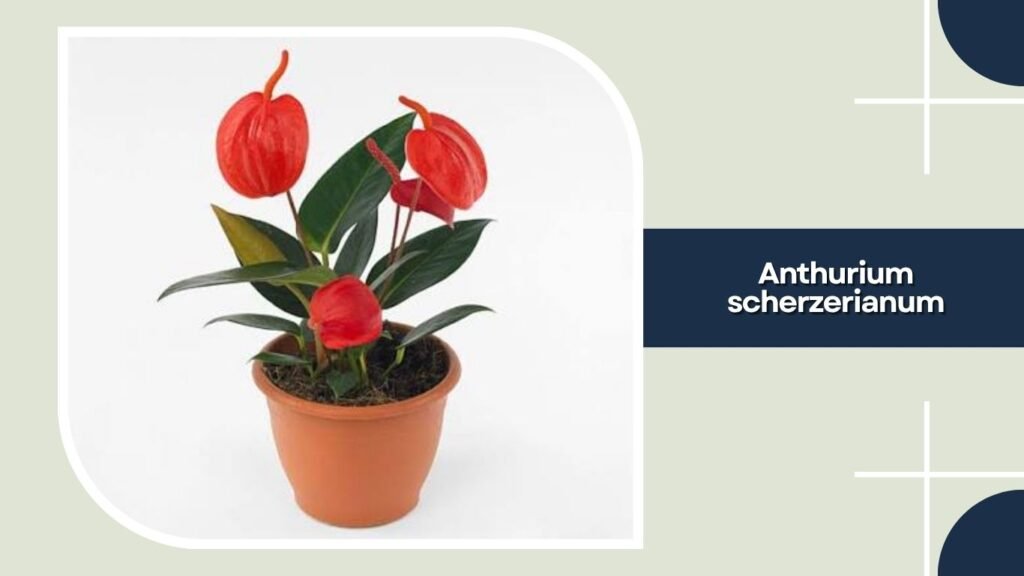
Anthurium scherzerianum is an attractive tropical houseplant recognized for its glossy green leaves and distinctive curled flower spikes surrounded by colorful spathes. Commonly known as Flamingo Flower or Pigtail Anthurium, this beautiful variety adds a vibrant tropical appearance to living rooms, bedrooms, and offices. Its compact growth, colorful blooms, and manageable care requirements make it a popular choice for indoor plant enthusiasts.
Identification
- Scientific Name: Anthurium scherzerianum
- Common Name: Pigtail Anthurium, Flamingo Flower
- Plant Family: Araceae
- Leaf Color: Glossy, deep green
- Leaf Shape: Long, narrow, lance-shaped leaves
- Flower Color: Red, orange, pink, or white spathes
- Mature Height: Approximately 1–2 feet indoors
- Growth Habit: Compact, upright, and bushy
- Native Origin: Costa Rica
Ideal Indoor Growing Conditions
Anthurium scherzerianum thrives in bright, indirect sunlight, which encourages healthy foliage and colorful flowering. Avoid intense direct sunlight because it may scorch the leaves. Maintain temperatures between 65°F and 80°F (18°C–27°C) with moderate to high humidity. Use a loose, well-draining potting mixture containing orchid bark, perlite, and organic matter. Protect the plant from cold drafts and sudden temperature changes.
Watering and Maintenance Tips
Water Anthurium scherzerianum when the top 1–2 inches of potting mix feel slightly dry. Avoid excessive watering because constantly wet soil can cause root rot. Apply diluted balanced liquid fertilizer every four to six weeks during active growth. Remove faded blooms and damaged leaves to maintain its attractive appearance. Wipe the foliage occasionally and repot when roots become crowded. Keep away from children and pets because the plant is toxic if ingested.
3. Anthurium crystallinum
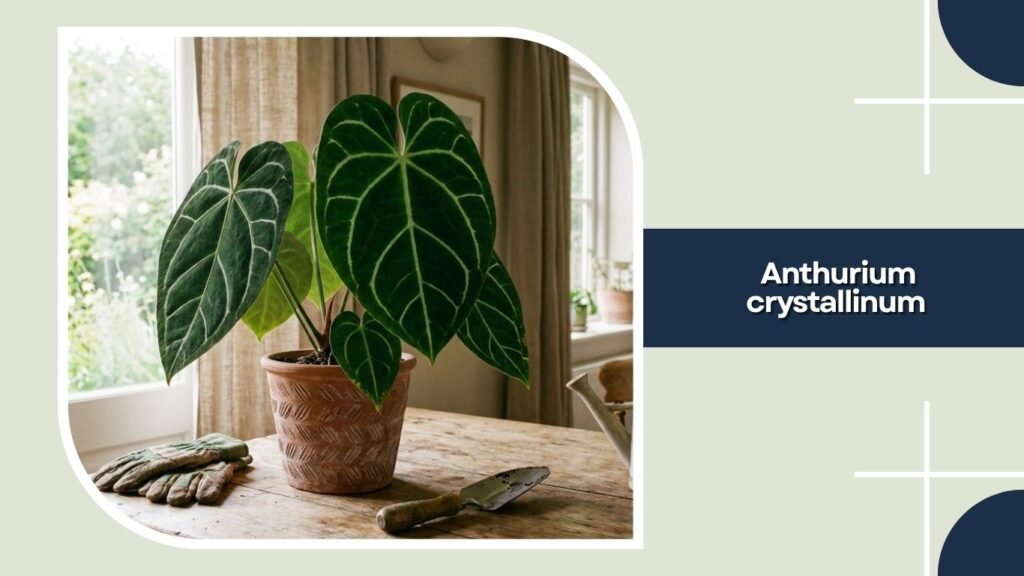
Anthurium crystallinum is a stunning tropical foliage plant admired for its large, velvety, heart-shaped leaves decorated with prominent silvery-white veins. Commonly known as Crystal Anthurium, this elegant variety creates a luxurious tropical appearance in bedrooms, living rooms, and indoor plant collections. Its distinctive foliage and climbing growth habit make it a favorite among houseplant collectors who enjoy unusual decorative plants.
Identification
- Scientific Name: Anthurium crystallinum
- Common Name: Crystal Anthurium
- Plant Family: Araceae
- Leaf Color: Deep green with silvery-white veins
- Leaf Shape: Large, heart-shaped leaves
- Flower Color: Greenish spathes with slender flower spikes
- Mature Height: Approximately 2–3 feet indoors
- Growth Habit: Upright, climbing, and spreading
- Native Origin: Central and South American tropical forests
Ideal Indoor Growing Conditions
Anthurium crystallinum grows best in bright, indirect sunlight, which supports healthy foliage development and prominent leaf patterns. Avoid direct afternoon sunlight because excessive exposure may damage its delicate leaves. Maintain temperatures between 65°F and 80°F (18°C–27°C) with humidity ideally around 60–80%. Use an airy, well-draining potting mixture containing orchid bark, perlite, and coco coir. Protect the plant from cold drafts and dry indoor air.
Watering and Maintenance Tips
Water Anthurium crystallinum when the upper 1–2 inches of potting mix begin to dry. Keep the growing medium lightly moist without allowing water to accumulate around the roots. Apply diluted balanced liquid fertilizer every four to six weeks during active growth. Remove damaged leaves and gently clean the foliage with a soft cloth. Provide a moss pole or suitable support as the plant matures. Keep away from pets because its foliage is toxic if swallowed.
4. Anthurium clarinervium
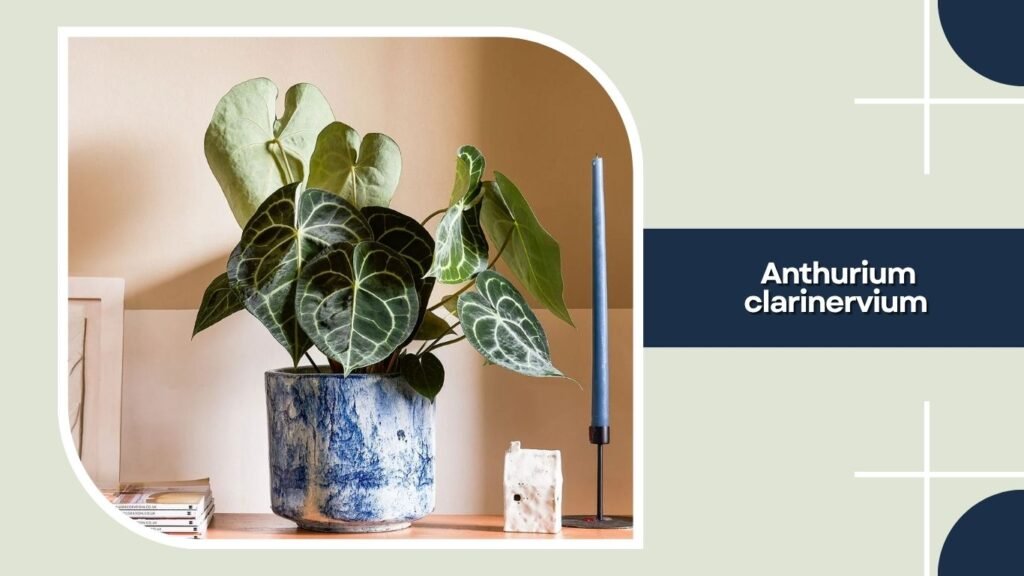
Anthurium clarinervium is a stunning tropical foliage plant admired for its thick, velvety, heart-shaped leaves decorated with prominent white veins. Commonly known as Velvet Cardboard Anthurium, this attractive variety adds an elegant tropical appearance to bedrooms, living rooms, and indoor plant collections. Its compact growth, distinctive leaf patterns, and ornamental foliage make it a popular choice for indoor plant enthusiasts.
Identification
- Scientific Name: Anthurium clarinervium
- Common Name: Velvet Cardboard Anthurium
- Plant Family: Araceae
- Leaf Color: Deep green with prominent white veins
- Leaf Shape: Broad, heart-shaped leaves
- Flower Color: Greenish spathes with slender flower spikes
- Mature Height: Approximately 1–2 feet indoors
- Growth Habit: Compact, upright, and spreading
- Native Origin: Southern Mexico
Ideal Indoor Growing Conditions
Anthurium clarinervium thrives in bright, indirect sunlight, which encourages healthy foliage and distinctive vein patterns. Avoid harsh direct sunlight because excessive exposure may scorch its velvety leaves. Maintain temperatures between 65°F and 80°F (18°C–27°C) with moderate to high humidity. Use a loose, well-draining potting mixture containing orchid bark, perlite, and coco coir. Protect the plant from cold drafts and sudden temperature changes.
Watering and Maintenance Tips
Water Anthurium clarinervium when the top 1–2 inches of potting mix become slightly dry. Avoid excessive watering because soggy roots can cause root rot. Apply diluted balanced liquid fertilizer every four to six weeks during active growth. Remove damaged leaves and gently clean the foliage with a soft brush. Repot when roots become crowded and ensure proper drainage. Keep away from children and pets because the plant is toxic if ingested.
5. Anthurium magnificum
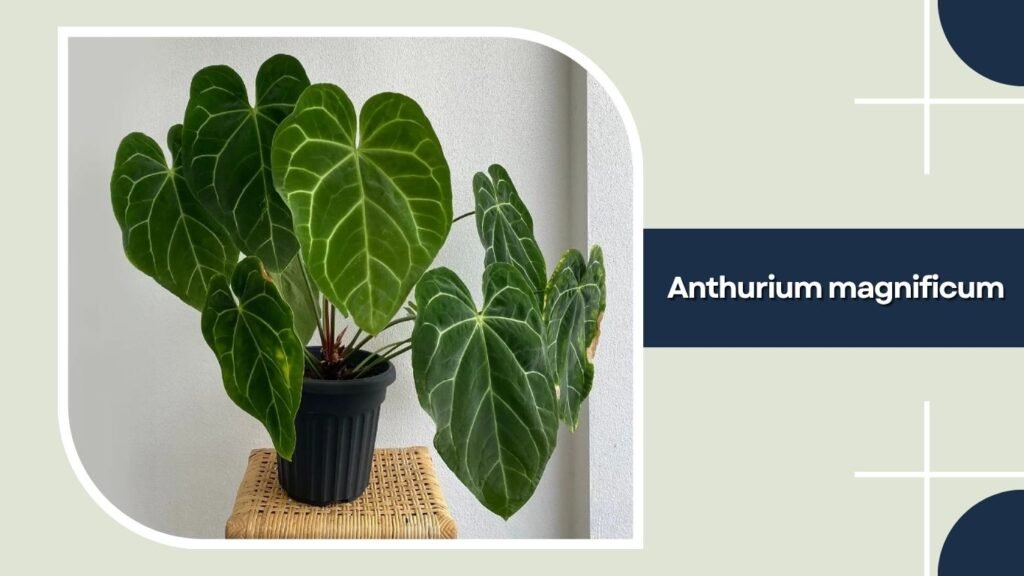
Anthurium magnificum is a beautiful tropical foliage plant recognized for its large, velvety, heart-shaped leaves featuring striking silvery-white veins. This ornamental Anthurium variety creates a luxurious tropical atmosphere in living rooms, bedrooms, and indoor gardens. Its impressive foliage, upright growth, and distinctive leaf patterns make it an excellent choice for houseplant collectors who appreciate unusual tropical plants.
Identification
- Scientific Name: Anthurium magnificum
- Common Name: Magnificent Anthurium
- Plant Family: Araceae
- Leaf Color: Dark green with silvery-white veins
- Leaf Shape: Large, broad, heart-shaped leaves
- Flower Color: Greenish spathes with narrow flower spikes
- Mature Height: Approximately 2–3 feet indoors
- Growth Habit: Upright, robust, and spreading
- Native Origin: Colombia
Ideal Indoor Growing Conditions
Anthurium magnificum grows best in bright, indirect sunlight, which encourages large, healthy leaves and prominent vein patterns. Avoid direct afternoon sunlight because it may damage the delicate foliage. Maintain temperatures between 65°F and 85°F (18°C–29°C) with high humidity, ideally around 60–80%. Use an airy, well-draining potting mixture containing orchid bark, perlite, and organic matter. Provide adequate space for its expanding foliage and protect it from cold drafts.
Watering and Maintenance Tips
Water Anthurium magnificum when the upper 1–2 inches of potting mix begin to dry. Keep the growing medium lightly moist without allowing the roots to remain waterlogged. Apply diluted balanced liquid fertilizer every four to six weeks during spring and summer. Remove yellow or damaged leaves and gently clean the foliage to prevent dust buildup. Repot when roots become crowded and maintain good air circulation. Keep away from pets because its foliage is toxic if swallowed.
6. Anthurium warocqueanum
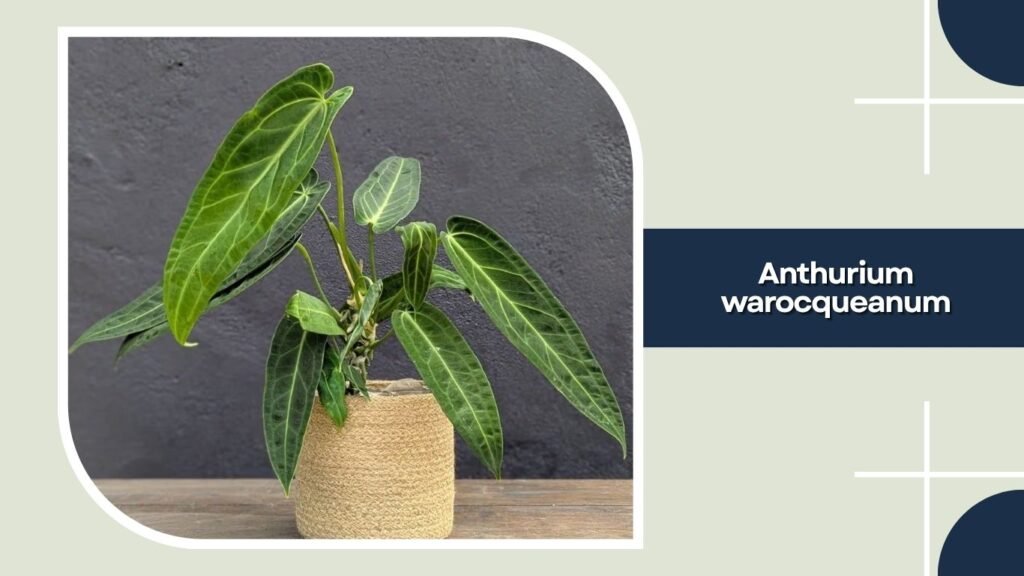
Anthurium warocqueanum is a spectacular tropical foliage plant admired for its long, velvety, dark green leaves decorated with prominent silvery-white veins. Commonly known as Queen Anthurium, this impressive variety adds a luxurious tropical appearance to living rooms, indoor gardens, and plant collections. Its dramatic hanging foliage and distinctive leaf patterns make it a favorite among experienced indoor plant enthusiasts.
Identification
- Scientific Name: Anthurium warocqueanum
- Common Name: Queen Anthurium
- Plant Family: Araceae
- Leaf Color: Deep green with silvery-white veins
- Leaf Shape: Long, narrow, elongated heart-shaped leaves
- Flower Color: Greenish spathes with slender flower spikes
- Mature Height: Leaves can reach 3–4 feet long indoors
- Growth Habit: Upright stem with long, hanging foliage
- Native Origin: Colombia
Ideal Indoor Growing Conditions
Anthurium warocqueanum thrives in bright, indirect sunlight, which encourages healthy foliage and impressive leaf development. Avoid harsh direct sunlight because excessive exposure may scorch its delicate leaves. Maintain temperatures between 65°F and 80°F (18°C–27°C) with high humidity, ideally around 70–80%. Use an airy, well-draining potting mixture containing orchid bark, perlite, and coco coir. Provide good air circulation and protect the plant from cold drafts.
Watering and Maintenance Tips
Water Anthurium warocqueanum when the upper layer of potting mix begins to dry. Keep the roots lightly moist without allowing waterlogging. Apply diluted balanced liquid fertilizer every four to six weeks during active growth. Remove damaged leaves and gently clean the velvety foliage with a soft brush. Provide a suitable climbing support as the plant matures. Keep away from children and pets because the plant is toxic if ingested.
7. Anthurium veitchii
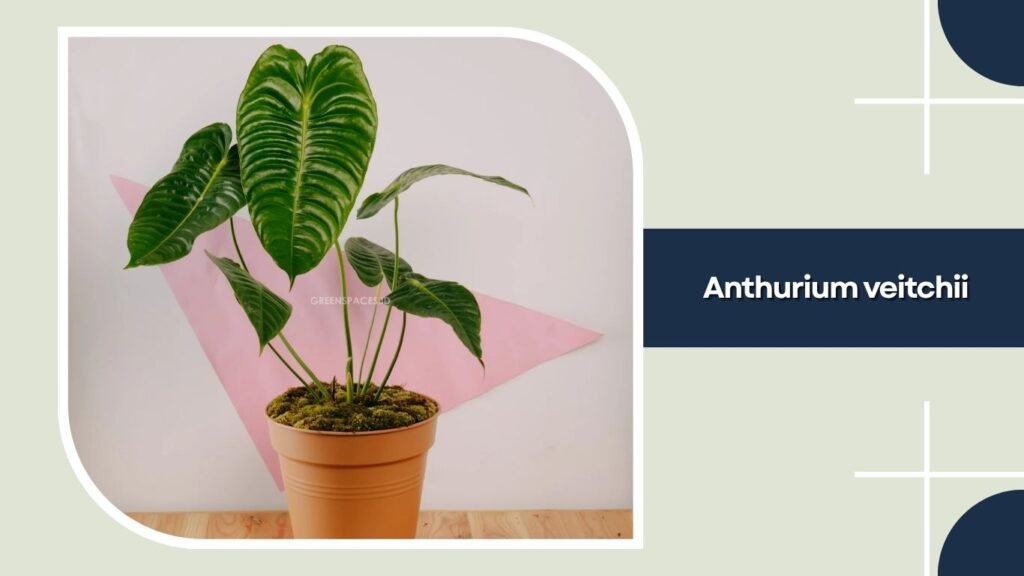
Anthurium veitchii is an impressive tropical foliage plant recognized for its long, glossy green leaves featuring distinctive rippled surfaces and prominent ridges. Commonly known as King Anthurium, this beautiful variety creates a dramatic tropical appearance in living rooms, indoor gardens, and houseplant collections. Its unusual hanging foliage, impressive leaf size, and ornamental appearance make it a popular choice for tropical plant enthusiasts.
Identification
- Scientific Name: Anthurium veitchii
- Common Name: King Anthurium
- Plant Family: Araceae
- Leaf Color: Glossy, medium to deep green
- Leaf Shape: Long, narrow, strap-shaped leaves with rippled surfaces
- Flower Color: Greenish spathes with slender flower spikes
- Mature Height: Leaves can reach approximately 2–4 feet long indoors
- Growth Habit: Epiphytic with long, hanging foliage
- Native Origin: Colombia
Ideal Indoor Growing Conditions
Anthurium veitchii grows best in bright, indirect sunlight, which encourages healthy leaf development and distinctive rippled foliage. Avoid direct afternoon sunlight because excessive exposure may damage its leaves. Maintain temperatures between 65°F and 85°F (18°C–29°C) with moderate to high humidity, ideally around 60–80%. Use a loose, well-draining potting mixture containing orchid bark, perlite, and coco coir. Provide sufficient space for its long leaves to hang naturally.
Watering and Maintenance Tips
Water Anthurium veitchii when the upper 1–2 inches of potting mix begin to dry. Allow excess water to drain completely to prevent root rot. Apply diluted balanced liquid fertilizer every four to six weeks during active growth. Remove yellow or damaged leaves and gently wipe the foliage with a damp cloth. Repot when necessary and maintain good air circulation around the plant. Keep away from pets because its foliage is toxic if swallowed.
8. Anthurium regale
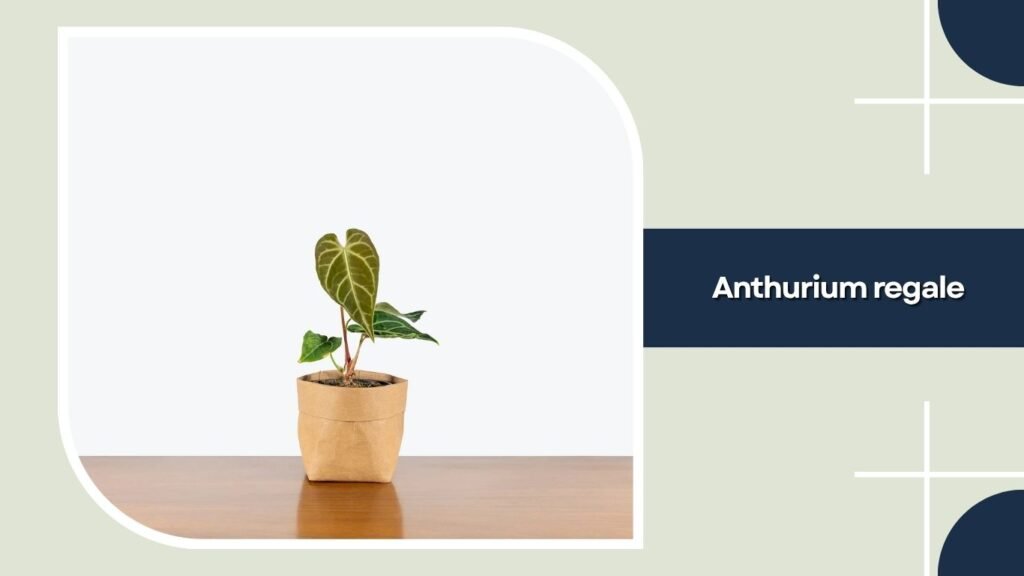
Anthurium regale is a magnificent tropical foliage plant admired for its enormous, velvety, heart-shaped leaves decorated with prominent silvery-white veins. This impressive Anthurium variety creates a luxurious tropical appearance in living rooms, indoor gardens, and plant collections. Its dramatic foliage, distinctive leaf patterns, and impressive mature size make it a favorite among experienced indoor plant enthusiasts.
Identification
- Scientific Name: Anthurium regale
- Common Name: Regal Anthurium
- Plant Family: Araceae
- Leaf Color: Deep green with prominent silvery-white veins
- Leaf Shape: Large, heart-shaped leaves with velvety surfaces
- Flower Color: Greenish spathes with slender flower spikes
- Mature Height: Approximately 2–4 feet indoors
- Growth Habit: Upright, robust, and spreading
- Native Origin: Peru
Ideal Indoor Growing Conditions
Anthurium regale thrives in bright, indirect sunlight, which encourages healthy foliage and impressive leaf development. Avoid strong direct sunlight because excessive exposure may scorch its delicate leaves. Maintain temperatures between 65°F and 80°F (18°C–27°C) with high humidity, ideally around 70–80%. Use an airy, well-draining potting mixture containing orchid bark, perlite, and coco coir. Protect the plant from cold drafts and provide sufficient space for its expanding foliage.
Watering and Maintenance Tips
Water Anthurium regale when the upper 1–2 inches of potting mix begin to dry. Keep the growing medium lightly moist without allowing waterlogging. Apply diluted balanced liquid fertilizer every four to six weeks during active growth. Remove damaged leaves and gently clean the foliage with a soft brush. Maintain good air circulation and repot when roots become crowded. Keep away from children and pets because the plant is toxic if ingested.
9. Anthurium forgetii
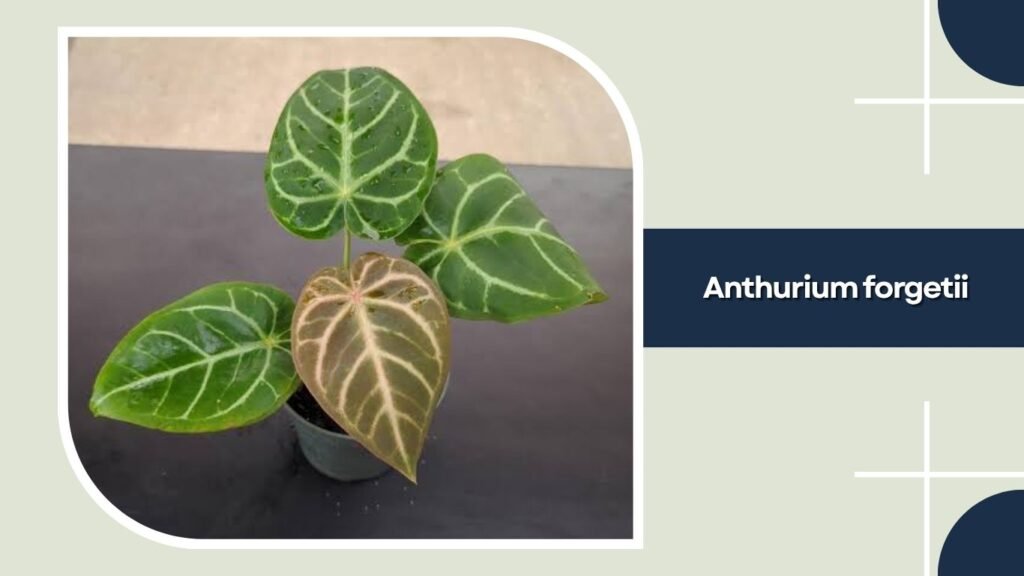
Anthurium forgetii is an attractive tropical foliage plant recognized for its rounded, velvety leaves decorated with striking silvery-white veins. Unlike many heart-shaped Anthurium varieties, this distinctive species features nearly circular leaves without a deep basal notch. Its compact growth, elegant foliage, and unusual leaf structure make it a beautiful addition to bedrooms, living rooms, and indoor plant collections.
Identification
- Scientific Name: Anthurium forgetii
- Common Name: Forget’s Anthurium
- Plant Family: Araceae
- Leaf Color: Deep green with silvery-white veins
- Leaf Shape: Rounded, nearly circular leaves
- Flower Color: Greenish spathes with slender flower spikes
- Mature Height: Approximately 1–2 feet indoors
- Growth Habit: Compact, upright, and spreading
- Native Origin: Colombia
Ideal Indoor Growing Conditions
Anthurium forgetii grows best in bright, indirect sunlight, which supports healthy foliage and prominent vein patterns. Avoid harsh direct sunlight because excessive exposure may damage its velvety leaves. Maintain temperatures between 65°F and 80°F (18°C–27°C) with moderate to high humidity, ideally around 60–80%. Use a loose, well-draining potting mixture containing orchid bark, perlite, and organic matter. Protect the plant from cold drafts and sudden temperature changes.
Watering and Maintenance Tips
Water Anthurium forgetii when the top 1–2 inches of potting mix become slightly dry. Avoid excessive watering because constantly wet roots may develop root rot. Apply diluted balanced liquid fertilizer every four to six weeks during spring and summer. Remove yellow or damaged leaves and gently clean the foliage with a soft brush. Maintain good air circulation and repot when the roots become crowded. Keep away from pets because its foliage is toxic if swallowed.
10. Anthurium luxurians
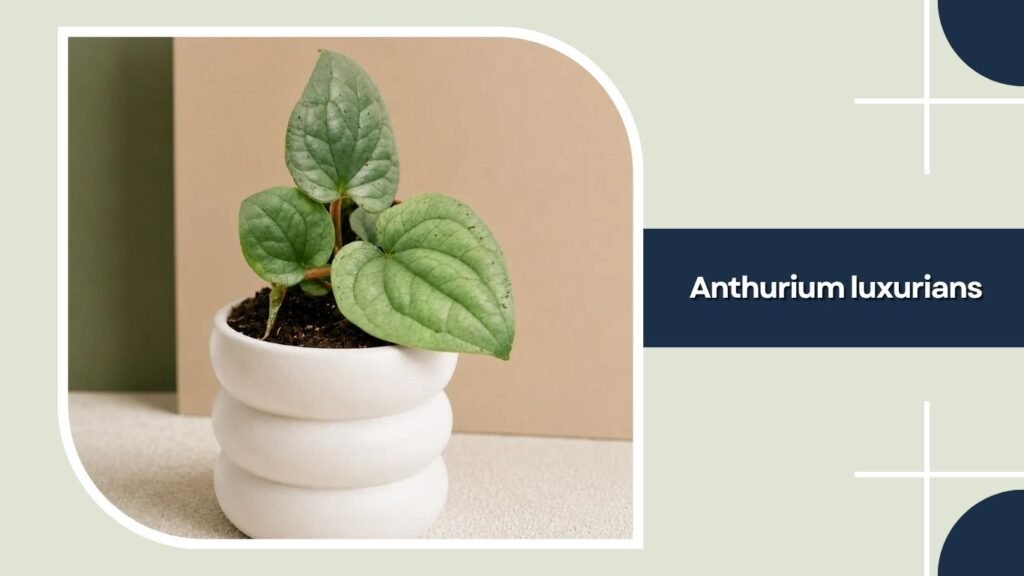
Anthurium luxurians is a stunning tropical foliage plant admired for its thick, glossy, dark green leaves featuring deeply textured and quilted surfaces. This distinctive Anthurium species creates a luxurious tropical appearance in living rooms, bedrooms, and indoor plant collections. Its unusual leaf texture, compact growth, and ornamental foliage make it a favorite among experienced houseplant enthusiasts.
Identification
- Scientific Name: Anthurium luxurians
- Common Name: Luxurians Anthurium
- Plant Family: Araceae
- Leaf Color: Deep green with a glossy surface
- Leaf Shape: Broad, heart-shaped to oval leaves with textured surfaces
- Flower Color: Greenish spathes with slender flower spikes
- Mature Height: Approximately 1–2 feet indoors
- Growth Habit: Compact, upright, and spreading
- Native Origin: Colombia
Ideal Indoor Growing Conditions
Anthurium luxurians thrives in bright, indirect sunlight, which encourages healthy foliage and distinctive leaf textures. Avoid harsh direct sunlight because excessive exposure may scorch its leaves. Maintain temperatures between 65°F and 85°F (18°C–29°C) with high humidity, ideally around 60–80%. Use a loose, well-draining potting mixture containing orchid bark, perlite, and coco coir. Protect the plant from cold drafts and sudden temperature changes.
Watering and Maintenance Tips
Water Anthurium luxurians when the upper 1–2 inches of potting mix begin to dry. Avoid excessive watering because soggy roots can cause root rot. Apply diluted balanced liquid fertilizer every four to six weeks during active growth. Remove damaged leaves and gently clean the textured foliage with a soft brush. Maintain good air circulation and repot when roots become crowded. Keep away from children and pets because the plant is toxic if ingested.
11. Anthurium vittarifolium
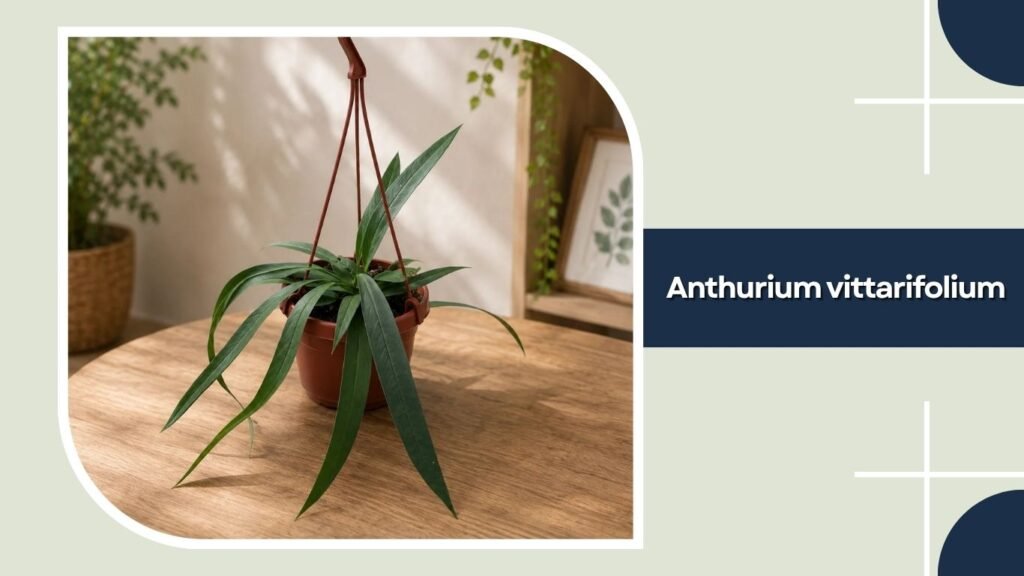
Anthurium vittarifolium is an elegant tropical foliage plant recognized for its long, narrow, strap-shaped leaves that hang gracefully from the plant. This distinctive Anthurium species adds a dramatic tropical appearance to hanging baskets, elevated shelves, and indoor plant collections. Its cascading foliage, unusual leaf shape, and attractive growth habit make it a popular choice for indoor gardening enthusiasts.
Identification
- Scientific Name: Anthurium vittarifolium
- Common Name: Strap-Leaf Anthurium
- Plant Family: Araceae
- Leaf Color: Deep green with a smooth surface
- Leaf Shape: Long, narrow, strap-shaped leaves
- Flower Color: Greenish spathes with slender flower spikes
- Mature Height: Leaves can reach approximately 3–6 feet long
- Growth Habit: Epiphytic with long, hanging foliage
- Native Origin: Tropical South America
Ideal Indoor Growing Conditions
Anthurium vittarifolium grows best in bright, indirect sunlight, which encourages healthy foliage and long leaf development. Avoid strong direct sunlight because excessive exposure may scorch its leaves. Maintain temperatures between 65°F and 85°F (18°C–29°C) with moderate to high humidity, ideally around 60–80%. Use an airy, well-draining potting mixture containing orchid bark, perlite, and coco coir. Provide enough vertical space for its foliage to hang naturally.
Watering and Maintenance Tips
Water Anthurium vittarifolium when the upper layer of potting mix begins to dry. Allow excess water to drain freely to prevent root rot. Apply diluted balanced liquid fertilizer every four to six weeks during active growth. Remove yellow or damaged leaves and gently wipe the foliage with a damp cloth. Grow it in a hanging basket or elevated container to accommodate its long leaves. Keep away from pets because the plant is toxic if swallowed.
12. Anthurium pendens
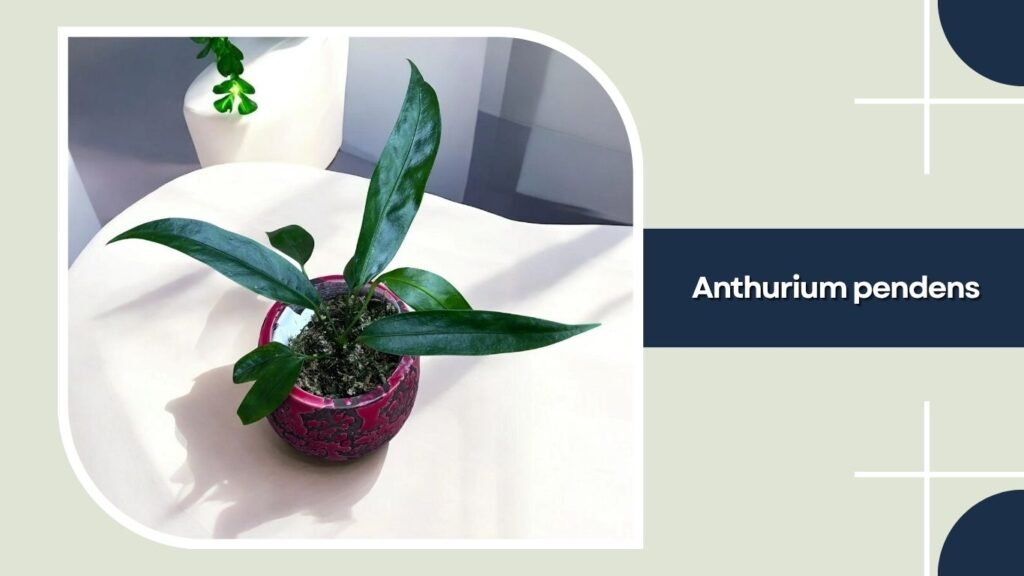
Anthurium pendens is an attractive tropical foliage plant admired for its long, narrow, leathery leaves that hang gracefully from the plant. This distinctive Anthurium species creates an elegant tropical appearance in hanging baskets, elevated shelves, and indoor plant collections. Its cascading foliage, unusual leaf shape, and ornamental growth habit make it an excellent choice for indoor gardeners who appreciate unique tropical houseplants.
Identification
- Scientific Name: Anthurium pendens
- Common Name: Pendant Anthurium
- Plant Family: Araceae
- Leaf Color: Deep green with a glossy surface
- Leaf Shape: Long, narrow, strap-shaped leaves
- Flower Color: Greenish spathes with slender flower spikes
- Mature Size: Leaves can reach approximately 2–4 feet long
- Growth Habit: Epiphytic with hanging foliage
- Native Origin: Tropical Central America
Ideal Indoor Growing Conditions
Anthurium pendens thrives in bright, indirect sunlight, which encourages healthy foliage and attractive leaf development. Avoid harsh direct sunlight because excessive exposure may scorch its leaves. Maintain temperatures between 65°F and 85°F (18°C–29°C) with moderate to high humidity, ideally around 60–80%. Use an airy, well-draining potting mixture containing orchid bark, perlite, and coco coir. Provide sufficient vertical space for its long leaves to hang naturally.
Watering and Maintenance Tips
Water Anthurium pendens when the upper 1–2 inches of potting mix begin to dry. Avoid excessive watering because constantly wet roots can cause root rot. Apply diluted balanced liquid fertilizer every four to six weeks during active growth. Remove yellow or damaged leaves and gently wipe the foliage with a damp cloth. Grow the plant in a hanging basket or elevated container and repot when necessary. Keep away from pets because the plant is toxic if ingested.
13. Anthurium hookeri
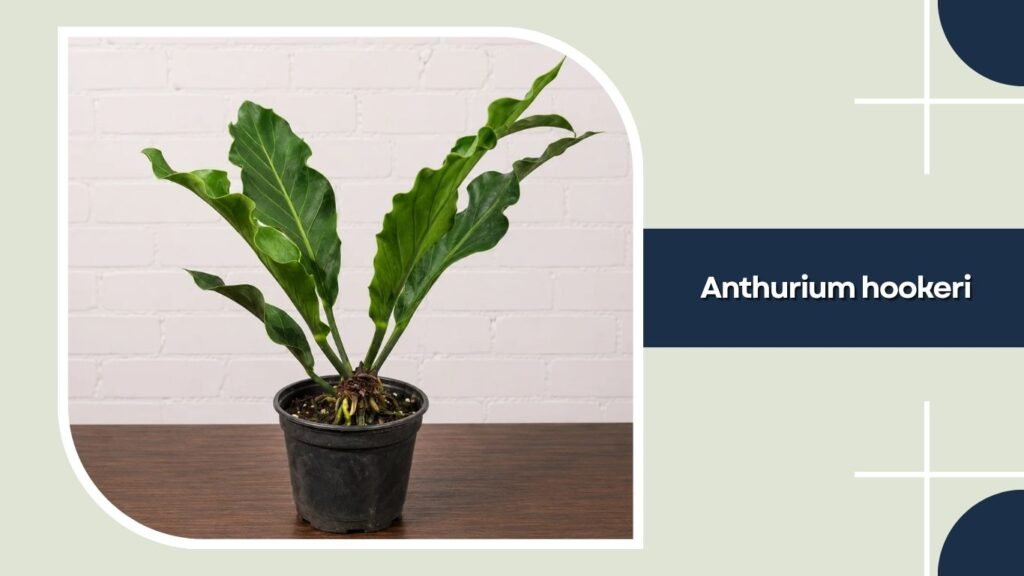
Anthurium hookeri is a beautiful tropical foliage plant recognized for its large, glossy green leaves arranged in an attractive rosette formation. Commonly associated with bird’s nest Anthuriums, this impressive species creates a lush tropical appearance in living rooms, indoor gardens, and spacious office areas. Its broad foliage, upright growth, and distinctive rosette shape make it a popular choice for indoor plant enthusiasts.
Identification
- Scientific Name: Anthurium hookeri
- Common Name: Hooker’s Anthurium, Bird’s Nest Anthurium
- Plant Family: Araceae
- Leaf Color: Glossy, deep green
- Leaf Shape: Broad, elongated, elliptical leaves
- Flower Color: Greenish spathes with purple-toned flower spikes
- Mature Height: Approximately 2–4 feet indoors
- Growth Habit: Upright, spreading, and rosette-forming
- Native Origin: Tropical northern South America and the Caribbean region
Ideal Indoor Growing Conditions
Anthurium hookeri grows best in bright, indirect sunlight but can tolerate moderate indoor lighting. Avoid intense direct sunlight because excessive exposure may scorch its broad leaves. Maintain temperatures between 65°F and 85°F (18°C–29°C) with moderate to high humidity. Use a loose, well-draining potting mixture containing orchid bark, perlite, and organic matter. Provide enough space for its large foliage to spread naturally.
Watering and Maintenance Tips
Water Anthurium hookeri when the upper 1–2 inches of potting mix feel slightly dry. Avoid waterlogged conditions because excessive moisture can damage the roots. Apply diluted balanced liquid fertilizer every four to six weeks during spring and summer. Remove damaged leaves and wipe the foliage occasionally to maintain its glossy appearance. Ensure good air circulation and avoid leaving water trapped in the central rosette. Keep away from children and pets because the plant is toxic if swallowed.
14. Anthurium plowmanii
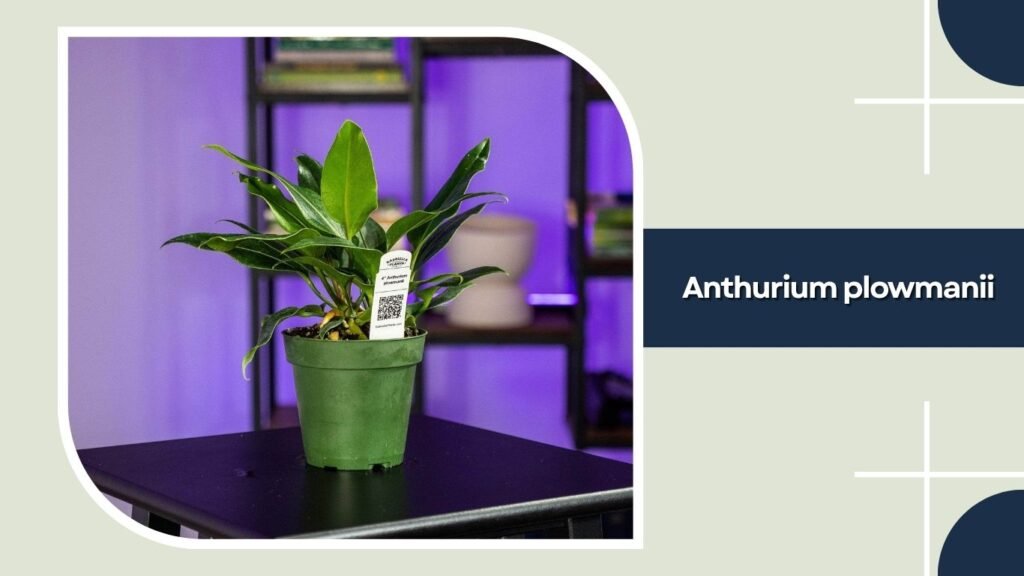
Anthurium plowmanii is an impressive tropical foliage plant admired for its large, glossy green leaves featuring attractive wavy edges. Commonly known as Wave of Love Anthurium, this distinctive species creates a lush tropical appearance in living rooms, indoor gardens, and spacious offices. Its broad foliage, rosette-shaped growth, and ornamental appearance make it a popular choice for indoor plant enthusiasts.
Identification
- Scientific Name: Anthurium plowmanii
- Common Name: Wave of Love Anthurium
- Plant Family: Araceae
- Leaf Color: Glossy, deep green
- Leaf Shape: Long, broad leaves with wavy margins
- Flower Color: Greenish or purplish spathes with prominent flower spikes
- Mature Height: Approximately 2–4 feet indoors
- Growth Habit: Upright, spreading, and rosette-forming
- Native Origin: Tropical South America
Ideal Indoor Growing Conditions
Anthurium plowmanii thrives in bright, indirect sunlight but can tolerate moderate indoor lighting. Avoid harsh direct sunlight because excessive exposure may scorch its broad leaves. Maintain temperatures between 65°F and 85°F (18°C–29°C) with moderate to high humidity. Use a loose, well-draining potting mixture containing orchid bark, perlite, and organic matter. Provide sufficient space for its large foliage to spread naturally.
Watering and Maintenance Tips
Water Anthurium plowmanii when the upper 1–2 inches of potting mix become slightly dry. Avoid excessive watering because constantly wet soil may cause root rot. Apply diluted balanced liquid fertilizer every four to six weeks during active growth. Remove damaged leaves and wipe the foliage occasionally with a damp cloth. Maintain good air circulation and repot when roots become crowded. Keep away from pets because the plant is toxic if ingested.
15. Anthurium jenmanii
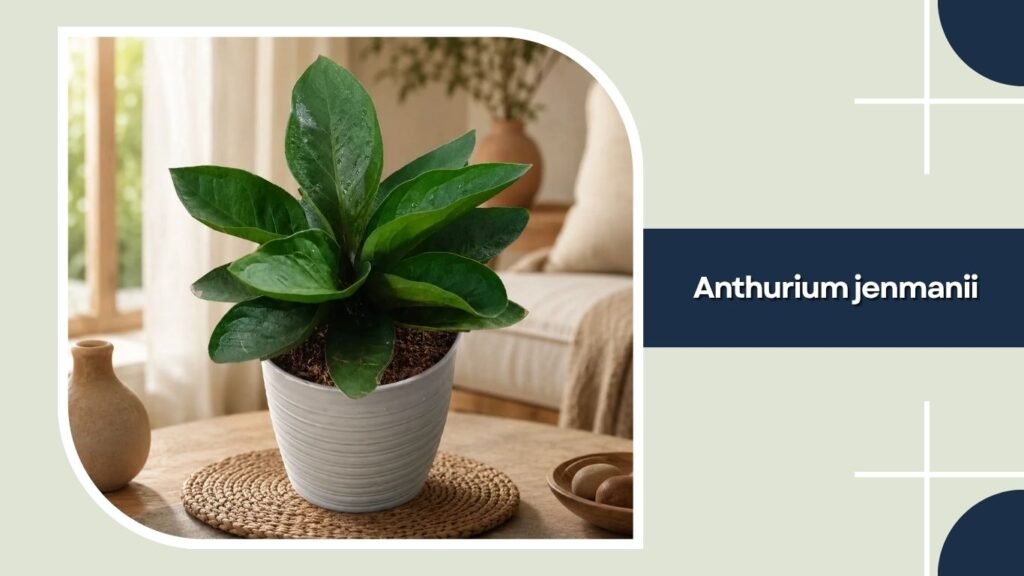
Anthurium jenmanii is an attractive tropical foliage plant recognized for its thick, leathery, dark green leaves arranged in a beautiful rosette formation. This distinctive bird’s nest Anthurium adds a bold tropical appearance to bedrooms, living rooms, and indoor plant collections. Its upright foliage, compact rosette growth, and striking leaf texture make it an excellent choice for indoor gardeners seeking ornamental greenery.
Identification
- Scientific Name: Anthurium jenmanii
- Common Name: Jenman’s Anthurium, Bird’s Nest Anthurium
- Plant Family: Araceae
- Leaf Color: Deep green with a glossy surface
- Leaf Shape: Long, broad, elliptical leaves
- Flower Color: Greenish spathes with purple-toned flower spikes
- Mature Height: Approximately 2–3 feet indoors
- Growth Habit: Upright, compact, and rosette-forming
- Native Origin: Tropical northern South America
Ideal Indoor Growing Conditions
Anthurium jenmanii grows best in bright, indirect sunlight but adapts to moderate indoor lighting. Avoid intense direct sunlight because it may damage the foliage. Maintain temperatures between 65°F and 85°F (18°C–29°C) with moderate to high humidity. Use an airy, well-draining potting mixture containing orchid bark, perlite, and coco coir. Protect the plant from cold drafts and sudden temperature changes.
Watering and Maintenance Tips
Water Anthurium jenmanii when the top 1–2 inches of potting mix begin to dry. Allow excess water to drain completely to prevent root rot. Apply diluted balanced liquid fertilizer every four to six weeks during spring and summer. Remove yellow or damaged leaves and wipe the foliage occasionally to maintain its glossy appearance. Avoid leaving water trapped in the central rosette and repot when roots become crowded. Keep away from children and pets because the plant is toxic if swallowed.
16. Anthurium radicans
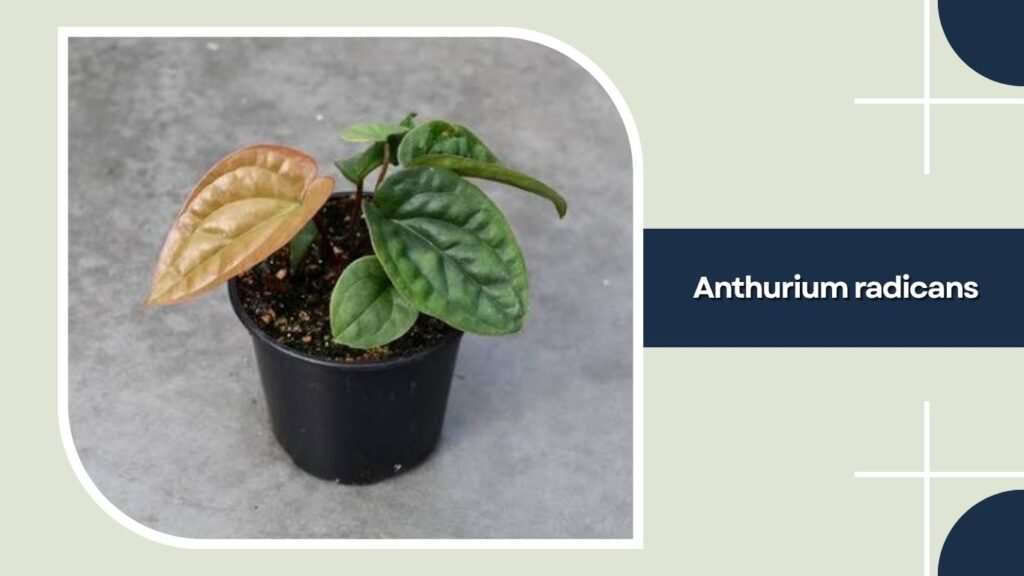
Anthurium radicans is an attractive tropical foliage plant admired for its thick, heart-shaped leaves featuring deeply textured and quilted surfaces. This distinctive Anthurium species adds an elegant tropical appearance to bedrooms, living rooms, and indoor plant collections. Its compact growth, unusual leaf texture, and ornamental foliage make it a popular choice for indoor gardeners who enjoy unique tropical houseplants.
Identification
- Scientific Name: Anthurium radicans
- Common Name: Radicans Anthurium
- Plant Family: Araceae
- Leaf Color: Deep green with a glossy surface
- Leaf Shape: Broad, heart-shaped leaves with textured surfaces
- Flower Color: Greenish spathes with slender flower spikes
- Mature Height: Approximately 1–2 feet indoors
- Growth Habit: Creeping, spreading, and compact
- Native Origin: Brazil
Ideal Indoor Growing Conditions
Anthurium radicans thrives in bright, indirect sunlight, which encourages healthy foliage and distinctive leaf development. Avoid harsh direct sunlight because excessive exposure may scorch its leaves. Maintain temperatures between 65°F and 85°F (18°C–29°C) with moderate to high humidity, ideally around 60–80%. Use a loose, well-draining potting mixture containing orchid bark, perlite, and coco coir. Provide sufficient space for its creeping stems to spread naturally.
Watering and Maintenance Tips
Water Anthurium radicans when the upper 1–2 inches of potting mix begin to dry. Avoid excessive watering because waterlogged roots can cause root rot. Apply diluted balanced liquid fertilizer every four to six weeks during active growth. Remove yellow or damaged leaves and gently clean the textured foliage with a soft brush. Repot when necessary and maintain good air circulation. Keep away from children and pets because the plant is toxic if ingested.
17. Anthurium marmoratum
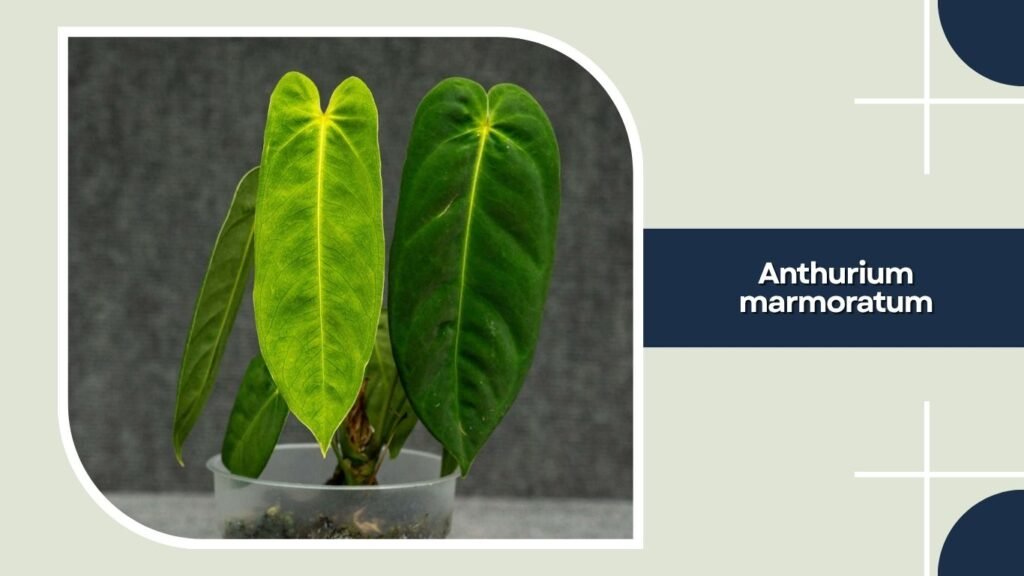
Anthurium marmoratum is a beautiful tropical foliage plant recognized for its large, velvety, heart-shaped leaves decorated with prominent pale green or silvery veins. This elegant Anthurium species creates a luxurious tropical appearance in living rooms, bedrooms, and indoor plant collections. Its impressive foliage, distinctive leaf patterns, and ornamental growth make it an excellent choice for experienced indoor plant enthusiasts.
Identification
- Scientific Name: Anthurium marmoratum
- Common Name: Marbled Anthurium
- Plant Family: Araceae
- Leaf Color: Deep green with pale green or silvery veins
- Leaf Shape: Large, elongated heart-shaped leaves
- Flower Color: Greenish spathes with slender flower spikes
- Mature Height: Approximately 2–4 feet indoors
- Growth Habit: Upright, climbing, and spreading
- Native Origin: Tropical South America
Ideal Indoor Growing Conditions
Anthurium marmoratum grows best in bright, indirect sunlight, which supports healthy foliage and attractive vein patterns. Avoid intense direct sunlight because excessive exposure may damage its velvety leaves. Maintain temperatures between 65°F and 80°F (18°C–27°C) with high humidity, ideally around 60–80%. Use an airy, well-draining potting mixture containing orchid bark, perlite, and coco coir. Protect the plant from cold drafts and provide adequate space for its expanding foliage.
Watering and Maintenance Tips
Water Anthurium marmoratum when the upper 1–2 inches of potting mix become slightly dry. Keep the growing medium lightly moist without allowing waterlogging. Apply diluted balanced liquid fertilizer every four to six weeks during spring and summer. Remove damaged leaves and gently clean the velvety foliage with a soft brush. Provide climbing support if needed and repot when roots become crowded. Keep away from pets because the plant is toxic if swallowed.
18. Anthurium papillilaminum
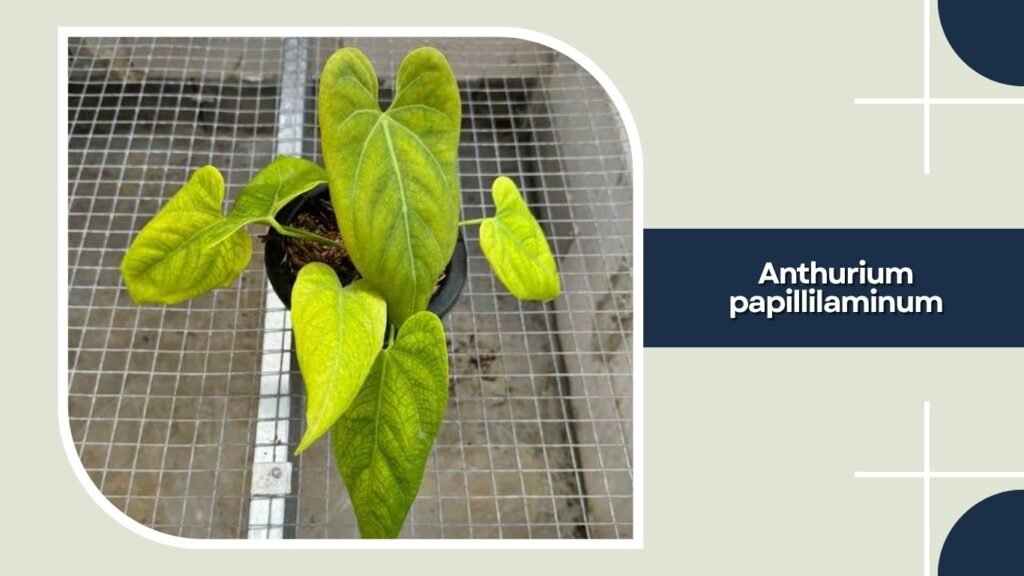
Anthurium papillilaminum is an elegant tropical foliage plant admired for its large, velvety, heart-shaped leaves featuring deep green coloration and subtle vein patterns. This rare Anthurium species creates a luxurious tropical appearance in bedrooms, living rooms, and indoor plant collections. Its dramatic foliage, distinctive leaf texture, and ornamental growth make it a favorite among experienced houseplant enthusiasts.
Identification
- Scientific Name: Anthurium papillilaminum
- Common Name: Papillilaminum Anthurium
- Plant Family: Araceae
- Leaf Color: Deep green with subtle contrasting veins
- Leaf Shape: Broad, elongated heart-shaped leaves
- Flower Color: Greenish to purplish spathes with slender flower spikes
- Mature Height: Approximately 2–3 feet indoors
- Growth Habit: Upright, spreading, and climbing
- Native Origin: Panama
Ideal Indoor Growing Conditions
Anthurium papillilaminum thrives in bright, indirect sunlight, which encourages healthy foliage and beautiful leaf development. Avoid harsh direct sunlight because excessive exposure may scorch its velvety leaves. Maintain temperatures between 65°F and 85°F (18°C–29°C) with high humidity, ideally around 65–80%. Use an airy, well-draining potting mixture containing orchid bark, perlite, and coco coir. Protect the plant from cold drafts and sudden temperature changes.
Watering and Maintenance Tips
Water Anthurium papillilaminum when the upper 1–2 inches of potting mix begin to dry. Avoid excessive watering because soggy roots can cause root rot. Apply diluted balanced liquid fertilizer every four to six weeks during active growth. Remove damaged leaves and gently clean the velvety foliage with a soft brush. Maintain good air circulation and provide support as the plant matures. Keep away from children and pets because the plant is toxic if ingested.
19. Anthurium metallicum
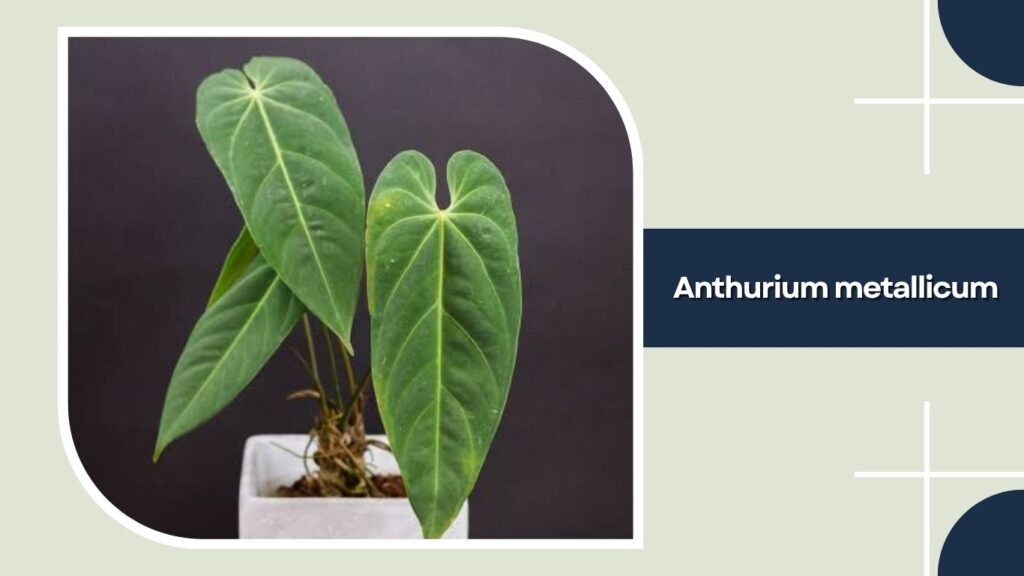
Anthurium metallicum is an impressive tropical foliage plant recognized for its large, elongated, heart-shaped leaves featuring a velvety surface and prominent silvery-white veins. This beautiful Anthurium species adds an elegant tropical appearance to living rooms, indoor gardens, and houseplant collections. Its dramatic foliage, distinctive metallic-looking vein patterns, and impressive leaf size make it a popular choice among experienced indoor gardeners.
Identification
- Scientific Name: Anthurium metallicum
- Common Name: Metallic Anthurium
- Plant Family: Araceae
- Leaf Color: Deep green with silvery-white veins
- Leaf Shape: Large, elongated heart-shaped leaves
- Flower Color: Greenish spathes with slender flower spikes
- Mature Height: Approximately 2–4 feet indoors
- Growth Habit: Upright, robust, and spreading
- Native Origin: Colombia
Ideal Indoor Growing Conditions
Anthurium metallicum grows best in bright, indirect sunlight, which supports healthy foliage and prominent vein patterns. Avoid direct afternoon sunlight because excessive exposure may damage its delicate leaves. Maintain temperatures between 65°F and 80°F (18°C–27°C) with high humidity, ideally around 70–80%. Use a loose, well-draining potting mixture containing orchid bark, perlite, and coco coir. Provide adequate space for its expanding foliage and protect it from cold drafts.
Watering and Maintenance Tips
Water Anthurium metallicum when the upper 1–2 inches of potting mix become slightly dry. Keep the growing medium lightly moist without allowing the roots to remain waterlogged. Apply diluted balanced liquid fertilizer every four to six weeks during spring and summer. Remove yellow or damaged leaves and gently clean the foliage with a soft brush. Maintain good air circulation and repot when roots become crowded. Keep away from pets because the plant is toxic if swallowed.
20. Anthurium superbum
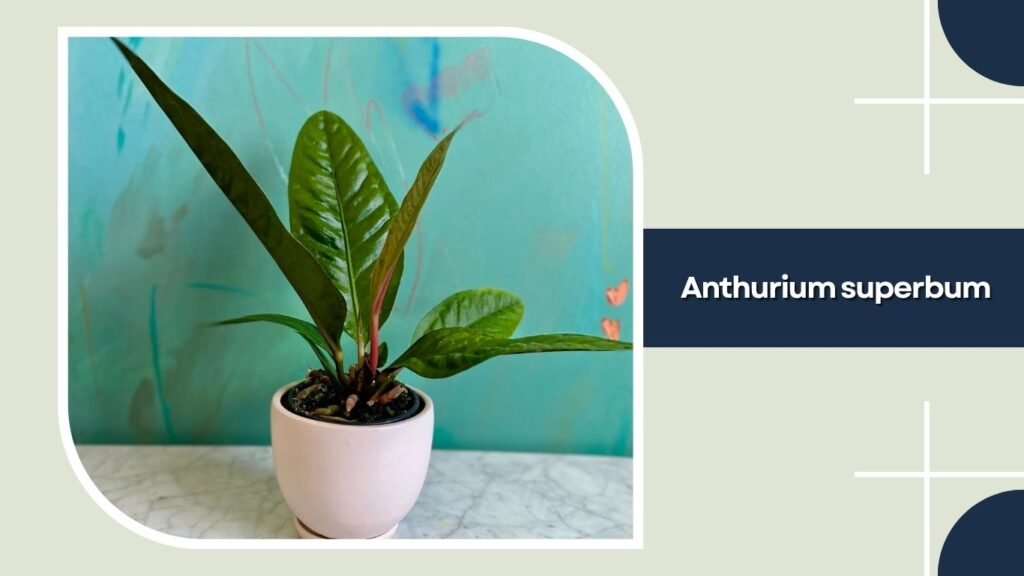
Anthurium superbum is an attractive tropical foliage plant admired for its large, upright, dark green leaves arranged in a distinctive rosette formation. Commonly known as Bird’s Nest Anthurium, this beautiful species creates a lush tropical appearance in living rooms, indoor gardens, and spacious offices. Its dramatic foliage, unique growth habit, and ornamental appearance make it a popular choice for indoor plant enthusiasts.
Identification
- Scientific Name: Anthurium superbum
- Common Name: Bird’s Nest Anthurium
- Plant Family: Araceae
- Leaf Color: Deep green with a glossy surface
- Leaf Shape: Long, broad, elliptical leaves
- Flower Color: Greenish spathes with purple-toned flower spikes
- Mature Height: Approximately 2–4 feet indoors
- Growth Habit: Upright, spreading, and rosette-forming
- Native Origin: Ecuador
Ideal Indoor Growing Conditions
Anthurium superbum thrives in bright, indirect sunlight but tolerates moderate indoor lighting. Avoid harsh direct sunlight because excessive exposure may scorch its broad leaves. Maintain temperatures between 65°F and 85°F (18°C–29°C) with moderate to high humidity. Use a loose, well-draining potting mixture containing orchid bark, perlite, and organic matter. Provide enough space for its large foliage to spread naturally.
Watering and Maintenance Tips
Water Anthurium superbum when the upper 1–2 inches of potting mix begin to dry. Avoid excessive watering because constantly wet roots can cause root rot. Apply diluted balanced liquid fertilizer every four to six weeks during active growth. Remove damaged leaves and wipe the foliage occasionally with a damp cloth. Maintain good air circulation and prevent water from collecting in the central rosette. Keep away from children and pets because the plant is toxic if ingested.
21. Anthurium brownii
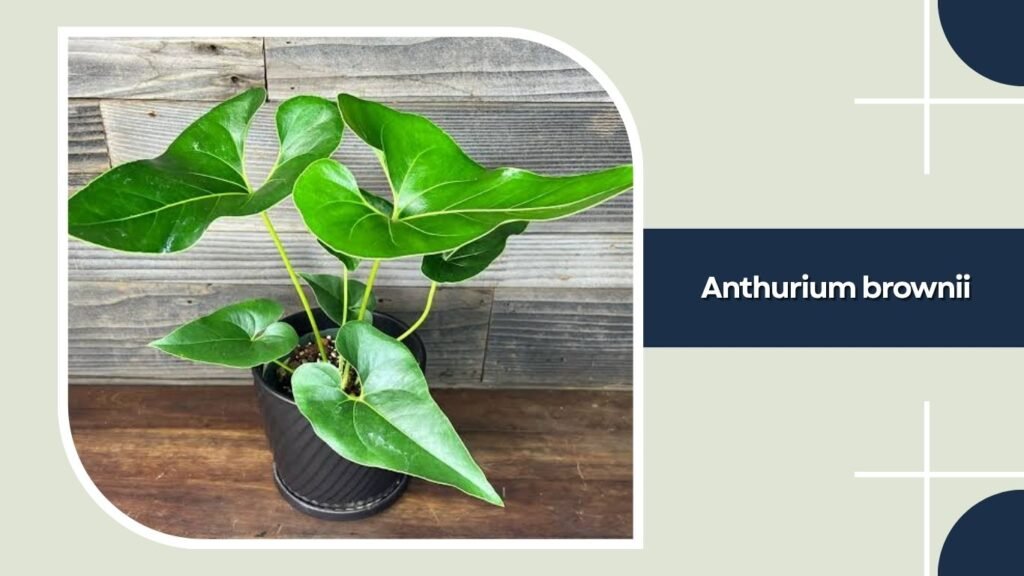
Anthurium brownii is a beautiful tropical foliage plant recognized for its large, glossy green leaves featuring prominent veins and attractive heart-shaped bases. This distinctive Anthurium species adds an elegant tropical appearance to living rooms, bedrooms, and indoor plant collections. Its impressive foliage, upright growth, and ornamental leaf structure make it an excellent choice for indoor gardeners who appreciate unusual tropical houseplants.
Identification
- Scientific Name: Anthurium brownii
- Common Name: Brown’s Anthurium
- Plant Family: Araceae
- Leaf Color: Glossy, medium to deep green
- Leaf Shape: Broad, heart-shaped to triangular leaves
- Flower Color: Greenish to purplish spathes with prominent flower spikes
- Mature Height: Approximately 2–4 feet indoors
- Growth Habit: Upright, spreading, and robust
- Native Origin: Tropical Central and South America
Ideal Indoor Growing Conditions
Anthurium brownii grows best in bright, indirect sunlight, which encourages healthy foliage and strong leaf development. Avoid intense direct sunlight because excessive exposure may damage its broad leaves. Maintain temperatures between 65°F and 85°F (18°C–29°C) with moderate to high humidity, ideally around 60–80%. Use an airy, well-draining potting mixture containing orchid bark, perlite, and coco coir. Protect the plant from cold drafts and provide adequate space for its expanding foliage.
Watering and Maintenance Tips
Water Anthurium brownii when the upper 1–2 inches of potting mix become slightly dry. Allow excess water to drain freely to prevent root rot. Apply diluted balanced liquid fertilizer every four to six weeks during spring and summer. Remove yellow or damaged leaves and gently clean the foliage with a soft, damp cloth. Maintain good air circulation and repot when roots become crowded. Keep away from pets because the plant is toxic if swallowed.
22. Anthurium gracile
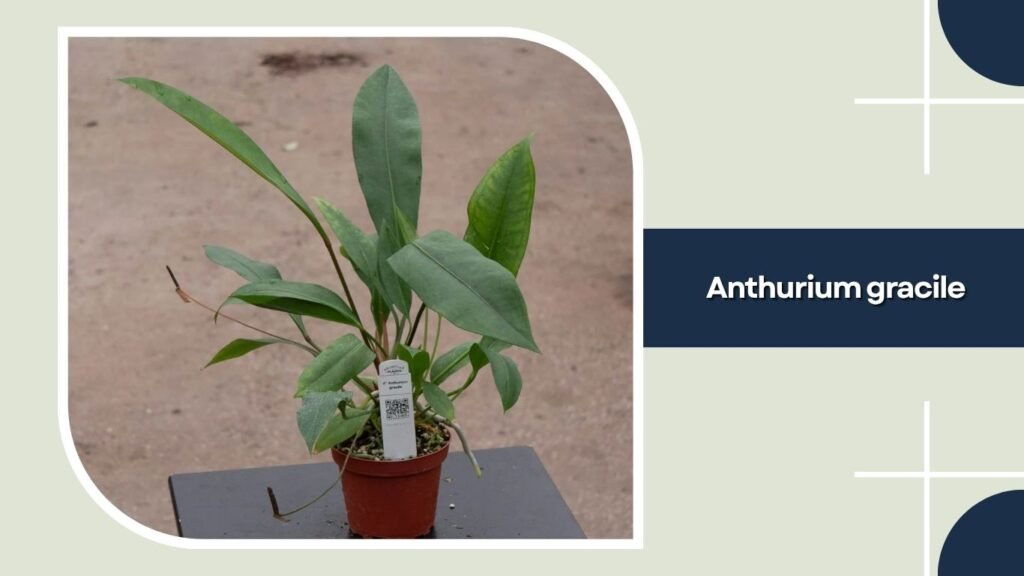
Anthurium gracile is an attractive tropical foliage plant recognized for its glossy, elongated green leaves and distinctive clusters of bright red berries. Commonly known as Red Pearls Anthurium, this beautiful species creates an elegant tropical appearance in living rooms, bedrooms, and indoor plant collections. Its slender foliage, ornamental fruit clusters, and manageable growth make it an interesting choice for indoor plant enthusiasts.
Identification
- Scientific Name: Anthurium gracile
- Common Name: Red Pearls Anthurium
- Plant Family: Araceae
- Leaf Color: Glossy, deep green
- Leaf Shape: Long, narrow, elliptical leaves
- Flower Color: Greenish spathes with slender flower spikes
- Mature Height: Approximately 1–3 feet indoors
- Growth Habit: Upright, epiphytic, and spreading
- Native Origin: Tropical Central and South America
Ideal Indoor Growing Conditions
Anthurium gracile thrives in bright, indirect sunlight, which encourages healthy foliage and flowering. Avoid harsh direct sunlight because excessive exposure may scorch its leaves. Maintain temperatures between 65°F and 85°F (18°C–29°C) with moderate to high humidity, ideally around 60–80%. Use an airy, well-draining potting mixture containing orchid bark, perlite, and coco coir. Protect the plant from cold drafts and provide good air circulation.
Watering and Maintenance Tips
Water Anthurium gracile when the upper 1–2 inches of potting mix begin to dry. Avoid excessive watering because soggy roots can cause root rot. Apply diluted balanced liquid fertilizer every four to six weeks during active growth. Remove damaged leaves and gently wipe the foliage with a damp cloth. Repot when roots become crowded and avoid disturbing its delicate root system unnecessarily. Keep the plant and its berries away from children and pets because they are toxic if ingested.
23. Anthurium scandens
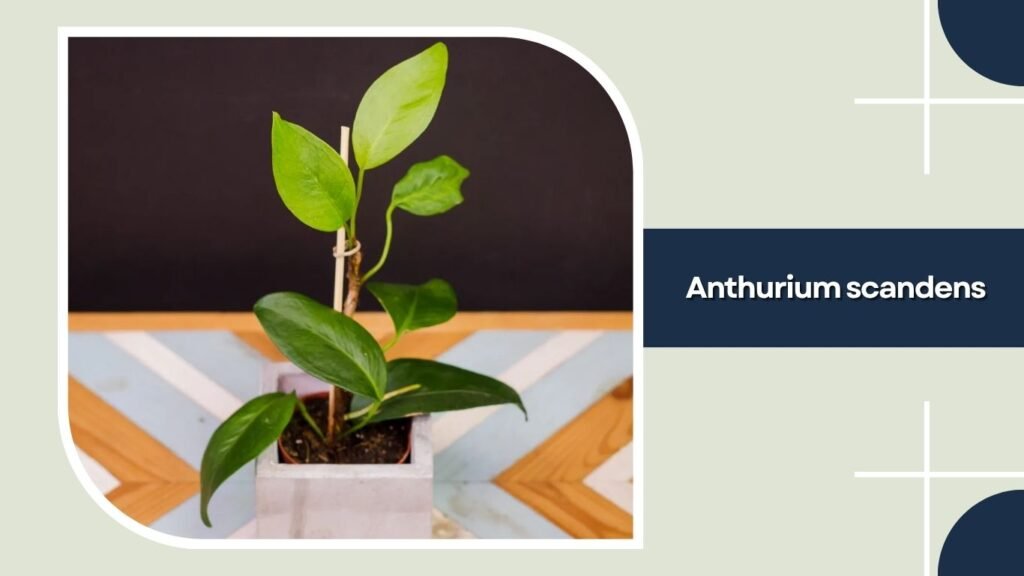
Anthurium scandens is a charming tropical climbing plant admired for its small, glossy green leaves and delicate clusters of decorative berries. Commonly known as Climbing Anthurium, this attractive species adds a refreshing tropical appearance to hanging baskets, indoor shelves, and plant collections. Its compact foliage, climbing growth habit, and manageable care requirements make it an appealing choice for indoor gardeners seeking unusual trailing houseplants.
Identification
- Scientific Name: Anthurium scandens
- Common Name: Climbing Anthurium
- Plant Family: Araceae
- Leaf Color: Glossy, medium to deep green
- Leaf Shape: Small, oval to elliptical leaves
- Flower Color: Greenish spathes with small flower spikes
- Mature Height: Climbing stems can extend several feet indoors
- Growth Habit: Climbing, trailing, and epiphytic
- Native Origin: Tropical Central and South America
Ideal Indoor Growing Conditions
Anthurium scandens grows best in bright, indirect sunlight but tolerates moderate indoor lighting. Avoid intense direct sunlight because prolonged exposure may damage its foliage. Maintain temperatures between 65°F and 85°F (18°C–29°C) with moderate to high humidity, ideally around 60–80%. Use a loose, well-draining potting mixture containing orchid bark, perlite, and coco coir. Provide a moss pole or suitable support for climbing growth.
Watering and Maintenance Tips
Water Anthurium scandens when the upper 1–2 inches of potting mix feel slightly dry. Allow excess water to drain completely to prevent root rot. Apply diluted balanced liquid fertilizer every four to six weeks during spring and summer. Trim excessively long stems to maintain a compact appearance and remove damaged leaves regularly. Grow it in a hanging basket or climbing container according to your preference. Keep away from children and pets because the plant is toxic if swallowed.
24. Anthurium balaoanum
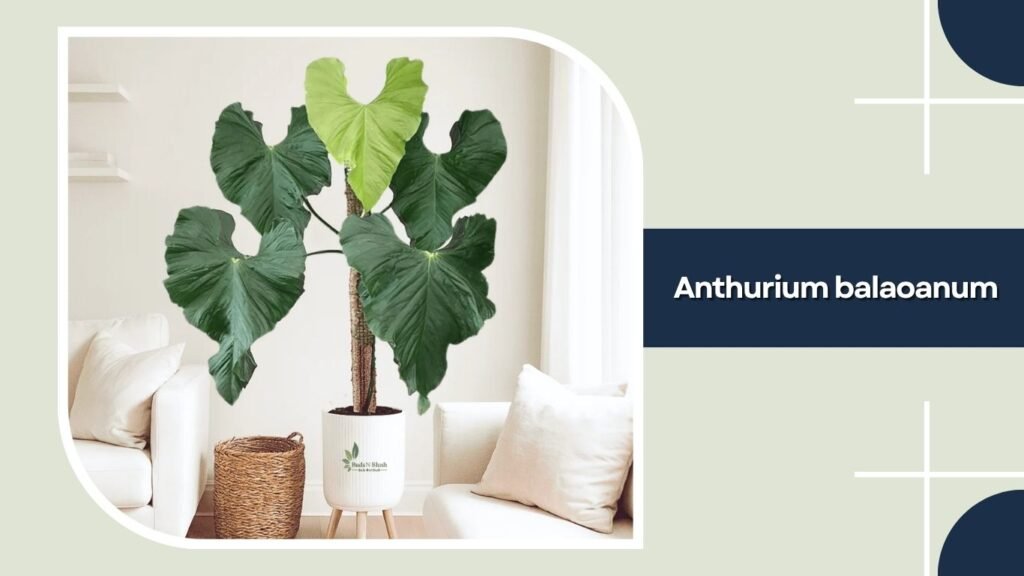
Anthurium balaoanum is an elegant tropical foliage plant admired for its large, elongated, heart-shaped leaves featuring smooth surfaces and prominent veins. This beautiful Anthurium species creates a refreshing tropical appearance in living rooms, bedrooms, and indoor plant collections. Its impressive foliage, climbing growth habit, and ornamental appearance make it an attractive choice for indoor gardeners who enjoy unusual tropical houseplants.
Identification
- Scientific Name: Anthurium balaoanum
- Common Name: Balaoanum Anthurium
- Plant Family: Araceae
- Leaf Color: Glossy, medium to deep green
- Leaf Shape: Large, elongated, heart-shaped leaves
- Flower Color: Greenish spathes with slender flower spikes
- Mature Height: Approximately 2–4 feet indoors
- Growth Habit: Climbing, upright, and spreading
- Native Origin: Ecuador
Ideal Indoor Growing Conditions
Anthurium balaoanum thrives in bright, indirect sunlight, which encourages healthy foliage and impressive leaf development. Avoid harsh direct sunlight because excessive exposure may scorch its leaves. Maintain temperatures between 65°F and 85°F (18°C–29°C) with moderate to high humidity, ideally around 60–80%. Use an airy, well-draining potting mixture containing orchid bark, perlite, and coco coir. Provide a moss pole or suitable support for its climbing growth.
Watering and Maintenance Tips
Water Anthurium balaoanum when the upper 1–2 inches of potting mix begin to dry. Avoid excessive watering because soggy roots may cause root rot. Apply diluted balanced liquid fertilizer every four to six weeks during active growth. Remove damaged leaves and gently wipe the foliage with a damp cloth. Maintain good air circulation and repot when roots become crowded. Keep away from children and pets because the plant is toxic if ingested.
25. Anthurium cupulispathum
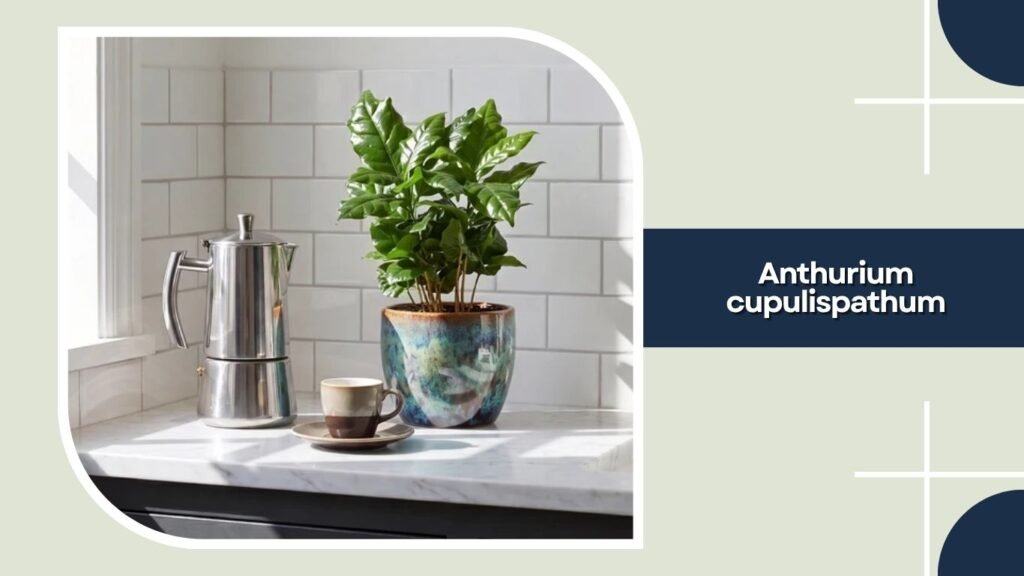
Anthurium cupulispathum is a distinctive tropical foliage plant recognized for its impressive, broad green leaves and unusual ornamental flower structures. This uncommon Anthurium species adds a lush tropical appearance to spacious living rooms, indoor gardens, and specialized plant collections. Its large foliage, upright growth, and unique botanical characteristics make it an interesting choice for experienced indoor plant enthusiasts.
Identification
- Scientific Name: Anthurium cupulispathum
- Common Name: Cupulispathum Anthurium
- Plant Family: Araceae
- Leaf Color: Medium to deep green
- Leaf Shape: Large, broad, heart-shaped leaves
- Flower Color: Greenish to purple-toned spathes with prominent flower spikes
- Mature Height: Approximately 3–5 feet indoors under favorable conditions
- Growth Habit: Upright, robust, and spreading
- Native Origin: Tropical South America
Ideal Indoor Growing Conditions
Anthurium cupulispathum grows best in bright, indirect sunlight, which encourages healthy foliage and strong development. Avoid intense direct sunlight because excessive exposure may damage its broad leaves. Maintain temperatures between 65°F and 85°F (18°C–29°C) with high humidity, ideally around 60–80%. Use a loose, well-draining potting mixture containing orchid bark, perlite, and organic matter. Provide adequate growing space and protect the plant from cold drafts.
Watering and Maintenance Tips
Water Anthurium cupulispathum when the upper 1–2 inches of potting mix become slightly dry. Keep the growing medium lightly moist without allowing waterlogging. Apply diluted balanced liquid fertilizer every four to six weeks during spring and summer. Remove yellow or damaged leaves and gently clean the foliage with a soft, damp cloth. Maintain good air circulation and repot when the root system outgrows its container. Keep away from pets because the plant is toxic if swallowed.
FAQs
1. Which Anthurium varieties are best for indoor growing?
Anthurium andraeanum, Anthurium scherzerianum, Anthurium clarinervium, and Anthurium crystallinum are popular indoor varieties. They offer attractive foliage or colorful blooms and grow well under suitable indoor conditions.
2. Which Anthurium varieties have the most beautiful leaves?
Anthurium crystallinum, Anthurium magnificum, Anthurium warocqueanum, and Anthurium regale are admired for their large, velvety leaves with prominent veins. These varieties are especially popular among tropical foliage collectors.
3. Which Anthurium varieties produce colorful flowers indoors?
Anthurium andraeanum and Anthurium scherzerianum are excellent flowering varieties. They produce colorful spathes in shades of red, pink, white, and orange when provided with bright, indirect light and proper care.
4. Which Anthurium varieties are suitable for small indoor spaces?
Anthurium clarinervium, Anthurium forgetii, Anthurium radicans, and Anthurium scherzerianum are suitable for smaller indoor spaces. Their relatively compact growth makes them attractive choices for shelves, tables, and plant stands.
5. Do all Anthurium varieties require the same indoor growing conditions?
Most Anthurium varieties prefer bright, indirect sunlight, well-draining potting mixes, warm temperatures, and moderate to high humidity. However, velvet-leaved varieties such as Anthurium warocqueanum and Anthurium crystallinum generally require more consistent humidity and careful moisture management than common flowering varieties.