
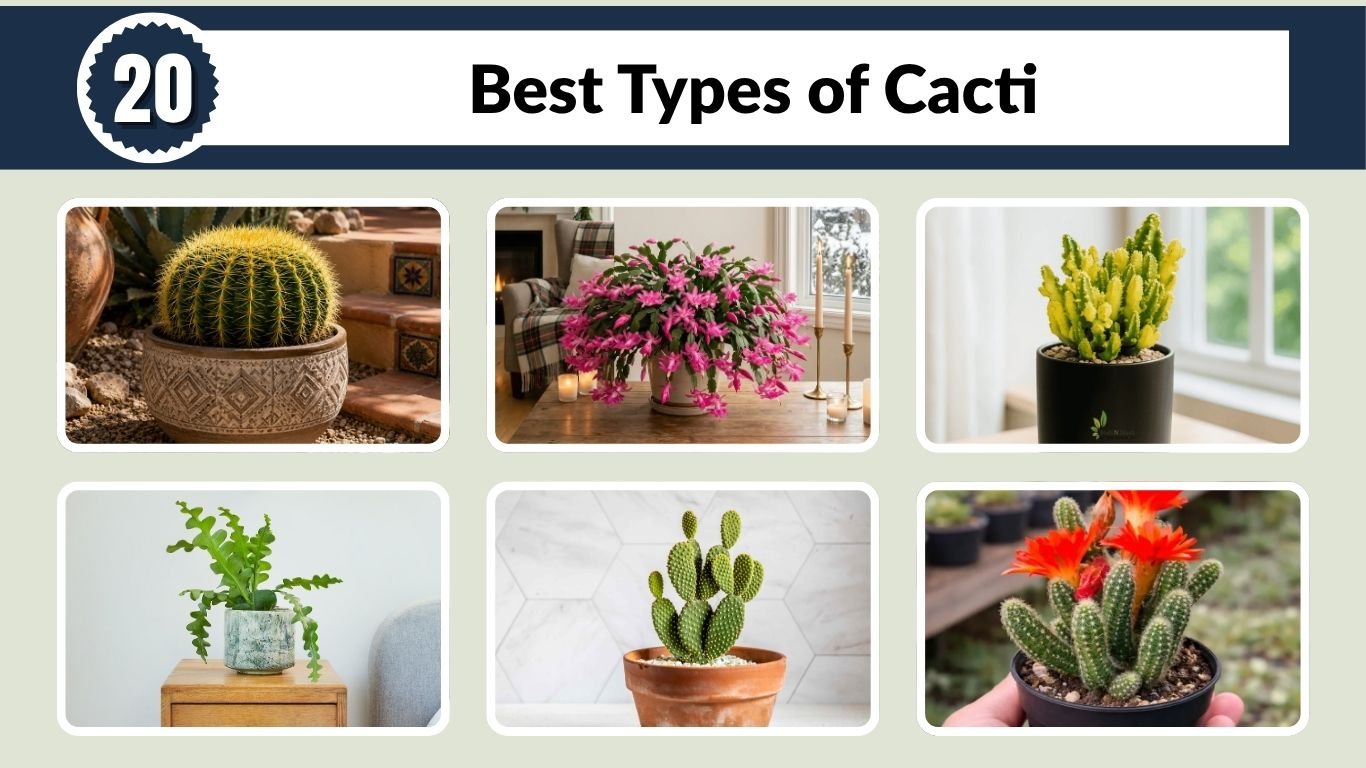
Indoor cacti are perfect for adding natural beauty, unique shapes, and greenery to your home with minimal maintenance. From small, colorful varieties to tall, eye-catching desert plants, there are many types of cacti for indoor growing. Most require little watering and thrive in bright locations, making them ideal for beginners. In this guide, explore 20 beautiful indoor cactus varieties, including their identification, growing conditions, and essential care tips to help you choose the right plants for your space.
1. Bunny Ear Cactus
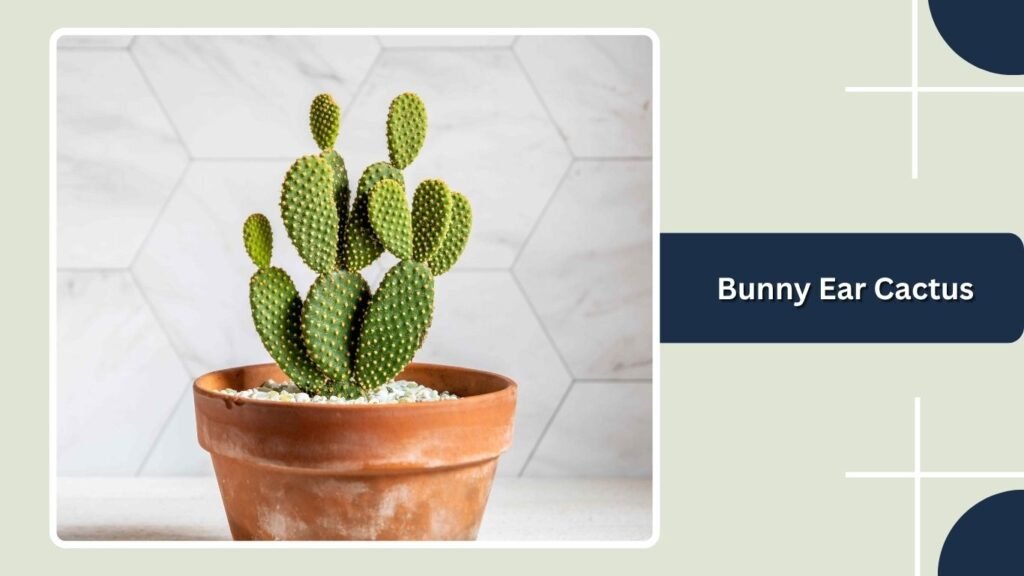
The Bunny Ear Cactus (Opuntia microdasys) is one of the most attractive and easy-to-grow indoor cacti. It gets its name from its flat, oval-shaped pads that resemble rabbit ears. This cactus is native to Mexico and is popular for its unique appearance, compact growth, and low-maintenance needs. It grows well indoors when provided with plenty of sunlight and proper drainage.
Identification
- Scientific Name: Opuntia microdasys
- Common Name: Bunny Ear Cactus
- Plant Type: Perennial cactus
- Mature Size: 2–3 feet tall
- Light Requirements: Bright, direct sunlight
- Water Needs: Low; drought-tolerant
- Soil Type: Well-draining cactus potting mix
- Growth Rate: Slow to moderate
Ideal Indoor Growing Conditions
Bunny Ear Cactus thrives in bright indoor spaces, especially near a sunny south-facing window in the Northern Hemisphere. It requires approximately 6 hours of direct sunlight daily for healthy growth. Use a container with drainage holes and a sandy, well-draining cactus mix to prevent excess moisture. This cactus prefers temperatures between 65°F and 85°F (18°C–29°C). Avoid placing it near cold drafts or in consistently humid environments.
Watering and Maintenance Tips
Water Bunny Ear Cactus only when the soil has completely dried out. During spring and summer, watering every 2–3 weeks may be sufficient, depending on indoor conditions. Reduce watering significantly during winter when growth slows. Avoid overwatering because it can cause root rot. Rotate the pot occasionally to encourage balanced growth. Handle the cactus carefully, as its tiny hair-like spines, called glochids, can irritate the skin.
2. Golden Barrel Cactus
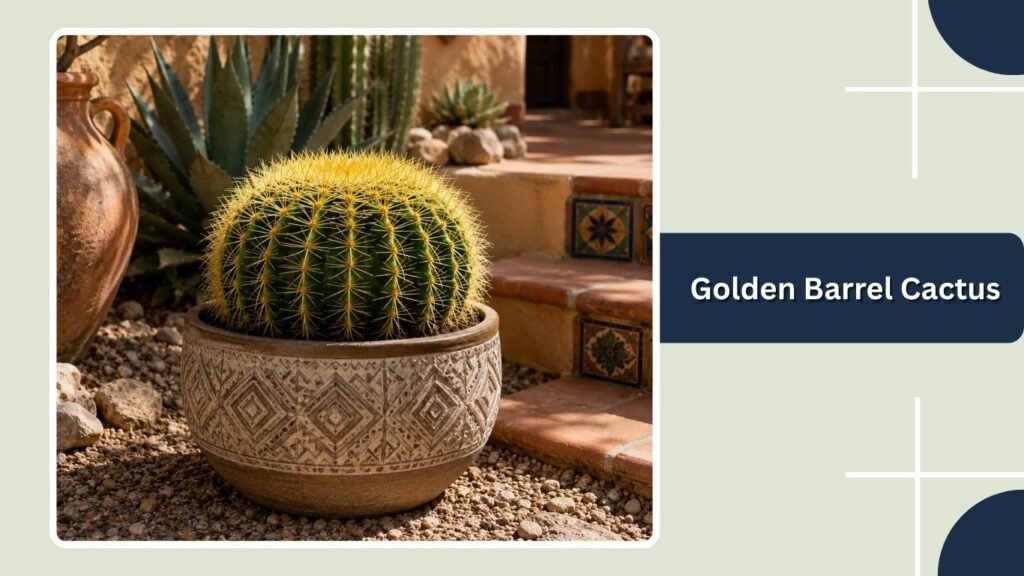
The Golden Barrel Cactus (Kroenleinia grusonii, formerly Echinocactus grusonii) is a beautiful indoor cactus known for its round shape and striking golden-yellow spines. Native to Mexico, this slow-growing cactus adds a bold desert-inspired appearance to indoor spaces. Its symmetrical shape and low-maintenance nature make it an excellent choice for sunny windowsills, bright living rooms, and indoor cactus collections.
Identification
- Scientific Name: Kroenleinia grusonii
- Common Name: Golden Barrel Cactus
- Plant Type: Perennial desert cactus
- Mature Size: Up to 3 feet tall outdoors; smaller indoors
- Light Requirements: Bright, direct sunlight
- Water Needs: Low; drought-tolerant
- Soil Type: Sandy, well-draining cactus mix
- Growth Rate: Slow
Ideal Indoor Growing Conditions
Golden Barrel Cactus grows best in locations receiving at least 6 hours of bright sunlight daily. A sunny south-facing window is ideal for maintaining its compact shape and healthy spines. Use a terracotta pot with drainage holes and a well-draining cactus soil mixture. Indoor temperatures between 65°F and 85°F (18°C–29°C) support healthy growth. Protect the plant from freezing temperatures and excessive indoor humidity.
Watering and Maintenance Tips
Water Golden Barrel Cactus thoroughly only after the soil has completely dried out. During warmer months, watering every 2–4 weeks may be sufficient. Reduce watering during winter when the cactus enters a slower growth period. Avoid leaving water in the saucer because excess moisture can cause root rot. Remove accumulated dust gently with a soft brush, and wear thick gloves when handling its sharp spines.
3. Christmas Cactus

The Christmas Cactus (Schlumbergera × buckleyi) is a popular flowering indoor cactus admired for its beautiful winter blooms and trailing green stems. Unlike traditional desert cacti, this tropical cactus naturally grows in humid forest environments. Its colorful flowers, which may appear in shades of pink or red, make it an attractive houseplant during the holiday season. With proper care, Christmas Cactus can live and bloom indoors for many years.
Identification
- Scientific Name: Schlumbergera × buckleyi
- Common Name: Christmas Cactus
- Plant Type: Tropical flowering cactus
- Mature Size: 6–12 inches tall with trailing stems
- Light Requirements: Bright, indirect sunlight
- Water Needs: Moderate
- Soil Type: Well-draining, organic-rich potting mix
- Growth Rate: Moderate
Ideal Indoor Growing Conditions
Christmas Cactus thrives in bright, indirect light near an east-facing window. Unlike desert cacti, it prefers moderate humidity and temperatures between 60°F and 75°F (16°C–24°C). Use a lightweight potting mixture containing perlite and orchid bark to improve drainage. Consistent nighttime darkness and appropriately cool temperatures during autumn help encourage winter flowering.
Watering and Maintenance Tips
Water Christmas Cactus when the upper inch of soil feels dry. Keep the soil lightly moist during active growth without allowing it to become waterlogged. Reduce watering slightly during cooler periods. Apply diluted houseplant fertilizer during spring and summer to encourage healthy development. After flowering, remove damaged stems and lightly prune the plant to maintain its shape. Avoid frequently relocating the plant while flower buds are developing.
4. Easter Cactus
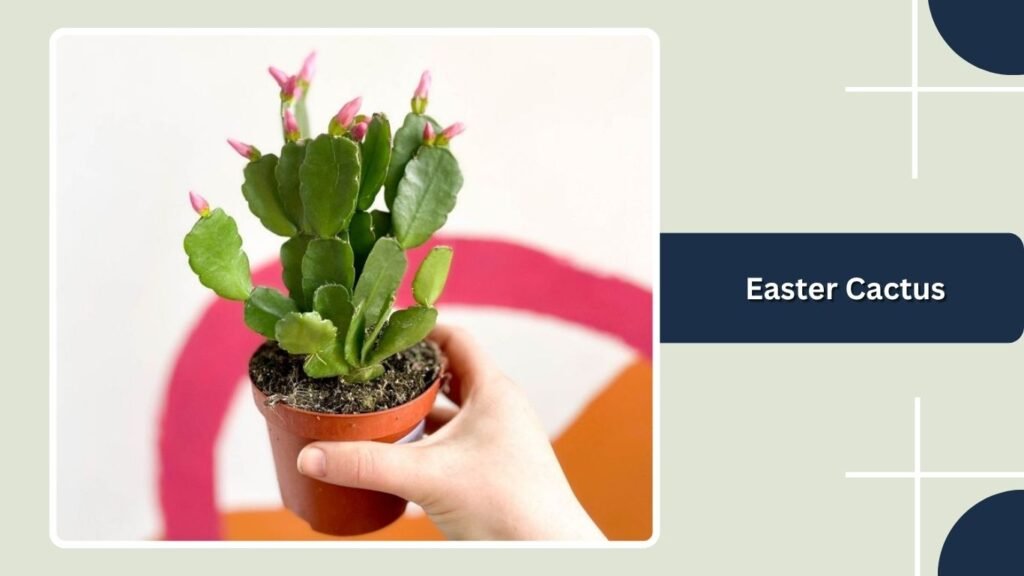
The Easter Cactus (Rhipsalidopsis gaertneri) is an attractive indoor flowering cactus known for its colorful spring blossoms and segmented green stems. Native to Brazil, this tropical cactus produces beautiful star-shaped flowers in shades of red, pink, and orange. Unlike desert cacti, Easter Cactus prefers moderate humidity and indirect sunlight. Its compact growth and seasonal flowers make it a wonderful addition to indoor plant collections.
Identification
- Scientific Name: Rhipsalidopsis gaertneri
- Common Name: Easter Cactus
- Plant Type: Tropical flowering cactus
- Mature Size: 6–12 inches tall
- Light Requirements: Bright, indirect sunlight
- Water Needs: Moderate
- Soil Type: Loose, well-draining potting mix
- Growth Rate: Moderate
Ideal Indoor Growing Conditions
Easter Cactus grows best in bright indoor locations protected from intense afternoon sunlight. An east-facing window provides suitable light for healthy foliage and flowering. Maintain temperatures between 60°F and 75°F (16°C–24°C) during active growth. The plant prefers moderate humidity and an airy potting mixture containing perlite or orchid bark. Cooler temperatures and longer uninterrupted nights during its resting period encourage spring blooming.
Watering and Maintenance Tips
Water Easter Cactus when the top inch of soil begins to dry. Avoid allowing the potting mixture to remain completely dry for extended periods during active growth. Reduce watering during its resting period, but prevent severe dehydration. Feed the plant with diluted fertilizer during spring and summer. Remove spent flowers and damaged segments to maintain an attractive appearance. Avoid overwatering, which can damage the roots and reduce flowering.
5. Thanksgiving Cactus
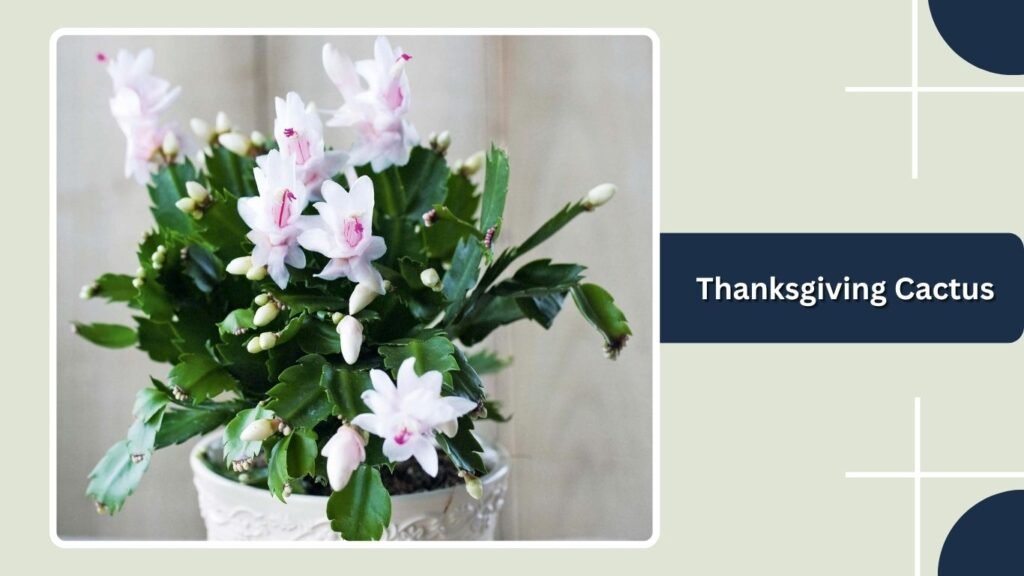
The Thanksgiving Cactus (Schlumbergera truncata) is a colorful indoor cactus famous for its beautiful flowers that typically bloom during late autumn. Native to Brazilian tropical forests, this cactus features flat, segmented stems with pointed edges. Its vibrant flowers appear in shades of pink, red, white, orange, and purple. Thanksgiving Cactus is an excellent choice for indoor gardeners who want an attractive, low-maintenance flowering houseplant.
Identification
- Scientific Name: Schlumbergera truncata
- Common Name: Thanksgiving Cactus
- Plant Type: Tropical flowering cactus
- Mature Size: 6–12 inches tall with spreading stems
- Light Requirements: Bright, indirect sunlight
- Water Needs: Moderate
- Soil Type: Well-draining, organic-rich potting mix
- Growth Rate: Moderate
Ideal Indoor Growing Conditions
Thanksgiving Cactus thrives in bright, indirect sunlight and temperatures between 60°F and 75°F (16°C–24°C). Place it near an east-facing window or another location protected from harsh afternoon sunlight. Use a well-draining potting mixture containing perlite and organic matter. Moderate humidity encourages healthy stem development. During autumn, cooler nights and longer periods of uninterrupted darkness help stimulate flower bud formation.
Watering and Maintenance Tips
Water Thanksgiving Cactus when the upper inch of soil feels dry. Keep the soil evenly but lightly moist during active growth, allowing excess water to drain completely. Reduce watering slightly when temperatures become cooler. Apply diluted balanced fertilizer during spring and summer. After flowering, lightly prune the segmented stems to encourage fuller growth. Avoid sudden temperature changes or moving the plant frequently while buds are developing.
6. Moon Cactus
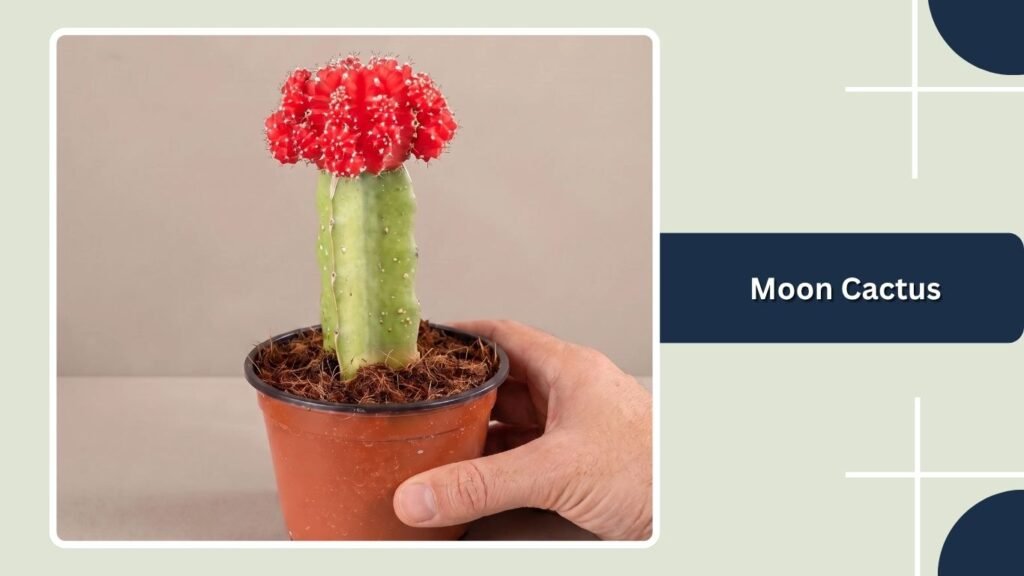
The Moon Cactus is one of the most colorful indoor cacti, recognized for its bright red, yellow, orange, or pink rounded top. It is typically a grafted plant featuring a colorful Gymnocalycium mihanovichii cactus attached to a green rootstock. The colorful upper section usually lacks sufficient chlorophyll to survive independently, making the green rootstock essential. Its small size and unusual appearance make it a popular decorative cactus for indoor spaces.
Identification
- Scientific Name: Gymnocalycium mihanovichii (grafted form)
- Common Name: Moon Cactus
- Plant Type: Grafted ornamental cactus
- Mature Size: 3–6 inches tall
- Light Requirements: Bright, indirect sunlight
- Water Needs: Low
- Soil Type: Well-draining cactus potting mix
- Growth Rate: Slow
Ideal Indoor Growing Conditions
Moon Cactus grows best in bright, indirect sunlight. A location near an east-facing window provides adequate light without exposing its colorful top to intense afternoon sun. Maintain indoor temperatures between 65°F and 80°F (18°C–27°C). Use a small pot with drainage holes and a sandy cactus soil mixture. Avoid excessive humidity and cold drafts, which can weaken the grafted plant.
Watering and Maintenance Tips
Water Moon Cactus only when the soil has dried thoroughly. During warmer months, watering every 2–3 weeks may be appropriate, depending on pot size and indoor conditions. Reduce watering during winter. Avoid soaking the graft union or allowing water to collect around the roots. Inspect the green rootstock regularly for discoloration or soft spots. Moon Cactus often has a shorter lifespan than other indoor cacti because the graft can eventually fail.
7. Fairy Castle Cactus
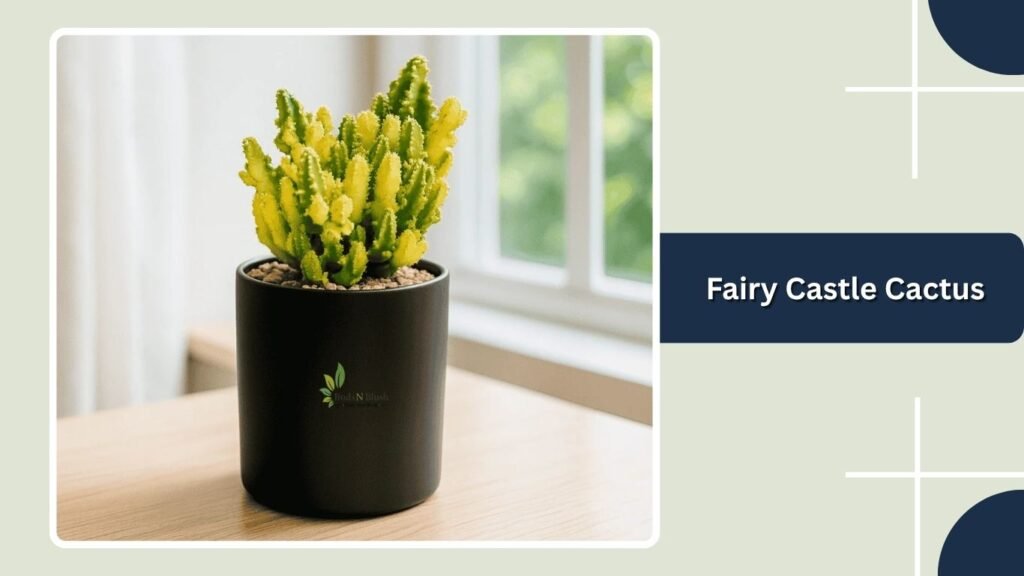
The Fairy Castle Cactus (Acanthocereus tetragonus ‘Fairy Castle’) is a unique indoor cactus known for its tall, branching stems that resemble miniature castle towers. Its bright green color, multiple upright branches, and interesting structure make it a popular decorative houseplant. This slow-growing cactus requires minimal attention and adds a beautiful desert-inspired appearance to sunny indoor spaces.
Identification
- Scientific Name: Acanthocereus tetragonus ‘Fairy Castle’
- Common Name: Fairy Castle Cactus
- Plant Type: Perennial desert cactus
- Mature Size: Typically 2–3 feet tall indoors
- Light Requirements: Bright sunlight
- Water Needs: Low; drought-tolerant
- Soil Type: Sandy, well-draining cactus mix
- Growth Rate: Slow
Ideal Indoor Growing Conditions
Fairy Castle Cactus thrives in bright indoor locations with several hours of sunlight daily. A sunny south-facing window is an excellent location for encouraging strong, upright growth. Use a well-draining cactus potting mixture and a container with drainage holes. Maintain temperatures between 65°F and 85°F (18°C–29°C). Provide good air circulation and avoid excessive humidity to prevent fungal problems.
Watering and Maintenance Tips
Water Fairy Castle Cactus thoroughly when the soil becomes completely dry. During warmer months, watering every 2–3 weeks may be sufficient. Reduce watering during winter when growth slows. Avoid overwatering because its roots are sensitive to prolonged moisture. Rotate the container occasionally to encourage even growth. Remove damaged branches carefully and inspect the plant regularly for mealybugs and other common cactus pests.
8. Star Cactus
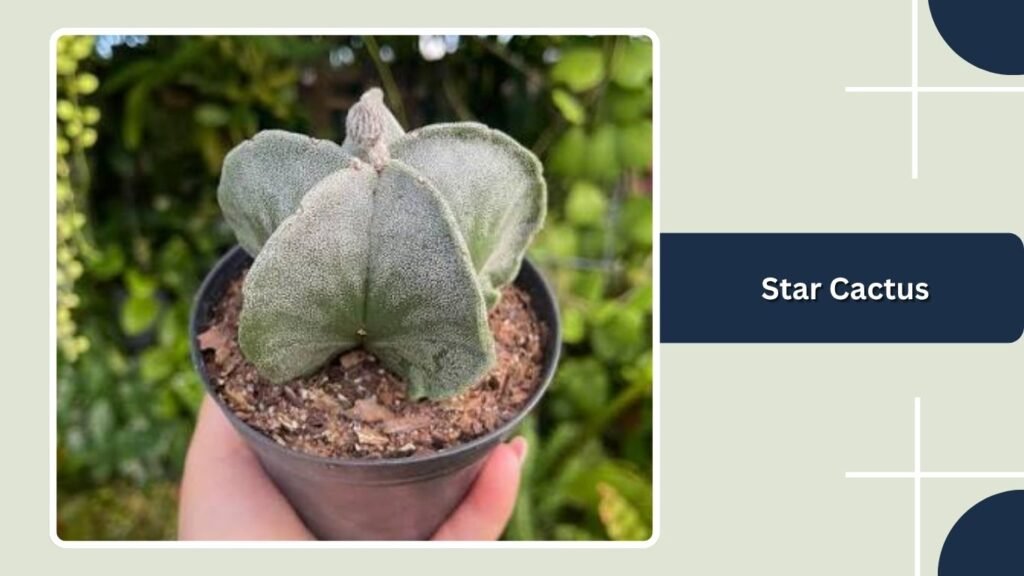
The Star Cactus (Astrophytum asterias) is a small, attractive indoor cactus recognized for its round, flattened body and distinctive star-shaped pattern. Native to parts of Texas and Mexico, this spineless cactus features several prominent ribs decorated with tiny white spots. Its compact size and unusual appearance make it perfect for windowsills, desks, and small indoor cactus collections.
Identification
- Scientific Name: Astrophytum asterias
- Common Name: Star Cactus
- Plant Type: Perennial desert cactus
- Mature Size: Approximately 2–3 inches tall
- Light Requirements: Bright light with some direct sunlight
- Water Needs: Very low
- Soil Type: Gritty, fast-draining cactus mix
- Growth Rate: Very slow
Ideal Indoor Growing Conditions
Star Cactus grows best in bright indoor locations with gentle morning sunlight and protection from intense afternoon sun. An east-facing window is often suitable for maintaining its compact shape and attractive markings. Use a mineral-rich, fast-draining cactus soil mixture containing pumice or coarse sand. Maintain temperatures between 65°F and 85°F (18°C–29°C). Avoid excessive humidity and ensure the container has adequate drainage.
Watering and Maintenance Tips
Water Star Cactus sparingly, allowing the soil to dry completely between watering sessions. During the growing season, water approximately every 2–4 weeks, depending on indoor conditions. Keep the plant almost dry during its cool winter resting period. Avoid letting water collect around its crown because trapped moisture may cause rot. Handle the cactus gently, as its delicate structure can be damaged easily. Fertilize lightly during active growth.
9. Old Man Cactus
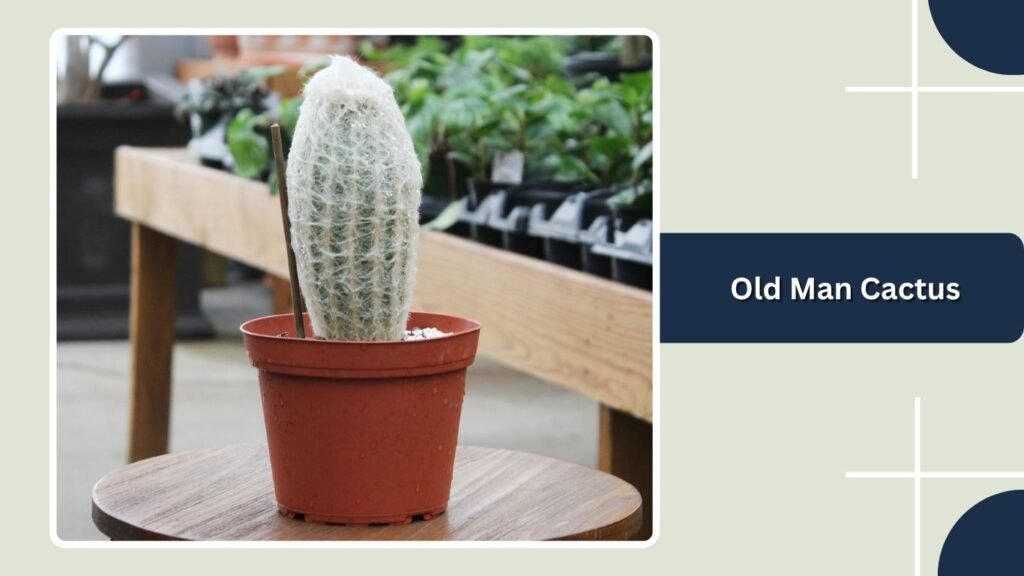
The Old Man Cactus (Cephalocereus senilis) is an unusual indoor cactus famous for its long, white, hair-like covering that resembles an elderly man’s beard. Native to Mexico, this columnar cactus develops tall, upright stems covered with soft-looking white hairs. Its distinctive appearance makes it a wonderful decorative plant for bright indoor spaces and cactus collections.
Identification
- Scientific Name: Cephalocereus senilis
- Common Name: Old Man Cactus
- Plant Type: Perennial columnar cactus
- Mature Size: Several feet tall indoors over many years
- Light Requirements: Bright, direct sunlight
- Water Needs: Low; drought-tolerant
- Soil Type: Sandy, well-draining cactus mix
- Growth Rate: Slow
Ideal Indoor Growing Conditions
Old Man Cactus thrives in bright locations receiving several hours of direct sunlight daily. A south-facing window provides suitable growing conditions and helps maintain its attractive white covering. Use a well-draining cactus potting mixture with additional coarse sand or pumice. Maintain temperatures between 65°F and 85°F (18°C–29°C). Protect the plant from freezing temperatures and prolonged exposure to excessive moisture.
Watering and Maintenance Tips
Water Old Man Cactus only when the soil has dried completely. During spring and summer, watering every 2–4 weeks may be appropriate. Reduce watering significantly during winter. Avoid soaking the white hairs because prolonged moisture can encourage discoloration and fungal growth. Remove accumulated dust gently with a soft, dry brush. Wear protective gloves when handling the plant because sharp spines are hidden beneath its hair-like covering.
10. Fishbone Cactus
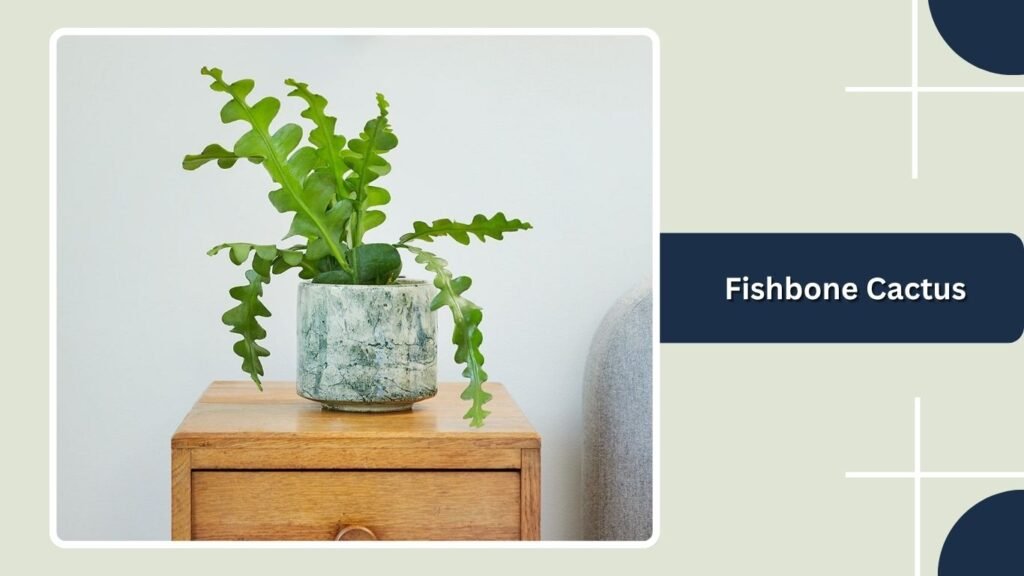
The Fishbone Cactus (Disocactus anguliger) is a beautiful tropical cactus known for its long, zigzag-shaped stems that resemble a fish skeleton. Native to Mexico, this unique cactus naturally grows as an epiphyte in forest environments. Its trailing growth habit makes it an excellent choice for hanging baskets, shelves, and decorative indoor planters. Under suitable conditions, it can also produce large, fragrant flowers.
Identification
- Scientific Name: Disocactus anguliger
- Common Name: Fishbone Cactus
- Plant Type: Tropical epiphytic cactus
- Mature Size: Trailing stems approximately 2–3 feet long
- Light Requirements: Bright, indirect sunlight
- Water Needs: Moderate
- Soil Type: Loose, airy, well-draining potting mix
- Growth Rate: Moderate
Ideal Indoor Growing Conditions
Fishbone Cactus thrives in bright, indirect sunlight near an east-facing window. Unlike desert cacti, it prefers moderate humidity and temperatures between 60°F and 80°F (16°C–27°C). Use a lightweight potting mixture containing orchid bark, perlite, and organic matter. Hanging baskets or elevated containers allow its unusual stems to trail naturally. Protect the plant from harsh afternoon sunlight.
Watering and Maintenance Tips
Water Fishbone Cactus when the upper inch or two of soil feels dry. Keep the potting mixture lightly moist during active growth without allowing it to become waterlogged. Reduce watering during winter when growth slows. Apply diluted balanced fertilizer monthly during spring and summer. Trim damaged or excessively long stems to maintain an attractive shape. Provide adequate humidity to prevent excessive stem drying, especially in heated indoor environments.
11. Ladyfinger Cactus
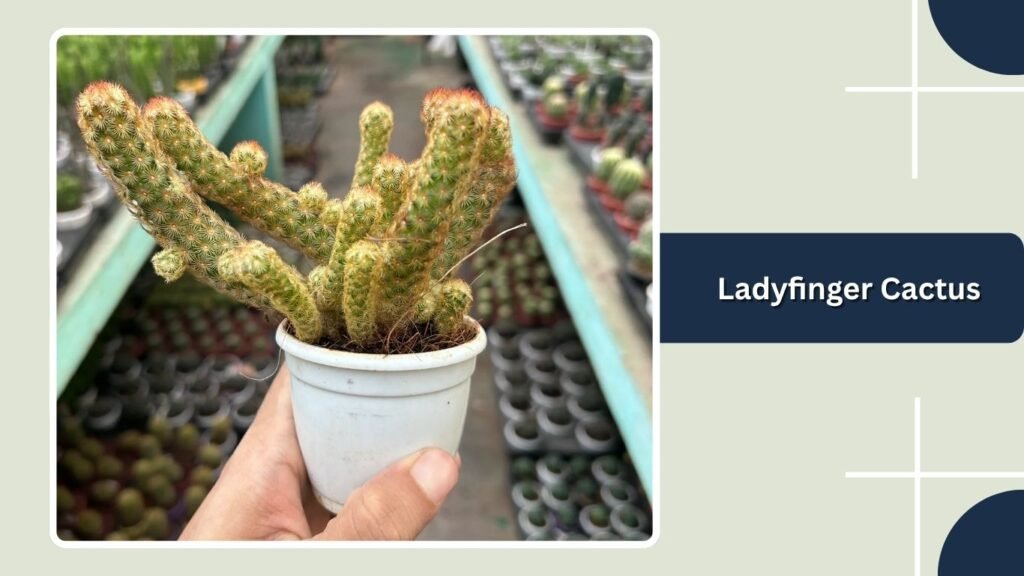
The Ladyfinger Cactus (Mammillaria elongata) is a charming indoor cactus recognized for its slender, finger-shaped stems covered with small golden or reddish spines. Native to Mexico, this cactus grows in dense clusters that gradually spread across the container. Its compact size, attractive texture, and easy-care requirements make it a wonderful choice for beginners and small indoor cactus collections.
Identification
- Scientific Name: Mammillaria elongata
- Common Name: Ladyfinger Cactus
- Plant Type: Perennial clustering cactus
- Mature Size: Approximately 6–8 inches tall
- Light Requirements: Bright sunlight
- Water Needs: Low; drought-tolerant
- Soil Type: Sandy, fast-draining cactus mix
- Growth Rate: Slow to moderate
Ideal Indoor Growing Conditions
Ladyfinger Cactus grows best in bright locations receiving approximately 4–6 hours of direct sunlight daily. A sunny south-facing window is ideal for encouraging compact growth and healthy spine development. Use a shallow container with drainage holes and a well-draining cactus soil mixture. Maintain temperatures between 65°F and 85°F (18°C–29°C). Avoid excessive humidity and provide adequate airflow around the plant.
Watering and Maintenance Tips
Water Ladyfinger Cactus only after the soil has dried completely. During warmer months, watering every 2–3 weeks may be sufficient, depending on indoor conditions. Reduce watering during winter to prevent root rot. Remove dead or damaged stems carefully using protective gloves. Report the cactus when its clusters become overcrowded. Apply diluted cactus fertilizer occasionally during spring and summer to support healthy growth and encourage seasonal flowering.
12. Rat Tail Cactus
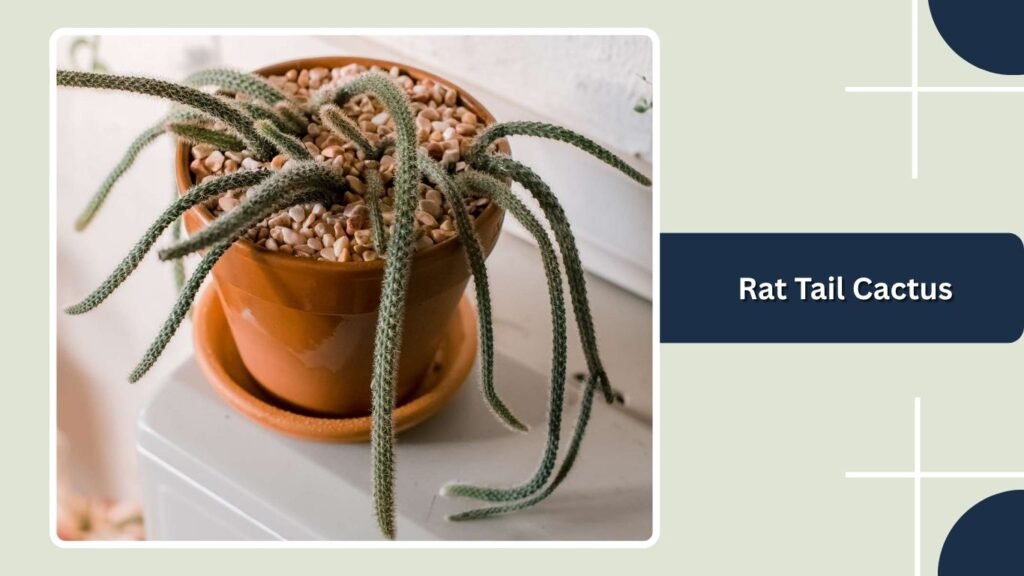
The Rat Tail Cactus (Disocactus flagelliformis) is a unique indoor cactus known for its long, slender, trailing stems covered with tiny spines. Native to Mexico, this attractive cactus produces beautiful pink or reddish flowers during spring. Its cascading growth habit makes it an excellent choice for hanging baskets, elevated shelves, and indoor plant displays. With proper sunlight and care, Rat Tail Cactus can grow beautifully indoors.
Identification
- Scientific Name: Disocactus flagelliformis
- Common Name: Rat Tail Cactus
- Plant Type: Perennial trailing cactus
- Mature Size: Stems approximately 3–6 feet long
- Light Requirements: Bright light with some direct sunlight
- Water Needs: Low to moderate
- Soil Type: Well-draining cactus potting mix
- Growth Rate: Moderate
Ideal Indoor Growing Conditions
Rat Tail Cactus thrives in bright indoor locations receiving several hours of gentle sunlight daily. An east-facing window or a bright south-facing window with afternoon protection provides suitable growing conditions. Use a hanging basket with drainage holes and a lightweight cactus potting mixture. Maintain temperatures between 60°F and 80°F (16°C–27°C). Provide good air circulation and protect the plant from freezing temperatures.
Watering and Maintenance Tips
Water Rat Tail Cactus when the upper portion of the soil becomes dry. During spring and summer, watering every 1–2 weeks may be appropriate, depending on indoor conditions. Reduce watering during winter when growth slows. Apply diluted cactus fertilizer occasionally during active growth. Remove damaged stems carefully and avoid excessive handling because its delicate spines can irritate the skin.
13. Zebra Cactus
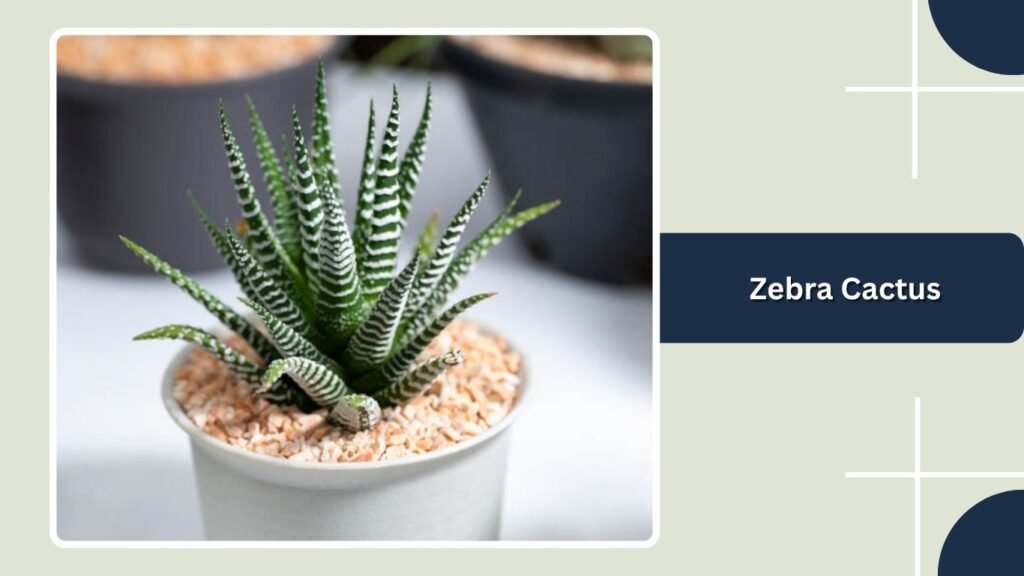
The Zebra Cactus (Haworthiopsis attenuata) is a small, attractive indoor succulent known for its dark green, pointed leaves decorated with raised white stripes. Although commonly called a cactus, it actually belongs to the succulent family Asphodelaceae. Native to South Africa, this compact plant is popular for its distinctive appearance and low-maintenance requirements. Its small size makes it perfect for windowsills, desks, and decorative indoor containers.
Identification
- Scientific Name: Haworthiopsis attenuata
- Common Name: Zebra Cactus
- Plant Type: Perennial succulent
- Mature Size: Approximately 3–6 inches tall
- Light Requirements: Bright, indirect sunlight
- Water Needs: Low
- Soil Type: Sandy, well-draining succulent mix
- Growth Rate: Slow
Ideal Indoor Growing Conditions
Zebra Cactus thrives in bright, indirect sunlight and tolerates lower light levels better than many desert cacti. An east-facing window provides suitable lighting without exposing its leaves to intense afternoon sunlight. Use a small container with drainage holes and a well-draining succulent soil mixture. Maintain temperatures between 60°F and 80°F (16°C–27°C). Avoid excessive humidity and prolonged exposure to direct afternoon sun, which can cause leaf discoloration.
Watering and Maintenance Tips
Water Zebra Cactus when the soil has completely dried out. During warmer months, watering every 2–3 weeks may be sufficient. Reduce watering during winter to prevent root rot. Avoid allowing water to collect inside the leaf rosette. Remove dry or damaged leaves carefully to maintain its appearance. Repot the plant when its offsets become overcrowded, and use these small offsets to propagate new plants.
14. Peanut Cactus
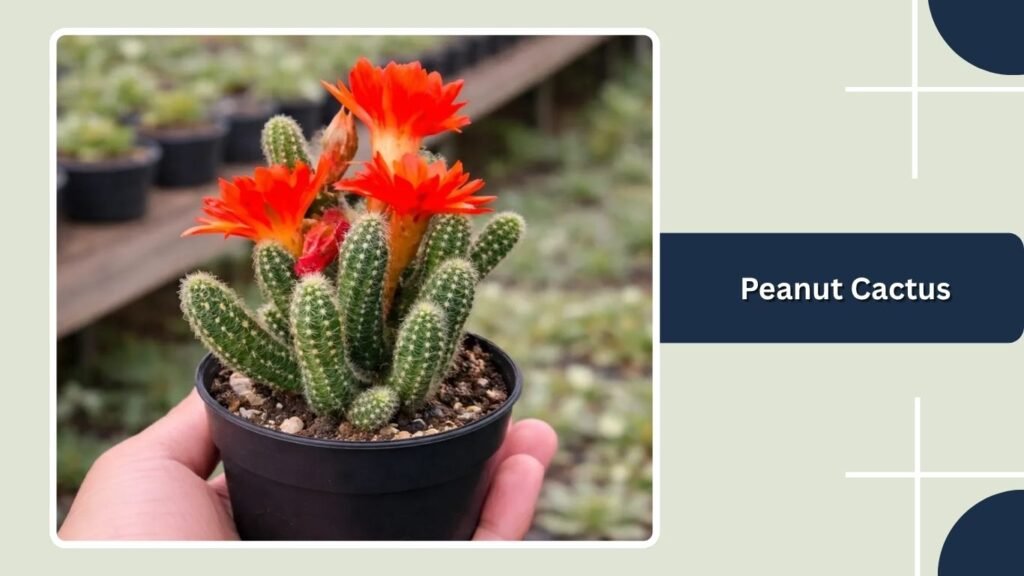
The Peanut Cactus (Echinopsis chamaecereus) is a charming indoor cactus recognized for its short, cylindrical stems that resemble small peanuts. Native to Argentina, this low-growing cactus forms attractive clusters of bright green stems covered with soft-looking spines. During spring and early summer, it produces beautiful orange-red flowers that create a striking contrast against its green stems. Its compact growth makes it ideal for indoor cactus collections.
Identification
- Scientific Name: Echinopsis chamaecereus
- Common Name: Peanut Cactus
- Plant Type: Perennial clustering cactus
- Mature Size: Approximately 4–6 inches tall
- Light Requirements: Bright sunlight
- Water Needs: Low
- Soil Type: Sandy, fast-draining cactus mix
- Growth Rate: Moderate
Ideal Indoor Growing Conditions
Peanut Cactus grows best in bright locations receiving several hours of direct sunlight daily. A sunny south-facing window provides excellent conditions for compact growth and flower production. Use a shallow container with adequate drainage and a gritty cactus soil mixture. Maintain temperatures between 65°F and 80°F (18°C–27°C) during active growth. A cool, dry winter resting period can encourage more flowers during spring.
Watering and Maintenance Tips
Water Peanut Cactus thoroughly when the soil has completely dried out. During spring and summer, watering every 1–2 weeks may be suitable, depending on temperature and soil conditions. Reduce watering significantly during winter. Avoid waterlogged soil because excess moisture can cause stem and root rot. Remove damaged stems and occasionally apply diluted cactus fertilizer during active growth. Separate healthy offsets carefully when propagating new plants.
15. Pincushion Cactus
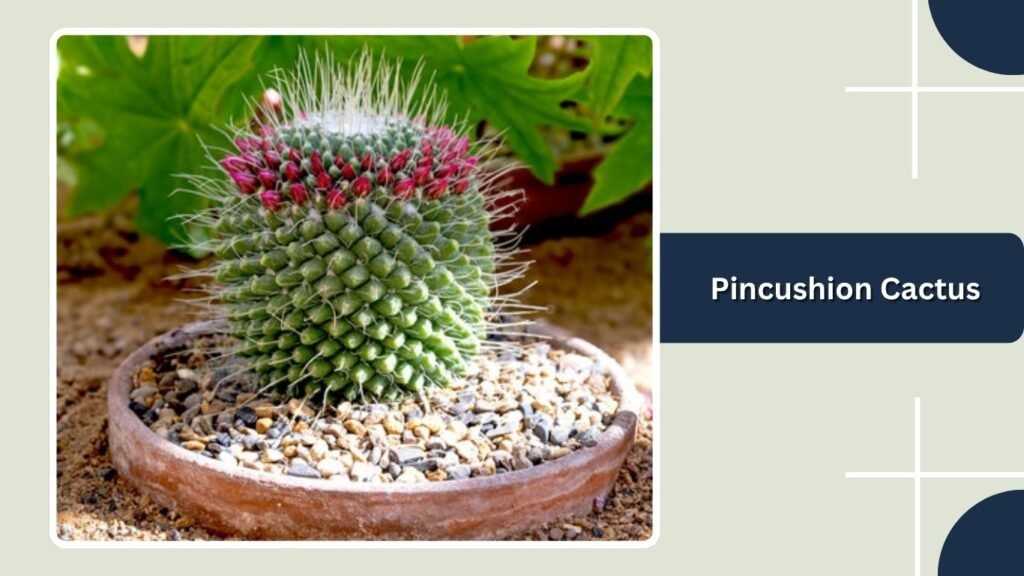
The Pincushion Cactus (Mammillaria species) is a popular indoor cactus known for its small, rounded shape and dense covering of decorative spines. Native mainly to Mexico and surrounding regions, these cacti often produce beautiful rings of small pink, white, or yellow flowers. Their compact size, attractive appearance, and relatively simple maintenance make them excellent choices for indoor gardeners and small cactus collections.
Identification
- Scientific Name: Mammillaria spp.
- Common Name: Pincushion Cactus
- Plant Type: Perennial desert cactus
- Mature Size: Typically 2–8 inches tall, depending on species
- Light Requirements: Bright sunlight
- Water Needs: Low; drought-tolerant
- Soil Type: Sandy, well-draining cactus mix
- Growth Rate: Slow to moderate
Ideal Indoor Growing Conditions
Pincushion Cactus thrives in bright indoor spaces receiving approximately 4–6 hours of direct sunlight daily. A sunny south-facing window is ideal for maintaining healthy growth and encouraging flowering. Use a small terracotta pot with drainage holes and a gritty cactus potting mixture. Maintain temperatures between 65°F and 80°F (18°C–27°C) during active growth. Provide adequate airflow and avoid prolonged exposure to excessive humidity.
Watering and Maintenance Tips
Water Pincushion Cactus only when the soil has completely dried out. During warmer months, watering every 2–3 weeks may be appropriate, depending on indoor conditions. Reduce watering considerably during winter. Avoid splashing water onto the crown because trapped moisture can encourage rot. Apply diluted cactus fertilizer occasionally during spring and summer. Handle the plant carefully, as its numerous spines can easily irritate the skin.
16. Bishop’s Cap Cactus
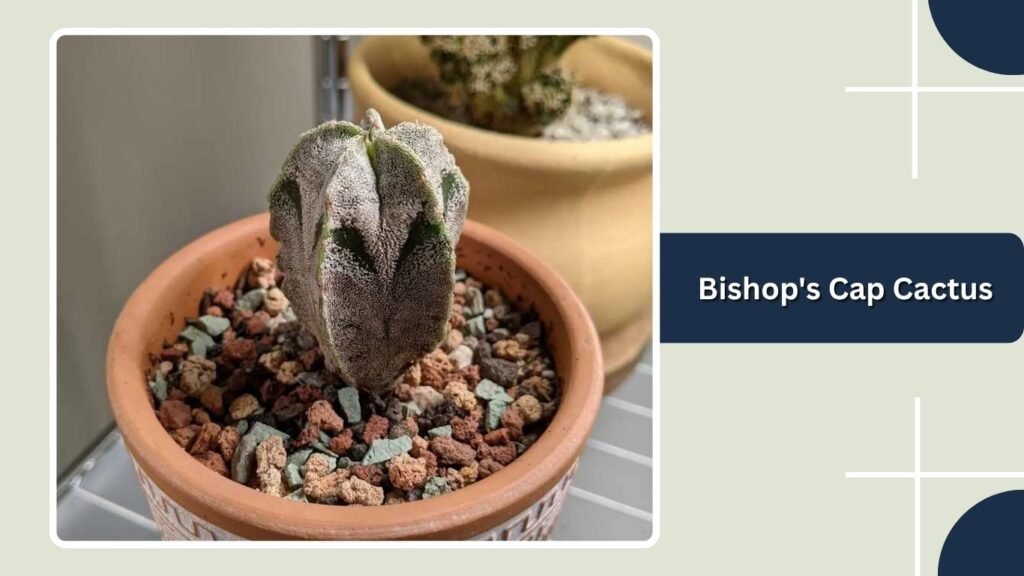
The Bishop’s Cap Cactus (Astrophytum myriostigma) is a beautiful indoor cactus recognized for its distinctive star-shaped body and smooth, spineless surface. Native to Mexico, this unusual cactus typically features five prominent ribs covered with tiny white spots. Its geometric appearance and slow-growing nature make it an excellent decorative plant for sunny windowsills, minimalist interiors, and indoor cactus collections.
Identification
- Scientific Name: Astrophytum myriostigma
- Common Name: Bishop’s Cap Cactus
- Plant Type: Perennial desert cactus
- Mature Size: Approximately 6–12 inches tall indoors
- Light Requirements: Bright light with some direct sunlight
- Water Needs: Very low
- Soil Type: Gritty, fast-draining cactus mix
- Growth Rate: Slow
Ideal Indoor Growing Conditions
Bishop’s Cap Cactus grows best in bright indoor locations receiving gentle direct sunlight for several hours daily. An east-facing window or a bright south-facing location provides suitable conditions. Use a well-draining mineral-based cactus soil mixture containing pumice, perlite, or coarse sand. Maintain temperatures between 65°F and 85°F (18°C–29°C). Avoid excessive humidity and protect the plant from cold, damp conditions that may damage its roots.
Watering and Maintenance Tips
Water Bishop’s Cap Cactus sparingly, allowing the soil to dry completely between watering sessions. During the growing season, watering every 2–4 weeks may be sufficient. Keep the soil nearly dry during its winter resting period. Avoid pouring water directly onto the crown to prevent moisture-related damage. Apply diluted cactus fertilizer occasionally during spring and summer. Repot only when necessary, as this slow-growing cactus generally prefers minimal root disturbance.
17. Blue Torch Cactus

The Blue Torch Cactus (Pilosocereus pachycladus) is a striking indoor cactus known for its tall, columnar shape and beautiful blue-green stems. Native to Brazil, this cactus features prominent vertical ribs decorated with golden or whitish spines. Its unusual blue coloring and upright growth make it an excellent decorative plant for modern interiors, sunny living rooms, and indoor cactus collections.
Identification
- Scientific Name: Pilosocereus pachycladus
- Common Name: Blue Torch Cactus
- Plant Type: Perennial columnar cactus
- Mature Size: Several feet tall indoors
- Light Requirements: Bright, direct sunlight
- Water Needs: Low; drought-tolerant
- Soil Type: Sandy, fast-draining cactus mix
- Growth Rate: Moderate
Ideal Indoor Growing Conditions
Blue Torch Cactus thrives in bright indoor locations receiving approximately 6 hours of direct sunlight daily. A sunny south-facing window provides excellent growing conditions and helps maintain its attractive blue coloration. Use a well-draining cactus soil mixture containing perlite, pumice, or coarse sand. Maintain temperatures between 65°F and 85°F (18°C–29°C). Protect the cactus from freezing temperatures and excessive humidity.
Watering and Maintenance Tips
Water Blue Torch Cactus thoroughly when the soil has completely dried out. During warmer months, watering every 2–3 weeks may be appropriate, depending on indoor conditions. Reduce watering significantly during winter. Avoid leaving standing water in the container because excess moisture can cause root rot. Rotate the pot occasionally to encourage straight growth. Handle the cactus carefully because its sharp spines can cause skin irritation.
18. Parodia Cactus
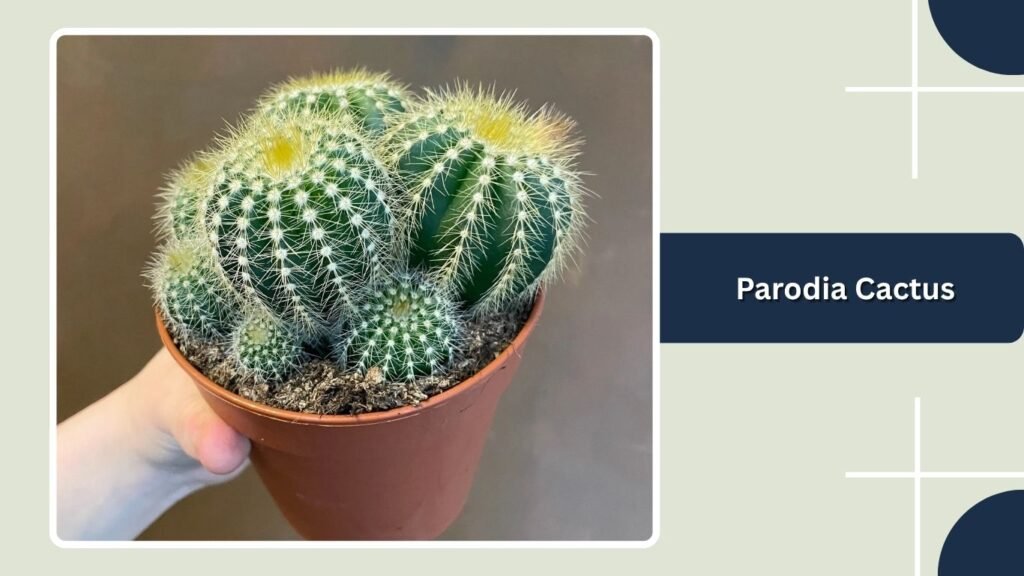
The Parodia Cactus (Parodia spp.) is a popular group of indoor cacti admired for their rounded shapes, decorative spines, and colorful flowers. Native to South America, these cacti commonly develop spherical or short cylindrical stems covered with prominent ribs. Many species produce beautiful yellow, orange, or red flowers during the growing season. Their compact size and relatively simple care requirements make them ideal for indoor cactus collections.
Identification
- Scientific Name: Parodia spp.
- Common Name: Parodia Cactus
- Plant Type: Perennial flowering cactus
- Mature Size: Typically 3–24 inches tall, depending on species
- Light Requirements: Bright sunlight
- Water Needs: Low
- Soil Type: Well-draining cactus potting mix
- Growth Rate: Slow to moderate
Ideal Indoor Growing Conditions
Parodia Cactus grows best in bright indoor locations receiving several hours of sunlight daily. An east-facing window or a bright south-facing location provides suitable conditions. Use a well-draining cactus potting mixture and a container with drainage holes. Maintain temperatures between 60°F and 80°F (16°C–27°C) during active growth. Protect the plant from extreme heat, cold drafts, and excessive indoor humidity.
Watering and Maintenance Tips
Water Parodia Cactus when the soil becomes completely dry. During spring and summer, watering every 2–3 weeks may be sufficient, depending on growing conditions. Reduce watering during winter when the plant enters its resting period. Apply diluted cactus fertilizer occasionally during active growth to encourage healthy development. Remove dead flowers carefully and inspect the plant regularly for mealybugs. Avoid prolonged exposure to wet soil because it can damage the roots.
19. Orchid Cactus
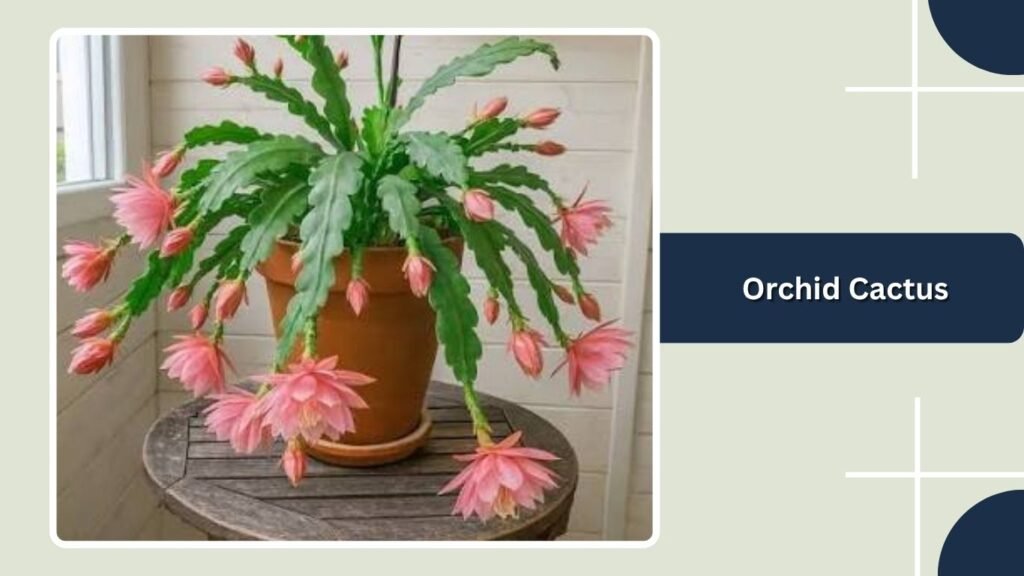
The Orchid Cactus (Epiphyllum spp. and related hybrids) is a beautiful tropical cactus known for its long, flattened stems and spectacular flowers. Unlike traditional desert cacti, this plant naturally grows in warm, humid forest environments. Its large, colorful blossoms can appear in shades of white, pink, red, and yellow, depending on the variety. Orchid Cactus is an attractive indoor plant for hanging baskets, shelves, and decorative containers.
Identification
- Scientific Name: Epiphyllum spp. and hybrids
- Common Name: Orchid Cactus
- Plant Type: Tropical epiphytic cactus
- Mature Size: Trailing stems approximately 2–4 feet long
- Light Requirements: Bright, indirect sunlight
- Water Needs: Moderate
- Soil Type: Loose, organic-rich, well-draining mix
- Growth Rate: Moderate
Ideal Indoor Growing Conditions
Orchid Cactus thrives in bright, indirect sunlight near an east-facing window. Unlike desert cacti, it prefers moderate humidity and temperatures between 60°F and 80°F (16°C–27°C). Use a lightweight potting mixture containing orchid bark, perlite, and organic matter. Provide good air circulation and protect the plant from intense afternoon sunlight. Suitable growing conditions help encourage healthy stems and seasonal flowering.
Watering and Maintenance Tips
Water Orchid Cactus when the upper portion of the potting mixture begins to dry. Keep the soil lightly moist during active growth without allowing it to become waterlogged. Reduce watering during winter when growth slows. Apply diluted balanced fertilizer occasionally during spring and summer. Remove damaged stems and spent flowers to maintain an attractive appearance. Avoid exposing the plant to cold drafts or sudden temperature changes.
20. Golden Ball Cactus
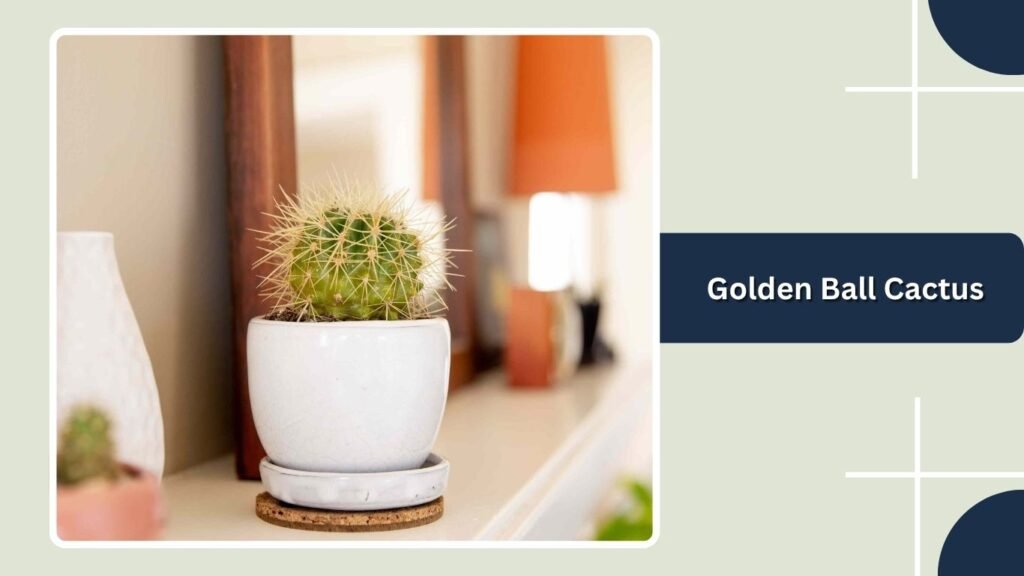
The Golden Ball Cactus (Parodia leninghausii) is an attractive indoor cactus known for its rounded body and dense covering of soft-looking golden-yellow spines. Native to Brazil, this cactus develops prominent vertical ribs and produces beautiful yellow flowers when mature. Young plants have a rounded appearance, while older specimens gradually become more cylindrical. Its bright golden color makes it a wonderful addition to sunny windowsills and indoor cactus collections.
Identification
- Scientific Name: Parodia leninghausii
- Common Name: Golden Ball Cactus
- Plant Type: Perennial desert cactus
- Mature Size: Approximately 1–3 feet tall with age
- Light Requirements: Bright sunlight
- Water Needs: Low; drought-tolerant
- Soil Type: Sandy, well-draining cactus mix
- Growth Rate: Slow to moderate
Ideal Indoor Growing Conditions
Golden Ball Cactus thrives in bright indoor locations receiving several hours of direct or bright filtered sunlight daily. A sunny south-facing window is an excellent location for encouraging healthy growth and maintaining its golden spines. Use a well-draining cactus potting mixture and a container with adequate drainage holes. Maintain temperatures between 65°F and 80°F (18°C–27°C) during active growth. Protect the plant from excessive moisture and freezing conditions.
Watering and Maintenance Tips
Water Golden Ball Cactus thoroughly when the soil has completely dried out. During warmer months, watering every 2–3 weeks may be sufficient, depending on indoor conditions. Reduce watering considerably during winter. Avoid overwatering because standing moisture can lead to root rot. Apply diluted, low-nitrogen cactus fertilizer occasionally during active growth. Handle the plant with protective gloves to avoid irritation from its numerous spines.
FAQs
1. What are the best types of cacti for indoor growing?
Bunny Ear Cactus, Moon Cactus, Fairy Castle Cactus, Golden Barrel Cactus, and Ladyfinger Cactus are excellent choices for indoor growing. These varieties are relatively low-maintenance and can thrive in bright indoor locations with proper drainage and careful watering.
2. How often should I water indoor cacti?
Most desert cacti need watering only after their soil has completely dried out, often every 2–4 weeks. However, tropical varieties such as Christmas Cactus and Orchid Cactus require more frequent watering. Always check soil moisture before watering.
3. Can indoor cacti grow without direct sunlight?
Yes, some indoor cacti can grow without direct sunlight. Christmas Cactus, Easter Cactus, Orchid Cactus, and Fishbone Cactus prefer bright, indirect light. However, most desert cacti require several hours of direct sunlight to maintain healthy growth.
4. What is the easiest indoor cactus for beginners?
The Bunny Ear Cactus and Fairy Castle Cactus are relatively easy choices for beginners. Both require minimal watering, well-draining soil, and plenty of sunlight. Their simple maintenance requirements make them suitable for people who are new to growing indoor cacti.
5. Which indoor cacti produce beautiful flowers?
Christmas Cactus, Easter Cactus, Thanksgiving Cactus, Orchid Cactus, Peanut Cactus, and Pincushion Cactus can produce beautiful flowers indoors. Their flowers vary in color and blooming season. Providing suitable lighting, proper watering, and seasonal resting conditions helps encourage flowering.