
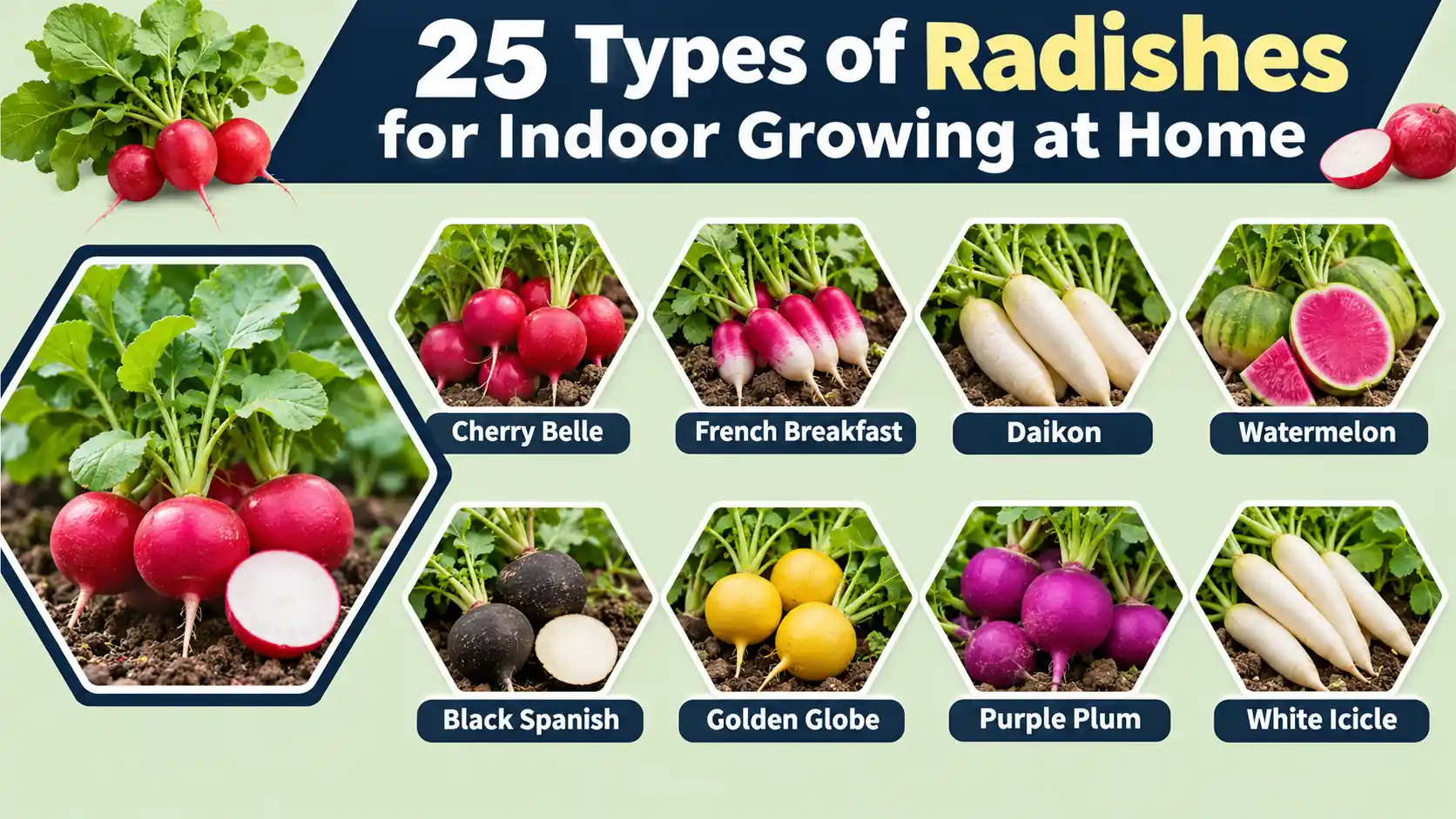
Growing radishes indoors is an easy and rewarding way to enjoy fresh, crunchy vegetables throughout the year. From colorful Cherry Belle and Easter Egg radishes to larger Daikon and Watermelon varieties, there are many exciting options for home gardeners. Whether you have a sunny windowsill or an indoor growing setup, these 25 types of radishes offer different colors, flavors, sizes, and growing requirements.
1. Cherry Belle Radish
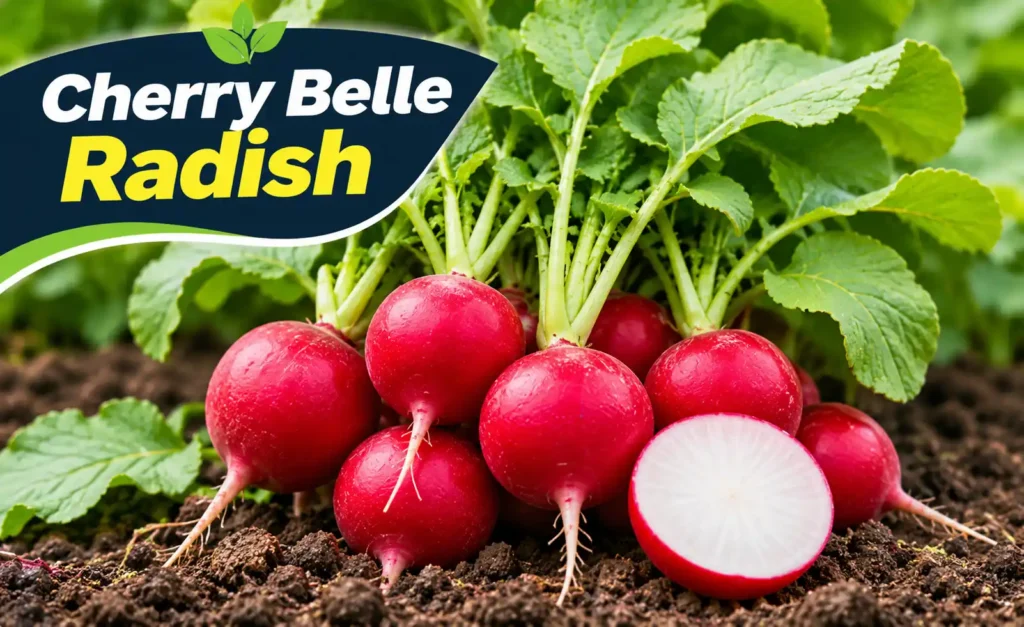
Cherry Belle Radish is one of the best radish varieties for indoor growing because of its compact size, fast growth, and attractive appearance. This popular variety produces small, round roots with bright red skin and crisp white flesh. Cherry Belle radishes typically mature within 22–30 days under suitable growing conditions, making them ideal for beginners and indoor gardeners with limited space. Their mild, slightly peppery flavor makes them perfect for fresh salads, sandwiches, and garnishes. With sufficient lighting, well-draining soil, and consistent moisture, Cherry Belle radishes can grow successfully in containers throughout the year.
Identification
- Scientific Name: Raphanus sativus
- Common Name: Cherry Belle Radish
- Root Shape: Small, round, and smooth
- Root Color: Bright cherry-red skin with white flesh
- Mature Size: Approximately 1 inch in diameter
- Leaf Appearance: Green, slightly hairy, and lobed leaves
- Days to Harvest: Approximately 22–30 days
- Flavor: Mild, crisp, and slightly peppery
Ideal Indoor Growing Conditions
Cherry Belle radishes grow best in a cool indoor environment with temperatures around 50–70°F (10–21°C). Choose a container at least 6 inches deep with adequate drainage holes to support healthy root development. Fill it with loose, well-draining potting mix that allows the roots to expand without obstruction.
Place the container near a bright window or use a full-spectrum LED grow light for approximately 12–14 hours daily. Sow seeds about ½ inch deep and thin seedlings to roughly 2 inches apart. Adequate spacing encourages round, evenly developed radishes.
Watering and Maintenance Tips
Keep the soil consistently moist but never waterlogged. Check the upper layer of soil regularly and water when it begins to dry. Irregular watering can cause roots to crack or develop an overly strong flavor.
Avoid excessive nitrogen fertilizer because it encourages leafy growth instead of root development. Remove weak seedlings early to prevent overcrowding and improve airflow.
Harvest Cherry Belle radishes when their roots reach approximately 1 inch in diameter. Leaving them in the soil too long can result in woody textures and reduced flavor. Regular sowing every one to two weeks can provide a continuous supply of fresh indoor radishes.
2. French Breakfast Radish
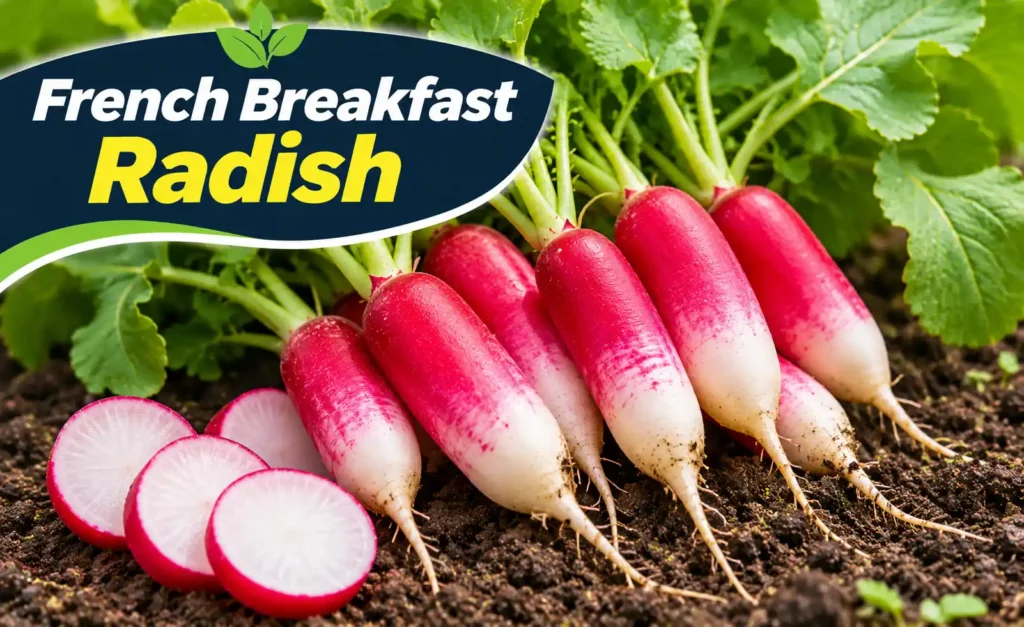
French Breakfast Radish is a popular and attractive variety for indoor growing because of its elongated roots, quick maturity, and mild flavor. This traditional radish produces slender, cylindrical roots with bright red upper sections and distinctive white tips. French Breakfast radishes typically mature within 25–30 days under suitable growing conditions, making them ideal for container gardening and small indoor spaces. Their crisp texture and mildly peppery taste make them excellent for fresh salads, sandwiches, and vegetable snacks. With proper lighting, loose soil, and consistent watering, French Breakfast radishes can grow successfully indoors throughout the year.
Identification
- Scientific Name: Raphanus sativus
- Common Name: French Breakfast Radish
- Root Shape: Elongated, cylindrical, and slightly rounded
- Root Color: Bright red upper section with a white tip
- Mature Size: Approximately 2–3 inches long
- Leaf Appearance: Green, slightly hairy, and deeply lobed leaves
- Days to Harvest: Approximately 25–30 days
- Flavor: Mild, crisp, and slightly peppery
Ideal Indoor Growing Conditions
French Breakfast radishes grow best in cool indoor temperatures between 50–70°F (10–21°C). Choose a container at least 6–8 inches deep with proper drainage holes to accommodate their elongated roots. Fill it with loose, fertile, well-draining potting mix that supports healthy root development.
Place the container near a bright window or use a full-spectrum LED grow light for approximately 12–14 hours daily. Sow seeds about ½ inch deep and thin seedlings to 2 inches apart. Proper spacing encourages straight, well-developed roots and prevents overcrowding.
Watering and Maintenance Tips
Keep the potting mix consistently moist throughout the growing period without allowing water to accumulate around the roots. Check soil moisture regularly and water when the upper layer begins to dry.
Avoid excessive nitrogen fertilizer because it can encourage leafy growth instead of healthy root formation. Remove weak seedlings early and maintain adequate airflow around the plants.
Harvest French Breakfast radishes when their roots reach approximately 2–3 inches long. Delayed harvesting may cause roots to become woody, hollow, or excessively peppery. Sow new seeds every one to two weeks for a continuous indoor harvest.
3. Easter Egg Radish
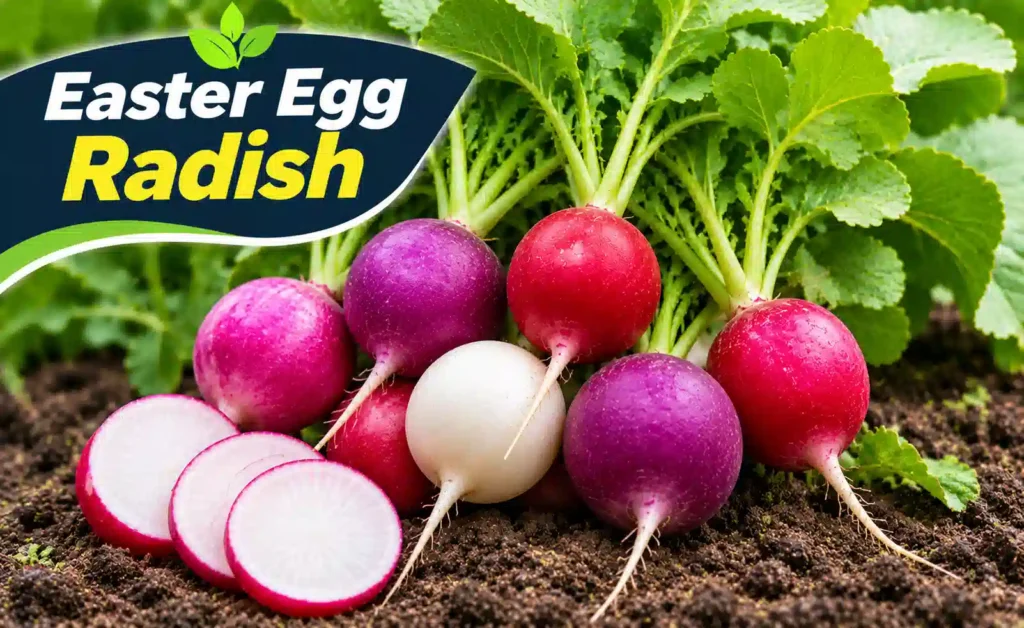
Easter Egg Radish is a colorful and fast-growing radish variety that adds visual interest to indoor vegetable gardens. Unlike single-color varieties, Easter Egg radishes are commonly sold as a seed mixture that produces round roots in shades of red, pink, purple, and white. These attractive radishes typically mature within 25–35 days, making them suitable for beginners and gardeners with limited growing space. Their crisp texture and mild to moderately peppery flavor make them excellent for salads, sandwiches, and fresh vegetable platters. With sufficient light, cool temperatures, and well-draining soil, Easter Egg radishes can thrive in indoor containers.
Identification
- Scientific Name: Raphanus sativus
- Common Name: Easter Egg Radish
- Root Shape: Small, round, and smooth
- Root Color: Red, pink, purple, and white
- Mature Size: Approximately 1–1.5 inches in diameter
- Leaf Appearance: Green, textured, and slightly lobed leaves
- Days to Harvest: Approximately 25–35 days
- Flavor: Crisp, mild, and slightly peppery
Ideal Indoor Growing Conditions
Easter Egg radishes prefer cool indoor temperatures around 50–70°F (10–21°C). Select a container at least 6 inches deep with sufficient drainage holes to encourage healthy root development. Use loose, well-draining potting mix that allows the rounded roots to expand naturally.
Place the container near a sunny window or provide approximately 12–14 hours of full-spectrum LED grow lighting daily. Sow seeds ½ inch deep and thin seedlings to approximately 2 inches apart. Consistent lighting and adequate spacing encourage healthy foliage and uniform root growth.
Watering and Maintenance Tips
Water Easter Egg radishes regularly to maintain evenly moist soil without creating waterlogged conditions. Check the upper layer of the potting mix and water whenever it begins to dry.
Avoid overfertilizing, particularly with nitrogen-rich products, because excessive nutrients can promote leaves instead of roots. Remove crowded seedlings and maintain suitable airflow around the plants.
Harvest Easter Egg radishes when their roots reach approximately 1–1.5 inches in diameter. Collecting them while young helps preserve their crisp texture and mild flavor. Plant additional seeds every one to two weeks to enjoy colorful radishes throughout the growing season.
4. White Icicle Radish
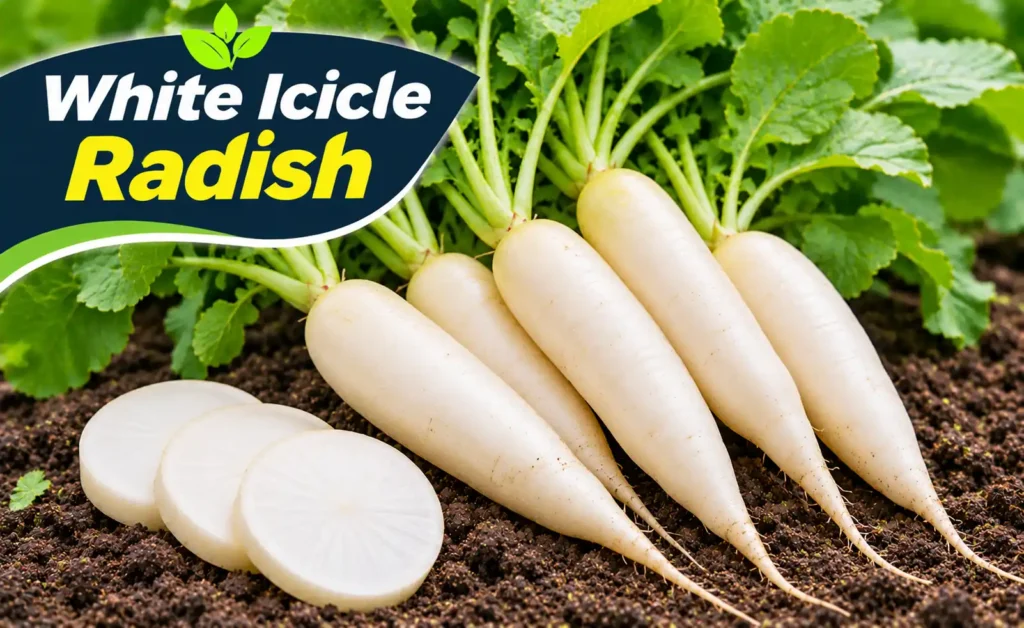
White Icicle Radish is an excellent choice for indoor gardeners who prefer elongated roots, crisp texture, and a refreshing flavor. This traditional radish variety produces slender, tapered white roots that resemble small icicles, giving the plant its distinctive name. White Icicle radishes typically mature within 25–35 days under favorable conditions, making them suitable for indoor container gardening. Their tender white flesh and mildly spicy taste make them popular for fresh salads, sandwiches, and vegetable dishes. With sufficiently deep containers, bright lighting, and consistent moisture, White Icicle radishes can produce healthy roots even in limited indoor growing spaces.
Identification
- Scientific Name: Raphanus sativus
- Common Name: White Icicle Radish
- Root Shape: Long, slender, and tapered
- Root Color: Pure white skin and white flesh
- Mature Size: Approximately 4–6 inches long
- Leaf Appearance: Green, slightly hairy, and deeply lobed leaves
- Days to Harvest: Approximately 25–35 days
- Flavor: Crisp, refreshing, and mildly spicy
Ideal Indoor Growing Conditions
White Icicle radishes grow best in cool indoor environments with temperatures between 50–70°F (10–21°C). Choose a container at least 10–12 inches deep to provide sufficient space for their elongated roots. Fill it with loose, well-draining potting mix that allows the roots to grow straight without obstruction.
Position the container near a bright window or provide approximately 12–14 hours of full-spectrum LED grow lighting daily. Sow seeds about ½ inch deep and thin seedlings to 2–3 inches apart. Adequate root space and consistent lighting encourage healthy development.
Watering and Maintenance Tips
Maintain evenly moist soil throughout the growing period to support tender and properly developed roots. Water whenever the upper layer of potting mix begins to dry, but avoid excessive moisture that can lead to poor root health.
Use fertilizer sparingly and avoid excessive nitrogen, which encourages leafy growth instead of root development. Remove weak or overcrowded seedlings to improve growing conditions.
Harvest White Icicle radishes when their roots reach approximately 4–6 inches long. Avoid delaying harvest because oversized roots may become fibrous, woody, or excessively pungent. Sow fresh seeds every one to two weeks to maintain a steady supply of indoor radishes.
5. Sparkler Radish
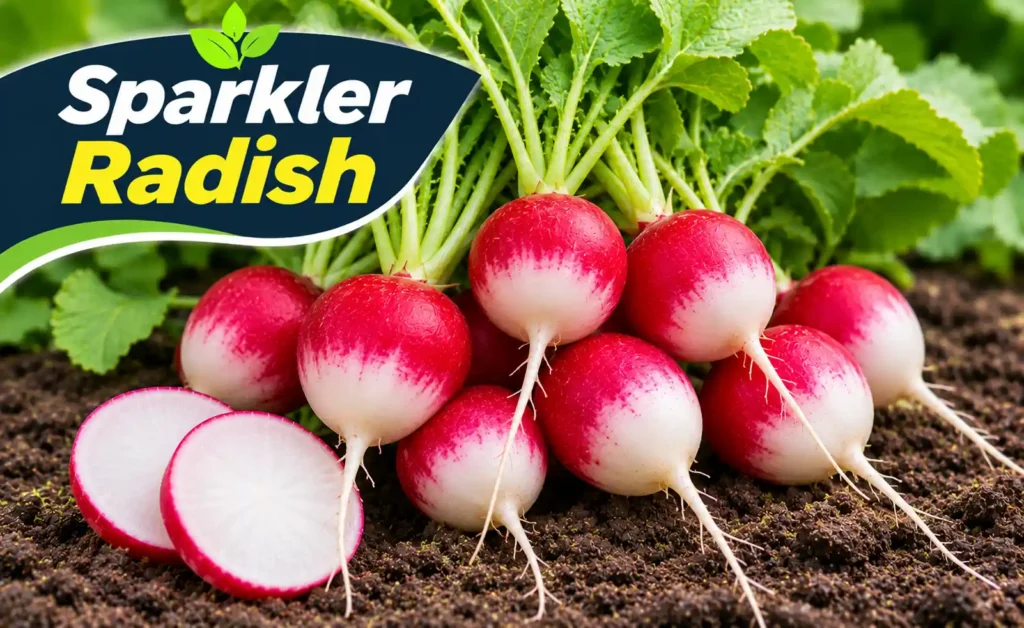
Sparkler Radish is a colorful and fast-growing variety that makes an excellent addition to indoor vegetable gardens. This attractive radish produces small, round roots with bright red upper sections and distinctive white tips. Sparkler radishes typically mature within 25–30 days under suitable growing conditions, making them ideal for beginners and gardeners with limited indoor space. Their crisp white flesh and mildly peppery flavor make them perfect for fresh salads, sandwiches, and vegetable platters. With sufficient lighting, loose potting mix, and consistent moisture, Sparkler radishes can grow successfully in containers throughout the year.
Identification
- Scientific Name: Raphanus sativus
- Common Name: Sparkler Radish
- Root Shape: Small, round, and slightly flattened
- Root Color: Bright red upper section with a white tip
- Mature Size: Approximately 1–1.5 inches in diameter
- Leaf Appearance: Green, slightly hairy, and lobed leaves
- Days to Harvest: Approximately 25–30 days
- Flavor: Crisp, mild, and slightly peppery
Ideal Indoor Growing Conditions
Sparkler radishes grow best in cool indoor environments with temperatures around 50–70°F (10–21°C). Choose a container at least 6 inches deep with adequate drainage holes to support healthy root development. Fill it with loose, well-draining potting mix that allows the rounded roots to expand without obstruction.
Place the container near a bright window or use a full-spectrum LED grow light for approximately 12–14 hours daily. Sow seeds about ½ inch deep and thin seedlings to roughly 2 inches apart. Consistent lighting and proper spacing encourage round, evenly developed roots.
Watering and Maintenance Tips
Keep the potting mix consistently moist throughout the growing period without allowing water to accumulate around the roots. Check soil moisture regularly and water when the upper layer begins to dry.
Avoid excessive nitrogen fertilizer because it can encourage leafy growth instead of root formation. Remove weak seedlings early to prevent overcrowding and improve airflow around the plants.
Harvest Sparkler radishes when their roots reach approximately 1–1.5 inches in diameter. Delayed harvesting can cause roots to become woody or excessively peppery. Sow additional seeds every one to two weeks to maintain a continuous supply of fresh indoor radishes.
6. Early Scarlet Globe Radish
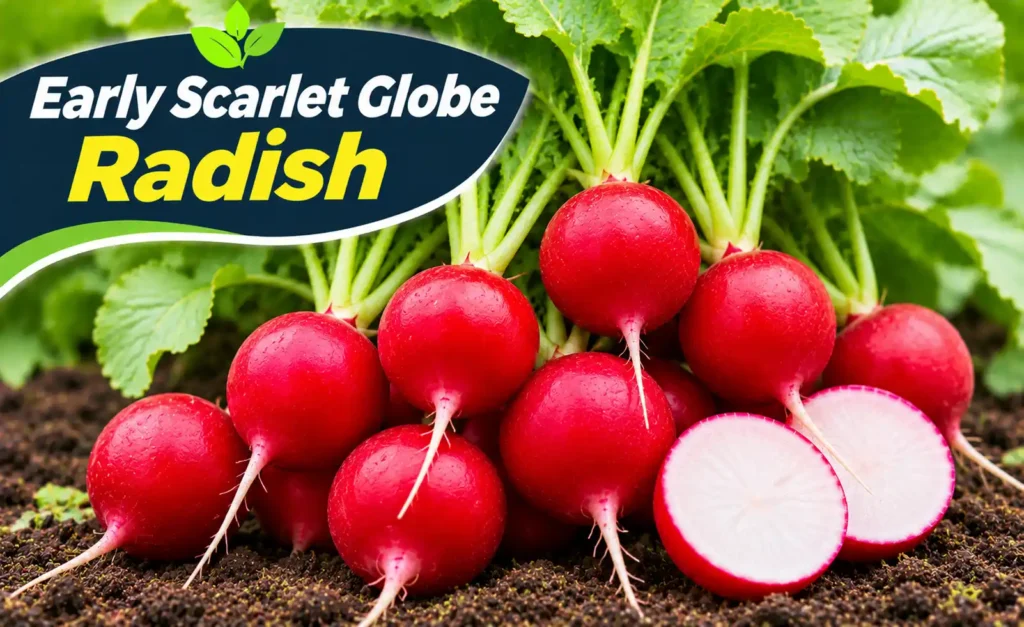
Early Scarlet Globe Radish is a classic, fast-maturing variety that grows well in indoor containers and compact vegetable gardens. This popular radish produces smooth, round roots with bright scarlet-red skin and crisp white flesh. Early Scarlet Globe radishes typically mature within 22–30 days under favorable growing conditions, making them suitable for beginners who want quick harvests. Their mild, slightly spicy flavor works beautifully in fresh salads, sandwiches, and vegetable snacks. With proper lighting, cool temperatures, and consistent watering, Early Scarlet Globe radishes can produce attractive, tender roots in a relatively small indoor growing space.
Identification
- Scientific Name: Raphanus sativus
- Common Name: Early Scarlet Globe Radish
- Root Shape: Round, smooth, and globe-shaped
- Root Color: Bright scarlet-red skin with white flesh
- Mature Size: Approximately 1–1.5 inches in diameter
- Leaf Appearance: Green, slightly rough, and deeply lobed leaves
- Days to Harvest: Approximately 22–30 days
- Flavor: Mild, crisp, and slightly spicy
Ideal Indoor Growing Conditions
Early Scarlet Globe radishes prefer cool indoor temperatures between 50–70°F (10–21°C). Select a container at least 6 inches deep with sufficient drainage holes to encourage healthy root development. Use loose, fertile, well-draining potting mix that allows the rounded roots to grow naturally.
Position the container near a bright window or provide approximately 12–14 hours of full-spectrum LED grow lighting daily. Sow seeds about ½ inch deep and thin seedlings to 2 inches apart. Adequate spacing and consistent light exposure help produce healthy foliage and uniformly developed roots.
Watering and Maintenance Tips
Water Early Scarlet Globe radishes regularly to keep the growing medium evenly moist. Avoid allowing the soil to dry completely because inconsistent watering may contribute to cracked roots and stronger flavors.
Use fertilizer sparingly, especially products containing high nitrogen levels. Excessive nitrogen can encourage large leaves while limiting root development. Thin crowded seedlings early to reduce competition for nutrients and growing space.
Harvest Early Scarlet Globe radishes when their roots reach approximately 1–1.5 inches in diameter. Collecting them promptly helps maintain their crisp texture and pleasant flavor. Sow new seeds every one to two weeks to enjoy a steady harvest of fresh radishes.
7. Crimson Giant Radish
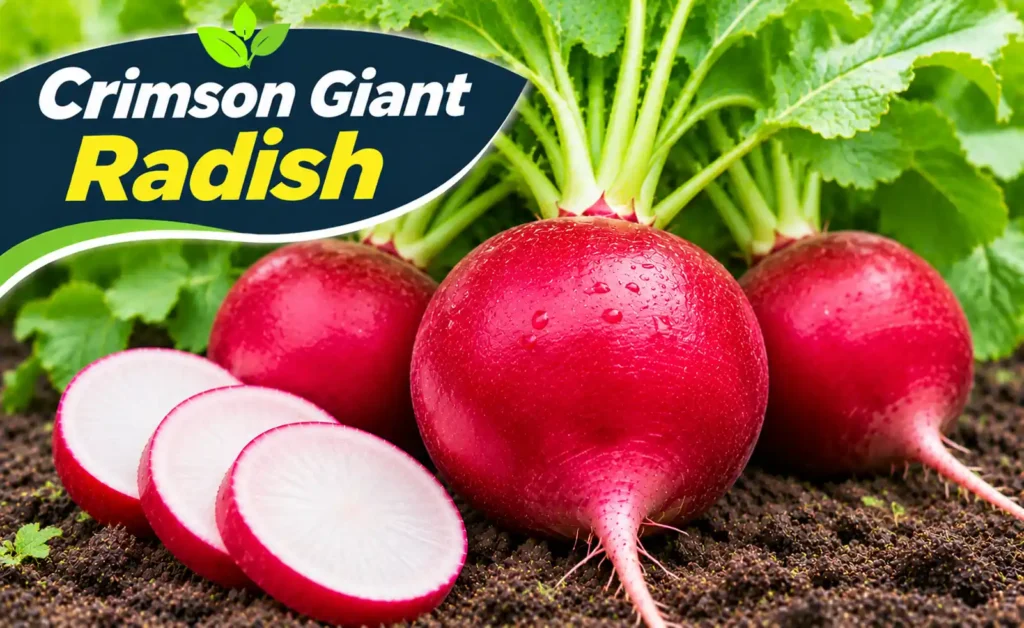
Crimson Giant Radish is an attractive variety known for producing larger, round roots with vibrant crimson-red skin and crisp white flesh. Compared with many small spring radishes, Crimson Giant develops relatively substantial roots while maintaining a tender texture when harvested at the proper stage. This variety typically matures within 30–35 days under suitable conditions, making it a practical choice for indoor container gardening. Its refreshing, mildly peppery flavor makes it excellent for salads, sandwiches, and fresh vegetable dishes. With adequate container space, consistent moisture, and strong lighting, Crimson Giant radishes can grow successfully indoors.
Identification
- Scientific Name: Raphanus sativus
- Common Name: Crimson Giant Radish
- Root Shape: Large, round, and globe-shaped
- Root Color: Deep crimson-red skin with white flesh
- Mature Size: Approximately 1.5–2 inches in diameter
- Leaf Appearance: Green, slightly hairy, and lobed leaves
- Days to Harvest: Approximately 30–35 days
- Flavor: Crisp, refreshing, and mildly peppery
Ideal Indoor Growing Conditions
Crimson Giant radishes grow best in cool indoor environments with temperatures around 50–70°F (10–21°C). Choose a container at least 8 inches deep with adequate drainage holes to accommodate their relatively large roots. Fill it with loose, well-draining potting mix that supports healthy root expansion.
Place the container near a sunny window or provide approximately 12–14 hours of full-spectrum LED grow lighting daily. Sow seeds about ½ inch deep and thin seedlings to roughly 3 inches apart. Wider spacing allows the larger roots to develop without excessive competition.
Watering and Maintenance Tips
Maintain consistently moist soil throughout the growing period to encourage smooth, tender root development. Water whenever the upper layer of potting mix begins to dry, but avoid waterlogged conditions that may damage developing roots.
Avoid excessive nitrogen fertilizer because it can promote leafy growth at the expense of root production. Remove overcrowded seedlings early and ensure the container receives adequate airflow.
Harvest Crimson Giant radishes when their roots reach approximately 1.5–2 inches in diameter or the size recommended for the seed variety. Leaving mature roots in the soil too long may result in woody or pithy textures. Regular succession sowing can provide fresh radishes throughout the year.
8. Champion Radish
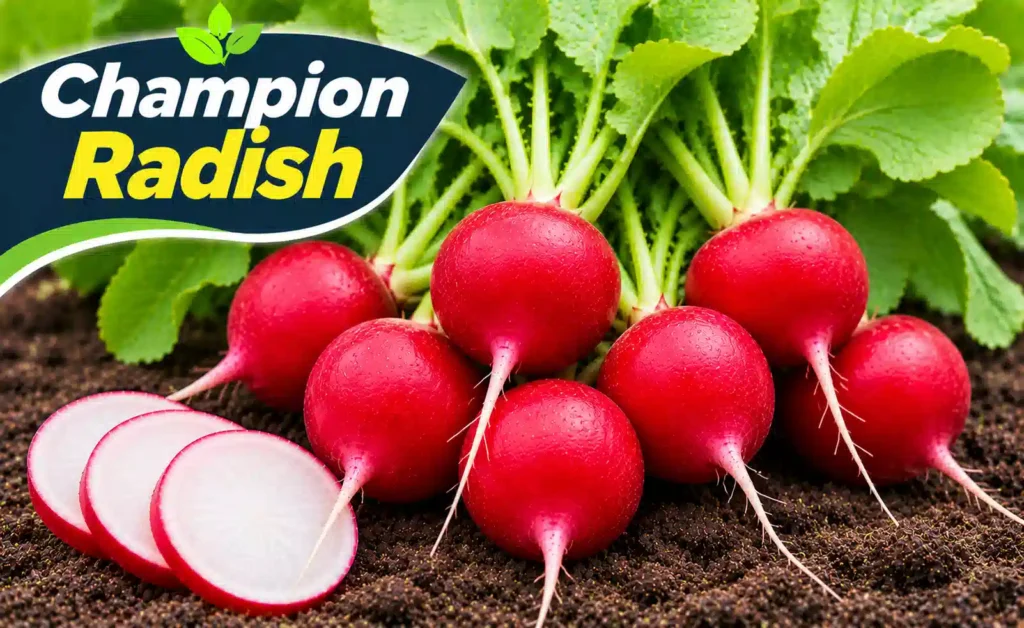
Champion Radish is a popular and reliable variety that grows well in indoor containers and compact vegetable gardens. This fast-growing radish produces smooth, round roots with bright scarlet-red skin and crisp white flesh. Champion radishes typically mature within 25–30 days under favorable growing conditions, making them ideal for beginners who want quick and satisfying harvests. Their mild, refreshing, and slightly peppery flavor makes them excellent for fresh salads, sandwiches, and vegetable snacks. With proper lighting, cool temperatures, and consistent watering, Champion radishes can produce attractive and tender roots in a limited indoor growing space.
Identification
- Scientific Name: Raphanus sativus
- Common Name: Champion Radish
- Root Shape: Round, smooth, and globe-shaped
- Root Color: Bright scarlet-red skin with white flesh
- Mature Size: Approximately 1–1.5 inches in diameter
- Leaf Appearance: Green, slightly hairy, and deeply lobed leaves
- Days to Harvest: Approximately 25–30 days
- Flavor: Mild, crisp, and slightly peppery
Ideal Indoor Growing Conditions
Champion radishes grow best in cool indoor environments with temperatures around 50–70°F (10–21°C). Choose a container at least 6 inches deep with adequate drainage holes to encourage healthy root development. Fill it with loose, fertile, well-draining potting mix that allows the rounded roots to expand naturally.
Place the container near a bright window or provide approximately 12–14 hours of full-spectrum LED grow lighting daily. Sow seeds about ½ inch deep and thin seedlings to roughly 2 inches apart. Proper spacing and consistent lighting encourage healthy foliage and evenly developed roots.
Watering and Maintenance Tips
Keep the potting mix consistently moist throughout the growing period without allowing water to accumulate around the roots. Check soil moisture regularly and water when the upper layer begins to dry.
Avoid excessive nitrogen fertilizer because it can encourage leafy growth instead of root formation. Remove weak or overcrowded seedlings early to improve airflow and reduce competition for nutrients.
Harvest Champion radishes when their roots reach approximately 1–1.5 inches in diameter. Delaying harvest may cause roots to become woody, hollow, or overly pungent. Sow additional seeds every one to two weeks to maintain a continuous supply of fresh indoor radishes.
9. Cherry Giant Radish
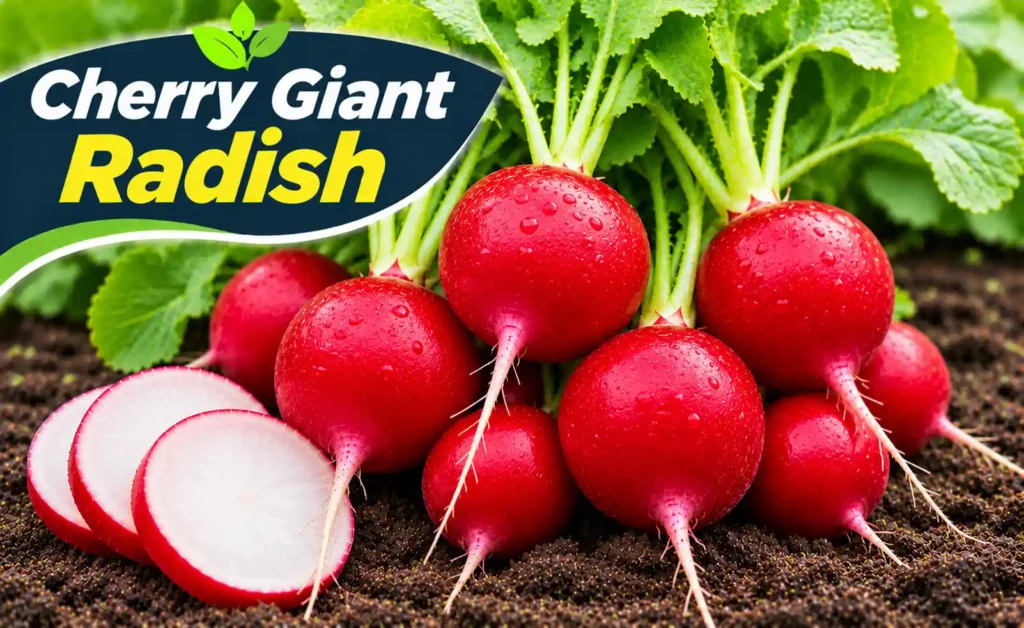
Cherry Giant Radish is an attractive, fast-growing variety that produces larger, round roots while maintaining a crisp texture and refreshing flavor. This radish typically develops bright cherry-red skin with firm white flesh, making it a colorful addition to indoor vegetable gardens. Cherry Giant radishes generally mature within 25–35 days under suitable conditions, although growing time depends on temperature and lighting. Their mildly peppery taste makes them ideal for salads, sandwiches, and fresh vegetable platters. With adequate container space, loose soil, and consistent moisture, Cherry Giant radishes can grow successfully indoors and provide satisfying harvests for home gardeners.
Identification
- Scientific Name: Raphanus sativus
- Common Name: Cherry Giant Radish
- Root Shape: Large, round, and globe-shaped
- Root Color: Bright cherry-red skin with white flesh
- Mature Size: Approximately 1.5–2 inches in diameter
- Leaf Appearance: Green, textured, and slightly lobed leaves
- Days to Harvest: Approximately 25–35 days
- Flavor: Crisp, refreshing, and mildly peppery
Ideal Indoor Growing Conditions
Cherry Giant radishes prefer cool indoor temperatures between 50–70°F (10–21°C). Select a container at least 8 inches deep with sufficient drainage holes to accommodate their relatively large roots. Use loose, well-draining potting mix that allows healthy root expansion without unnecessary resistance.
Position the container near a bright window or provide approximately 12–14 hours of full-spectrum LED grow lighting daily. Sow seeds about ½ inch deep and thin seedlings to roughly 3 inches apart. Adequate spacing helps prevent overcrowding and encourages the development of larger, well-shaped roots.
Watering and Maintenance Tips
Water Cherry Giant radishes regularly to maintain evenly moist soil throughout the growing period. Avoid allowing the potting mix to become excessively dry because inconsistent moisture can contribute to cracking and reduced root quality.
Use fertilizer sparingly, particularly nitrogen-rich products that may encourage excessive foliage growth. Remove overcrowded seedlings early and ensure sufficient airflow around the plants.
Harvest Cherry Giant radishes when their roots reach approximately 1.5–2 inches in diameter, following the seed supplier’s recommended harvest size when available. Leaving mature roots in the soil too long may produce woody or pithy textures. Regular succession planting can provide fresh indoor radishes throughout the year.
10. Pink Beauty Radish
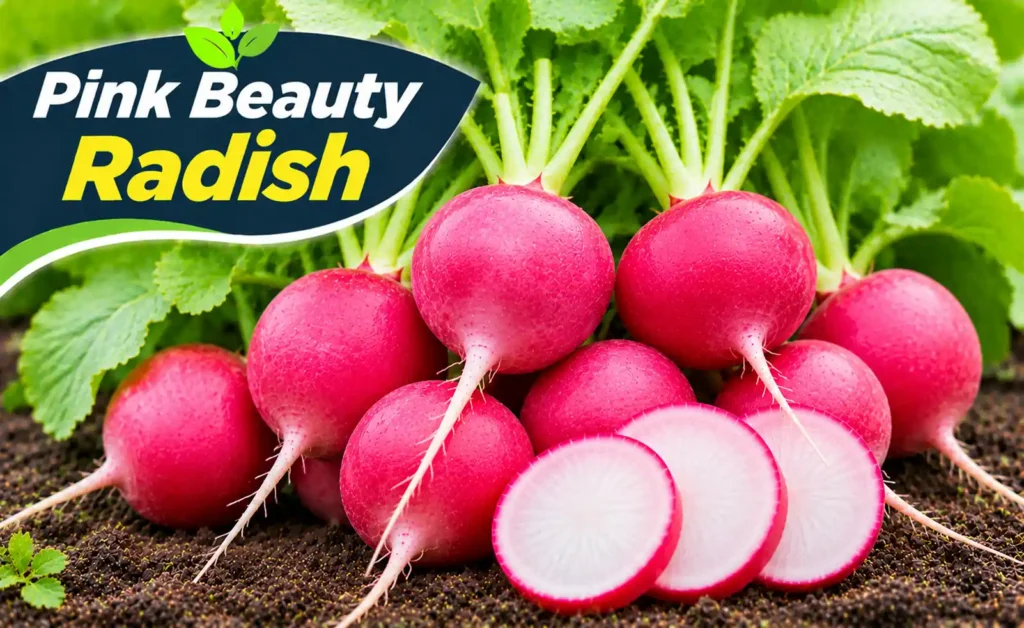
Pink Beauty Radish is a colorful and fast-maturing variety that makes an attractive addition to indoor vegetable gardens. This radish produces smooth, round roots with delicate pink skin and crisp white flesh, offering a softer appearance than traditional bright red varieties. Pink Beauty radishes typically mature within 25–30 days under favorable growing conditions, making them suitable for beginners and gardeners with limited indoor space. Their mild, slightly sweet, and peppery flavor makes them excellent for fresh salads, sandwiches, and vegetable garnishes. With cool temperatures, sufficient lighting, and consistent moisture, Pink Beauty radishes can produce tender and flavorful roots in compact containers.
Identification
- Scientific Name: Raphanus sativus
- Common Name: Pink Beauty Radish
- Root Shape: Round, smooth, and slightly flattened
- Root Color: Soft pink skin with crisp white flesh
- Mature Size: Approximately 1–1.5 inches in diameter
- Leaf Appearance: Green, slightly hairy, and lobed leaves
- Days to Harvest: Approximately 25–30 days
- Flavor: Mild, slightly sweet, and gently peppery
Ideal Indoor Growing Conditions
Pink Beauty radishes grow best in cool indoor environments with temperatures around 50–70°F (10–21°C). Choose a container at least 6 inches deep with proper drainage holes to support healthy root development. Fill it with loose, fertile, well-draining potting mix that allows the rounded roots to expand naturally.
Place the container near a sunny window or provide approximately 12–14 hours of full-spectrum LED grow lighting daily. Sow seeds about ½ inch deep and thin seedlings to roughly 2 inches apart. Consistent lighting and adequate spacing encourage healthy foliage and uniformly developed roots.
Watering and Maintenance Tips
Keep the potting mix evenly moist throughout the growing period to support tender, crisp root development. Water whenever the upper layer begins to dry, but avoid excessive moisture that can lead to poor root health.
Avoid heavy applications of nitrogen-rich fertilizer because they can promote leafy growth instead of root formation. Remove weak seedlings early to reduce overcrowding and improve growing conditions.
Harvest Pink Beauty radishes when their roots reach approximately 1–1.5 inches in diameter. Collecting them promptly helps preserve their mild flavor and crisp texture. Sow additional seeds every one to two weeks to enjoy a steady supply of fresh, colorful radishes grown indoors.
11. Purple Plum Radish
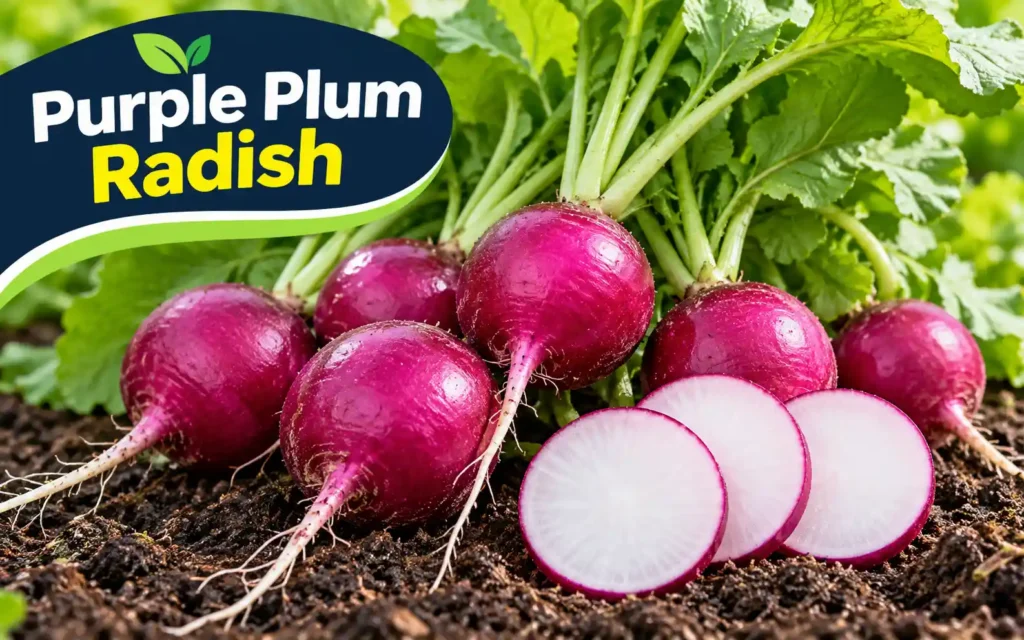
Purple Plum Radish is an attractive and fast-growing variety that adds rich color and fresh flavor to indoor vegetable gardens. This distinctive radish produces smooth, round roots with deep purple skin and crisp white flesh. Purple Plum radishes typically mature within 25–35 days under suitable growing conditions, making them an excellent choice for beginners and gardeners with limited indoor space. Their mild, slightly sweet, and peppery flavor makes them ideal for salads, sandwiches, and colorful vegetable platters. With adequate lighting, cool temperatures, and consistent moisture, Purple Plum radishes can grow successfully in containers throughout the year.
Identification
- Scientific Name: Raphanus sativus
- Common Name: Purple Plum Radish
- Root Shape: Round, smooth, and globe-shaped
- Root Color: Deep purple skin with crisp white flesh
- Mature Size: Approximately 1–1.5 inches in diameter
- Leaf Appearance: Green, slightly hairy, and lobed leaves
- Days to Harvest: Approximately 25–35 days
- Flavor: Mild, slightly sweet, and gently peppery
Ideal Indoor Growing Conditions
Purple Plum radishes grow best in cool indoor environments with temperatures around 50–70°F (10–21°C). Choose a container at least 6 inches deep with adequate drainage holes to support healthy root development. Fill it with loose, fertile, well-draining potting mix that allows the rounded roots to expand naturally.
Place the container near a bright window or provide approximately 12–14 hours of full-spectrum LED grow lighting daily. Sow seeds about ½ inch deep and thin seedlings to roughly 2 inches apart. Consistent lighting and proper spacing encourage healthy foliage and evenly developed purple roots.
Watering and Maintenance Tips
Keep the potting mix consistently moist throughout the growing period without allowing water to accumulate around the roots. Check soil moisture regularly and water when the upper layer begins to dry.
Avoid excessive nitrogen fertilizer because it can encourage leafy growth instead of root formation. Remove weak or overcrowded seedlings early to improve airflow and reduce competition for nutrients.
Harvest Purple Plum radishes when their roots reach approximately 1–1.5 inches in diameter. Delaying harvest may cause roots to develop woody textures or stronger flavors. Sow additional seeds every one to two weeks to maintain a continuous supply of fresh indoor radishes.
12. Royal Purple Radish
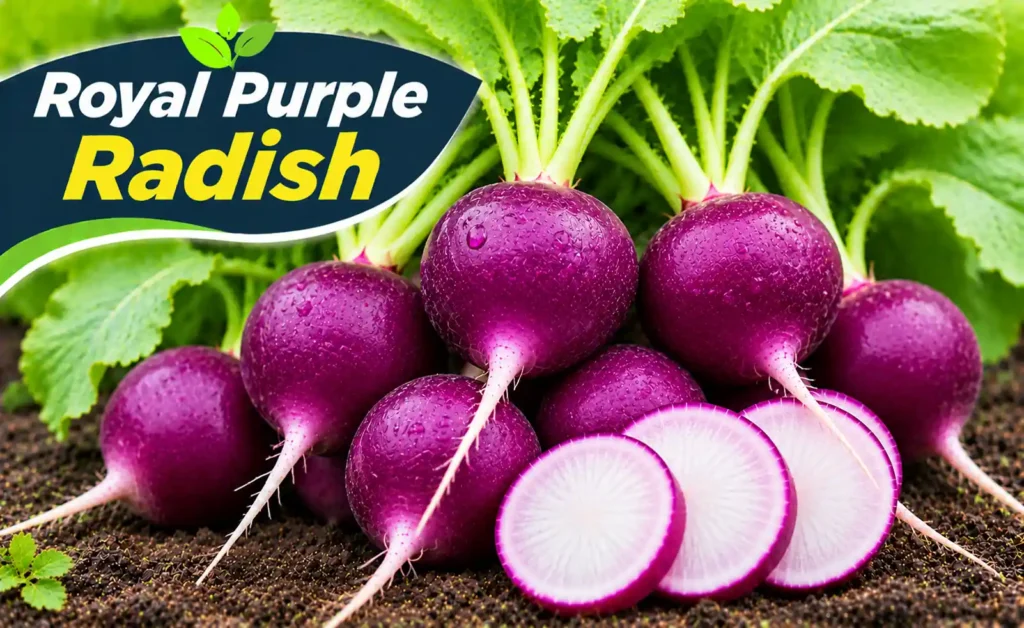
Royal Purple Radish is a colorful and compact variety that brings an attractive appearance to indoor vegetable gardens. This radish develops smooth, rounded roots with vibrant purple skin and crisp white flesh, making it a distinctive alternative to traditional red radishes. Royal Purple radishes generally mature within 25–35 days under favorable growing conditions, although exact timing varies by seed selection and environment. Their crisp texture and mildly peppery flavor make them excellent for fresh salads, sandwiches, and vegetable garnishes. With sufficient lighting, loose potting mix, and regular watering, Royal Purple radishes can produce healthy roots in small indoor containers.
Identification
- Scientific Name: Raphanus sativus
- Common Name: Royal Purple Radish
- Root Shape: Round, smooth, and slightly globe-shaped
- Root Color: Vibrant purple skin with white flesh
- Mature Size: Approximately 1–1.5 inches in diameter
- Leaf Appearance: Green, slightly textured, and lobed leaves
- Days to Harvest: Approximately 25–35 days
- Flavor: Crisp, mild, and slightly peppery
Ideal Indoor Growing Conditions
Royal Purple radishes prefer cool indoor temperatures between 50–70°F (10–21°C). Select a container at least 6 inches deep with sufficient drainage holes to encourage healthy root development. Use loose, well-draining potting mix that allows the rounded roots to grow without unnecessary resistance.
Position the container near a sunny window or provide approximately 12–14 hours of full-spectrum LED grow lighting daily. Sow seeds about ½ inch deep and thin seedlings to roughly 2 inches apart. Adequate spacing helps prevent overcrowding and promotes healthy root development.
Watering and Maintenance Tips
Water Royal Purple radishes regularly to maintain evenly moist soil throughout the growing period. Avoid allowing the potting mix to become excessively dry because inconsistent moisture can contribute to cracking and reduced root quality.
Use fertilizer sparingly, particularly nitrogen-rich products that may encourage excessive leaf growth. Remove weak seedlings early and maintain sufficient airflow around the plants.
Harvest Royal Purple radishes when their roots reach approximately 1–1.5 inches in diameter, or follow the seed supplier’s recommended harvest size. Prompt harvesting helps preserve their crisp texture and mild flavor. Regular succession sowing can provide colorful radishes throughout the year.
13. White Hailstone Radish
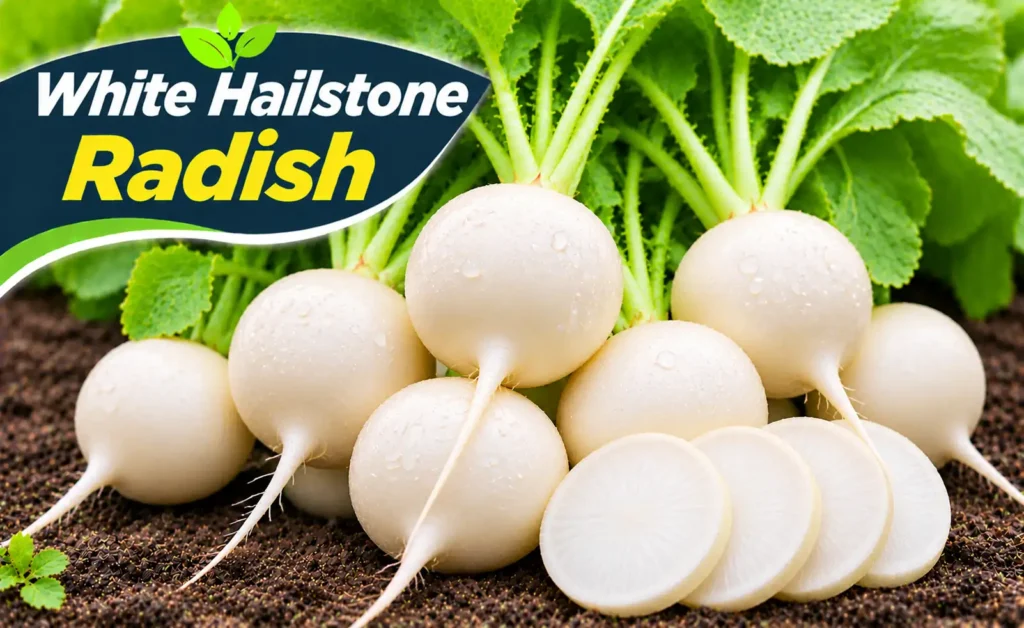
White Hailstone Radish is a fast-growing and attractive variety that produces small, round roots with smooth white skin and crisp white flesh. This classic radish is especially suitable for indoor container gardening because of its compact growth habit and relatively quick maturity. White Hailstone radishes typically mature within 25–30 days under favorable conditions, making them ideal for beginners who want fresh vegetables without a long growing period. Their mild, refreshing, and slightly peppery flavor makes them excellent for salads, sandwiches, and vegetable snacks. With cool temperatures, adequate lighting, and consistent watering, White Hailstone radishes can grow successfully in limited indoor spaces.
Identification
- Scientific Name: Raphanus sativus
- Common Name: White Hailstone Radish
- Root Shape: Small, round, and smooth
- Root Color: Pure white skin with crisp white flesh
- Mature Size: Approximately 1–1.5 inches in diameter
- Leaf Appearance: Green, slightly hairy, and deeply lobed leaves
- Days to Harvest: Approximately 25–30 days
- Flavor: Mild, refreshing, and slightly peppery
Ideal Indoor Growing Conditions
White Hailstone radishes grow best in cool indoor environments with temperatures around 50–70°F (10–21°C). Choose a container at least 6 inches deep with adequate drainage holes to support healthy root development. Fill it with loose, fertile, well-draining potting mix that allows the rounded roots to expand naturally.
Place the container near a bright window or provide approximately 12–14 hours of full-spectrum LED grow lighting daily. Sow seeds about ½ inch deep and thin seedlings to roughly 2 inches apart. Consistent lighting and adequate spacing encourage healthy foliage and uniformly developed white roots.
Watering and Maintenance Tips
Keep the potting mix consistently moist throughout the growing period to encourage tender and crisp root development. Water whenever the upper layer begins to dry, but avoid waterlogged conditions that may damage developing roots.
Avoid excessive nitrogen fertilizer because it promotes leafy growth instead of healthy root formation. Remove weak or overcrowded seedlings early to improve airflow and reduce competition for nutrients.
Harvest White Hailstone radishes when their roots reach approximately 1–1.5 inches in diameter. Leaving mature roots in the soil too long can result in woody or pithy textures. Sow fresh seeds every one to two weeks to maintain a steady supply of homegrown indoor radishes.
14. Snow Belle Radish
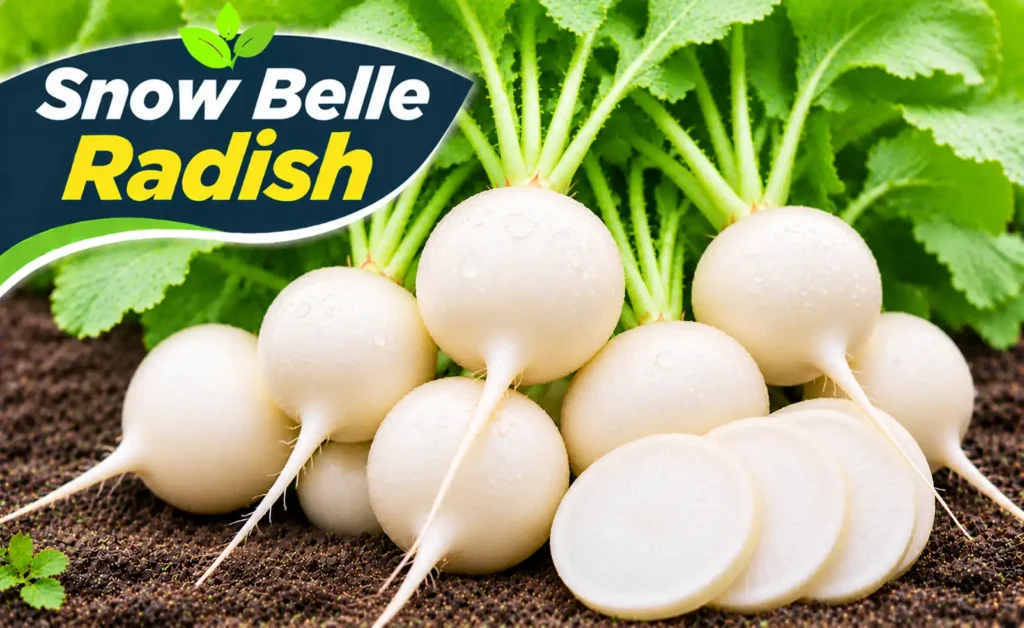
Snow Belle Radish is an attractive and fast-growing variety that makes an excellent choice for indoor vegetable gardening. This radish produces smooth, round roots with bright white skin and crisp white flesh, creating a clean and distinctive appearance. Snow Belle radishes typically mature within 25–30 days under favorable growing conditions, making them suitable for beginners and gardeners with limited indoor space. Their mild, refreshing, and slightly peppery flavor makes them perfect for fresh salads, sandwiches, and vegetable snacks. With adequate lighting, cool temperatures, and consistent watering, Snow Belle radishes can grow successfully in compact containers throughout the year.
Identification
- Scientific Name: Raphanus sativus
- Common Name: Snow Belle Radish
- Root Shape: Small, round, and smooth
- Root Color: Bright white skin with crisp white flesh
- Mature Size: Approximately 1–1.5 inches in diameter
- Leaf Appearance: Green, slightly hairy, and lobed leaves
- Days to Harvest: Approximately 25–30 days
- Flavor: Mild, crisp, and slightly peppery
Ideal Indoor Growing Conditions
Snow Belle radishes grow best in cool indoor environments with temperatures around 50–70°F (10–21°C). Choose a container at least 6 inches deep with adequate drainage holes to support healthy root development. Fill it with loose, fertile, well-draining potting mix that allows the rounded roots to expand naturally.
Place the container near a bright window or provide approximately 12–14 hours of full-spectrum LED grow lighting daily. Sow seeds about ½ inch deep and thin seedlings to roughly 2 inches apart. Consistent lighting and proper spacing encourage healthy foliage and evenly developed white roots.
Watering and Maintenance Tips
Keep the potting mix consistently moist throughout the growing period without allowing water to accumulate around the roots. Check soil moisture regularly and water when the upper layer begins to dry.
Avoid excessive nitrogen fertilizer because it can encourage leafy growth instead of root formation. Remove weak or overcrowded seedlings early to improve airflow and reduce competition for nutrients.
Harvest Snow Belle radishes when their roots reach approximately 1–1.5 inches in diameter. Delaying harvest may cause roots to develop woody textures or stronger flavors. Sow additional seeds every one to two weeks to maintain a continuous supply of fresh indoor radishes.
15. Watermelon Radish
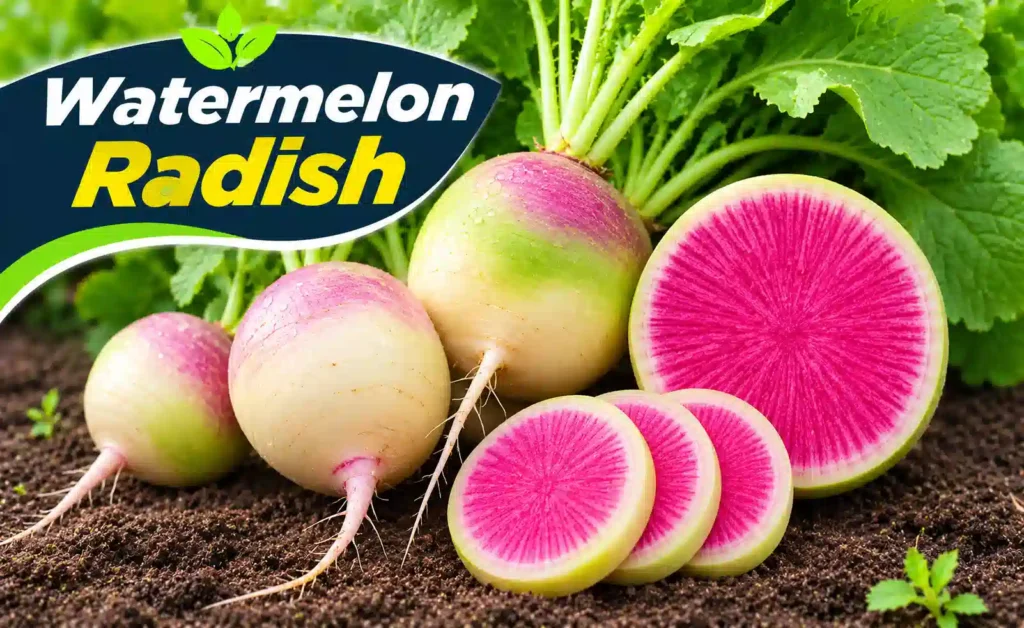
Watermelon Radish is a colorful and distinctive variety that adds visual interest to indoor vegetable gardens. Unlike traditional red radishes, this variety produces round roots with pale green or creamy white skin and vibrant pink to reddish interiors resembling a miniature watermelon. Watermelon radishes generally mature within 50–65 days under suitable growing conditions, requiring more time than common spring radishes. Their crisp texture and mildly sweet, peppery flavor make them excellent for salads, pickles, and colorful vegetable dishes. With deeper containers, sufficient lighting, and consistent moisture, Watermelon radishes can grow successfully indoors.
Identification
- Scientific Name: Raphanus sativus
- Common Name: Watermelon Radish
- Root Shape: Round, smooth, and globe-shaped
- Root Color: Pale green or creamy white skin with pink to red flesh
- Mature Size: Approximately 2–4 inches in diameter
- Leaf Appearance: Large, green, slightly hairy, and deeply lobed leaves
- Days to Harvest: Approximately 50–65 days
- Flavor: Crisp, mildly sweet, and slightly peppery
Ideal Indoor Growing Conditions
Watermelon radishes prefer cool indoor temperatures between 50–65°F (10–18°C). Select a container at least 10–12 inches deep with adequate drainage holes to accommodate their larger roots. Use loose, fertile, well-draining potting mix that allows the roots to expand without obstruction.
Position the container near a bright window or provide approximately 12–14 hours of full-spectrum LED grow lighting daily. Sow seeds about ½ inch deep and thin seedlings to roughly 4–6 inches apart. Adequate spacing encourages healthy root development and prevents overcrowding.
Watering and Maintenance Tips
Water Watermelon radishes regularly to maintain evenly moist soil throughout their longer growing period. Avoid allowing the potting mix to become excessively dry because inconsistent moisture can contribute to cracking and poor root development.
Use fertilizer sparingly, particularly nitrogen-rich products that may encourage excessive leaf growth. Remove weak seedlings early and maintain adequate airflow around the plants.
Harvest Watermelon radishes when their roots reach approximately 2–4 inches in diameter, depending on the variety and growing conditions. Their interior color develops as the roots mature. Avoid leaving them in the soil too long because oversized roots may become woody or excessively pungent.
16. Daikon Radish
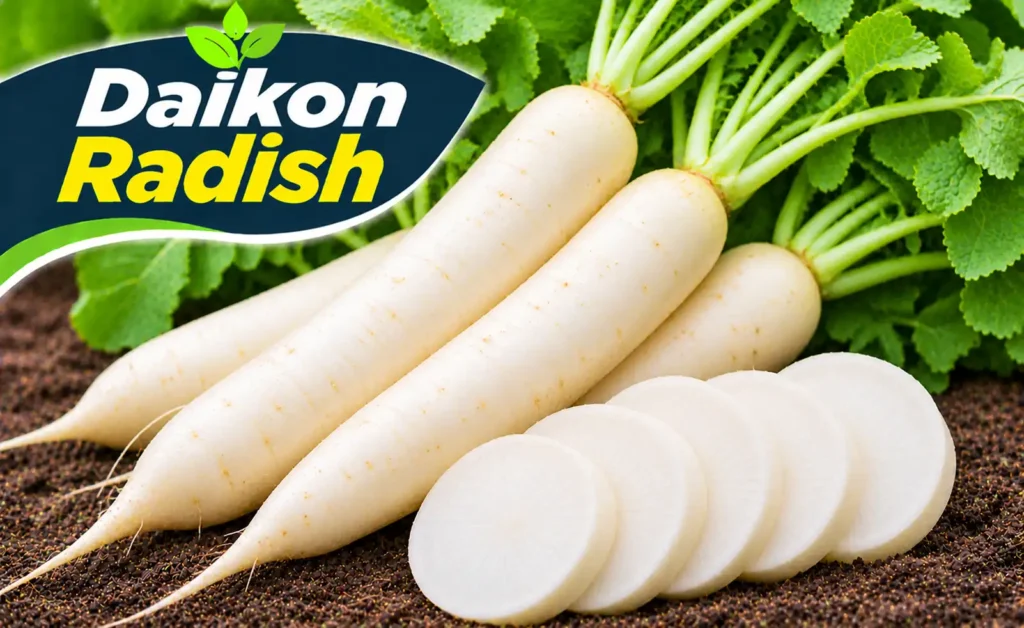
Daikon Radish is a popular Asian radish variety known for its long, cylindrical white roots, crisp texture, and mild flavor. Unlike compact spring radishes, Daikon radishes develop substantial roots that require deeper containers and more growing space. These radishes typically mature within 50–70 days, depending on the cultivar and growing conditions. Their refreshing taste makes them excellent for salads, soups, stir-fries, and pickled vegetable dishes. Although Daikon radishes require more space than smaller varieties, they can grow indoors when provided with sufficiently deep containers, strong lighting, cool temperatures, and consistent moisture.
Identification
- Scientific Name: Raphanus sativus var. longipinnatus
- Common Name: Daikon Radish
- Root Shape: Long, cylindrical, and slightly tapered
- Root Color: White skin with crisp white flesh
- Mature Size: Approximately 8–18 inches long for many varieties
- Leaf Appearance: Large, green, rough-textured, and deeply lobed leaves
- Days to Harvest: Approximately 50–70 days
- Flavor: Mild, refreshing, and slightly peppery
Ideal Indoor Growing Conditions
Daikon radishes grow best in cool indoor environments with temperatures around 50–70°F (10–21°C). Choose a deep container, ideally 18–24 inches or deeper for long-rooted cultivars, with sufficient drainage holes. Fill it with loose, well-draining growing medium that allows the roots to develop without obstruction.
Place the container under strong full-spectrum LED grow lighting for approximately 12–14 hours daily. Sow seeds about ½ inch deep and thin seedlings to roughly 6 inches apart, or follow the spacing recommended for the specific cultivar. Compact Daikon varieties are more practical for indoor growing than exceptionally long-rooted types.
Watering and Maintenance Tips
Keep the potting mix consistently moist throughout the growing period to support healthy root development. Water whenever the upper layer begins to dry, but avoid waterlogged conditions that can contribute to root damage.
Avoid excessive nitrogen fertilizer because it encourages leafy growth instead of root formation. Remove overcrowded seedlings early to provide adequate space for developing roots.
Harvest Daikon radishes when they reach the recommended size for the selected cultivar. Depending on the variety, mature roots may extend well below the soil surface. Harvest promptly to maintain a tender texture and mild flavor, and consider growing shorter-rooted varieties for easier indoor cultivation.
17. Minowase Daikon Radish
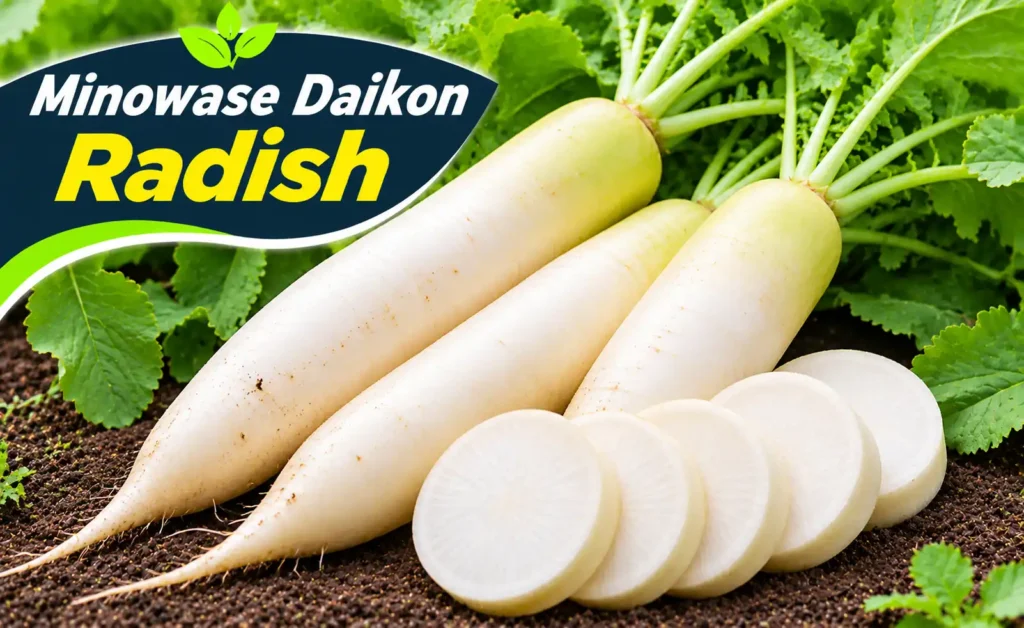
Minowase Daikon Radish is a traditional Japanese radish variety known for its long, cylindrical white roots, crisp texture, and refreshing flavor. This variety produces substantial roots that are commonly used in Asian soups, salads, pickles, and cooked vegetable dishes. Minowase Daikon radishes typically mature within 50–70 days under suitable growing conditions, although larger roots may require additional time. Their mild, slightly peppery flavor becomes sweeter when cooked. While this variety requires more growing space than compact spring radishes, Minowase Daikon can grow indoors with deep containers, strong lighting, consistent moisture, and suitable temperatures.
Identification
- Scientific Name: Raphanus sativus var. longipinnatus
- Common Name: Minowase Daikon Radish
- Root Shape: Long, cylindrical, and slightly tapered
- Root Color: Smooth white skin with crisp white flesh
- Mature Size: Approximately 12–24 inches long
- Leaf Appearance: Large, green, rough-textured, and deeply lobed leaves
- Days to Harvest: Approximately 50–70 days
- Flavor: Mild, crisp, and slightly peppery
Ideal Indoor Growing Conditions
Minowase Daikon radishes grow best in cool indoor environments with temperatures around 50–70°F (10–21°C). Choose a deep container at least 24–30 inches deep with adequate drainage holes to accommodate their long roots. Fill it with loose, well-draining potting mix that allows the roots to develop without obstruction.
Place the container under strong full-spectrum LED grow lighting for approximately 12–14 hours daily. Sow seeds about ½ inch deep and thin seedlings to roughly 6–8 inches apart. Adequate spacing encourages straight root development and prevents overcrowding. This large variety is best suited to spacious indoor growing areas.
Watering and Maintenance Tips
Keep the potting mix consistently moist throughout the growing period to support healthy root development. Water whenever the upper layer begins to dry, but avoid excessive moisture that can contribute to root damage.
Avoid excessive nitrogen fertilizer because it encourages leafy growth instead of root formation. Remove weak or overcrowded seedlings early to reduce competition for nutrients and growing space.
Harvest Minowase Daikon radishes when their roots reach the desired size and maturity. Carefully loosen the growing medium before pulling the long roots to prevent breakage. Harvesting at the proper stage helps maintain their crisp texture and mild flavor.
18. Miyashige Daikon Radish
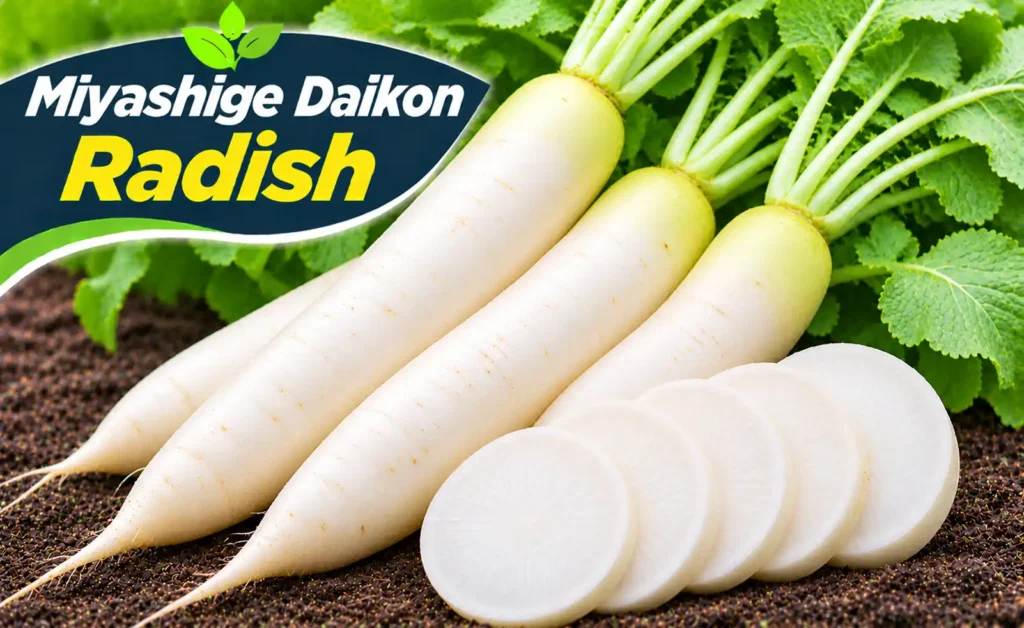
Miyashige Daikon Radish is a traditional Japanese variety valued for its thick, elongated roots and mild, refreshing flavor. This radish produces smooth white roots with pale green shoulders that often develop slightly above the soil surface. Miyashige Daikon radishes typically mature within 50–70 days under favorable conditions, making them suitable for gardeners who have enough indoor space for larger root vegetables. Their crisp white flesh is excellent for fresh salads, pickles, soups, and stir-fried dishes. With deep containers, adequate spacing, bright lighting, and consistent moisture, Miyashige Daikon radishes can develop healthy roots in a controlled indoor growing environment.
Identification
- Scientific Name: Raphanus sativus var. longipinnatus
- Common Name: Miyashige Daikon Radish
- Root Shape: Long, thick, cylindrical, and slightly tapered
- Root Color: White skin with pale green shoulders and white flesh
- Mature Size: Approximately 12–18 inches long
- Leaf Appearance: Large, green, textured, and deeply lobed leaves
- Days to Harvest: Approximately 50–70 days
- Flavor: Mild, crisp, and slightly sweet
Ideal Indoor Growing Conditions
Miyashige Daikon radishes prefer cool indoor temperatures between 50–70°F (10–21°C). Select a container at least 18–24 inches deep with sufficient drainage holes to support their elongated roots. Use loose, fertile, well-draining potting mix that allows healthy root expansion without excessive resistance.
Position the container under full-spectrum LED grow lighting for approximately 12–14 hours daily. Sow seeds about ½ inch deep and thin seedlings to roughly 6–8 inches apart. Adequate spacing and consistent lighting encourage healthy foliage and well-developed roots. A spacious indoor growing area is preferable for this larger radish variety.
Watering and Maintenance Tips
Water Miyashige Daikon radishes regularly to maintain evenly moist soil throughout their growing period. Avoid allowing the potting mix to become excessively dry because inconsistent moisture can cause cracking and poor root development.
Use fertilizer sparingly, particularly nitrogen-rich products that may encourage excessive leaf growth. Remove overcrowded seedlings early and maintain adequate airflow around the plants.
Harvest Miyashige Daikon radishes when their roots reach the recommended size for the selected cultivar. The green shoulders may remain visible above the soil as the roots mature. Carefully loosen the growing medium before harvesting to prevent damage to the elongated roots.
19. China Rose Radish
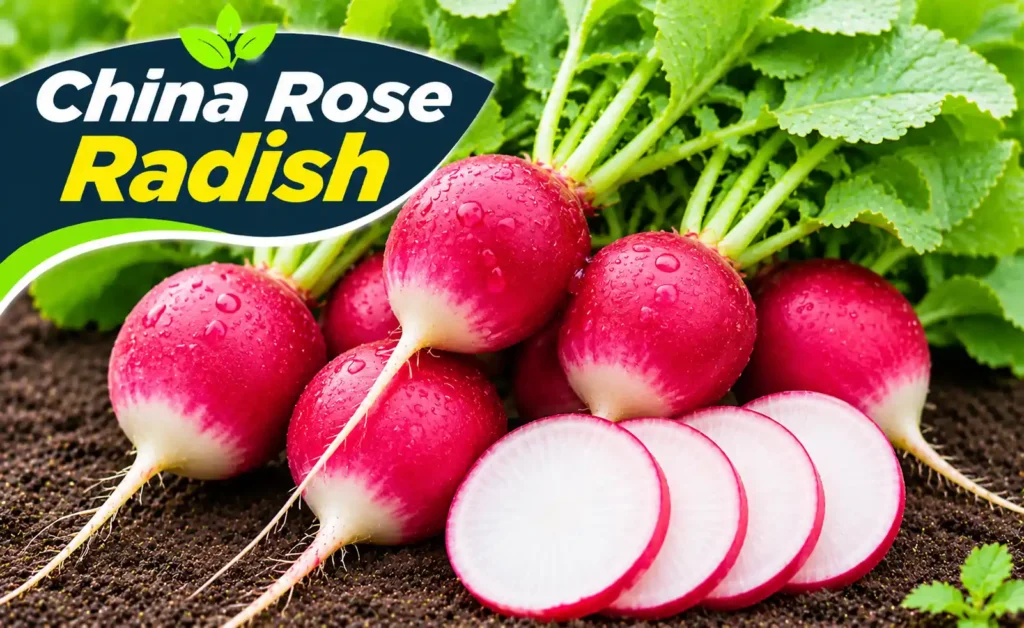
China Rose Radish is a traditional winter radish variety recognized for its elongated roots, attractive rose-pink skin, and crisp white flesh. This distinctive radish grows more slowly than common spring varieties, typically reaching maturity within 50–60 days under suitable conditions. China Rose radishes offer a pleasantly peppery flavor that works well in fresh salads, pickled vegetables, and cooked dishes. Their colorful roots and relatively manageable size make them an interesting addition to indoor vegetable gardens. With deep containers, cool temperatures, consistent lighting, and proper watering, China Rose radishes can grow successfully indoors when sufficient space is available.
Identification
- Scientific Name: Raphanus sativus
- Common Name: China Rose Radish
- Root Shape: Elongated, cylindrical, and slightly tapered
- Root Color: Rose-pink to reddish-pink skin with white flesh
- Mature Size: Approximately 4–6 inches long
- Leaf Appearance: Green, slightly hairy, and deeply lobed leaves
- Days to Harvest: Approximately 50–60 days
- Flavor: Crisp, moderately peppery, and slightly sweet
Ideal Indoor Growing Conditions
China Rose radishes grow best in cool indoor environments with temperatures around 50–65°F (10–18°C). Choose a container at least 10–12 inches deep with adequate drainage holes to accommodate their elongated roots. Fill it with loose, fertile, well-draining potting mix that encourages healthy root development.
Place the container near a bright window or provide approximately 12–14 hours of full-spectrum LED grow lighting daily. Sow seeds about ½ inch deep and thin seedlings to roughly 3–4 inches apart. Consistent lighting and sufficient spacing help prevent overcrowding and encourage straight, evenly developed roots.
Watering and Maintenance Tips
Keep the potting mix consistently moist throughout the growing period without allowing water to accumulate around the roots. Check soil moisture regularly and water when the upper layer begins to dry.
Avoid excessive nitrogen fertilizer because it can encourage leafy growth instead of healthy root formation. Remove weak seedlings early to improve airflow and reduce competition for available nutrients.
Harvest China Rose radishes when their roots reach approximately 4–6 inches long, depending on growing conditions. Leaving mature roots in the soil too long can result in woody textures and stronger flavors. Proper harvesting helps preserve their crisp texture and distinctive peppery taste.
20. Black Spanish Round Radish
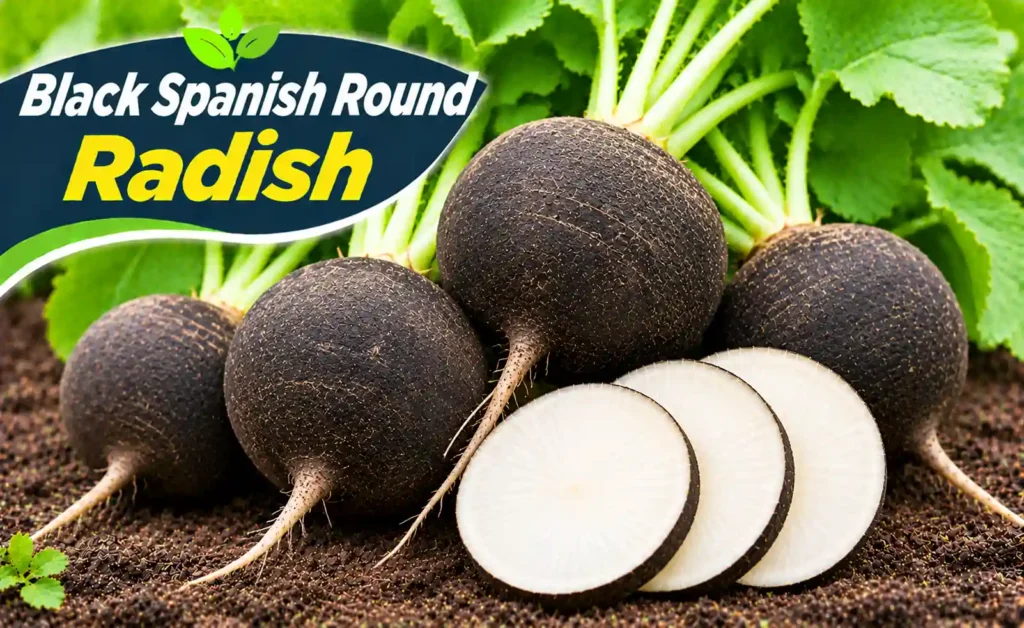
Black Spanish Round Radish is a distinctive winter radish variety known for its dark black skin, round roots, and crisp white flesh. Unlike fast-growing spring radishes, this variety requires a longer growing period and produces larger roots with a strong, peppery flavor. Black Spanish Round radishes typically mature within 50–70 days under suitable growing conditions, making them ideal for gardeners who prefer flavorful root vegetables. Their firm texture makes them excellent for fresh salads, roasted vegetable dishes, and pickling. With deep containers, cool temperatures, adequate lighting, and consistent moisture, Black Spanish Round radishes can grow successfully indoors.
Identification
- Scientific Name: Raphanus sativus
- Common Name: Black Spanish Round Radish
- Root Shape: Large, round, and globe-shaped
- Root Color: Rough black skin with crisp white flesh
- Mature Size: Approximately 3–4 inches in diameter
- Leaf Appearance: Large, green, rough-textured, and deeply lobed leaves
- Days to Harvest: Approximately 50–70 days
- Flavor: Strong, peppery, and slightly earthy
Ideal Indoor Growing Conditions
Black Spanish Round radishes grow best in cool indoor environments with temperatures around 50–65°F (10–18°C). Choose a container at least 10–12 inches deep with adequate drainage holes to accommodate their larger roots. Fill it with loose, fertile, well-draining potting mix that allows the rounded roots to expand naturally.
Place the container under full-spectrum LED grow lighting for approximately 12–14 hours daily. Sow seeds about ½ inch deep and thin seedlings to roughly 4–6 inches apart. Adequate spacing encourages healthy root development and prevents overcrowding. Consistent lighting and cool temperatures help maintain steady growth.
Watering and Maintenance Tips
Keep the potting mix evenly moist throughout the growing period to support healthy root development. Check soil moisture regularly and water when the upper layer begins to dry. Avoid waterlogged conditions that may cause root damage.
Use fertilizer sparingly, particularly nitrogen-rich products that can encourage excessive foliage growth. Remove weak or overcrowded seedlings early to improve airflow and reduce competition for nutrients.
Harvest Black Spanish Round radishes when their roots reach approximately 3–4 inches in diameter. Carefully loosen the surrounding soil before removing mature roots. Prompt harvesting helps maintain their firm texture and distinctive peppery flavor.
21. Black Spanish Long Radish
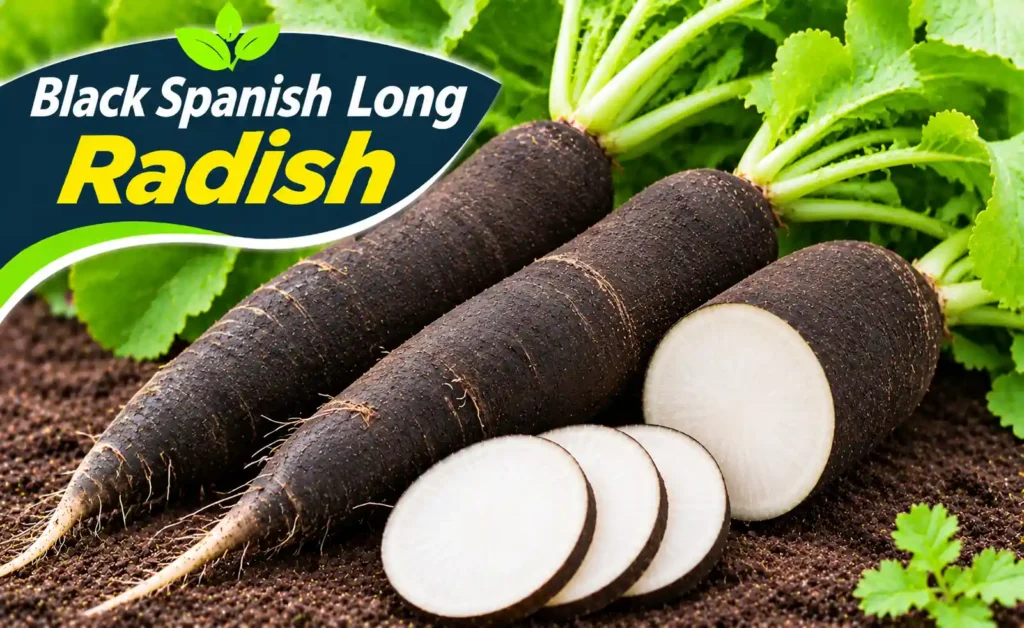
Black Spanish Long Radish is a traditional winter radish variety recognized for its elongated black roots, crisp white flesh, and bold peppery flavor. This distinctive radish produces cylindrical roots with rough, dark skin that contrasts beautifully with the bright white interior. Black Spanish Long radishes typically mature within 55–70 days under favorable growing conditions, making them suitable for gardeners interested in larger root vegetables. Their strong flavor works well in salads, pickles, roasted dishes, and traditional recipes. With sufficiently deep containers, cool temperatures, strong lighting, and consistent watering, Black Spanish Long radishes can develop healthy roots in an indoor growing environment.
Identification
- Scientific Name: Raphanus sativus
- Common Name: Black Spanish Long Radish
- Root Shape: Long, cylindrical, and slightly tapered
- Root Color: Rough black skin with crisp white flesh
- Mature Size: Approximately 6–9 inches long
- Leaf Appearance: Large, green, coarse-textured, and deeply lobed leaves
- Days to Harvest: Approximately 55–70 days
- Flavor: Strong, peppery, and slightly earthy
Ideal Indoor Growing Conditions
Black Spanish Long radishes prefer cool indoor temperatures between 50–65°F (10–18°C). Select a container at least 12–15 inches deep with sufficient drainage holes to accommodate their elongated roots. Use loose, well-draining potting mix that encourages straight root development without unnecessary resistance.
Position the container under full-spectrum LED grow lighting for approximately 12–14 hours daily. Sow seeds about ½ inch deep and thin seedlings to roughly 4–6 inches apart. Adequate spacing provides enough room for the roots to develop properly. Maintain consistent temperatures and sufficient airflow to support healthy foliage growth.
Watering and Maintenance Tips
Water Black Spanish Long radishes regularly to maintain evenly moist soil throughout their growing period. Avoid allowing the potting mix to become excessively dry because inconsistent moisture can contribute to cracking and irregular root development.
Avoid excessive nitrogen fertilizer, which may promote leafy growth instead of root formation. Remove overcrowded seedlings early to encourage healthy development and reduce competition for nutrients.
Harvest Black Spanish Long radishes when their roots reach approximately 6–9 inches long or the size recommended by the seed supplier. Carefully loosen the potting mix before harvesting to prevent root breakage. Proper harvesting helps preserve their crisp texture and bold flavor.
22. German Giant Radish
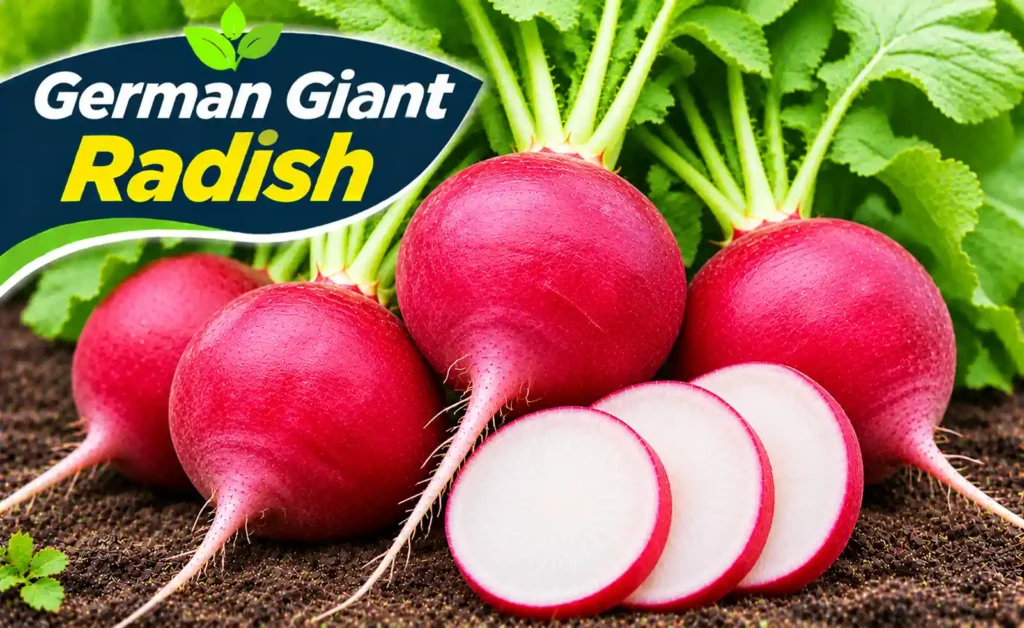
German Giant Radish is a large-rooted variety known for producing impressive round radishes with bright red skin and crisp white flesh. Unlike many smaller spring radishes, this variety can develop substantial roots while maintaining a relatively tender texture under favorable growing conditions. German Giant radishes generally mature within 30–40 days, although larger roots may require additional time depending on the cultivar. Their mild to moderately peppery flavor makes them suitable for salads, sandwiches, and fresh vegetable dishes. With spacious containers, cool temperatures, adequate lighting, and consistent moisture, German Giant radishes can be grown indoors by gardeners who have sufficient space.
Identification
- Scientific Name: Raphanus sativus
- Common Name: German Giant Radish
- Root Shape: Large, round, and globe-shaped
- Root Color: Bright red skin with crisp white flesh
- Mature Size: Approximately 2–4 inches in diameter, sometimes larger
- Leaf Appearance: Large, green, slightly hairy, and deeply lobed leaves
- Days to Harvest: Approximately 30–40 days for younger roots
- Flavor: Mild, crisp, and moderately peppery
Ideal Indoor Growing Conditions
German Giant radishes grow best in cool indoor environments with temperatures around 50–70°F (10–21°C). Choose a container at least 10–12 inches deep with adequate drainage holes to accommodate their larger roots. Fill it with loose, fertile, well-draining potting mix that allows the rounded roots to expand without obstruction.
Place the container under strong full-spectrum LED grow lighting for approximately 12–14 hours daily. Sow seeds about ½ inch deep and thin seedlings to roughly 4–6 inches apart. Wider spacing allows the larger roots to develop without excessive competition. Consistent lighting and adequate growing space help encourage uniform root formation.
Watering and Maintenance Tips
Keep the potting mix consistently moist throughout the growing period to encourage tender and well-developed roots. Water whenever the upper layer begins to dry, but avoid waterlogged conditions that may damage developing radishes.
Use fertilizer sparingly, especially nitrogen-rich products that encourage excessive leafy growth. Remove weak seedlings early to provide sufficient space for larger roots and maintain adequate airflow.
Harvest German Giant radishes when their roots reach the desired size and remain firm and tender. Although this variety can grow larger than common spring radishes, harvesting before the roots become overly mature helps preserve their crisp texture. Regular moisture and timely harvesting support better flavor and root quality.
23. Cincinnati Market Radish
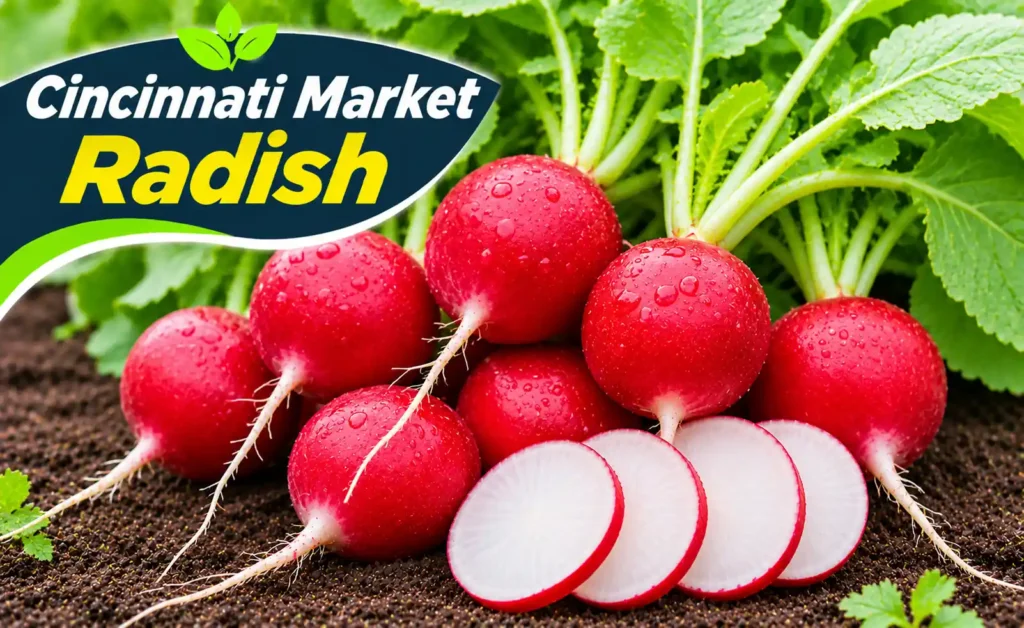
Cincinnati Market Radish is a traditional heirloom variety known for its elongated roots, attractive red skin, and crisp white flesh. This radish produces slender, carrot-shaped roots that make it a distinctive addition to indoor vegetable gardens. Cincinnati Market radishes typically mature within 25–35 days under favorable growing conditions, making them suitable for gardeners who want relatively quick harvests. Their crisp texture and pleasantly peppery flavor make them excellent for fresh salads, sandwiches, and vegetable garnishes. With sufficiently deep containers, cool temperatures, adequate lighting, and consistent moisture, Cincinnati Market radishes can grow successfully in compact indoor growing spaces.
Identification
- Scientific Name: Raphanus sativus
- Common Name: Cincinnati Market Radish
- Root Shape: Long, slender, and tapered
- Root Color: Bright red to scarlet skin with white flesh
- Mature Size: Approximately 5–7 inches long
- Leaf Appearance: Green, slightly hairy, and deeply lobed leaves
- Days to Harvest: Approximately 25–35 days
- Flavor: Crisp, mildly peppery, and refreshing
Ideal Indoor Growing Conditions
Cincinnati Market radishes grow best in cool indoor environments with temperatures around 50–70°F (10–21°C). Choose a container at least 10–12 inches deep with adequate drainage holes to accommodate their elongated roots. Fill it with loose, fertile, well-draining potting mix that encourages straight root development without obstruction.
Place the container near a bright window or provide approximately 12–14 hours of full-spectrum LED grow lighting daily. Sow seeds about ½ inch deep and thin seedlings to roughly 2–3 inches apart. Consistent lighting and adequate spacing encourage healthy foliage and properly developed roots.
Watering and Maintenance Tips
Keep the potting mix consistently moist throughout the growing period without allowing water to accumulate around the roots. Check soil moisture regularly and water when the upper layer begins to dry.
Avoid excessive nitrogen fertilizer because it can encourage leafy growth instead of root formation. Remove weak or overcrowded seedlings early to improve airflow and reduce competition for nutrients.
Harvest Cincinnati Market radishes when their roots reach approximately 5–7 inches long. Carefully loosen the surrounding potting mix before harvesting to prevent root breakage. Delaying harvest may cause roots to become woody or develop stronger flavors. Sow additional seeds every one to two weeks for a continuous indoor harvest.
24. Rat’s Tail Radish
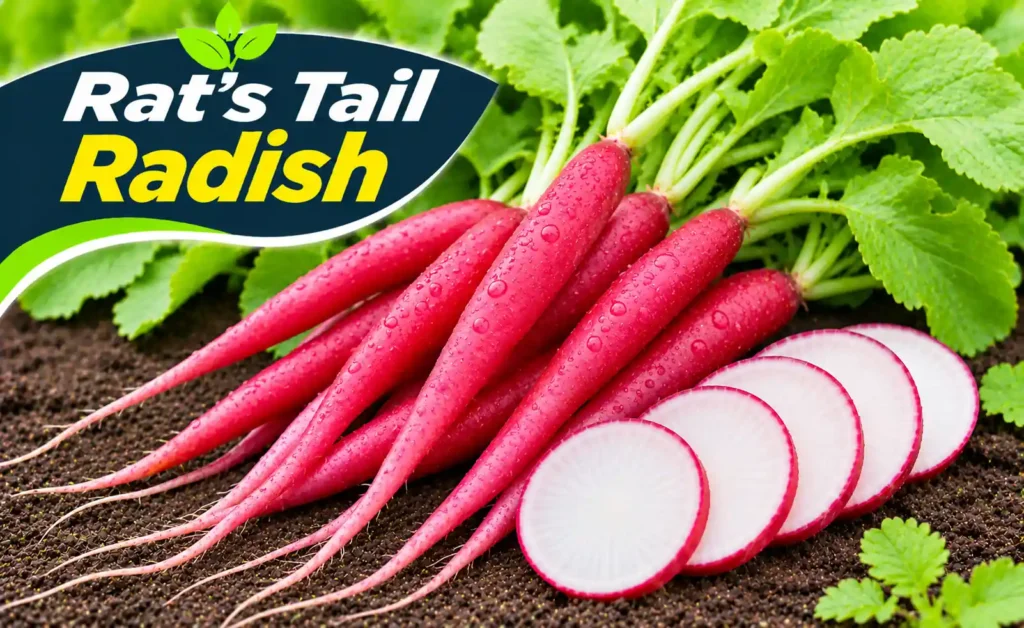
Rat’s Tail Radish is a unique edible-podded variety grown primarily for its long, slender seed pods rather than its underground roots. Unlike traditional radishes, this variety develops branching stems, delicate flowers, and numerous green or purple-tinged pods that resemble small tails. Rat’s Tail radishes generally begin producing harvestable pods within 50–60 days under suitable growing conditions. Their crunchy texture and spicy radish flavor make them excellent for fresh salads, stir-fries, and pickled vegetables. Although these plants require more vertical space than common root radishes, they can grow indoors with large containers, strong lighting, and proper support.
Identification
- Scientific Name: Raphanus sativus var. mougri
- Common Name: Rat’s Tail Radish
- Edible Part: Young, tender seed pods
- Pod Shape: Long, slender, and slightly curved
- Pod Color: Green, sometimes developing purple or reddish tones
- Mature Size: Plants commonly reach approximately 2–4 feet tall
- Leaf Appearance: Green, rough-textured, and deeply lobed leaves
- Days to Harvest: Approximately 50–60 days for initial pod production
- Flavor: Crisp, spicy, and distinctly radish-like
Ideal Indoor Growing Conditions
Rat’s Tail radishes grow best in moderate indoor temperatures around 60–75°F (16–24°C). Choose a container at least 12 inches deep and wide enough to accommodate their spreading roots. Fill it with loose, fertile, well-draining potting mix that supports healthy foliage and flower production.
Place the container under strong full-spectrum LED grow lighting for approximately 14–16 hours daily. Sow seeds about ½ inch deep and provide roughly 12–18 inches of space between mature plants. Install a small trellis or sturdy support if needed to manage their branching growth.
Watering and Maintenance Tips
Keep the potting mix evenly moist throughout the growing period, particularly during flowering and pod development. Water when the upper layer begins to dry, but avoid waterlogged conditions that can damage the roots.
Use a balanced fertilizer sparingly and avoid excessive nitrogen, which may encourage foliage growth at the expense of flowering. Maintain good airflow around the plants and remove damaged or yellowing leaves when necessary.
Harvest Rat’s Tail radish pods while they are young, slender, and tender, commonly around 2–4 inches long. Larger pods may become fibrous and develop a tougher texture. Pick pods frequently to encourage continued production and maintain their crisp, spicy flavor.
25. Sora Radish
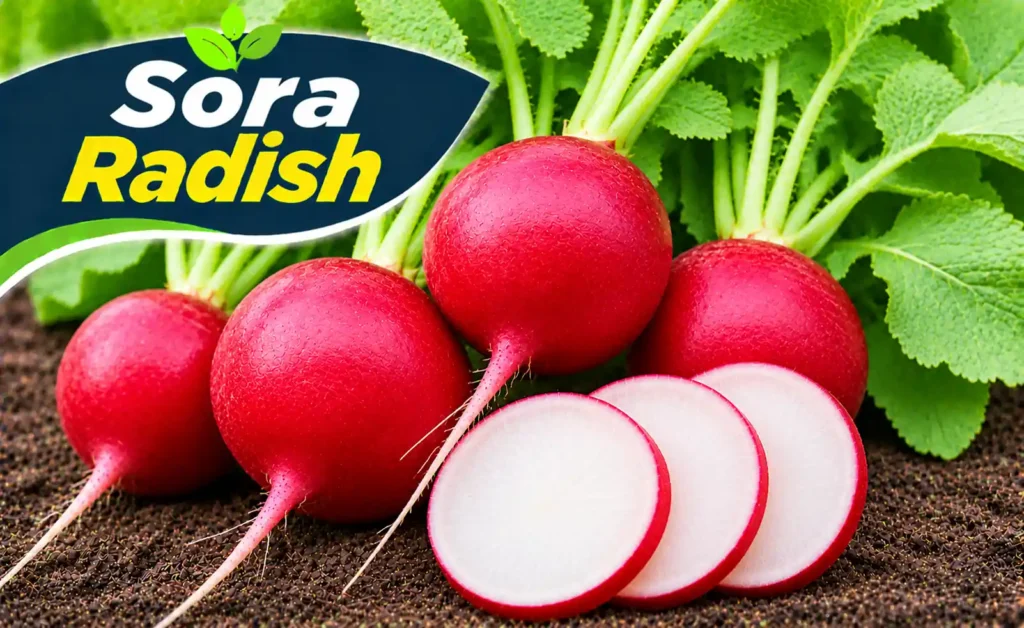
Sora Radish is a fast-growing variety valued for its smooth, round roots, bright red skin, and crisp white flesh. This reliable radish is known for producing attractive roots under a range of growing conditions, making it a practical choice for indoor container gardening. Sora radishes typically mature within 22–30 days under favorable conditions, providing quick harvests for gardeners with limited space. Their mild, refreshing, and slightly peppery flavor makes them excellent for fresh salads, sandwiches, and vegetable snacks. With sufficient lighting, cool temperatures, and consistent watering, Sora radishes can produce tender roots in compact indoor containers throughout the year.
Identification
- Scientific Name: Raphanus sativus
- Common Name: Sora Radish
- Root Shape: Round, smooth, and globe-shaped
- Root Color: Bright red skin with crisp white flesh
- Mature Size: Approximately 1–1.5 inches in diameter
- Leaf Appearance: Green, slightly hairy, and lobed leaves
- Days to Harvest: Approximately 22–30 days
- Flavor: Mild, crisp, and slightly peppery
Ideal Indoor Growing Conditions
Sora radishes grow best in cool indoor environments with temperatures around 50–70°F (10–21°C). Choose a container at least 6 inches deep with adequate drainage holes to encourage healthy root development. Fill it with loose, fertile, well-draining potting mix that allows the rounded roots to expand naturally.
Place the container near a bright window or provide approximately 12–14 hours of full-spectrum LED grow lighting daily. Sow seeds about ½ inch deep and thin seedlings to roughly 2 inches apart. Consistent lighting and proper spacing encourage healthy foliage and evenly developed roots.
Watering and Maintenance Tips
Keep the potting mix consistently moist throughout the growing period without allowing water to accumulate around the roots. Check soil moisture regularly and water when the upper layer begins to dry.
Avoid excessive nitrogen fertilizer because it can encourage leafy growth instead of healthy root formation. Remove weak or overcrowded seedlings early to improve airflow and reduce competition for nutrients.
Harvest Sora radishes when their roots reach approximately 1–1.5 inches in diameter. Delaying harvest may cause roots to become woody, hollow, or excessively peppery. Sow additional seeds every one to two weeks to maintain a continuous supply of fresh indoor radishes.
FAQs
1. What Are the Best Radish Varieties for Indoor Growing?
Cherry Belle, French Breakfast, Easter Egg, Champion, and Sora are among the best radish varieties for indoor growing. These compact, fast-maturing varieties typically produce harvestable roots within 22–35 days. They grow well in containers with sufficient lighting, cool temperatures, well-draining soil, and consistent moisture.
2. How Long Do Radishes Take to Grow Indoors?
Most small radish varieties take approximately 22–35 days to mature indoors under suitable conditions. Larger varieties, including Daikon, Watermelon, and Black Spanish radishes, may require 50–70 days or longer. Growth rates depend on variety, temperature, lighting, container size, and soil moisture.
3. Can Radishes Grow Indoors Without Direct Sunlight?
Yes, radishes can grow indoors without direct sunlight when provided with adequate artificial lighting. Full-spectrum LED grow lights are an excellent alternative to natural sunlight. Most varieties benefit from approximately 12–14 hours of suitable lighting daily, along with cool temperatures and consistent watering for healthy root development.
4. What Size Container Is Best for Growing Radishes Indoors?
Small round radishes generally grow well in containers at least 6 inches deep, while longer varieties require deeper containers. Daikon radishes may need 18–24 inches or more, depending on the cultivar. Choose containers with drainage holes and loose potting mix to encourage healthy root development.
5. How Often Should You Water Radishes Growing Indoors?
Indoor radishes need consistently moist soil for healthy growth and tender roots. Check the upper layer of potting mix regularly and water when it begins to dry. Avoid overwatering because waterlogged soil can damage roots. Consistent moisture helps prevent cracking, woody textures, and excessively peppery flavors.