
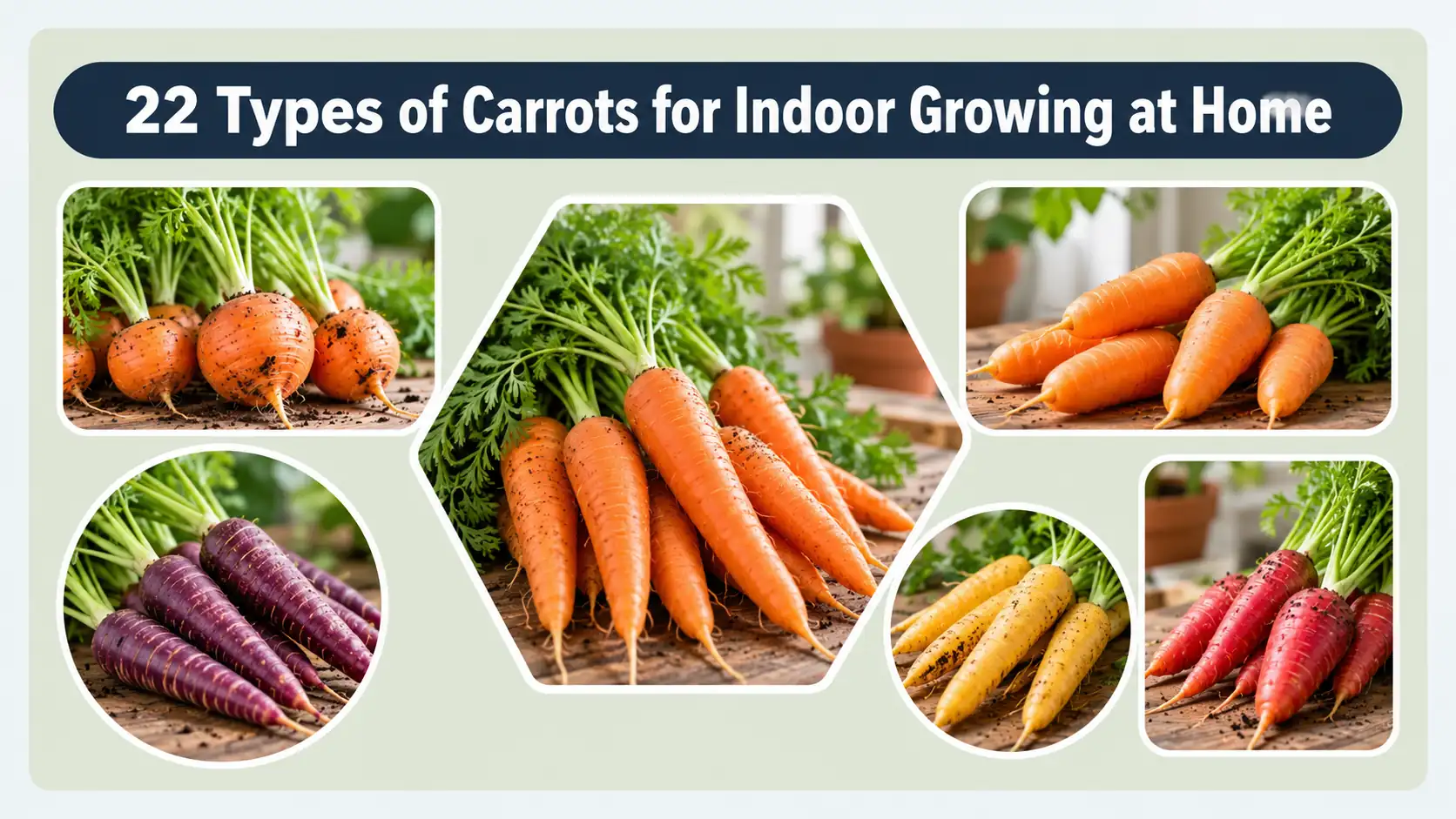
Growing carrots indoors is a rewarding way to enjoy fresh, sweet, and nutritious vegetables throughout the year. From compact Parisian and Thumbelina carrots to colorful Purple Haze and Yellowstone varieties, there are plenty of exciting options for home gardeners. Whether you have a sunny windowsill or an indoor growing setup, these 22 types of carrots offer different sizes, colors, flavors, and growing requirements for your indoor vegetable garden.
1. Parisian Carrot
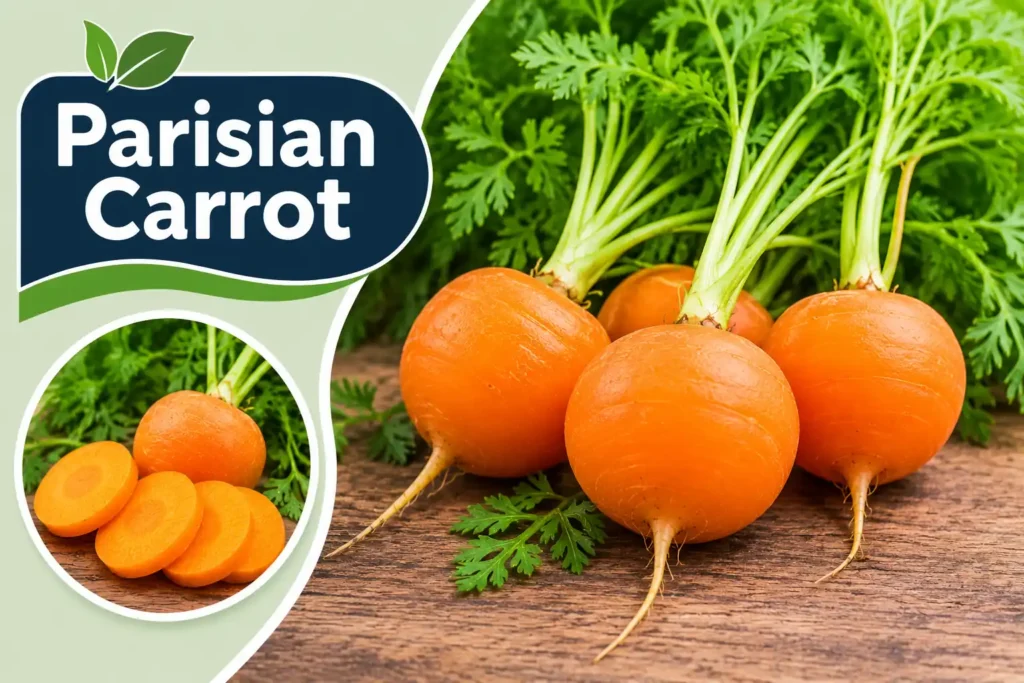
Parisian Carrot is one of the best carrot varieties for indoor growing because of its compact size, rounded roots, and relatively quick maturity. This unique heirloom variety produces small, globe-shaped carrots with bright orange skin and sweet, tender flesh. Parisian carrots typically mature within 55–65 days under suitable growing conditions, making them ideal for container gardening and limited indoor spaces. Unlike traditional long-rooted carrots, their short, rounded shape allows them to develop successfully in shallow containers. With adequate lighting, loose potting mix, and consistent moisture, Parisian carrots can provide delicious homegrown vegetables throughout the year.
Identification
- Scientific Name: Daucus carota subsp. sativus
- Common Name: Parisian Carrot
- Root Shape: Small, round, and globe-shaped
- Root Color: Bright orange skin with orange flesh
- Mature Size: Approximately 1–2 inches in diameter
- Leaf Appearance: Fine, feathery, bright green foliage
- Days to Harvest: Approximately 55–65 days
- Flavor: Sweet, tender, and mildly earthy
Ideal Indoor Growing Conditions
Parisian carrots grow best in cool indoor environments with temperatures around 60–70°F (16–21°C). Choose a container at least 6–8 inches deep with adequate drainage holes to support healthy root development. Fill it with loose, well-draining potting mix free from stones and large debris to encourage smooth, rounded roots.
Place the container near a bright window or use full-spectrum LED grow lights for approximately 12–14 hours daily, ensuring sufficient light intensity. Sow seeds about ¼ inch deep and thin seedlings to roughly 2 inches apart after germination. Carrot seeds may take 7–21 days to sprout, so maintain consistent moisture during this period.
Watering and Maintenance Tips
Keep the potting mix evenly moist throughout the growing period, especially during germination and early root development. Water gently whenever the upper layer begins to dry, but avoid waterlogged conditions that can damage developing roots.
Avoid excessive nitrogen fertilizer because it encourages leafy growth instead of healthy root formation. Thin overcrowded seedlings carefully to provide enough space for the rounded roots to expand.
Harvest Parisian carrots when their roots reach approximately 1–2 inches in diameter. Gently loosen the surrounding potting mix before pulling them to prevent damage. Harvesting at the proper stage helps preserve their sweet flavor and tender texture. Regular succession sowing every two to three weeks can provide a steady supply of fresh indoor carrots.
2. Little Finger Carrot
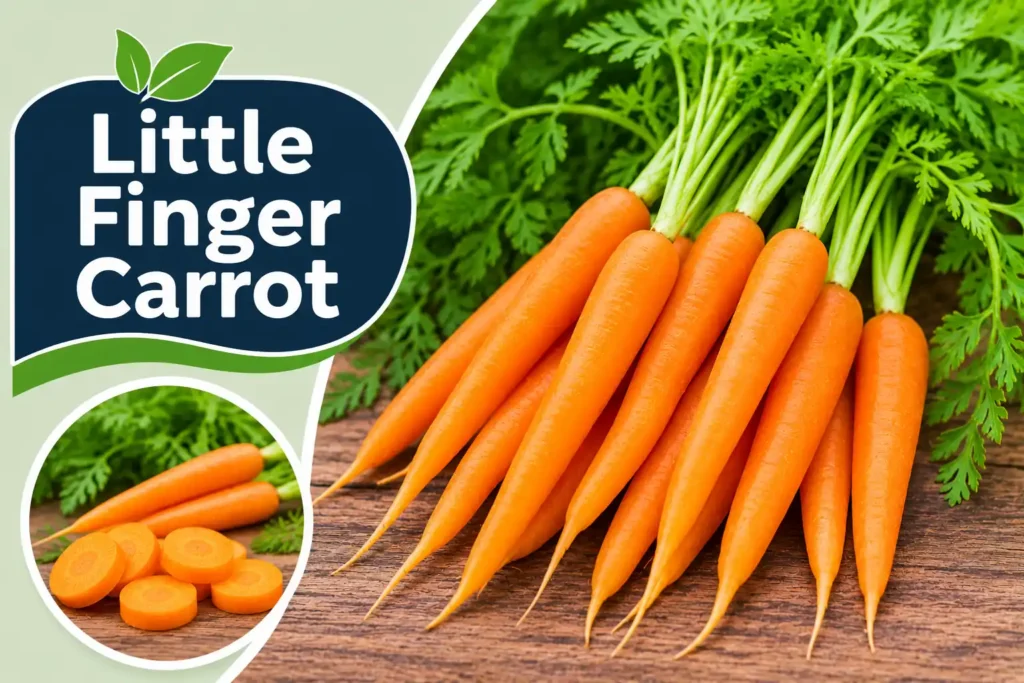
Little Finger Carrot is a compact and fast-growing variety that makes an excellent choice for indoor vegetable gardening. This popular miniature carrot produces short, slender roots with bright orange skin and crisp, tender flesh. Little Finger carrots typically mature within 55–65 days under favorable growing conditions, making them suitable for beginners and gardeners with limited indoor space. Their naturally sweet flavor and small size make them ideal for fresh salads, healthy snacks, and roasted vegetable dishes. With adequate lighting, loose potting mix, and consistent moisture, Little Finger carrots can grow successfully in containers throughout the year.
Identification
- Scientific Name: Daucus carota subsp. sativus
- Common Name: Little Finger Carrot
- Root Shape: Short, slender, and cylindrical
- Root Color: Bright orange skin with orange flesh
- Mature Size: Approximately 3–4 inches long
- Leaf Appearance: Fine, feathery, and bright green foliage
- Days to Harvest: Approximately 55–65 days
- Flavor: Sweet, crisp, and tender
Ideal Indoor Growing Conditions
Little Finger carrots grow best in cool indoor environments with temperatures around 60–70°F (16–21°C). Choose a container at least 8–10 inches deep with adequate drainage holes to support healthy root development. Fill it with loose, fertile, well-draining potting mix free from stones and large debris.
Place the container near a bright window or provide approximately 12–14 hours of full-spectrum LED grow lighting daily, ensuring sufficient light intensity. Sow seeds about ¼ inch deep and thin seedlings to roughly 2 inches apart. Proper spacing and consistent lighting encourage straight, evenly developed roots.
Watering and Maintenance Tips
Keep the potting mix consistently moist throughout the growing period, particularly during seed germination and early root development. Water gently whenever the upper layer begins to dry, but avoid waterlogged conditions that may damage developing roots.
Avoid excessive nitrogen fertilizer because it can promote leafy growth instead of healthy root formation. Thin overcrowded seedlings carefully to reduce competition for nutrients and growing space.
Harvest Little Finger carrots when their roots reach approximately 3–4 inches long. Gently loosen the surrounding potting mix before pulling them to prevent breakage. Harvesting at the proper stage helps maintain their sweet flavor and tender texture. Sow additional seeds every two to three weeks for a continuous indoor harvest.
3. Thumbelina Carrot
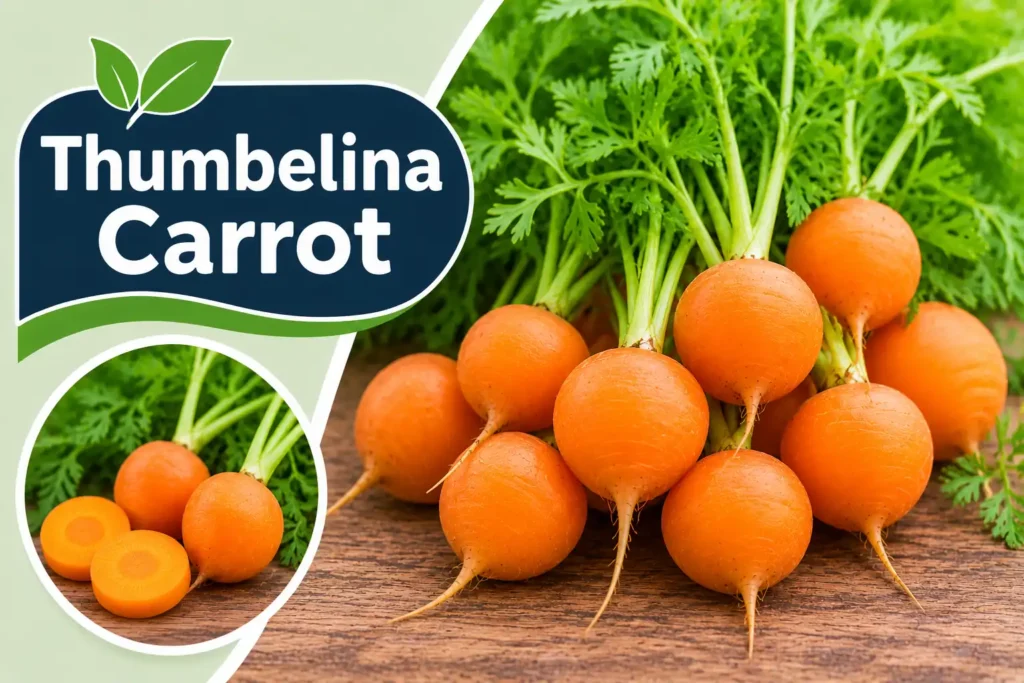
Thumbelina Carrot is a unique miniature variety known for its small, round roots and naturally sweet flavor. This compact carrot is particularly suitable for indoor container gardening because it requires less root depth than traditional long-rooted varieties. Thumbelina carrots produce smooth, globe-shaped roots with bright orange skin and tender orange flesh. They typically mature within 60–70 days under suitable growing conditions, making them an attractive option for gardeners with limited space. Their crisp texture and sweet taste make them excellent for fresh snacks, salads, and roasted vegetables. With sufficient lighting, loose soil, and regular watering, Thumbelina carrots can grow successfully indoors.
Identification
- Scientific Name: Daucus carota subsp. sativus
- Common Name: Thumbelina Carrot
- Root Shape: Small, round, and globe-shaped
- Root Color: Bright orange skin with orange flesh
- Mature Size: Approximately 1–2 inches in diameter
- Leaf Appearance: Fine, feathery, and medium-green foliage
- Days to Harvest: Approximately 60–70 days
- Flavor: Sweet, crisp, and mildly earthy
Ideal Indoor Growing Conditions
Thumbelina carrots prefer cool indoor temperatures between 60–70°F (16–21°C). Select a container at least 6–8 inches deep with sufficient drainage holes to encourage healthy root development. Use loose, well-draining potting mix that allows the rounded roots to expand naturally without obstruction.
Position the container near a bright window or provide approximately 12–14 hours of full-spectrum LED grow lighting daily, with adequate light intensity. Sow seeds about ¼ inch deep and thin seedlings to roughly 2–3 inches apart. Consistent lighting and proper spacing help produce healthy foliage and uniformly developed roots.
Watering and Maintenance Tips
Water Thumbelina carrots regularly to maintain evenly moist soil throughout their growing period. Check the upper layer of potting mix and water gently whenever it begins to dry. Avoid excessive moisture that can contribute to poor root health.
Use fertilizer sparingly, particularly nitrogen-rich products that may encourage excessive foliage growth. Remove overcrowded seedlings early to provide adequate space for the rounded carrots to develop.
Harvest Thumbelina carrots when their roots reach approximately 1–2 inches in diameter. Carefully loosen the potting mix before harvesting to avoid damaging the tender roots. Collecting them at the proper stage helps preserve their sweet flavor and crisp texture. Regular succession planting can provide fresh carrots throughout the year.
4. Short ‘n Sweet Carrot
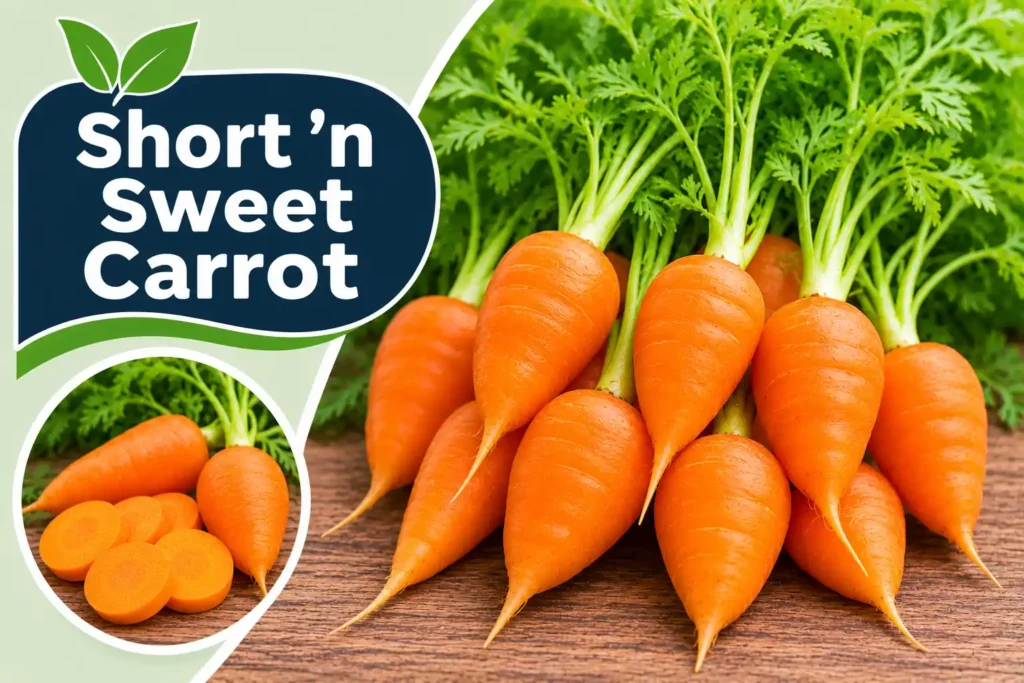
Short ‘n Sweet Carrot is a compact, flavorful variety that grows well in indoor containers and limited gardening spaces. This carrot produces short, thick roots with a slightly tapered shape, bright orange skin, and crisp orange flesh. Short ‘n Sweet carrots typically mature within 65–75 days under favorable conditions, making them suitable for gardeners who prefer manageable root vegetables. Their naturally sweet flavor and tender texture make them excellent for fresh salads, vegetable snacks, and cooked dishes. With proper lighting, sufficiently deep containers, and consistent watering, Short ‘n Sweet carrots can produce healthy and attractive roots in an indoor growing environment.
Identification
- Scientific Name: Daucus carota subsp. sativus
- Common Name: Short ‘n Sweet Carrot
- Root Shape: Short, thick, and slightly tapered
- Root Color: Bright orange skin with orange flesh
- Mature Size: Approximately 4 inches long
- Leaf Appearance: Fine, feathery, and green foliage
- Days to Harvest: Approximately 65–75 days
- Flavor: Sweet, crisp, and tender
Ideal Indoor Growing Conditions
Short ‘n Sweet carrots grow best in cool indoor environments with temperatures around 60–70°F (16–21°C). Choose a container at least 8–10 inches deep with adequate drainage holes to accommodate their thick roots. Fill it with loose, fertile, well-draining potting mix that supports healthy root expansion.
Place the container near a sunny window or provide approximately 12–14 hours of full-spectrum LED grow lighting daily, ensuring sufficient light intensity. Sow seeds about ¼ inch deep and thin seedlings to roughly 2–3 inches apart. Adequate spacing encourages thick, properly developed roots and prevents overcrowding.
Watering and Maintenance Tips
Keep the potting mix consistently moist throughout the growing period to encourage tender and well-developed roots. Water whenever the upper layer begins to dry, but avoid excessive moisture that may contribute to root damage.
Avoid heavy applications of nitrogen-rich fertilizer because they can encourage leafy growth instead of healthy root formation. Thin weak or overcrowded seedlings carefully to provide sufficient growing space.
Harvest Short ‘n Sweet carrots when their roots reach approximately 4 inches long or the recommended size for the seed variety. Loosen the surrounding potting mix before pulling them to prevent root breakage. Timely harvesting helps preserve their crisp texture and naturally sweet flavor.
5. Nantes Carrot
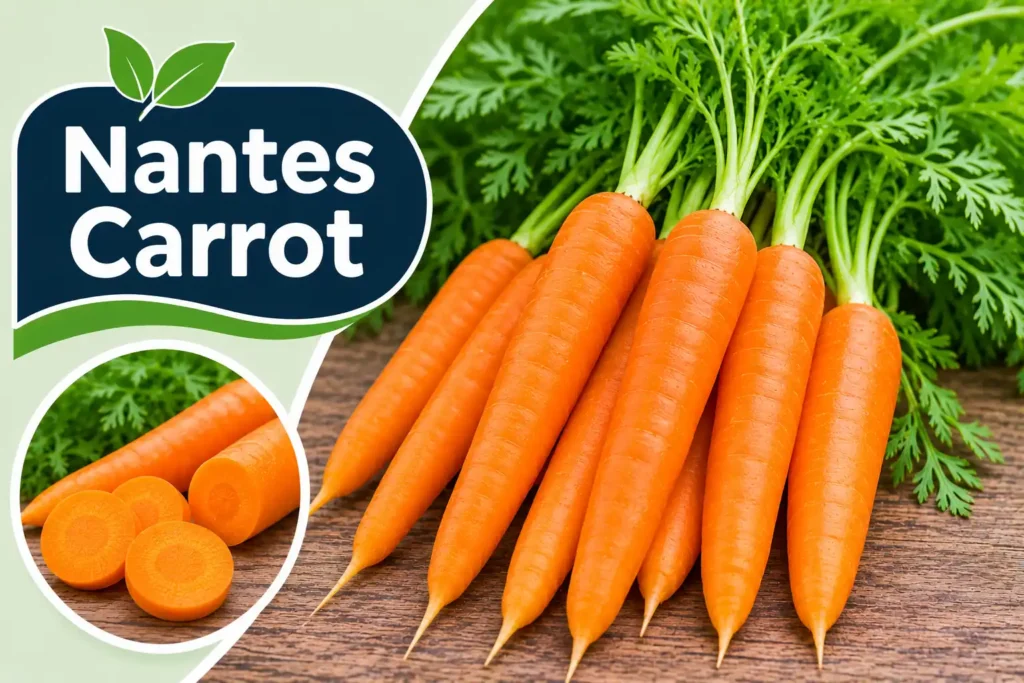
Nantes Carrot is a popular and reliable variety known for its smooth, cylindrical roots, sweet flavor, and tender texture. This traditional carrot produces bright orange roots with rounded tips and a nearly coreless interior, making it an excellent choice for fresh eating and cooking. Nantes carrots typically mature within 65–75 days under favorable growing conditions, making them suitable for indoor gardeners with adequate container space. Their naturally sweet flavor and crisp texture make them perfect for salads, vegetable snacks, and roasted dishes. With sufficiently deep containers, loose potting mix, and consistent lighting, Nantes carrots can grow successfully indoors throughout the year.
Identification
- Scientific Name: Daucus carota subsp. sativus
- Common Name: Nantes Carrot
- Root Shape: Cylindrical, smooth, and blunt-tipped
- Root Color: Bright orange skin with orange flesh
- Mature Size: Approximately 6–7 inches long
- Leaf Appearance: Fine, feathery, and bright green foliage
- Days to Harvest: Approximately 65–75 days
- Flavor: Sweet, crisp, and tender
Ideal Indoor Growing Conditions
Nantes carrots grow best in cool indoor environments with temperatures around 60–70°F (16–21°C). Choose a container at least 12 inches deep with adequate drainage holes to support healthy root development. Fill it with loose, fertile, well-draining potting mix free from stones and large debris that may obstruct root growth.
Place the container near a bright window or provide approximately 12–14 hours of full-spectrum LED grow lighting daily, ensuring sufficient light intensity. Sow seeds about ¼ inch deep and thin seedlings to roughly 2–3 inches apart. Consistent lighting and adequate spacing encourage straight, evenly developed roots.
Watering and Maintenance Tips
Keep the potting mix consistently moist throughout the growing period, particularly during seed germination and early root development. Water gently whenever the upper layer begins to dry, but avoid waterlogged conditions that may damage developing roots.
Avoid excessive nitrogen fertilizer because it can encourage leafy growth instead of healthy root formation. Thin overcrowded seedlings carefully to reduce competition for nutrients and growing space.
Harvest Nantes carrots when their roots reach approximately 6–7 inches long. Gently loosen the surrounding potting mix before pulling them to prevent breakage. Harvesting at the proper stage helps preserve their sweet flavor and tender texture. Sow additional seeds every two to three weeks for a continuous indoor harvest.
6. Scarlet Nantes Carrot
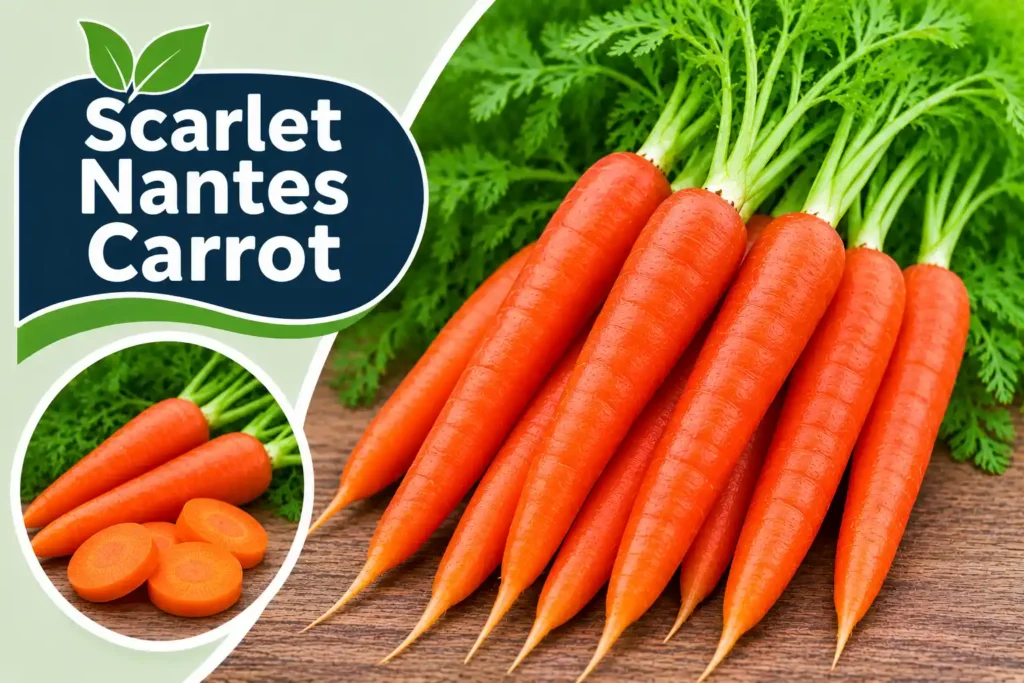
Scarlet Nantes Carrot is a classic heirloom variety valued for its bright orange roots, smooth texture, and naturally sweet flavor. This carrot produces uniform, cylindrical roots with blunt tips and a tender interior, making it particularly popular among home gardeners. Scarlet Nantes carrots typically mature within 65–75 days under suitable growing conditions, making them a practical choice for indoor container gardening. Their crisp texture and sweet taste make them excellent for fresh salads, vegetable snacks, soups, and cooked dishes. With adequate lighting, deep containers, and consistent moisture, Scarlet Nantes carrots can produce healthy roots in indoor growing environments.
Identification
- Scientific Name: Daucus carota subsp. sativus
- Common Name: Scarlet Nantes Carrot
- Root Shape: Smooth, cylindrical, and blunt-tipped
- Root Color: Deep orange skin with bright orange flesh
- Mature Size: Approximately 6–7 inches long
- Leaf Appearance: Fine, feathery, and medium-green foliage
- Days to Harvest: Approximately 65–75 days
- Flavor: Sweet, crisp, and mildly earthy
Ideal Indoor Growing Conditions
Scarlet Nantes carrots prefer cool indoor temperatures between 60–70°F (16–21°C). Select a container at least 12 inches deep with sufficient drainage holes to encourage healthy root development. Use loose, well-draining potting mix that allows the cylindrical roots to grow straight without obstruction.
Position the container near a bright window or provide approximately 12–14 hours of full-spectrum LED grow lighting daily, with adequate light intensity. Sow seeds about ¼ inch deep and thin seedlings to roughly 2–3 inches apart. Proper spacing and consistent lighting encourage healthy foliage and uniform root development.
Watering and Maintenance Tips
Water Scarlet Nantes carrots regularly to maintain evenly moist soil throughout their growing period. Check the upper layer of potting mix and water gently whenever it begins to dry. Avoid excessive moisture that can contribute to poor root health.
Use fertilizer sparingly, particularly nitrogen-rich products that may encourage excessive foliage growth. Remove overcrowded seedlings early to provide adequate space for the cylindrical roots to develop.
Harvest Scarlet Nantes carrots when their roots reach approximately 6–7 inches long. Carefully loosen the potting mix before harvesting to avoid damaging the tender roots. Collecting them at the proper stage helps preserve their sweet flavor and crisp texture. Regular succession planting can provide fresh carrots throughout the year.
7. Nantes Coreless Carrot
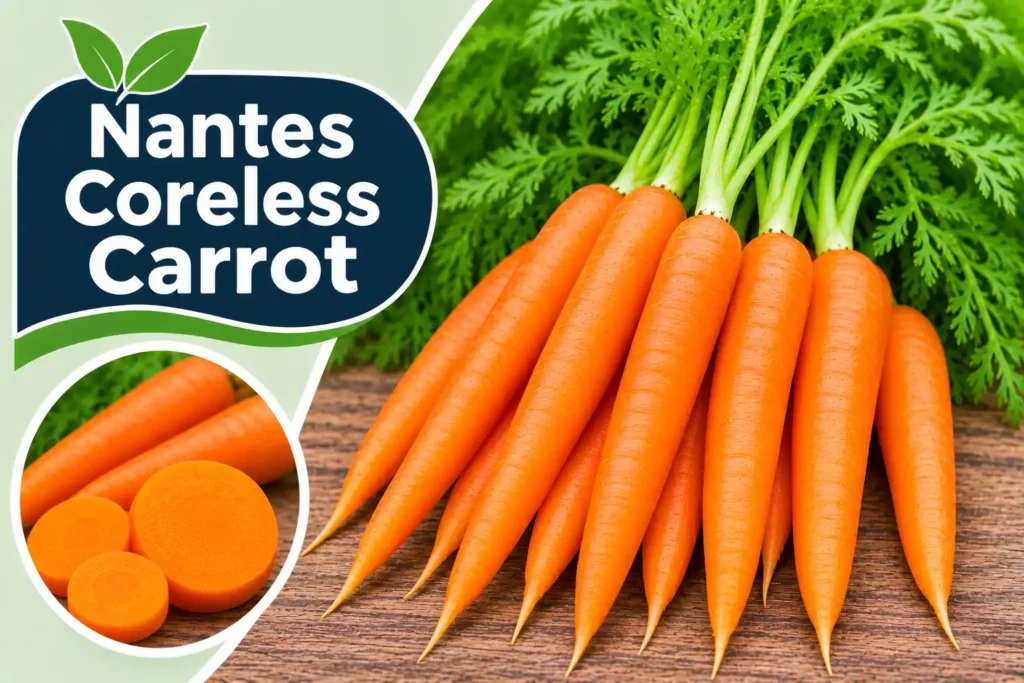
Nantes Coreless Carrot is a sweet and tender variety known for its smooth roots and nearly uniform orange interior. This carrot develops cylindrical roots with rounded tips and a very small, tender central core, giving it a pleasant texture for fresh eating. Nantes Coreless carrots typically mature within 65–75 days under favorable growing conditions, making them suitable for indoor gardeners who can provide adequate root depth and lighting. Their naturally sweet flavor makes them excellent for fresh salads, healthy snacks, juices, and cooked vegetable dishes. With loose potting mix, consistent watering, and suitable temperatures, Nantes Coreless carrots can grow successfully in indoor containers.
Identification
- Scientific Name: Daucus carota subsp. sativus
- Common Name: Nantes Coreless Carrot
- Root Shape: Long, cylindrical, smooth, and blunt-tipped
- Root Color: Bright orange skin with nearly uniform orange flesh
- Mature Size: Approximately 6–8 inches long
- Leaf Appearance: Fine, feathery, and green foliage
- Days to Harvest: Approximately 65–75 days
- Flavor: Sweet, juicy, crisp, and tender
Ideal Indoor Growing Conditions
Nantes Coreless carrots grow best in cool indoor environments with temperatures around 60–70°F (16–21°C). Choose a container at least 12–14 inches deep with adequate drainage holes to accommodate their elongated roots. Fill it with loose, fertile, well-draining potting mix that supports straight and healthy root development.
Place the container near a sunny window or provide approximately 12–14 hours of full-spectrum LED grow lighting daily, ensuring sufficient light intensity. Sow seeds about ¼ inch deep and thin seedlings to roughly 2–3 inches apart. Adequate spacing encourages smooth, properly developed roots and prevents overcrowding.
Watering and Maintenance Tips
Keep the potting mix consistently moist throughout the growing period to encourage tender and well-developed roots. Water whenever the upper layer begins to dry, but avoid excessive moisture that may contribute to root damage.
Avoid heavy applications of nitrogen-rich fertilizer because they can encourage leafy growth instead of healthy root formation. Thin weak or overcrowded seedlings carefully to provide sufficient growing space.
Harvest Nantes Coreless carrots when their roots reach approximately 6–8 inches long or the recommended size for the seed variety. Loosen the surrounding potting mix before pulling them to prevent root breakage. Timely harvesting helps preserve their crisp texture and naturally sweet flavor.
8. Amsterdam Forcing Carrot
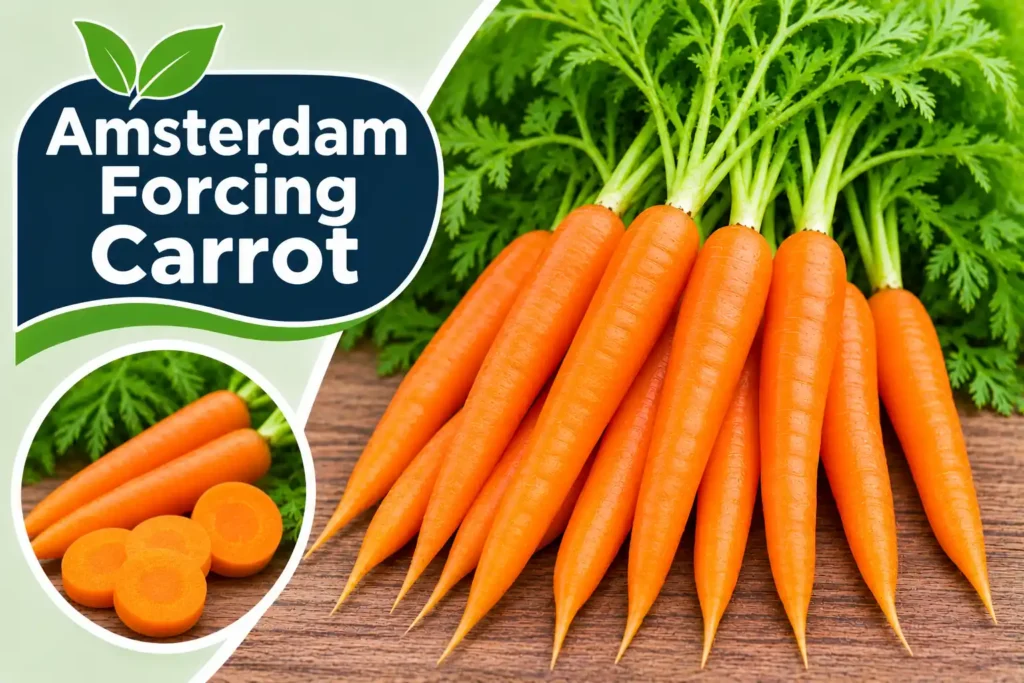
Amsterdam Forcing Carrot is a compact and early-maturing variety that makes an excellent choice for indoor vegetable gardening. This traditional carrot produces slender, cylindrical roots with bright orange skin and sweet, tender flesh. Amsterdam Forcing carrots typically mature within 50–60 days under favorable growing conditions, making them ideal for gardeners who want relatively quick harvests. Their small size and smooth texture make them perfect for fresh salads, healthy snacks, and lightly cooked vegetable dishes. With adequate lighting, loose potting mix, and consistent moisture, Amsterdam Forcing carrots can grow successfully in indoor containers throughout the year.
Identification
- Scientific Name: Daucus carota subsp. sativus
- Common Name: Amsterdam Forcing Carrot
- Root Shape: Slender, cylindrical, and slightly tapered
- Root Color: Bright orange skin with orange flesh
- Mature Size: Approximately 4–6 inches long
- Leaf Appearance: Fine, feathery, and bright green foliage
- Days to Harvest: Approximately 50–60 days
- Flavor: Sweet, tender, and mildly earthy
Ideal Indoor Growing Conditions
Amsterdam Forcing carrots grow best in cool indoor environments with temperatures around 60–70°F (16–21°C). Choose a container at least 10–12 inches deep with adequate drainage holes to support healthy root development. Fill it with loose, fertile, well-draining potting mix free from stones and large debris that may obstruct root growth.
Place the container near a bright window or provide approximately 12–14 hours of full-spectrum LED grow lighting daily, ensuring sufficient light intensity. Sow seeds about ¼ inch deep and thin seedlings to roughly 2 inches apart. Consistent lighting and adequate spacing encourage straight, evenly developed roots.
Watering and Maintenance Tips
Keep the potting mix consistently moist throughout the growing period, particularly during seed germination and early root development. Water gently whenever the upper layer begins to dry, but avoid waterlogged conditions that may damage developing roots.
Avoid excessive nitrogen fertilizer because it can encourage leafy growth instead of healthy root formation. Thin overcrowded seedlings carefully to reduce competition for nutrients and growing space.
Harvest Amsterdam Forcing carrots when their roots reach approximately 4–6 inches long. Gently loosen the surrounding potting mix before pulling them to prevent breakage. Harvesting at the proper stage helps preserve their sweet flavor and tender texture. Sow additional seeds every two to three weeks for a continuous indoor harvest.
9. Adelaide Carrot
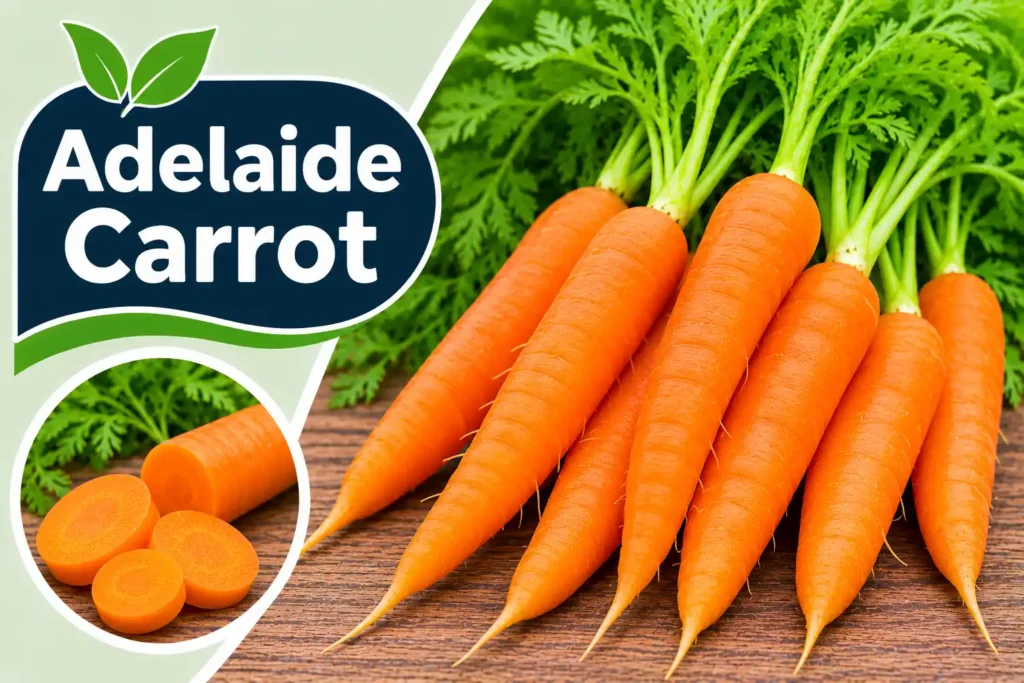
Adelaide Carrot is a miniature, fast-growing variety known for its slender roots, smooth appearance, and naturally sweet flavor. This compact carrot produces short, cylindrical roots with bright orange skin and tender orange flesh, making it particularly suitable for container gardening. Adelaide carrots typically mature within 50–60 days under suitable growing conditions, allowing indoor gardeners to enjoy relatively quick harvests. Their small size and crisp texture make them excellent for fresh vegetable snacks, salads, and lightly steamed dishes. With sufficient lighting, loose growing medium, and regular watering, Adelaide carrots can produce healthy roots in limited indoor spaces throughout the year.
Identification
- Scientific Name: Daucus carota subsp. sativus
- Common Name: Adelaide Carrot
- Root Shape: Short, slender, and cylindrical
- Root Color: Bright orange skin with orange flesh
- Mature Size: Approximately 3–4 inches long
- Leaf Appearance: Fine, feathery, and medium-green foliage
- Days to Harvest: Approximately 50–60 days
- Flavor: Sweet, crisp, and tender
Ideal Indoor Growing Conditions
Adelaide carrots prefer cool indoor temperatures between 60–70°F (16–21°C). Select a container at least 8–10 inches deep with sufficient drainage holes to encourage healthy root development. Use loose, well-draining potting mix that allows the slender roots to grow straight without obstruction.
Position the container near a bright window or provide approximately 12–14 hours of full-spectrum LED grow lighting daily, with adequate light intensity. Sow seeds about ¼ inch deep and thin seedlings to roughly 1–2 inches apart. Proper spacing and consistent lighting help produce healthy foliage and uniformly developed roots.
Watering and Maintenance Tips
Water Adelaide carrots regularly to maintain evenly moist soil throughout their growing period. Check the upper layer of potting mix and water gently whenever it begins to dry. Avoid excessive moisture that can contribute to poor root health.
Use fertilizer sparingly, particularly nitrogen-rich products that may encourage excessive foliage growth. Remove overcrowded seedlings early to provide adequate space for the slender roots to develop.
Harvest Adelaide carrots when their roots reach approximately 3–4 inches long. Carefully loosen the potting mix before harvesting to avoid damaging the tender roots. Collecting them at the proper stage helps preserve their sweet flavor and crisp texture. Regular succession planting can provide fresh miniature carrots throughout the year.
10. Babette Carrot
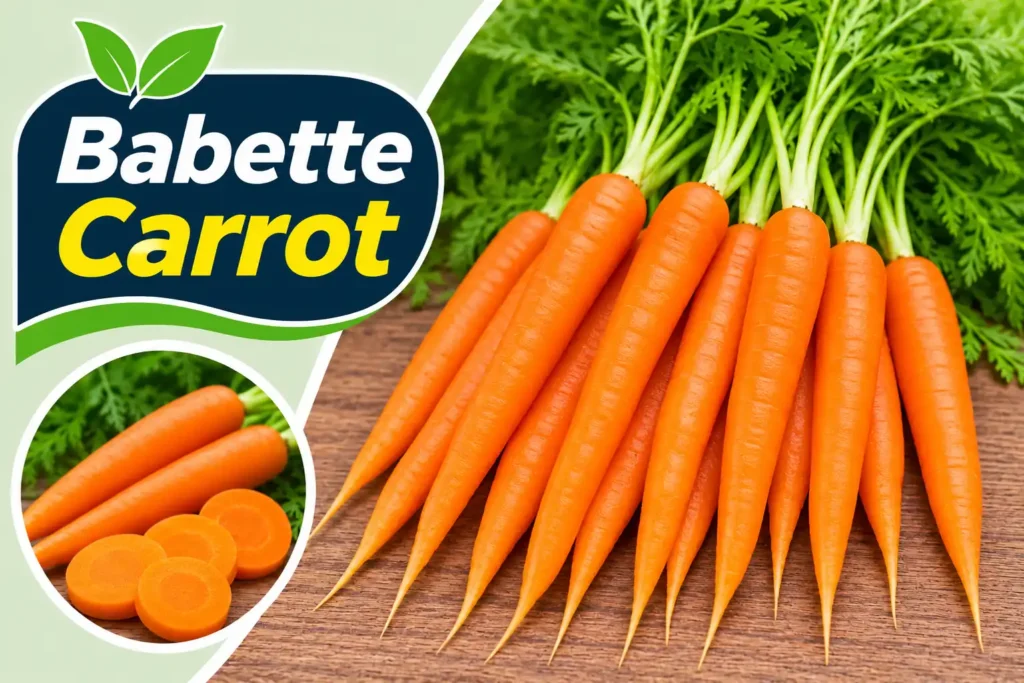
Babette Carrot is a compact and flavorful variety that produces slender, cylindrical roots with a smooth surface and attractive orange color. This miniature carrot is valued for its naturally sweet flavor, tender flesh, and suitability for harvesting at a small size. Babette carrots generally mature within 50–65 days under favorable growing conditions, although the exact harvest period depends on the seed selection and growing environment. Their crisp texture makes them excellent for fresh snacks, salads, and lightly cooked vegetable dishes. With suitable containers, adequate lighting, and consistent moisture, Babette carrots can grow successfully indoors in limited gardening spaces.
Identification
- Scientific Name: Daucus carota subsp. sativus
- Common Name: Babette Carrot
- Root Shape: Slender, cylindrical, and smooth
- Root Color: Bright orange skin with orange flesh
- Mature Size: Approximately 3–5 inches long when harvested young
- Leaf Appearance: Fine, feathery, and green foliage
- Days to Harvest: Approximately 50–65 days
- Flavor: Sweet, crisp, and tender
Ideal Indoor Growing Conditions
Babette carrots grow best in cool indoor environments with temperatures around 60–70°F (16–21°C). Choose a container at least 10–12 inches deep with adequate drainage holes to accommodate their developing roots. Fill it with loose, fertile, well-draining potting mix that supports straight and healthy root growth.
Place the container near a sunny window or provide approximately 12–14 hours of full-spectrum LED grow lighting daily, ensuring sufficient light intensity. Sow seeds about ¼ inch deep and thin seedlings to roughly 2 inches apart. Adequate spacing encourages smooth, properly developed roots and prevents overcrowding.
Watering and Maintenance Tips
Keep the potting mix consistently moist throughout the growing period to encourage tender and well-developed roots. Water whenever the upper layer begins to dry, but avoid excessive moisture that may contribute to root damage.
Avoid heavy applications of nitrogen-rich fertilizer because they can encourage leafy growth instead of healthy root formation. Thin weak or overcrowded seedlings carefully to provide sufficient growing space.
Harvest Babette carrots when their roots reach approximately 3–5 inches long or the recommended size for the selected seed variety. Loosen the surrounding potting mix before pulling them to prevent root breakage. Timely harvesting helps preserve their crisp texture and naturally sweet flavor.
11. Chantenay Red Cored Carrot
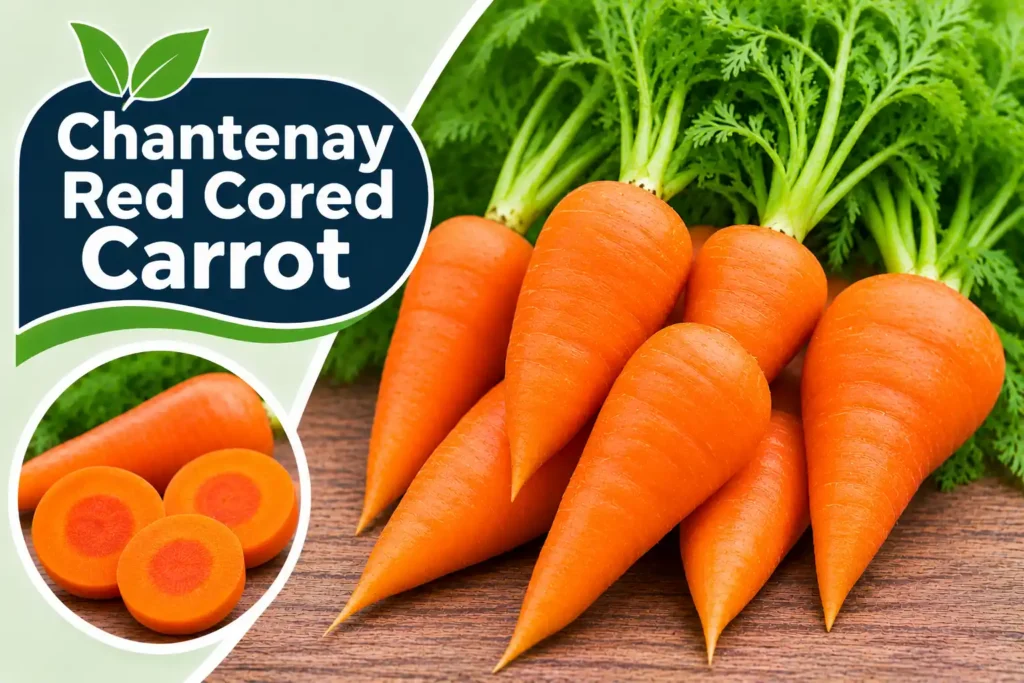
Chantenay Red Cored Carrot is a popular heirloom variety known for its short, thick roots, deep orange color, and naturally sweet flavor. This carrot produces broad, tapered roots with a distinctive reddish-orange core and crisp flesh. Chantenay Red Cored carrots typically mature within 65–75 days under favorable growing conditions, making them suitable for indoor gardeners with adequate container space. Their compact root shape makes them easier to grow in containers than many long-rooted varieties. With sufficient lighting, loose potting mix, and consistent moisture, Chantenay Red Cored carrots can produce flavorful roots in indoor gardens throughout the year.
Identification
- Scientific Name: Daucus carota subsp. sativus
- Common Name: Chantenay Red Cored Carrot
- Root Shape: Short, thick, conical, and tapered
- Root Color: Deep orange skin with a reddish-orange core
- Mature Size: Approximately 4–6 inches long
- Leaf Appearance: Fine, feathery, and dark green foliage
- Days to Harvest: Approximately 65–75 days
- Flavor: Sweet, crisp, and mildly earthy
Ideal Indoor Growing Conditions
Chantenay Red Cored carrots grow best in cool indoor environments with temperatures around 60–70°F (16–21°C). Choose a container at least 10–12 inches deep with adequate drainage holes to support healthy root development. Fill it with loose, fertile, well-draining potting mix free from stones and large debris.
Place the container near a bright window or provide approximately 12–14 hours of full-spectrum LED grow lighting daily, ensuring sufficient light intensity. Sow seeds about ¼ inch deep and thin seedlings to roughly 2–3 inches apart. Consistent lighting and adequate spacing encourage thick, evenly developed roots.
Watering and Maintenance Tips
Keep the potting mix consistently moist throughout the growing period, particularly during seed germination and early root development. Water gently whenever the upper layer begins to dry, but avoid waterlogged conditions that may damage developing roots.
Avoid excessive nitrogen fertilizer because it can encourage leafy growth instead of healthy root formation. Thin overcrowded seedlings carefully to reduce competition for nutrients and growing space.
Harvest Chantenay Red Cored carrots when their roots reach approximately 4–6 inches long. Gently loosen the surrounding potting mix before pulling them to prevent breakage. Harvesting at the proper stage helps preserve their sweet flavor and tender texture.
12. Royal Chantenay Carrot
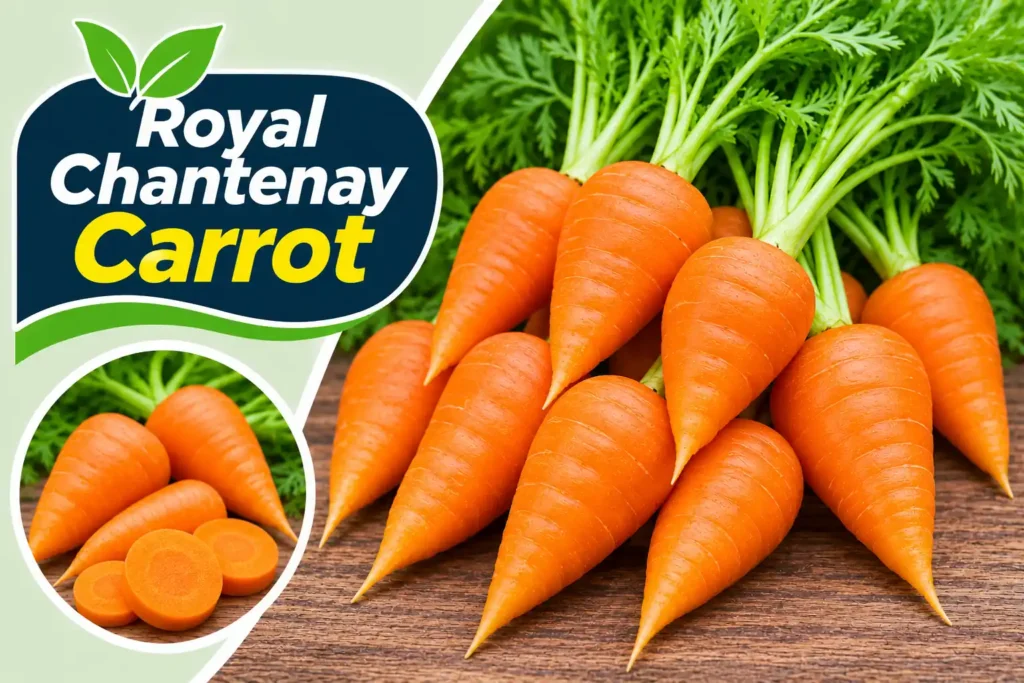
Royal Chantenay Carrot is a reliable and flavorful variety recognized for its short, broad roots and attractive orange appearance. This carrot produces thick, conical roots with smooth skin, rounded shoulders, and a slightly tapered tip. Royal Chantenay carrots typically mature within 65–75 days under suitable growing conditions, making them an excellent option for container gardening when sufficient root space is available. Their naturally sweet flavor and firm texture make them ideal for fresh salads, soups, roasted vegetables, and cooked dishes. With adequate lighting, well-draining potting mix, and regular watering, Royal Chantenay carrots can grow successfully in indoor containers.
Identification
- Scientific Name: Daucus carota subsp. sativus
- Common Name: Royal Chantenay Carrot
- Root Shape: Short, broad, conical, and slightly tapered
- Root Color: Rich orange skin with orange flesh
- Mature Size: Approximately 5–6 inches long
- Leaf Appearance: Fine, feathery, and medium-green foliage
- Days to Harvest: Approximately 65–75 days
- Flavor: Sweet, firm, and mildly earthy
Ideal Indoor Growing Conditions
Royal Chantenay carrots prefer cool indoor temperatures between 60–70°F (16–21°C). Select a container at least 10–12 inches deep with sufficient drainage holes to encourage healthy root development. Use loose, well-draining potting mix that allows the thick roots to expand naturally without obstruction.
Position the container near a bright window or provide approximately 12–14 hours of full-spectrum LED grow lighting daily, with adequate light intensity. Sow seeds about ¼ inch deep and thin seedlings to roughly 3 inches apart. Proper spacing and consistent lighting help produce healthy foliage and uniformly developed roots.
Watering and Maintenance Tips
Water Royal Chantenay carrots regularly to maintain evenly moist soil throughout their growing period. Check the upper layer of potting mix and water gently whenever it begins to dry. Avoid excessive moisture that can contribute to poor root health.
Use fertilizer sparingly, particularly nitrogen-rich products that may encourage excessive foliage growth. Remove overcrowded seedlings early to provide adequate space for the thick roots to develop.
Harvest Royal Chantenay carrots when their roots reach approximately 5–6 inches long. Carefully loosen the potting mix before harvesting to avoid damaging the roots. Collecting them at the proper stage helps preserve their sweet flavor and firm texture. Regular succession planting can provide fresh carrots throughout the year.
13. Danvers 126 Carrot

Danvers 126 Carrot is a traditional and dependable variety known for its sturdy roots, rich orange color, and pleasantly sweet flavor. This carrot develops medium-length, tapered roots with broad shoulders and a strong central core, making it suitable for fresh eating and cooking. Danvers 126 carrots typically mature within 70–80 days under favorable growing conditions, requiring slightly more patience than miniature varieties. Their crisp texture and rich flavor make them excellent for soups, stews, roasted vegetables, and fresh salads. With sufficiently deep containers, strong lighting, and consistent moisture, Danvers 126 carrots can grow successfully in indoor gardening environments.
Identification
- Scientific Name: Daucus carota subsp. sativus
- Common Name: Danvers 126 Carrot
- Root Shape: Medium-length, conical, and tapered
- Root Color: Deep orange skin with orange flesh
- Mature Size: Approximately 6–8 inches long
- Leaf Appearance: Fine, feathery, and bright green foliage
- Days to Harvest: Approximately 70–80 days
- Flavor: Sweet, crisp, and slightly earthy
Ideal Indoor Growing Conditions
Danvers 126 carrots grow best in cool indoor environments with temperatures around 60–70°F (16–21°C). Choose a container at least 12–14 inches deep with adequate drainage holes to accommodate their tapered roots. Fill it with loose, fertile, well-draining potting mix that supports healthy root development.
Place the container near a sunny window or provide approximately 12–14 hours of full-spectrum LED grow lighting daily, ensuring sufficient light intensity. Sow seeds about ¼ inch deep and thin seedlings to roughly 2–3 inches apart. Adequate spacing encourages straight, properly developed roots and prevents overcrowding.
Watering and Maintenance Tips
Keep the potting mix consistently moist throughout the growing period to encourage healthy and well-developed roots. Water whenever the upper layer begins to dry, but avoid excessive moisture that may contribute to root damage.
Avoid heavy applications of nitrogen-rich fertilizer because they can encourage leafy growth instead of healthy root formation. Thin weak or overcrowded seedlings carefully to provide sufficient growing space.
Harvest Danvers 126 carrots when their roots reach approximately 6–8 inches long or the recommended size for the seed variety. Loosen the surrounding potting mix before pulling them to prevent root breakage. Timely harvesting helps preserve their crisp texture and naturally sweet flavor.
14. Mini Sweet Carrot
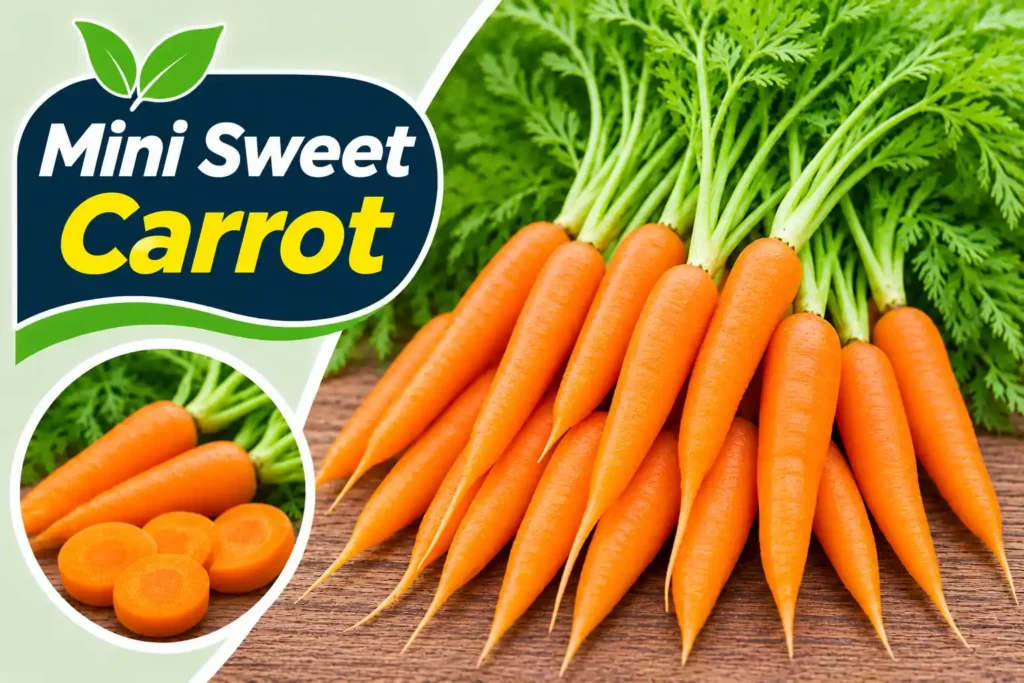
Mini Sweet Carrot is a compact and flavorful carrot variety that makes an excellent choice for indoor vegetable gardening. This miniature carrot produces short, slender roots with smooth orange skin and crisp, tender flesh. Mini Sweet carrots typically mature within 55–65 days under suitable growing conditions, making them ideal for gardeners who want manageable harvests in limited spaces. Their naturally sweet flavor and delicate texture make them perfect for fresh snacks, salads, and lightly cooked vegetable dishes. With adequate lighting, loose potting mix, and consistent moisture, Mini Sweet carrots can grow successfully in indoor containers throughout the year.
Identification
- Scientific Name: Daucus carota subsp. sativus
- Common Name: Mini Sweet Carrot
- Root Shape: Short, slender, and cylindrical
- Root Color: Bright orange skin with orange flesh
- Mature Size: Approximately 3–5 inches long
- Leaf Appearance: Fine, feathery, and bright green foliage
- Days to Harvest: Approximately 55–65 days, depending on the seed selection
- Flavor: Sweet, crisp, and tender
Ideal Indoor Growing Conditions
Mini Sweet carrots grow best in cool indoor environments with temperatures around 60–70°F (16–21°C). Choose a container at least 8–10 inches deep with adequate drainage holes to support healthy root development. Fill it with loose, fertile, well-draining potting mix free from stones and large debris that may obstruct root growth.
Place the container near a bright window or provide approximately 12–14 hours of full-spectrum LED grow lighting daily, ensuring sufficient light intensity. Sow seeds about ¼ inch deep and thin seedlings to roughly 2 inches apart. Consistent lighting and adequate spacing encourage straight, evenly developed roots.
Watering and Maintenance Tips
Keep the potting mix consistently moist throughout the growing period, particularly during seed germination and early root development. Water gently whenever the upper layer begins to dry, but avoid waterlogged conditions that may damage developing roots.
Avoid excessive nitrogen fertilizer because it can encourage leafy growth instead of healthy root formation. Thin overcrowded seedlings carefully to reduce competition for nutrients and growing space.
Harvest Mini Sweet carrots when their roots reach approximately 3–5 inches long or the recommended size for the selected seed variety. Gently loosen the surrounding potting mix before pulling them to prevent breakage. Harvesting at the proper stage helps preserve their sweet flavor and tender texture.
15. Mokum Carrot
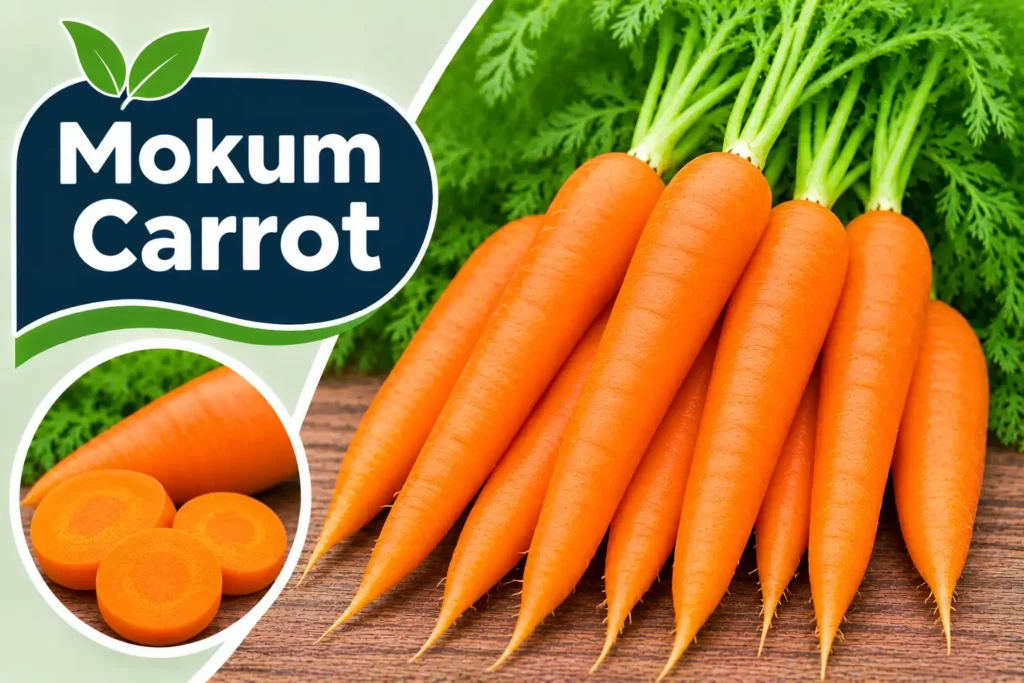
Mokum Carrot is a popular early-maturing hybrid variety known for its exceptionally sweet flavor, smooth roots, and crisp texture. This attractive carrot produces slender, cylindrical roots with bright orange skin and tender orange flesh. Mokum carrots typically mature within 50–60 days under favorable growing conditions, making them suitable for indoor gardeners who want relatively quick harvests. Their naturally sweet and juicy flavor makes them particularly enjoyable as fresh snacks, salad ingredients, and lightly cooked vegetables. With sufficient lighting, deep containers, and consistent watering, Mokum carrots can develop healthy and flavorful roots in an indoor growing environment.
Identification
- Scientific Name: Daucus carota subsp. sativus
- Common Name: Mokum Carrot
- Root Shape: Slender, cylindrical, and slightly tapered
- Root Color: Bright orange skin with orange flesh
- Mature Size: Approximately 5–6 inches long
- Leaf Appearance: Fine, feathery, and medium-green foliage
- Days to Harvest: Approximately 50–60 days
- Flavor: Exceptionally sweet, juicy, and crisp
Ideal Indoor Growing Conditions
Mokum carrots prefer cool indoor temperatures between 60–70°F (16–21°C). Select a container at least 10–12 inches deep with sufficient drainage holes to encourage healthy root development. Use loose, well-draining potting mix that allows the slender roots to grow straight without obstruction.
Position the container near a bright window or provide approximately 12–14 hours of full-spectrum LED grow lighting daily, with adequate light intensity. Sow seeds about ¼ inch deep and thin seedlings to roughly 2 inches apart. Proper spacing and consistent lighting help produce healthy foliage and uniformly developed roots.
Watering and Maintenance Tips
Water Mokum carrots regularly to maintain evenly moist soil throughout their growing period. Check the upper layer of potting mix and water gently whenever it begins to dry. Avoid excessive moisture that can contribute to poor root health.
Use fertilizer sparingly, particularly nitrogen-rich products that may encourage excessive foliage growth. Remove overcrowded seedlings early to provide adequate space for the slender roots to develop.
Harvest Mokum carrots when their roots reach approximately 5–6 inches long. Carefully loosen the potting mix before harvesting to avoid damaging the tender roots. Collecting them at the proper stage helps preserve their exceptionally sweet flavor and crisp texture. Regular succession planting can provide fresh carrots throughout the year.
16. Yaya Carrot
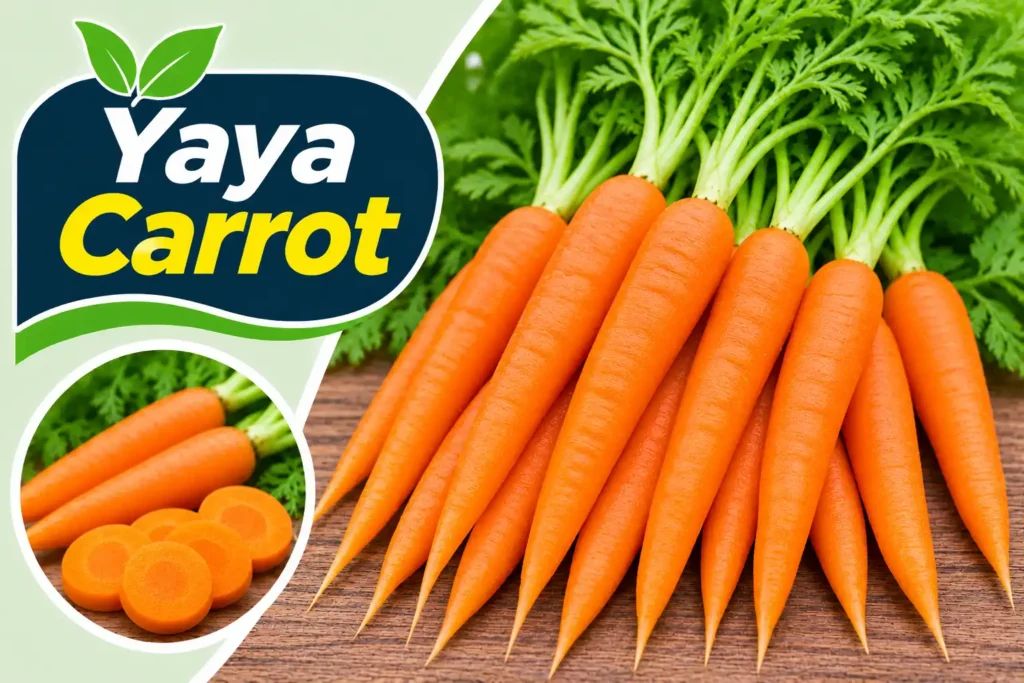
Yaya Carrot is a reliable Nantes-type hybrid variety valued for its smooth appearance, uniform roots, and naturally sweet flavor. This carrot produces cylindrical roots with rounded tips, bright orange skin, and crisp orange flesh. Yaya carrots typically mature within 55–65 days under suitable growing conditions, making them a practical choice for indoor container gardening. Their tender texture and refreshing sweetness make them excellent for fresh salads, healthy snacks, and cooked vegetable dishes. With adequate root space, consistent lighting, and proper watering, Yaya carrots can produce attractive and flavorful roots in indoor growing environments throughout the year.
Identification
- Scientific Name: Daucus carota subsp. sativus
- Common Name: Yaya Carrot
- Root Shape: Cylindrical, smooth, and blunt-tipped
- Root Color: Bright orange skin with orange flesh
- Mature Size: Approximately 5–7 inches long
- Leaf Appearance: Fine, feathery, and green foliage
- Days to Harvest: Approximately 55–65 days
- Flavor: Sweet, crisp, and tender
Ideal Indoor Growing Conditions
Yaya carrots grow best in cool indoor environments with temperatures around 60–70°F (16–21°C). Choose a container at least 12 inches deep with adequate drainage holes to accommodate their cylindrical roots. Fill it with loose, fertile, well-draining potting mix that supports straight and healthy root development.
Place the container near a sunny window or provide approximately 12–14 hours of full-spectrum LED grow lighting daily, ensuring sufficient light intensity. Sow seeds about ¼ inch deep and thin seedlings to roughly 2–3 inches apart. Adequate spacing encourages smooth, properly developed roots and prevents overcrowding.
Watering and Maintenance Tips
Keep the potting mix consistently moist throughout the growing period to encourage tender and well-developed roots. Water whenever the upper layer begins to dry, but avoid excessive moisture that may contribute to root damage.
Avoid heavy applications of nitrogen-rich fertilizer because they can encourage leafy growth instead of healthy root formation. Thin weak or overcrowded seedlings carefully to provide sufficient growing space.
Harvest Yaya carrots when their roots reach approximately 5–7 inches long or the recommended size for the seed variety. Loosen the surrounding potting mix before pulling them to prevent root breakage. Timely harvesting helps preserve their crisp texture and naturally sweet flavor.
17. Napoli Carrot
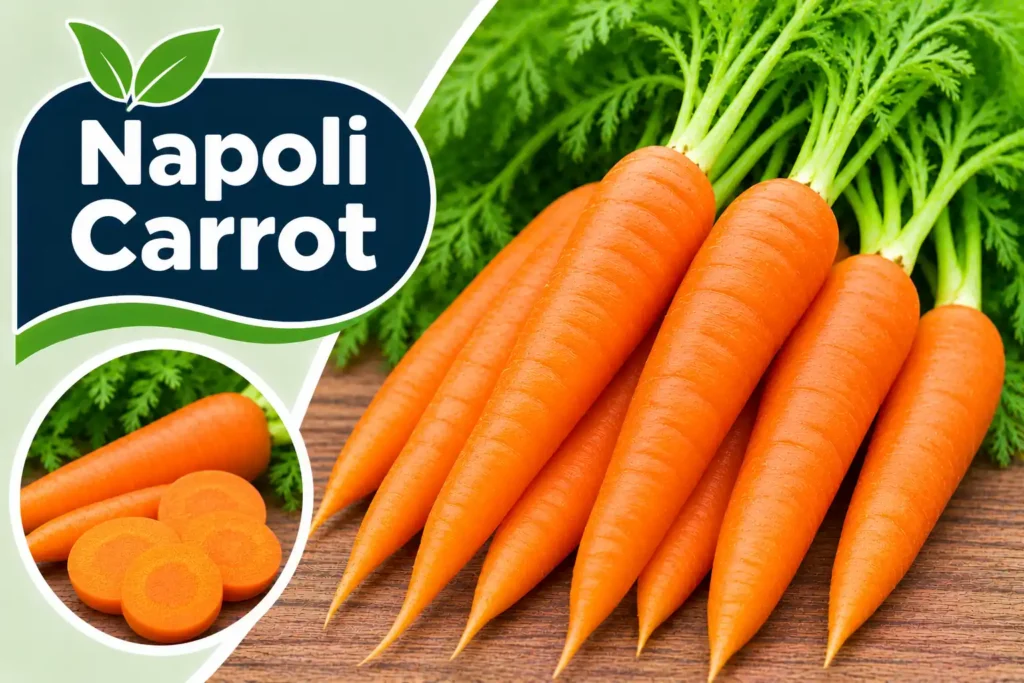
Napoli Carrot is an early-maturing Nantes-type hybrid known for its smooth roots, attractive orange color, and naturally sweet flavor. This variety produces uniform, cylindrical roots with rounded tips and crisp, tender flesh. Napoli carrots typically mature within 55–65 days under suitable growing conditions, making them a practical choice for indoor container gardening. Their mild sweetness and crunchy texture make them excellent for fresh salads, vegetable snacks, and lightly cooked dishes. With adequate lighting, deep containers, and consistent moisture, Napoli carrots can grow successfully in indoor environments while providing fresh, flavorful vegetables throughout the year.
Identification
- Scientific Name: Daucus carota subsp. sativus
- Common Name: Napoli Carrot
- Root Shape: Smooth, cylindrical, and blunt-tipped
- Root Color: Bright orange skin with orange flesh
- Mature Size: Approximately 6–7 inches long
- Leaf Appearance: Fine, feathery, and medium-green foliage
- Days to Harvest: Approximately 55–65 days
- Flavor: Sweet, crisp, and tender
Ideal Indoor Growing Conditions
Napoli carrots grow best in cool indoor environments with temperatures around 60–70°F (16–21°C). Choose a container at least 12 inches deep with adequate drainage holes to support healthy root development. Fill it with loose, fertile, well-draining potting mix free from stones and large debris that may obstruct root growth.
Place the container near a bright window or provide approximately 12–14 hours of full-spectrum LED grow lighting daily, ensuring sufficient light intensity. Sow seeds about ¼ inch deep and thin seedlings to roughly 2–3 inches apart. Consistent lighting and adequate spacing encourage straight, evenly developed roots.
Watering and Maintenance Tips
Keep the potting mix consistently moist throughout the growing period, particularly during seed germination and early root development. Water gently whenever the upper layer begins to dry, but avoid waterlogged conditions that may damage developing roots.
Avoid excessive nitrogen fertilizer because it can encourage leafy growth instead of healthy root formation. Thin overcrowded seedlings carefully to reduce competition for nutrients and growing space.
Harvest Napoli carrots when their roots reach approximately 6–7 inches long. Gently loosen the surrounding potting mix before pulling them to prevent breakage. Harvesting at the proper stage helps preserve their sweet flavor and tender texture. Sow additional seeds every two to three weeks for a continuous indoor harvest.
18. Sugarsnax 54 Carrot
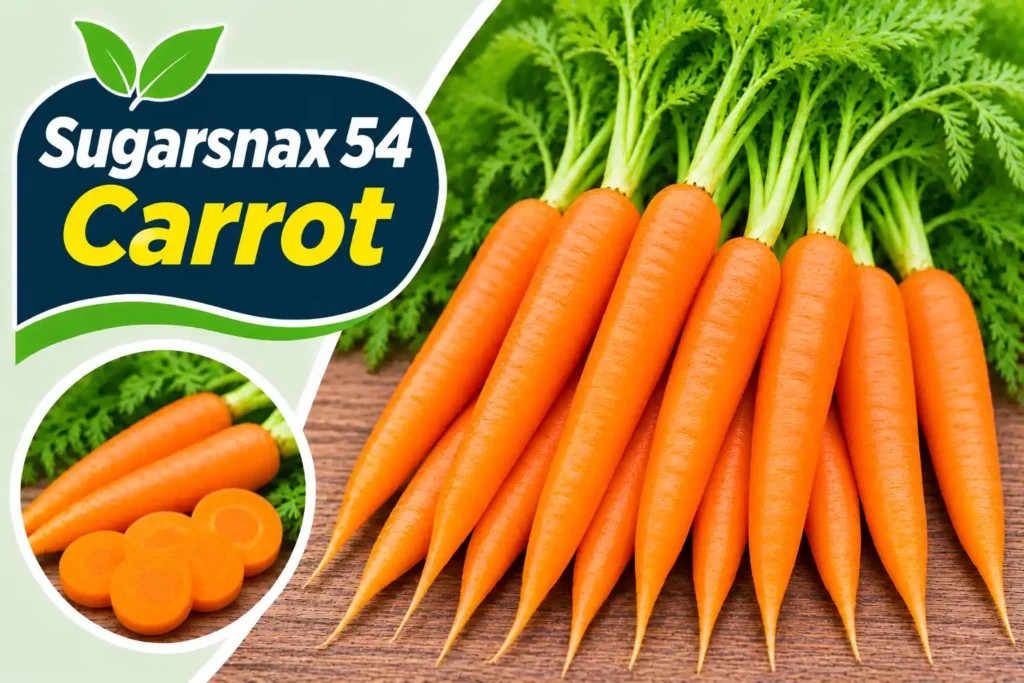
Sugarsnax 54 Carrot is a flavorful hybrid variety recognized for its exceptionally sweet taste, long roots, and rich orange color. This carrot produces slender, tapered roots with smooth skin and crisp flesh, making it a popular choice for fresh eating. Sugarsnax 54 carrots typically mature within 65–75 days under favorable growing conditions, requiring sufficient growing depth and consistent care. Their high sweetness and crunchy texture make them excellent for vegetable snacks, fresh salads, juices, and roasted dishes. With deep containers, strong lighting, and regular watering, Sugarsnax 54 carrots can grow successfully indoors when adequate space is available.
Identification
- Scientific Name: Daucus carota subsp. sativus
- Common Name: Sugarsnax 54 Carrot
- Root Shape: Long, slender, and tapered
- Root Color: Deep orange skin with bright orange flesh
- Mature Size: Approximately 8–10 inches long
- Leaf Appearance: Fine, feathery, and bright green foliage
- Days to Harvest: Approximately 65–75 days
- Flavor: Exceptionally sweet, juicy, and crisp
Ideal Indoor Growing Conditions
Sugarsnax 54 carrots prefer cool indoor temperatures between 60–70°F (16–21°C). Select a container at least 14–16 inches deep with sufficient drainage holes to accommodate their elongated roots. Use loose, well-draining potting mix that allows the carrots to develop straight without obstruction.
Position the container near a bright window or provide approximately 12–14 hours of full-spectrum LED grow lighting daily, with adequate light intensity. Sow seeds about ¼ inch deep and thin seedlings to roughly 2–3 inches apart. Proper spacing and consistent lighting help produce healthy foliage and uniformly developed roots.
Watering and Maintenance Tips
Water Sugarsnax 54 carrots regularly to maintain evenly moist soil throughout their growing period. Check the upper layer of potting mix and water gently whenever it begins to dry. Avoid excessive moisture that can contribute to poor root health.
Use fertilizer sparingly, particularly nitrogen-rich products that may encourage excessive foliage growth. Remove overcrowded seedlings early to provide adequate space for the long roots to develop.
Harvest Sugarsnax 54 carrots when their roots reach approximately 8–10 inches long. Carefully loosen the potting mix before harvesting to avoid damaging or breaking the roots. Collecting them at the proper stage helps preserve their exceptional sweetness and crisp texture. Regular succession planting can provide fresh carrots throughout the year.
19. Cosmic Purple Carrot
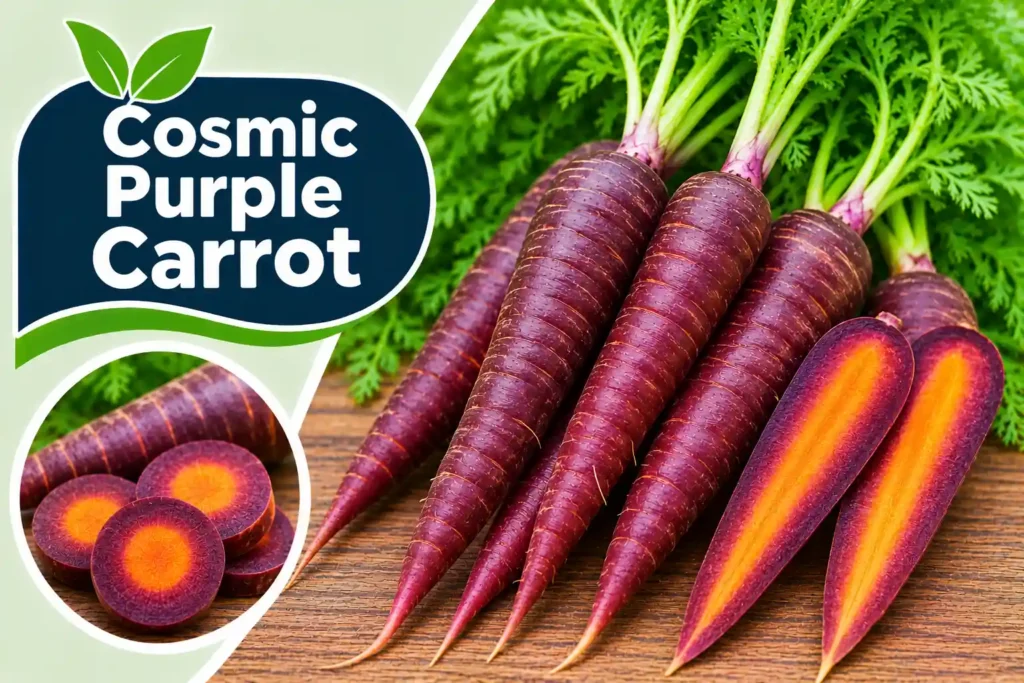
Cosmic Purple Carrot is a colorful heirloom-style variety known for its striking purple skin, bright orange interior, and pleasantly sweet flavor. This distinctive carrot produces tapered roots with a deep purple exterior that contrasts beautifully with its orange flesh. Cosmic Purple carrots typically mature within 70–80 days under suitable growing conditions, making them an attractive option for indoor gardeners interested in colorful vegetables. Their crisp texture and mildly spicy sweetness make them excellent for fresh salads, vegetable platters, and roasted dishes. With sufficiently deep containers, adequate lighting, and consistent moisture, Cosmic Purple carrots can produce healthy roots indoors throughout the year.
Identification
- Scientific Name: Daucus carota subsp. sativus
- Common Name: Cosmic Purple Carrot
- Root Shape: Long, slender, and slightly tapered
- Root Color: Deep purple skin with bright orange flesh
- Mature Size: Approximately 6–7 inches long
- Leaf Appearance: Fine, feathery, and green foliage
- Days to Harvest: Approximately 70–80 days
- Flavor: Sweet, crisp, and slightly spicy
Ideal Indoor Growing Conditions
Cosmic Purple carrots grow best in cool indoor environments with temperatures around 60–70°F (16–21°C). Choose a container at least 12 inches deep with adequate drainage holes to accommodate their elongated roots. Fill it with loose, fertile, well-draining potting mix that supports straight and healthy root development.
Place the container near a sunny window or provide approximately 12–14 hours of full-spectrum LED grow lighting daily, ensuring sufficient light intensity. Sow seeds about ¼ inch deep and thin seedlings to roughly 2–3 inches apart. Adequate spacing encourages smooth, properly developed roots and prevents overcrowding.
Watering and Maintenance Tips
Keep the potting mix consistently moist throughout the growing period to encourage tender and well-developed roots. Water whenever the upper layer begins to dry, but avoid excessive moisture that may contribute to root damage.
Avoid heavy applications of nitrogen-rich fertilizer because they can encourage leafy growth instead of healthy root formation. Thin weak or overcrowded seedlings carefully to provide sufficient growing space.
Harvest Cosmic Purple carrots when their roots reach approximately 6–7 inches long or the recommended size for the seed variety. Loosen the surrounding potting mix before pulling them to prevent root breakage. Timely harvesting helps preserve their crisp texture, attractive purple coloration, and naturally sweet flavor.
20. Purple Haze Carrot
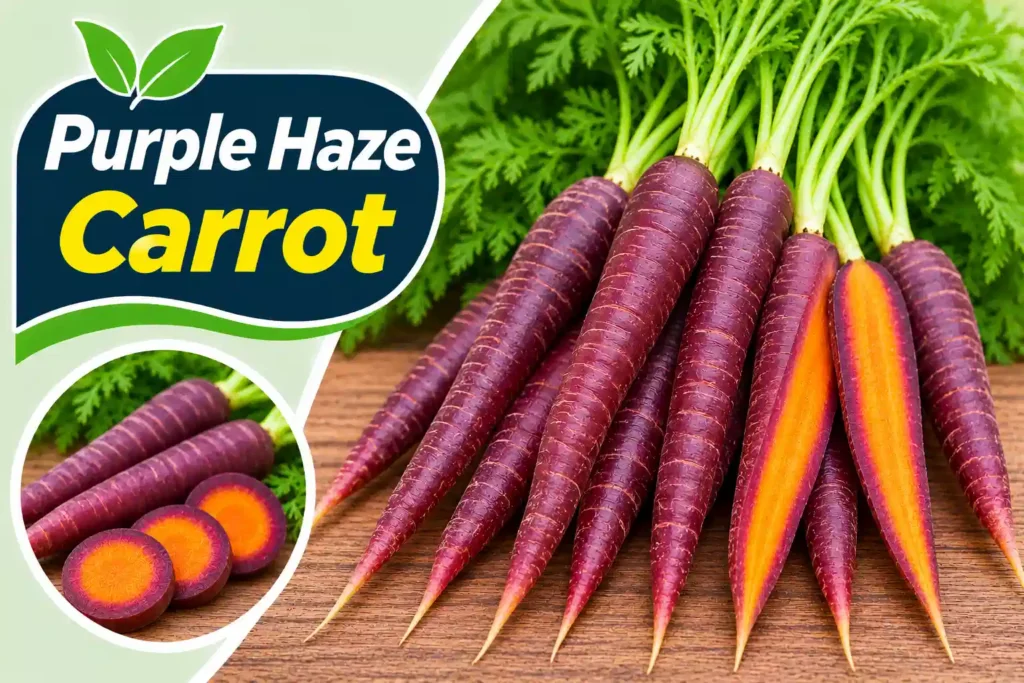
Purple Haze Carrot is an attractive hybrid variety known for its vibrant purple skin, bright orange interior, and naturally sweet flavor. This colorful carrot produces long, cylindrical roots with smooth surfaces and a distinctive purple outer layer surrounding its orange flesh. Purple Haze carrots typically mature within 65–75 days under suitable growing conditions, making them an interesting choice for indoor vegetable gardening. Their crisp texture and sweet taste make them excellent for fresh salads, vegetable snacks, and colorful side dishes. With sufficiently deep containers, adequate lighting, and consistent moisture, Purple Haze carrots can grow successfully in indoor environments.
Identification
- Scientific Name: Daucus carota subsp. sativus
- Common Name: Purple Haze Carrot
- Root Shape: Long, cylindrical, and slightly tapered
- Root Color: Deep purple skin with bright orange flesh
- Mature Size: Approximately 7–8 inches long
- Leaf Appearance: Fine, feathery, and medium-green foliage
- Days to Harvest: Approximately 65–75 days
- Flavor: Sweet, crisp, and mildly earthy
Ideal Indoor Growing Conditions
Purple Haze carrots grow best in cool indoor environments with temperatures around 60–70°F (16–21°C). Choose a container at least 12–14 inches deep with adequate drainage holes to support healthy root development. Fill it with loose, fertile, well-draining potting mix free from stones and large debris that may obstruct root growth.
Place the container near a bright window or provide approximately 12–14 hours of full-spectrum LED grow lighting daily, ensuring sufficient light intensity. Sow seeds about ¼ inch deep and thin seedlings to roughly 2–3 inches apart. Consistent lighting and adequate spacing encourage straight, evenly developed roots.
Watering and Maintenance Tips
Keep the potting mix consistently moist throughout the growing period, particularly during seed germination and early root development. Water gently whenever the upper layer begins to dry, but avoid waterlogged conditions that may damage developing roots.
Avoid excessive nitrogen fertilizer because it can encourage leafy growth instead of healthy root formation. Thin overcrowded seedlings carefully to reduce competition for nutrients and growing space.
Harvest Purple Haze carrots when their roots reach approximately 7–8 inches long. Gently loosen the surrounding potting mix before pulling them to prevent breakage. Harvesting at the proper stage helps preserve their sweet flavor and tender texture. Sow additional seeds every two to three weeks for a continuous indoor harvest.
21. Atomic Red Carrot
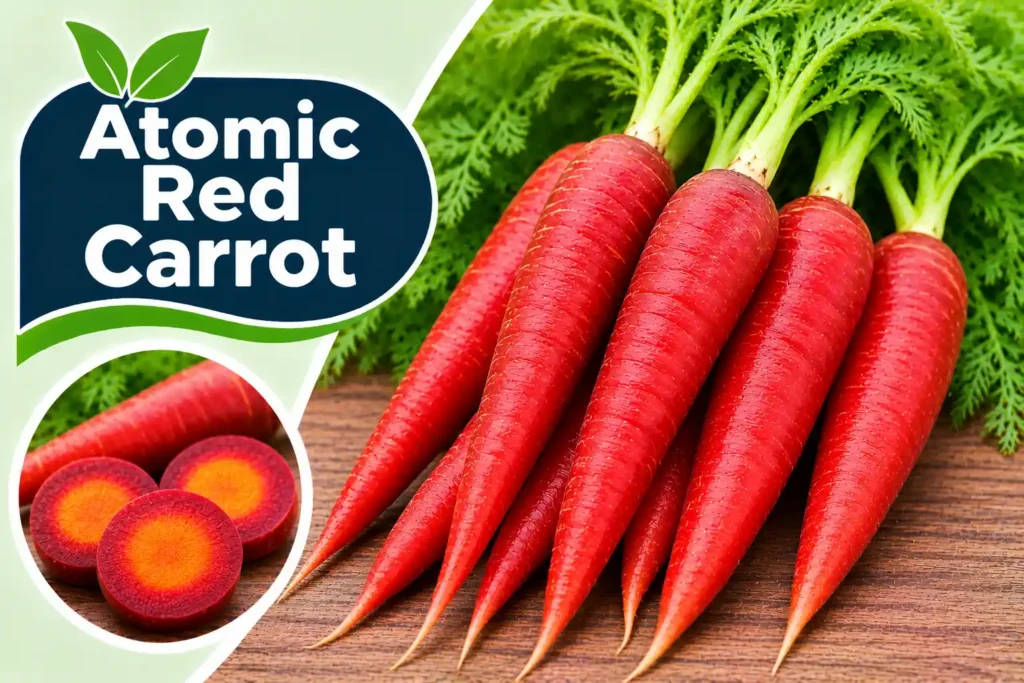
Atomic Red Carrot is a distinctive variety recognized for its bright reddish-orange roots, rich color, and pleasantly sweet flavor. This carrot produces long, tapered roots with red skin and reddish-orange flesh, making it an attractive alternative to traditional orange carrots. Atomic Red carrots typically mature within 70–80 days under favorable growing conditions, making them suitable for indoor gardeners with adequate space and patience. Their crisp texture and mildly earthy sweetness make them excellent for roasted vegetables, soups, and cooked dishes. With strong lighting, sufficiently deep containers, and consistent watering, Atomic Red carrots can develop healthy and colorful roots indoors.
Identification
- Scientific Name: Daucus carota subsp. sativus
- Common Name: Atomic Red Carrot
- Root Shape: Long, slender, and tapered
- Root Color: Bright red skin with reddish-orange flesh
- Mature Size: Approximately 8–9 inches long
- Leaf Appearance: Fine, feathery, and green foliage
- Days to Harvest: Approximately 70–80 days
- Flavor: Sweet, slightly earthy, and mildly peppery
Ideal Indoor Growing Conditions
Atomic Red carrots prefer cool indoor temperatures between 60–70°F (16–21°C). Select a container at least 14–16 inches deep with sufficient drainage holes to accommodate their elongated roots. Use loose, well-draining potting mix that allows the carrots to grow straight without obstruction.
Position the container near a bright window or provide approximately 12–14 hours of full-spectrum LED grow lighting daily, with adequate light intensity. Sow seeds about ¼ inch deep and thin seedlings to roughly 2–3 inches apart. Proper spacing and consistent lighting help produce healthy foliage and uniformly developed roots.
Watering and Maintenance Tips
Water Atomic Red carrots regularly to maintain evenly moist soil throughout their growing period. Check the upper layer of potting mix and water gently whenever it begins to dry. Avoid excessive moisture that can contribute to poor root health.
Use fertilizer sparingly, particularly nitrogen-rich products that may encourage excessive foliage growth. Remove overcrowded seedlings early to provide adequate space for the long roots to develop.
Harvest Atomic Red carrots when their roots reach approximately 8–9 inches long. Carefully loosen the potting mix before harvesting to avoid damaging or breaking the roots. Collecting them at the proper stage helps preserve their sweet flavor and firm texture. Their reddish color comes from lycopene pigments, making them particularly attractive in cooked vegetable dishes.
22. Yellowstone Carrot
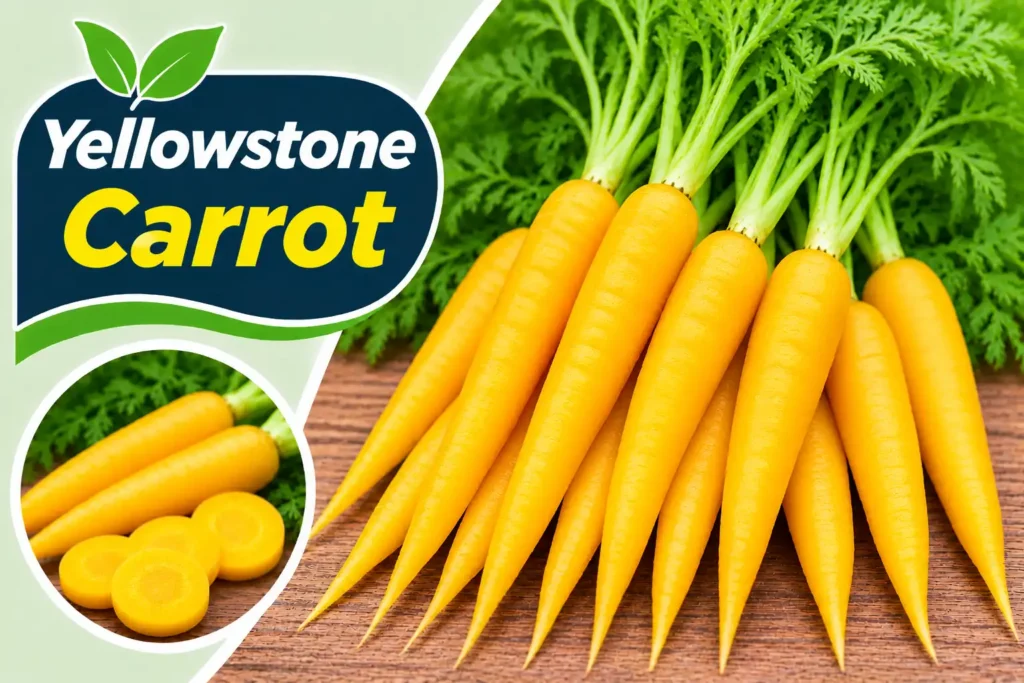
Yellowstone Carrot is a colorful and productive variety known for its bright yellow roots, smooth texture, and mildly sweet flavor. This distinctive carrot produces long, cylindrical roots with tapered ends and golden-yellow flesh, providing an attractive alternative to traditional orange varieties. Yellowstone carrots typically mature within 70–80 days under suitable growing conditions, making them an excellent option for indoor gardeners with sufficiently deep containers. Their crisp texture and refreshing sweetness make them ideal for salads, roasted vegetables, soups, and colorful side dishes. With adequate lighting, loose potting mix, and consistent moisture, Yellowstone carrots can grow successfully in indoor containers throughout the year.
Identification
- Scientific Name: Daucus carota subsp. sativus
- Common Name: Yellowstone Carrot
- Root Shape: Long, cylindrical, and slightly tapered
- Root Color: Bright yellow skin with golden-yellow flesh
- Mature Size: Approximately 8–10 inches long
- Leaf Appearance: Fine, feathery, and bright green foliage
- Days to Harvest: Approximately 70–80 days
- Flavor: Mildly sweet, crisp, and slightly earthy
Ideal Indoor Growing Conditions
Yellowstone carrots grow best in cool indoor environments with temperatures around 60–70°F (16–21°C). Choose a container at least 14–16 inches deep with adequate drainage holes to accommodate their elongated roots. Fill it with loose, fertile, well-draining potting mix that supports straight and healthy root development.
Place the container near a sunny window or provide approximately 12–14 hours of full-spectrum LED grow lighting daily, ensuring sufficient light intensity. Sow seeds about ¼ inch deep and thin seedlings to roughly 2–3 inches apart. Adequate spacing encourages smooth, properly developed roots and prevents overcrowding.
Watering and Maintenance Tips
Keep the potting mix consistently moist throughout the growing period to encourage tender and well-developed roots. Water whenever the upper layer begins to dry, but avoid excessive moisture that may contribute to root damage.
Avoid heavy applications of nitrogen-rich fertilizer because they can encourage leafy growth instead of healthy root formation. Thin weak or overcrowded seedlings carefully to provide sufficient growing space.
Harvest Yellowstone carrots when their roots reach approximately 8–10 inches long or the recommended size for the seed variety. Loosen the surrounding potting mix before pulling them to prevent root breakage. Timely harvesting helps preserve their crisp texture, attractive yellow coloration, and naturally sweet flavor.
FAQs
1. What Are the Best Carrot Varieties for Indoor Growing?
Parisian, Little Finger, Thumbelina, Amsterdam Forcing, and Adelaide are among the best carrot varieties for indoor growing. These compact varieties produce shorter roots that fit comfortably in containers. With adequate lighting, loose potting mix, consistent moisture, and suitable temperatures, they can develop healthy, flavorful carrots in limited indoor spaces.
2. How Long Do Carrots Take to Grow Indoors?
Most carrot varieties take approximately 50–80 days to mature indoors under favorable growing conditions. Miniature varieties such as Amsterdam Forcing and Adelaide may mature within 50–60 days, while larger carrots require more time. Growth rates depend on the variety, temperature, lighting intensity, container depth, and soil moisture.
3. Can Carrots Grow Indoors Without Direct Sunlight?
Yes, carrots can grow indoors without direct sunlight when provided with sufficient artificial lighting. Full-spectrum LED grow lights are an effective alternative to natural sunlight. Most varieties benefit from approximately 12–14 hours of adequate lighting daily, combined with suitable temperatures, consistent watering, and well-draining soil for healthy root development.
4. What Size Container Is Best for Growing Carrots Indoors?
Container depth depends on the carrot variety. Miniature and round carrots generally grow well in containers 6–10 inches deep, while medium-length varieties may need 10–12 inches. Longer carrots often require 12–16 inches of depth. Always choose containers with drainage holes and loose potting mix to encourage straight, healthy roots.
5. How Often Should You Water Carrots Growing Indoors?
Indoor carrots need consistently moist soil, especially during germination and early root development. Check the upper layer of potting mix regularly and water when it begins to dry. Avoid excessive watering because waterlogged conditions can damage roots. Maintaining even moisture helps prevent cracking, irregular growth, and poor root quality.