
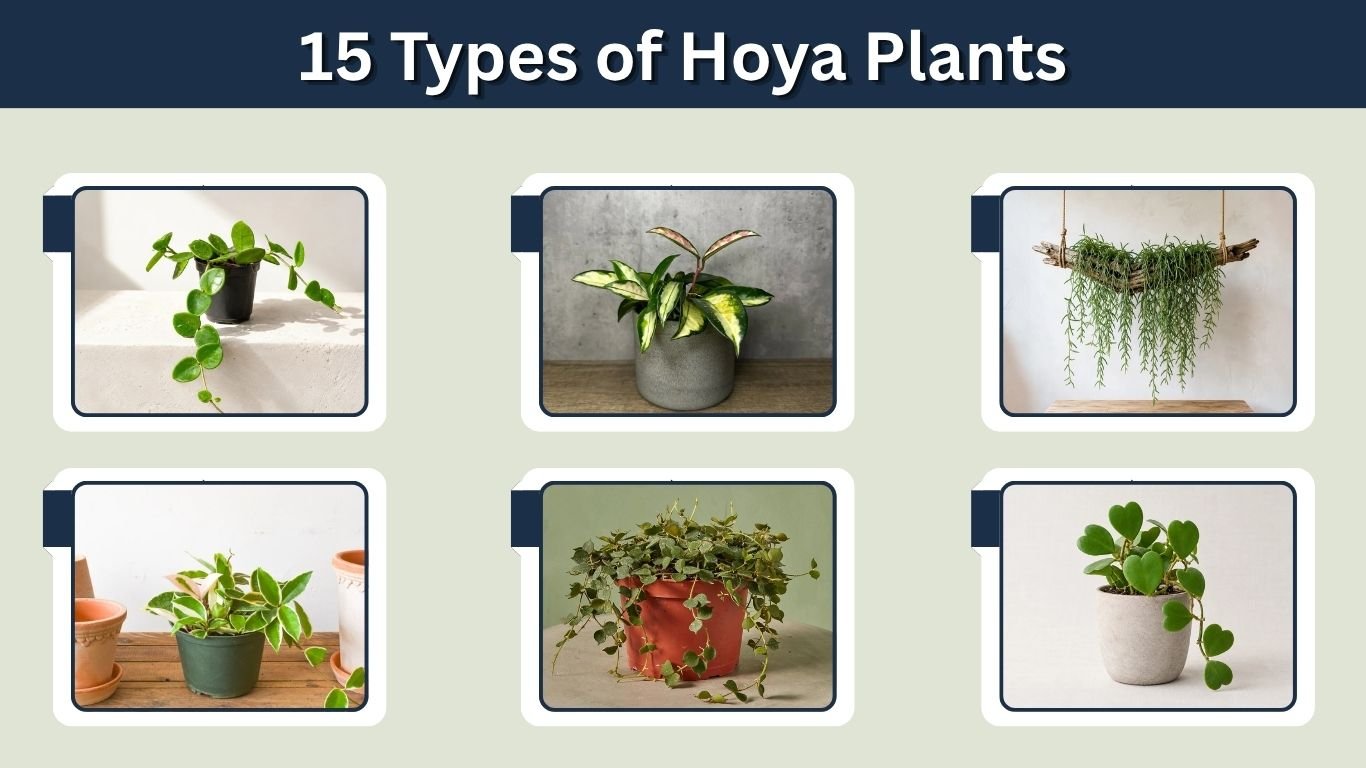
Looking for beautiful indoor plants with unique foliage and stunning flowers? These 15 types of Hoya plants are perfect for adding tropical beauty to your home. From the popular Hoya Carnosa and heart-shaped Hoya Kerrii to the trailing Hoya Linearis, discover attractive varieties for indoor growing. Explore their identification features, ideal growing conditions, and essential care tips to keep your Hoya plants healthy and thriving.
1. Hoya Carnosa (Hoya carnosa)
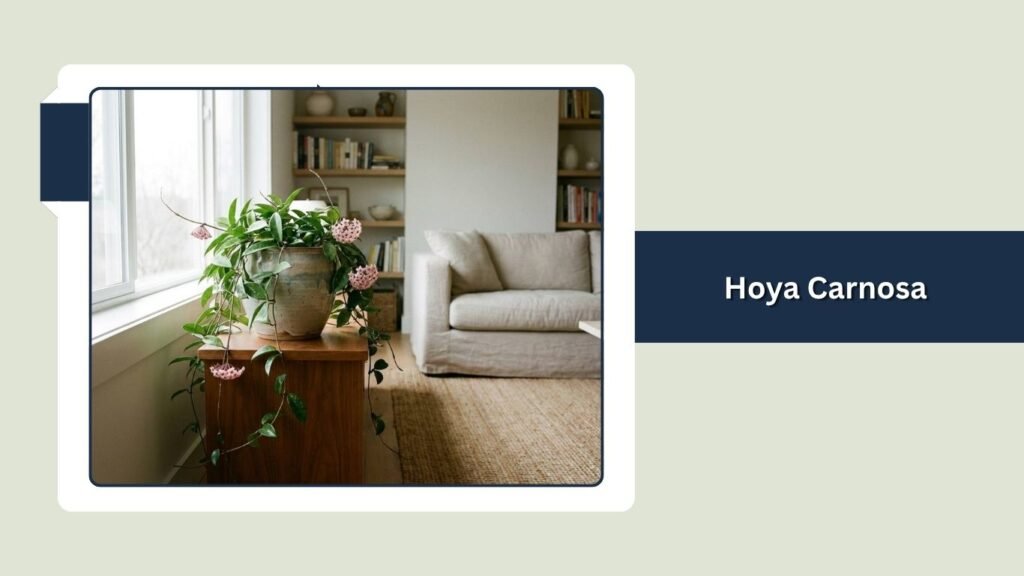
Hoya Carnosa is a popular indoor houseplant admired for its thick, glossy leaves, trailing vines, and beautiful clusters of star-shaped flowers. Commonly known as the Wax Plant, this tropical climber is native to parts of East Asia and Australia. Its attractive foliage and fragrant blooms make it an excellent choice for hanging baskets, shelves, and indoor trellises. With bright indirect sunlight, well-draining soil, and proper watering, Hoya Carnosa can thrive indoors for many years.
Identification
- Scientific Name: Hoya carnosa
- Common Name: Wax Plant
- Plant Family: Apocynaceae
- Leaf Shape: Thick, oval, and slightly pointed.
- Leaf Color: Glossy, deep green with occasional silver flecks.
- Stem Color: Green to reddish-brown.
- Mature Size: Trailing vines can grow several feet long.
- Growth Habit: Climbing, trailing, and evergreen.
- Flowers: Fragrant, star-shaped, pinkish-white flowers in rounded clusters.
Ideal Indoor Growing Conditions
Hoya Carnosa prefers bright, indirect sunlight. Place it near an east-facing window or a bright window with filtered light. Gentle morning sunlight can encourage flowering, but intense afternoon sun may scorch the leaves.Maintain temperatures between 60°F and 85°F (16°C–29°C). Moderate humidity supports healthy growth. Use a loose, well-draining potting mix containing orchid bark and perlite.
Watering and Maintenance Tips
Water when the upper portion of the potting mix has dried. Its thick leaves store moisture, so avoid frequent watering and waterlogged soil. Choose a pot with drainage holes and reduce watering during cooler months. Apply diluted, balanced fertilizer occasionally during active growth. Prune excessively long vines when necessary, but avoid removing old flower spurs because they can produce new blooms. Repot only when needed to maintain healthy indoor growth.
2. Hoya Pubicalyx (Hoya pubicalyx)
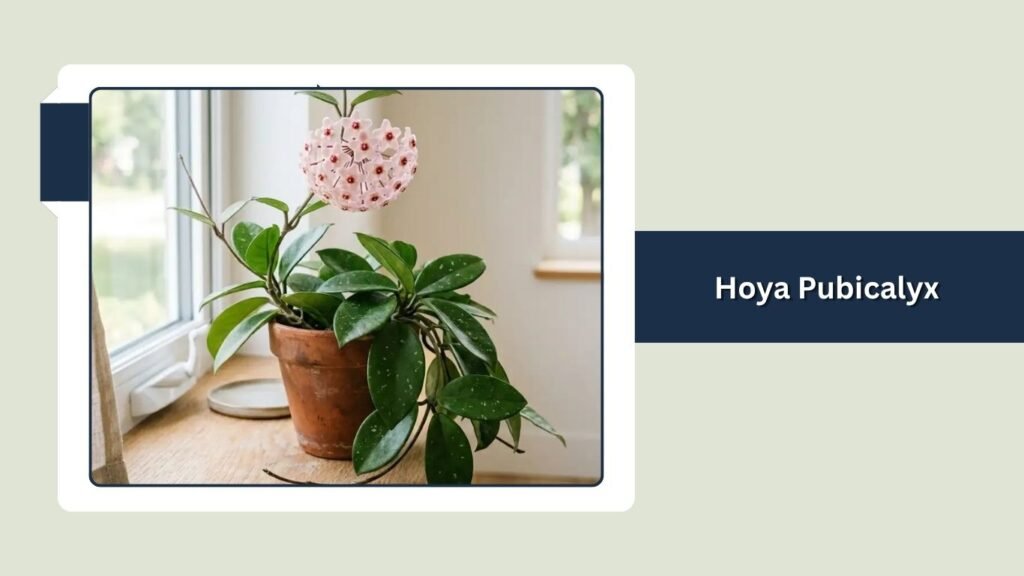
Hoya Pubicalyx is a beautiful tropical houseplant known for its elongated, glossy leaves, attractive silver markings, and clusters of fragrant star-shaped flowers. Native to the Philippines, this climbing Hoya develops long vines that look stunning in hanging baskets or supported by indoor trellises. Its decorative foliage and colorful blooms make it a popular choice among houseplant enthusiasts. With bright indirect sunlight, well-draining soil, and moderate watering, Hoya Pubicalyx can thrive indoors.
Identification
- Scientific Name: Hoya pubicalyx
- Common Name: Hoya Pubicalyx
- Plant Family: Apocynaceae
- Leaf Shape: Long, narrow, and pointed.
- Leaf Color: Deep green with attractive silver speckles.
- Stem Color: Green to reddish-brown.
- Mature Size: Climbing vines can reach several feet long.
- Growth Habit: Climbing, trailing, and evergreen.
- Flowers: Fragrant, star-shaped flowers in pink, red, or dark purple shades.
Ideal Indoor Growing Conditions
Hoya Pubicalyx prefers bright, indirect sunlight. Position it near an east-facing window or a bright location with filtered natural light. Gentle morning sunlight can encourage flowering, while harsh afternoon sun may damage its foliage.Maintain temperatures between 65°F and 85°F (18°C–29°C). Moderate to high humidity supports healthy growth. Use a loose, well-draining potting mix containing orchid bark, perlite, and organic matter.
Watering and Maintenance Tips
Water when the upper portion of the potting mix becomes dry. Its thick leaves retain moisture, so avoid excessive watering and soggy soil.Choose a container with drainage holes and reduce watering during cooler months. Apply diluted, balanced fertilizer occasionally during spring and summer.Provide a trellis for climbing vines or allow stems to trail naturally. Avoid removing old flower spurs because they can produce additional blooms.
3. Hoya Kerrii (Hoya kerrii)
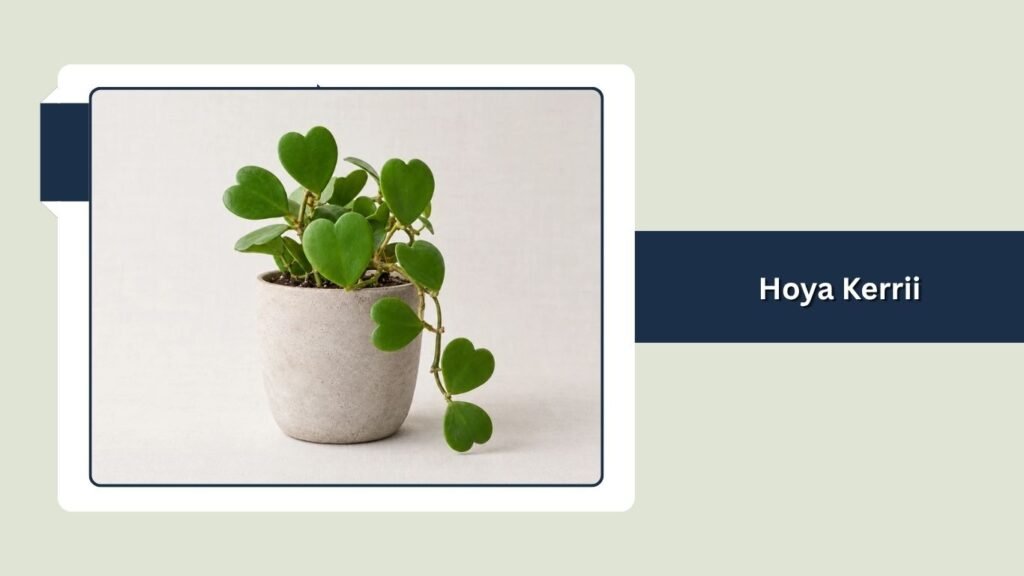
Hoya Kerrii is a charming indoor houseplant recognized for its thick, heart-shaped leaves and attractive climbing growth habit. Commonly known as Sweetheart Hoya, this tropical plant is native to Southeast Asia and is especially popular for its unusual foliage. Mature plants produce long vines and beautiful clusters of star-shaped flowers. With bright indirect sunlight, excellent drainage, and careful watering, Hoya Kerrii can become a long-lasting addition to indoor plant collections.
Identification
- Scientific Name: Hoya kerrii
- Common Name: Sweetheart Hoya
- Plant Family: Apocynaceae
- Leaf Shape: Thick, fleshy, and heart-shaped.
- Leaf Color: Deep green, sometimes with cream-colored variegation.
- Stem Color: Green to light brown.
- Mature Size: Climbing vines can grow several feet long.
- Growth Habit: Slow-growing, climbing, and evergreen.
- Flowers: Small, star-shaped, creamy-white flowers with reddish centers.
Ideal Indoor Growing Conditions
Hoya Kerrii grows best in bright, indirect sunlight. Place it near an east-facing window or a bright south-facing window with filtered light. Gentle morning sunlight supports healthy growth, while intense afternoon sun may scorch its thick leaves.Maintain temperatures between 65°F and 85°F (18°C–29°C). Average to moderate household humidity is generally suitable. Choose a loose, well-draining potting mix containing perlite and orchid bark.
Watering and Maintenance Tips
Water when most of the potting mix has dried. Its succulent-like leaves store moisture, making frequent watering unnecessary.Use a container with drainage holes and reduce watering during winter. Apply diluted fertilizer sparingly during active growth.Provide climbing support as vines develop and avoid unnecessary repotting. Single-leaf Hoya Kerrii plants without a stem node may remain as individual leaves without producing vines.
4. Hoya Australis (Hoya australis)
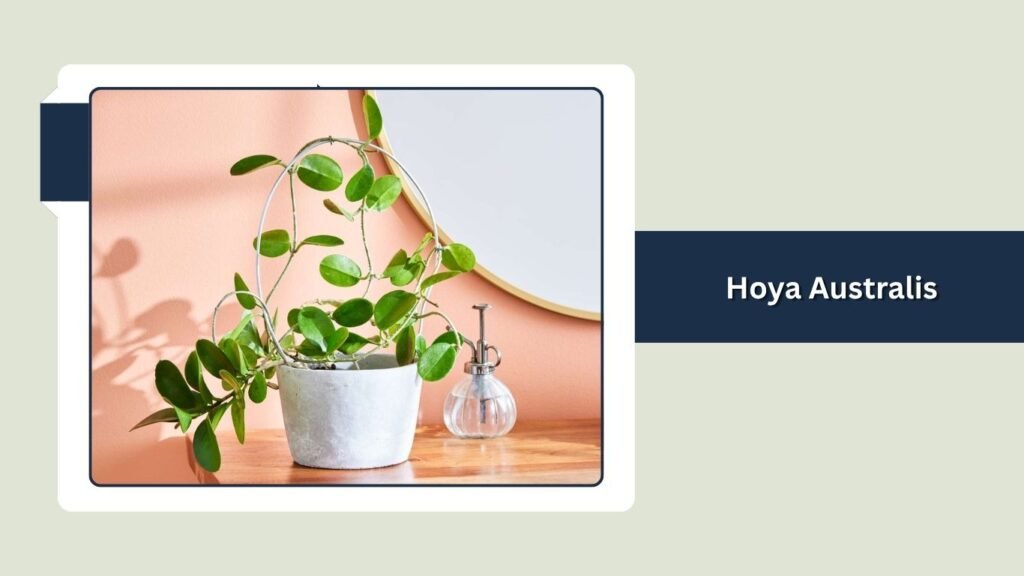
Hoya Australis is a beautiful tropical houseplant admired for its thick, glossy leaves, vigorous climbing vines, and fragrant white flowers. Native to Australia and surrounding regions, this attractive Hoya species adds a lush, natural appearance to indoor spaces. Its fast-growing vines make it suitable for hanging baskets, shelves, and indoor trellises. With bright indirect sunlight, well-draining soil, and moderate watering, Hoya Australis can grow successfully indoors and produce beautiful flower clusters.
Identification
- Scientific Name: Hoya australis
- Common Name: Hoya Australis
- Plant Family: Apocynaceae
- Leaf Shape: Thick, oval, and slightly pointed.
- Leaf Color: Glossy, medium to deep green.
- Stem Color: Green to reddish-brown.
- Mature Size: Climbing vines can reach several feet long.
- Growth Habit: Climbing, trailing, and evergreen.
- Flowers: Fragrant, white, star-shaped flowers with reddish centers.
Ideal Indoor Growing Conditions
Hoya Australis prefers bright, indirect sunlight. Position it near an east-facing window or in a bright room receiving filtered natural light. Gentle morning sunlight can encourage flowering, while intense afternoon sun may damage its leaves.Maintain temperatures between 65°F and 85°F (18°C–29°C). Moderate humidity supports healthy foliage. Use a loose, well-draining potting mix containing orchid bark, perlite, and organic matter.
Watering and Maintenance Tips
Water when the upper portion of the potting mix becomes dry. Avoid excessive watering because consistently wet soil can cause root rot.Choose a container with drainage holes and reduce watering during cooler months. Apply diluted, balanced fertilizer occasionally during active growth.Provide a trellis for climbing vines and prune excessively long stems when necessary. Avoid removing old flower spurs because they can produce additional blooms.
5. Hoya Obovata (Hoya obovata)
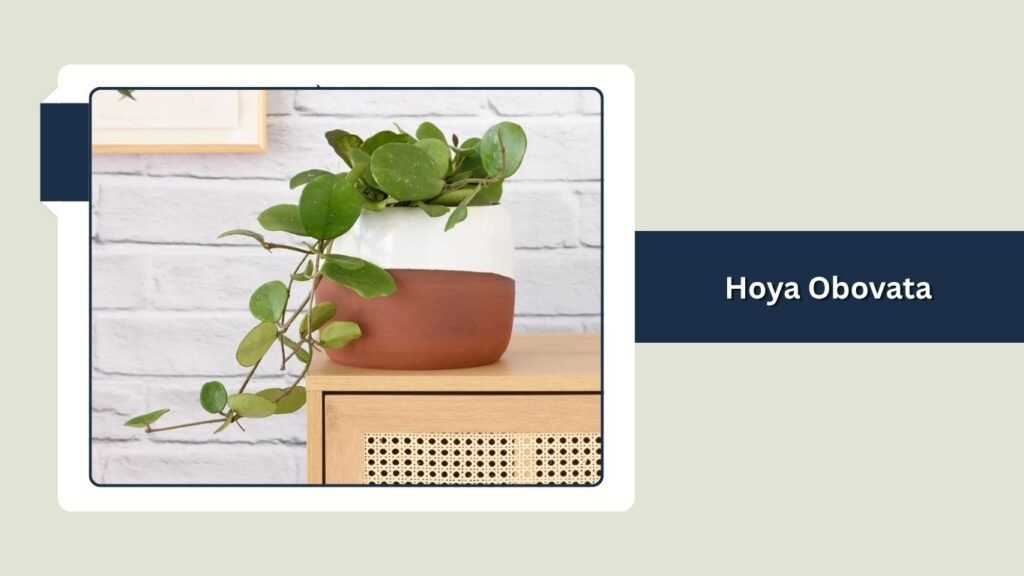
Hoya Obovata is an attractive indoor houseplant recognized for its large, rounded leaves and distinctive silver-speckled foliage. This tropical climbing plant develops thick, fleshy leaves along trailing vines, creating a beautiful decorative appearance. Its unusual leaf shape and clusters of star-shaped flowers make it popular among indoor gardening enthusiasts. With bright indirect sunlight, moderate humidity, and well-draining soil, Hoya Obovata can maintain healthy growth and attractive foliage throughout the year.
Identification
- Scientific Name: Hoya obovata
- Common Name: Hoya Obovata
- Plant Family: Apocynaceae
- Leaf Shape: Thick, rounded, and broadly oval.
- Leaf Color: Deep green, often with silver speckles.
- Stem Color: Green to reddish-brown.
- Mature Size: Climbing vines can grow several feet long.
- Growth Habit: Climbing, trailing, and evergreen.
- Flowers: Pinkish-white, star-shaped flowers with darker pink centers.
Ideal Indoor Growing Conditions
Hoya Obovata grows best in bright, indirect sunlight. Place it near an east-facing window or a bright location protected from harsh afternoon sun. Adequate filtered light supports healthy foliage and encourages flowering.Maintain temperatures between 65°F and 85°F (18°C–29°C). Average to moderate household humidity is generally suitable. Choose a loose, well-draining potting mix containing orchid bark and perlite.
Watering and Maintenance Tips
Water when much of the potting mix has dried. Its thick leaves store moisture, making frequent watering unnecessary.Use a pot with drainage holes and reduce watering during winter. Apply diluted, balanced fertilizer occasionally during spring and summer.Support climbing vines with a trellis or allow them to trail naturally. Remove damaged leaves and avoid cutting old flower spurs, which may produce new blooms.
6. Hoya Compacta (Hoya carnosa ‘Compacta’)
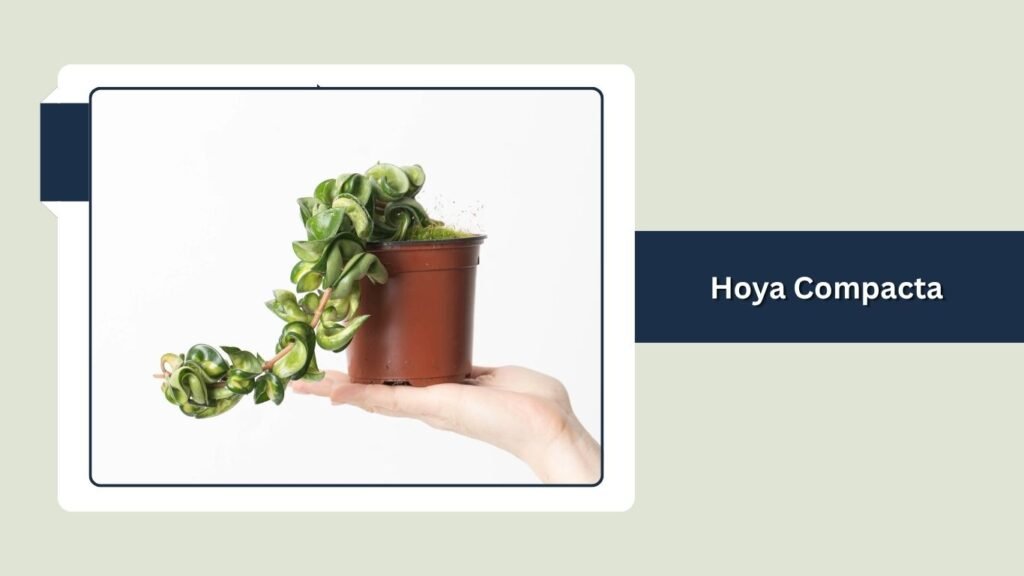
Hoya Compacta is a unique indoor houseplant admired for its thick, twisted leaves that grow closely along curling vines. Commonly known as the Hindu Rope Plant, this attractive variety of Hoya carnosa features glossy, dark green foliage and beautiful clusters of star-shaped flowers. Its unusual appearance makes it perfect for hanging baskets, decorative shelves, and indoor plant collections. With bright indirect sunlight, well-draining soil, and moderate watering, Hoya Compacta can thrive indoors.
Identification
- Scientific Name: Hoya carnosa ‘Compacta’
- Common Name: Hindu Rope Plant
- Plant Family: Apocynaceae
- Leaf Shape: Thick, curled, twisted, and tightly folded.
- Leaf Color: Glossy, deep green.
- Stem Color: Green to brown.
- Mature Size: Trailing vines can grow several feet long.
- Growth Habit: Slow-growing, trailing, and evergreen.
- Flowers: Fragrant, pinkish-white, star-shaped flowers in rounded clusters.
Ideal Indoor Growing Conditions
Hoya Compacta prefers bright, indirect sunlight. Place it near an east-facing window or in a bright location protected from harsh afternoon sunlight. Gentle morning sun can encourage flowering.Maintain temperatures between 65°F and 85°F (18°C–29°C). Moderate humidity supports healthy foliage. Use a loose, well-draining potting mix containing orchid bark, perlite, and organic matter.
Watering and Maintenance Tips
Water when much of the potting mix has dried. Its thick, curled leaves retain moisture, so avoid frequent watering and soggy soil.Choose a hanging container with drainage holes and reduce watering during winter. Apply diluted fertilizer occasionally during active growth.Inspect curled leaves regularly for mealybugs and other pests. Remove damaged foliage carefully and avoid cutting old flower spurs because they can produce additional blooms.
7. Hoya Linearis (Hoya linearis)
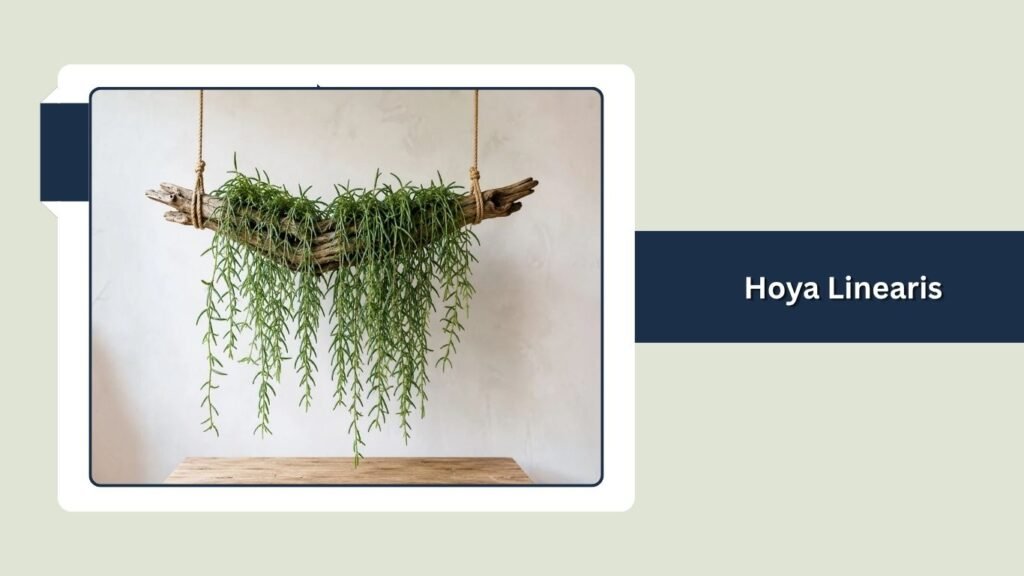
Hoya Linearis is a beautiful trailing indoor plant recognized for its long, narrow, needle-like leaves and soft, cascading stems. Native to the Himalayan region, this distinctive Hoya creates an elegant curtain of green foliage when grown in hanging baskets. Unlike many thick-leaved Hoya varieties, its slender leaves have a delicate, slightly fuzzy texture. With bright indirect sunlight, moderate humidity, and careful watering, Hoya Linearis can maintain healthy trailing growth and produce fragrant white flowers indoors.
Identification
- Scientific Name: Hoya linearis
- Common Name: Hoya Linearis
- Plant Family: Apocynaceae
- Leaf Shape: Long, narrow, cylindrical, and slightly fuzzy.
- Leaf Color: Soft, light to medium green.
- Stem Color: Thin, green to reddish-green.
- Mature Size: Trailing stems can grow several feet long.
- Growth Habit: Cascading, trailing, and evergreen.
- Flowers: Fragrant, white, star-shaped flowers with pale yellow centers.
Ideal Indoor Growing Conditions
Hoya Linearis grows best in bright, indirect sunlight. Position it near an east-facing window or in a well-lit room receiving filtered natural light. Avoid strong afternoon sunlight, which can damage its delicate foliage.Maintain temperatures between 60°F and 75°F (16°C–24°C). This species appreciates cooler conditions than many tropical Hoyas. Moderate to high humidity and a loose, airy potting mix containing orchid bark and perlite support healthy growth.
Watering and Maintenance Tips
Water when the upper portion of the potting mix begins to dry. Unlike thicker-leaved Hoyas, Hoya Linearis should not remain completely dry for extended periods.Use a hanging pot with drainage holes and reduce watering during cooler months. Apply diluted fertilizer occasionally during active growth.Trim damaged stems carefully and maintain good air circulation. Avoid removing old flower spurs because they may produce additional blooms.
8. Hoya Bella (Hoya bella)
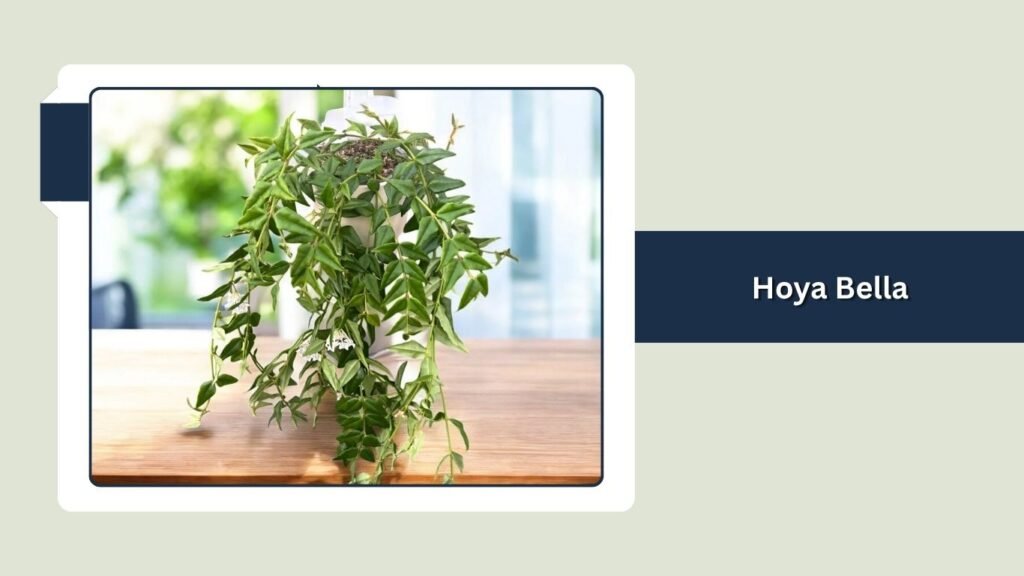
Hoya Bella is a charming indoor houseplant admired for its small, pointed leaves, delicate trailing stems, and beautiful star-shaped flowers. Commonly known as the Miniature Wax Plant, this attractive Hoya produces clusters of white flowers with pinkish-purple centers. Its compact growth and graceful appearance make it suitable for hanging baskets, shelves, and decorative indoor planters. With bright indirect sunlight, moderate humidity, and consistent watering, Hoya Bella can thrive indoors.
Identification
- Scientific Name: Hoya bella
- Common Name: Miniature Wax Plant
- Plant Family: Apocynaceae
- Leaf Shape: Small, narrow, and pointed.
- Leaf Color: Bright to medium green.
- Stem Color: Thin, green to reddish-green.
- Mature Size: Trailing stems approximately 12–24 inches long.
- Growth Habit: Compact, branching, and trailing.
- Flowers: Fragrant, white, star-shaped flowers with pinkish-purple centers.
Ideal Indoor Growing Conditions
Hoya Bella prefers bright, indirect sunlight. Position it near an east-facing window or in a well-lit room protected from intense afternoon sunlight. Adequate filtered light encourages healthy foliage and flowering.Maintain temperatures between 60°F and 80°F (16°C–27°C). Moderate to high humidity supports healthy growth. Use a loose, well-draining potting mix containing orchid bark, perlite, and organic matter.
Watering and Maintenance Tips
Water when the upper portion of the potting mix begins to dry. Hoya Bella prefers slightly more consistent moisture than thick-leaved Hoya varieties, but soggy soil can damage its roots.Choose a hanging container with drainage holes and reduce watering during cooler months. Apply diluted, balanced fertilizer occasionally during active growth.Trim excessively long stems to maintain a compact appearance. Remove damaged foliage and provide good air circulation to encourage healthy indoor development.
9. Hoya Wayetii (Hoya wayetii)
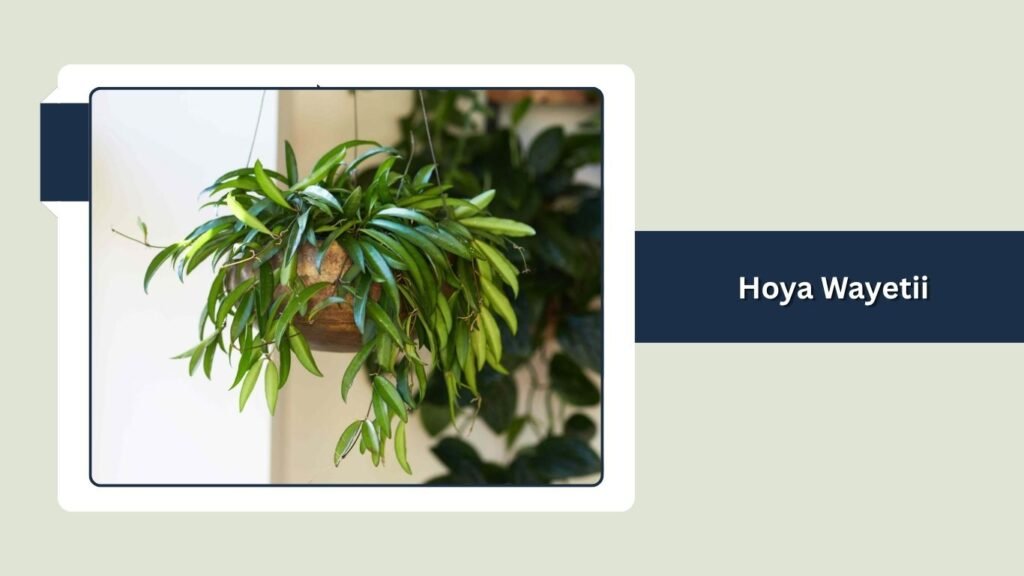
Hoya Wayetii is an attractive tropical houseplant recognized for its long, narrow leaves with distinctive dark green or reddish margins. Native to the Philippines, this beautiful Hoya develops cascading vines that look stunning in hanging baskets and elevated shelves. Its colorful foliage and clusters of star-shaped flowers make it a popular addition to indoor plant collections. With bright indirect sunlight, well-draining soil, and moderate watering, Hoya Wayetii can maintain healthy growth indoors.
Identification
- Scientific Name: Hoya wayetii
- Common Name: Hoya Wayetii
- Plant Family: Apocynaceae
- Leaf Shape: Long, narrow, thick, and pointed.
- Leaf Color: Deep green with darker or reddish margins.
- Stem Color: Green to reddish-brown.
- Mature Size: Trailing vines can grow several feet long.
- Growth Habit: Trailing, climbing, and evergreen.
- Flowers: Small, star-shaped, reddish-purple flowers in rounded clusters.
Ideal Indoor Growing Conditions
Hoya Wayetii grows best in bright, indirect sunlight. Place it near an east-facing window or a bright location with filtered natural light. Gentle morning sunlight can enhance its leaf coloration, while harsh afternoon sun may cause scorching.Maintain temperatures between 65°F and 85°F (18°C–29°C). Moderate humidity supports healthy foliage. Choose a loose, well-draining potting mix containing orchid bark, perlite, and suitable organic matter.
Watering and Maintenance Tips
Water when much of the potting mix has dried. Its thick leaves store moisture, so avoid frequent watering and consistently wet soil.Use a hanging basket or container with drainage holes and reduce watering during winter. Apply diluted fertilizer occasionally during active growth.Trim excessively long vines to control their appearance and remove damaged leaves when necessary. Avoid cutting old flower spurs because they can produce additional blooms.
10. Hoya Curtisii (Hoya curtisii)
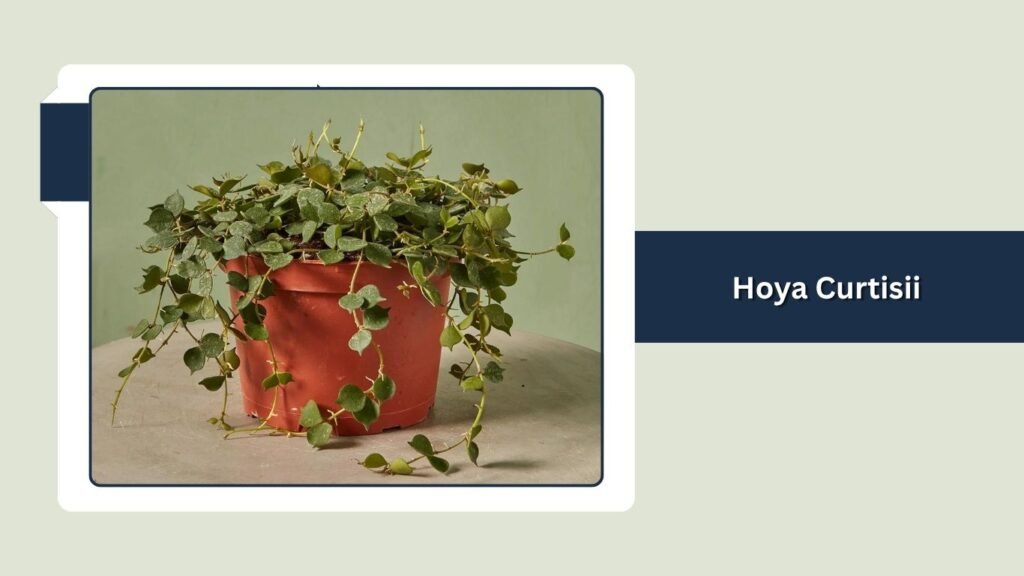
Hoya Curtisii is a charming indoor houseplant known for its tiny, heart-shaped leaves decorated with beautiful silver-green markings. Native to Southeast Asia, this miniature Hoya develops delicate trailing stems that create an attractive cascading display. Its compact foliage makes it suitable for hanging baskets, small planters, and decorative indoor shelves. With bright indirect sunlight, well-draining soil, and careful watering, Hoya Curtisii can maintain healthy growth and beautiful foliage indoors.
Identification
- Scientific Name: Hoya curtisii
- Common Name: Hoya Curtisii
- Plant Family: Apocynaceae
- Leaf Shape: Small, heart-shaped, and slightly pointed.
- Leaf Color: Olive green with distinctive silver-gray markings.
- Stem Color: Thin, green to reddish-brown.
- Mature Size: Trailing stems can grow 12–24 inches or longer.
- Growth Habit: Creeping, trailing, and compact.
- Flowers: Small, star-shaped, yellowish-green flowers with reddish centers.
Ideal Indoor Growing Conditions
Hoya Curtisii prefers bright, indirect sunlight. Position it near an east-facing window or in a well-lit room receiving filtered natural light. Gentle morning sunlight can encourage healthy growth, while intense afternoon sun may damage its small leaves.Maintain temperatures between 65°F and 85°F (18°C–29°C). Moderate to high humidity supports attractive foliage. Use a loose, well-draining potting mix containing orchid bark, perlite, and organic matter.
Watering and Maintenance Tips
Water when much of the potting mix has dried. Its small, slightly succulent leaves retain moisture, but prolonged dryness may cause leaf damage.Choose a shallow container with drainage holes and reduce watering during cooler months. Apply diluted fertilizer occasionally during active growth.Trim excessively long vines to encourage fuller development. Handle delicate stems carefully and avoid removing old flower spurs because they may produce additional blooms.
11. Hoya Lacunosa (Hoya lacunosa)
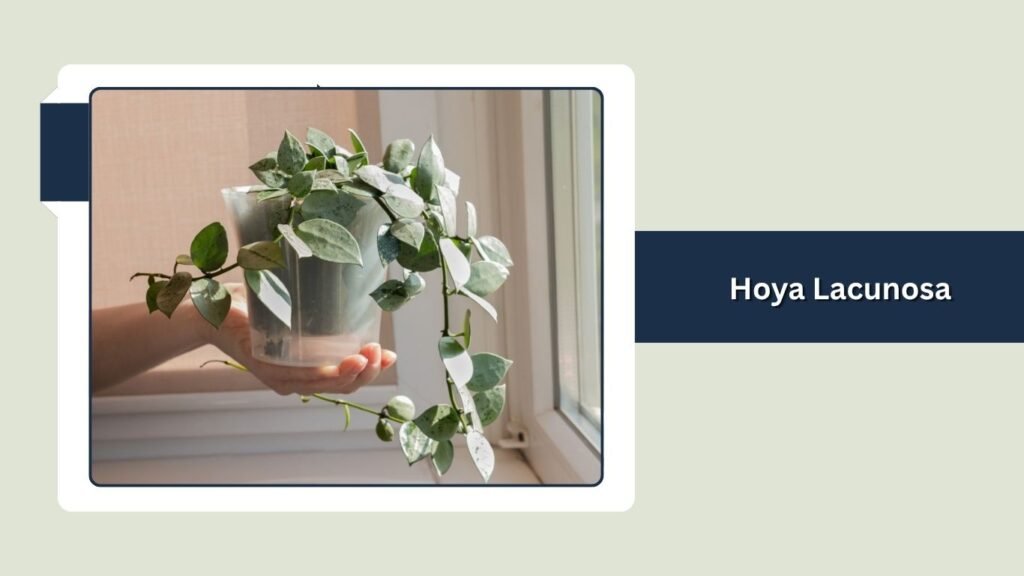
Hoya Lacunosa is a beautiful tropical houseplant admired for its small, textured leaves and highly fragrant clusters of creamy-white flowers. Native to Southeast Asia, this attractive Hoya develops slender vines that grow beautifully in hanging baskets or along indoor supports. Its compact foliage and sweet-smelling blooms make it a popular choice among indoor gardening enthusiasts. With bright indirect sunlight, moderate humidity, and proper watering, Hoya Lacunosa can thrive indoors and produce attractive flowers.
Identification
- Scientific Name: Hoya lacunosa
- Common Name: Hoya Lacunosa
- Plant Family: Apocynaceae
- Leaf Shape: Small, oval, and slightly pointed.
- Leaf Color: Deep green with textured surfaces and visible veins.
- Stem Color: Green to reddish-brown.
- Mature Size: Trailing vines can grow several feet long.
- Growth Habit: Climbing, trailing, and evergreen.
- Flowers: Fragrant, fuzzy, cream-colored, star-shaped flowers with pale yellow centers.
Ideal Indoor Growing Conditions
Hoya Lacunosa grows best in bright, indirect sunlight. Place it near an east-facing window or a bright location protected from harsh afternoon sun. Adequate filtered light encourages healthy foliage and regular flowering.Maintain temperatures between 65°F and 85°F (18°C–29°C). Moderate to high humidity supports vigorous growth. Choose an airy, well-draining potting mix containing orchid bark, perlite, and suitable organic matter.
Watering and Maintenance Tips
Water when the upper portion of the potting mix begins to dry. Avoid allowing the roots to remain waterlogged, but do not leave the plant completely dry for extended periods.Use a hanging container with drainage holes and reduce watering during cooler months. Apply diluted, balanced fertilizer occasionally during active growth.Provide climbing support or allow vines to trail naturally. Remove damaged leaves and avoid cutting old flower spurs, which can produce new clusters of fragrant blooms.
12. Hoya Mathilde (Hoya ‘Mathilde’)
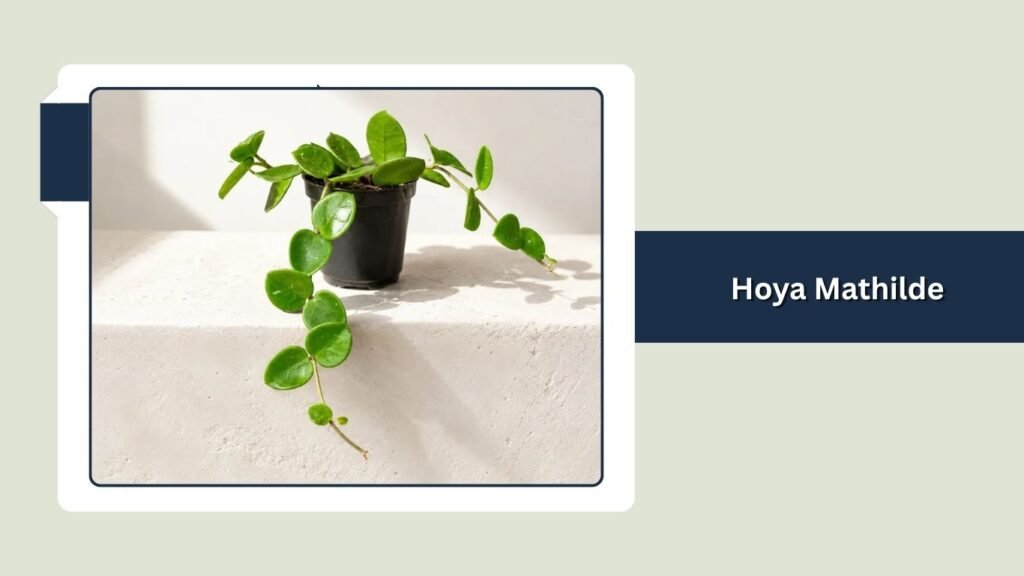
Hoya Mathilde is a charming indoor houseplant admired for its small, rounded leaves, delicate trailing vines, and beautiful clusters of star-shaped flowers. This attractive hybrid of Hoya carnosa and Hoya serpens features glossy green foliage with occasional silver speckles. Its compact appearance makes it suitable for hanging baskets, shelves, and decorative indoor planters. With bright indirect sunlight, well-draining soil, and moderate watering, Hoya Mathilde can maintain healthy growth and produce attractive blooms indoors.
Identification
- Scientific Name: Hoya ‘Mathilde’
- Common Name: Hoya Mathilde
- Plant Family: Apocynaceae
- Leaf Shape: Small, rounded, and slightly fleshy.
- Leaf Color: Medium green with occasional silver speckles.
- Stem Color: Green to reddish-brown.
- Mature Size: Trailing vines can grow several feet long.
- Growth Habit: Trailing, climbing, and evergreen.
- Flowers: Fragrant, white, star-shaped flowers with pinkish-red centers.
Ideal Indoor Growing Conditions
Hoya Mathilde prefers bright, indirect sunlight. Position it near an east-facing window or in a bright room receiving filtered natural light. Gentle morning sunlight can encourage flowering, while harsh afternoon sun may damage its foliage.Maintain temperatures between 65°F and 80°F (18°C–27°C). Moderate to high humidity supports healthy growth. Use a loose, well-draining potting mix containing orchid bark, perlite, and organic matter.
Watering and Maintenance Tips
Water when the upper portion of the potting mix becomes dry. Its slightly succulent leaves retain moisture, so avoid excessive watering and soggy soil.Choose a container with drainage holes and reduce watering during cooler months. Apply diluted, balanced fertilizer occasionally during active growth.Trim excessively long stems to encourage fuller growth. Provide climbing support or allow vines to trail naturally. Avoid removing old flower spurs because they can produce additional blooms.
13. Hoya Krimson Queen (Hoya carnosa ‘Krimson Queen’)
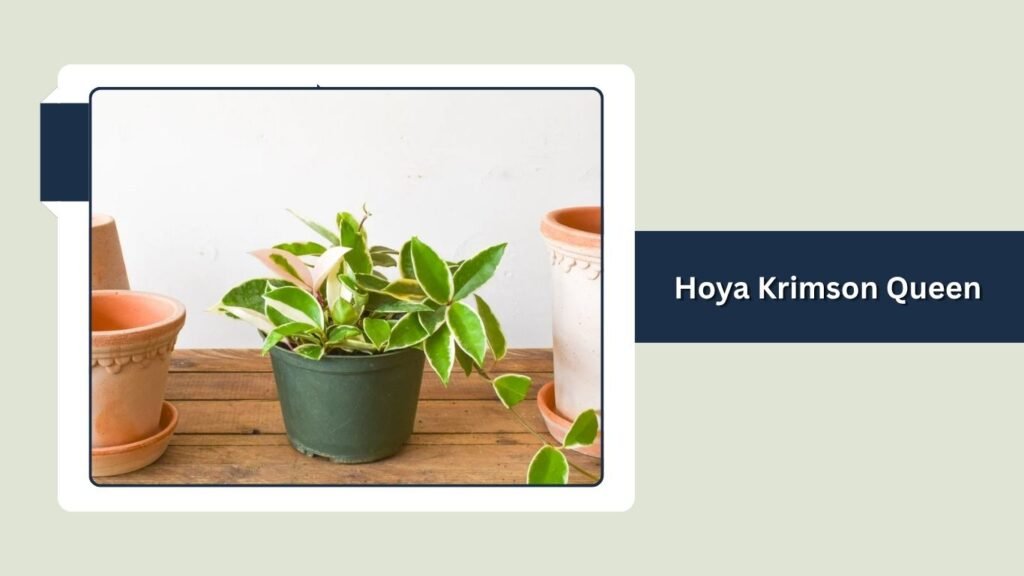
Hoya Krimson Queen is a beautiful variegated indoor houseplant recognized for its thick, glossy leaves featuring green centers and creamy-white or pink margins. This attractive variety of Hoya carnosa produces long climbing vines and fragrant clusters of star-shaped flowers. Its colorful foliage adds elegance to shelves, hanging baskets, and indoor trellises. With bright indirect sunlight, well-draining soil, and moderate watering, Hoya Krimson Queen can maintain its attractive variegation and healthy growth indoors.
Identification
- Scientific Name: Hoya carnosa ‘Krimson Queen’
- Common Name: Hoya Krimson Queen
- Plant Family: Apocynaceae
- Leaf Shape: Thick, oval, and slightly pointed.
- Leaf Color: Green centers with cream, white, or pink margins.
- Stem Color: Green to reddish-pink.
- Mature Size: Climbing vines can grow several feet long.
- Growth Habit: Climbing, trailing, and evergreen.
- Flowers: Fragrant, pinkish-white, star-shaped flowers in rounded clusters.
Ideal Indoor Growing Conditions
Hoya Krimson Queen grows best in bright, indirect sunlight. Place it near an east-facing window or a bright south-facing window with filtered light. Adequate lighting helps maintain its beautiful variegated foliage and supports flowering.Maintain temperatures between 65°F and 85°F (18°C–29°C). Moderate household humidity is generally suitable. Choose an airy, well-draining potting mix containing orchid bark and perlite.
Watering and Maintenance Tips
Water when much of the potting mix has dried. Its thick leaves store moisture, so avoid frequent watering and waterlogged conditions.Use a pot with drainage holes and reduce watering during winter. Apply diluted fertilizer occasionally during spring and summer.Prune excessively long or fully green stems when necessary to maintain balanced variegated growth. Rotate the container periodically and avoid removing old flower spurs because they can produce additional blooms.
14. Hoya Krimson Princess (Hoya carnosa ‘Krimson Princess’)
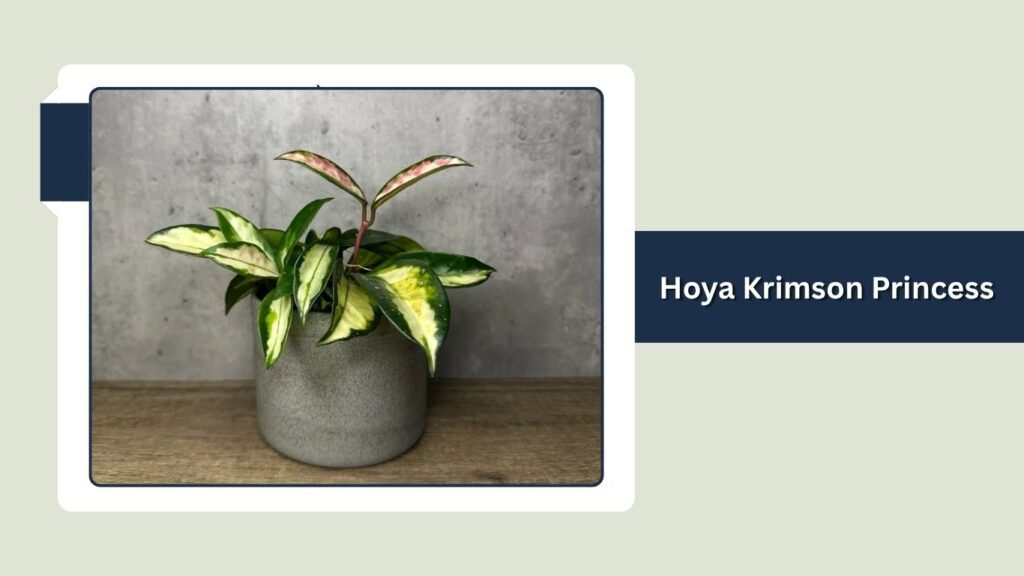
Hoya Krimson Princess is a beautiful variegated indoor houseplant admired for its thick, glossy leaves featuring creamy-white or yellow centers surrounded by green margins. This attractive variety of Hoya carnosa produces elegant trailing vines and fragrant clusters of star-shaped flowers. Its colorful foliage makes it ideal for hanging baskets, shelves, and decorative indoor trellises. With bright indirect sunlight, well-draining soil, and moderate watering, Hoya Krimson Princess can maintain healthy growth and beautiful variegation indoors.
Identification
- Scientific Name: Hoya carnosa ‘Krimson Princess’
- Common Name: Hoya Krimson Princess
- Plant Family: Apocynaceae
- Leaf Shape: Thick, oval, and slightly pointed.
- Leaf Color: Green margins with cream, white, or yellow centers.
- Stem Color: Pinkish-red to green.
- Mature Size: Trailing vines can grow several feet long.
- Growth Habit: Climbing, trailing, and evergreen.
- Flowers: Fragrant, pinkish-white, star-shaped flowers in rounded clusters.
Ideal Indoor Growing Conditions
Hoya Krimson Princess prefers bright, indirect sunlight. Position it near an east-facing window or a bright location receiving filtered natural light. Adequate lighting helps maintain its attractive variegation and encourages flowering.Maintain temperatures between 65°F and 85°F (18°C–29°C). Moderate household humidity is generally suitable. Use a loose, well-draining potting mix containing orchid bark, perlite, and organic matter.
Watering and Maintenance Tips
Water when much of the potting mix has dried. Its thick leaves store moisture, so avoid excessive watering and soggy soil.Choose a container with drainage holes and reduce watering during cooler months. Apply diluted, balanced fertilizer occasionally during active growth.Remove damaged leaves and prune excessively long vines when necessary. Rotate the pot periodically and avoid removing old flower spurs because they can produce additional blooms.
15. Hoya Retusa (Hoya retusa)
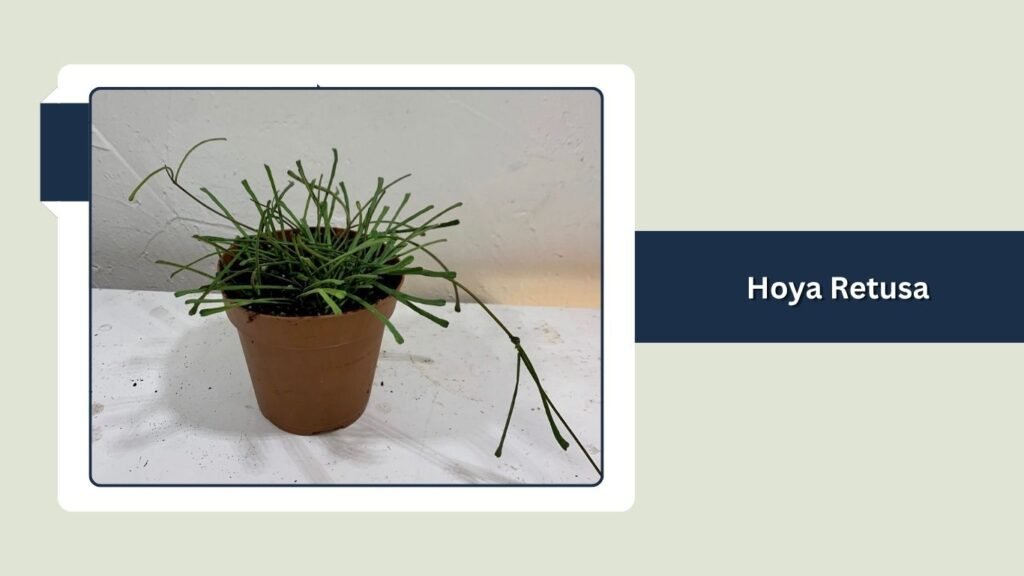
Hoya Retusa is a unique indoor houseplant recognized for its thin, narrow, grass-like leaves with distinctive notched tips. Native to parts of India and the Himalayan region, this unusual Hoya develops delicate branching stems that create a soft, cascading appearance. Unlike many other Hoya varieties, it often produces individual star-shaped flowers rather than large clusters. Its attractive foliage makes it suitable for hanging baskets, decorative shelves, and compact indoor spaces.
Identification
- Scientific Name: Hoya retusa
- Common Name: Hoya Retusa
- Plant Family: Apocynaceae
- Leaf Shape: Long, narrow, and grass-like with notched tips.
- Leaf Color: Bright to medium green.
- Stem Color: Thin, green to reddish-brown.
- Mature Size: Trailing stems approximately 12–24 inches long.
- Growth Habit: Branching, trailing, and evergreen.
- Flowers: Small, fragrant, white, star-shaped flowers with reddish-purple centers.
Ideal Indoor Growing Conditions
Hoya Retusa grows best in bright, indirect sunlight. Place it near an east-facing window or in a well-lit room protected from intense afternoon sunlight. Filtered natural light supports healthy foliage and encourages flowering.Maintain temperatures between 60°F and 80°F (16°C–27°C). Moderate to high humidity supports its delicate growth. Choose a loose, well-draining potting mix containing orchid bark, perlite, and organic matter.
Watering and Maintenance Tips
Water when the upper portion of the potting mix begins to dry. Its slender foliage prefers more consistent moisture than thick-leaved Hoya varieties, but waterlogged soil can damage the roots.Use a hanging container with drainage holes and reduce watering during cooler months. Apply diluted fertilizer occasionally during active growth.Trim excessively long stems to encourage fuller growth and remove damaged foliage. Maintain good air circulation and avoid unnecessary repotting to support healthy indoor development.
FAQs
1. What Are the Best Types of Hoya Plants for Indoors?
The best types of Hoya plants for indoor growing include Hoya Carnosa, Hoya Pubicalyx, Hoya Kerrii, Hoya Australis, and Hoya Obovata. These varieties are popular for their attractive foliage, trailing vines, and beautiful flowers. They generally thrive in bright, indirect sunlight with proper care.
2. Which Hoya Varieties Are Easiest to Grow Indoors?
Hoya Carnosa, Hoya Pubicalyx, Hoya Australis, and Hoya Obovata are among the easiest varieties to grow indoors. Their relatively thick leaves help retain moisture, making them more forgiving of occasional missed watering. They prefer well-draining soil and bright, indirect sunlight.
3. Which Types of Hoya Plants Are Best for Hanging Baskets?
Hoya Linearis, Hoya Bella, Hoya Curtisii, Hoya Retusa, and Hoya Compacta are excellent choices for hanging baskets. Their trailing stems and decorative foliage create beautiful cascading displays, making them suitable for shelves, hanging planters, and indoor gardens.
4. How Often Should Indoor Hoya Plants Be Watered?
Most indoor Hoya plants should be watered when the upper portion of the potting mix has dried. Thick-leaved varieties like Hoya Kerrii and Hoya Obovata tolerate more drying between waterings, while thinner-leaved varieties such as Hoya Linearis and Hoya Bella prefer slightly more consistent moisture.
5. Which Hoya Plants Produce the Most Fragrant Flowers Indoors?
Hoya Carnosa, Hoya Lacunosa, Hoya Bella, Hoya Pubicalyx, and Hoya Mathilde are known for their fragrant flowers. Their star-shaped blooms may produce sweet or floral scents, particularly during the evening. Providing sufficient indirect light and proper care can encourage flowering indoors.