
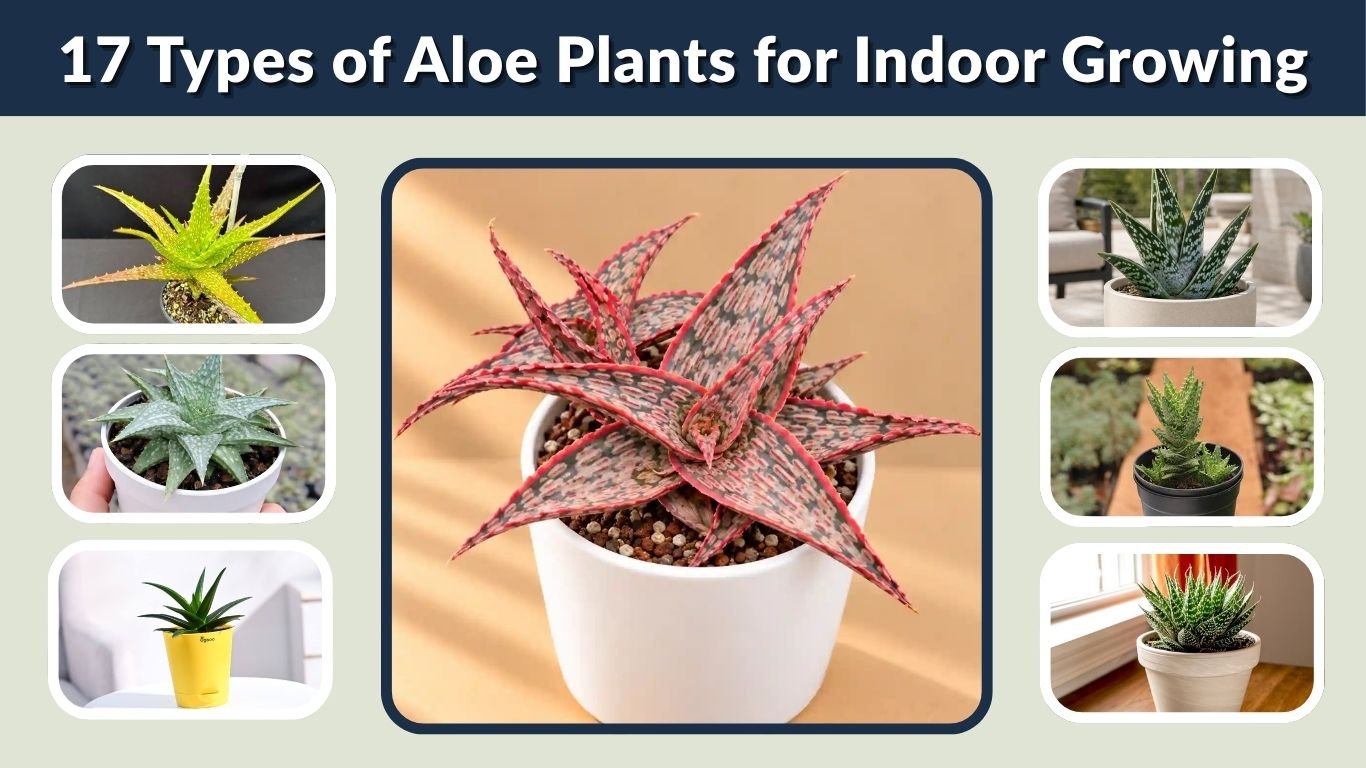
Aloe plants are popular indoor succulents known for their attractive foliage, unique shapes, and easy maintenance. From the classic Aloe Vera to colorful varieties like Christmas Carol and Pink Blush Aloe, these plants bring natural beauty to any indoor space. In this guide, we explore 17 types of Aloe plants for indoor growing, including their identification, ideal growing conditions, and essential watering and maintenance tips.
1. Aloe Vera
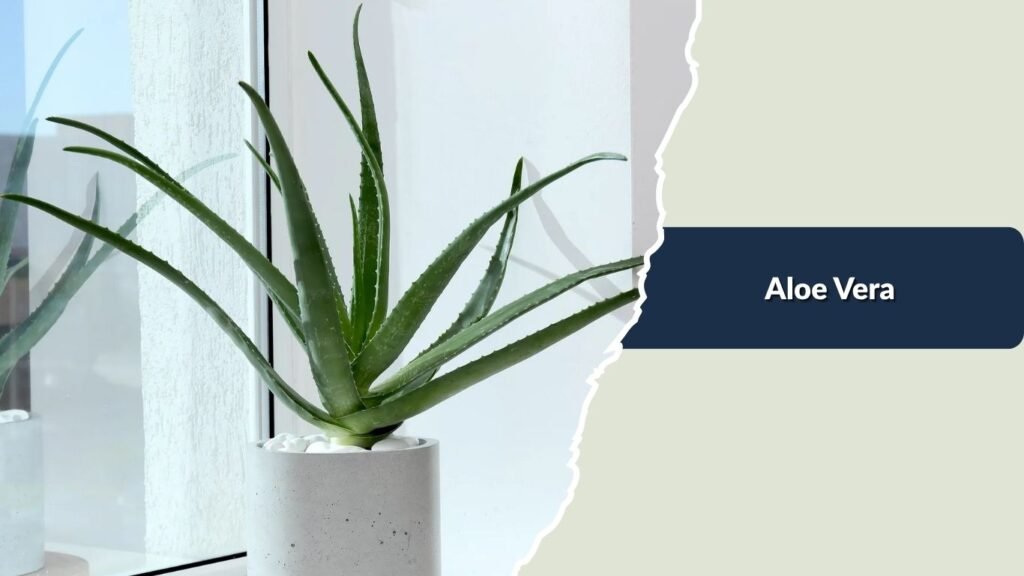
Aloe Vera (Aloe vera) is one of the most popular indoor succulent plants because of its attractive green leaves and easy maintenance. It features thick, fleshy leaves arranged in a rosette, with small teeth along the edges. This drought-tolerant plant grows well in containers and is ideal for sunny windowsills, apartments, and indoor gardens.
Identification
- Scientific Name: Aloe vera
- Common Name: Aloe Vera
- Plant Type: Evergreen succulent
- Leaf Color: Green to grayish-green
- Mature Height: 12–24 inches
- Growth Habit: Upright rosette
- Flower Color: Yellow
- Light Requirements: Bright sunlight
- Toxicity: Toxic to cats and dogs
Ideal Indoor Growing Conditions
Aloe Vera thrives in bright indoor locations that receive several hours of sunlight daily. A south-facing or west-facing window is usually suitable. It prefers temperatures between 60°F and 80°F (16°C–27°C) and grows best in well-draining cactus or succulent soil. Choose a pot with drainage holes to prevent excess moisture. Aloe Vera tolerates normal indoor humidity and does not require frequent fertilization.
Watering & Maintenance Tips
Water Aloe Vera thoroughly when the soil becomes completely dry. During warmer months, this may be every two to three weeks, while winter watering should be less frequent. Avoid overwatering because soggy soil can cause root rot. Remove damaged leaves and occasionally rotate the pot for balanced growth. Repot when the plant becomes overcrowded, and separate healthy offsets to grow new plants.
2. Lace Aloe
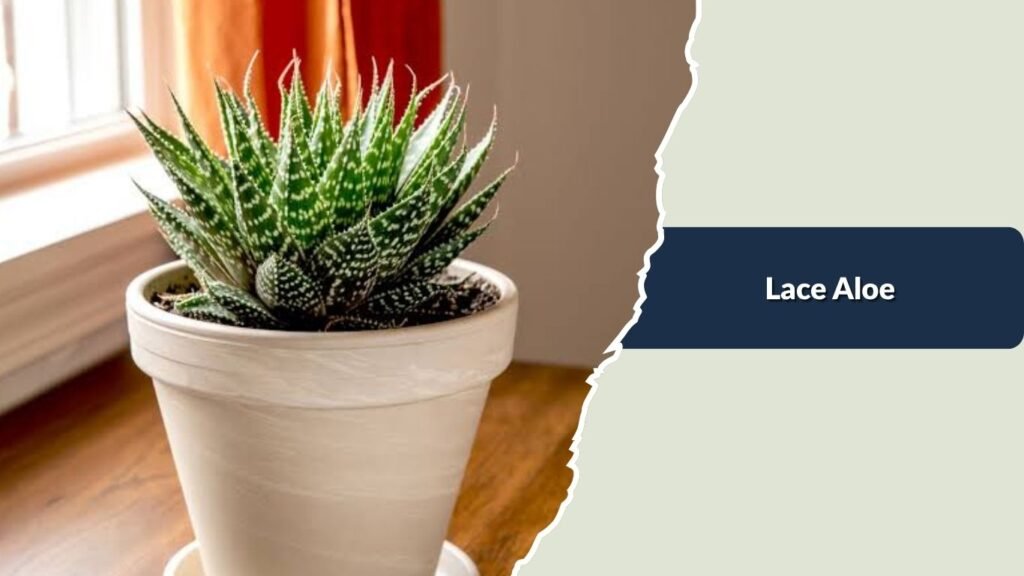
Lace Aloe (Aristaloe aristata) is a beautiful, compact succulent popular for indoor growing. It features dark green, triangular leaves covered with small white spots and soft, toothed edges. The leaves form dense rosettes, giving the plant an attractive appearance. Its manageable size and low maintenance requirements make it suitable for windowsills, desks, and small indoor spaces.
Identification
- Scientific Name: Aristaloe aristata
- Common Name: Lace Aloe
- Plant Type: Evergreen succulent
- Leaf Color: Dark green with white spots
- Mature Height: 6–10 inches
- Growth Habit: Compact, clustering rosettes
- Flower Color: Orange-red
- Light Requirements: Bright, indirect light to gentle direct sunlight
- Distinctive Feature: Fine white leaf markings and soft marginal teeth
Ideal Indoor Growing Conditions
Lace Aloe grows best in bright indoor locations with filtered sunlight. An east-facing or bright south-facing window is suitable, although intense afternoon sunlight may cause leaf discoloration. It prefers temperatures between 60°F and 80°F (16°C–27°C). Plant it in well-draining succulent soil mixed with perlite or pumice. A container with drainage holes helps prevent excess moisture. This succulent adapts well to normal indoor humidity and requires minimal fertilization.
Watering & Maintenance Tips
Water Lace Aloe when the potting soil becomes completely dry. During active growth, watering may be needed every two to three weeks, depending on indoor conditions. Reduce watering during winter. Avoid leaving water around the roots because excessive moisture can cause rot. Remove dried outer leaves to maintain its appearance. Repot when the rosette becomes overcrowded, and separate healthy offsets to propagate new plants.
3. Tiger Tooth Aloe
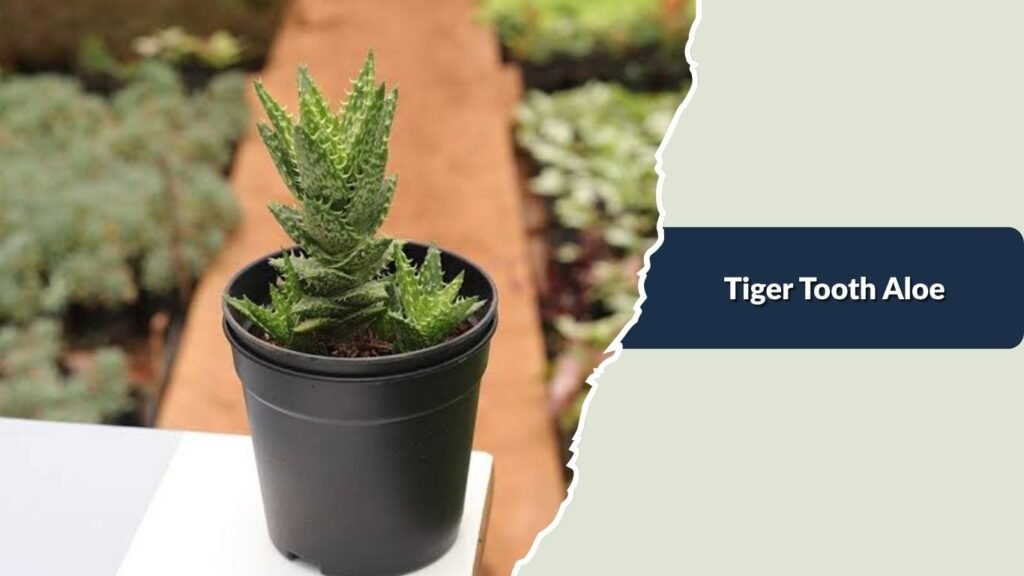
Tiger Tooth Aloe (Aloe juvenna) is an attractive indoor succulent recognized for its stacked, triangular green leaves with small white teeth along the edges. Its leaves grow closely together on upright stems, creating a distinctive architectural appearance. Under bright sunlight, the foliage may develop reddish or bronze tones. This compact, drought-tolerant Aloe is an excellent choice for sunny windowsills, decorative containers, and small indoor succulent collections.
Identification
- Scientific Name: Aloe juvenna
- Common Name: Tiger Tooth Aloe
- Plant Type: Perennial succulent
- Leaf Color: Bright green, sometimes reddish
- Mature Height: 6–12 inches or taller
- Growth Habit: Upright, clustering stems
- Flower Color: Orange-red
- Light Requirements: Bright light with some direct sunlight
- Distinctive Feature: Stacked triangular leaves with white marginal teeth
Ideal Indoor Growing Conditions
Tiger Tooth Aloe thrives in bright sunlight and grows well near south-facing or west-facing windows. It needs sufficient light to maintain compact growth and attractive leaf coloration. The ideal temperature ranges between 60°F and 80°F (16°C–27°C). Use a well-draining cactus or succulent potting mix and a container with drainage holes. This plant prefers relatively dry indoor conditions and should be protected from frost and prolonged exposure to cold temperatures.
Watering & Maintenance Tips
Water Tiger Tooth Aloe thoroughly after the soil has dried completely. During spring and summer, watering may be required every two to three weeks, depending on temperature and sunlight. Reduce watering during cooler months to prevent root rot. Remove damaged or dried leaves and rotate the container occasionally for even growth. If the plant becomes crowded, separate offsets or use healthy stem cuttings for propagation. Avoid excessive fertilization to maintain compact, healthy growth.
4. Tiger Aloe
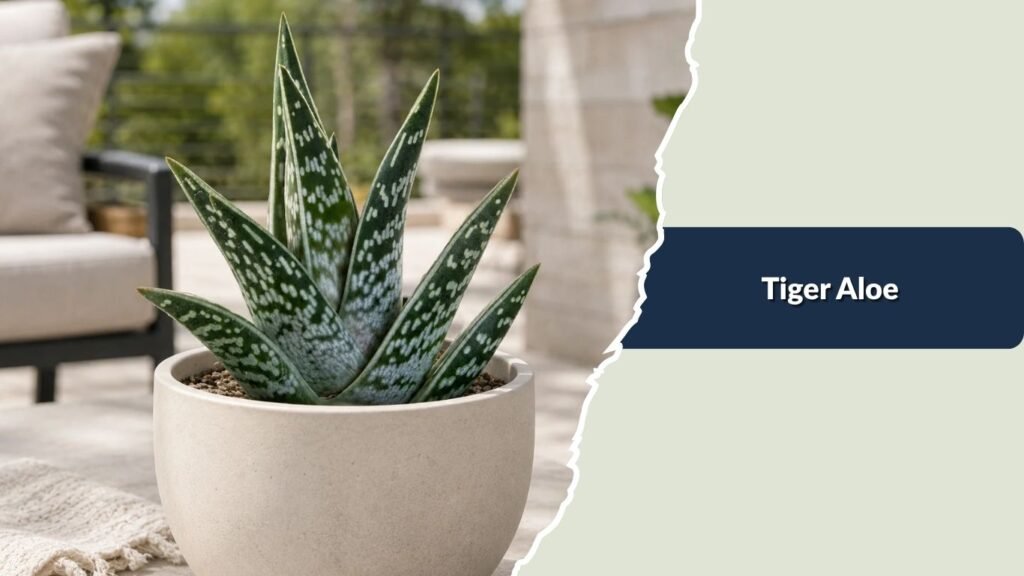
Tiger Aloe (Gonialoe variegata) is an attractive indoor succulent known for its distinctive green leaves decorated with white stripes and spots. Its thick, triangular leaves grow in compact, overlapping rows, creating a striking appearance. This slow-growing plant is perfect for windowsills, small containers, and indoor succulent collections. Its unique foliage and low maintenance requirements make it popular among indoor gardeners.
Identification
- Scientific Name: Gonialoe variegata
- Common Name: Tiger Aloe
- Plant Type: Evergreen succulent
- Leaf Color: Dark green with white stripes
- Mature Height: 8–12 inches
- Growth Habit: Compact, upright rosette
- Flower Color: Pink to coral-orange
- Light Requirements: Bright, indirect light
- Distinctive Feature: Triangular leaves with tiger-like white markings
Ideal Indoor Growing Conditions
Tiger Aloe grows best in bright, indirect sunlight with some gentle morning sun. An east-facing or bright south-facing window is suitable. It prefers temperatures between 60°F and 80°F (16°C–27°C). Use well-draining cactus or succulent soil mixed with perlite or pumice. Choose a container with drainage holes to prevent water accumulation. This plant adapts well to normal indoor humidity and should be protected from intense afternoon sunlight.
Watering & Maintenance Tips
Water Tiger Aloe when the soil dries completely, usually every two to three weeks during active growth. Reduce watering during its slower growth periods. Avoid overwatering because excessive moisture can damage the roots. Remove dried leaves and rotate the container occasionally for balanced growth. Repot every few years or when roots become crowded. Healthy offsets can be separated and planted individually.
5. Short-Leaf Aloe
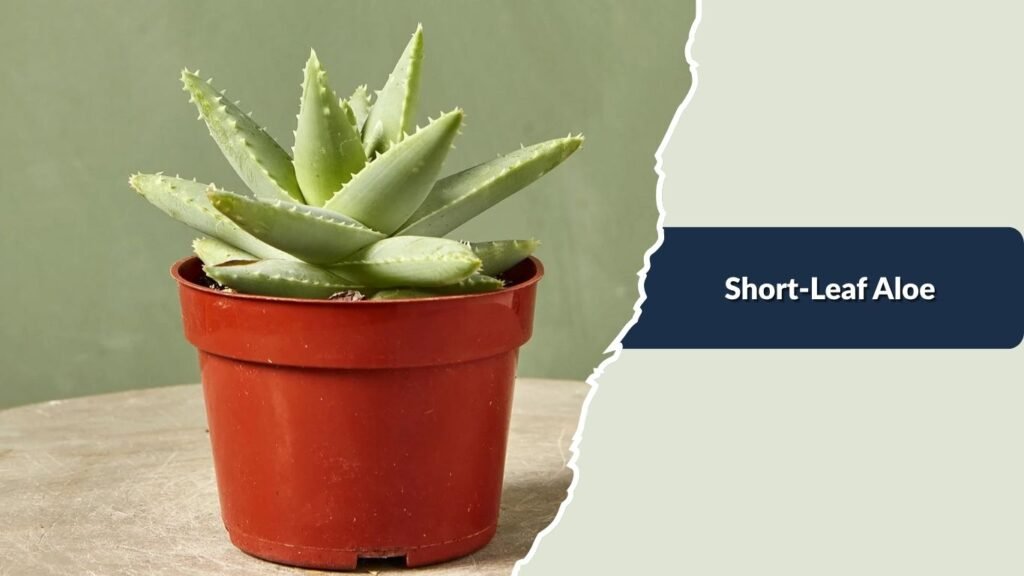
Short-Leaf Aloe (Aloe brevifolia) is a compact, low-growing succulent recognized for its thick, blue-green leaves and small white teeth along the edges. Its triangular leaves form dense rosettes that gradually produce attractive clusters. This Aloe is especially suitable for sunny indoor windowsills, decorative pots, and succulent arrangements. Its manageable size and drought tolerance make it a practical choice for indoor gardening.
Identification
- Scientific Name: Aloe brevifolia
- Common Name: Short-Leaf Aloe
- Plant Type: Evergreen succulent
- Leaf Color: Blue-green to grayish-green
- Mature Height: 4–6 inches
- Growth Habit: Compact, clustering rosettes
- Flower Color: Orange-red
- Light Requirements: Bright light with some direct sunlight
- Distinctive Feature: Short, triangular leaves with white marginal teeth
Ideal Indoor Growing Conditions
Short-Leaf Aloe thrives in bright indoor locations that receive several hours of sunlight daily. A south-facing or west-facing window is ideal, although plants should be gradually introduced to strong sunlight. It prefers temperatures between 60°F and 80°F (16°C–27°C). Use a well-draining succulent potting mix containing sand, perlite, or pumice. A shallow container with drainage holes works well for its compact root system. Normal indoor humidity is generally suitable.
Watering & Maintenance Tips
Water Short-Leaf Aloe thoroughly when the soil becomes completely dry. During warmer months, watering may be needed every two to three weeks, depending on growing conditions. Reduce watering during winter to prevent excess moisture. Avoid leaving standing water around the roots because it can cause rot. Remove dead leaves and occasionally rotate the pot for even growth. Separate offsets when the plant becomes crowded to encourage healthy development.
6. Soap Aloe
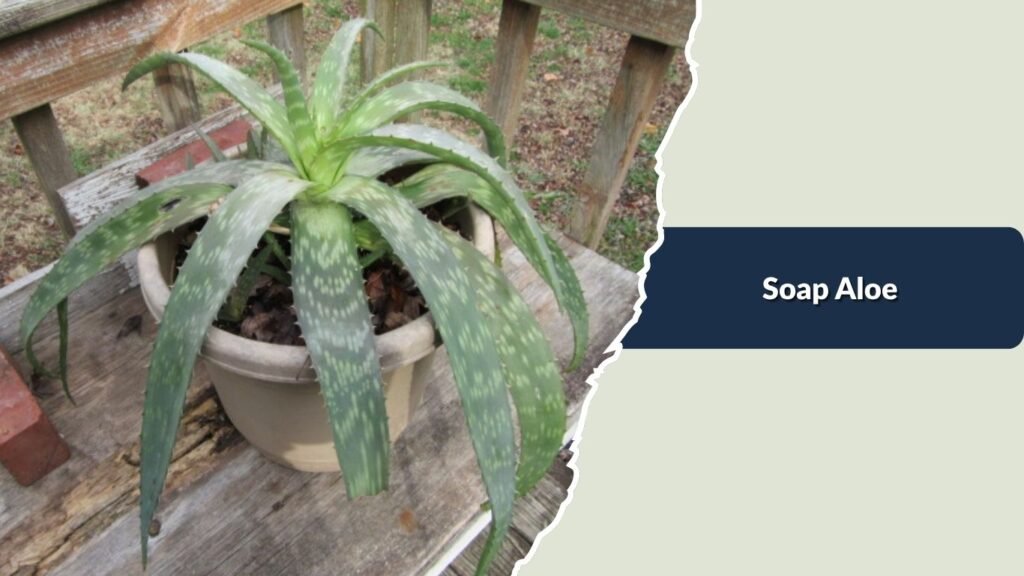
Soap Aloe (Aloe maculata) is an attractive succulent known for its thick, spotted leaves and colorful flowers. Its broad, fleshy leaves feature white markings and small teeth along the edges, forming spreading rosettes. Although it can grow relatively large, Soap Aloe adapts well to indoor containers when provided with sufficient sunlight and space. Its decorative foliage makes it an interesting addition to indoor succulent collections.
Identification
- Scientific Name: Aloe maculata
- Common Name: Soap Aloe
- Plant Type: Evergreen succulent
- Leaf Color: Green with white spots
- Mature Height: 12–24 inches
- Growth Habit: Spreading, clustering rosettes
- Flower Color: Orange, red, or yellow
- Light Requirements: Bright light with direct sunlight
- Distinctive Feature: Broad, spotted leaves with toothed edges
Ideal Indoor Growing Conditions
Soap Aloe thrives in bright indoor locations that receive several hours of direct sunlight. A south-facing window is usually ideal for maintaining healthy growth. It prefers temperatures between 60°F and 80°F (16°C–27°C). Use a well-draining cactus or succulent potting mix containing perlite or pumice. Choose a sturdy container with drainage holes and enough room for its spreading rosettes. This plant tolerates normal indoor humidity but needs good airflow.
Watering & Maintenance Tips
Water Soap Aloe thoroughly after the soil dries completely. During active growth, watering may be needed every two to three weeks, depending on indoor conditions. Reduce watering during cooler months. Avoid excessive moisture because soggy soil can cause root rot. Remove damaged leaves and occasionally rotate the pot for balanced growth. Repot when the plant outgrows its container, and separate healthy offsets for propagation.
7. Coral Aloe
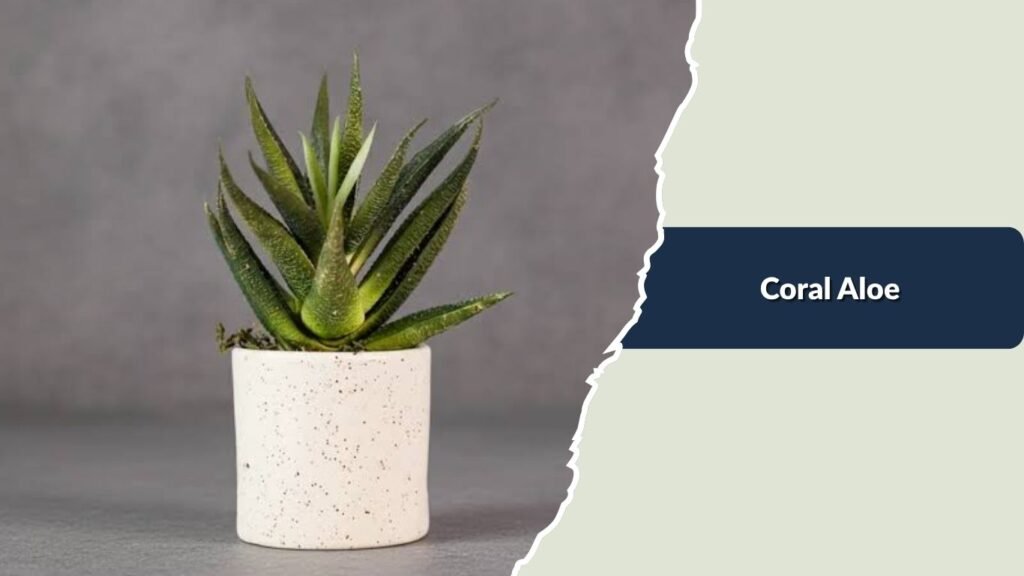
Coral Aloe (Aloe striata) is a beautiful succulent admired for its smooth, broad leaves and attractive coral-colored flowers. Its blue-green foliage often develops pinkish or reddish edges under bright sunlight. Unlike many Aloe varieties, Coral Aloe has smooth leaf margins without sharp teeth. Its symmetrical rosette and elegant appearance make it suitable for spacious indoor locations with plenty of natural light.
Identification
- Scientific Name: Aloe striata
- Common Name: Coral Aloe
- Plant Type: Evergreen succulent
- Leaf Color: Blue-green with pinkish edges
- Mature Height: 12–24 inches
- Growth Habit: Broad, symmetrical rosette
- Flower Color: Coral-orange to red
- Light Requirements: Bright sunlight
- Distinctive Feature: Smooth, toothless leaves with colorful margins
Ideal Indoor Growing Conditions
Coral Aloe grows best in bright indoor spaces with several hours of direct sunlight daily. A south-facing window or sunny conservatory is ideal. It prefers temperatures between 60°F and 80°F (16°C–27°C) and should be protected from frost. Plant it in well-draining succulent soil containing perlite, pumice, or coarse sand. Choose a wide container with drainage holes to accommodate its spreading leaves. Good ventilation and sufficient sunlight help maintain healthy foliage.
Watering & Maintenance Tips
Water Coral Aloe deeply when the potting mix has dried completely. During warmer months, watering may be necessary every two to three weeks, depending on sunlight and temperature. Reduce watering during winter or slower growth periods. Avoid waterlogged soil to prevent root rot. Remove dried outer leaves and inspect the plant occasionally for pests. Repot when necessary, using a slightly larger container to provide enough space for its developing roots.
8. Spiral Aloe
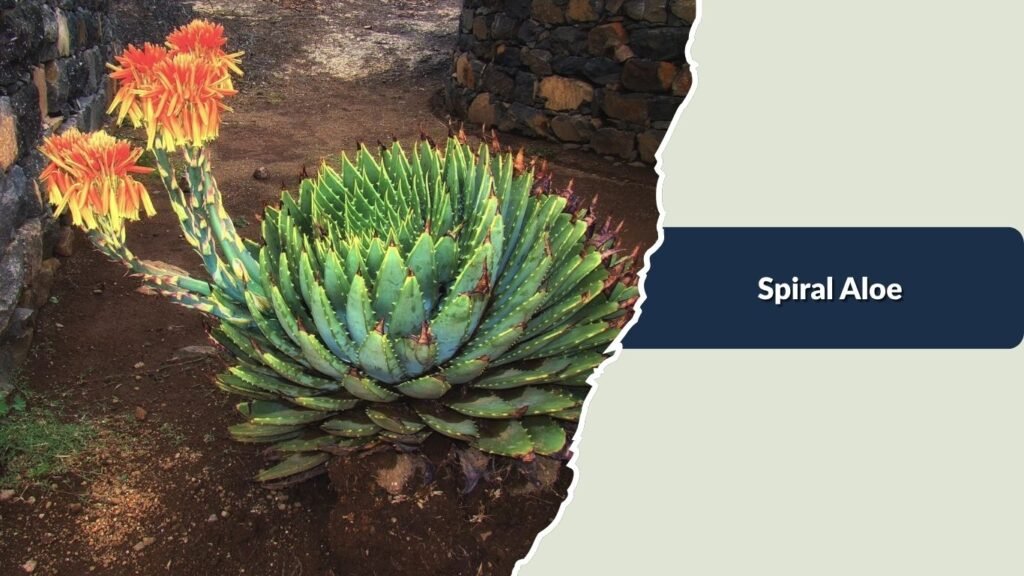
Spiral Aloe (Aloe polyphylla) is a rare and beautiful succulent known for its perfectly arranged spiral-shaped leaves. Its thick, triangular green leaves grow in a distinctive geometric pattern, creating an eye-catching appearance. Although challenging to grow indoors, Spiral Aloe can thrive in suitable conditions with bright light, cool temperatures, and excellent drainage. Its unusual appearance makes it highly desirable among succulent collectors.
Identification
- Scientific Name: Aloe polyphylla
- Common Name: Spiral Aloe
- Plant Type: Evergreen succulent
- Leaf Color: Green to grayish-green
- Mature Height: 6–12 inches
- Growth Habit: Compact, symmetrical spiral rosette
- Flower Color: Pink to reddish-orange
- Light Requirements: Bright light with some direct sunlight
- Distinctive Feature: Leaves arranged in a five-ranked spiral pattern
Ideal Indoor Growing Conditions
Spiral Aloe requires bright light, cool temperatures, and excellent airflow for healthy growth. A bright window with gentle morning sunlight or a suitable grow light can help maintain its compact appearance. It generally prefers temperatures between 50°F and 75°F (10°C–24°C) and struggles in prolonged heat. Use a gritty, fast-draining succulent mix containing pumice or perlite. Choose a container with drainage holes and avoid warm, poorly ventilated indoor locations.
Watering & Maintenance Tips
Water Spiral Aloe when the upper soil begins to dry, without allowing the root zone to remain completely dry for extended periods during active growth. Unlike many desert Aloes, it prefers somewhat more consistent moisture while still requiring excellent drainage. Reduce watering during cold or slow-growing periods. Avoid waterlogging and protect the plant from excessive heat. Repot carefully when necessary, as its roots are sensitive to disturbance.
9. Sunset Aloe
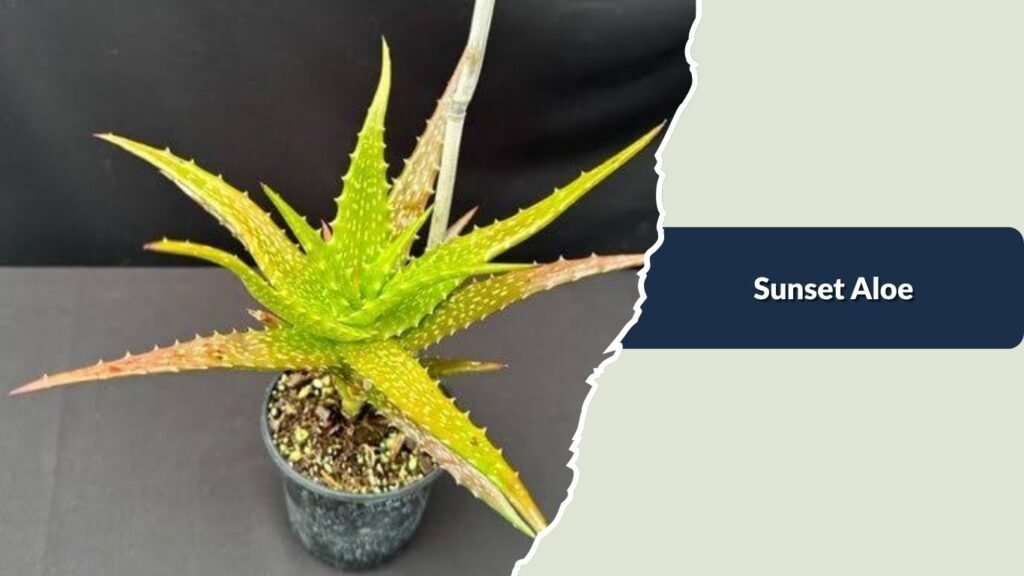
Sunset Aloe (Aloe dorotheae) is a colorful succulent admired for its bright green leaves that develop vibrant red or orange tones under strong sunlight. Its fleshy, triangular leaves feature small teeth along their margins and form attractive spreading rosettes. Sunset Aloe is an excellent decorative plant for sunny indoor windowsills and succulent arrangements. Its striking foliage adds warmth and visual interest to indoor spaces.
Identification
- Scientific Name: Aloe dorotheae
- Common Name: Sunset Aloe
- Plant Type: Evergreen succulent
- Leaf Color: Green, turning orange-red in strong sunlight
- Mature Height: 8–12 inches
- Growth Habit: Spreading, clustering rosettes
- Flower Color: Reddish-orange
- Light Requirements: Bright light with some direct sunlight
- Distinctive Feature: Colorful leaves that develop sunset-like red and orange shades
Ideal Indoor Growing Conditions
Sunset Aloe thrives in bright indoor locations with several hours of sunlight daily. A south-facing or west-facing window is suitable, although intense sunlight should be introduced gradually. It prefers temperatures between 60°F and 80°F (16°C–27°C). Use a well-draining cactus or succulent mix containing pumice, perlite, or coarse mineral material. Choose a pot with drainage holes to prevent excess moisture. Adequate sunlight helps maintain its attractive reddish foliage.
Watering & Maintenance Tips
Water Sunset Aloe thoroughly when the soil dries completely. During warmer months, watering may be necessary every two to three weeks, depending on growing conditions. Reduce watering during cooler months to prevent root rot. Avoid leaving water standing in the container. Remove dried or damaged leaves to maintain its appearance. Repot when the plant becomes overcrowded, and separate healthy offsets for propagation. Rotate the pot occasionally to encourage balanced growth.
10. Christmas Carol Aloe
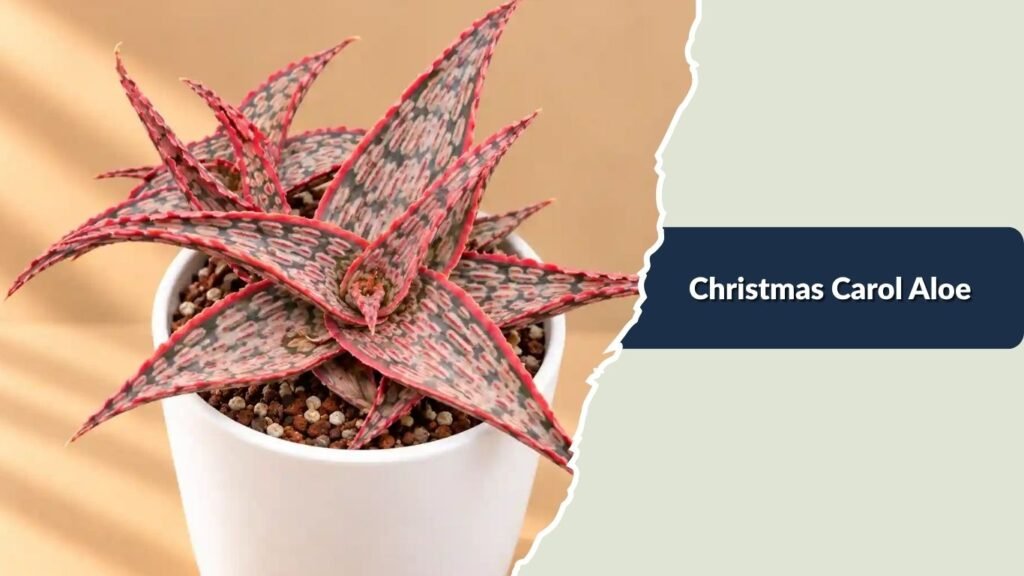
Christmas Carol Aloe (Aloe ‘Christmas Carol’) is a beautiful hybrid succulent known for its dark green leaves with bright red edges and raised red markings. Its compact, star-shaped rosette creates a striking appearance, making it an excellent choice for indoor succulent collections. This slow-growing Aloe is ideal for sunny windowsills, decorative containers, and small indoor gardens.
Identification
- Scientific Name: Aloe ‘Christmas Carol’
- Common Name: Christmas Carol Aloe
- Plant Type: Evergreen hybrid succulent
- Leaf Color: Dark green with red edges and markings
- Mature Height: 6–12 inches
- Growth Habit: Compact, star-shaped rosette
- Flower Color: Pinkish-red to orange-red
- Light Requirements: Bright light with some direct sunlight
- Distinctive Feature: Vibrant red leaf margins and raised markings
Ideal Indoor Growing Conditions
Christmas Carol Aloe thrives in bright indoor locations with several hours of filtered or gentle direct sunlight. An east-facing or bright south-facing window is suitable. It prefers temperatures between 60°F and 80°F (16°C–27°C). Use a well-draining cactus or succulent potting mix containing perlite or pumice. Choose a container with drainage holes to prevent water accumulation. Bright light helps maintain its attractive red coloration.
Watering & Maintenance Tips
Water Christmas Carol Aloe thoroughly when the soil becomes completely dry. During warmer months, watering may be needed every two to three weeks, depending on indoor conditions. Reduce watering during winter to prevent root rot. Avoid leaving water standing around the roots. Remove dried outer leaves and rotate the container occasionally for even growth. Repot when the plant becomes crowded, and separate healthy offsets to grow new plants.
11. Crosby’s Prolific Aloe
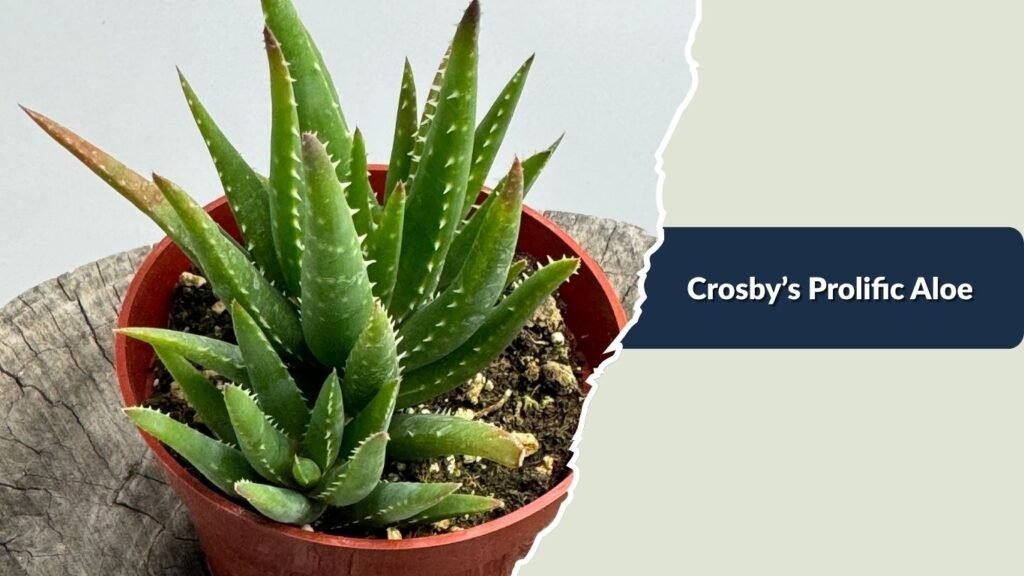
Crosby’s Prolific Aloe (Aloe ‘Crosby’s Prolific’) is a compact hybrid succulent admired for its thick, triangular leaves and attractive reddish coloring. Its green foliage features small white teeth along the edges and may develop orange-red tones under bright sunlight. This Aloe produces numerous offsets, forming dense clusters over time. Its small size and easy maintenance make it suitable for indoor windowsills, decorative pots, and succulent collections.
Identification
- Scientific Name: Aloe ‘Crosby’s Prolific’
- Common Name: Crosby’s Prolific Aloe
- Plant Type: Evergreen hybrid succulent
- Leaf Color: Green with reddish-orange tones
- Mature Height: 6–10 inches
- Growth Habit: Compact, clustering rosettes
- Flower Color: Orange to reddish-orange
- Light Requirements: Bright light with some direct sunlight
- Distinctive Feature: Small triangular leaves and abundant offsets
Ideal Indoor Growing Conditions
Crosby’s Prolific Aloe grows best in bright indoor locations that receive several hours of sunlight daily. A south-facing or west-facing window is ideal, although intense sunlight should be introduced gradually. It prefers temperatures between 60°F and 80°F (16°C–27°C). Plant it in a well-draining succulent mix containing perlite, pumice, or coarse sand. A shallow container with drainage holes works well for its compact growth habit. Normal indoor humidity is generally suitable.
Watering & Maintenance Tips
Water Crosby’s Prolific Aloe when the soil becomes completely dry. During active growth, watering may be needed every two to three weeks, depending on sunlight and temperature. Reduce watering during winter. Avoid excessive moisture because waterlogged soil can cause root rot. Remove damaged leaves and inspect the plant occasionally for pests. Separate offsets when the container becomes crowded to maintain healthy growth and propagate additional plants.
12. Dwarf Hedgehog Aloe
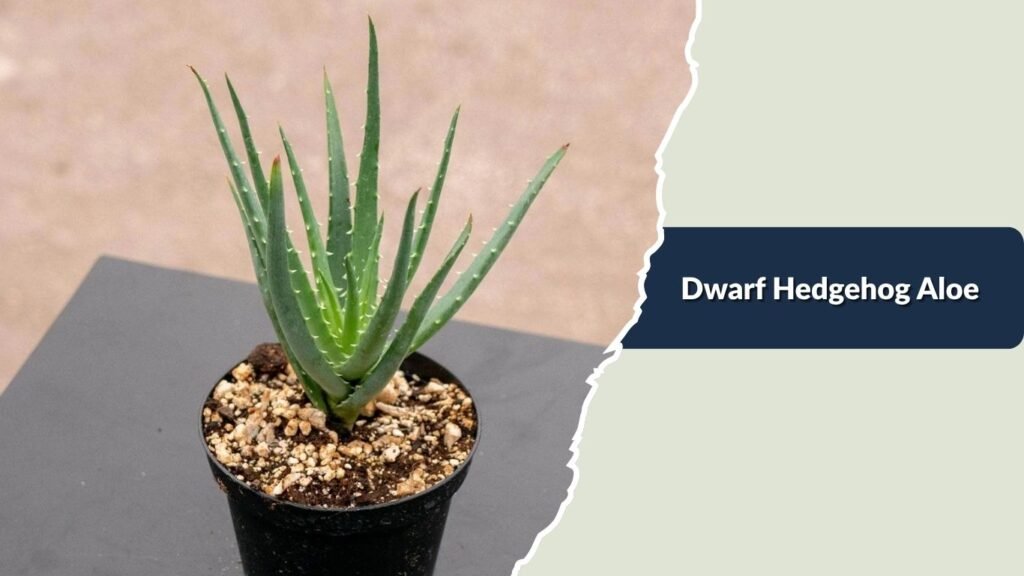
Dwarf Hedgehog Aloe (Aloe humilis) is a compact succulent known for its thick, blue-green leaves covered with small white teeth and bumps. Its narrow, pointed leaves form dense rosettes that resemble tiny hedgehogs. This slow-growing Aloe is perfect for indoor windowsills, small containers, and succulent arrangements. Its drought tolerance and attractive appearance make it suitable for beginner indoor gardeners.
Identification
- Scientific Name: Aloe humilis
- Common Name: Dwarf Hedgehog Aloe
- Plant Type: Evergreen succulent
- Leaf Color: Blue-green to grayish-green
- Mature Height: 4–8 inches
- Growth Habit: Compact, clustering rosettes
- Flower Color: Orange-red
- Light Requirements: Bright light with some direct sunlight
- Distinctive Feature: Pointed leaves with white teeth and raised bumps
Ideal Indoor Growing Conditions
Dwarf Hedgehog Aloe thrives in bright indoor locations with several hours of gentle sunlight daily. A south-facing or east-facing window is suitable. It prefers temperatures between 60°F and 80°F (16°C–27°C). Use a well-draining cactus or succulent potting mix containing perlite or pumice. Choose a small container with drainage holes to prevent excess moisture. This plant tolerates normal indoor humidity and requires good airflow for healthy growth.
Watering & Maintenance Tips
Water Dwarf Hedgehog Aloe thoroughly when the soil becomes completely dry. During warmer months, watering may be needed every two to three weeks, depending on indoor conditions. Reduce watering during cooler months to prevent root rot. Avoid leaving water standing in the saucer. Remove dried outer leaves and rotate the pot occasionally for balanced growth. Repot when the plant becomes overcrowded, and separate healthy offsets for propagation.
13. Blue Elf Aloe

Blue Elf Aloe (Aloe ‘Blue Elf’) is an attractive hybrid succulent recognized for its narrow, blue-green leaves and compact, upright growth. Its slender leaves have small teeth along the edges and form dense rosettes. This Aloe is popular for its colorful foliage, drought tolerance, and relatively easy maintenance. It grows well in sunny indoor locations and makes a beautiful addition to decorative containers and succulent collections.
Identification
- Scientific Name: Aloe ‘Blue Elf’
- Common Name: Blue Elf Aloe
- Plant Type: Evergreen hybrid succulent
- Leaf Color: Blue-green to grayish-blue
- Mature Height: 12–18 inches
- Growth Habit: Upright, clustering rosettes
- Flower Color: Orange-red
- Light Requirements: Bright light with direct sunlight
- Distinctive Feature: Narrow, blue-green leaves with fine marginal teeth
Ideal Indoor Growing Conditions
Blue Elf Aloe grows best in bright indoor locations that receive several hours of sunlight daily. A south-facing or west-facing window is ideal for maintaining its compact growth and blue-green foliage. It prefers temperatures between 60°F and 80°F (16°C–27°C). Plant it in well-draining cactus or succulent soil containing pumice or perlite. Choose a container with drainage holes and sufficient space for developing offsets. Normal indoor humidity is suitable, but good ventilation is beneficial.
Watering & Maintenance Tips
Water Blue Elf Aloe thoroughly after the soil becomes completely dry. During spring and summer, watering may be necessary every two to three weeks, depending on temperature and sunlight. Reduce watering during winter or slower growth periods. Avoid overwatering because constantly wet soil can cause root rot. Remove damaged leaves and rotate the pot occasionally to encourage balanced growth. Repot when the plant outgrows its container, and separate healthy offsets to produce new plants.
14. Snowflake Aloe
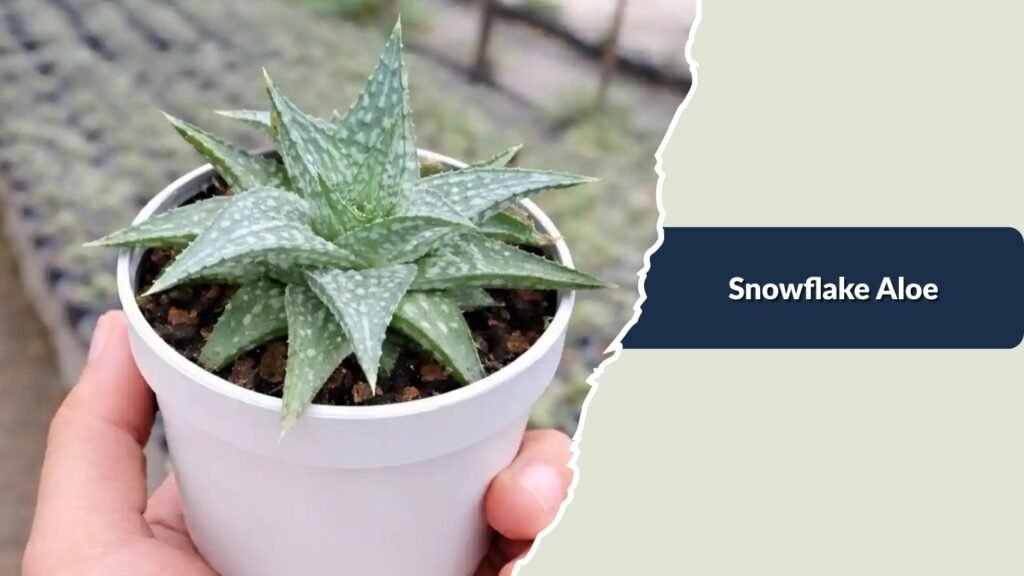
Snowflake Aloe (Aloe rauhii) is a beautiful, compact succulent known for its green leaves covered with distinctive white spots and markings. Its thick, triangular leaves form attractive rosettes that create a snowflake-like appearance. This slow-growing Aloe is ideal for indoor windowsills, decorative containers, and small succulent collections. Its manageable size and drought tolerance make it suitable for indoor gardeners.
Identification
- Scientific Name: Aloe rauhii
- Common Name: Snowflake Aloe
- Plant Type: Evergreen succulent
- Leaf Color: Green with white spots and patterns
- Mature Height: 4–6 inches
- Growth Habit: Compact, clustering rosettes
- Flower Color: Orange to coral-red
- Light Requirements: Bright, indirect light with gentle sunlight
- Distinctive Feature: White snowflake-like markings on triangular leaves
Ideal Indoor Growing Conditions
Snowflake Aloe thrives in bright indoor locations with filtered sunlight or gentle morning sun. An east-facing or bright south-facing window is suitable. It prefers temperatures between 60°F and 80°F (16°C–27°C). Use a well-draining cactus or succulent potting mix containing perlite or pumice. Choose a small container with drainage holes to prevent excess moisture. Normal indoor humidity is generally suitable, but good airflow helps maintain healthy growth.
Watering & Maintenance Tips
Water Snowflake Aloe thoroughly when the soil becomes completely dry. During warmer months, watering may be needed every two to three weeks, depending on indoor conditions. Reduce watering during winter to prevent root rot. Avoid leaving water standing around the roots. Remove dried or damaged leaves and occasionally rotate the pot for balanced growth. Repot when the plant becomes overcrowded, and separate healthy offsets to grow new plants.
15. Pink Blush Aloe
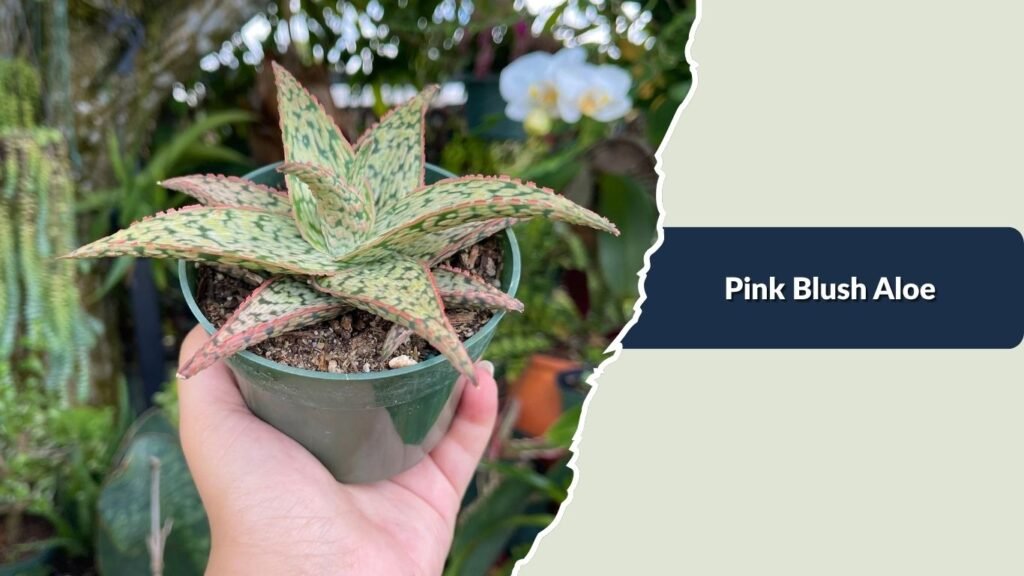
Pink Blush Aloe (Aloe ‘Pink Blush’) is an attractive hybrid succulent admired for its green leaves decorated with raised pink markings and colorful edges. Its thick, triangular leaves form compact rosettes, creating a striking appearance. Under bright light, the pink and reddish tones become more noticeable. This ornamental Aloe is perfect for indoor windowsills, decorative pots, and succulent collections.
Identification
- Scientific Name: Aloe ‘Pink Blush’
- Common Name: Pink Blush Aloe
- Plant Type: Evergreen hybrid succulent
- Leaf Color: Green with pink and reddish markings
- Mature Height: 6–12 inches
- Growth Habit: Compact, clustering rosettes
- Flower Color: Orange to reddish-orange
- Light Requirements: Bright light with some direct sunlight
- Distinctive Feature: Raised pink spots and colorful leaf margins
Ideal Indoor Growing Conditions
Pink Blush Aloe grows best in bright indoor locations that receive several hours of gentle sunlight daily. An east-facing or south-facing window is suitable, although intense afternoon sunlight should be introduced gradually. It prefers temperatures between 60°F and 80°F (16°C–27°C). Plant it in a well-draining succulent potting mix containing perlite or pumice. Choose a container with drainage holes to prevent water accumulation. Bright light helps maintain its attractive pink coloration.
Watering & Maintenance Tips
Water Pink Blush Aloe thoroughly when the potting mix becomes completely dry. During active growth, watering may be needed every two to three weeks, depending on sunlight and temperature. Reduce watering during cooler months. Avoid excessive moisture because soggy soil can cause root rot. Remove damaged leaves and rotate the container occasionally for balanced growth. Repot when necessary, and separate healthy offsets to propagate additional plants.
16. Partridge-Breasted Aloe

Partridge-Breasted Aloe (Gonialoe variegata) is an attractive succulent known for its distinctive white-striped leaves and compact growth habit. Its thick, triangular leaves feature dark green coloring with irregular white markings, creating a striking pattern. This slow-growing plant adapts well to indoor containers and is suitable for sunny windowsills, desks, and small succulent collections. It is also commonly called Tiger Aloe.
Identification
- Scientific Name: Gonialoe variegata
- Common Name: Partridge-Breasted Aloe
- Plant Type: Evergreen succulent
- Leaf Color: Dark green with white stripes
- Mature Height: 8–12 inches
- Growth Habit: Compact, upright rosette
- Flower Color: Pink to coral-orange
- Light Requirements: Bright, indirect light
- Distinctive Feature: Triangular leaves with distinctive white markings
Ideal Indoor Growing Conditions
Partridge-Breasted Aloe grows best in bright indoor locations with filtered sunlight or gentle morning sun. An east-facing or bright south-facing window is suitable. It prefers temperatures between 60°F and 80°F (16°C–27°C). Use a well-draining cactus or succulent potting mix containing perlite or pumice. Choose a container with drainage holes to prevent excess moisture. This plant tolerates normal indoor humidity and benefits from good air circulation.
Watering & Maintenance Tips
Water Partridge-Breasted Aloe thoroughly when the soil becomes completely dry. During active growth, watering may be needed every two to three weeks, depending on indoor conditions. Reduce watering during cooler periods. Avoid overwatering because waterlogged soil can cause root rot. Remove dried outer leaves and rotate the pot occasionally for balanced growth. Repot when necessary, and separate healthy offsets to propagate new plants.
17. Miniature Aloe
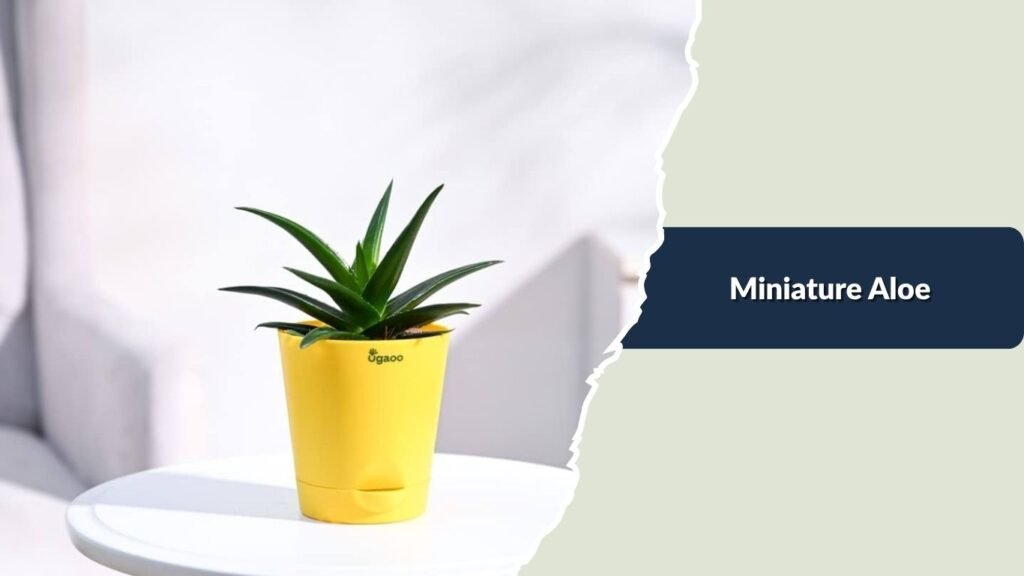
Miniature Aloe (Aloe descoingsii) is one of the smallest Aloe species, making it an excellent choice for compact indoor gardens. This charming succulent features tiny, triangular green leaves decorated with white spots and small teeth along the edges. Its leaves form dense rosettes that gradually produce clusters. Its compact size and attractive foliage make it ideal for small pots, sunny windowsills, and decorative succulent arrangements.
Identification
- Scientific Name: Aloe descoingsii
- Common Name: Miniature Aloe
- Plant Type: Evergreen succulent
- Leaf Color: Green with white spots
- Mature Height: 1–3 inches
- Growth Habit: Tiny, clustering rosettes
- Flower Color: Orange to reddish-orange
- Light Requirements: Bright, indirect light with gentle sunlight
- Distinctive Feature: Extremely small rosettes with spotted, triangular leaves
Ideal Indoor Growing Conditions
Miniature Aloe thrives in bright indoor locations with filtered sunlight or gentle morning sun. An east-facing windowsill is ideal, while a south-facing window can work with protection from intense afternoon sunlight. It prefers temperatures between 60°F and 80°F (16°C–27°C). Use a gritty, well-draining succulent potting mix containing pumice or perlite. Choose a small pot with drainage holes to prevent excess moisture. Normal indoor humidity is generally suitable.
Watering & Maintenance Tips
Water Miniature Aloe when the potting mix becomes completely dry. Its small container may dry faster than larger succulent pots, so check soil moisture regularly rather than following a fixed schedule. Reduce watering during cooler months. Avoid waterlogging because its delicate roots are vulnerable to rot. Remove dried leaves carefully and provide adequate airflow. Repot when the plant becomes crowded, and separate healthy offsets to grow additional miniature plants.
FAQs
1. Which Types of Aloe Plants Are Best for Indoor Growing?
Aloe Vera, Lace Aloe, Tiger Tooth Aloe, Christmas Carol Aloe, and Snowflake Aloe are excellent choices for indoor growing. These varieties are relatively compact, require minimal maintenance, and grow well in containers with sufficient sunlight and proper drainage.
2. Do All Types of Aloe Plants Need Direct Sunlight Indoors?
No, not all Aloe plants require direct sunlight. Most prefer bright light, but some varieties, such as Lace Aloe and Snowflake Aloe, tolerate bright indirect light. Gentle morning sunlight is often beneficial, while intense afternoon sunlight may scorch sensitive leaves.
3. How Often Should Indoor Aloe Plants Be Watered?
Most indoor Aloe plants should be watered when their potting soil becomes completely dry. This may mean watering every two to three weeks during warmer months and less frequently during winter. Watering frequency depends on temperature, sunlight, container size, and soil drainage.
4. What Is the Smallest Type of Aloe Plant for Indoor Growing?
Miniature Aloe (Aloe descoingsii) is among the smallest Aloe species, typically growing only 1–3 inches tall. Its tiny rosettes and decorative spotted leaves make it ideal for small pots, windowsills, and compact indoor succulent collections.
5. Can Different Types of Aloe Plants Grow Together in One Pot?
Yes, different Aloe varieties can grow together if they have similar light, watering, and soil requirements. Choose compact varieties and provide enough space for growth. Always use well-draining succulent soil and a container with drainage holes to prevent root rot.