
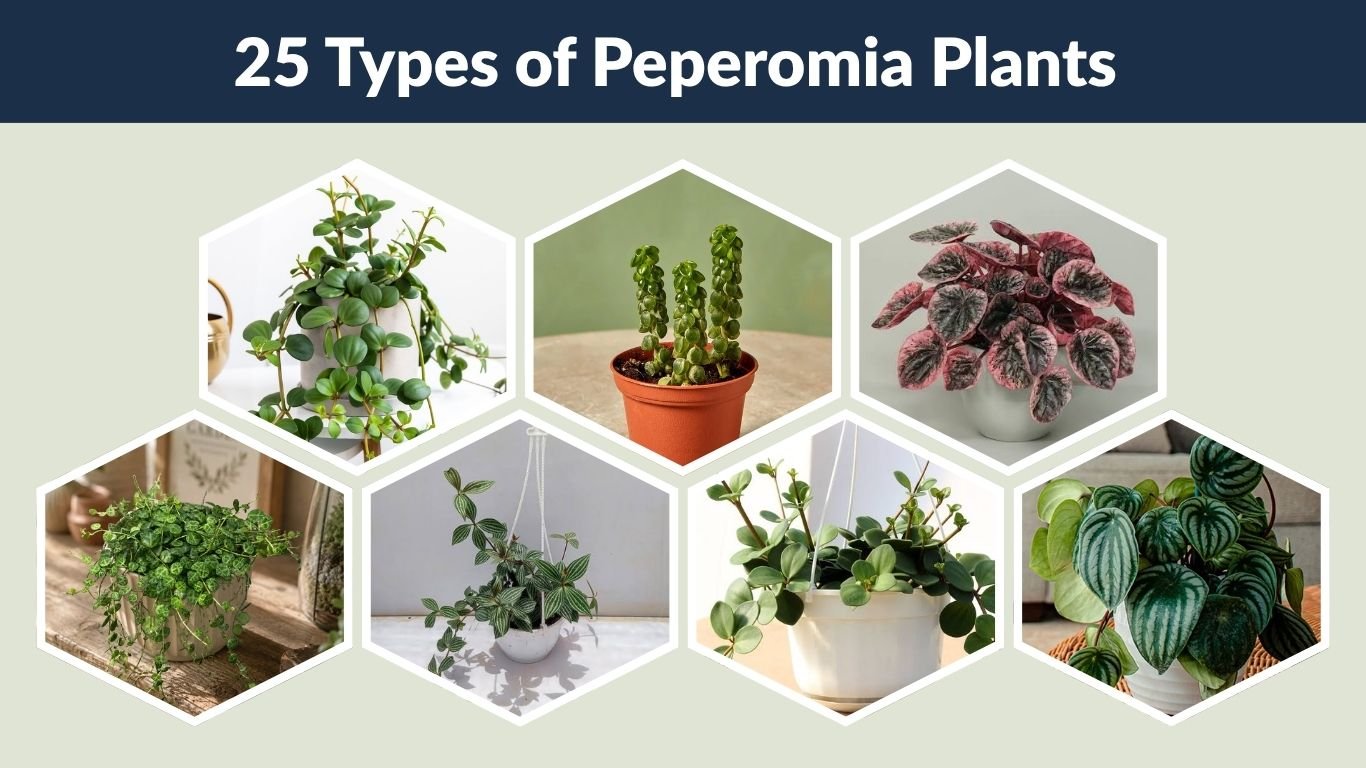
Looking for beautiful, low-maintenance houseplants to brighten your indoor space? These 25 types of Peperomia plants offer stunning foliage, unique leaf patterns, and compact growth habits. From Watermelon Peperomia and Baby Rubber Plant to String of Turtles, discover attractive varieties perfect for shelves, desks, and hanging baskets. Explore their identification features, ideal growing conditions, and essential care tips to keep your indoor plants healthy and thriving.
1. Watermelon Peperomia (Peperomia argyreia)
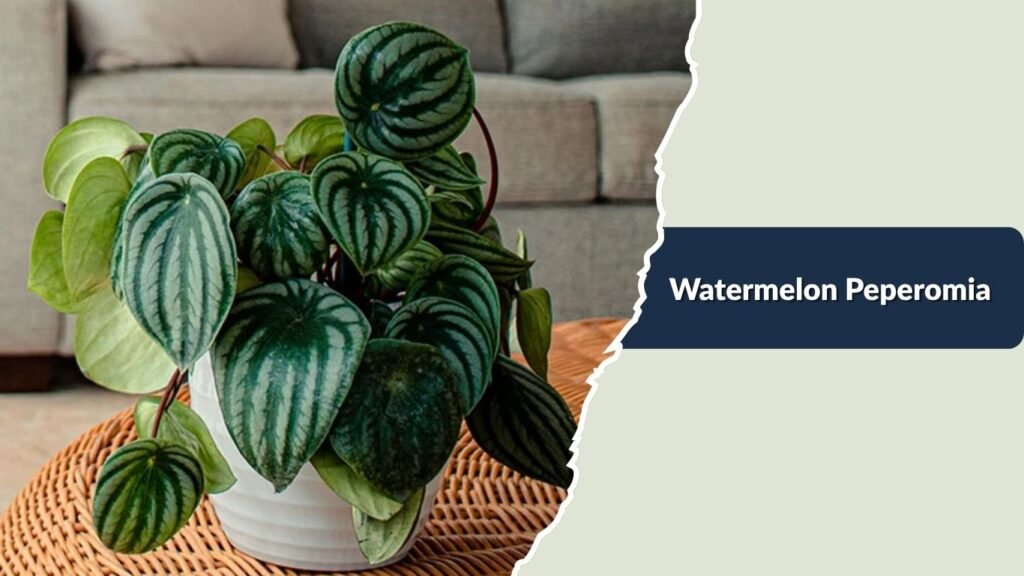
Watermelon Peperomia is a beautiful and compact indoor plant known for its round, silver-striped leaves that resemble miniature watermelons. Native to tropical South America, this attractive houseplant features glossy foliage, reddish stems, and a neat growth habit. Its decorative appearance makes it an excellent choice for desks, shelves, and small indoor spaces. With proper lighting, moderate watering, and well-draining soil, Watermelon Peperomia can thrive indoors while adding natural beauty to your home.
Identification
- Scientific Name: Peperomia argyreia
- Common Name: Watermelon Peperomia
- Plant Family: Piperaceae
- Leaf Shape: Round to oval leaves with pointed tips.
- Leaf Color: Dark green with distinctive silver stripes resembling watermelon patterns.
- Stem Color: Reddish-pink stems supporting the decorative foliage.
- Mature Size: Typically 6–12 inches tall and wide.
- Growth Habit: Compact, bushy, and clump-forming.
- Flower Appearance: Thin, greenish-white flower spikes.
Ideal Indoor Growing Conditions
Watermelon Peperomia grows best in bright, indirect sunlight. Position the plant near an east-facing window or a few feet away from a bright south-facing window with filtered light. Direct afternoon sunlight can scorch its delicate leaves, while insufficient light may reduce the intensity of its attractive silver patterns.Maintain indoor temperatures between 65°F and 80°F (18°C–27°C) and protect the plant from cold drafts. Moderate to high humidity supports healthy foliage, although normal household humidity is often sufficient.Use a loose, well-draining potting mix containing perlite and orchid bark to improve airflow around the roots.
Watering and Maintenance Tips
Water Watermelon Peperomia when the upper 1–2 inches of soil feel dry. Avoid keeping the soil constantly wet because excessive moisture can lead to root rot.Use a pot with drainage holes and empty any excess water from the saucer after watering. During winter, reduce watering frequency as the plant’s growth slows.Apply a diluted, balanced houseplant fertilizer occasionally during spring and summer. Remove damaged leaves and rotate the pot periodically to encourage balanced growth.Repot only when necessary, as Watermelon Peperomia prefers a relatively compact root environment. With consistent care, this charming indoor plant can maintain its striking foliage and healthy growth for years.
2. Baby Rubber Plant (Peperomia obtusifolia)
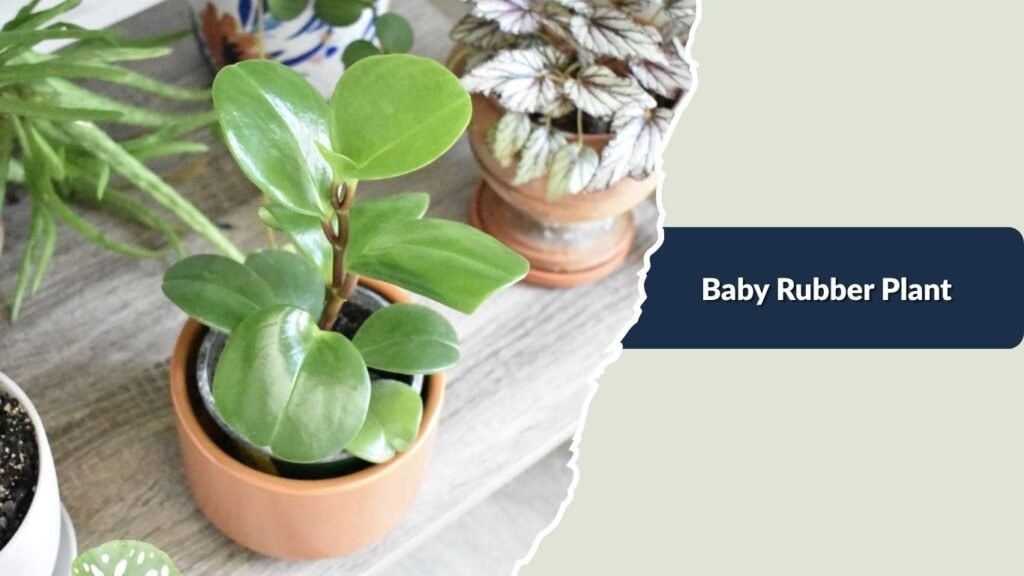
Baby Rubber Plant is a popular indoor houseplant known for its thick, glossy, oval-shaped leaves and compact growth habit. Native to tropical regions of the Americas, this attractive Peperomia variety adds fresh greenery to desks, shelves, and indoor corners. Its fleshy leaves store moisture, making it relatively easy to maintain. With suitable lighting, occasional watering, and well-draining soil, Baby Rubber Plant can thrive indoors throughout the year.
Identification
- Scientific Name: Peperomia obtusifolia
- Common Name: Baby Rubber Plant
- Plant Family: Piperaceae
- Leaf Shape: Thick, rounded, and oval.
- Leaf Color: Glossy, deep green.
- Stem Color: Green to reddish-green.
- Mature Size: Approximately 8–12 inches tall indoors.
- Growth Habit: Upright, compact, and bushy.
- Flowers: Narrow, greenish-white flower spikes.
Ideal Indoor Growing Conditions
Baby Rubber Plant prefers bright, indirect sunlight but can tolerate moderate indoor lighting. Position it near an east-facing window or in a bright room away from intense afternoon sunlight.Maintain temperatures between 65°F and 80°F (18°C–27°C). Use a loose, well-draining potting mix containing perlite to prevent excess moisture around the roots.
Watering and Maintenance Tips
Water when the upper 1–2 inches of soil become dry. Its thick leaves retain moisture, so avoid frequent watering and consistently wet soil.Choose a pot with drainage holes and reduce watering during winter. Apply diluted, balanced fertilizer occasionally during spring and summer.Remove yellowing leaves, clean dusty foliage, and prune leggy stems to encourage bushier growth. Repot when the roots outgrow the container.
3. Ripple Peperomia (Peperomia caperata)
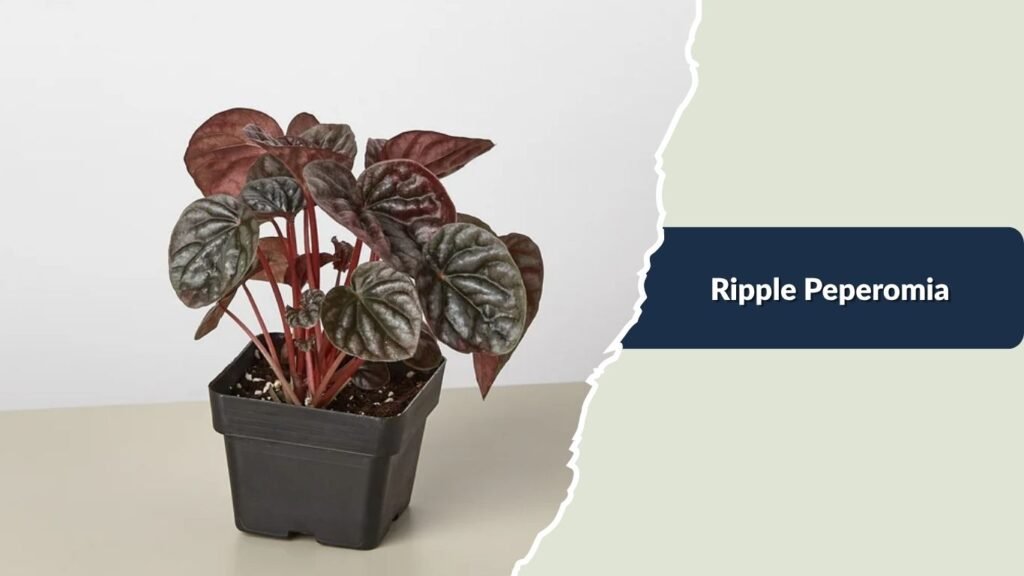
Ripple Peperomia is a beautiful compact houseplant recognized for its deeply textured, heart-shaped leaves and attractive rippled appearance. Native to Brazil, this decorative plant features dense foliage that adds texture and natural beauty to indoor spaces. Its small size makes it suitable for tabletops, shelves, and office desks. With bright, indirect light, consistent temperatures, and careful watering, Ripple Peperomia can maintain its distinctive foliage and healthy growth indoors.
Identification
- Scientific Name: Peperomia caperata
- Common Name: Ripple Peperomia
- Plant Family: Piperaceae
- Leaf Shape: Heart-shaped with deeply wrinkled surfaces.
- Leaf Color: Dark green, often with reddish or purple tones.
- Stem Color: Reddish to dark green.
- Mature Size: Approximately 6–8 inches tall.
- Growth Habit: Compact, mounding, and bushy.
- Flowers: Thin, cream-colored flower spikes.
Ideal Indoor Growing Conditions
Ripple Peperomia grows best in bright, filtered sunlight. Place it near an east-facing window or somewhere receiving gentle indirect light. Strong direct sunlight can damage its textured leaves.Maintain temperatures between 65°F and 80°F (18°C–27°C). Moderate humidity supports healthy foliage, while a loose potting mix containing perlite provides essential drainage.
Watering and Maintenance Tips
Water Ripple Peperomia when the upper inch of soil feels dry. Avoid keeping the potting mix constantly wet because its delicate roots are sensitive to excess moisture.Use a container with drainage holes and reduce watering during cooler months. Apply diluted houseplant fertilizer occasionally during the growing season.Remove faded flowers and damaged leaves to maintain a tidy appearance. Avoid letting water collect in the dense foliage, and repot only when necessary to support healthy indoor growth.
4. Raindrop Peperomia (Peperomia polybotrya)
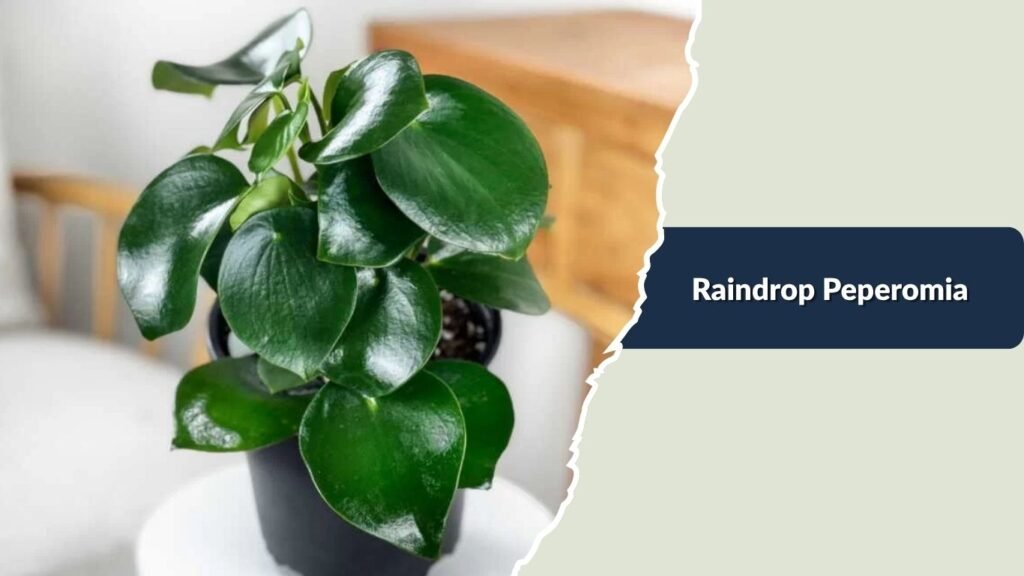
Raindrop Peperomia is an attractive indoor plant recognized for its thick, glossy, raindrop-shaped leaves and upright growth habit. Native to tropical South America, this beautiful houseplant adds a fresh, modern appearance to desks, shelves, and indoor corners. Its fleshy foliage stores moisture, making it relatively easy to maintain. With proper lighting, well-draining soil, and moderate watering, Raindrop Peperomia can grow successfully indoors.
Identification
- Scientific Name: Peperomia polybotrya
- Common Name: Raindrop Peperomia
- Plant Family: Piperaceae
- Leaf Shape: Rounded with distinctive pointed tips.
- Leaf Color: Glossy, deep green.
- Stem Color: Green and fleshy.
- Mature Size: Approximately 12–18 inches tall.
- Growth Habit: Upright, compact, and bushy.
- Flowers: Slender, greenish-white flower spikes.
Ideal Indoor Growing Conditions
Raindrop Peperomia prefers bright, indirect sunlight. Position it near an east-facing window or in a well-lit room protected from strong afternoon sunlight. Insufficient lighting may cause elongated stems.Maintain temperatures between 65°F and 80°F (18°C–27°C). Average household humidity is generally suitable. Use a loose, well-draining potting mix containing perlite and orchid bark.
Watering and Maintenance Tips
Water when the upper 1–2 inches of soil become dry. Its thick leaves retain moisture, so avoid excessive watering and soggy soil.Choose a container with drainage holes and reduce watering during winter. Apply diluted, balanced fertilizer occasionally during spring and summer.Remove damaged leaves, rotate the pot regularly, and clean dusty foliage. Repot when necessary to maintain healthy roots and attractive growth.
5. String of Turtles (Peperomia prostrata)
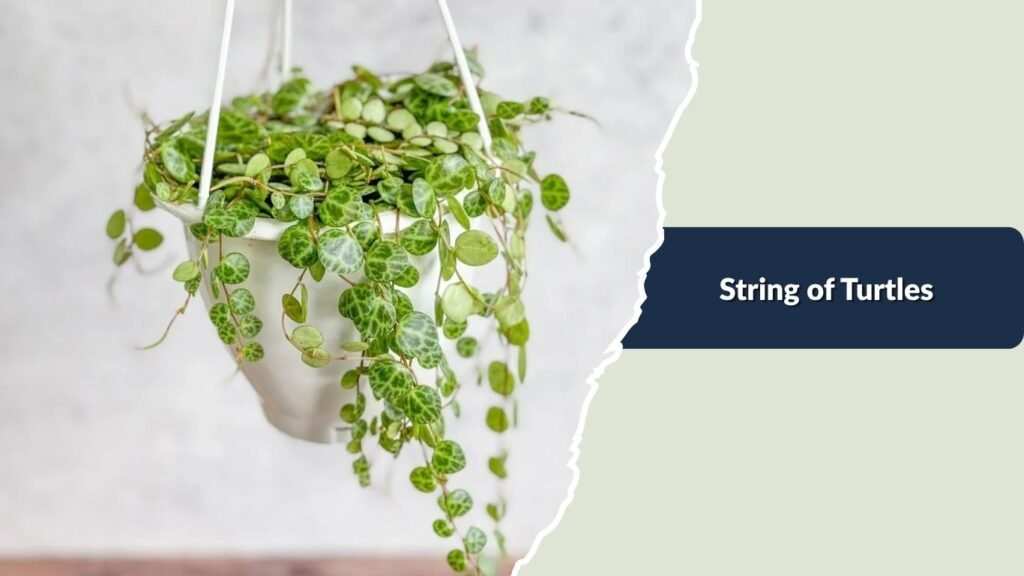
String of Turtles is a charming trailing houseplant known for its tiny, rounded leaves featuring patterns resembling turtle shells. Native to Brazil, this decorative Peperomia variety produces delicate vines that cascade beautifully from hanging baskets and elevated shelves. Its unusual foliage makes it especially attractive for small indoor gardens. With filtered sunlight, moderate humidity, and careful watering, String of Turtles can maintain healthy trailing growth indoors.
Identification
- Scientific Name: Peperomia prostrata
- Common Name: String of Turtles
- Plant Family: Piperaceae
- Leaf Shape: Small, rounded, and slightly fleshy.
- Leaf Color: Green with intricate silver-green patterns.
- Stem Color: Thin, reddish-green.
- Mature Size: Trailing vines approximately 12 inches or longer.
- Growth Habit: Creeping, trailing, and compact.
- Flowers: Tiny, narrow, cream-colored spikes.
Ideal Indoor Growing Conditions
String of Turtles grows best in bright, indirect sunlight. Place it near an east-facing window or in a bright indoor location away from intense direct sun. Gentle lighting helps preserve its decorative leaf patterns.Maintain temperatures between 65°F and 80°F (18°C–27°C). Moderate to high humidity supports healthy foliage. Use an airy, well-draining potting mix containing perlite.
Watering and Maintenance Tips
Water when the upper portion of the potting mix feels dry. Avoid prolonged dryness, but never allow the roots to remain waterlogged.Use a shallow container with drainage holes and reduce watering during cooler months. Apply diluted fertilizer sparingly during active growth.Trim excessively long vines to encourage fuller development. Handle the delicate stems carefully and remove damaged foliage to maintain an attractive trailing appearance.
6. Emerald Ripple Peperomia (Peperomia caperata)
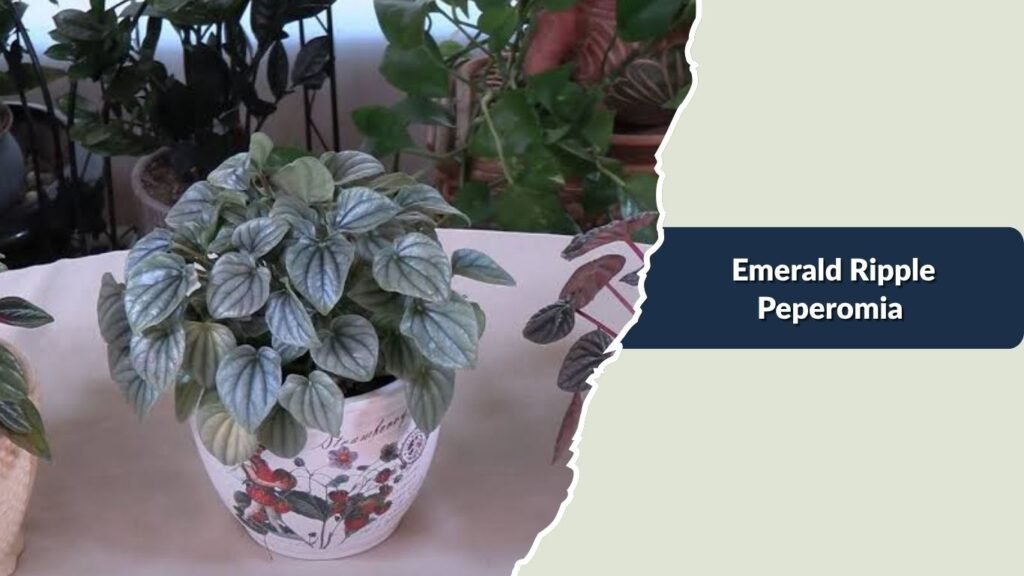
Emerald Ripple Peperomia is a beautiful indoor foliage plant admired for its deeply textured, heart-shaped leaves and rich emerald-green coloring. This compact variety of Peperomia caperata brings interesting texture and natural elegance to indoor spaces. Its dense, mounding growth makes it suitable for tabletops, windowsills, and decorative shelves. With indirect sunlight, moderate humidity, and well-draining soil, Emerald Ripple Peperomia can remain healthy and visually appealing throughout the year.
Identification
- Scientific Name: Peperomia caperata
- Common Name: Emerald Ripple Peperomia
- Plant Family: Piperaceae
- Leaf Shape: Heart-shaped with deeply ridged surfaces.
- Leaf Color: Rich emerald green with darker grooves.
- Stem Color: Reddish-green.
- Mature Size: Approximately 6–8 inches tall.
- Growth Habit: Compact, dense, and mounding.
- Flowers: Thin, cream-colored flower spikes.
Ideal Indoor Growing Conditions
Emerald Ripple Peperomia prefers bright, indirect sunlight. Position it near an east-facing window or in a location receiving filtered natural light. Harsh direct sunlight may scorch its delicate foliage.Maintain temperatures between 65°F and 80°F (18°C–27°C). Moderate humidity helps preserve healthy leaves. Choose a loose, well-draining potting mix enriched with perlite for improved airflow.
Watering and Maintenance Tips
Water when the upper inch of soil feels dry. Avoid overwatering because consistently wet soil can cause root problems and yellowing leaves.Use a pot with drainage holes and reduce watering during winter. Feed occasionally with diluted, balanced houseplant fertilizer during active growth.Remove damaged foliage and faded flower spikes to maintain a tidy appearance. Avoid water accumulation between the dense leaves, and repot only when necessary.
7. Rosso Peperomia (Peperomia caperata ‘Rosso’)
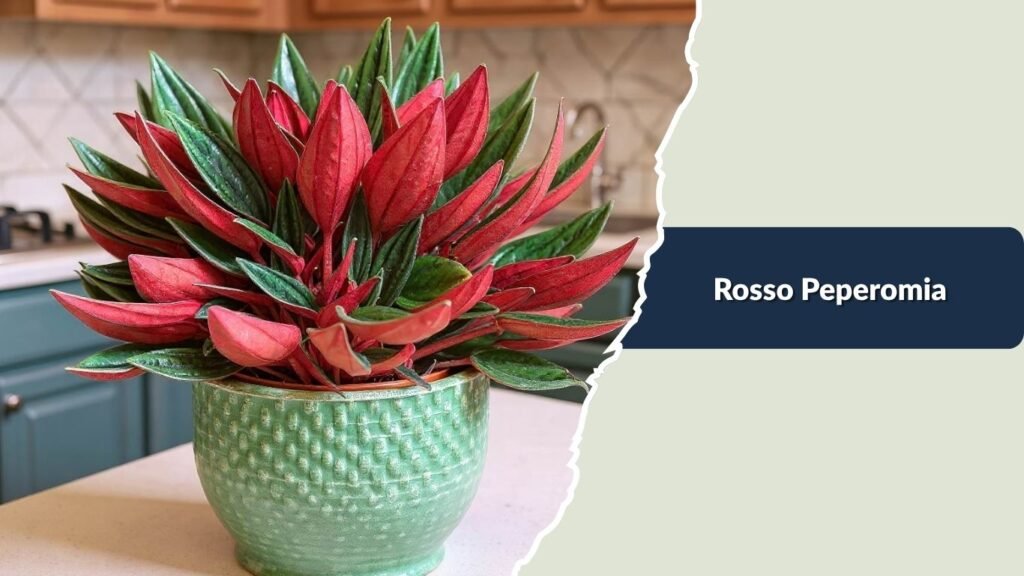
Rosso Peperomia is a striking indoor houseplant admired for its narrow, deeply textured leaves with dark green upper surfaces and vibrant reddish undersides. This attractive variety of Peperomia caperata adds beautiful color and texture to indoor spaces. Its compact, rosette-like growth makes it ideal for desks, shelves, and small decorative planters. With filtered sunlight, moderate humidity, and careful watering, Rosso Peperomia can thrive indoors throughout the year.
Identification
- Scientific Name: Peperomia caperata ‘Rosso’
- Common Name: Rosso Peperomia
- Plant Family: Piperaceae
- Leaf Shape: Narrow, pointed, and deeply textured.
- Leaf Color: Dark green above with reddish-purple undersides.
- Stem Color: Reddish-green.
- Mature Size: Approximately 6–8 inches tall.
- Growth Habit: Compact, rosette-forming, and bushy.
- Flowers: Slender, cream-colored flower spikes.
Ideal Indoor Growing Conditions
Rosso Peperomia prefers bright, indirect sunlight. Position it near an east-facing window or in a well-lit room protected from harsh afternoon sunlight. Adequate indirect light helps maintain its attractive leaf coloration.Maintain temperatures between 65°F and 80°F (18°C–27°C). Moderate humidity supports healthy foliage. Use a loose, well-draining potting mix containing perlite and organic matter.
Watering and Maintenance Tips
Water when the upper 1–2 inches of soil feel dry. Avoid keeping the potting mix constantly wet because excessive moisture can cause root rot.Choose a container with drainage holes and reduce watering during winter. Apply diluted, balanced fertilizer occasionally during spring and summer.Remove damaged leaves and faded flower spikes to maintain a neat appearance. Rotate the pot periodically for balanced growth and repot only when necessary.
8. Hope Peperomia (Peperomia ‘Hope’)
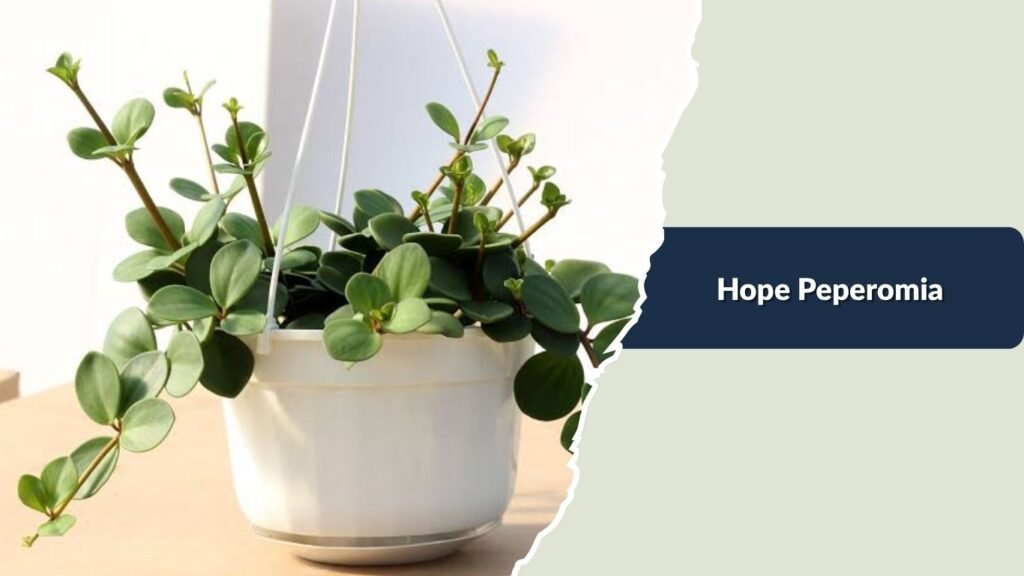
Hope Peperomia is a charming trailing indoor plant known for its small, rounded, fleshy leaves that grow along delicate cascading stems. This attractive hybrid combines compact foliage with a graceful growth habit, making it an excellent choice for hanging baskets, shelves, and decorative containers. Its soft green leaves add natural beauty to indoor spaces without requiring complicated care. With indirect sunlight, well-draining soil, and moderate watering, Hope Peperomia can develop healthy, attractive trailing vines.
Identification
- Scientific Name: Peperomia ‘Hope’
- Common Name: Hope Peperomia
- Plant Family: Piperaceae
- Leaf Shape: Small, round, and slightly succulent.
- Leaf Color: Soft to medium green.
- Stem Color: Green to reddish-green.
- Mature Size: Trailing stems approximately 12–24 inches long.
- Growth Habit: Trailing, spreading, and compact.
- Flowers: Small, slender, greenish-white flower spikes.
Ideal Indoor Growing Conditions
Hope Peperomia grows best in bright, indirect sunlight. Place it near an east-facing window or a bright location with filtered natural light. Avoid intense afternoon sunlight, which may damage its fleshy foliage.Maintain temperatures between 65°F and 80°F (18°C–27°C). Average household humidity is usually suitable. Choose a loose, well-draining potting mix containing perlite and orchid bark.
Watering and Maintenance Tips
Water when the upper 1–2 inches of soil become dry. Its fleshy leaves store moisture, making frequent watering unnecessary.Use a pot with drainage holes and allow excess water to drain completely. Reduce watering during cooler months and apply diluted fertilizer occasionally during active growth.Trim long stems to encourage fuller growth and remove damaged leaves when needed. Propagate healthy stem cuttings to create additional plants and maintain an attractive indoor display.
9. Parallel Peperomia (Peperomia tetragona)
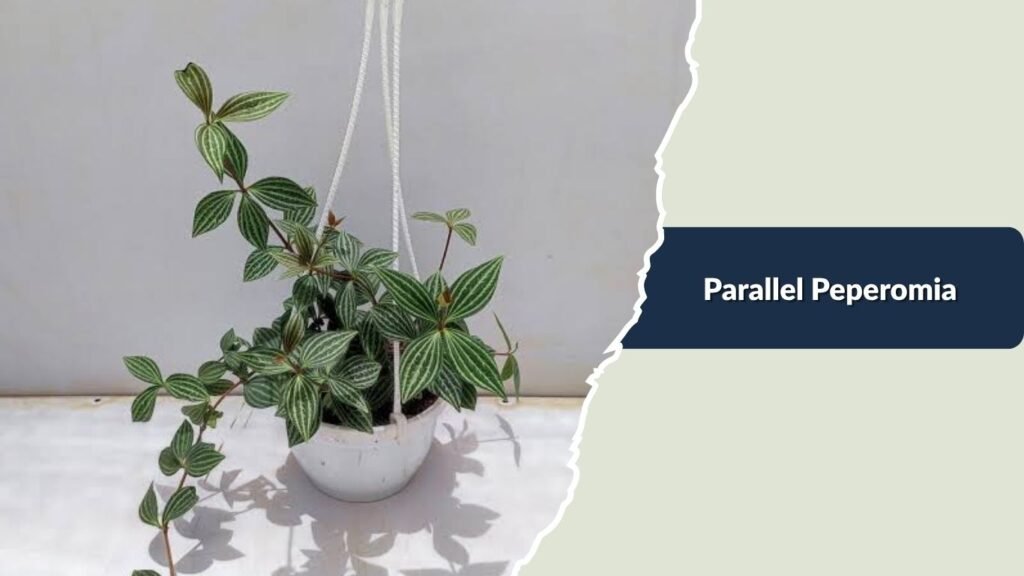
Parallel Peperomia is an attractive indoor houseplant recognized for its elongated green leaves featuring distinctive light-colored parallel stripes. Native to tropical regions of South America, this decorative plant develops slender stems with a spreading or trailing growth habit. Its patterned foliage makes it suitable for hanging baskets, shelves, and small indoor planters. With filtered sunlight, moderate humidity, and well-draining soil, Parallel Peperomia can maintain healthy growth and beautiful foliage indoors.
Identification
- Scientific Name: Peperomia tetragona
- Common Name: Parallel Peperomia
- Plant Family: Piperaceae
- Leaf Shape: Elongated, oval, and slightly pointed.
- Leaf Color: Dark green with pale green parallel stripes.
- Stem Color: Reddish-brown to green.
- Mature Size: Approximately 6–12 inches tall, with longer trailing stems.
- Growth Habit: Spreading, trailing, and compact.
- Flowers: Slender, greenish-white flower spikes.
Ideal Indoor Growing Conditions
Parallel Peperomia prefers bright, indirect sunlight. Position it near an east-facing window or in a location receiving filtered natural light. Avoid strong afternoon sunlight, which may scorch its patterned leaves.Maintain temperatures between 65°F and 80°F (18°C–27°C). Moderate household humidity supports healthy foliage. Use a loose, well-draining potting mix containing perlite and orchid bark.
Watering and Maintenance Tips
Water when the upper 1–2 inches of soil feel dry. Avoid overwatering because consistently wet soil can damage the roots.Choose a container with drainage holes and reduce watering during cooler months. Apply diluted, balanced fertilizer occasionally during spring and summer.Prune excessively long stems to encourage fuller growth. Remove damaged leaves, rotate the pot periodically, and propagate healthy stem cuttings when desired.
10. Peperomia Ginny (Peperomia clusiifolia ‘Ginny’)
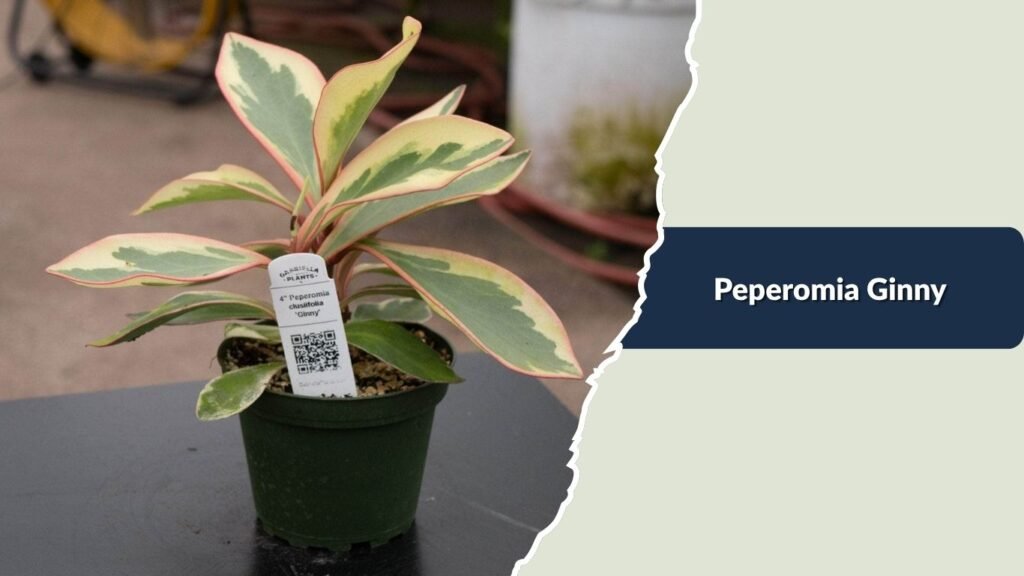
Peperomia Ginny is a colorful indoor houseplant admired for its thick, oval leaves featuring green centers, creamy margins, and attractive pinkish-red edges. Also known as Tricolor Peperomia, this decorative variety adds vibrant foliage to indoor spaces without requiring extensive maintenance. Its upright, compact growth makes it suitable for tabletops, windowsills, and decorative planters. With bright indirect sunlight, moderate watering, and well-draining soil, Peperomia Ginny can maintain its beautiful variegation indoors.
Identification
- Scientific Name: Peperomia clusiifolia ‘Ginny’
- Common Name: Peperomia Ginny
- Plant Family: Piperaceae
- Leaf Shape: Thick, elongated, and oval.
- Leaf Color: Green centers with cream and pinkish-red margins.
- Stem Color: Green to reddish-pink.
- Mature Size: Approximately 8–12 inches tall.
- Growth Habit: Upright, compact, and bushy.
- Flowers: Slender, greenish-white flower spikes.
Ideal Indoor Growing Conditions
Peperomia Ginny grows best in bright, indirect sunlight. Place it near an east-facing window or a bright location protected from intense afternoon sun. Adequate filtered light helps preserve its colorful leaf margins.Maintain temperatures between 65°F and 80°F (18°C–27°C). Average household humidity is generally suitable. Use a loose, well-draining potting mix containing perlite to support healthy roots.
Watering and Maintenance Tips
Water when the upper 1–2 inches of soil become dry. Its fleshy leaves store moisture, so avoid frequent watering and soggy soil.Use a pot with drainage holes and reduce watering during winter. Feed occasionally with diluted, balanced houseplant fertilizer during active growth.Remove damaged leaves and trim leggy stems to maintain compact growth. Rotate the container periodically for balanced development and repot only when necessary.
11. Frost Peperomia (Peperomia caperata ‘Frost’)
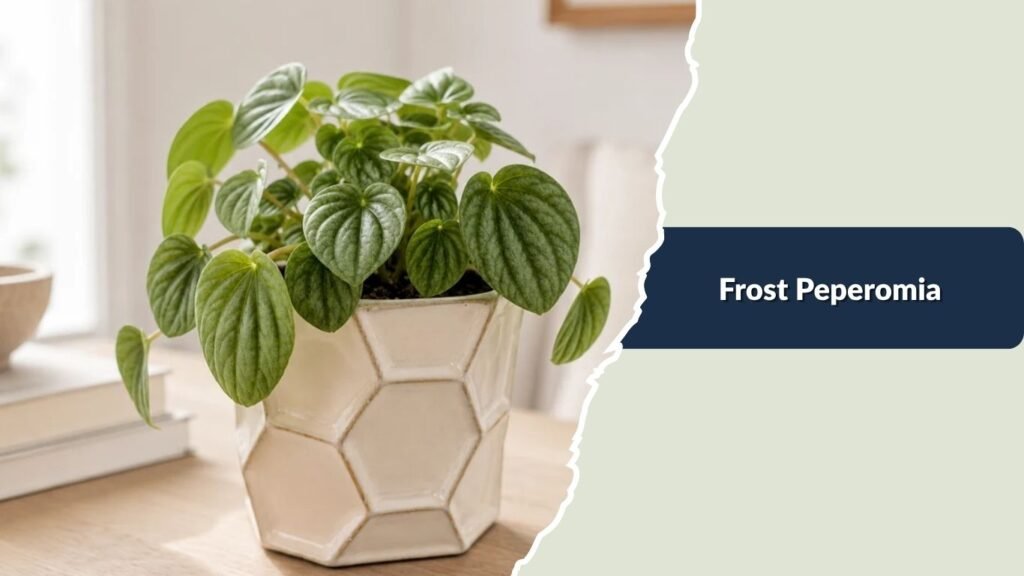
Frost Peperomia is a beautiful indoor houseplant admired for its heart-shaped leaves covered in a shimmering silver-green color. This attractive variety of Peperomia caperata features deeply textured foliage that creates a frosted appearance. Its compact growth makes it ideal for desks, shelves, windowsills, and decorative indoor planters. With bright indirect sunlight, moderate humidity, and careful watering, Frost Peperomia can maintain its striking foliage and healthy growth throughout the year.
Identification
- Scientific Name: Peperomia caperata ‘Frost’
- Common Name: Frost Peperomia
- Plant Family: Piperaceae
- Leaf Shape: Heart-shaped with deeply ridged surfaces.
- Leaf Color: Silvery-green with darker green veins.
- Stem Color: Pale green to reddish-green.
- Mature Size: Approximately 6–12 inches tall.
- Growth Habit: Compact, mounding, and bushy.
- Flowers: Slender, cream-colored flower spikes.
Ideal Indoor Growing Conditions
Frost Peperomia prefers bright, indirect sunlight. Position it near an east-facing window or in a well-lit room protected from harsh afternoon sunlight. Filtered natural light helps maintain its attractive silvery foliage.Maintain temperatures between 65°F and 80°F (18°C–27°C). Moderate humidity supports healthy leaves. Use a loose, well-draining potting mix containing perlite and orchid bark.
Watering and Maintenance Tips
Water when the upper 1–2 inches of soil feel dry. Avoid overwatering because consistently wet soil can cause root rot and yellowing leaves.Choose a container with drainage holes and reduce watering during winter. Apply diluted, balanced fertilizer occasionally during spring and summer.Remove damaged foliage and faded flower spikes to maintain a tidy appearance. Rotate the pot periodically and repot only when necessary.
12. Peperomia Ruby Cascade (Peperomia ‘Ruby Cascade’)
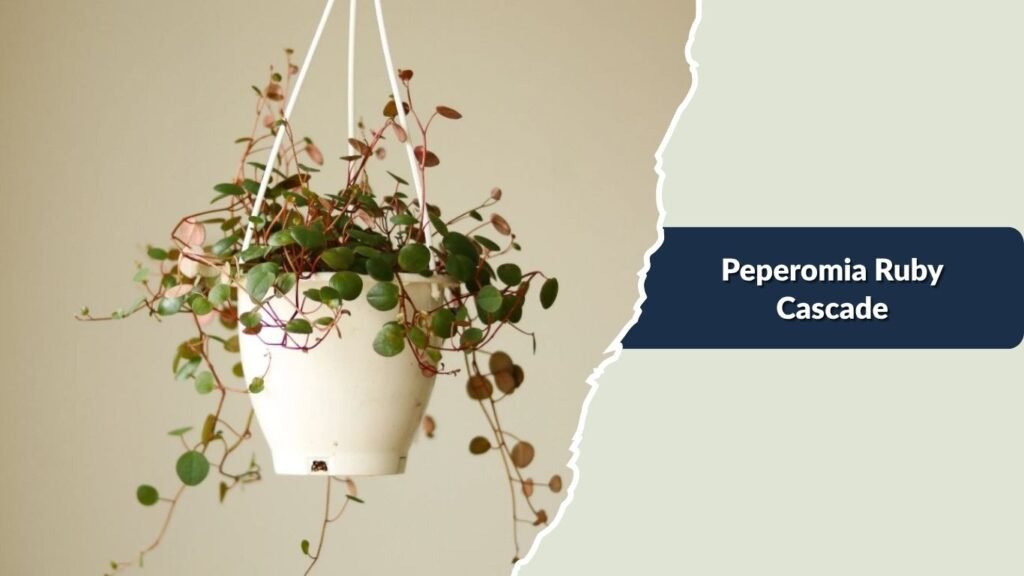
Peperomia Ruby Cascade is an attractive trailing houseplant known for its small, rounded leaves with dark green upper surfaces and striking ruby-red undersides. Its delicate, cascading stems make it an excellent choice for hanging baskets, elevated shelves, and decorative indoor containers. This colorful Peperomia adds beautiful contrast to indoor plant collections. With suitable indirect sunlight, well-draining soil, and moderate watering, Ruby Cascade can produce long, elegant vines that enhance indoor spaces.
Identification
- Scientific Name: Peperomia ‘Ruby Cascade’
- Common Name: Peperomia Ruby Cascade
- Plant Family: Piperaceae
- Leaf Shape: Small, rounded, and slightly succulent.
- Leaf Color: Dark green above with ruby-red undersides.
- Stem Color: Reddish-purple.
- Mature Size: Trailing stems approximately 12–24 inches long.
- Growth Habit: Cascading, trailing, and spreading.
- Flowers: Small, slender, greenish-white flower spikes.
Ideal Indoor Growing Conditions
Peperomia Ruby Cascade grows best in bright, indirect sunlight. Place it near an east-facing window or in a bright location receiving filtered natural light. Adequate lighting helps maintain its attractive red leaf coloration.Maintain temperatures between 65°F and 80°F (18°C–27°C). Average household humidity is generally suitable. Choose a lightweight, well-draining potting mix containing perlite for healthy root development.
Watering and Maintenance Tips
Water when the upper portion of the soil becomes dry. Its fleshy leaves retain moisture, so avoid excessive watering and waterlogged conditions.Use a hanging basket or container with drainage holes. Reduce watering during cooler months and fertilize lightly during active growth.Trim excessively long stems to encourage fuller development. Remove damaged leaves and propagate healthy cuttings to maintain an attractive trailing display.
13. Peperomia Prostrata (Peperomia prostrata)
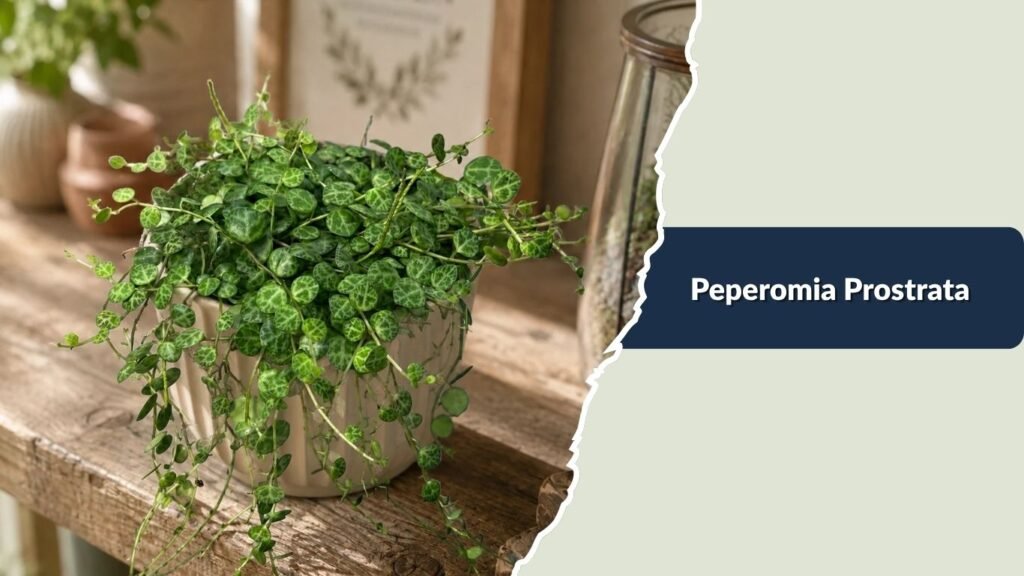
Peperomia Prostrata is a charming trailing indoor plant recognized for its small, rounded leaves featuring intricate patterns resembling turtle shells. Native to Brazil, this attractive houseplant develops delicate vines that cascade beautifully from hanging baskets and elevated shelves. Commonly known as String of Turtles, it adds natural texture and visual interest to indoor spaces. With filtered sunlight, moderate humidity, and careful watering, Peperomia Prostrata can maintain healthy, decorative foliage.
Identification
- Scientific Name: Peperomia prostrata
- Common Name: String of Turtles
- Plant Family: Piperaceae
- Leaf Shape: Small, rounded, and slightly fleshy.
- Leaf Color: Dark green with distinctive silver-green patterns.
- Stem Color: Thin, reddish-green.
- Mature Size: Trailing stems approximately 12 inches or longer.
- Growth Habit: Creeping, trailing, and compact.
- Flowers: Slender, cream-colored flower spikes.
Ideal Indoor Growing Conditions
Peperomia Prostrata prefers bright, indirect sunlight. Place it near an east-facing window or in a bright room protected from intense afternoon sun. Adequate filtered light helps preserve its attractive leaf markings.Maintain temperatures between 65°F and 80°F (18°C–27°C). Moderate to high humidity supports healthy growth. Choose a lightweight, well-draining potting mix containing perlite and orchid bark.
Watering and Maintenance Tips
Water when the upper portion of the soil feels dry. Avoid excessive watering because its delicate roots are sensitive to waterlogged conditions.Use a shallow container with drainage holes and reduce watering during cooler months. Apply diluted fertilizer occasionally during active growth.Trim long vines to maintain a fuller appearance. Handle the delicate stems carefully and propagate healthy cuttings when desired.
14. Variegated Baby Rubber Plant (Peperomia obtusifolia ‘Variegata’)
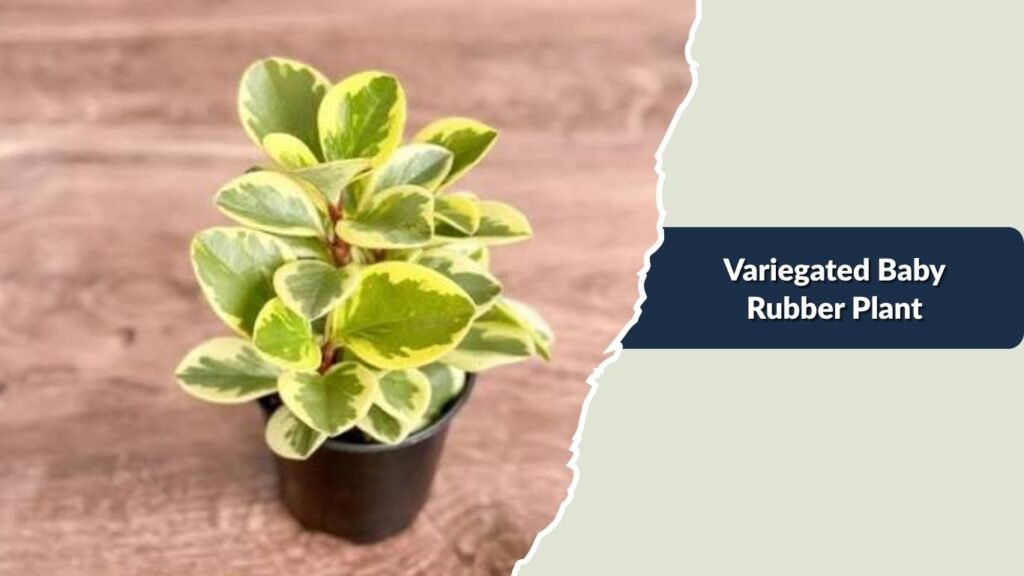
Variegated Baby Rubber Plant is an attractive indoor houseplant admired for its thick, glossy leaves featuring beautiful combinations of green, cream, and pale yellow. This decorative variety of Peperomia obtusifolia adds brightness and natural elegance to indoor spaces. Its compact, upright growth makes it suitable for desks, shelves, and windowsills. With bright indirect sunlight, well-draining soil, and moderate watering, Variegated Baby Rubber Plant can maintain its colorful foliage throughout the year.
Identification
- Scientific Name: Peperomia obtusifolia ‘Variegata’
- Common Name: Variegated Baby Rubber Plant
- Plant Family: Piperaceae
- Leaf Shape: Thick, oval, and rounded.
- Leaf Color: Green with cream or pale yellow variegation.
- Stem Color: Green to reddish-green.
- Mature Size: Approximately 8–12 inches tall indoors.
- Growth Habit: Upright, compact, and bushy.
- Flowers: Slender, greenish-white flower spikes.
Ideal Indoor Growing Conditions
Variegated Baby Rubber Plant grows best in bright, indirect sunlight. Position it near an east-facing window or a bright location protected from harsh afternoon sunlight. Adequate filtered light helps maintain its attractive leaf variegation.Maintain temperatures between 65°F and 80°F (18°C–27°C). Average household humidity is generally suitable. Use a loose, well-draining potting mix containing perlite to prevent excess moisture.
Watering and Maintenance Tips
Water when the upper 1–2 inches of soil become dry. Its thick leaves store moisture, so avoid frequent watering and soggy soil.Choose a container with drainage holes and reduce watering during winter. Apply diluted, balanced fertilizer occasionally during spring and summer.Remove damaged leaves and prune leggy stems to encourage bushier growth. Rotate the pot periodically for even development and repot only when necessary.
15. Peperomia Orba (Peperomia orba)
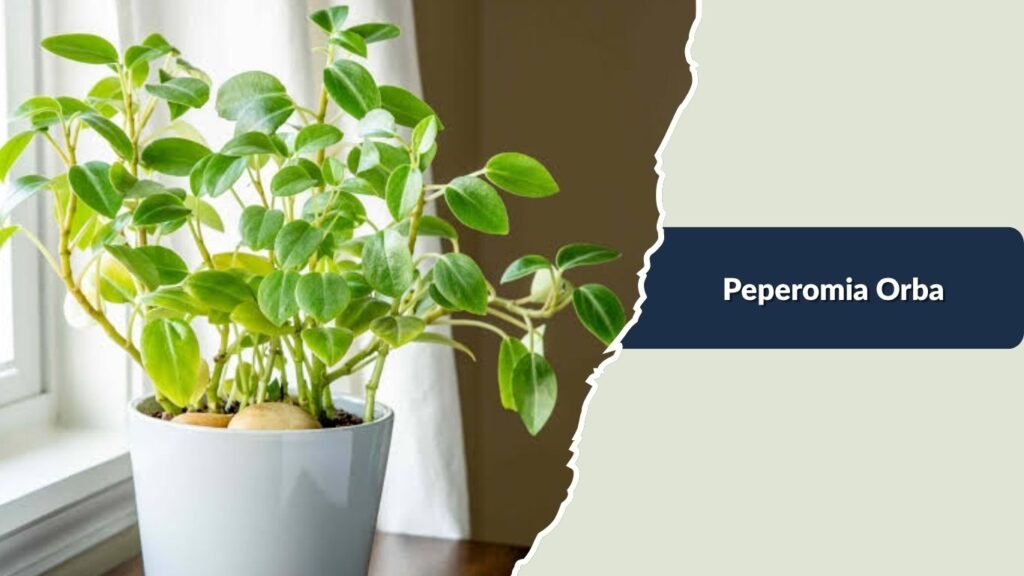
Peperomia Orba is a charming indoor houseplant known for its small, glossy, teardrop-shaped leaves and compact growth habit. Commonly called Pixie Peperomia, this attractive plant features fresh green foliage that adds natural beauty to desks, shelves, and windowsills. Its manageable size makes it suitable for apartments and small indoor spaces. With bright indirect sunlight, well-draining soil, and moderate watering, Peperomia Orba can maintain healthy, attractive foliage throughout the year.
Identification
- Scientific Name: Peperomia orba
- Common Name: Pixie Peperomia
- Plant Family: Piperaceae
- Leaf Shape: Small, oval to teardrop-shaped.
- Leaf Color: Glossy green, sometimes with lighter markings.
- Stem Color: Light green.
- Mature Size: Approximately 4–8 inches tall.
- Growth Habit: Compact, bushy, and slightly spreading.
- Flowers: Slender, greenish-white flower spikes.
Ideal Indoor Growing Conditions
Peperomia Orba prefers bright, indirect sunlight. Position it near an east-facing window or in a well-lit room protected from intense afternoon sunlight. Moderate lighting can support growth, although insufficient light may cause leggy stems.Maintain temperatures between 65°F and 80°F (18°C–27°C). Average household humidity is generally suitable. Use a loose, well-draining potting mix containing perlite to support healthy root development.
Watering and Maintenance Tips
Water when the upper 1–2 inches of soil feel dry. Its slightly fleshy leaves retain moisture, so avoid frequent watering and waterlogged conditions.Choose a pot with drainage holes and reduce watering during winter. Apply diluted, balanced fertilizer occasionally during spring and summer.Trim excessively long stems to maintain compact growth. Remove yellowing leaves, rotate the container periodically, and repot only when necessary.
16. Peperomia Graveolens (Peperomia graveolens)
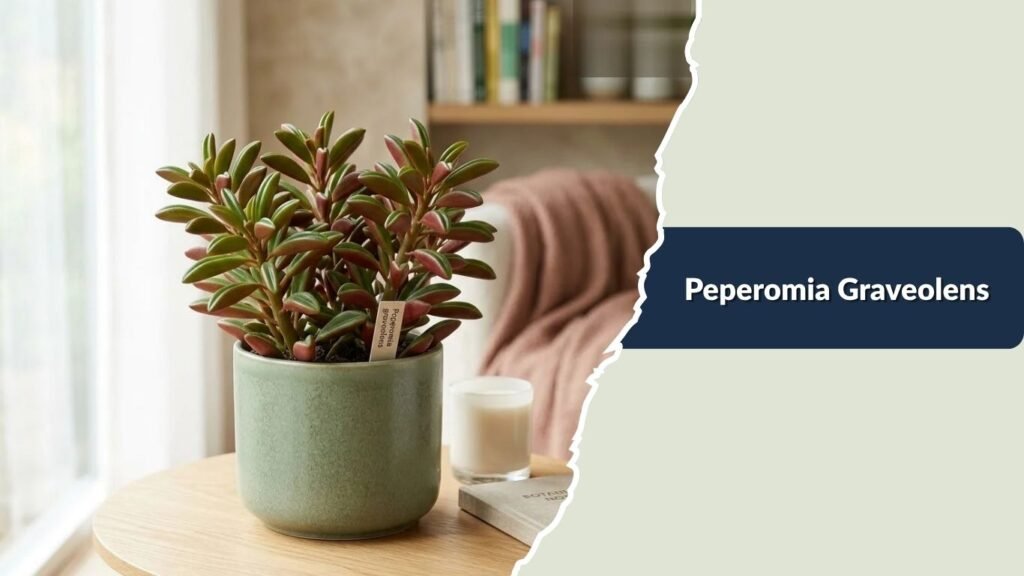
Peperomia Graveolens is a distinctive succulent-like indoor plant admired for its thick, canoe-shaped leaves with green upper surfaces and striking reddish undersides. Native to Ecuador, this unusual Peperomia features upright, fleshy stems and compact foliage that create an attractive architectural appearance. Its colorful leaves make it suitable for bright windowsills, shelves, and small decorative planters. With sufficient indirect sunlight, excellent drainage, and careful watering, Peperomia Graveolens can thrive indoors.
Identification
- Scientific Name: Peperomia graveolens
- Common Name: Ruby Glow Peperomia
- Plant Family: Piperaceae
- Leaf Shape: Thick, elongated, and canoe-shaped.
- Leaf Color: Green upper surfaces with reddish undersides.
- Stem Color: Reddish-pink to burgundy.
- Mature Size: Approximately 6–10 inches tall.
- Growth Habit: Upright, compact, and succulent-like.
- Flowers: Slender, yellowish-green flower spikes.
Ideal Indoor Growing Conditions
Peperomia Graveolens grows best in bright, indirect sunlight and can tolerate gentle morning sun. Position it near an east-facing window or a bright south-facing window with filtered light. Insufficient sunlight may cause weak, elongated growth.Maintain temperatures between 65°F and 80°F (18°C–27°C). Average household humidity is suitable. Use a fast-draining potting mix containing perlite, pumice, or coarse mineral components.
Watering and Maintenance Tips
Water thoroughly when much of the potting mix has dried. Its succulent-like leaves store moisture, making frequent watering unnecessary.Use a container with drainage holes and avoid allowing water to accumulate around the roots. Reduce watering during winter and fertilize sparingly during active growth.Remove damaged leaves and inspect stems regularly for signs of overwatering. Rotate the pot occasionally for balanced growth and propagate healthy stem cuttings when desired.
17. Peperomia Ferreyrae (Peperomia ferreyrae)
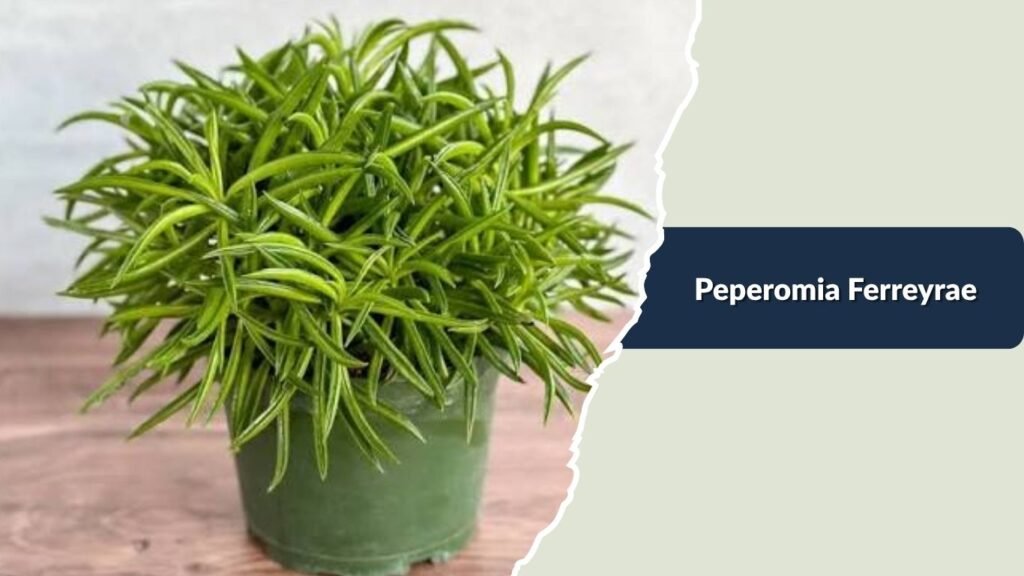
Peperomia Ferreyrae is a unique indoor houseplant recognized for its narrow, bean-shaped leaves and bright green foliage. Commonly known as Happy Bean Peperomia, this succulent-like plant develops upright stems with clusters of fleshy leaves. Native to Peru, it adds an unusual decorative appearance to windowsills, desks, and indoor plant collections. With bright indirect sunlight, well-draining soil, and careful watering, Peperomia Ferreyrae can maintain healthy, compact growth indoors.
Identification
- Scientific Name: Peperomia ferreyrae
- Common Name: Happy Bean Peperomia
- Plant Family: Piperaceae
- Leaf Shape: Narrow, elongated, and bean-shaped.
- Leaf Color: Bright green with translucent upper grooves.
- Stem Color: Light green to reddish-green.
- Mature Size: Approximately 6–12 inches tall.
- Growth Habit: Upright, compact, and succulent-like.
- Flowers: Slender, greenish-yellow flower spikes.
Ideal Indoor Growing Conditions
Peperomia Ferreyrae prefers bright, indirect sunlight and can tolerate gentle morning sun. Position it near an east-facing window or in a bright room protected from intense afternoon sunlight.Maintain temperatures between 65°F and 80°F (18°C–27°C). Average household humidity is generally suitable. Use a fast-draining potting mix containing perlite, pumice, or coarse sand to support healthy roots.
Watering and Maintenance Tips
Water when most of the potting mix has dried. Its fleshy leaves store moisture, making frequent watering unnecessary.Choose a container with drainage holes and reduce watering during winter. Apply diluted, balanced fertilizer sparingly during active growth.Remove damaged leaves and prune excessively long stems to maintain a compact appearance. Rotate the pot periodically and propagate healthy stem cuttings when desired.
18. Peperomia Dolabriformis (Peperomia dolabriformis)
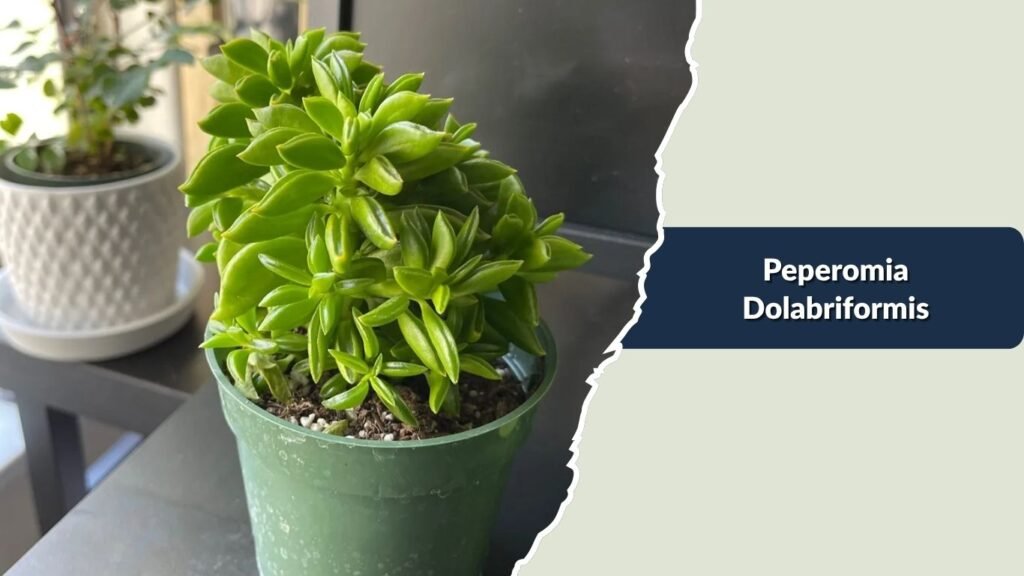
Peperomia Dolabriformis is an unusual succulent-like indoor plant admired for its thick, folded leaves that resemble small green purses or pea pods. Native to Peru, this distinctive Peperomia features fleshy stems and compact foliage with translucent green markings. Its architectural appearance makes it an attractive choice for bright windowsills, decorative shelves, and succulent collections. With sufficient indirect sunlight, excellent drainage, and occasional watering, Peperomia Dolabriformis can grow successfully indoors.
Identification
- Scientific Name: Peperomia dolabriformis
- Common Name: Prayer Peperomia
- Plant Family: Piperaceae
- Leaf Shape: Thick, folded, and purse-shaped.
- Leaf Color: Light green with translucent upper windows.
- Stem Color: Green to pale brown.
- Mature Size: Approximately 6–12 inches tall.
- Growth Habit: Upright, branching, and succulent-like.
- Flowers: Slender, greenish-white flower spikes.
Ideal Indoor Growing Conditions
Peperomia Dolabriformis grows best in bright, indirect sunlight with some gentle morning sun. Place it near an east-facing window or a bright south-facing window with filtered light. Avoid harsh afternoon sunlight that may scorch its fleshy leaves.Maintain temperatures between 65°F and 80°F (18°C–27°C). Average household humidity is suitable. Choose a fast-draining succulent potting mix containing perlite or pumice.
Watering and Maintenance Tips
Water thoroughly when most or all of the potting mix has dried. Its thick leaves retain moisture, so excessive watering can cause root rot.Use a pot with drainage holes and reduce watering during cooler months. Apply diluted fertilizer occasionally during spring and summer.Remove damaged foliage and inspect stems for signs of moisture problems. Rotate the container for balanced growth and repot only when necessary.
19. Peperomia Incana (Peperomia incana)
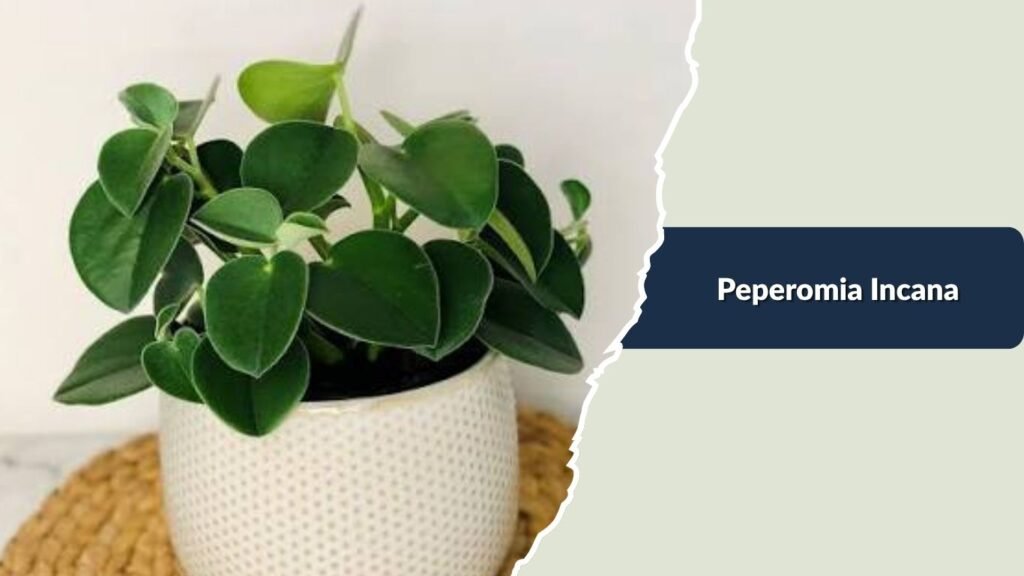
Peperomia Incana is an attractive indoor houseplant admired for its soft, fuzzy leaves covered with fine, silvery-white hairs. Commonly known as Felted Peperomia, this distinctive plant features rounded, heart-shaped foliage and an upright growth habit. Native to Brazil, it adds unusual texture and natural beauty to indoor spaces. With bright indirect sunlight, well-draining soil, and careful watering, Peperomia Incana can maintain its healthy, velvety foliage throughout the year.
Identification
- Scientific Name: Peperomia incana
- Common Name: Felted Peperomia
- Plant Family: Piperaceae
- Leaf Shape: Rounded to heart-shaped and slightly thick.
- Leaf Color: Soft green with silvery-white hairs.
- Stem Color: Light green with a fuzzy texture.
- Mature Size: Approximately 6–12 inches tall.
- Growth Habit: Upright, branching, and bushy.
- Flowers: Slender, greenish-white flower spikes.
Ideal Indoor Growing Conditions
Peperomia Incana prefers bright, indirect sunlight and can tolerate gentle morning sun. Position it near an east-facing window or in a well-lit room protected from intense afternoon sunlight. Maintain temperatures between 65°F and 80°F (18°C–27°C). Average household humidity is generally suitable. Use a loose, well-draining potting mix containing perlite or pumice to support healthy roots.
Watering and Maintenance Tips
Water when the upper portion of the soil becomes dry. Its slightly succulent leaves retain moisture, so avoid frequent watering and soggy conditions.Choose a container with drainage holes and reduce watering during winter. Apply diluted, balanced fertilizer occasionally during active growth.Avoid misting the fuzzy leaves because trapped moisture may encourage fungal problems. Remove damaged foliage, prune leggy stems, and rotate the pot periodically for balanced growth.
20. Peperomia Metallica (Peperomia metallica)
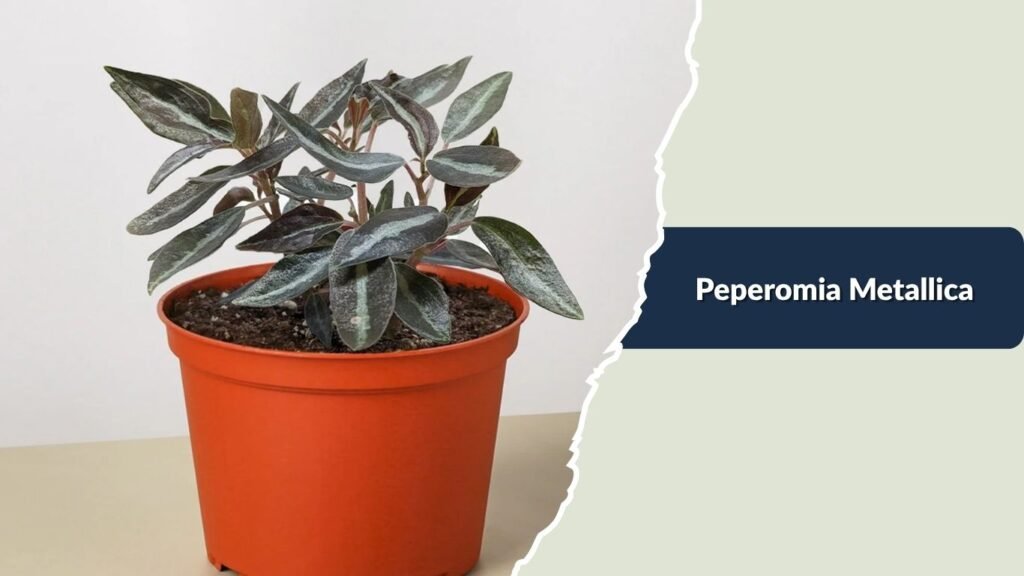
Peperomia Metallica is a striking indoor houseplant recognized for its dark, metallic-looking foliage and attractive reddish undersides. This tropical Peperomia features narrow, pointed leaves with a subtle silver sheen that creates an elegant appearance. Its compact growth makes it suitable for decorative shelves, tabletops, and indoor plant collections. With filtered sunlight, moderate humidity, and careful watering, Peperomia Metallica can maintain its distinctive colors and healthy foliage indoors.
Identification
- Scientific Name: Peperomia metallica
- Common Name: Metallic Peperomia
- Plant Family: Piperaceae
- Leaf Shape: Narrow, oval to lance-shaped, with pointed tips.
- Leaf Color: Dark green to bronze with metallic silver markings.
- Stem Color: Reddish-purple to dark green.
- Mature Size: Approximately 6–12 inches tall.
- Growth Habit: Upright, compact, and branching.
- Flowers: Slender, greenish-white flower spikes.
Ideal Indoor Growing Conditions
Peperomia Metallica grows best in bright, indirect sunlight. Place it near an east-facing window or in a bright indoor location receiving filtered natural light. Avoid harsh direct sunlight, which can damage its decorative foliage.Maintain temperatures between 65°F and 80°F (18°C–27°C). Moderate to high humidity supports healthy growth. Choose a loose, well-draining potting mix containing perlite and orchid bark.
Watering and Maintenance Tips
Water when the upper 1–2 inches of soil feel dry. Avoid keeping the potting mix constantly wet because excessive moisture can damage the roots.Use a container with drainage holes and reduce watering during cooler months. Apply diluted, balanced houseplant fertilizer occasionally during spring and summer.Remove damaged leaves and trim excessively long stems to maintain compact growth. Rotate the pot periodically and propagate healthy stem cuttings when desired.
21. Peperomia Caperata (Peperomia caperata)
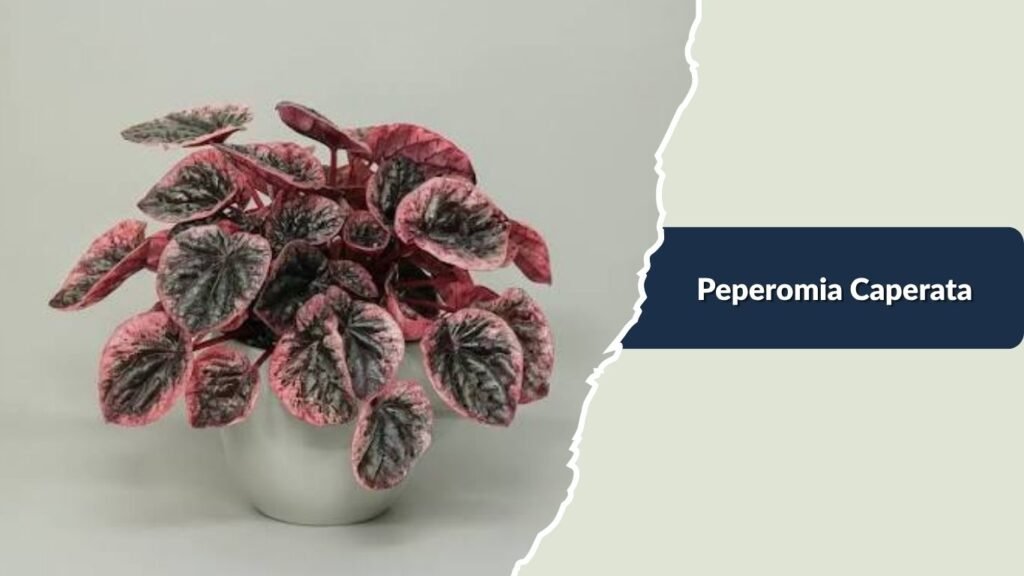
Peperomia Caperata is a beautiful indoor houseplant recognized for its deeply wrinkled, heart-shaped leaves and compact growth habit. Commonly known as Ripple Peperomia, this tropical plant is native to Brazil and features attractive foliage in various shades of green, red, and purple. Its decorative appearance makes it ideal for desks, shelves, and small indoor planters. With bright indirect sunlight, moderate humidity, and careful watering, Peperomia Caperata can maintain healthy, textured foliage throughout the year.
Identification
- Scientific Name: Peperomia caperata
- Common Name: Ripple Peperomia
- Plant Family: Piperaceae
- Leaf Shape: Heart-shaped with deeply wrinkled surfaces.
- Leaf Color: Dark green, sometimes with reddish or purple tones.
- Stem Color: Reddish-green to dark purple.
- Mature Size: Approximately 6–8 inches tall.
- Growth Habit: Compact, mounding, and bushy.
- Flowers: Slender, cream-colored flower spikes.
Ideal Indoor Growing Conditions
Peperomia Caperata prefers bright, indirect sunlight. Position it near an east-facing window or in a well-lit room protected from intense afternoon sunlight. Harsh direct sunlight can damage its delicate, textured leaves.Maintain temperatures between 65°F and 80°F (18°C–27°C). Moderate humidity supports healthy foliage. Use a loose, well-draining potting mix containing perlite and orchid bark.
Watering and Maintenance Tips
Water when the upper inch of soil feels dry. Avoid excessive watering because consistently wet soil can cause root rot and yellowing leaves. Choose a container with drainage holes and reduce watering during winter. Apply diluted, balanced fertilizer occasionally during active growth. Remove damaged foliage and faded flower spikes to maintain a neat appearance. Avoid water collecting between dense leaves, and repot only when necessary.
22. Peperomia Rotundifolia (Peperomia rotundifolia)
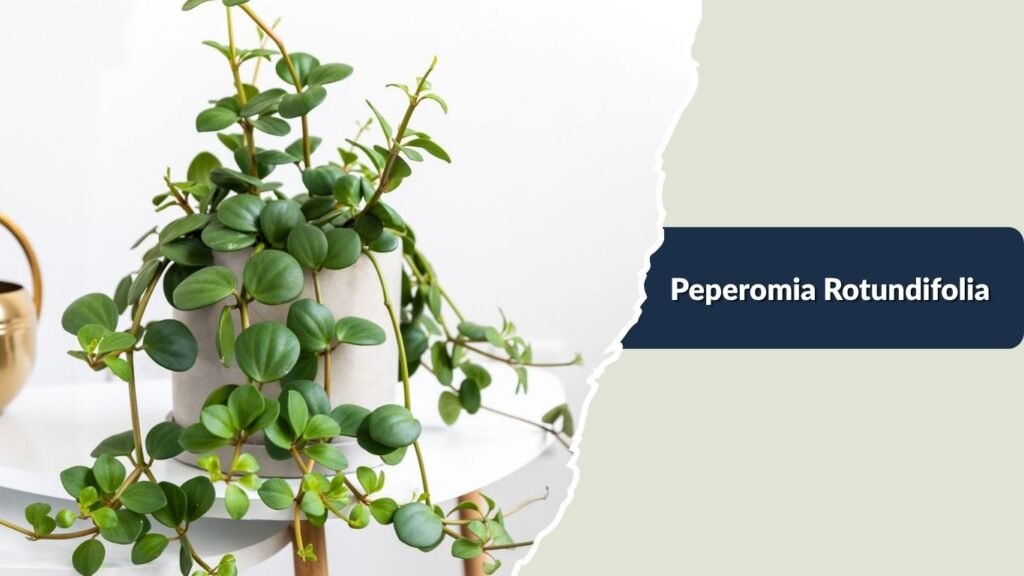
Peperomia Rotundifolia is a charming trailing indoor plant admired for its tiny, rounded green leaves and delicate cascading stems. Commonly known as Trailing Jade Peperomia, this attractive tropical houseplant creates a lush appearance when grown in hanging baskets or elevated containers. Its small foliage and spreading growth habit make it suitable for shelves, terrariums, and compact indoor gardens. With filtered sunlight, moderate humidity, and well-draining soil, Peperomia Rotundifolia can grow beautifully indoors.
Identification
- Scientific Name: Peperomia rotundifolia
- Common Name: Trailing Jade Peperomia
- Plant Family: Piperaceae
- Leaf Shape: Small, round, and slightly fleshy.
- Leaf Color: Bright to medium green.
- Stem Color: Thin, green to reddish-green.
- Mature Size: Trailing stems approximately 12 inches or longer.
- Growth Habit: Creeping, trailing, and spreading.
- Flowers: Tiny, slender, greenish-white flower spikes.
Ideal Indoor Growing Conditions
Peperomia Rotundifolia grows best in bright, indirect sunlight. Place it near an east-facing window or in a bright room receiving filtered natural light. Avoid strong afternoon sunlight, which may scorch its delicate foliage.Maintain temperatures between 65°F and 80°F (18°C–27°C). Moderate to high humidity encourages healthy growth. Choose a lightweight, well-draining potting mix containing perlite and organic matter.
Watering and Maintenance Tips
Water when the upper portion of the soil begins to dry. Avoid letting the potting mix remain completely dry for extended periods or become waterlogged.Use a container with drainage holes and reduce watering during cooler months. Apply diluted fertilizer occasionally during spring and summer.Trim excessively long stems to encourage fuller growth. Remove damaged leaves, handle delicate vines carefully, and propagate healthy stem cuttings when desired.
23. Peperomia Angulata (Peperomia angulata)
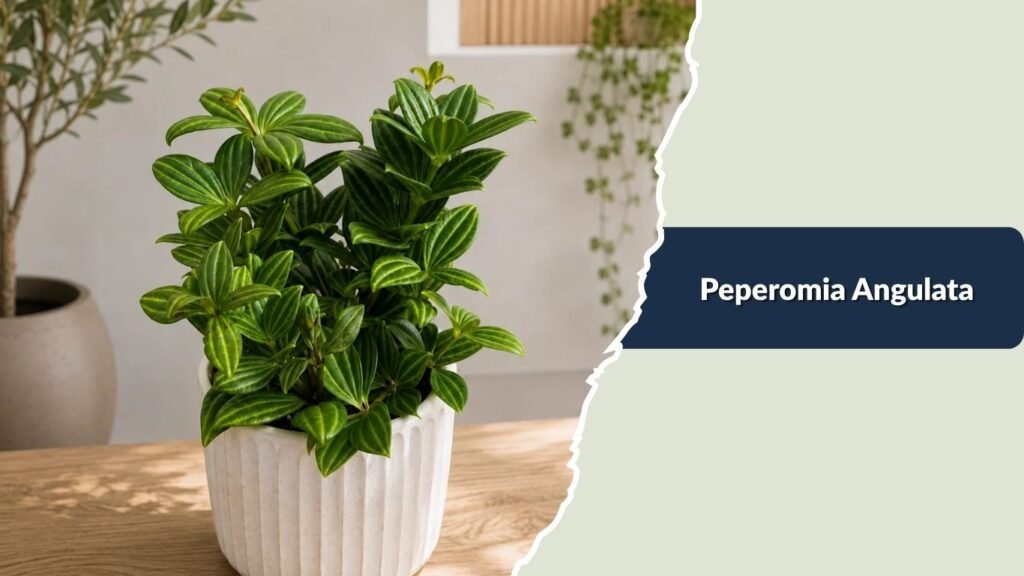
Peperomia Angulata is an attractive trailing indoor plant known for its small, elongated leaves featuring distinctive light green stripes. Commonly called Beetle Peperomia, this decorative houseplant develops slender stems that cascade beautifully from hanging baskets and elevated shelves. Its patterned foliage adds natural texture and visual interest to indoor spaces. With bright indirect sunlight, moderate humidity, and well-draining soil, Peperomia Angulata can maintain healthy, attractive growth throughout the year.
Identification
- Scientific Name: Peperomia angulata
- Common Name: Beetle Peperomia
- Plant Family: Piperaceae
- Leaf Shape: Small, oval, and slightly pointed.
- Leaf Color: Dark green with lighter green parallel stripes.
- Stem Color: Green to reddish-green.
- Mature Size: Trailing stems approximately 12–24 inches long.
- Growth Habit: Trailing, spreading, and compact.
- Flowers: Slender, greenish-white flower spikes.
Ideal Indoor Growing Conditions
Peperomia Angulata prefers bright, indirect sunlight. Position it near an east-facing window or in a well-lit room protected from intense afternoon sunlight. Filtered natural light helps maintain its attractive leaf patterns.Maintain temperatures between 65°F and 80°F (18°C–27°C). Moderate household humidity supports healthy foliage. Use a loose, well-draining potting mix containing perlite and orchid bark.
Watering and Maintenance Tips
Water when the upper 1–2 inches of soil become dry. Avoid excessive watering because consistently wet soil can cause root rot.Choose a hanging container with drainage holes and reduce watering during cooler months. Apply diluted, balanced fertilizer occasionally during active growth.Trim excessively long vines to encourage fuller growth. Remove damaged leaves, rotate the pot periodically, and propagate healthy stem cuttings when desired.
24. Peperomia Columella (Peperomia columella)
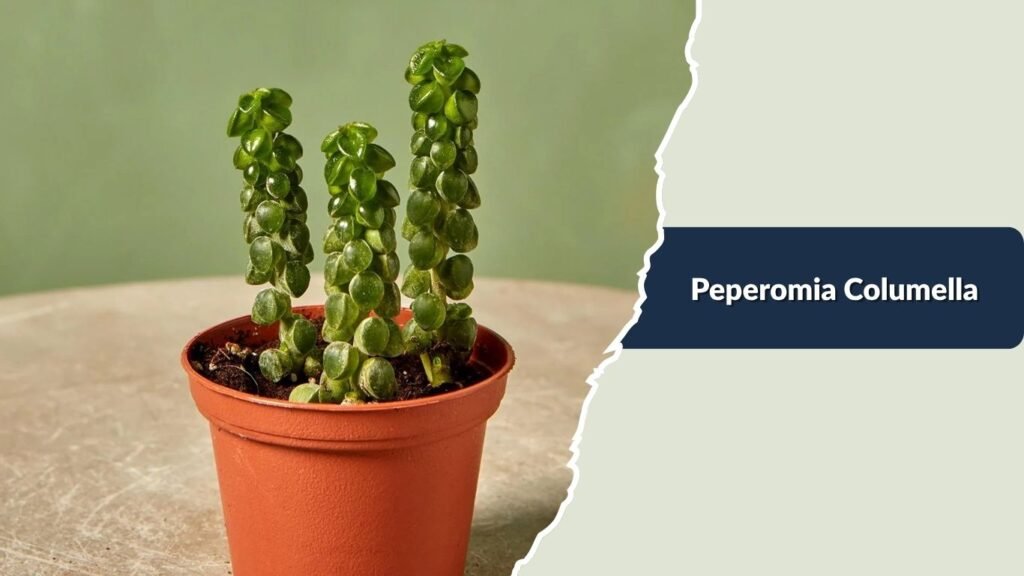
Peperomia Columella is a unique succulent-like indoor plant recognized for its tightly arranged, fleshy green leaves that grow along upright stems. Native to Peru, this unusual Peperomia has a distinctive column-shaped appearance that makes it attractive for succulent collections and decorative indoor planters. Its compact growth and unusual leaf arrangement add architectural interest to bright indoor spaces. With sufficient indirect sunlight, excellent drainage, and careful watering, Peperomia Columella can grow successfully indoors.
Identification
- Scientific Name: Peperomia columella
- Common Name: Peperomia Columella
- Plant Family: Piperaceae
- Leaf Shape: Small, thick, and tightly overlapping.
- Leaf Color: Bright green with slightly translucent surfaces.
- Stem Color: Green, mostly hidden beneath dense foliage.
- Mature Size: Approximately 6–10 inches tall.
- Growth Habit: Upright, columnar, and succulent-like.
- Flowers: Slender, greenish-yellow flower spikes.
Ideal Indoor Growing Conditions
Peperomia Columella grows best in bright, indirect sunlight with gentle morning sun. Place it near an east-facing window or a bright south-facing window with filtered light. Avoid intense afternoon sunlight, which may damage its fleshy leaves.Maintain temperatures between 65°F and 80°F (18°C–27°C). Average household humidity is generally suitable. Choose a fast-draining succulent potting mix containing perlite or pumice.
Watering and Maintenance Tips
Water thoroughly when most or all of the potting mix has dried. Its succulent-like foliage stores moisture, making frequent watering unnecessary.Use a container with drainage holes and reduce watering during winter. Apply diluted fertilizer sparingly during active growth.Remove damaged stems and inspect the plant regularly for signs of excess moisture. Rotate the container occasionally and repot only when necessary.
25. Peperomia Maculosa (Peperomia maculosa)
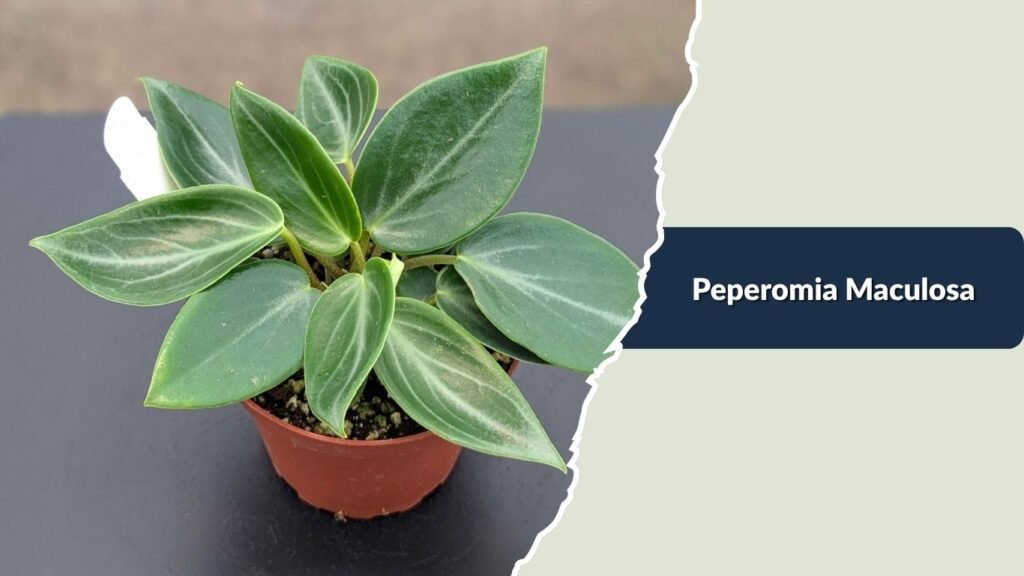
Peperomia Maculosa is a striking tropical indoor plant admired for its large, glossy green leaves and distinctive reddish-brown stems. Unlike many compact Peperomia varieties, this species produces broader foliage that creates a lush, tropical appearance. Native to Central and South America, it adds natural beauty to indoor plant collections and decorative corners. With filtered sunlight, moderate humidity, and consistent care, Peperomia Maculosa can develop healthy foliage and attractive growth indoors.
Identification
- Scientific Name: Peperomia maculosa
- Common Name: Peperomia Maculosa
- Plant Family: Piperaceae
- Leaf Shape: Broad, oval to heart-shaped, with pointed tips.
- Leaf Color: Glossy, deep green.
- Stem Color: Reddish-brown with darker markings.
- Mature Size: Approximately 12–24 inches tall under favorable conditions.
- Growth Habit: Upright, spreading, and tropical.
- Flowers: Slender, greenish-white flower spikes.
Ideal Indoor Growing Conditions
Peperomia Maculosa prefers bright, indirect sunlight. Position it near an east-facing window or in a well-lit room protected from harsh afternoon sunlight. Too much direct sunlight may scorch its broad leaves.Maintain temperatures between 65°F and 80°F (18°C–27°C). Moderate to high humidity helps support healthy tropical foliage. Use a loose, well-draining potting mix containing perlite, orchid bark, and organic matter.
Watering and Maintenance Tips
Water when the upper 1–2 inches of soil feel dry. Avoid allowing the potting mix to remain waterlogged because excess moisture can damage the roots.Choose a container with drainage holes and reduce watering during cooler months. Apply diluted, balanced fertilizer occasionally during spring and summer.Remove yellowing leaves, clean dusty foliage, and inspect stems for pests. Rotate the pot periodically for balanced growth and repot when the roots require additional space.
FAQs
1. What Are the Best Types of Peperomia Plants for Indoors?
The best types of Peperomia plants for indoor growing include Watermelon Peperomia, Baby Rubber Plant, Ripple Peperomia, Raindrop Peperomia, and Hope Peperomia. These varieties are popular for their attractive foliage, compact growth, and relatively simple care requirements.
2. Which Peperomia Varieties Are Easiest to Grow Indoors?
Baby Rubber Plant, Peperomia Ginny, Raindrop Peperomia, and Hope Peperomia are among the easiest varieties to grow indoors. They adapt well to bright, indirect light and require watering only when the soil has partially dried.
3. Do All Types of Peperomia Plants Need Direct Sunlight?
No, most Peperomia varieties prefer bright, indirect sunlight rather than strong direct sun. Watermelon Peperomia, Ripple Peperomia, and Frost Peperomia grow well in filtered light, while succulent-like varieties such as Peperomia Graveolens tolerate some gentle morning sunlight.
4. How Often Should Indoor Peperomia Plants Be Watered?
Most indoor Peperomia plants should be watered when the upper 1–2 inches of soil feel dry. Succulent-like varieties, including Peperomia Ferreyrae and Peperomia Dolabriformis, generally need the soil to dry more thoroughly between waterings. Always use pots with drainage holes.
5. Which Peperomia Types Are Best for Hanging Baskets?
String of Turtles, Hope Peperomia, Ruby Cascade, Peperomia Rotundifolia, and Peperomia Angulata are excellent choices for hanging baskets. Their trailing stems and decorative leaves create attractive cascading displays on shelves, hanging planters, and indoor plant stands.