
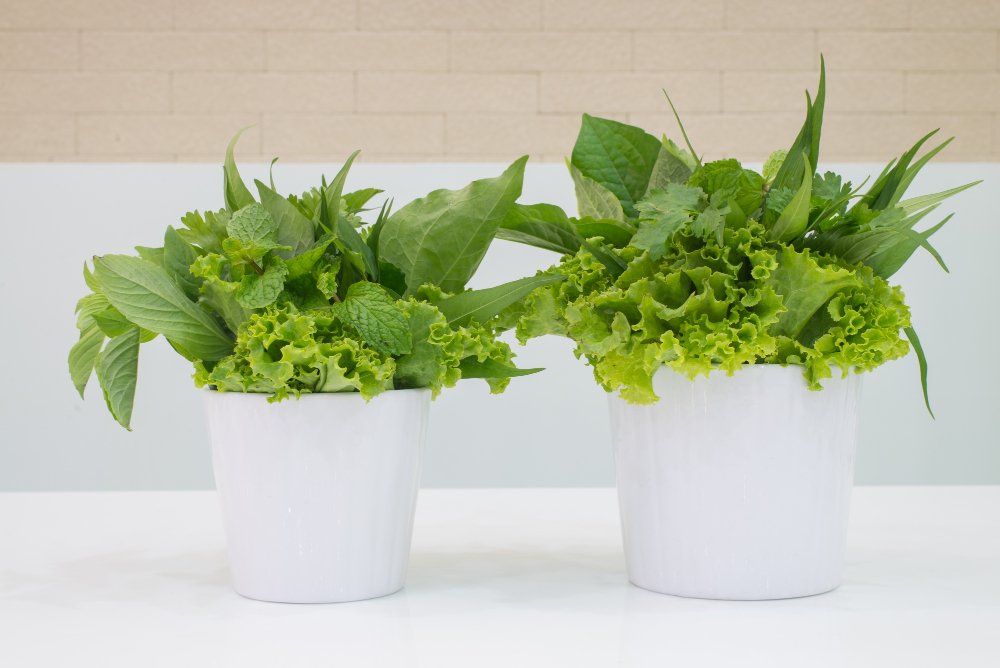
Learning how to grow basil indoors is a simple way to enjoy fresh, aromatic leaves throughout the year. Basil grows well in containers when it receives enough light, warmth, water, and regular pruning. Whether you want fresh basil for pasta, salads, sauces, or homemade pesto, an indoor plant can provide a steady supply close to your kitchen. This beginner-friendly guide explains how to plant basil indoors, choose the right growing conditions, water it properly, prevent common problems, and harvest healthy leaves for continued growth.
What You Need to Grow Basil Indoors
Growing basil indoors does not require a complicated gardening setup, but starting with the right supplies can make a major difference. Basil prefers warm conditions, good drainage, and plenty of bright light. Choosing a suitable container, quality potting mix, and healthy seeds or seedlings will help establish strong roots and encourage steady leaf production throughout the growing period.
Essential Supplies
Prepare these basic items:
- Basil seeds, cuttings, or seedlings
- Container with drainage holes
- Quality indoor potting mix
- Saucer or drainage tray
- Watering can
- Sunny windowsill
- Grow light if needed
- Clean scissors or pruning shears
Choose the Right Basil Variety
Sweet basil is one of the most popular varieties for indoor growing because of its familiar flavor and broad leaves. Genovese basil is especially popular for pesto and Italian dishes.
You can also grow Thai basil, lemon basil, purple basil, or cinnamon basil indoors. Choose a variety based on the flavor you prefer and the dishes you plan to prepare.
How to Grow Basil Indoors in 8 Easy Steps
Indoor basil grows best when its basic needs are consistently met. The plant requires bright light, warm temperatures, well-draining soil, and careful watering. Basil can grow quickly under suitable conditions, but weak light or excessive moisture can cause problems. Following these straightforward steps will help beginners establish healthy plants and keep them producing fresh leaves.
1. Choose the Right Pot
Select a container around 6 to 8 inches wide for a young basil plant.
The pot must have drainage holes because basil roots can suffer when water remains trapped around them. A slightly larger container can provide additional space as the plant develops.
2. Use Well-Draining Potting Mix
Fill the container with a lightweight potting mix designed for indoor plants or herbs.
Avoid using heavy garden soil because it can become compacted in containers and hold too much moisture. Good drainage allows roots to receive both moisture and oxygen.
3. Plant Basil Seeds or Seedlings
If growing from seed, plant the seeds shallowly according to the seed packet instructions and keep the soil gently moist.
Seedlings can be transplanted into the container at roughly the same depth they were previously growing. Handle young roots carefully during transplanting.
4. Water After Planting
Water the soil thoroughly after planting until excess water drains from the bottom.
Avoid flooding the container. The goal is to moisten the entire root zone while allowing unused water to escape.
5. Place Basil in Bright Light
Basil needs plenty of light to remain compact and productive.
Place the pot near your brightest suitable window. South- or west-facing windows often provide strong light, depending on your home’s orientation and season.
6. Keep Basil Warm
Basil is a warm-season herb and performs best when indoor temperatures remain relatively warm.
Avoid placing it beside cold drafts, air conditioners, or frequently opened doors during cool weather.
7. Pinch the Growing Tips
Once your basil develops several sets of leaves, pinch the top of the stem just above a leaf pair.
This encourages side branches and helps the plant become bushier rather than growing as one tall stem.
8. Harvest Regularly
Harvesting encourages basil to continue producing new leaves.
Cut stems just above a leaf node and avoid removing most of the plant at one time. Frequent moderate harvesting usually works better than occasional heavy cutting.
Best Light Conditions for Indoor Basil
Light is one of the most important factors when growing basil indoors. Basil naturally prefers sunny conditions and may become tall, weak, and pale when light is insufficient. A bright window may be enough during sunny seasons, while supplemental lighting can be especially helpful in winter or in homes where natural daylight is limited.
How Much Light Does Basil Need?
Indoor basil generally benefits from at least six hours of bright light each day.
More light may be helpful when conditions are mild and the plant is not overheating. If stems become long and leaves remain small, the plant may not be receiving enough light.
Rotate the pot regularly to help all sides grow evenly.
Using a Grow Light
A grow light can provide more consistent conditions when natural sunlight is limited.
Position the light above the basil according to the manufacturer’s recommended distance. Keeping the light overhead also helps reduce leaning and encourages balanced growth.
A timer can simplify the daily lighting schedule.
How to Water Basil Indoors Correctly
Basil prefers evenly moist soil but does not tolerate constantly saturated roots. Watering frequency varies depending on container size, room temperature, humidity, soil type, and light exposure. Instead of following a strict schedule, check the soil regularly. Proper watering is one of the easiest ways to prevent yellow leaves, drooping, and root problems.
Check the Soil Before Watering
Insert your finger about an inch into the soil.
If the upper layer feels slightly dry, water thoroughly until excess moisture drains from the container. If the soil still feels wet, wait before watering again.
Signs of Watering Problems
Watch for:
- Drooping leaves from dry soil
- Yellow leaves from excessive moisture
- Constantly wet soil
- Soft or dark stems
- Dry, crispy leaf edges
- Unpleasant-smelling soil
Avoid Standing Water
Never leave the pot sitting in collected water for long periods.
Empty the saucer after drainage is complete. Standing water limits oxygen around the roots and increases the likelihood of root damage.
Best Temperature and Humidity for Basil
Basil prefers warm, relatively stable indoor conditions. Sudden cold drafts, excessively dry air, or large temperature swings can slow growth and cause stress. Most homes are warm enough for basil during much of the year, but positioning the plant carefully can help maintain steady growth and prevent unnecessary leaf damage.
Ideal Indoor Temperature
Basil generally prefers temperatures around 65°F to 80°F.
Cool conditions can slow growth, while prolonged exposure to very low temperatures can damage the leaves. Keep plants away from cold windows during winter nights if the glass becomes unusually cold.
Managing Indoor Humidity
Average household humidity is usually adequate for basil.
If the air becomes extremely dry, grouping herbs together or placing the plant away from heating vents may help. Good airflow is still important, so avoid placing plants in constantly damp, stagnant conditions.
How to Prune and Harvest Indoor Basil
Regular pruning keeps basil productive and helps prevent tall, sparse growth. Basil responds well when its growing tips are removed because new branches develop from the leaf nodes below the cut. Harvesting correctly therefore serves two purposes: providing fresh leaves for cooking and encouraging the plant to develop a fuller, bushier structure.
Pruning Tips
Use these simple practices:
- Pinch stems above a pair of leaves
- Remove damaged or yellow leaves
- Trim tall stems regularly
- Remove flower buds when leaf production is the priority
- Avoid stripping all leaves from one stem
How Much Basil Should You Harvest?
Wait until the plant is reasonably established before taking large harvests.
For routine use, remove a few stem tips at a time. Leaving plenty of healthy foliage allows the plant to continue photosynthesizing and recover quickly.
Regular light harvesting is usually better than cutting the plant back severely.
Feeding and Repotting Indoor Basil
Container-grown basil eventually uses nutrients from its potting mix, especially when it is growing quickly and being harvested regularly. Light fertilization can support continued growth, while repotting may become necessary when roots fill the container. However, excessive fertilizer can produce weak growth, so feeding should remain moderate and appropriate for the plant’s condition.
Fertilizing Basil
During active growth, a balanced liquid fertilizer can be applied occasionally at a diluted strength.
Follow the product instructions carefully and avoid overfeeding. Newly planted basil in fresh potting mix may not require additional fertilizer immediately.
When to Repot Basil
Consider repotting when:
- Roots emerge heavily from drainage holes
- Soil dries extremely quickly
- Growth slows despite good care
- The plant becomes top-heavy
- The container appears crowded
Choose a pot only slightly larger than the current one and use fresh potting mix.
Common Problems When Growing Basil Indoors
Indoor basil is generally easy to maintain, but several common problems can appear when growing conditions are unsuitable. Low light, excessive water, poor airflow, crowded growth, or pests may weaken the plant. Checking leaves and soil regularly makes it easier to identify problems early and correct the underlying condition before the plant declines.
Leggy Growth
Long, thin stems with large spaces between leaves usually indicate insufficient light.
Move the basil to a brighter location or provide supplemental lighting. Pinching stretched stems can encourage more compact new growth.
Yellow Leaves
Yellow leaves may result from excessive watering, poor drainage, nutrient problems, or natural aging.
Check the soil first. If it remains wet for long periods, reduce watering and confirm that drainage holes are clear.
Pests
Indoor basil may occasionally attract aphids, spider mites, or other small pests.
Inspect the undersides of leaves and growing tips regularly. Isolate affected plants from nearby houseplants until the problem is controlled.
How to Grow Basil Indoors From Cuttings
Growing basil from cuttings is an easy way to produce additional plants without starting from seed. Healthy basil stems can develop roots relatively quickly in water, making propagation suitable for beginners. Once the cutting develops a good root system, it can be transplanted into potting soil and cared for like an established indoor basil plant.
Root Basil in Water
Cut a healthy stem approximately 4 to 6 inches long.
Remove leaves from the lower portion and place the stem in a glass of clean water. Keep the remaining leaves above the waterline.
Place the glass in bright, indirect light and refresh the water periodically.
Move the Cutting Into Soil
Once several healthy roots have developed, transfer the cutting into a small pot containing moist potting mix.
Keep the soil consistently but lightly moist while the young plant adjusts. After new growth appears, gradually begin normal basil care.
FAQs
1. Can basil grow indoors all year?
Yes. Basil can grow indoors throughout the year when it receives enough light, warmth, water, and nutrients. A grow light may be especially useful during darker months.
2. How much sunlight does indoor basil need?
Basil generally benefits from at least six hours of bright light each day. A sunny window may provide enough light, while supplemental lighting can help when natural daylight is limited.
3. How often should I water indoor basil?
Water when the upper inch of soil begins to feel slightly dry. Avoid following a fixed schedule because watering frequency changes with temperature, humidity, light, pot size, and soil conditions.
4. Why is my indoor basil plant turning yellow?
Common causes include excessive watering, poor drainage, insufficient light, nutrient imbalance, or older leaves naturally declining. Check soil moisture and lighting conditions first.
5. Should I let indoor basil flower?
If your main goal is leaf production, removing flower buds can help keep the plant focused on producing foliage. If you want seeds or flowers for pollinators outdoors, you can allow some stems to bloom.