

Growing potatoes at home is easier than you might think, even when you do not have botanical seeds or a large garden. You can start with healthy sprouted potatoes and grow a fresh crop in a backyard bed, a container, or a grow bag. With loose soil, sunlight, and consistent watering, this beginner-friendly gardening method can produce rewarding results.
Can You Grow Potatoes Without Seeds?
Yes, potatoes are usually grown from existing potato tubers rather than botanical seeds. Each tuber has small buds, called eyes, that can grow into stems and leaves. A small whole potato or a properly cut piece containing an eye can develop into a new plant.
How Potato Eyes Produce New Plants
When a viable potato is planted in moist soil, its eyes send up shoots while roots spread below the surface. The growing plant eventually forms new tubers on underground stems. These new potatoes are the crop you harvest, rather than the original piece you planted.
Are Grocery Store Potatoes Suitable?
Some grocery store potatoes grow successfully, especially if they have already sprouted. However, store-bought potatoes may have been treated to discourage sprouting and can carry plant diseases. Certified disease-free seed potatoes, despite their name, are planting tubers and are a more dependable choice.
What You Need to Grow Potatoes at Home
You do not need expensive equipment to begin growing potatoes at home. The essentials are healthy planting potatoes, a suitable growing space, and a well-draining soil mixture. Preparing your materials in advance makes planting simpler and keeps young plants healthier.
- Firm, healthy sprouted potatoes or certified seed potatoes
- A garden bed, large pot, or fabric grow bag with drainage
- Loose potting mix or well-draining garden soil
- Mature compost or well-rotted organic matter
- A clean knife, garden trowel, and watering can
- A location with roughly six to eight hours of direct sun
Choose a Sunny Growing Location
Potatoes generally perform best with at least six hours of direct sunlight. A sunny backyard, patio, or rooftop can be suitable if the container has good drainage. In very hot climates, plant during the cooler season because extreme heat can reduce tuber formation.
How to Prepare Potatoes for Planting
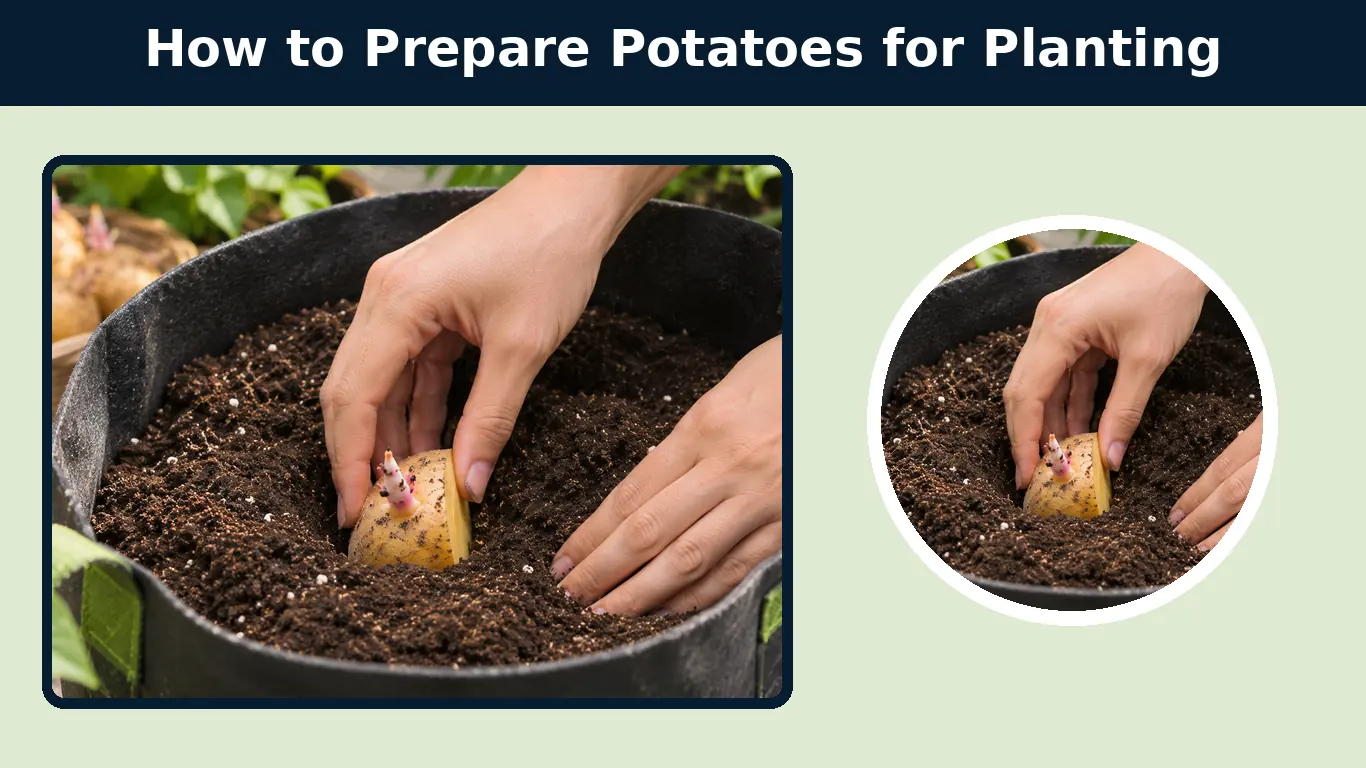
Successful potato growing begins with healthy planting material. Choose tubers that are firm and free from mold, wet spots, or signs of decay. Strong, short sprouts are useful because they are less likely to break during planting.
Step 1: Select Healthy Sprouted Potatoes
Look for visible eyes or sprouts on the surface of the potatoes. Small potatoes can be planted whole, which reduces the risk of rotting at cut surfaces. Do not plant soft, moldy, or badly damaged potatoes because they can deteriorate before establishing roots.
Step 2: Encourage Sprouting
If your potatoes have not yet sprouted, place them in a shallow tray in a cool, bright location out of direct harsh sunlight. This optional process is often called chitting and encourages short, sturdy sprouts. Once the sprouts are roughly one to two inches long, the potatoes are ready for planting.
Step 3: Cut Large Potatoes
Large planting potatoes may be cut into pieces weighing approximately 1.5 to 2 ounces each. Make sure each piece has at least one sound eye, preferably two. Let the cut surfaces dry in a ventilated place for a day or two before planting to help reduce rot.
How to Grow Potatoes Without Seeds: Step by Step
Once your planting pieces are ready, the process is straightforward. The goal is to give emerging shoots enough room, moderate moisture, and a growing medium that stays loose. These instructions work in beds and can be adapted for large containers.
Step 1: Prepare Loose, Fertile Soil
Potatoes grow best in loose, fertile, well-draining soil, ideally with a slightly acidic pH. Mix finished compost into the growing area, remove stones, and loosen compacted patches. Avoid fresh manure and heavy waterlogged soil, which can cause plant health problems.
Step 2: Plant the Potato Pieces
Dig holes or trenches about four to six inches deep and set each piece with its strongest sprout pointing upward. Space plants about twelve inches apart so their roots and developing tubers have enough room. Cover gently with soil and water to settle the planting area.
Step 3: Water Carefully
Keep the soil evenly moist without making it soggy. Water thoroughly when the upper soil begins to dry and adjust for rainfall, heat, and container size. Repeatedly soaking already wet soil can encourage rot, especially before the plants establish.
Step 4: Hill Soil Around the Stems
When the stems are approximately six to eight inches tall, pull loose soil around their bases while leaving the upper leaves uncovered. Repeat as the stems grow, particularly if you see any developing tubers near the surface. Hilling keeps potatoes in darkness and reduces the chance of green, unsuitable tubers.
How to Grow Potatoes in Containers
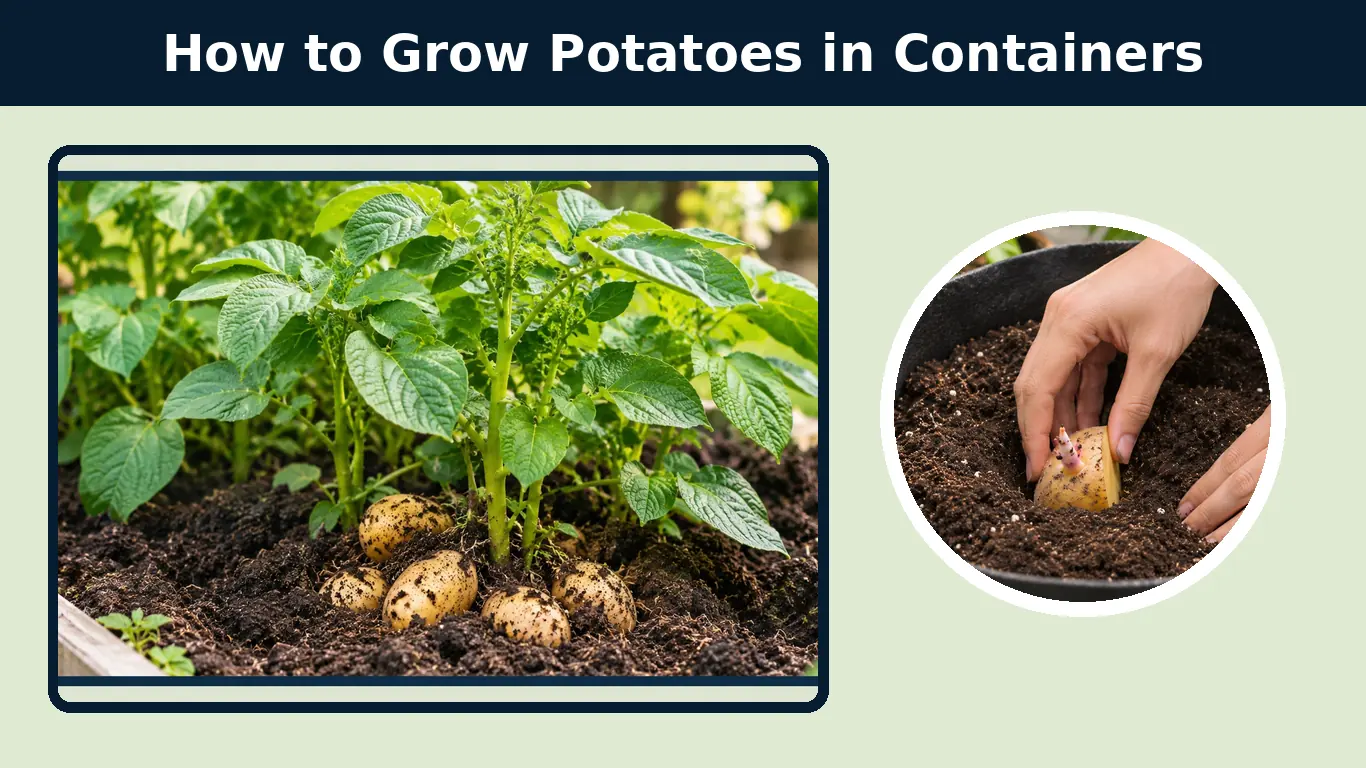
Containers make growing potatoes possible for people with small yards, balconies, or patios. A large pot or fabric grow bag also makes harvesting easier because the soil can be emptied onto a clean surface. The key is to provide enough depth, drainage, and growing space.
Choose the Right Container
Select a container at least twelve inches deep and wide, with larger pots providing more room for tubers. A ten- to fifteen-gallon grow bag can support a small planting, although plant numbers depend on its dimensions. Never use a container without drainage holes.
Plant Potatoes in a Grow Bag
Start with four to six inches of potting mix, then lay the sprouted potatoes on top with their eyes facing upward. Cover the pieces with another few inches of mix and water gently. As green stems grow taller, add more potting mix around their bases without burying all the leaves.
Care for Container-Grown Plants
Container soil dries more quickly than garden soil, particularly in sunny or windy locations. Check moisture frequently and water until excess drains from the bottom. Do not overcrowd the grow bag, and keep the developing potatoes shaded by soil rather than exposed to sunlight.
Potato Plant Care: Watering, Feeding, and Sunlight
Potato plants need steady care through their growing season, especially when tubers begin to develop. Consistent moisture and adequate sunlight help the leaves produce energy for the new crop. Small, regular checks can also help identify pests and diseases early.
How Often Should You Water?
As a general guide, potatoes may need around one to two inches of water weekly, including rainfall, but the amount varies with weather and soil. Check the moisture rather than following a rigid daily schedule. Avoid sudden changes between very dry and saturated conditions.
What Fertilizer Works Best?
Mature compost can improve soil structure and supply nutrients before planting. If additional feeding is needed, follow a fertilizer label or soil-test recommendation rather than applying large amounts indiscriminately. Excessive nitrogen can encourage abundant leaves at the expense of potato tubers.
Watch for Common Problems
Yellow leaves, dark leaf spots, or holes in foliage can indicate stress, pests, or disease. Inspect plants regularly and improve drainage if the soil stays wet. Remove badly diseased plant material and avoid saving questionable tubers for the next planting.
- Rotting tubers: improve drainage and avoid excess watering
- Small harvests: check sunlight, space, and moisture
- Green potatoes: cover developing tubers fully with soil
- Leaf damage: inspect for beetles, aphids, and disease symptoms
How Long Do Potatoes Take to Grow?
Different potato varieties mature at different rates, and growing conditions also affect the schedule. Early types may be ready in about seventy to ninety days, while midseason varieties often need ninety to one hundred ten days. Some maincrop varieties take around one hundred ten to one hundred forty days.
You can sometimes harvest small new potatoes before the plants finish growing. For full-size storage potatoes, wait until the foliage yellows and dies back naturally. Flowering alone does not guarantee that the crop is mature.
How to Harvest Potatoes at Home

Harvesting at the right time improves both quality and storage life. Once the foliage has naturally died back, allow mature potatoes some time to develop firmer skins before digging. Handle the tubers gently because cuts and bruises shorten their storage life.
Harvest Potatoes Without Damaging Them
Loosen the soil with a fork or trowel, starting a short distance away from the stems. Lift potatoes carefully and brush away loose dirt instead of scraping their skins. With a grow bag, tip the contents onto a clean sheet and collect the tubers by hand.
Store Your Homegrown Potatoes
Keep freshly dug potatoes out of direct sunlight, which can cause greening. Mature, undamaged potatoes intended for storage can be cured under suitable dark, ventilated conditions and then stored in a cool, dark location. Do not wash them before storage, and discard rotten or green potatoes.
Common Mistakes to Avoid
The most frequent beginner mistakes involve overwatering, overcrowding, and using unhealthy planting potatoes. Poor drainage can make seed pieces rot, while exposed tubers can turn green. A suitable growing season and consistent care are more important than complicated equipment.
- Do not plant moldy or decaying potato pieces
- Avoid pots without drainage holes
- Give each plant adequate room and sunlight
- Hill soil as needed to keep new tubers covered
- Avoid excessive nitrogen fertilizer
- Choose the cooler growing season in hot regions
FAQs
Can I grow potatoes from grocery store potatoes?
Yes, some grocery store potatoes will grow if they have healthy eyes and have not been treated to prevent sprouting. However, they can introduce diseases into the garden. Certified seed potatoes are a more reliable choice for consistent results.
Can potatoes grow indoors without seeds?
Yes, potato tubers can grow indoors in sufficiently large containers, provided they receive adequate light, good drainage, and suitable temperatures. Ordinary window light may be inadequate for productive growth. A strong grow light may be needed.
How many potatoes can one planted potato produce?
A single planted tuber or tuber piece can produce several new potatoes. The harvest depends on variety, growing space, soil fertility, water, and temperature. Some healthy plants produce around five to ten tubers, but results vary substantially.
Can potatoes grow without soil?
Potatoes can grow in carefully managed soilless growing systems. The plants still require a supply of nutrients, water, oxygen, and darkness around forming tubers. For beginners, growing in loose potting mix is usually simpler.
When is the best time to grow potatoes at home?
In temperate climates, potatoes are typically planted during spring when the soil is workable and warming. In hot tropical areas, the cooler season is often more suitable. Local temperature and variety matter more than a fixed calendar date.