
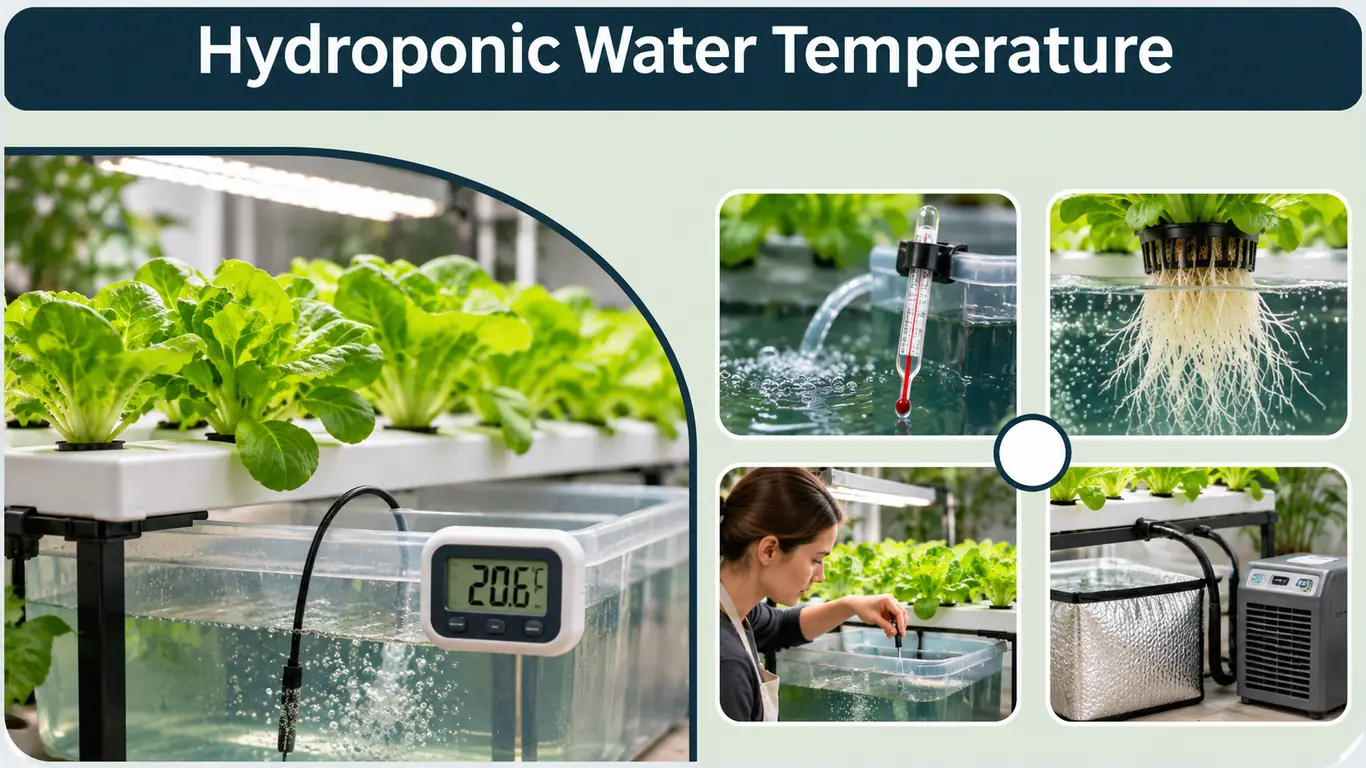
Hydroponic water temperature plays an important role in keeping plants healthy, improving nutrient absorption, and supporting strong root development. Unlike traditional gardening, hydroponic systems rely on nutrient-rich water to deliver essential minerals directly to plant roots. Maintaining the correct water temperature helps prevent oxygen shortages, slow growth, and root diseases. Most hydroponic plants grow well when the nutrient solution stays between 65°F and 72°F (18°C–22°C). Understanding how temperature affects your system can help you create a stable growing environment and produce healthier vegetables, herbs, and indoor plants.
What Is the Ideal Hydroponic Water Temperature?
The ideal hydroponic water temperature generally ranges from 65°F to 72°F (18°C–22°C) for many common crops. This range helps maintain sufficient dissolved oxygen while supporting nutrient uptake and healthy root development. However, the best temperature depends on the plant species, growing method, and environmental conditions. Maintaining consistency is often more important than achieving one exact temperature.
Recommended Water Temperature for Hydroponic Plants
Different hydroponic crops have slightly different temperature preferences. The following ranges provide practical starting points for common plants.
| Hydroponic Plant | Suggested Water Temperature |
|---|---|
| Lettuce | 65–72°F (18–22°C) |
| Spinach | 64–70°F (18–21°C) |
| Basil | 68–75°F (20–24°C) |
| Tomatoes | 68–75°F (20–24°C) |
| Cucumbers | 68–75°F (20–24°C) |
| Strawberries | 65–72°F (18–22°C) |
| Kale | 65–72°F (18–22°C) |
These are general starting ranges rather than strict biological limits. Actual performance depends on the variety, water oxygenation, climate, and growing system.
Why 65–72°F Works Well
Water within this range can support healthy roots while retaining enough dissolved oxygen for plant respiration. Researchers and horticultural specialists frequently recommend maintaining nutrient solution temperatures near 68–72°F (20–22°C), particularly for hydroponic leafy greens.
Why Hydroponic Water Temperature Matters
Water temperature influences several biological processes in hydroponic plants, including respiration, nutrient absorption, and root growth. When water becomes excessively hot or cold, plants may struggle to use essential nutrients efficiently. Temperature also affects the amount of oxygen dissolved in the nutrient solution. Understanding these relationships helps growers identify problems before they reduce plant growth or productivity.
1. Supports Healthy Root Development
Roots grow best when environmental conditions support normal respiration and cellular activity. Stable nutrient solution temperatures encourage healthy root development, helping plants access the water and minerals necessary for growth.
2. Improves Nutrient Absorption
Temperature affects root metabolism and the movement of nutrients into plant tissues. Extremely cold water can slow these processes, while excessive heat may increase root stress and interfere with nutrient uptake.
3. Maintains Dissolved Oxygen Levels
Cooler water generally holds more dissolved oxygen than warmer water. According to the University of Missouri Extension, dissolved oxygen concentrations above 6 mg/L are desirable for hydroponic production.
4. Helps Reduce Root Disease Risks
Unfavorable water temperatures can weaken plants and create conditions that encourage root pathogens. Warm nutrient solutions are particularly concerning when combined with insufficient oxygen, poor sanitation, or existing disease contamination.
What Happens When Hydroponic Water Is Too Hot?
High hydroponic water temperatures can create serious challenges for plant growth and overall system performance. As water warms, its oxygen-holding capacity decreases, while root respiration may increase. This combination can cause stress, particularly in deep water culture systems. Prolonged exposure to high temperatures can also encourage certain root pathogens, making proper temperature management especially important during summer.
Signs of Excessively Warm Water
Plants may show several warning signs when their nutrient solution becomes too warm.
- Wilting Leaves: Plants may wilt even when sufficient water is available because stressed roots cannot function efficiently.
- Brown or Damaged Roots: Root discoloration may indicate root injury or disease, although staining from nutrients can look similar.
- Slow Plant Growth: Excessive temperatures may reduce root efficiency and limit healthy development.
- Unpleasant Water Odor: Foul-smelling water can indicate microbial growth or decomposing roots.
- Reduced Oxygen Availability: Warmer water naturally retains less dissolved oxygen, increasing the importance of proper aeration.
At What Temperature Does Water Become Too Hot?
For many hydroponic crops, sustained temperatures above 75–77°F (24–25°C) deserve closer attention, especially when oxygen levels are low. Temperatures approaching 86°F (30°C) can create substantial stress, although tolerance differs among crops and growing conditions.
What Happens When Hydroponic Water Is Too Cold?
Cold nutrient solutions can also negatively affect hydroponic plant development, even though cooler water holds more dissolved oxygen. When water temperatures become excessively low, root metabolism slows, reducing the plant’s ability to absorb nutrients efficiently. This can result in delayed growth, weak roots, and reduced productivity. The severity depends on the crop, exposure duration, and surrounding air temperature.
How Cold Water Affects Plant Growth
Cold water may reduce root activity and slow important physiological processes. Plants can experience nutrient uptake problems even when sufficient fertilizer is present in the reservoir.
For many crops, prolonged temperatures below approximately 60°F (16°C) may slow growth. More severe chilling can cause additional stress, especially in warm-season vegetables such as tomatoes, basil, and cucumbers.
Can Cold Water Damage Hydroponic Roots?
Yes, prolonged exposure to extremely cold conditions can interfere with root growth and plant health. Research involving hydroponic lettuce has found reduced growth and stress responses at nutrient solution temperatures around 50°F (10°C).
How to Maintain the Ideal Hydroponic Water Temperature
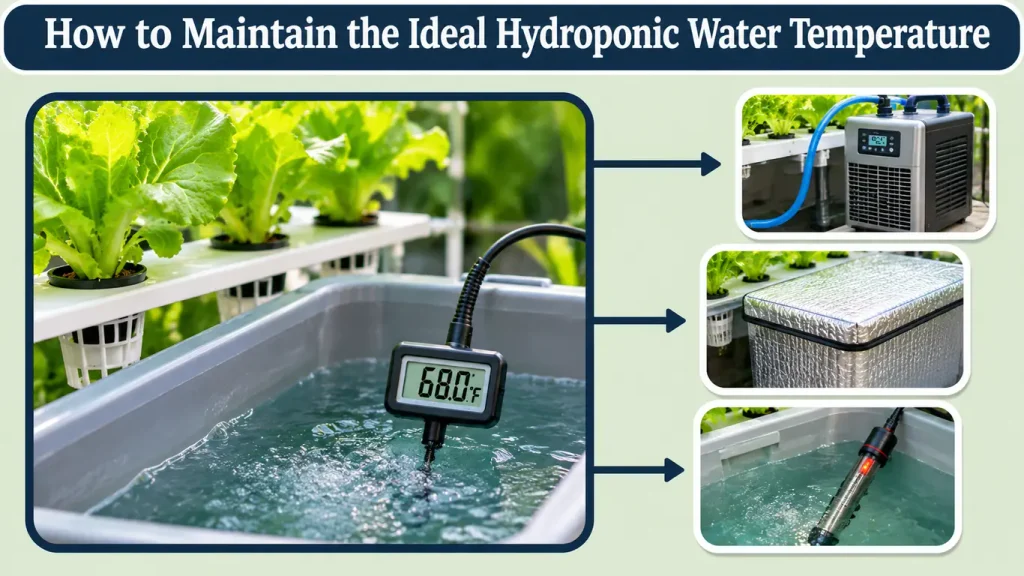
Maintaining a stable hydroponic water temperature requires proper reservoir placement, regular monitoring, and suitable equipment. Indoor growing systems may experience temperature fluctuations from grow lights, water pumps, and seasonal weather changes. Fortunately, several simple adjustments can help protect the nutrient solution from excessive heating or cooling. Choosing the right approach depends on your growing environment, reservoir size, and budget.
1. Use a Digital Water Thermometer
Install a waterproof thermometer or temperature probe inside the nutrient reservoir. Check readings regularly, preferably during the warmest and coolest parts of the day, to identify significant fluctuations.
2. Keep the Reservoir Away From Direct Sunlight
Sunlight can quickly heat exposed water containers, especially dark-colored reservoirs. Position the reservoir in a shaded location and use an opaque lid to minimize heat absorption and prevent algae growth.
3. Insulate the Water Reservoir
Insulation helps reduce temperature fluctuations caused by changes in the surrounding environment. Reflective insulation, foam boards, or insulated reservoir covers can provide additional protection.
4. Use a Hydroponic Water Chiller
Water chillers provide controlled cooling when temperatures remain consistently high. They are particularly useful for larger hydroponic systems or growers operating in hot climates.
5. Install an Aquarium Heater When Necessary
An adjustable aquarium heater can help maintain suitable temperatures during colder months. Choose equipment designed for the reservoir’s water volume and use a reliable thermostat to prevent overheating.
6. Maintain Proper Air Circulation
Good ventilation helps reduce excess heat around hydroponic equipment and growing areas. Keep pumps and reservoirs away from unnecessary heat sources, and ensure electrical equipment operates safely.
Hydroponic Water Temperature for Different Growing Systems
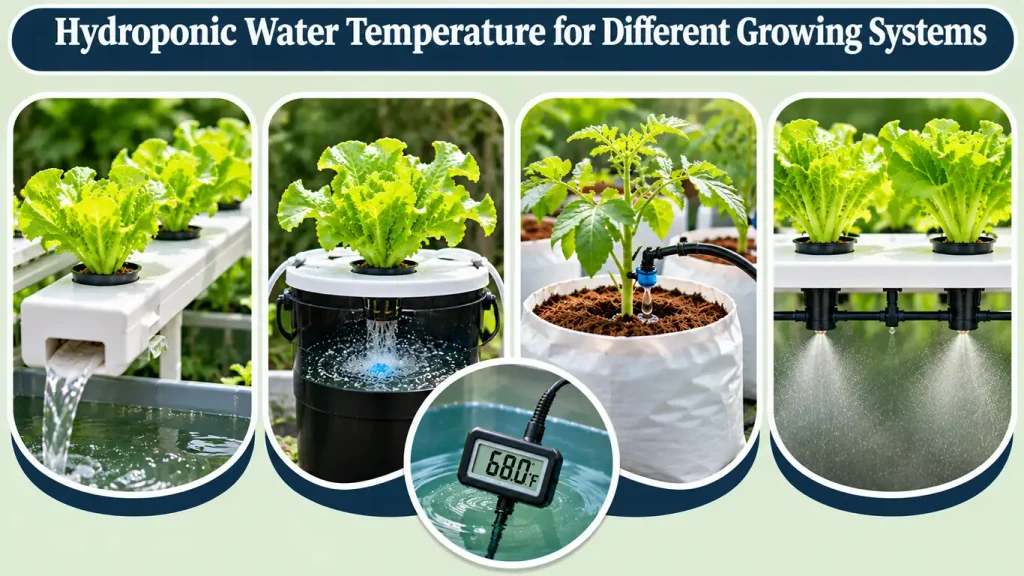
Different hydroponic systems expose plant roots to nutrient solutions in different ways, which can affect temperature stability. Deep water culture keeps roots continuously submerged, while nutrient film technique circulates a shallow stream of water. Drip systems deliver nutrients intermittently to growing media. Understanding these differences helps growers determine where temperature monitoring and control are most important.
Deep Water Culture (DWC)
In deep water culture, plant roots remain suspended in an aerated nutrient solution. A practical starting temperature is 65–72°F (18–22°C), with continuous aeration to support root respiration.
Since roots remain underwater, dissolved oxygen management is especially important. Insulated reservoirs and reliable air pumps help maintain suitable conditions.
Nutrient Film Technique (NFT)
NFT systems circulate a thin layer of nutrient solution across plant roots. Water temperature can change as it travels through channels exposed to warm air or sunlight.
Monitoring both the reservoir and root-zone channels helps identify temperature differences. Shading channels and insulating supply lines can reduce unwanted heating.
Drip Hydroponic Systems
Drip systems deliver nutrient solution to plants grown in media such as coco coir, perlite, or rockwool. The temperature of both the water and growing medium can influence root conditions.
Maintain a stable reservoir temperature and avoid placing exposed irrigation lines near strong heat sources. Consistent irrigation management is equally important for healthy roots.
How to Monitor Hydroponic Water Temperature Accurately
Accurate temperature monitoring is essential for maintaining a healthy hydroponic growing environment. Although room temperature provides useful information, it does not always reflect the actual temperature surrounding plant roots. Grow lights, pumps, and reservoir materials can create noticeable differences. Measuring the nutrient solution directly provides more reliable information and helps growers respond appropriately when temperatures move outside the desired range.
Use a Waterproof Temperature Probe
Place a waterproof temperature probe below the water surface, away from direct contact with heaters or cooling equipment. This helps ensure the reading represents the nutrient solution rather than the temperature of a nearby component.
A thermometer with minimum and maximum temperature recording can also reveal changes that occur overnight or during unattended periods.
Keep a Daily Temperature Record
Record temperatures at consistent times throughout the growing cycle. Comparing readings helps identify recurring overheating problems, seasonal changes, or unexpected equipment issues.
Temperature records are particularly useful when investigating slow growth or unhealthy roots. They can also help determine whether insulation, heating, or cooling improvements are necessary.
Common Hydroponic Water Temperature Mistakes to Avoid
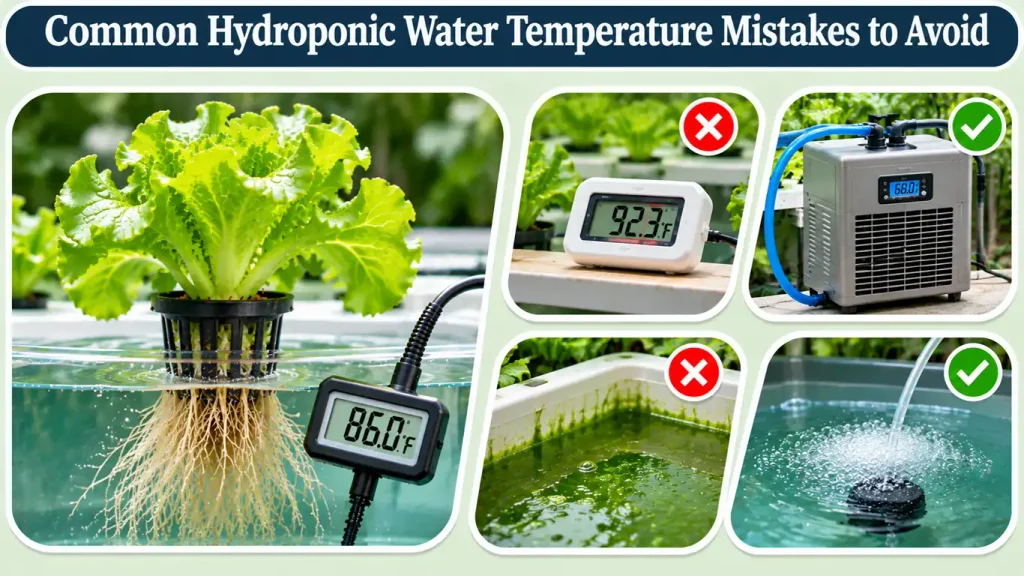
Even experienced hydroponic growers sometimes overlook temperature management while focusing on nutrients, lighting, and pH levels. Small mistakes can gradually create unfavorable conditions around plant roots. Sudden temperature changes, inadequate monitoring, or poorly placed equipment may affect plant performance. Preventing these problems is usually easier and less expensive than correcting severe root damage after it develops.
Common Mistakes and Solutions
- Ignoring Daily Temperature Changes: Monitor water regularly because temperatures may change significantly between daytime and nighttime.
- Placing Reservoirs Near Grow Lights: Keep water containers away from concentrated heat and direct sunlight.
- Adding Large Amounts of Ice: Avoid sudden cooling that can shock roots, and never use contaminated ice.
- Using Incorrect Heater Settings: Choose temperature-controlled equipment and verify settings with a separate thermometer.
- Neglecting Aeration: Maintain adequate dissolved oxygen, particularly when water temperatures increase.
FAQs
1. What Is the Best Water Temperature for Hydroponics?
The best hydroponic water temperature for many common plants is approximately 65–72°F (18–22°C). This range generally supports healthy root development and adequate dissolved oxygen. However, some warm-season crops may perform well at slightly higher temperatures when properly aerated.
2. Is 80°F Too Hot for Hydroponic Water?
Water at 80°F (27°C) is warmer than recommended for many hydroponic systems. Prolonged exposure may increase root stress and reduce dissolved oxygen availability. Some plants tolerate these conditions, but monitoring root health, aeration, and temperature stability becomes especially important.
3. Can Hydroponic Water Be Too Cold?
Yes, excessively cold hydroponic water can slow nutrient absorption, root metabolism, and overall plant growth. Many crops experience reduced development when nutrient solution temperatures remain below their preferred range. Gentle heating can help maintain more suitable conditions during winter.
4. How Can I Cool Hydroponic Water Without a Chiller?
You can cool hydroponic water by shading the reservoir, insulating containers, improving ventilation, and reducing nearby heat sources. Frozen sealed water bottles may provide temporary cooling, but temperatures should be monitored carefully to avoid sudden fluctuations or contamination.
5. Does Hydroponic Water Temperature Affect pH?
Water temperature can influence chemical reactions, biological activity, and pH measurements in hydroponic systems. However, temperature alone does not determine nutrient solution pH. Regular monitoring with a properly calibrated pH meter provides more reliable information about nutrient availability and water quality.