
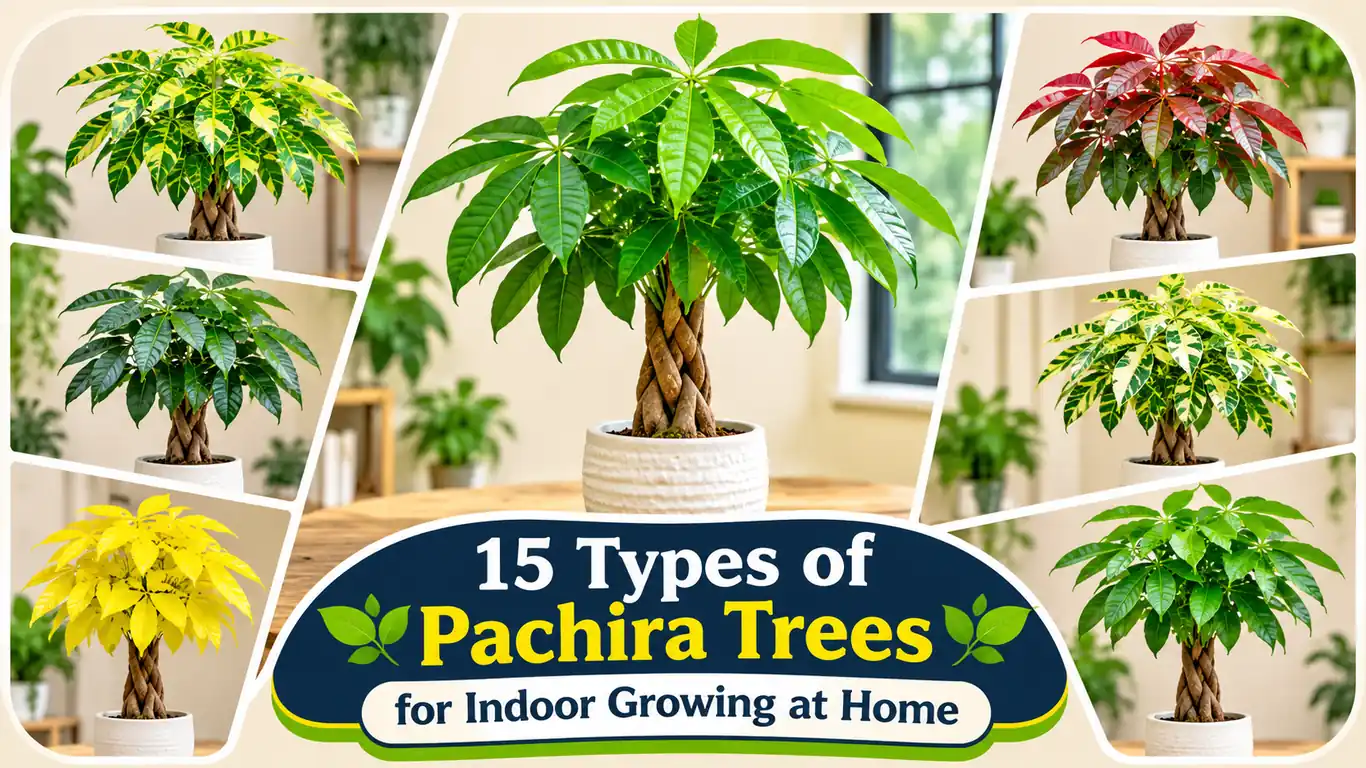
Pachira trees are tropical plants admired for their attractive green foliage, unique trunks, and elegant growth habits. While the Money Tree is the most popular indoor variety, the Pachira genus includes several lesser-known species. Some adapt well to household conditions, while others require specialized care. Explore 15 types of Pachira trees, their characteristics, growing conditions, and essential maintenance tips for indoor cultivation.
1. Pachira aquatica (Money Tree)

Pachira aquatica, commonly known as the Money Tree, is one of the most popular tropical trees for indoor growing. It features glossy green leaves, a distinctive braided trunk, and an attractive upright growth habit. Native to tropical regions of Central and South America, this tree grows well indoors when provided with bright, indirect sunlight, moderate watering, and proper drainage. Its elegant appearance makes it a beautiful addition to living rooms, offices, and indoor gardens.
Identification
- Scientific Name: Pachira aquatica
- Common Name: Money Tree, Guiana Chestnut
- Family: Malvaceae
- Plant Height: Typically 3–6 feet indoors
- Leaf Color: Glossy dark green
- Leaf Shape: Palmately compound with 5–7 leaflets, sometimes more
- Growth Habit: Upright tropical tree with a woody trunk
- Appearance: Slender trunk, often braided in cultivated plants, with a spreading canopy of green leaves
Ideal Indoor Growing Conditions
Pachira aquatica prefers bright, indirect sunlight but can tolerate moderate indoor light. Position it near an east-facing window or a few feet away from a bright south-facing window. Avoid prolonged exposure to harsh afternoon sunlight, which may scorch the leaves.
This tropical tree grows best in temperatures between 65°F and 80°F (18°C–27°C). It appreciates moderate to high humidity and well-draining potting soil. A container with drainage holes helps prevent excess moisture from accumulating around the roots.
Watering and Maintenance Tips
Water your Money Tree when the top 1–2 inches of soil feel dry. Water thoroughly and allow excess moisture to drain away. Reduce watering during winter when growth naturally slows.
Prune long or damaged branches to maintain a compact shape. Feed the plant with a balanced, diluted houseplant fertilizer during spring and summer. Rotate the pot occasionally to encourage balanced growth and prevent the tree from leaning toward its light source.
2. Pachira glabra (Malabar Chestnut)

Pachira glabra, commonly known as Malabar Chestnut or French Peanut, is a tropical tree valued for its attractive green foliage and smooth trunk. It closely resembles Pachira aquatica but has some differences in its flowers, fruits, and overall growth characteristics. Although less common as a houseplant, Pachira glabra can grow successfully indoors with proper care. Its glossy, palm-shaped leaves and upright growth make it an appealing choice for bright indoor spaces.
Identification
- Scientific Name: Pachira glabra
- Common Name: Malabar Chestnut, French Peanut
- Family: Malvaceae
- Plant Height: Approximately 3–6 feet indoors with pruning
- Leaf Color: Bright to dark green
- Leaf Shape: Palmately compound, usually with 5–7 leaflets
- Growth Habit: Upright tropical evergreen tree
- Appearance: Smooth greenish trunk, spreading branches, and glossy leaflets
Ideal Indoor Growing Conditions
Pachira glabra prefers bright, indirect sunlight and warm indoor temperatures. A position near an east-facing window provides gentle morning sunlight without exposing the leaves to excessive afternoon heat. It can tolerate some direct morning sun, but sudden exposure to intense sunlight may cause leaf damage.
Maintain temperatures around 65°F–85°F (18°C–29°C) and provide moderate humidity. Use a well-draining potting mixture containing organic matter, perlite, and bark to support healthy root development.
Watering and Maintenance Tips
Water Pachira glabra when the upper portion of the soil begins to dry. Avoid keeping the potting mixture constantly wet because excessive moisture may lead to root rot.
Prune overcrowded branches during active growth to maintain an attractive indoor shape. Apply diluted balanced fertilizer every four to six weeks during spring and summer. Regularly inspect the leaves for spider mites and mealybugs.
3. Pachira insignis (Wild Money Tree)

Pachira insignis is a tropical tree recognized for its large, attractive leaves and impressive growth potential. Native to northern South America, this species is sometimes called Wild Money Tree and belongs to the same genus as the familiar indoor Money Tree. Although it naturally develops into a much larger tree outdoors, young specimens can be maintained indoors in spacious containers. Its broad green foliage creates a distinctive tropical appearance in bright rooms and indoor plant collections.
Identification
- Scientific Name: Pachira insignis
- Common Name: Wild Money Tree
- Family: Malvaceae
- Plant Height: Several feet indoors, depending on container size and pruning
- Leaf Color: Deep green
- Leaf Shape: Large, palmately compound leaves
- Growth Habit: Upright tropical tree
- Appearance: Sturdy woody trunk, long leaf stalks, and broad clusters of glossy leaflets
Ideal Indoor Growing Conditions
Pachira insignis requires bright, indirect sunlight to maintain healthy foliage and vigorous growth. A spacious location near a large window is preferable because its leaves can become considerably larger than those of many common houseplants.
Maintain warm temperatures between approximately 65°F and 85°F (18°C–29°C), avoiding cold drafts and sudden temperature fluctuations. Moderate to high humidity helps support healthy foliage. Use a fertile, well-draining potting mixture that retains some moisture without becoming waterlogged.
Watering and Maintenance Tips
Water thoroughly whenever the upper 1–2 inches of soil feel dry, adjusting the frequency according to light, temperature, and container size. Avoid leaving standing water in the saucer.
Remove damaged leaves and prune new growth when necessary to control the tree’s height. During the growing season, apply a diluted balanced fertilizer occasionally. Because Pachira insignis can become quite large, repotting and regular size management may be necessary.
4. Pachira amazonica
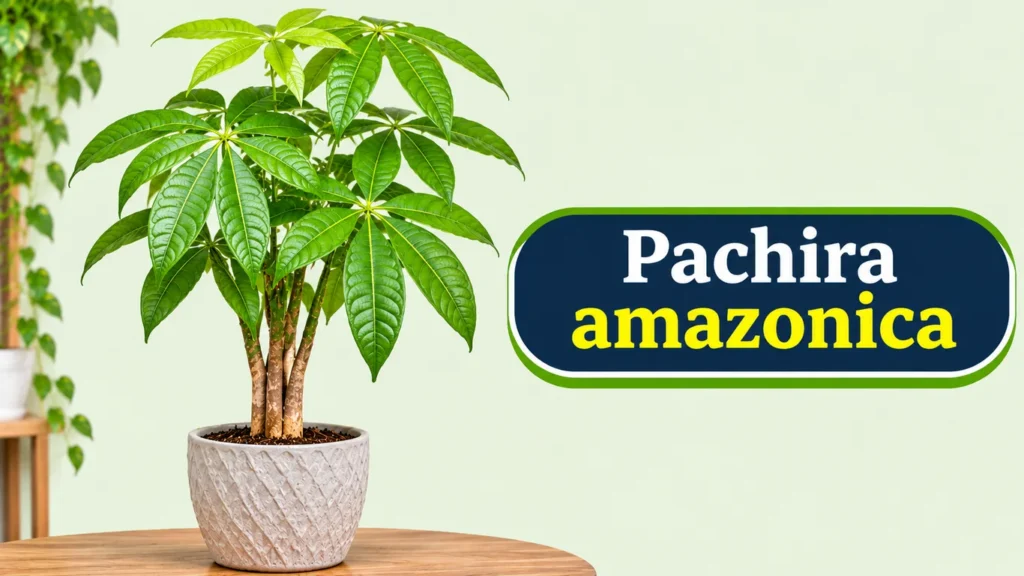
Pachira amazonica is a rare tropical tree native to parts of the Amazon region, including Brazil, Colombia, and Venezuela. This species naturally grows in wet tropical environments and belongs to the Malvaceae family. Although it is not commonly cultivated as a houseplant, young specimens may be suitable for experimental indoor growing when provided with appropriate warmth, humidity, and light. Its tropical origin makes it an interesting addition to specialized plant collections.
Identification
- Scientific Name: Pachira amazonica
- Common Name: No widely established common name
- Family: Malvaceae
- Plant Height: Indoor mature height is not well documented
- Leaf Color: Green
- Plant Type: Tropical tree
- Growth Habit: Woody tree native to humid tropical regions
- Appearance: Tropical tree with foliage characteristic of the Pachira genus
Ideal Indoor Growing Conditions
Pachira amazonica naturally occurs in warm tropical environments, so indoor cultivation would likely require consistently warm conditions and relatively high humidity. Bright, filtered light may be a reasonable starting point, although species-specific indoor requirements have not been established.
A well-draining potting mixture containing organic matter and perlite may help maintain moisture while allowing sufficient air circulation around the roots. Protect young plants from cold drafts and sudden temperature changes.
Watering and Maintenance Tips
Maintain lightly moist soil without allowing the container to remain waterlogged. Check soil moisture regularly and adjust watering according to environmental conditions.
Remove damaged foliage when necessary and monitor the plant for signs of moisture stress. Because reliable indoor cultivation guidance is limited, growers should monitor new growth carefully and adjust their care practices based on the plant’s response.
5. Pachira brevipes
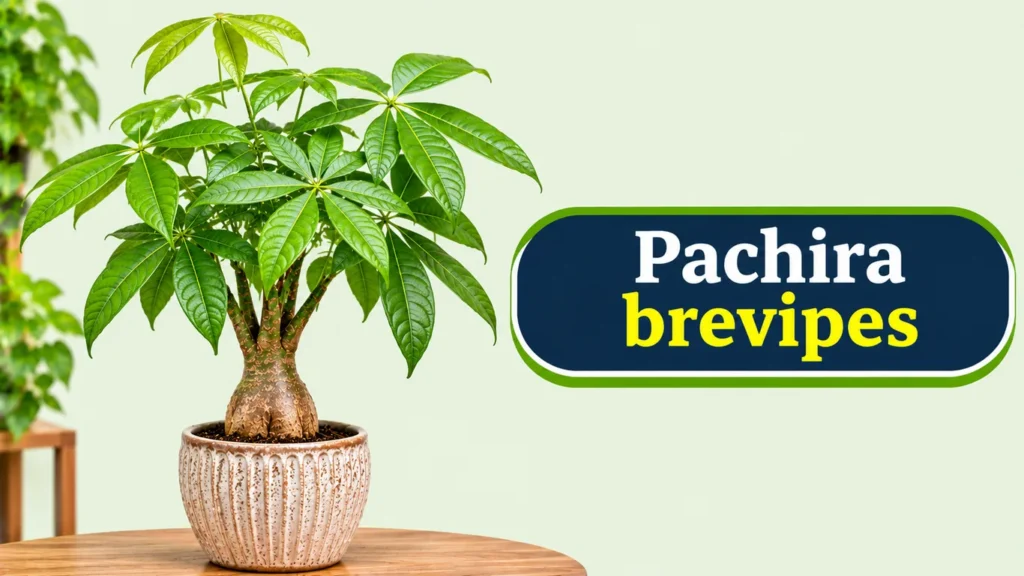
Pachira brevipes is a lesser-known tropical tree species belonging to the Malvaceae family. It is native to tropical South America and is rarely encountered in commercial indoor plant collections. Although this species is not widely grown as a houseplant, young specimens may be maintained in containers under suitable tropical conditions. Its unusual botanical background makes it an interesting choice for collectors interested in rare Pachira species.
Identification
- Scientific Name: Pachira brevipes
- Common Name: No widely established common name
- Family: Malvaceae
- Plant Height: Indoor height is not well documented
- Leaf Color: Green
- Plant Type: Tropical woody plant
- Growth Habit: Tree species
- Appearance: Woody stems and foliage characteristic of tropical Pachira species
Ideal Indoor Growing Conditions
Pachira brevipes is not a commonly cultivated indoor species, so its exact houseplant requirements remain poorly documented. Bright, filtered sunlight would be a reasonable starting point for experimental cultivation. Position young plants near a window where they receive consistent daylight without prolonged exposure to harsh afternoon sun.
A warm environment with temperatures around 65°F–85°F (18°C–29°C) may help support tropical growth. Use a loose, well-draining growing medium containing organic matter and perlite.
Watering and Maintenance Tips
Check soil moisture regularly and water when the upper layer begins to dry. Avoid allowing water to collect at the bottom of the container, as poorly drained soil can damage developing roots.
Remove dead or damaged foliage when necessary. During active growth, small amounts of diluted balanced fertilizer may support healthy development. Monitor the plant carefully because established indoor care recommendations for this species are limited.
6. Pachira coriacea
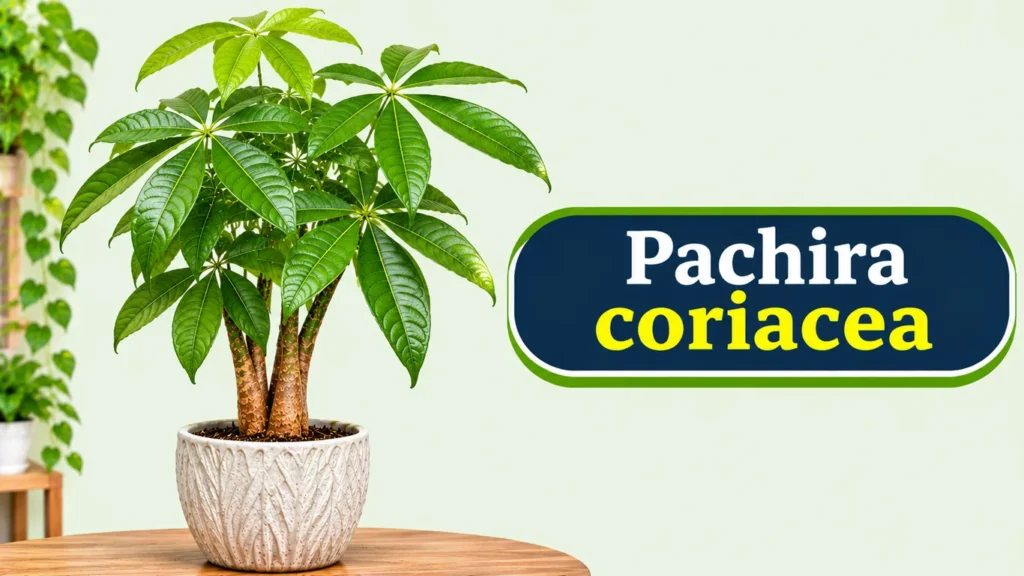
Pachira coriacea is a rare member of the Pachira genus, known primarily through botanical records rather than ornamental houseplant cultivation. Like other members of the Malvaceae family, it belongs to a group of tropical woody plants with distinctive foliage and growth characteristics. Although not commonly available in nurseries, this species may interest experienced indoor gardeners who enjoy collecting unusual tropical trees.
Identification
- Scientific Name: Pachira coriacea
- Common Name: No widely established common name
- Family: Malvaceae
- Plant Height: Indoor height is not reliably documented
- Leaf Color: Green
- Plant Type: Tropical woody species
- Growth Habit: Tree-like growth
- Appearance: Green foliage and woody stems; detailed indoor identification characteristics are poorly documented
Ideal Indoor Growing Conditions
Pachira coriacea has limited documented experience as an indoor plant. For experimental cultivation, bright, indirect sunlight and a consistently warm environment may be appropriate starting conditions. A location near a bright window with filtered sunlight can help avoid sudden exposure to excessive heat.
A loose potting mixture containing bark, perlite, and organic matter may provide a useful balance between moisture retention and drainage. Moderate humidity and stable indoor temperatures are preferable to cold or rapidly changing conditions.
Watering and Maintenance Tips
Water carefully according to the moisture level of the potting mixture rather than following a fixed schedule. Allow the upper surface to dry slightly before watering again, and ensure that excess water drains freely.
Inspect leaves and stems regularly for signs of stress or pests. Remove damaged growth and avoid heavy pruning until the plant’s growth response is better understood. Fertilize sparingly during active growth, since species-specific feeding requirements are not well established.
7. Pachira emarginata (Ceibon Tree)
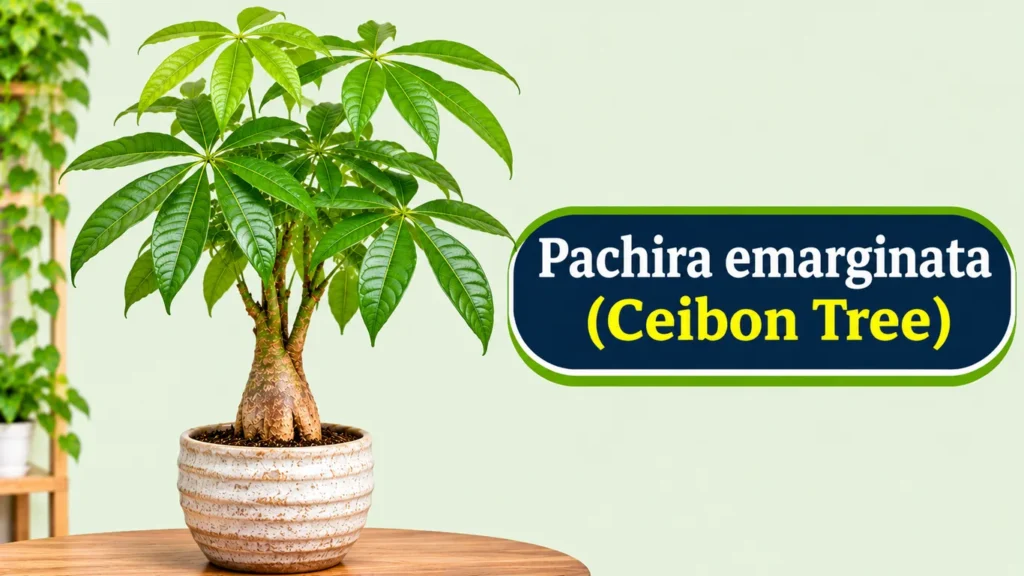
Pachira emarginata is a tropical tree species native to the Caribbean, including Cuba, Haiti, and the Dominican Republic. Known locally by names such as Ceibon and Juan Colorado, this species belongs to the Malvaceae family. It is primarily a wild-growing tree rather than a conventional indoor ornamental plant. However, young specimens may interest experienced gardeners who want to experiment with growing unusual tropical trees in containers.
Identification
- Scientific Name: Pachira emarginata
- Common Name: Ceibon, Juan Colorado
- Family: Malvaceae
- Plant Height: Indoor height is not well documented
- Leaf Color: Green
- Plant Type: Tropical tree
- Native Habitat: Caribbean tropical regions
- Appearance: Woody tree with green foliage; mature specimens are better documented than indoor plants
Ideal Indoor Growing Conditions
Because Pachira emarginata is not widely cultivated indoors, its specific houseplant requirements remain uncertain. Bright, filtered sunlight and stable temperatures may provide suitable initial conditions for growing young specimens.
Maintain a warm indoor environment, preferably around 65°F–85°F (18°C–29°C), while protecting the plant from cold drafts. A well-draining potting mixture containing organic matter and perlite may support root development.
Watering and Maintenance Tips
Water when the upper layer of soil begins to dry, ensuring that excess moisture drains through the bottom of the container. Avoid continuously saturated soil, which may cause root problems.
Remove damaged leaves and monitor new growth regularly. Apply diluted fertilizer sparingly during the active growing season. Since Pachira emarginata is not an established indoor houseplant, long-term container performance and pruning requirements remain largely undocumented.
8. Pachira gracilis
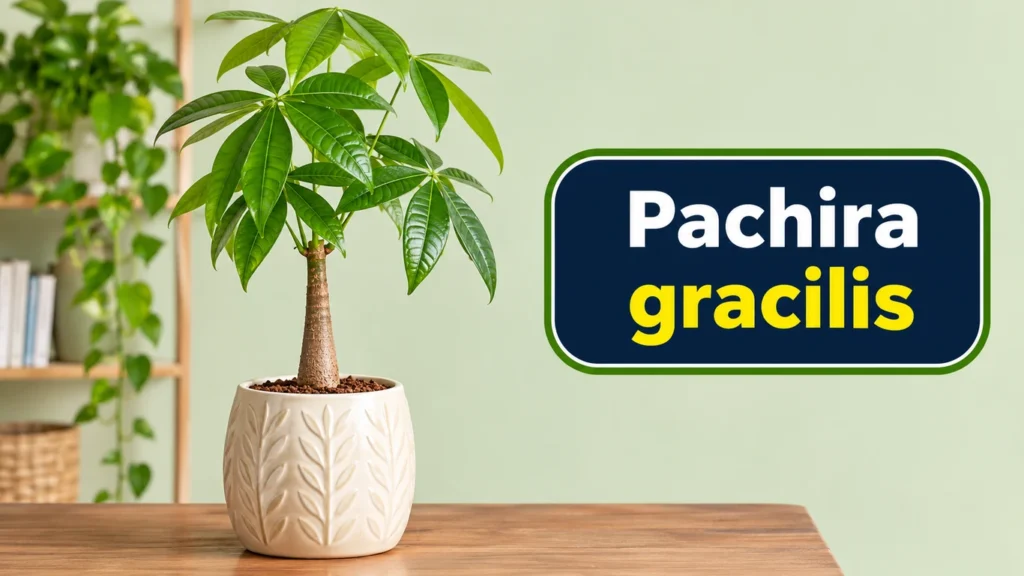
Pachira gracilis is a rare tropical tree native to Colombia and Venezuela. It belongs to the Malvaceae family and naturally grows in wet tropical forests. Although it is not commonly available as an indoor houseplant, this species may interest collectors who enjoy growing unusual tropical trees. Young specimens could potentially be cultivated in containers, provided they receive suitable warmth, light, and humidity. However, its long-term performance indoors has not been well documented.
Identification
- Scientific Name: Pachira gracilis
- Common Name: No widely established common name
- Family: Malvaceae
- Plant Height: Indoor height is not documented
- Leaf Color: Green
- Plant Type: Tropical tree
- Native Habitat: Colombia and Venezuela
- Appearance: Woody tropical tree; detailed ornamental foliage characteristics are not well documented
Ideal Indoor Growing Conditions
Pachira gracilis naturally grows in humid tropical environments, suggesting that warm temperatures and consistent moisture may be important for successful cultivation. Bright, indirect sunlight is a reasonable starting point for young plants. Position the container near a bright window while protecting it from intense afternoon sunlight.
A well-draining potting mixture containing organic matter, perlite, and fine bark may help provide adequate root aeration. Temperatures around 65°F–85°F (18°C–29°C) and moderate to high humidity can be used as initial experimental conditions.
Watering and Maintenance Tips
Water Pachira gracilis when the upper layer of soil begins to dry. Maintain moderate moisture without allowing water to accumulate around the roots.
Remove dead or damaged leaves when necessary and inspect the plant for pests. During active growth, occasional applications of diluted balanced fertilizer may support development. Monitor its response carefully because reliable species-specific indoor care information is limited.
9. Pachira humilis
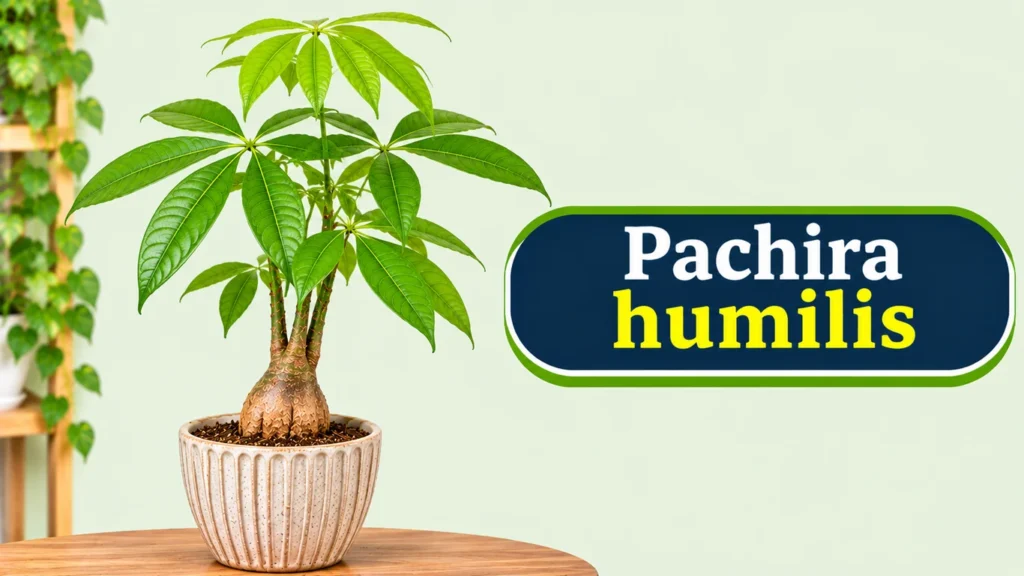
Pachira humilis is a tropical shrub or tree native to Colombia and Venezuela. It naturally occurs in wet tropical environments and belongs to the Malvaceae family. Unlike the familiar Money Tree, this species is rarely cultivated as an ornamental houseplant. Its botanical characteristics make it interesting for specialist plant collections. Although indoor growing methods have not been established, young specimens may be candidates for experimental container cultivation under carefully maintained tropical conditions.
Identification
- Scientific Name: Pachira humilis
- Common Name: No widely established common name
- Family: Malvaceae
- Plant Height: Indoor height is not reliably documented
- Leaf Color: Green
- Plant Type: Tropical shrub or tree
- Growth Habit: Woody growth, occurring naturally as a shrub or tree
- Native Habitat: Wet tropical regions of Colombia and Venezuela
Ideal Indoor Growing Conditions
Pachira humilis grows naturally in warm tropical habitats, so a stable indoor environment may be beneficial when experimenting with container cultivation. Place young plants in bright, filtered sunlight rather than exposing them immediately to strong direct sun.
A loose potting mixture with organic material and good drainage can help support developing roots. Maintaining temperatures around 65°F–85°F (18°C–29°C) may be a useful starting point, although species-specific temperature tolerances have not been established.
Watering and Maintenance Tips
Water when the top layer of soil starts to dry, adjusting the frequency according to temperature, light exposure, and container size. Avoid keeping the growing medium continuously saturated.
Inspect the foliage regularly and remove damaged growth. Apply diluted fertilizer sparingly during the active growing season. Avoid aggressive pruning until the plant’s response is better understood, since established indoor maintenance practices are unavailable.
10. Pachira minor
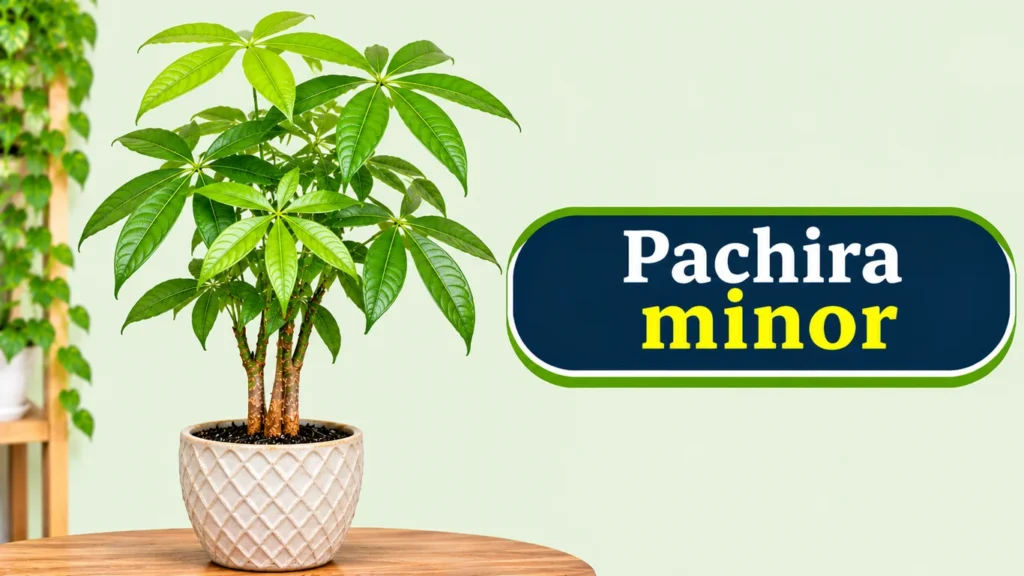
Pachira minor is a tropical tree native to northern South America, including Brazil, Colombia, Guyana, Peru, and Venezuela. It grows naturally in wet tropical environments and belongs to the Malvaceae family. This species is uncommon in commercial indoor gardening, but its botanical background may appeal to experienced tropical plant collectors. Young trees could potentially be grown in large containers, although their suitability for long-term indoor cultivation remains uncertain.
Identification
- Scientific Name: Pachira minor
- Common Name: No widely established common name
- Family: Malvaceae
- Plant Height: Indoor height is not well documented
- Leaf Color: Green
- Plant Type: Tropical tree
- Growth Habit: Woody, upright tree
- Native Habitat: Wet tropical forests of northern South America
Ideal Indoor Growing Conditions
Pachira minor naturally occurs in humid tropical regions, so indoor cultivation would likely require warm temperatures and sufficient moisture. Bright, indirect sunlight may provide a reasonable starting environment for young plants. A position near a large, bright window can provide daylight without excessive heat exposure.
Use a fertile, well-draining potting mixture containing organic matter and aeration materials such as perlite. Maintain stable temperatures around 65°F–85°F (18°C–29°C) as a provisional growing range.
Watering and Maintenance Tips
Check soil moisture regularly and water when the upper portion starts to dry. Ensure the container has adequate drainage holes to prevent waterlogging. Remove dead leaves and inspect stems for potential pest problems. During active growth, occasional diluted fertilizer may help support development. Repot only when necessary, and avoid excessive root disturbance.
Because Pachira minor is not an established indoor houseplant, its watering, pruning, and fertilization requirements should be treated as experimental rather than proven recommendations.
11. Pachira nitida
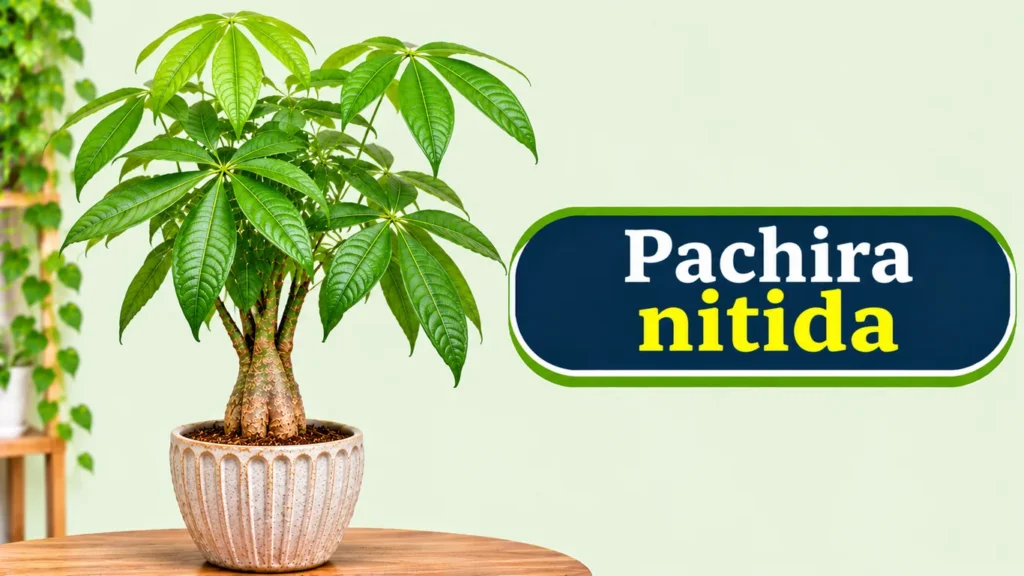
Pachira nitida is a rare tropical tree belonging to the Malvaceae family. It is native to tropical South America and is primarily known through botanical records rather than commercial houseplant cultivation. Although it is not commonly grown indoors, young specimens may interest experienced gardeners who enjoy collecting unusual tropical trees. Its natural tropical habitat suggests that warmth, consistent moisture, and suitable lighting would be important considerations when attempting container cultivation.
Identification
- Scientific Name: Pachira nitida
- Common Name: No widely established common name
- Family: Malvaceae
- Plant Height: Indoor height is not reliably documented
- Leaf Color: Green
- Plant Type: Tropical woody tree
- Growth Habit: Upright tree growth
- Appearance: Woody stems and green foliage; detailed indoor ornamental characteristics are poorly documented
Ideal Indoor Growing Conditions
Pachira nitida is not an established indoor houseplant, so its specific growing requirements remain uncertain. Bright, indirect sunlight may be a suitable starting point for young specimens. Position the container near a bright window where the plant receives consistent daylight without prolonged exposure to intense afternoon sunlight.
Warm temperatures around 65°F–85°F (18°C–29°C) may provide an appropriate experimental environment. A well-draining potting mixture containing organic matter, perlite, and fine bark can help balance moisture retention with proper root aeration.
Watering and Maintenance Tips
Water Pachira nitida when the upper portion of the soil begins to dry. Avoid allowing the container to remain waterlogged, as excess moisture can damage developing roots.
Remove damaged foliage when necessary and inspect the plant regularly for pests. Apply diluted balanced fertilizer sparingly during active growth. Because established indoor care instructions are unavailable, adjust watering and feeding according to the plant’s response.
12. Pachira obovata
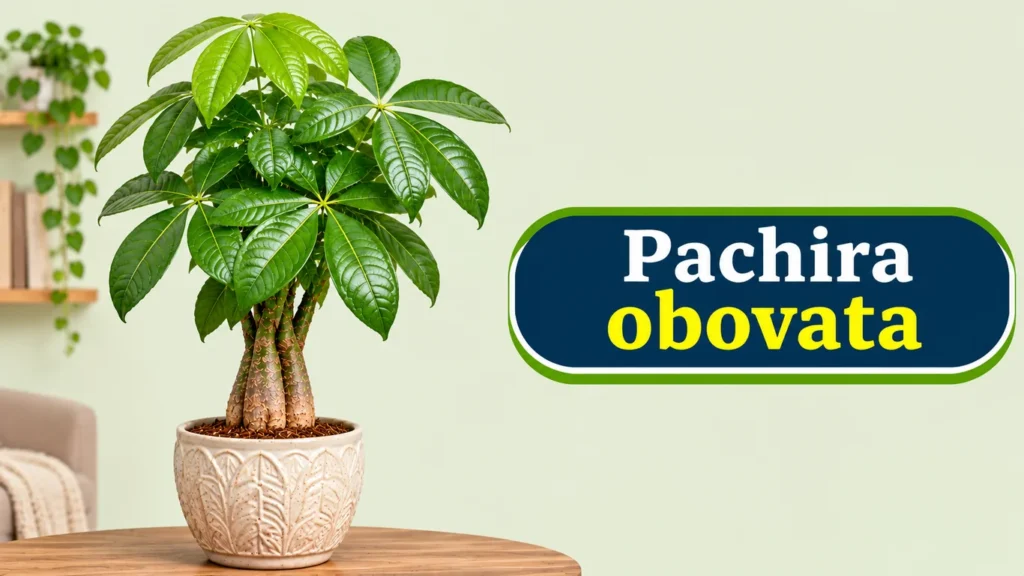
Pachira obovata is a lesser-known tropical tree species belonging to the Pachira genus. Unlike the familiar Money Tree, this species is rarely found in indoor plant nurseries or ornamental collections. It is primarily of botanical interest rather than a widely cultivated houseplant. However, young specimens may potentially be maintained in containers by experienced gardeners who can provide warm growing conditions and carefully controlled soil moisture.
Identification
- Scientific Name: Pachira obovata
- Common Name: No widely established common name
- Family: Malvaceae
- Plant Height: Indoor mature height is not documented
- Leaf Color: Green
- Plant Type: Tropical woody species
- Growth Habit: Tree-like growth
- Appearance: Woody stems and foliage; detailed characteristics should be confirmed using botanical references
Ideal Indoor Growing Conditions
Pachira obovata has limited documented history as an indoor ornamental tree. Bright, filtered sunlight may be a reasonable starting point for experimental cultivation. Position young plants near an east-facing window or another location with gentle natural light.
Maintain a warm indoor environment, avoiding cold drafts and sudden temperature fluctuations. A loose, well-draining potting mixture containing perlite, bark, and organic matter may help support root development. Moderate humidity and good air circulation are useful general considerations. However, exact temperature, humidity, and lighting requirements have not been established for indoor-grown Pachira obovata.
Watering and Maintenance Tips
Water whenever the upper layer of the potting mixture begins to dry, checking moisture before each application. Ensure that excess water drains freely through the container.
Remove dead leaves and inspect stems for potential pest activity. During the active growing season, occasional applications of diluted balanced fertilizer may be appropriate. Avoid heavy pruning until the plant’s response is better understood.
13. Pachira pulchra
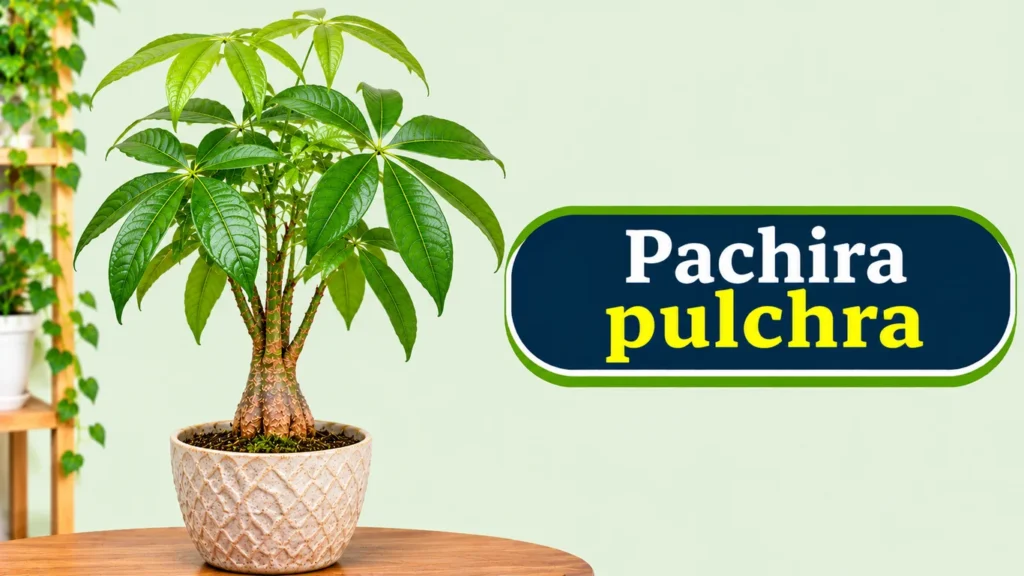
Pachira pulchra is a rare tropical tree species within the Malvaceae family. It is not widely known in commercial indoor gardening and is generally associated with botanical collections rather than ordinary household cultivation. Like other tropical Pachira species, it may require warm conditions and careful moisture management. Although indoor growing information is limited, the species may interest collectors exploring unusual tropical trees for controlled growing environments.
Identification
- Scientific Name: Pachira pulchra
- Common Name: No widely established common name
- Family: Malvaceae
- Plant Height: Indoor height is not well documented
- Leaf Color: Green
- Plant Type: Tropical tree
- Growth Habit: Woody, upright growth
- Appearance: Tropical woody plant; detailed indoor foliage characteristics remain poorly documented
Ideal Indoor Growing Conditions
Pachira pulchra is rarely cultivated indoors, making its precise environmental requirements difficult to establish. Bright, indirect sunlight may be suitable for initial cultivation of young plants. Avoid exposing newly acquired specimens to intense direct sunlight before assessing their tolerance.
A consistently warm environment around 65°F–85°F (18°C–29°C) could provide a useful starting point. Use a well-draining growing medium containing organic matter and materials that improve soil aeration. Moderate to high humidity may help maintain tropical foliage, although species-specific humidity preferences have not been verified.
Watering and Maintenance Tips
Check the growing medium regularly and water when the upper portion begins to dry. Maintain sufficient moisture without allowing the roots to remain continuously saturated. Remove yellowing or damaged leaves when necessary. Apply small amounts of diluted balanced fertilizer during active growth, observing how the plant responds.
Regularly inspect the foliage for spider mites, scale insects, and mealybugs. Since Pachira pulchra has no widely established indoor cultivation guidelines, careful observation and gradual adjustments are essential for experimental growing.
14. Pachira speciosa
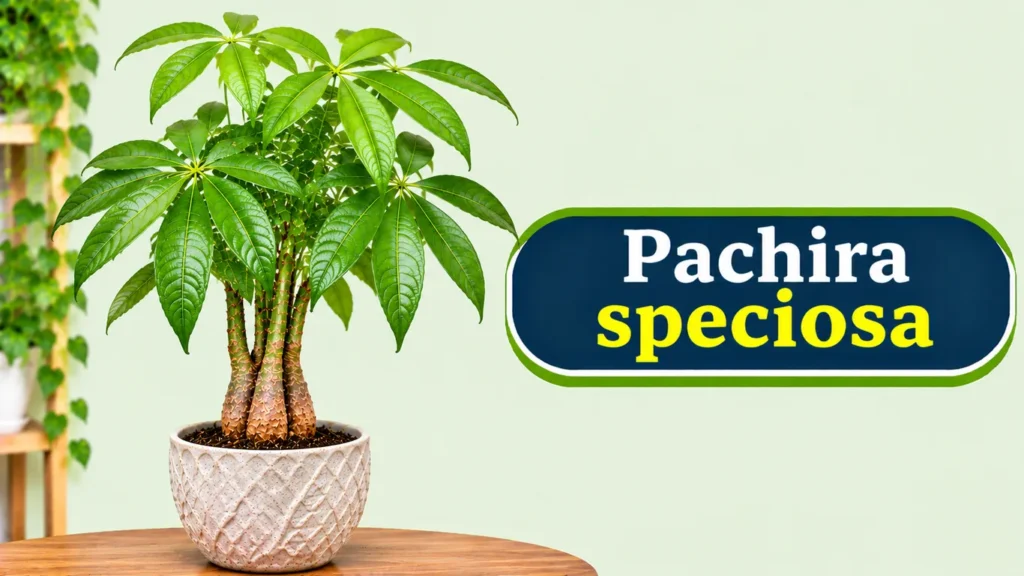
Pachira speciosa is a lesser-known tropical tree belonging to the Malvaceae family. It is primarily recognized through botanical records rather than commercial indoor plant cultivation. Although this species is not commonly available in houseplant nurseries, it may interest experienced gardeners who enjoy growing rare tropical trees. Young specimens could potentially be maintained in containers under controlled conditions, but their long-term suitability for indoor environments remains poorly documented.
Identification
- Scientific Name: Pachira speciosa
- Common Name: No widely established common name
- Family: Malvaceae
- Plant Height: Indoor height is not reliably documented
- Leaf Color: Green
- Plant Type: Tropical woody tree
- Growth Habit: Upright, woody growth
- Appearance: Tropical tree with green foliage; detailed indoor characteristics are not well established
Ideal Indoor Growing Conditions
Pachira speciosa has limited documented experience as an indoor houseplant. Bright, indirect sunlight may be a reasonable starting point for experimental cultivation. Position young plants near a window that provides consistent natural light without prolonged exposure to harsh afternoon sunlight.
Warm temperatures around 65°F–85°F (18°C–29°C) may provide suitable initial conditions. A loose, well-draining potting mixture containing organic matter, perlite, and fine bark can help support healthy root development. Moderate humidity and adequate air circulation may also be beneficial. However, the exact environmental requirements of this species should not be assumed to match those of the commonly cultivated Money Tree.
Watering and Maintenance Tips
Check soil moisture regularly and water when the upper portion of the growing medium begins to dry. Avoid allowing excess water to accumulate in the container.
Remove damaged leaves and monitor the stems for signs of stress or pest activity. Apply diluted balanced fertilizer sparingly during active growth. Avoid excessive pruning until the plant’s response is better understood. Because established indoor care guidelines are unavailable, careful observation is essential.
15. Pachira trinitensis
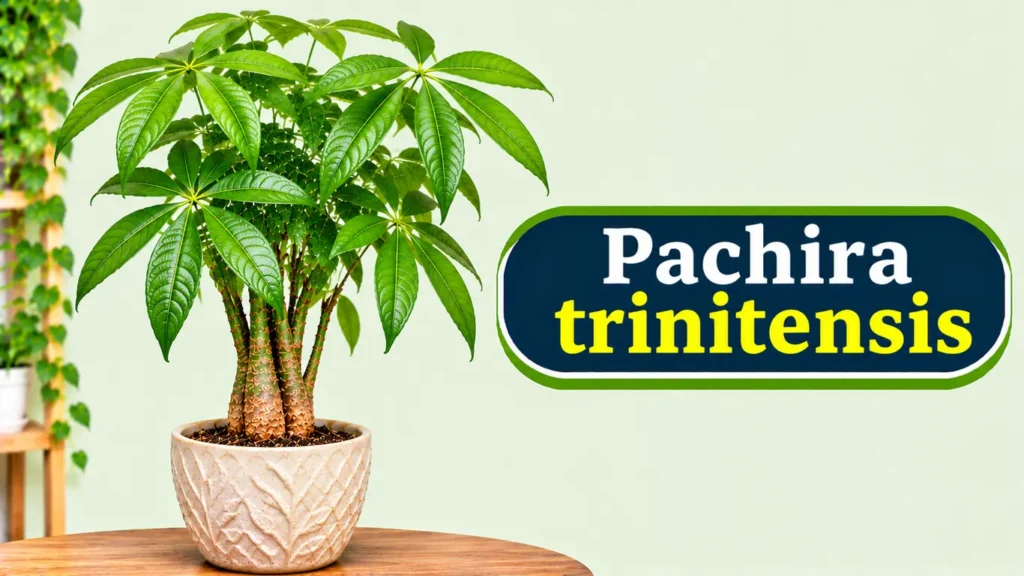
Pachira trinitensis is a rare tropical tree species belonging to the Malvaceae family. Unlike Pachira aquatica, which is commonly sold as a Money Tree, this species is not widely cultivated as an indoor ornamental plant. It is primarily of botanical interest and may appeal to collectors exploring unusual members of the Pachira genus. Although its indoor growing requirements are not well documented, young specimens may potentially be cultivated in containers under suitable environmental conditions.
Identification
- Scientific Name: Pachira trinitensis
- Common Name: No widely established common name
- Family: Malvaceae
- Plant Height: Indoor height is not reliably documented
- Leaf Color: Green
- Plant Type: Tropical woody tree
- Growth Habit: Upright tree growth
- Appearance: Woody tropical plant with green foliage; detailed indoor characteristics are poorly documented
Ideal Indoor Growing Conditions
Pachira trinitensis is not an established houseplant, so its exact requirements for light, temperature, and humidity remain uncertain. Bright, filtered sunlight may provide reasonable initial conditions for young container-grown specimens.
Maintain stable indoor temperatures, with approximately 65°F–85°F (18°C–29°C) serving as an experimental starting range. Protect the plant from cold drafts and sudden temperature changes. Use a well-draining potting mixture containing organic matter and perlite. Moderate humidity and sufficient air circulation may help support healthy development, although species-specific recommendations are limited.
Watering and Maintenance Tips
Water Pachira trinitensis when the upper layer of soil begins to dry. Ensure that excess moisture drains freely from the container to reduce the risk of root problems. Remove yellowing or damaged foliage when necessary and inspect the plant regularly for pests. During active growth, apply diluted balanced fertilizer occasionally.
Avoid aggressive pruning and unnecessary repotting until the plant has established a healthy root system. Because reliable indoor cultivation information is unavailable, monitor its growth carefully and adjust care gradually.
FAQs
1. Which Pachira tree is best for indoor growing?
Pachira aquatica, commonly known as the Money Tree, is the best choice for indoor growing. It adapts well to household conditions, tolerates moderate light, and requires relatively simple maintenance. Pachira glabra is another option, although it is less commonly available.
2. How often should I water indoor Pachira trees?
Most commonly cultivated Pachira trees should be watered when the top 1–2 inches of soil feel dry. Watering frequency depends on temperature, humidity, sunlight, and pot size. Avoid overwatering because constantly wet soil can cause root rot and yellowing leaves.
3. Do Pachira trees need direct sunlight indoors?
Pachira aquatica grows best in bright, indirect sunlight. Gentle morning sunlight is generally beneficial, but intense afternoon sunlight may scorch its leaves. Position the plant near a bright window and rotate the container occasionally to encourage balanced growth and healthy foliage.
4. How tall can Pachira trees grow indoors?
Pachira aquatica typically reaches around 3–6 feet indoors, although it can grow taller with sufficient space and favorable conditions. Regular pruning helps control its size. Other Pachira species may become much larger outdoors, and their mature indoor heights are generally not documented.
5. Can all 15 Pachira species grow indoors?
No, not all 15 Pachira species are proven to grow successfully indoors. Pachira aquatica is a well-established houseplant, while Pachira glabra can also be cultivated in containers. Most other listed species are rare tropical trees with limited indoor cultivation information and may require specialized growing conditions.