
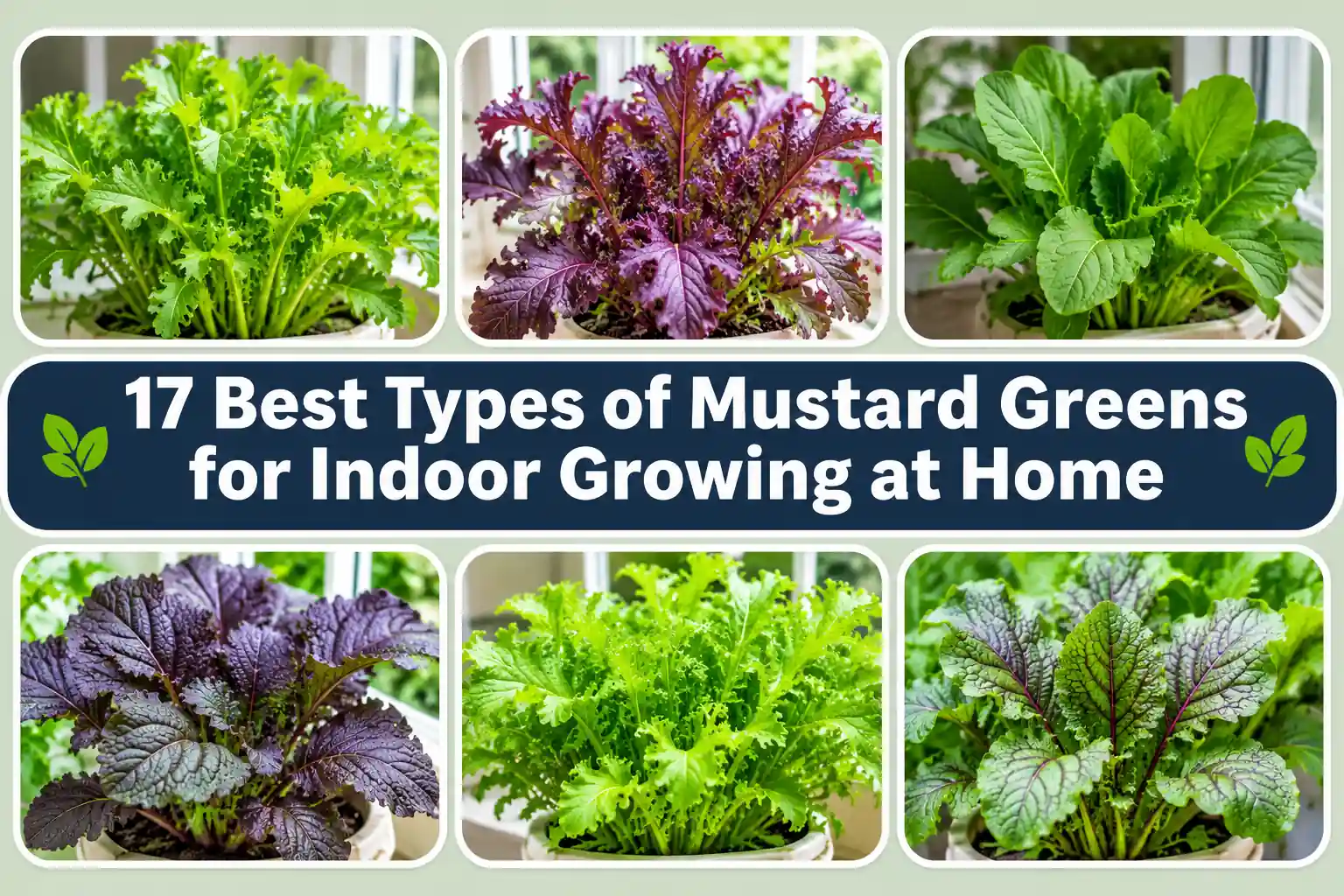
Growing mustard greens indoors is an easy way to enjoy fresh, nutritious leafy vegetables throughout the year. These fast-growing greens come in various colors, shapes, and flavors, from mild and tender to bold and peppery. Many varieties thrive in containers with proper lighting and simple care. Here are 17 of the best types of mustard greens for indoor growing at home.
1. Green Wave Mustard
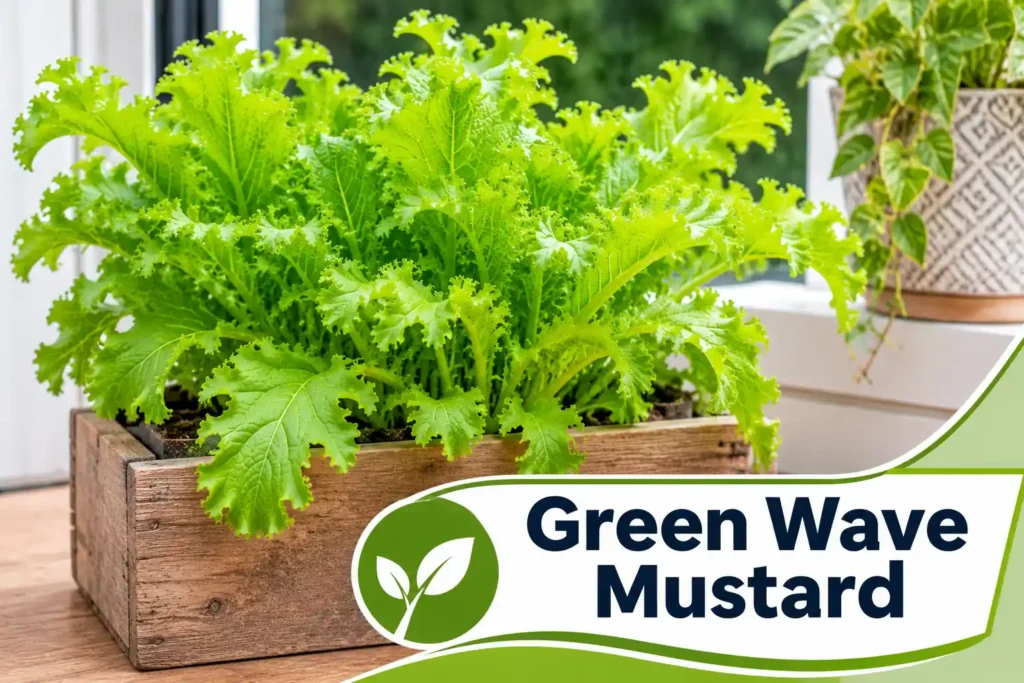
Green Wave Mustard is one of the best mustard greens varieties for indoor growing because of its fast growth, attractive curly leaves, and delicious peppery flavor. This variety produces bright green, deeply frilled leaves that add texture and freshness to salads, sandwiches, and cooked dishes. Green Wave Mustard grows well in containers and can be harvested young for tender baby greens. Its adaptability and relatively simple care requirements make it an excellent choice for beginner indoor gardeners.
Identification
- Scientific Name: Brassica juncea
- Common Name: Green Wave Mustard
- Leaf Color: Bright green
- Leaf Shape: Deeply curled and frilly
- Plant Height: Approximately 12–18 inches
- Flavor: Mildly spicy when young, stronger when mature
- Harvest Time: Approximately 25–30 days for baby greens and 40–50 days for mature leaves
Ideal Indoor Growing Conditions
Green Wave Mustard grows best in a container at least 6–8 inches deep with drainage holes. Use nutrient-rich, well-draining potting mix to encourage healthy root development. Place the container near a bright south-facing window or under an LED grow light for approximately 12–14 hours daily.
Maintain temperatures between 60–75°F (16–24°C). Cooler conditions generally encourage tender, flavorful leaves and help delay bolting. Provide adequate spacing between plants to improve airflow and prevent overcrowding.
Watering and Maintenance
Keep the soil consistently moist without allowing it to become waterlogged. Water whenever the top inch of soil begins to dry. Apply a diluted, balanced liquid fertilizer every two to three weeks if necessary.
Harvest the outer leaves once they reach a usable size, leaving the central growing point intact. This cut-and-come-again harvesting method encourages continued leaf production, making Green Wave Mustard a productive indoor vegetable for regular use.
2. Red Giant Mustard
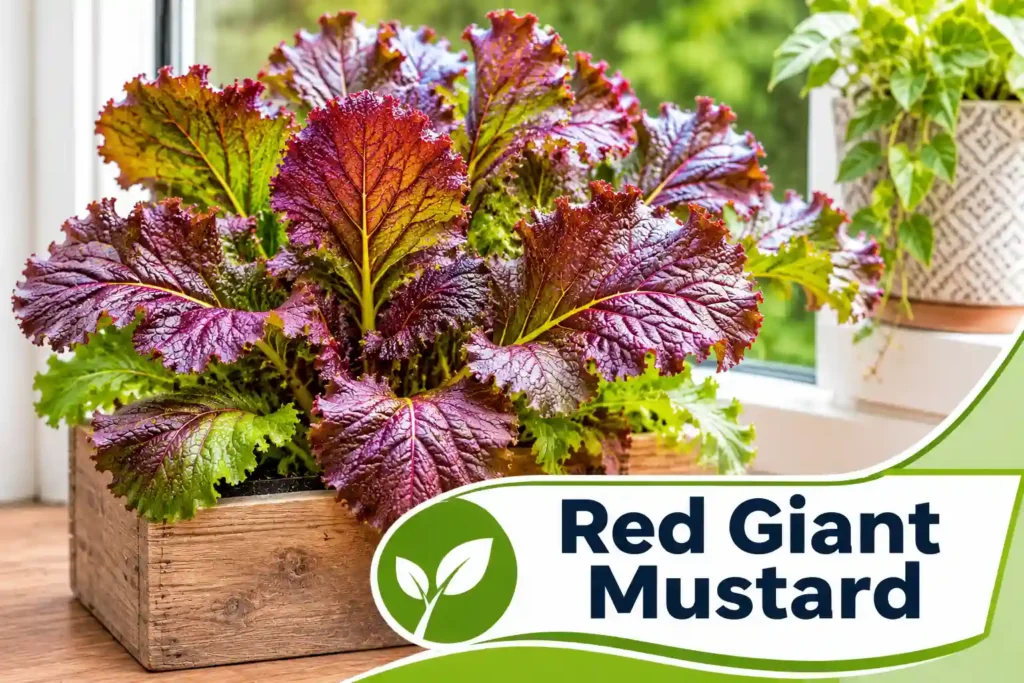
Red Giant Mustard is a colorful and flavorful mustard green variety that grows well indoors container. It produces large, broad leaves with deep reddish-purple coloring and green veins, making it both an attractive ornamental plant and a nutritious leafy vegetable. The leaves have a bold, peppery flavor that becomes milder when cooked. Red Giant Mustard is suitable for indoor gardeners who want beautiful foliage and a continuous supply of fresh greens for salads, stir-fries, and soups.
Identification
- Scientific Name: Brassica juncea
- Common Name: Red Giant Mustard
- Leaf Color: Deep reddish-purple with green undertones
- Leaf Shape: Large, broad, slightly crinkled leaves
- Plant Height: Approximately 12–18 inches
- Flavor: Spicy and peppery, especially when mature
- Harvest Time: Approximately 25–30 days for baby leaves and 40–50 days for mature greens
Ideal Indoor Growing Conditions
Red Giant Mustard grows best in containers at least 6–8 inches deep with proper drainage. Use fertile, well-draining potting soil enriched with organic matter to support healthy leaf development.
Position the container near a sunny window where it receives approximately 5–6 hours of direct sunlight daily. Alternatively, provide 12–14 hours of artificial lighting using an LED grow light.
Maintain indoor temperatures between 60–75°F (16–24°C). Bright lighting and cooler temperatures help encourage healthy growth and richer leaf coloration.
Watering and Maintenance
Water regularly to keep the soil evenly moist but never soggy. Check the upper inch of soil before watering to prevent overwatering and root problems.
Apply a diluted liquid fertilizer every two to three weeks when additional nutrients are needed. Remove yellowing or damaged leaves to maintain plant health.
Harvest young leaves for a milder flavor or allow them to mature for stronger mustard taste. Picking outer leaves regularly encourages fresh growth and extends the harvesting period.
3. Mizuna Mustard

Mizuna Mustard is an excellent leafy green for indoor growing because of its fast growth, delicate foliage, and mild peppery flavor. This Japanese mustard green develops attractive clusters of thin, deeply serrated green leaves that create a bushy appearance. Unlike stronger mustard varieties, Mizuna has a gentle, slightly spicy taste that works beautifully in salads, sandwiches, soups, and stir fries. Its compact growth habit and ability to produce repeated harvests make it especially suitable for growing in small indoor spaces.
Identification
- Scientific Name: Brassica rapa var. nipposinica
- Common Name: Mizuna Mustard
- Leaf Color: Bright to medium green
- Leaf Shape: Narrow, deeply cut, feathery leaves
- Plant Height: Approximately 8–12 inches
- Flavor: Mild, peppery, and slightly tangy
- Harvest Time: Approximately 20–25 days for baby greens and 35–45 days for mature leaves
Ideal Indoor Growing Conditions
Mizuna Mustard grows successfully in containers approximately 6–8 inches deep with drainage holes. Fill the container with a lightweight, nutrient-rich potting mix that retains moderate moisture without becoming waterlogged.
Place the plant near a bright window or provide 12–14 hours of light daily using an LED grow light. Consistent lighting encourages strong leaves and prevents weak, stretched growth.
Maintain temperatures around 55–70°F (13–21°C). Mizuna generally prefers cooler conditions, which support tender foliage and help reduce premature flowering.
Watering and Maintenance
Keep the soil consistently moist by watering whenever the surface begins to dry. Avoid letting the container completely dry out, as irregular moisture can affect leaf quality.
Feed with a diluted balanced liquid fertilizer every two to three weeks if growth slows or the potting mix lacks nutrients. Thin crowded seedlings to provide enough room for leaf development.
Begin harvesting when leaves reach approximately 4–6 inches long. Cut the outer leaves while leaving the center intact to encourage continuous production of fresh, tender Mizuna greens.
4. Red Mizuna Mustard

Red Mizuna Mustard is a beautiful and fast-growing leafy vegetable that is ideal for indoor container gardening. This Japanese mustard variety produces delicate, deeply serrated leaves with attractive reddish-purple and green coloring. Its mild, peppery flavor makes it an excellent addition to fresh salads, sandwiches, and stir-fried dishes. Red Mizuna Mustard is particularly suitable for small indoor gardens because it grows quickly, requires limited space, and provides repeated harvests of tender, colorful leaves.
Identification
- Scientific Name: Brassica rapa var. nipposinica
- Common Name: Red Mizuna Mustard
- Leaf Color: Reddish-purple with green undertones
- Leaf Shape: Narrow, deeply divided, feathery leaves
- Plant Height: Approximately 8–12 inches
- Flavor: Mildly peppery with a slightly tangy taste
- Harvest Time: Approximately 20–30 days for baby greens and 40–50 days for mature leaves
Ideal Indoor Growing Conditions
Red Mizuna Mustard grows best in containers at least 6–8 inches deep with adequate drainage holes. Use a fertile, lightweight potting mix containing organic matter to support healthy root development.
Place the container near a bright south-facing window or under an LED grow light for 12–14 hours daily. Adequate lighting helps maintain strong growth and encourages attractive reddish-purple foliage.
Maintain indoor temperatures between 55–70°F (13–21°C). Cooler temperatures are generally favorable for producing tender leaves and reducing the risk of premature bolting.
Watering and Maintenance
Keep the soil evenly moist without allowing water to accumulate around the roots. Water when the upper layer of potting soil begins to feel dry.
Apply a diluted, balanced liquid fertilizer every two to three weeks if additional nutrients are needed. Remove damaged or yellowing leaves to maintain healthy growth.
Harvest the outer leaves when they reach approximately 4–6 inches long. Leave the central growing point undisturbed so the plant can continue producing fresh greens throughout its growing period.
5. Southern Giant Curled Mustard
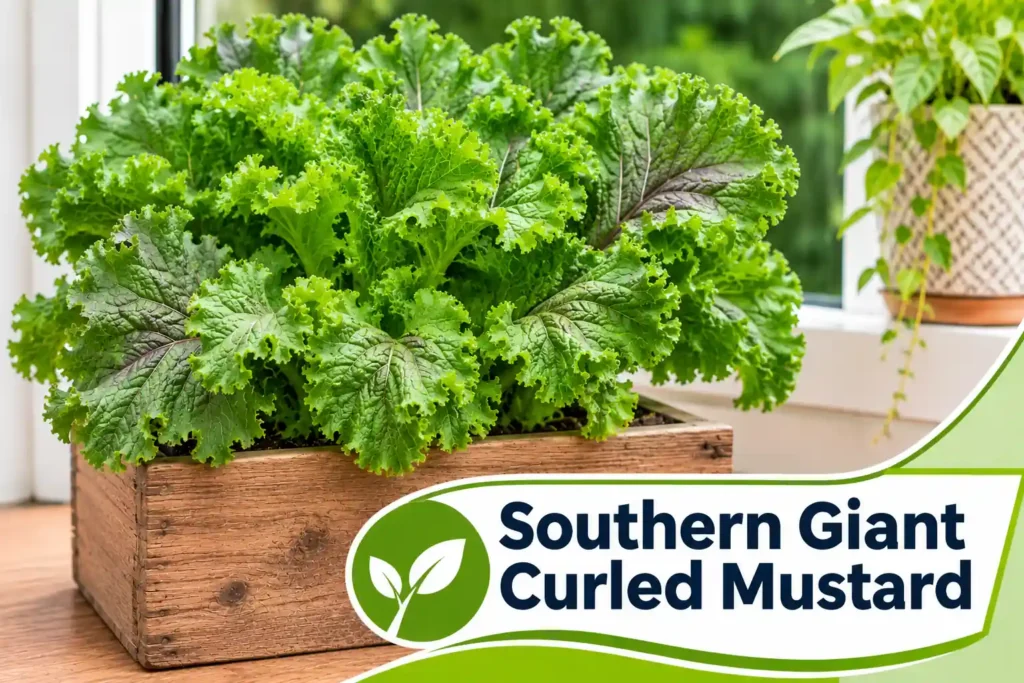
Southern Giant Curled Mustard is a popular mustard green variety known for its large, bright green leaves with deeply curled edges. This traditional variety produces flavorful, slightly spicy greens that are commonly used in Southern-style cooking, soups, and vegetable dishes. Although it can grow relatively large outdoors, Southern Giant Curled Mustard adapts well to indoor containers when provided with sufficient space and lighting. Its vigorous growth and productive harvesting potential make it an excellent option for gardeners who enjoy fresh mustard greens.
Identification
- Scientific Name: Brassica juncea
- Common Name: Southern Giant Curled Mustard
- Leaf Color: Bright to medium green
- Leaf Shape: Large leaves with heavily curled and frilled edges
- Plant Height: Approximately 16–24 inches
- Flavor: Strong, peppery, and slightly pungent
- Harvest Time: Approximately 25–30 days for baby greens and 45–60 days for mature leaves
Ideal Indoor Growing Conditions
Southern Giant Curled Mustard performs best in containers at least 8–10 inches deep with drainage holes. Choose a wide container that provides enough room for its large, spreading leaves.
Fill the container with nutrient-rich, well-draining potting soil containing compost or other organic matter. Position the plant near a sunny window that receives around 6 hours of direct sunlight daily.
Alternatively, use an LED grow light for approximately 12–14 hours daily to encourage healthy leaf development.
Maintain temperatures between 60–75°F (16–24°C). Cooler growing conditions help produce tender greens and may delay flowering.
Watering and Maintenance
Water regularly to maintain consistent soil moisture, especially as the plant develops larger leaves. Avoid excessive watering, which can cause root problems in poorly drained containers.Apply a diluted liquid fertilizer every two to three weeks when necessary to support vigorous foliage growth. Remove overcrowded seedlings and provide good air circulation around mature plants.
Begin harvesting the outer leaves once they reach a suitable size. Regular harvesting encourages continued production, allowing indoor gardeners to enjoy fresh Southern Giant Curled Mustard over several weeks.
6. Florida Broadleaf Mustard
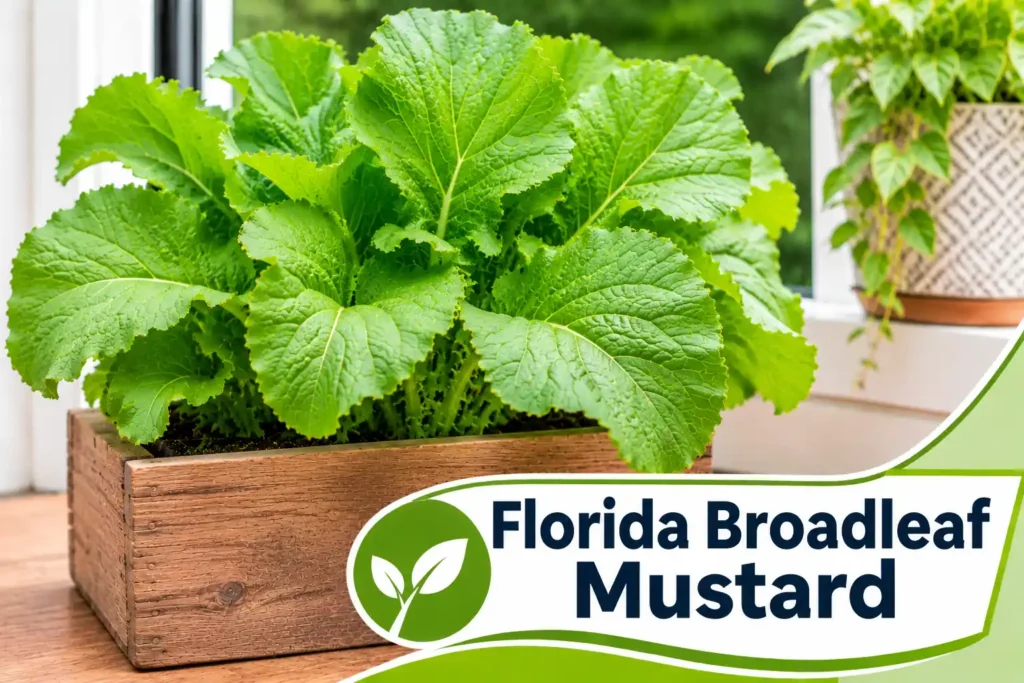
Florida Broadleaf Mustard is a productive leafy green variety that grows well indoors when provided with sufficient light and growing space. This mustard variety produces large, smooth, bright green leaves with a slightly crinkled texture and a bold, peppery flavor. It is commonly grown for its tender foliage, which works well in soups, stir-fries, and traditional cooked greens. Florida Broadleaf Mustard grows relatively quickly and can provide repeated harvests, making it an excellent choice for indoor vegetable gardening.
Identification
- Scientific Name: Brassica juncea
- Common Name: Florida Broadleaf Mustard
- Leaf Color: Bright to dark green
- Leaf Shape: Large, broad, smooth to slightly crinkled leaves
- Plant Height: Approximately 12–24 inches
- Flavor: Moderately spicy and peppery
- Harvest Time: Approximately 25–30 days for baby greens and 40–55 days for mature leaves
Ideal Indoor Growing Conditions
Florida Broadleaf Mustard grows best in containers at least 8–10 inches deep with proper drainage holes. Choose a wide container that provides enough room for its broad leaves to spread.Use fertile, well-draining potting soil enriched with compost or organic matter. Position the container near a sunny window that receives approximately 5–6 hours of direct sunlight daily.
Alternatively, provide 12–14 hours of artificial lighting using a full-spectrum LED grow light. Maintain temperatures between 60–75°F (16–24°C) for healthy leaf development.
Adequate spacing and good airflow help reduce moisture-related problems and encourage strong growth.
Watering and Maintenance
Keep the soil consistently moist without allowing it to become waterlogged. Water whenever the top inch of soil begins to feel dry.Apply a diluted, balanced liquid fertilizer every two to three weeks if additional nutrients are needed. Remove yellowing or damaged leaves to maintain plant health.
Begin harvesting the outer leaves when they reach approximately 6–8 inches long. Leave the central growing point intact to encourage new growth and extend the harvesting period.
7. Tendergreen Mustard
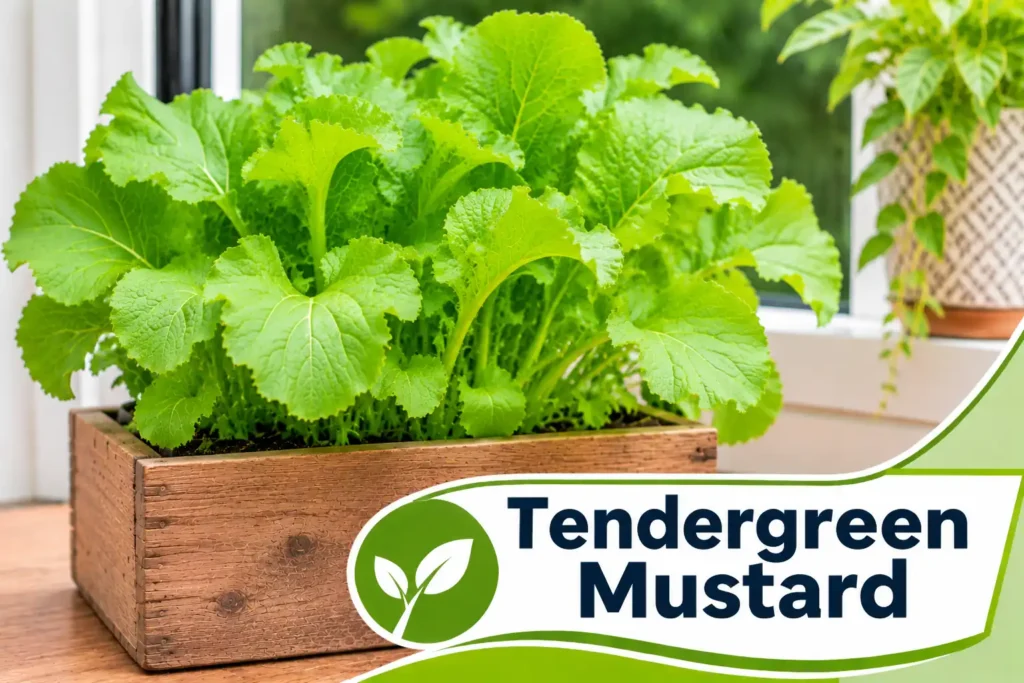
Tendergreen Mustard is an excellent indoor leafy vegetable known for its mild flavor, tender leaves, and fast-growing nature. Also called mustard spinach or Komatsuna, this variety produces smooth, broad green leaves supported by slender, light green stems. Unlike traditional spicy mustard greens, Tendergreen has a mild taste that makes it suitable for fresh salads, steamed vegetables, and stir-fries. Its compact growth habit and quick maturity make it especially appealing to beginner gardeners looking for an easy vegetable to grow indoors.
Identification
- Scientific Name: Brassica rapa var. perviridis
- Common Name: Tendergreen Mustard
- Other Names: Mustard Spinach, Komatsuna
- Leaf Color: Bright to dark green
- Leaf Shape: Broad, oval, smooth leaves
- Plant Height: Approximately 10–16 inches
- Flavor: Mild, slightly sweet, and gently mustard-like
- Harvest Time: Approximately 20–25 days for baby greens and 35–45 days for mature leaves
Ideal Indoor Growing Conditions
Tendergreen Mustard grows successfully in containers approximately 6–8 inches deep with adequate drainage holes. Fill the container with lightweight, nutrient-rich potting mix that holds moisture while allowing excess water to drain.Place the container near a bright south-facing window or provide 12–14 hours of light daily using an LED grow light.
Maintain temperatures between 55–75°F (13–24°C). Although Tendergreen tolerates moderately warm conditions, cooler temperatures often produce tender, flavorful leaves.
Space plants approximately 4–6 inches apart when growing them for mature greens. Closer spacing is suitable for harvesting baby leaves.
Watering and Maintenance
Water regularly to keep the soil evenly moist, especially during active leaf development. Avoid allowing the potting mix to dry out completely.Apply a diluted liquid fertilizer every two to three weeks when necessary. Remove weak or overcrowded seedlings to improve airflow and provide sufficient growing space.
Harvest baby greens when leaves reach approximately 3–5 inches long, or allow them to grow larger for cooking. Pick the outer leaves first while preserving the center of the plant to encourage repeated harvests throughout the growing season.
8. Osaka Purple Mustard
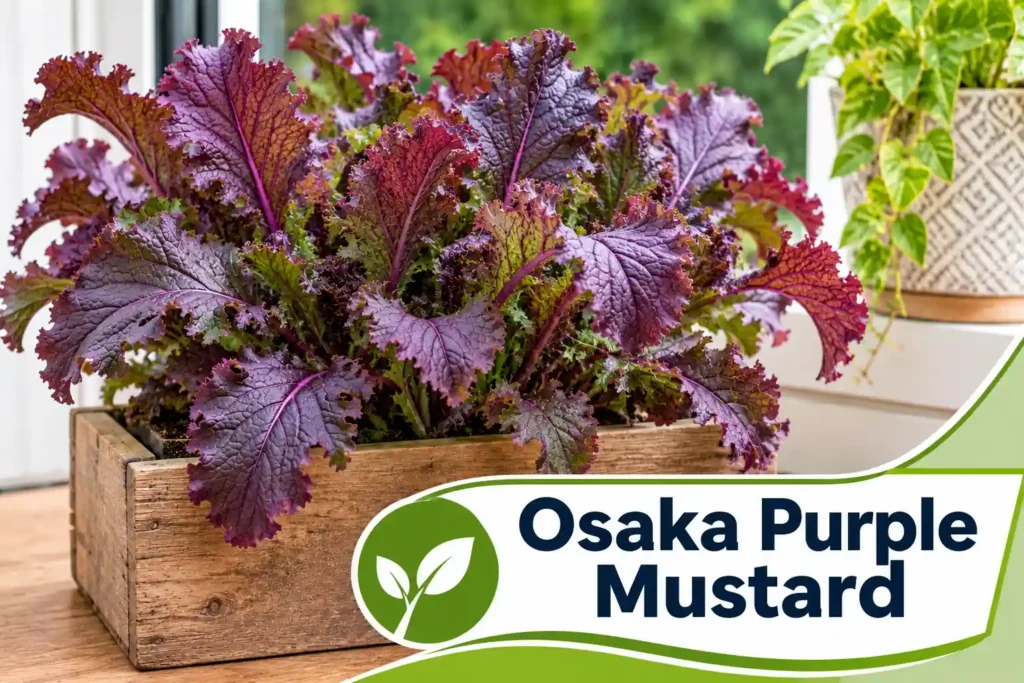
Osaka Purple Mustard is an attractive leafy green variety that is ideal for indoor container gardening. This Japanese mustard green produces large, rounded leaves with beautiful reddish-purple coloring and bright green undertones. Its slightly crinkled foliage adds visual interest to indoor vegetable gardens, while its bold, peppery flavor makes it suitable for salads, stir-fries, and cooked vegetable dishes. Osaka Purple Mustard grows relatively quickly and can produce tender baby greens or mature leaves, making it a productive choice for indoor gardeners.
Identification
- Scientific Name: Brassica juncea
- Common Name: Osaka Purple Mustard
- Leaf Color: Deep purple-red with green undertones
- Leaf Shape: Broad, rounded, slightly crinkled leaves
- Plant Height: Approximately 12–18 inches
- Flavor: Peppery, slightly spicy, and mildly bitter
- Harvest Time: Approximately 25–30 days for baby greens and 40–50 days for mature leaves
Ideal Indoor Growing Conditions
Osaka Purple Mustard grows best in containers at least 6–8 inches deep with adequate drainage holes. Use fertile, well-draining potting soil enriched with organic matter to encourage healthy foliage growth.
Place the container near a bright south-facing window that receives approximately 5–6 hours of direct sunlight daily. Alternatively, provide 12–14 hours of artificial lighting using a full-spectrum LED grow light.
Maintain indoor temperatures between 55–70°F (13–21°C). Cooler growing conditions and adequate lighting help promote healthy leaves and encourage deeper purple coloration.Space plants approximately 6–8 inches apart to provide enough room for leaf development.
Watering and Maintenance
Keep the soil consistently moist without allowing it to become waterlogged. Water whenever the upper inch of potting mix begins to feel dry.
Apply a diluted, balanced liquid fertilizer every two to three weeks if additional nutrients are needed. Remove yellowing or damaged leaves to maintain healthy growth.
Harvest young leaves when they reach approximately 4–6 inches long for a milder flavor. Regularly pick the outer leaves while leaving the central growing point intact to encourage continued production.
9. Ruby Streaks Mustard
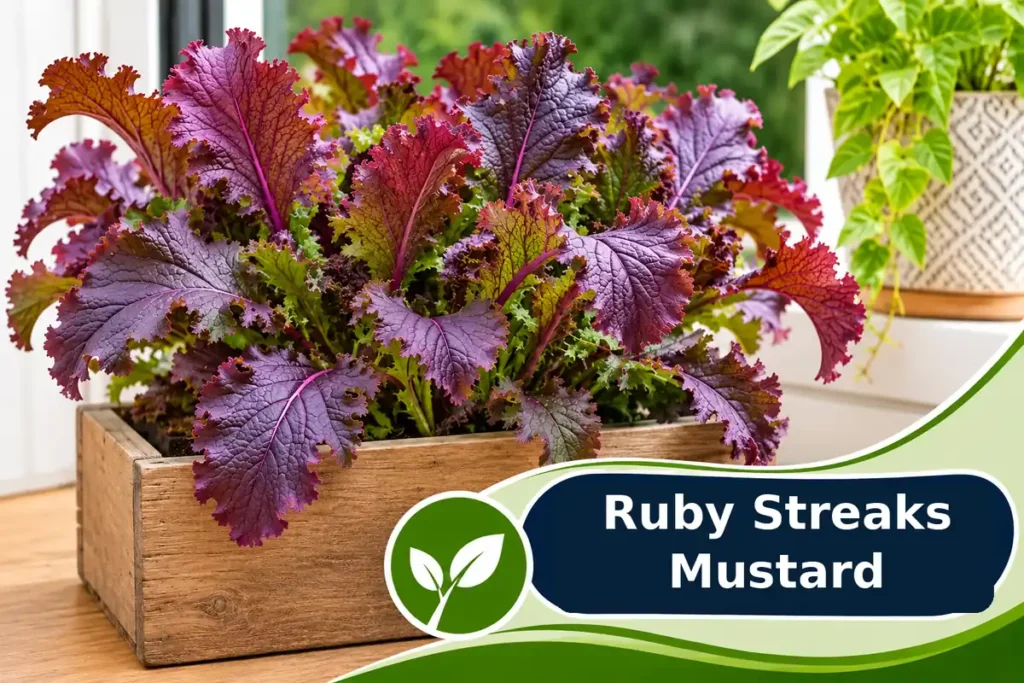
Ruby Streaks Mustard is a colorful and fast-growing mustard green that performs exceptionally well in indoor containers. This variety produces finely divided, feathery leaves with striking reddish-purple coloring and slender green stems. Its delicate appearance makes it an attractive addition to windowsill gardens and indoor growing setups. Ruby Streaks Mustard offers a pleasantly spicy flavor that works especially well in fresh salads, sandwiches, and mixed baby greens. Its quick growth and suitability for repeated harvesting make it a popular choice for gardeners with limited indoor space.
Identification
- Scientific Name: Brassica juncea
- Common Name: Ruby Streaks Mustard
- Leaf Color: Deep reddish-purple with green undertones
- Leaf Shape: Finely serrated, deeply divided, feathery leaves
- Plant Height: Approximately 8–12 inches
- Flavor: Peppery, mildly spicy, and slightly tangy
- Harvest Time: Approximately 20–25 days for baby greens and 35–45 days for mature leaves
Ideal Indoor Growing Conditions
Ruby Streaks Mustard grows successfully in containers approximately 6–8 inches deep with proper drainage holes. Use a lightweight, nutrient-rich potting mix that retains moderate moisture while allowing excess water to drain freely.
Position the container near a bright window or provide 12–14 hours of light daily using an LED grow light. Consistent lighting encourages compact growth and helps develop the plant’s attractive reddish-purple foliage.
Maintain temperatures between 55–70°F (13–21°C). Cooler conditions help produce tender leaves and reduce the likelihood of premature flowering.Space plants approximately 4–6 inches apart for mature growth, or sow seeds more closely for baby greens.
Watering and Maintenance
Water regularly to maintain even soil moisture, especially during germination and early leaf development. Avoid excessive watering, which may cause root problems.Apply a diluted liquid fertilizer every two to three weeks if the potting mix becomes nutrient-depleted. Thin overcrowded seedlings to encourage proper airflow and healthy foliage.
Begin harvesting baby leaves when they reach approximately 3–5 inches long. Cut the outer leaves carefully while preserving the central growing point. Regular harvesting encourages fresh growth and provides a continuous supply of colorful mustard greens.
10. Golden Frills Mustard
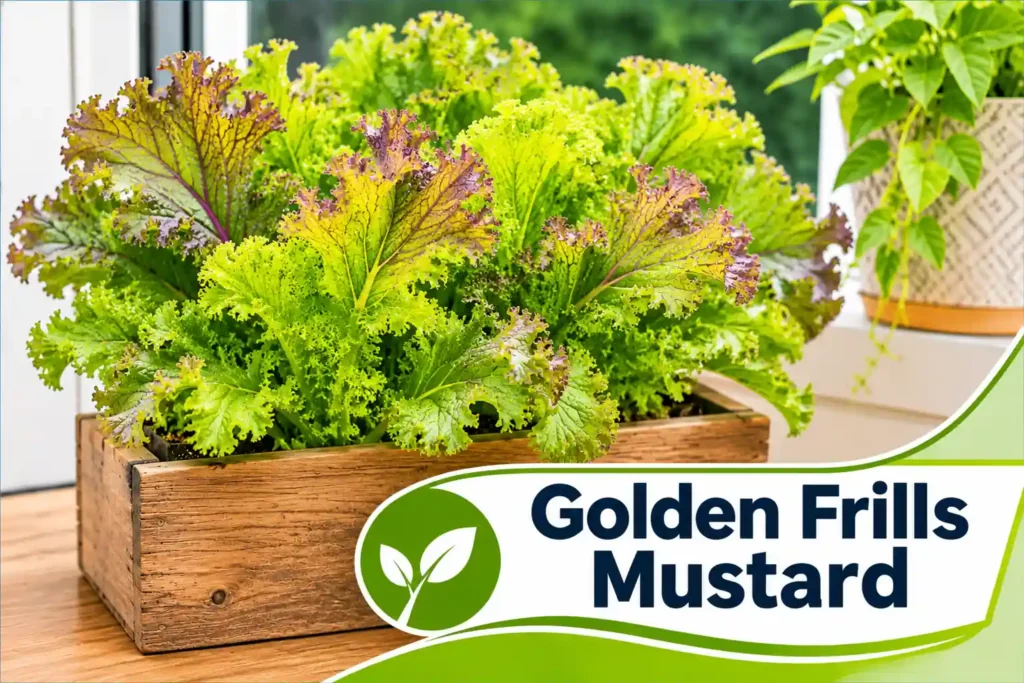
Golden Frills Mustard is a beautiful and fast-growing mustard green variety that is well-suited for indoor container gardening. This variety produces finely divided, bright green leaves with deeply frilled edges, creating an attractive, feathery appearance. Its mildly spicy, peppery flavor makes it a delicious addition to salads, sandwiches, and stir-fried dishes. Golden Frills Mustard is particularly suitable for small indoor gardens because it grows quickly, requires relatively little space, and produces tender leaves that can be harvested regularly.
Identification
- Scientific Name: Brassica juncea
- Common Name: Golden Frills Mustard
- Leaf Color: Bright yellowish-green
- Leaf Shape: Deeply divided, finely frilled leaves
- Plant Height: Approximately 8–12 inches
- Flavor: Mildly spicy, peppery, and slightly tangy
- Harvest Time: Approximately 20–25 days for baby greens and 35–45 days for mature leaves
Ideal Indoor Growing Conditions
Golden Frills Mustard grows best in containers approximately 6–8 inches deep with adequate drainage holes. Use a lightweight, nutrient-rich potting mix that provides proper aeration and moisture retention.
Place the container near a bright south-facing window or provide 12–14 hours of artificial lighting using a full-spectrum LED grow light. Consistent lighting encourages healthy leaf development and compact growth.
Maintain indoor temperatures between 55–70°F (13–21°C). Cooler growing conditions help produce tender, flavorful leaves and reduce the risk of premature flowering.Space plants approximately 4–6 inches apart for mature greens, or grow them closer together when harvesting baby leaves.
Watering and Maintenance
Keep the soil consistently moist without allowing excess water to collect around the roots. Water whenever the upper layer of potting mix begins to feel dry.
Apply a diluted, balanced liquid fertilizer every two to three weeks if additional nutrients are needed. Remove overcrowded seedlings to improve airflow and encourage healthy growth.
Harvest the outer leaves when they reach approximately 3–5 inches long. Leave the central growing point undisturbed to encourage repeated harvests throughout the growing period.
11. Wasabina Mustard
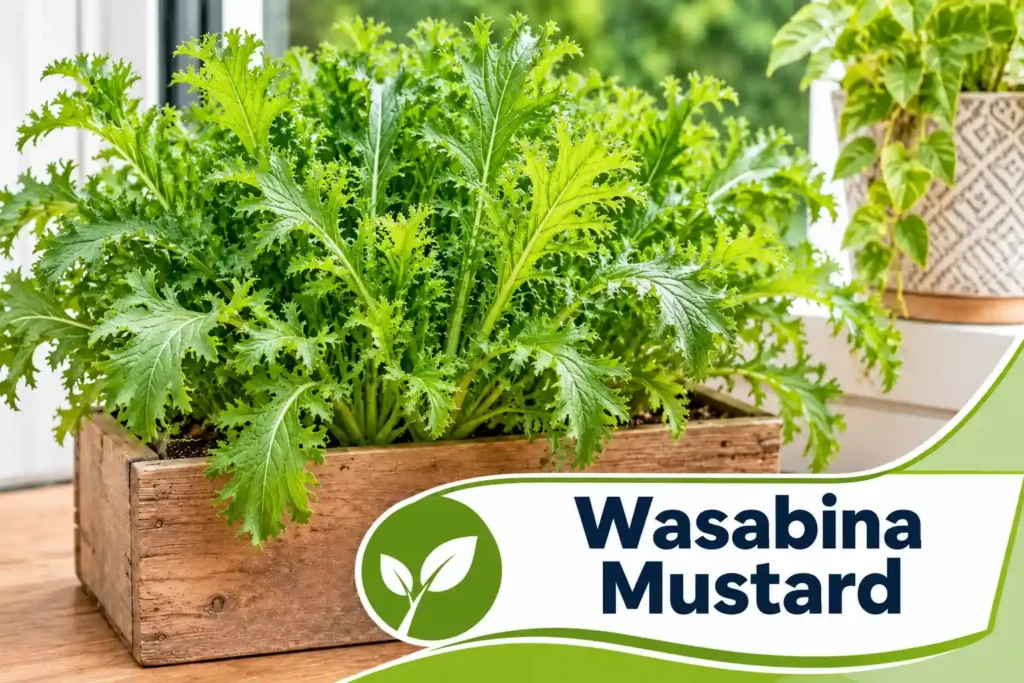
Wasabina Mustard is a distinctive Japanese mustard green known for its deeply curled leaves and bold, wasabi-like flavor. This attractive variety produces bright green foliage with heavily serrated edges, making it a beautiful addition to indoor vegetable gardens. Its spicy flavor adds a unique taste to salads, sandwiches, soups, and cooked dishes. Wasabina Mustard grows successfully in containers and can be harvested as tender baby greens or allowed to mature for larger, stronger-flavored leaves.
Identification
- Scientific Name: Brassica juncea
- Common Name: Wasabina Mustard
- Leaf Color: Bright to medium green
- Leaf Shape: Deeply serrated, curly, and frilled leaves
- Plant Height: Approximately 10–16 inches
- Flavor: Spicy, peppery, and wasabi-like
- Harvest Time: Approximately 25–30 days for baby greens and 40–50 days for mature leaves
Ideal Indoor Growing Conditions
Wasabina Mustard grows best in containers at least 6–8 inches deep with adequate drainage holes. Fill the container with fertile, well-draining potting soil enriched with organic matter.
Position the plant near a sunny window that receives approximately 5–6 hours of direct sunlight daily. Alternatively, provide 12–14 hours of artificial lighting using an LED grow light.
Maintain indoor temperatures between 55–70°F (13–21°C). Cooler temperatures generally encourage tender foliage and help prevent premature bolting.Provide approximately 6–8 inches of space between plants to allow their curly leaves to develop properly.
Watering and Maintenance
Water regularly to keep the soil evenly moist without becoming waterlogged. Check the upper inch of soil before watering to avoid excessive moisture.
Apply a diluted liquid fertilizer every two to three weeks when additional nutrients are necessary. Remove yellowing leaves and maintain good airflow around the plants.
Begin harvesting the outer leaves once they reach approximately 4–6 inches long. Young leaves offer a gentler flavor, while mature leaves develop a stronger mustard-like taste. Regular harvesting encourages continued production of fresh greens.
12. Garnet Giant Mustard
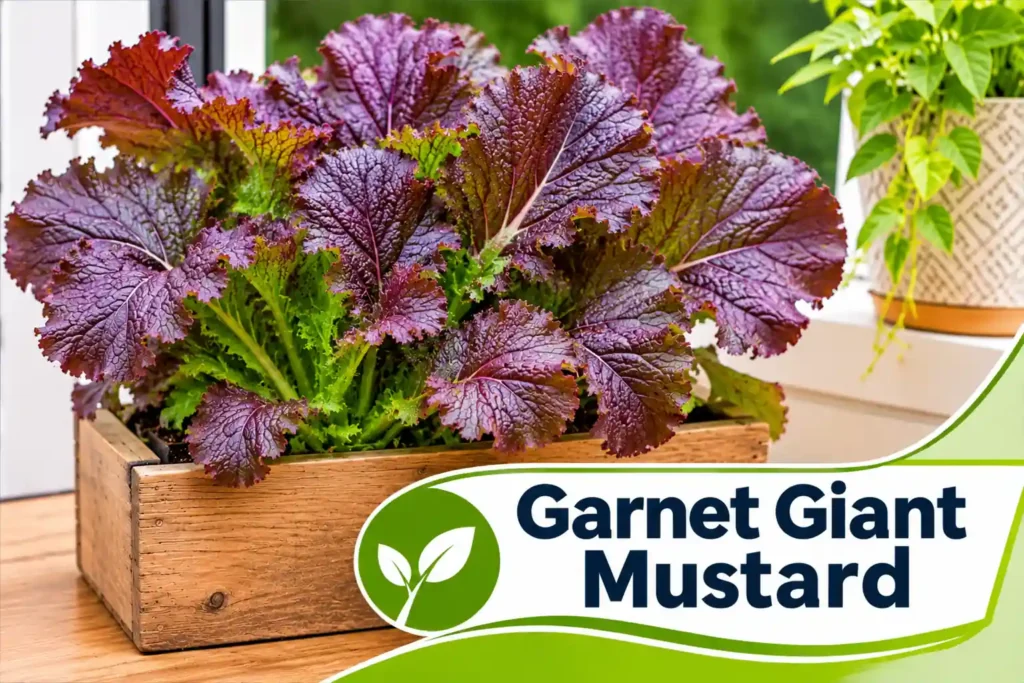
Garnet Giant Mustard is a colorful leafy green variety that makes an excellent choice for indoor gardening. This mustard green produces large, broad leaves with striking deep reddish-purple coloration and contrasting green undertones. Its attractive foliage adds ornamental value to indoor growing spaces while providing nutritious greens for fresh salads, soups, and stir-fries. Garnet Giant Mustard develops a pleasantly peppery flavor that becomes stronger as the leaves mature. With proper lighting and regular harvesting, it can provide a productive supply of fresh indoor-grown greens.
Identification
- Scientific Name: Brassica juncea
- Common Name: Garnet Giant Mustard
- Leaf Color: Deep reddish-purple with green undertones
- Leaf Shape: Broad, slightly crinkled leaves
- Plant Height: Approximately 12–18 inches
- Flavor: Peppery, spicy, and slightly bitter
- Harvest Time: Approximately 25–30 days for baby greens and 40–50 days for mature leaves
Ideal Indoor Growing Conditions
Garnet Giant Mustard grows best in containers approximately 8–10 inches deep with proper drainage holes. Choose a wide container that allows its large leaves to spread comfortably.
Use fertile, well-draining potting soil enriched with compost or other organic matter to encourage strong root and foliage development.
Place the container near a bright south-facing window or provide 12–14 hours of artificial lighting using a full-spectrum LED grow light. Adequate lighting encourages healthy development and helps maintain attractive reddish-purple leaf coloring.Maintain indoor temperatures between 55–70°F (13–21°C). Cooler growing conditions generally support tender leaves and reduce premature flowering.
Watering and Maintenance
Keep the soil consistently moist by watering whenever the top inch begins to feel dry. Avoid allowing water to remain in the container’s drainage tray for extended periods.
Apply a diluted, balanced liquid fertilizer every two to three weeks if additional nutrients are required. Remove damaged or yellowing leaves to maintain healthy plant growth.
Harvest young leaves when they reach approximately 4–6 inches long for a milder taste. Regularly pick the outer leaves while protecting the central growing point to encourage continuous leaf production.
13. Scarlet Frills Mustard
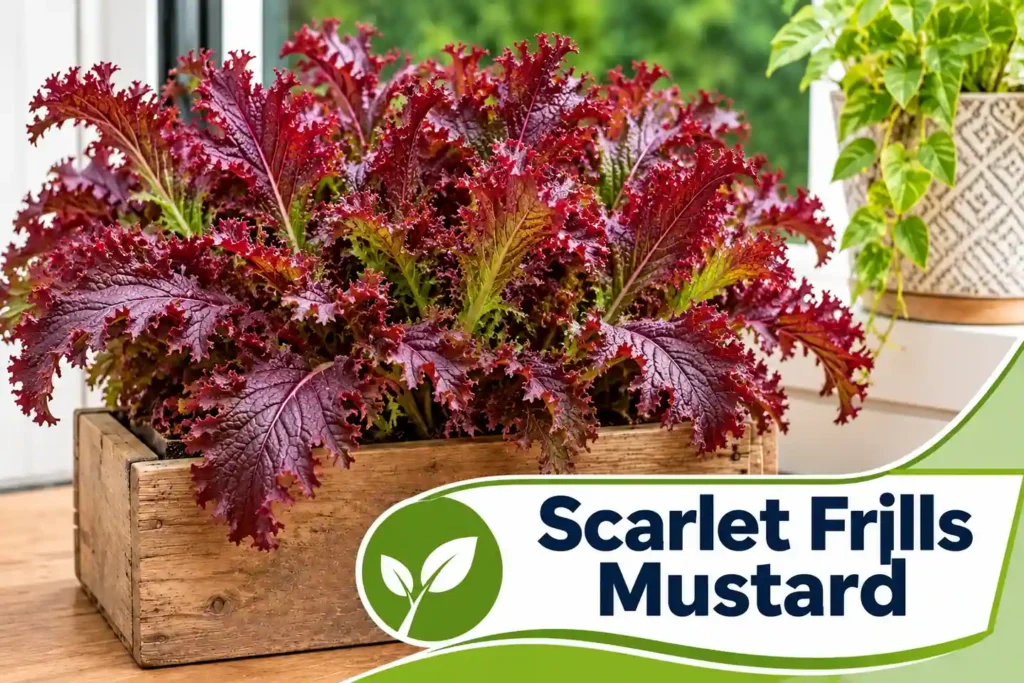
Scarlet Frills Mustard is a colorful and attractive mustard green variety that is excellent for indoor container gardening. This variety produces finely divided, deeply serrated leaves with beautiful reddish-purple coloring and green undertones. Its delicate, frilly foliage adds ornamental beauty to indoor gardens while providing fresh, flavorful greens. Scarlet Frills Mustard has a pleasantly peppery taste that works well in salads, sandwiches, and stir-fried dishes. Its relatively compact growth and ability to produce repeated harvests make it suitable for small indoor growing spaces.
Identification
- Scientific Name: Brassica juncea
- Common Name: Scarlet Frills Mustard
- Leaf Color: Deep reddish-purple with green undertones
- Leaf Shape: Finely divided, deeply frilled leaves
- Plant Height: Approximately 8–12 inches
- Flavor: Peppery, slightly spicy, and mildly tangy
- Harvest Time: Approximately 20–30 days for baby greens and 35–45 days for mature leaves
Ideal Indoor Growing Conditions
Scarlet Frills Mustard grows best in containers approximately 6–8 inches deep with adequate drainage holes. Use lightweight, nutrient-rich potting soil that provides good drainage while retaining enough moisture for healthy root development.
Place the container near a bright south-facing window or provide 12–14 hours of artificial lighting using a full-spectrum LED grow light.
Maintain indoor temperatures between 55–70°F (13–21°C). Cooler growing conditions and sufficient lighting help encourage tender foliage and attractive reddish-purple coloration.Space plants approximately 4–6 inches apart to allow their delicate leaves to develop without overcrowding.
Watering and Maintenance
Keep the soil evenly moist without allowing it to become waterlogged. Water whenever the upper layer of potting mix begins to feel dry.
Apply a diluted, balanced liquid fertilizer every two to three weeks if additional nutrients are needed. Remove damaged leaves and thin crowded seedlings to improve airflow.
Harvest the outer leaves when they reach approximately 3–5 inches long. Leave the central growing point intact to encourage continued production of tender, colorful mustard greens.
14. Tokyo Bekana Mustard
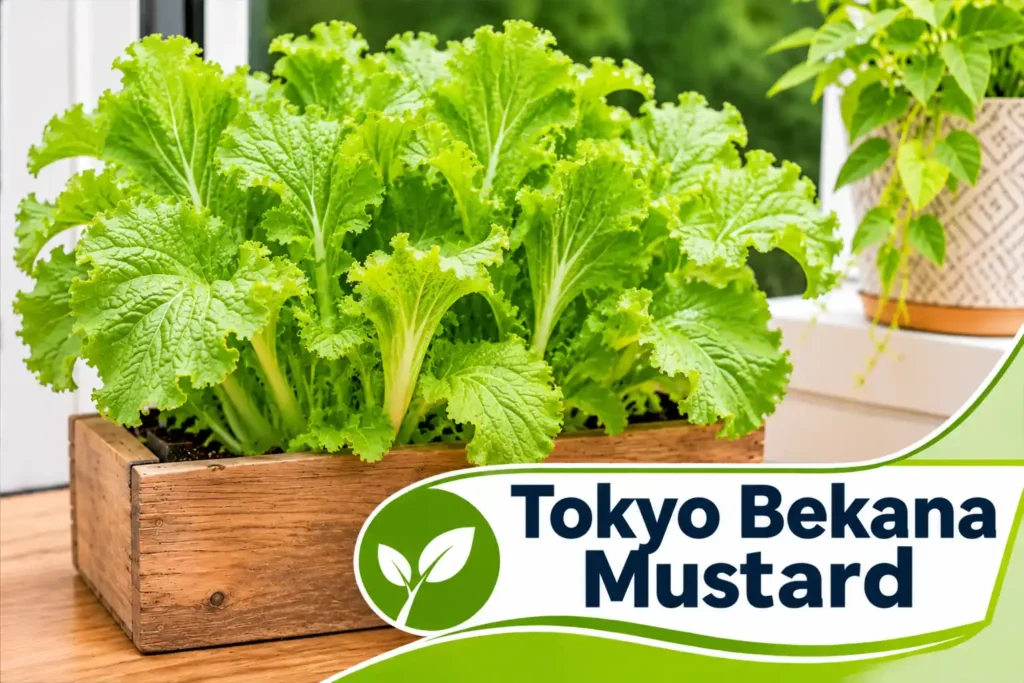
Tokyo Bekana Mustard is a fast-growing Japanese leafy green that is particularly suitable for indoor gardening. This variety produces soft, light green leaves with gently ruffled edges and tender, pale stems. Unlike traditional spicy mustard greens, Tokyo Bekana has a mild, slightly sweet flavor similar to lettuce or Chinese cabbage. Its delicate texture makes it an excellent choice for fresh salads, sandwiches, wraps, and lightly cooked dishes. Tokyo Bekana grows quickly and adapts well to container gardening, making it ideal for beginners who want a productive indoor leafy vegetable.
Identification
- Scientific Name: Brassica rapa var. chinensis (often listed as Brassica rapa)
- Common Name: Tokyo Bekana Mustard
- Leaf Color: Light green to yellowish-green
- Leaf Shape: Broad, tender leaves with slightly ruffled edges
- Plant Height: Approximately 8–12 inches
- Flavor: Mild, slightly sweet, and delicately mustard-like
- Harvest Time: Approximately 20–25 days for baby greens and 35–45 days for mature leaves
Ideal Indoor Growing Conditions
Tokyo Bekana Mustard grows successfully in containers approximately 6–8 inches deep with proper drainage holes. Use fertile, lightweight potting mix enriched with organic matter to promote healthy foliage development.
Position the container near a bright window receiving several hours of direct sunlight daily. Alternatively, provide 12–14 hours of artificial lighting using a full-spectrum LED grow light.
Maintain indoor temperatures between 55–70°F (13–21°C). Cooler temperatures encourage tender leaves and help reduce premature flowering.Space plants approximately 4–6 inches apart for baby greens or provide additional room when growing larger plants.
Watering and Maintenance
Water regularly to maintain consistent soil moisture, especially during germination and active leaf growth. Avoid allowing the potting mix to become completely dry.
Apply a diluted liquid fertilizer every two to three weeks if the plants show signs of nutrient deficiency or slow growth.Remove overcrowded seedlings and yellowing leaves to maintain healthy growing conditions.
Begin harvesting baby leaves when they reach approximately 3–5 inches long. Pick the outer leaves carefully while leaving the central growing point undisturbed. Regular harvesting encourages fresh growth and extends the productive period of Tokyo Bekana Mustard.
15. Purple Wave Mustard
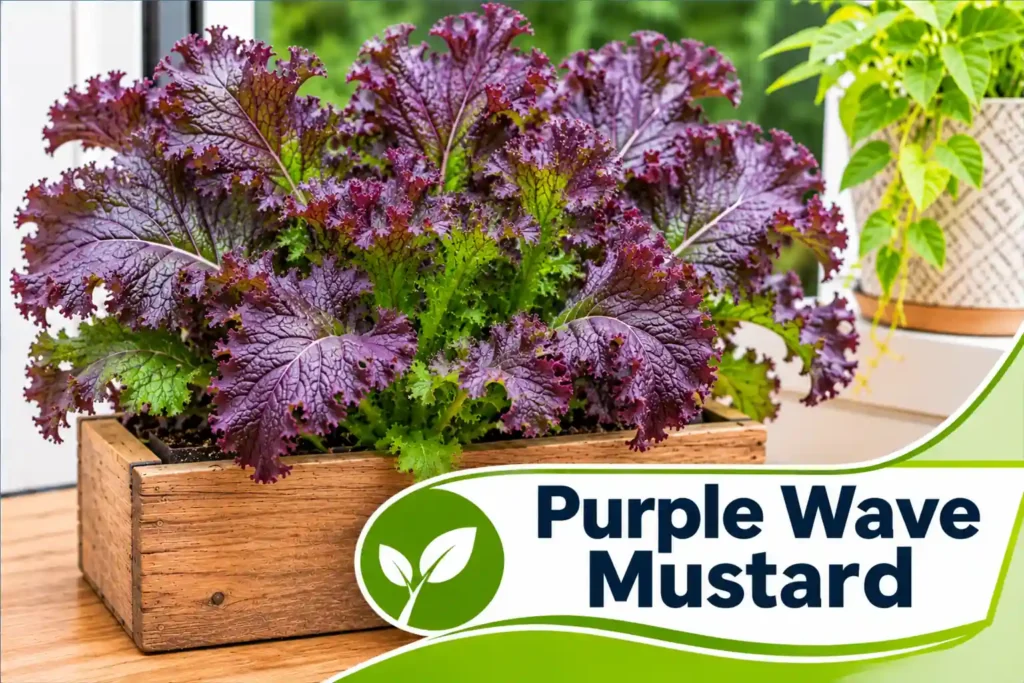
Purple Wave Mustard is an attractive leafy green variety that combines beautiful purple-colored foliage with a bold, peppery flavor. This mustard variety develops broad, slightly frilled leaves with reddish-purple tones and green undertones, creating a colorful display in indoor containers. Its tender young leaves are delicious in fresh salads, while mature leaves can be added to soups, stir-fries, and cooked vegetable dishes. Purple Wave Mustard grows relatively quickly and is suitable for indoor gardeners who want both ornamental foliage and a productive edible crop.
Identification
- Scientific Name: Brassica juncea
- Common Name: Purple Wave Mustard
- Leaf Color: Reddish-purple with green undertones
- Leaf Shape: Broad, slightly curled, and gently serrated leaves
- Plant Height: Approximately 10–16 inches
- Flavor: Peppery, mildly spicy, and slightly bitter
- Harvest Time: Approximately 25–30 days for baby greens and 40–50 days for mature leaves
Ideal Indoor Growing Conditions
Purple Wave Mustard performs best in containers approximately 6–8 inches deep with adequate drainage holes. Choose a container wide enough to accommodate the plant’s spreading leaves.
Use nutrient-rich, well-draining potting mix containing compost or other organic matter. Place the container near a bright south-facing window that receives approximately 5–6 hours of direct sunlight daily.
Alternatively, use a full-spectrum LED grow light for 12–14 hours each day. Consistent lighting encourages healthy growth and helps maintain the plant’s purple leaf coloration.Maintain temperatures between 55–70°F (13–21°C). Cooler indoor conditions support tender foliage and help prevent premature bolting.
Watering and Maintenance
Keep the soil consistently moist without allowing excess water to accumulate around the roots. Water whenever the upper inch of potting mix begins to feel dry.
Apply a diluted, balanced liquid fertilizer every two to three weeks when additional nutrients are needed. Remove damaged or yellowing leaves and maintain sufficient airflow between plants.
Harvest the outer leaves once they reach approximately 4–6 inches long. Young leaves generally have a milder taste, while mature foliage develops a stronger mustard flavor. Leave the central growing point intact to encourage repeated harvests throughout the growing period.
16. Dragon Tongue Mustard
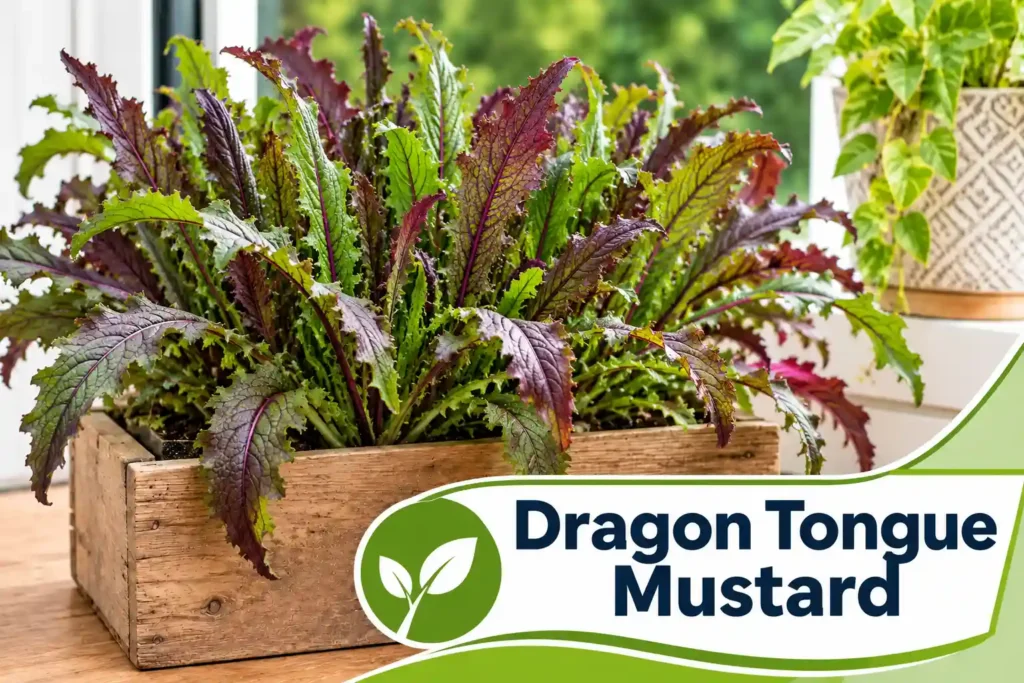
Dragon Tongue Mustard is a distinctive leafy green variety that adds beautiful color and a bold flavor to indoor vegetable gardens. This mustard green produces elongated, textured leaves with attractive green and reddish-purple coloring. Its tender young leaves have a pleasantly peppery flavor, making them suitable for salads, sandwiches, and fresh vegetable dishes. Mature leaves develop a stronger mustard taste and work well in stir-fries and soups. Dragon Tongue Mustard can be grown in containers and harvested regularly, making it an interesting choice for indoor gardeners.
Identification
- Scientific Name: Brassica juncea
- Common Name: Dragon Tongue Mustard
- Leaf Color: Green with reddish-purple tones
- Leaf Shape: Elongated, textured, and slightly serrated leaves
- Plant Height: Approximately 10–16 inches
- Flavor: Peppery, mildly spicy, and slightly pungent
- Harvest Time: Approximately 25–30 days for baby greens and 40–50 days for mature leaves
Ideal Indoor Growing Conditions
Dragon Tongue Mustard grows best in containers approximately 6–8 inches deep with adequate drainage holes. Use fertile, well-draining potting soil enriched with compost or organic matter to support healthy root development.
Position the container near a bright south-facing window that receives around 5–6 hours of direct sunlight daily. Alternatively, provide 12–14 hours of artificial lighting using a full-spectrum LED grow light.
Maintain indoor temperatures between 55–70°F (13–21°C). Cooler growing conditions help encourage tender leaves and reduce the likelihood of premature flowering.Space plants approximately 4–6 inches apart when growing them for mature greens. Consistent lighting and proper spacing encourage healthy leaf development.
Watering and Maintenance
Keep the soil consistently moist without allowing it to become waterlogged. Water whenever the upper inch of potting mix begins to feel dry.
Apply a diluted, balanced liquid fertilizer every two to three weeks if additional nutrients are needed. Remove damaged or yellowing leaves to maintain plant health and improve airflow.
Begin harvesting the outer leaves when they reach approximately 4–6 inches long. Young leaves provide a milder flavor, while larger leaves offer a stronger mustard taste. Avoid damaging the central growing point to encourage continued production.
17. Red Kingdom Mustard
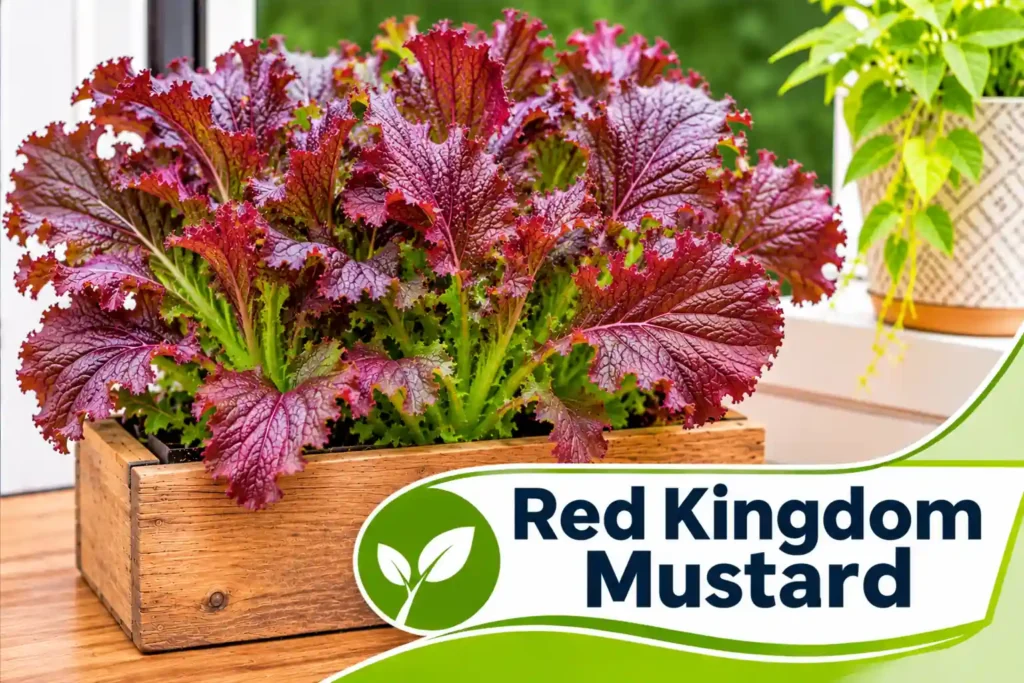
Red Kingdom Mustard is a colorful mustard green variety that can make an attractive addition to indoor vegetable gardens. This variety produces broad leaves with rich reddish-purple coloring and green undertones, creating a decorative appearance in containers and windowsill growing setups. Its peppery flavor adds a pleasant spicy taste to fresh salads, sandwiches, soups, and cooked vegetables. Red Kingdom Mustard is suitable for gardeners interested in growing flavorful leafy greens indoors, especially when adequate lighting and consistent moisture are provided.
Identification
- Scientific Name: Brassica juncea
- Common Name: Red Kingdom Mustard
- Leaf Color: Reddish-purple with green undertones
- Leaf Shape: Broad, slightly textured leaves
- Plant Height: Approximately 10–18 inches
- Flavor: Peppery, spicy, and slightly tangy
- Harvest Time: Approximately 25–30 days for baby greens and 40–55 days for mature leaves
Ideal Indoor Growing Conditions
Red Kingdom Mustard grows best in containers at least 6–8 inches deep with proper drainage holes. Choose a wide container that provides enough room for healthy foliage development.
Fill the container with nutrient-rich, well-draining potting mix containing compost or other organic matter. Position it near a bright south-facing window that receives approximately 5–6 hours of direct sunlight daily.
Alternatively, use an LED grow light for 12–14 hours daily. Sufficient lighting promotes compact growth and helps maintain attractive leaf coloration.Maintain temperatures between 55–70°F (13–21°C). Cooler conditions generally produce tender greens and help delay premature bolting.
Watering and Maintenance
Water regularly to keep the soil evenly moist without allowing excess water to collect around the roots. Check the top inch of soil before watering to prevent overwatering.
Apply a diluted liquid fertilizer every two to three weeks if the plants require additional nutrients. Remove damaged foliage and thin overcrowded seedlings to improve airflow.
Harvest the outer leaves once they reach approximately 4–6 inches long. Pick leaves carefully without damaging the central growing point to encourage continued growth.Regular harvesting allows indoor gardeners to enjoy fresh Red Kingdom Mustard leaves over multiple weeks.
FAQs
1. Can mustard greens be grown indoors year-round?
Yes, mustard greens can grow indoors year-round with proper lighting, temperature, and watering. Most varieties prefer temperatures between 55–75°F (13–24°C). Providing 12–14 hours of artificial light daily helps maintain healthy growth, especially during winter when natural sunlight is limited.
2. What are the best mustard greens varieties for indoor growing?
Green Wave, Red Giant, Mizuna, Ruby Streaks, and Tokyo Bekana are excellent choices for indoor growing. These varieties grow relatively quickly, adapt well to containers, and produce flavorful leaves. Compact varieties are particularly suitable for windowsills, shelves, and small indoor gardens.
3. How long does it take to grow mustard greens indoors?
Most mustard greens are ready for baby-leaf harvesting within 20–30 days after planting. Mature leaves generally take 35–60 days, depending on the variety and growing conditions. Proper lighting, consistent moisture, and suitable temperatures can encourage faster, healthier leaf development indoors.
4. How much sunlight do mustard greens need indoors?
Mustard greens generally need 5–6 hours of direct sunlight daily for healthy growth. If natural sunlight is insufficient, use full-spectrum LED grow lights for approximately 12–14 hours daily. Adequate lighting encourages strong leaves, compact growth, and better foliage coloration.
5. Can mustard greens regrow after harvesting?
Yes, mustard greens can regrow after harvesting when the central growing point remains intact. Remove mature outer leaves while allowing younger leaves to continue developing. Regular watering, sufficient lighting, and balanced nutrients help support repeated harvests over several weeks.