
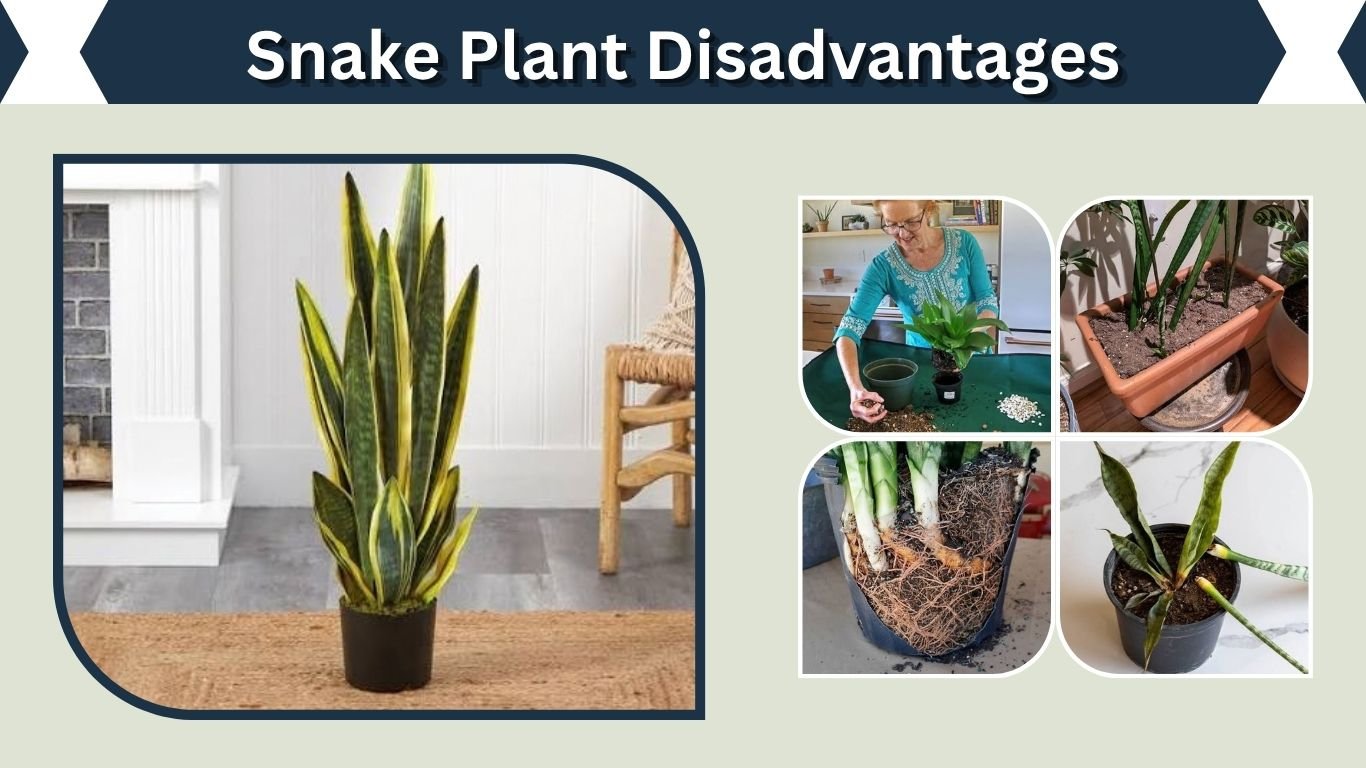
Snake plants are popular indoor plants because they tolerate neglect, need relatively little water, and adapt to many home environments. However, they are not completely trouble-free. Understanding the main snake plant disadvantages can help you decide whether this striking houseplant suits your home and lifestyle. Problems may include toxicity to pets, sensitivity to overwatering, slow growth, sharp leaves, and difficulty recovering from certain care mistakes. This guide explains the potential drawbacks of snake plants and offers practical snake plant care tips for avoiding common problems.
Common Snake Plant Disadvantages
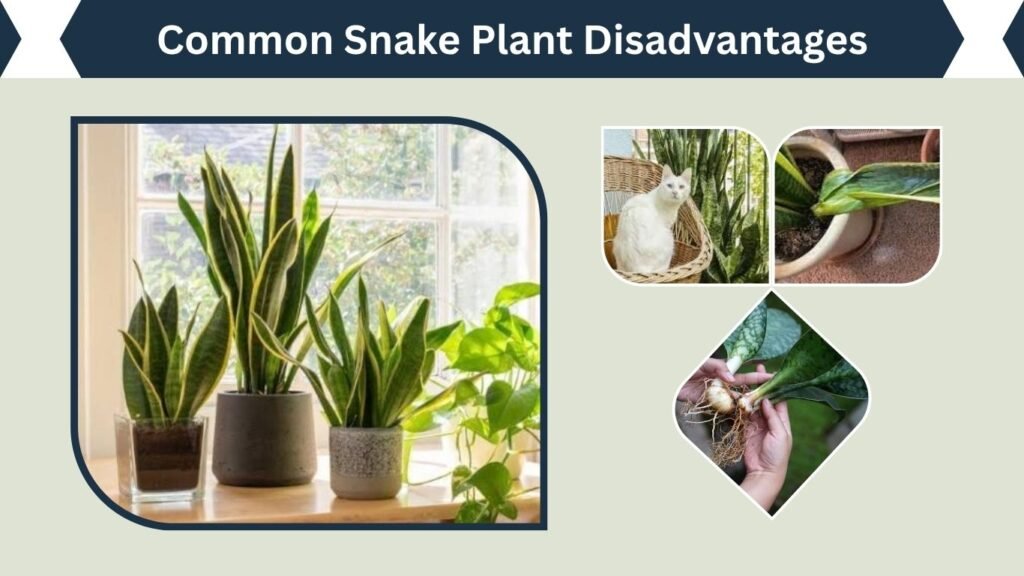
Although snake plants are often described as easy-care houseplants, several characteristics can make them less suitable for certain homes. Most disadvantages are manageable with proper placement and maintenance, but knowing about them before growing the plant can prevent frustration. The following drawbacks are especially important for households with pets, children, limited light, or a tendency to overwater plants.
1. Snake Plants Can Be Harmful to Pets
One important disadvantage is that snake plants contain compounds that can cause problems if cats or dogs chew or eat the leaves.
Ingestion may lead to digestive upset such as drooling, nausea, vomiting, or diarrhea. For this reason, pet owners should place snake plants where curious animals cannot easily reach them.
2. Overwatering Can Quickly Cause Root Rot
Snake plants store moisture in their thick leaves and underground structures, so they do not need frequent watering.
One of the biggest snake plant care mistakes is watering too often. Constantly wet soil can damage roots and lead to yellowing, soft leaves, unpleasant odors, and eventually plant decline.
3. Growth Can Be Very Slow
Snake plants are not ideal for people who want a fast-growing indoor plant.
Growth speed varies with variety, light, temperature, and care, but new leaves can appear slowly, particularly in low-light conditions. It may take considerable time for a small plant to become a large architectural specimen.
Problems With Growing Snake Plants Indoors
Snake plants adapt well to indoor conditions, but that adaptability can sometimes create unrealistic expectations. A plant may survive in a poorly lit room without actually growing well. Indoor conditions can also encourage moisture problems if drainage is poor. Good snake plant indoor care still requires attention to light, watering, temperature, and soil.
Limited Light Can Reduce Growth
Snake plants are often promoted as low-light plants, but low-light tolerance does not mean they prefer darkness.
In very dim rooms, growth may become extremely slow, and colorful or variegated varieties may lose some of their distinctive appearance. Bright, indirect light generally supports stronger growth.
Leaves Can Collect Dust
Large upright leaves are visually attractive but can collect household dust over time.
A dusty surface can make the plant appear dull. Wiping the leaves occasionally with a soft damp cloth helps maintain their appearance.
Cold Conditions Can Damage the Plant
Snake plants prefer warm indoor temperatures.
Cold drafts, unheated rooms, or prolonged exposure to low temperatures can stress the plant. Leaves may become damaged, especially when cold conditions are combined with wet soil.
Snake Plant Care Problems to Watch For

Many snake plant disadvantages become noticeable only when care conditions are unsuitable. Overwatering, poor drainage, incorrect light, and environmental stress can cause visible symptoms. Fortunately, recognizing these warning signs early usually makes the problem easier to correct.
Common Warning Signs
Watch for:
- Yellowing leaves
- Soft or mushy leaf bases
- Brown leaf tips
- Drooping leaves
- Wrinkled foliage
- Root rot
- Slow or stopped growth
- Unusual leaf discoloration
The exact cause should be identified before changing the care routine because similar symptoms can have different causes.
Yellow Leaves
Yellowing often appears when the root system remains too wet, although other stresses can also contribute.
Check the soil before watering again. If it remains wet for an unusually long time, drainage, pot size, soil composition, or watering frequency may need adjustment.
Brown Leaf Tips
Brown tips may result from inconsistent watering, physical damage, environmental stress, or other growing conditions.
Instead of immediately watering more, assess the plant’s soil moisture and surrounding environment first.
Snake Plants Are Easy to Overwater
The ability to survive drought is one reason snake plants are considered beginner-friendly. However, it also means owners sometimes provide more water than the plant can use. Unlike thirsty tropical plants, snake plants generally perform better when the potting mixture is allowed to dry substantially between waterings.
Why Excess Water Is a Problem
Snake plant roots need oxygen as well as moisture.
When soil remains continuously saturated, oxygen around the roots decreases and conditions become favorable for root deterioration. Once severe root rot develops, saving the entire plant can become difficult.
How to Reduce Overwatering Risk
To reduce problems:
- Use a pot with drainage holes.
- Choose a well-draining potting mixture.
- Check soil moisture before watering.
- Empty standing water from saucers.
- Water less frequently during slower growth.
- Avoid following a rigid watering schedule.
Water according to soil conditions rather than simply watering on the same day every week.
Snake Plant Leaves Can Be Easily Damaged
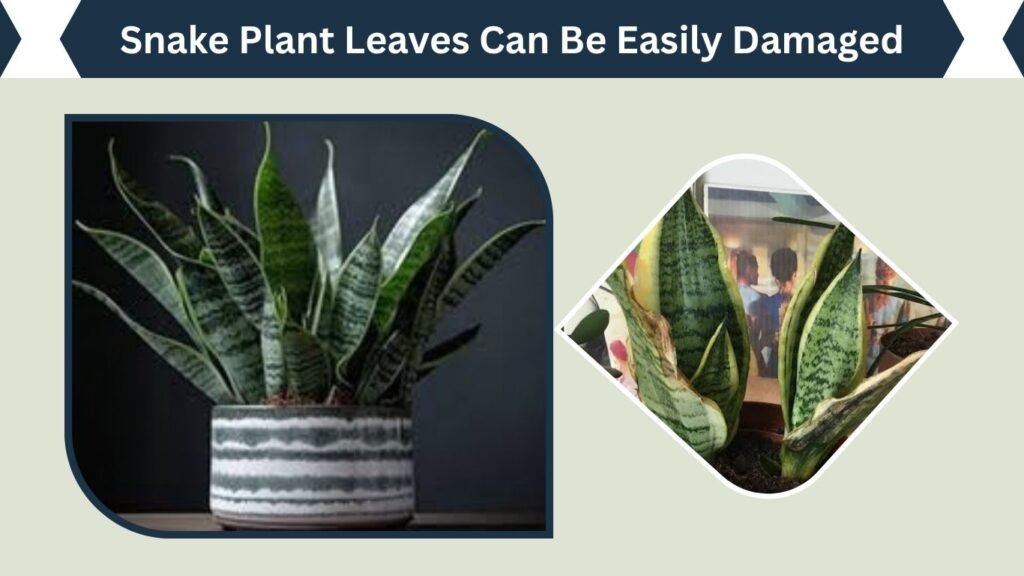
Snake plant leaves are upright and relatively firm, but they are not indestructible. Bent, cracked, or cut leaves generally do not return to their original shape. This can be frustrating because damaged foliage remains highly visible on an otherwise symmetrical plant.
Sharp and Pointed Leaf Tips
Many varieties have narrow, pointed tips.
These tips can be uncomfortable if someone brushes against them, especially when large plants are positioned beside narrow walkways, sofas, desks, or children’s play areas.
Physical Damage Can Affect Appearance
Moving furniture, pets, children, or careless handling can bend or break leaves.
Because snake plants are grown largely for their architectural foliage, even a few damaged leaves can noticeably affect their appearance.
Snake Plants May Outgrow Their Pots
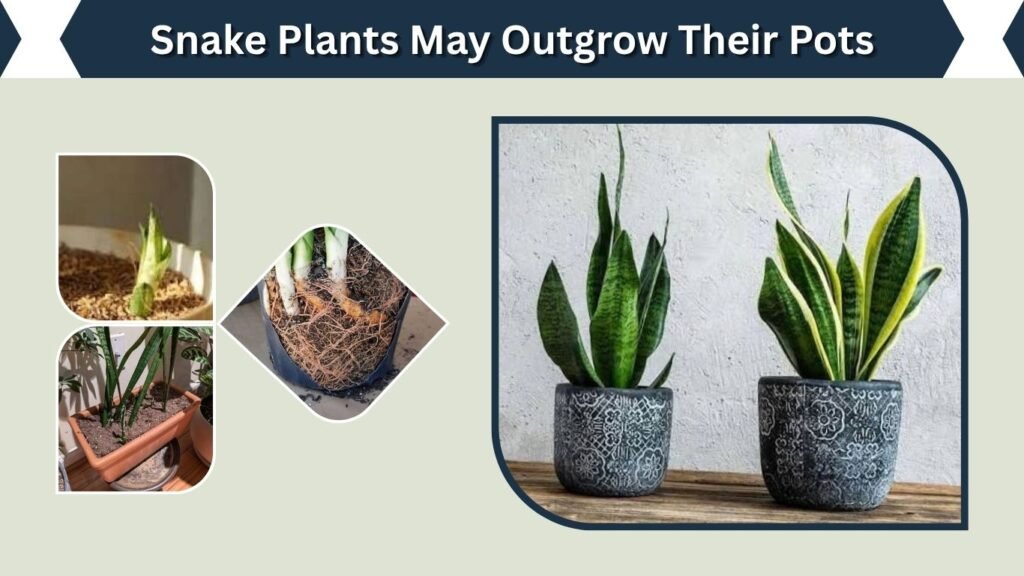
Although their above-ground growth can be slow, snake plants gradually produce underground rhizomes and new shoots. Over time, the root system may become crowded inside the container. Strong growth can sometimes distort lightweight or unsuitable pots.
Signs of an Overcrowded Plant
Potential signs include:
- Roots filling the container
- New shoots crowding the edges
- Water passing through unusually quickly
- Pot distortion
- Reduced growing space
- Difficulty removing the plant
An overcrowded snake plant may eventually need division or repotting.
Repotting Can Be Awkward
Large snake plants can become heavy and difficult to handle because of their tall foliage and dense root mass.
Repot carefully to avoid snapping leaves or damaging roots.
Snake Plant Propagation Can Require Patience
Snake plants can be propagated through division or leaf cuttings, but propagation is not always fast. Some methods require weeks or months before substantial new growth appears. Certain variegated plants may also fail to maintain the same leaf pattern when propagated from cuttings.
Division Is Usually Faster
Dividing an established plant allows you to separate rooted sections and usually produces a more immediate result than starting from an individual leaf cutting.
However, division requires a sufficiently mature plant with multiple shoots.
Leaf Cuttings Take Longer
Leaf sections can sometimes form roots and eventually produce new shoots, but the process requires patience.
Anyone expecting rapid results may find propagation slower than with many other common houseplants.
Is a Snake Plant Good for Beginners?
Despite its disadvantages, a snake plant can still be an excellent choice for beginners. Its ability to tolerate missed watering and varying indoor conditions makes it more forgiving than many houseplants. Problems usually arise when owners provide excessive care—particularly too much water—rather than when the plant is briefly neglected.
Why Beginners Often Like Snake Plants
Snake plants offer several practical benefits:
- Low watering requirements
- Attractive upright foliage
- Tolerance of different light levels
- Relatively simple maintenance
- Good suitability for containers
- Many sizes and varieties
These advantages explain why snake plants remain widely grown despite their drawbacks.
Who May Want Another Plant?
A different houseplant may suit you better if you have pets that regularly chew plants, want very rapid growth, have an extremely cold room, or enjoy watering plants frequently.
Choosing a plant that matches your routine is often easier than continually adjusting your habits to meet its needs.
How to Avoid Common Snake Plant Problems

Most disadvantages of snake plants can be minimized with good care. The biggest priorities are avoiding excessive moisture, providing adequate drainage, choosing a suitable indoor location, and protecting the foliage from physical damage. Regular observation is more useful than following an overly strict maintenance schedule.
Follow These Snake Plant Care Tips
- Provide bright, indirect light when possible.
- Allow the soil to dry between waterings.
- Use well-draining soil.
- Choose pots with drainage holes.
- Keep plants away from cold drafts.
- Protect leaves from physical damage.
- Keep the plant away from pets that chew foliage.
- Wipe dusty leaves occasionally.
- Repot when the container becomes overcrowded.
These simple habits can prevent many of the problems associated with growing snake plants indoors.
FAQs
1. What are the main disadvantages of a snake plant?
The main disadvantages include sensitivity to overwatering, slow growth, pointed leaves, potential toxicity when eaten by pets, and susceptibility to root rot in poorly drained soil. Large plants can also become heavy and difficult to repot. Most of these issues can be managed with careful placement and proper watering.
2. Are snake plants toxic to cats and dogs?
Snake plants should not be eaten by cats or dogs. Chewing or swallowing the foliage can cause digestive problems such as nausea, vomiting, drooling, or diarrhea. Pet owners should place the plant somewhere inaccessible to animals or choose a pet-friendly houseplant when keeping plants out of reach is difficult.
3. Why is my snake plant dying indoors?
Overwatering is one of the most common reasons a snake plant declines indoors. Constantly wet soil can damage its roots and cause leaves to become yellow or soft. Poor drainage, cold temperatures, pests, and unsuitable light can also contribute, so inspect the plant and soil before changing its care routine.
4. Is snake plant care difficult?
Snake plant care is generally simple because the plant tolerates periods of dry soil and a range of indoor light conditions. However, owners must avoid frequent watering. A well-draining potting mix, a container with drainage holes, suitable light, and protection from cold conditions can keep the plant healthy with relatively little maintenance.
5. Are snake plants good for beginners?
Yes, snake plants are commonly suitable for beginners because they do not need frequent watering and can adapt to many indoor environments. However, beginners should understand that low maintenance does not mean no maintenance. Overwatering is particularly risky, so checking the soil before adding water is one of the most important care habits.