
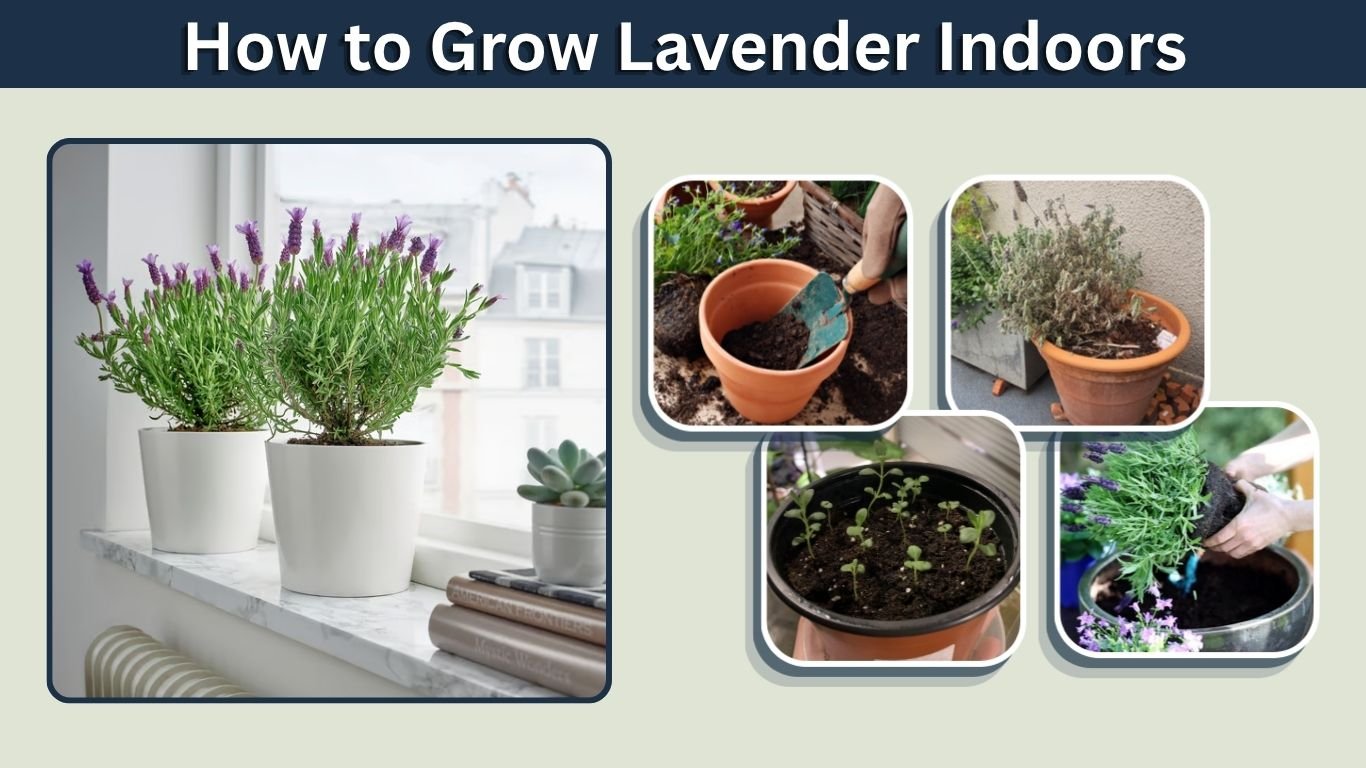
Growing lavender indoors is a wonderful way to enjoy fragrant flowers, attractive foliage, and natural beauty throughout the year. Although lavender typically thrives in sunny outdoor gardens, it can also grow successfully inside with proper care. Choosing the right variety, providing sufficient sunlight, and maintaining well-draining soil are essential for healthy development. Whether you’re starting lavender from seeds or growing an established plant in a container, this guide explains how to grow lavender indoors, including watering, lighting, winter care, pruning, and solutions to common growing problems.
Can You Grow Lavender Indoors?
Yes, lavender can grow indoors when it receives sufficient sunlight, good air circulation, and appropriate watering. However, lavender is naturally adapted to sunny, relatively dry environments, making indoor cultivation more challenging than growing it outdoors. A bright windowsill or suitable grow light can provide the conditions needed for healthy foliage and occasional flowering throughout its growing season.
Benefits of Growing Lavender Indoors
- Beautiful flowers: Enjoy attractive purple blooms when the plant receives suitable growing conditions.
- Pleasant fragrance: Lavender foliage and flowers provide a distinctive natural aroma.
- Indoor decoration: Compact lavender plants complement windowsills and sunny indoor spaces.
- Container gardening: Grow lavender without needing a backyard or outdoor garden.
- Seasonal protection: Move plants away from excessive rainfall and unsuitable winter conditions.
How to Grow Lavender Indoors Step by Step
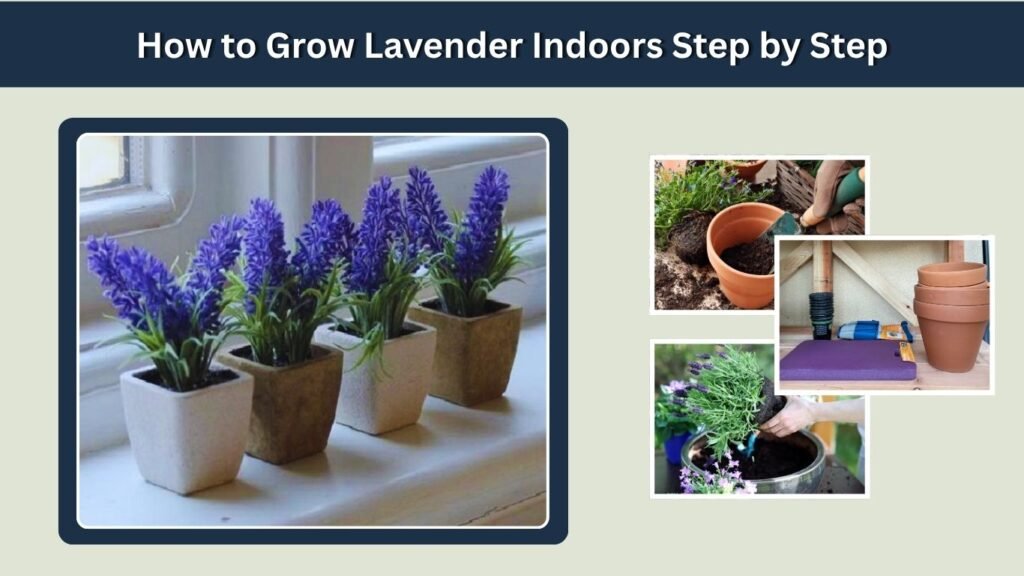
Growing lavender indoors starts with selecting a healthy plant and creating suitable environmental conditions. Lavender prefers abundant sunlight, excellent drainage, and relatively low soil moisture. Beginners often find established nursery plants easier to maintain than seedlings. With appropriate containers, growing media, and careful watering, indoor lavender can develop healthy roots and attractive foliage over time.
Step-by-Step Lavender Planting Guide
- Choose a variety: Select compact English lavender or another cultivar suitable for containers.
- Select a container: Use a pot with drainage holes and adequate space for root development.
- Prepare the soil: Combine quality potting mix with horticultural grit or perlite for drainage.
- Plant the lavender: Position the root ball at the same depth as in its original container.
- Water thoroughly: Moisten the soil after planting and allow excess water to drain.
- Provide strong light: Place the plant near a sunny window or use supplemental lighting.
- Monitor conditions: Check soil moisture and inspect the plant regularly for stress.
Best Lavender Varieties to Grow Indoors
Choosing the right lavender variety can make indoor gardening more manageable. Some lavender plants remain relatively compact, while others develop into large shrubs requiring substantial growing space. Differences in flowering habits, cold tolerance, and temperature preferences also influence indoor performance. Understanding these characteristics helps gardeners select a variety suitable for their available light and growing conditions.
English Lavender
English lavender (Lavandula angustifolia) is a popular choice for indoor container gardening. Compact cultivars such as ‘Munstead’ and ‘Hidcote’ are especially suitable for limited spaces.
They require strong sunlight, excellent drainage, and careful watering.
French and Spanish Lavender
French and Spanish lavenders are attractive flowering options for bright indoor locations.
Names vary by region, but commonly grown types include Lavandula dentata and Lavandula stoechas. They need abundant light and may be better suited to seasonal indoor growing than permanent low-light rooms.
Growing Lavender in Pots Indoors
Growing lavender in pots allows gardeners to control soil composition, drainage, and plant placement. However, selecting an inappropriate container can lead to excess moisture and poor root health. Lavender prefers well-aerated growing media and containers that drain efficiently. Choosing the correct pot size and material helps maintain healthy roots while supporting steady growth throughout the year.
What Size Pot Is Best for Lavender?
Choose a container slightly wider than the existing root ball, rather than placing a small plant directly into an oversized pot.
Mature plants may require containers approximately 12–16 inches wide, depending on the variety. Terracotta can encourage moisture evaporation, while drainage holes are essential regardless of material.
How Much Sunlight Does Indoor Lavender Need?
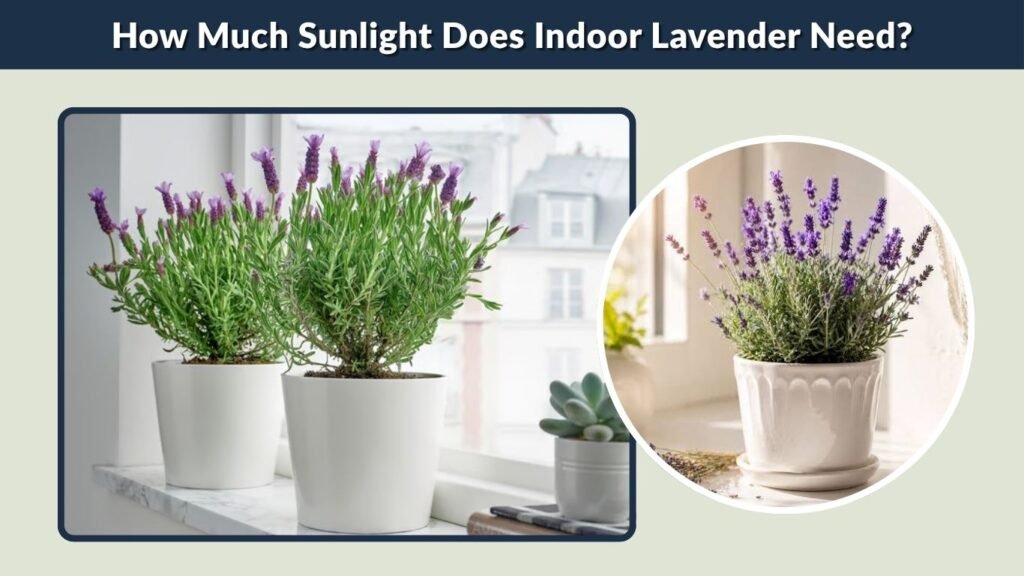
Sunlight is one of the most important requirements for successful indoor lavender cultivation. Lavender naturally grows in open, sunny environments where its leaves receive intense light. Insufficient illumination often causes stretched stems, weak growth, and limited flowering. Choosing a bright indoor location or using artificial grow lights can significantly improve plant development and overall appearance.
Best Lighting Conditions
Lavender generally needs at least six to eight hours of direct sunlight daily. A south-facing window is often suitable in the Northern Hemisphere.
Where natural light is inadequate, a full-spectrum grow light can supplement it. Follow the light manufacturer’s recommendations for distance and duration, commonly around 12–16 hours daily.
Watering and Fertilizing Lavender Indoors
Proper watering is essential because lavender roots are sensitive to prolonged wet conditions. Although established lavender tolerates relatively dry soil, container plants still require occasional thorough watering. Indoor temperatures, pot materials, and sunlight exposure affect how quickly soil dries. Understanding these differences helps prevent overwatering while maintaining sufficient moisture for healthy root development.
Indoor Lavender Watering Tips
- Check soil moisture: Water after the upper portion of the potting mix has dried.
- Water deeply: Allow moisture to reach the roots and drain through the container.
- Empty saucers: Prevent pots from standing in collected water.
- Adjust seasonally: Reduce watering when growth slows during winter.
- Watch for stress: Yellowing foliage and persistently wet soil may indicate overwatering.
Does Indoor Lavender Need Fertilizer?
Lavender generally requires little fertilizer and prefers relatively low-nutrient growing conditions.
If growth indicates a nutrient deficiency, apply a diluted balanced fertilizer sparingly during active growth. Excessive feeding can encourage weak foliage rather than compact growth.
How to Grow Lavender From Seed Indoors
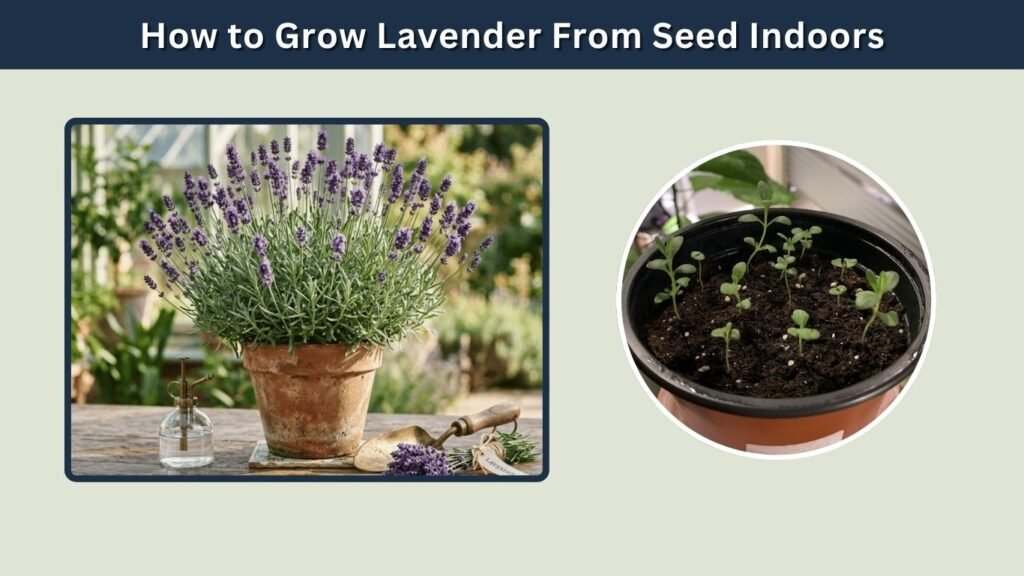
Starting lavender from seed provides an affordable opportunity to raise several plants. However, lavender seeds can germinate slowly and unevenly, making patience important. Seed-starting success depends on fresh seeds, suitable temperatures, careful moisture management, and adequate lighting. Once seedlings develop healthy roots and true leaves, they can be transplanted into individual containers.
Starting Lavender Seeds Indoors
Fill a seed tray with moist, well-draining seed-starting mix. Sow seeds shallowly according to packet instructions.
Some varieties benefit from a period of cold stratification before sowing. Keep the tray at the recommended germination temperature and maintain consistent, light moisture.
Germination may take approximately two to four weeks or longer. Transplant seedlings after they develop several true leaves.
Growing Lavender Indoors From Cuttings
Propagating lavender from cuttings offers a practical alternative to starting seeds. Cuttings taken from healthy plants can develop roots and produce plants with the same characteristics as their parent. This technique is especially useful for maintaining desirable cultivars. Appropriate growing media, careful humidity management, and indirect light encourage successful root development during propagation.
How to Propagate Lavender Cuttings
Take a healthy, nonflowering stem cutting approximately four inches long and remove the lower leaves.
Insert the cut end into a free-draining propagation mix and keep it lightly moist. Place it in bright, indirect light until roots form, then gradually introduce stronger sunlight.
Growing Lavender Indoors in Winter
Winter presents challenges for indoor lavender because shorter days and reduced sunlight can limit growth. Heated rooms may also create stressful conditions, especially when combined with inadequate lighting. Keeping the plant in a bright, appropriately cool location and reducing excess moisture helps support winter survival. Lavender varieties differ in their preferred overwintering temperatures.
How to Care for Lavender During Winter
Position lavender near a bright window or provide supplemental lighting. Protect it from cold drafts, heating vents, and abrupt temperature changes.
Water less frequently as growth slows, and avoid unnecessary fertilization. A cool, bright, frost-free environment may be suitable for overwintering certain container varieties.
Common Problems With Indoor Lavender Plants
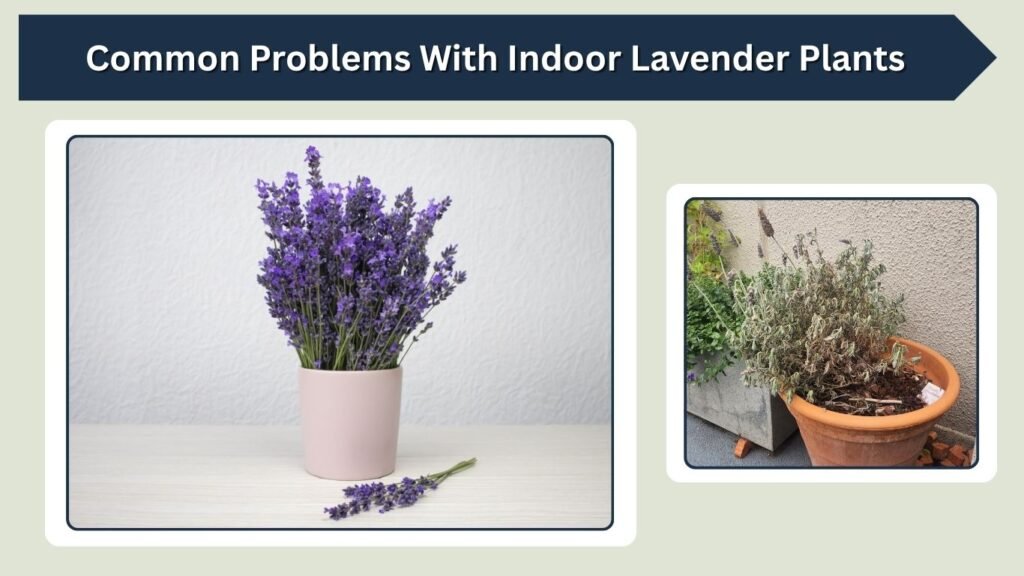
Indoor lavender plants may develop yellow leaves, weak stems, or poor flowering when growing conditions are unsuitable. Most problems involve insufficient sunlight, excessive soil moisture, inadequate drainage, or environmental stress. Identifying these causes early makes corrective action easier. Monitoring foliage, soil conditions, and growth patterns helps maintain healthy plants and prevent recurring problems throughout the growing season.
Why Is My Indoor Lavender Dying?
Consistently wet soil may cause root rot, resulting in wilting or yellowing foliage.
Check container drainage and inspect roots if necessary. Remove decayed roots when repotting, use fresh free-draining mix, and correct watering practices.
Why Is My Lavender Not Flowering?
Insufficient sunlight is a common cause of poor flowering. Excessive fertilizer and immature growth can also contribute.
Increase light exposure gradually, maintain appropriate soil conditions, and allow sufficient time for seasonal flower development.
How to Prune and Harvest Indoor Lavender
Pruning helps maintain lavender’s compact appearance and prevents plants from becoming excessively woody. Regular, careful trimming also encourages branching and removes spent flowers. Indoor lavender should be pruned according to its growth rate and variety. Understanding where to cut is important because mature woody stems often struggle to produce new growth after severe pruning.
Proper Lavender Pruning Techniques
Use clean pruning shears to remove faded flower stalks and lightly shape healthy green growth.
Avoid cutting deeply into old, leafless woody stems. Harvest flower spikes when they begin opening if you want to dry them for decorative or aromatic uses.
FAQs
1. Is Lavender Easy to Grow Indoors?
Lavender can be challenging indoors because it needs intense sunlight and excellent drainage. Compact varieties are more manageable when suitable conditions are available.
2. Can Lavender Grow Indoors Without Sunlight?
Lavender cannot thrive in darkness. However, an appropriately powerful full-spectrum grow light can replace or supplement natural sunlight.
3. Can You Grow Lavender Indoors Year-Round?
Yes, lavender can survive indoors year-round under suitable conditions, although flowering may be seasonal and some varieties benefit from a cooler winter rest.
4. How Long Does Lavender Take to Grow Indoors?
Lavender seeds may germinate within two to four weeks or longer. Developing a mature flowering plant typically requires several months and may take until the following growing season.
5. Can English Lavender Grow Indoors?
Yes, compact English lavender cultivars such as ‘Munstead’ and ‘Hidcote’ can grow in indoor containers with strong sunlight, proper drainage, and appropriate seasonal care.