
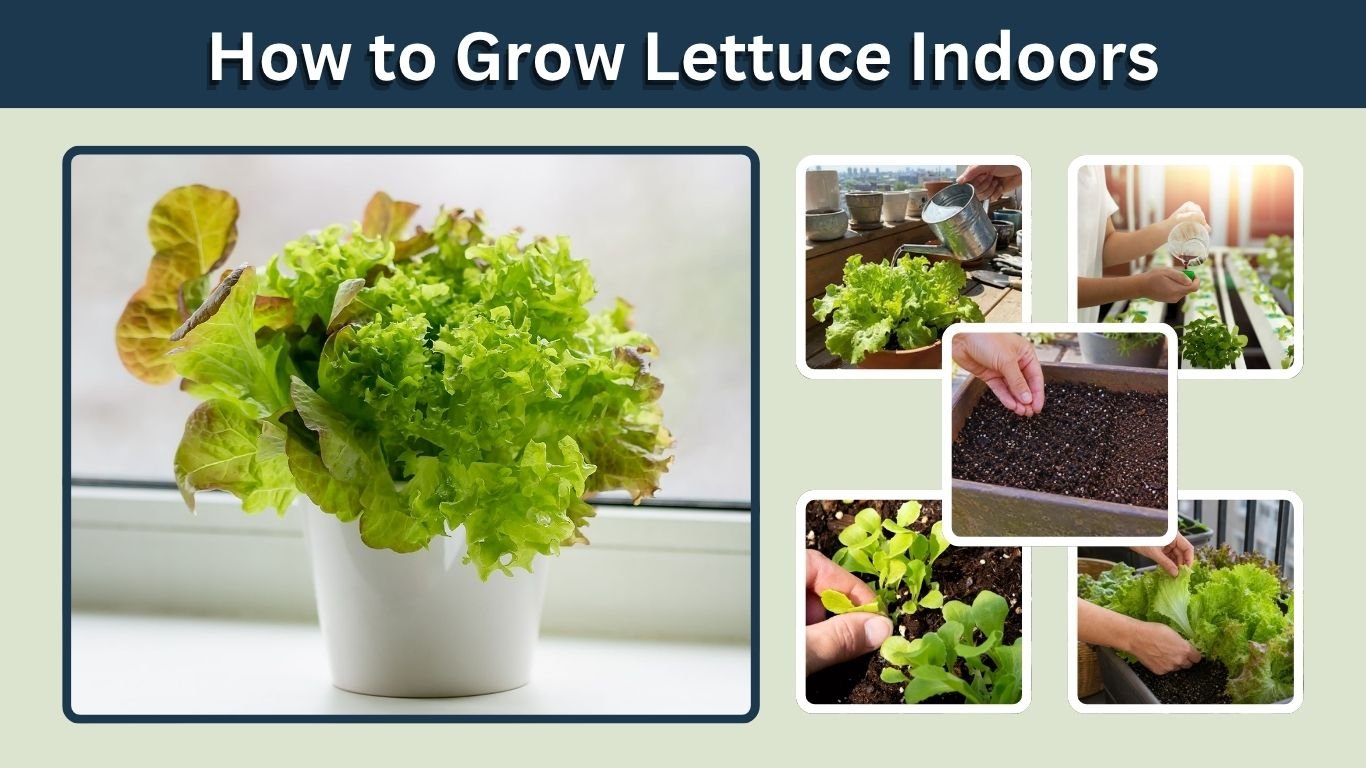
Fresh, crispy lettuce doesn’t have to come from the grocery store or an outdoor vegetable garden. Learning how to grow lettuce indoors allows you to enjoy homegrown salad greens throughout the year, even with limited space. Lettuce grows quickly, requires relatively simple care, and adapts well to containers or hydroponic systems. Whether you want to grow romaine, butterhead, or loose-leaf varieties, the right combination of lighting, moisture, and temperature makes a significant difference. This guide explains how to grow healthy indoor lettuce from planting to harvesting.
1. Choose the Best Lettuce Varieties for Indoor Growing
Selecting the right lettuce variety is essential for successful indoor gardening. Some varieties grow quickly and remain compact, making them ideal for small containers and limited growing spaces. Others need additional space and longer growing periods to produce mature heads. Understanding the differences between lettuce types helps you choose plants that match your indoor conditions and harvesting preferences.
Best Types of Lettuce to Grow Indoors
- Loose-Leaf Lettuce: Fast-growing varieties that allow repeated harvesting of individual leaves.
- Romaine Lettuce: Produces upright, crunchy leaves and grows well under sufficient artificial lighting.
- Butterhead Lettuce: Forms tender, loosely arranged heads with soft, flavorful leaves.
- Bibb Lettuce: A compact butterhead variety suitable for containers and hydroponic systems.
- Buttercrunch Lettuce: Develops tender leaves with slightly crisp centers and performs well indoors.
- Red Leaf Lettuce: Offers colorful foliage and can be harvested while leaves are young.
- Iceberg Lettuce: Requires more growing space, stronger lighting, and a longer period to form dense heads.
Which Lettuce Is Easiest to Grow Indoors?
Loose-leaf and butterhead varieties are excellent choices for beginners. They require less growing space than large heading varieties and allow flexible harvesting.Buttercrunch is particularly suitable for indoor production because of its compact growth and tender leaves.
2. Prepare the Perfect Indoor Lettuce Growing Environment
Lettuce grows best when its environment provides consistent light, moderate temperatures, and adequate moisture. Unlike warm-season vegetables, lettuce prefers relatively cool growing conditions. Indoor cultivation gives gardeners greater control over these factors, making year-round production possible. Choosing an appropriate growing location and preparing suitable containers will help establish healthy roots and encourage steady leaf development.
Choose the Right Growing Location
Place your lettuce near a bright window or beneath an LED grow light. A south-facing window may provide suitable sunlight, although supplemental lighting is often necessary during winter.Avoid placing containers near heating vents, radiators, or excessively warm windows.
Select Containers and Potting Soil
Choose containers approximately 6–8 inches deep with adequate drainage holes. Wider containers accommodate several plants when properly spaced.Use a lightweight, moisture-retentive potting mix that also drains well. Avoid heavy garden soil because it can compact inside containers and restrict root development.
Maintain the Right Indoor Temperature
Lettuce generally grows well at temperatures around 60–70°F (16–21°C).Excessive heat can encourage bolting, when plants produce flowering stalks and develop bitter leaves. Maintaining cooler conditions supports tender foliage and consistent growth.
3. How to Grow Lettuce Indoors From Seeds: 8 Steps
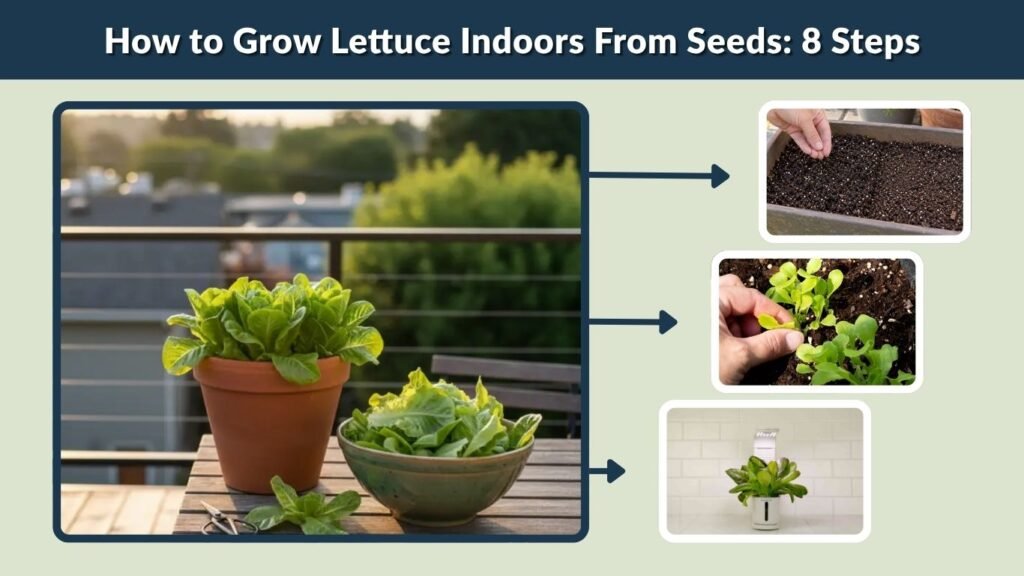
Growing lettuce from seeds is an affordable and straightforward approach for beginners. Lettuce germinates relatively quickly under suitable conditions and develops shallow roots that adapt well to containers. Starting seeds indoors also allows you to control growing conditions from the beginning. Following a consistent planting routine improves germination, reduces overcrowding, and prepares seedlings for healthy leaf production.
Step-by-Step Indoor Lettuce Planting Guide
- Choose your lettuce seeds: Select loose-leaf, romaine, or butterhead varieties suited to containers.
- Prepare growing containers: Fill clean pots or seed trays with pre-moistened potting mix.
- Sow the seeds: Plant seeds approximately ⅛–¼ inch deep, following packet recommendations.
- Moisten the soil: Water gently to prevent disturbing or washing away seeds.
- Provide suitable temperatures: Keep containers relatively cool to encourage germination.
- Add adequate lighting: Move emerging seedlings under grow lights or into a sufficiently bright location.
- Thin crowded seedlings: Allow plants enough space to develop healthy leaves and roots.
- Monitor moisture: Keep the growing medium consistently moist without making it waterlogged.
How Long Does Lettuce Take to Germinate Indoors?
Lettuce seeds typically germinate within 2–10 days under favorable conditions.Temperature significantly influences germination. Excessively warm soil can prevent some varieties from sprouting successfully.Once seedlings develop several true leaves, they can be thinned or transplanted into larger containers.
4. Provide Proper Lighting for Indoor Lettuce
Adequate lighting is one of the most important requirements for growing lettuce indoors successfully. Although lettuce tolerates less intense light than many fruiting vegetables, insufficient illumination can produce weak stems and smaller leaves. Natural sunlight may work during bright seasons, but artificial lighting provides more dependable results throughout the year, particularly in rooms with limited window exposure.
How Much Light Does Lettuce Need Indoors?
Lettuce generally benefits from approximately 6–8 hours of strong natural sunlight or suitable supplemental lighting.When using LED grow lights, around 12–16 hours daily is a practical starting range, depending on light intensity. Research and university guidance support adjusting lighting duration to the intensity delivered to the leaves.
Growing Lettuce Indoors With LED Grow Lights
Full-spectrum LED grow lights are useful because they provide suitable wavelengths for leaf development while producing relatively little heat.Position fixtures according to the manufacturer’s recommendations and adjust their height as plants grow. A timer helps maintain a consistent schedule.
5. Water and Fertilize Indoor Lettuce Correctly
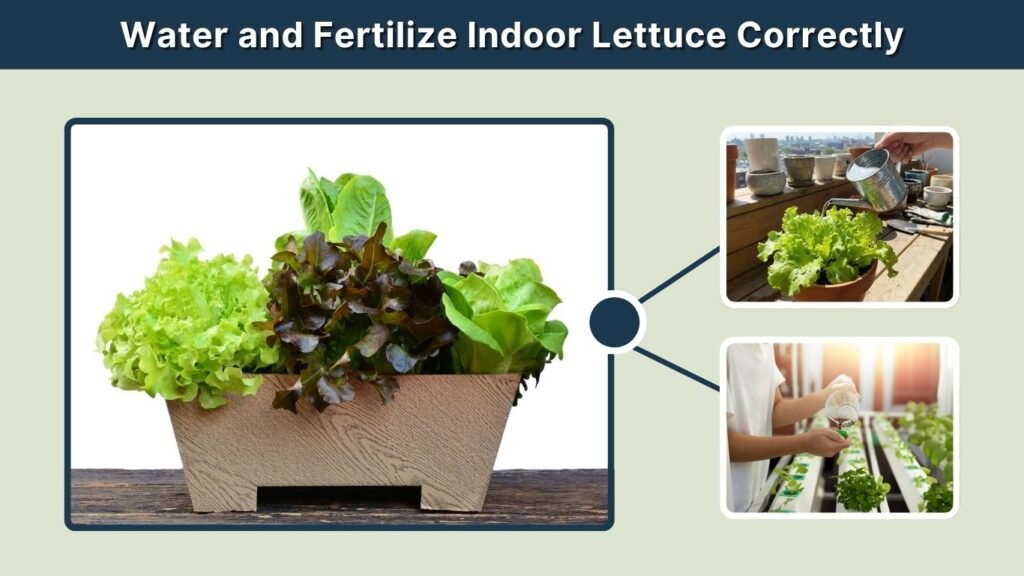
Maintaining balanced moisture and nutrition encourages lettuce to produce tender, healthy leaves. Because lettuce has relatively shallow roots, its growing medium should not dry completely for extended periods. However, constantly saturated conditions can damage roots and encourage disease. Proper watering and modest fertilization help plants grow steadily without producing stressed foliage or experiencing nutrient deficiencies.
How Often Should You Water Indoor Lettuce?
Check soil moisture regularly and water when the surface begins to dry.Lettuce prefers consistently moist growing conditions, but containers must drain freely.Water around the base of plants and remove standing water from drainage saucers.
Fertilizing Indoor Lettuce Plants
Use a balanced, diluted liquid fertilizer when the potting mix no longer supplies sufficient nutrients.Avoid excessive nitrogen fertilizer because unnecessary feeding can cause nutrient imbalances.Young seedlings generally require less fertilizer than established, actively growing plants.
6. How to Grow Lettuce Hydroponically Indoors
Hydroponic gardening allows lettuce to grow without traditional soil by supplying dissolved nutrients directly to its roots. This method is particularly suitable for indoor spaces because lettuce has a relatively short growing cycle and modest root requirements. Hydroponic systems can provide consistent production when lighting, oxygen availability, nutrient concentrations, and water quality are carefully managed.
Setting Up an Indoor Hydroponic Lettuce System
A basic hydroponic arrangement can include a covered water reservoir, net pots, growing medium, and a suitable nutrient solution.Seedlings can be started in propagation plugs before transferring them into the system. Roots must have access to both moisture and oxygen.Simple passive systems, including the Kratky method, can grow lettuce without continuously circulating water.
Maintaining Hydroponic Lettuce
Monitor nutrient concentration, water temperature, and pH regularly.Lettuce generally performs well with a mildly acidic nutrient solution around pH 5.5–6.5.Keep reservoirs clean, protect nutrient solutions from excessive heat, and ensure plants receive sufficient lighting.
7. Grow Lettuce Indoors During Winter and Year Round
Growing lettuce indoors during winter is possible because the plants tolerate relatively cool conditions. However, shorter daylight hours can slow growth and reduce leaf production. Supplemental lighting and consistent room temperatures help overcome seasonal limitations. With careful planning and repeated sowing, indoor gardeners can maintain a fresh supply of lettuce throughout winter, spring, summer, and fall.
Growing Lettuce Indoors in Winter
During winter, position lettuce beneath suitable grow lights to compensate for reduced natural sunlight.Maintain moderate temperatures and avoid exposing plants to freezing window surfaces or hot, dry air from heaters.Indoor lettuce can grow successfully during winter when its lighting and moisture requirements are met.
How to Keep Lettuce Growing All Year
Sow a small batch of new lettuce seeds every two to three weeks.This succession planting method creates overlapping generations of plants, allowing new lettuce to develop while mature plants are being harvested.
8. Harvest Lettuce and Prevent Common Growing Problems

Harvesting lettuce at the correct stage improves flavor and allows gardeners to make the most of limited indoor growing space. Different lettuce varieties mature at different rates, and loose-leaf types can often provide multiple harvests. Recognizing early signs of stress also helps prevent common problems such as yellowing foliage, slow growth, and premature flowering.
How Long Does It Take to Grow Lettuce Indoors?
Baby lettuce leaves may be ready approximately 25–35 days after sowing.Many loose-leaf varieties produce larger harvests within 40–60 days, while mature romaine or heading lettuce can require longer.Growing time depends on variety, lighting, temperature, and overall plant health.
How to Harvest Lettuce for Continued Growth
- Outer-leaf harvesting: Remove mature outer leaves while leaving the central growing point intact.
- Baby-leaf harvesting: Cut young foliage above the crown to encourage possible regrowth.
- Whole-head harvesting: Cut mature lettuce near its base when the head reaches the desired size.
- Successive harvesting: Alternate between established plants instead of removing all their leaves simultaneously.
Common Problems When Growing Lettuce Indoors
Yellow leaves often indicate watering or nutrient problems, while long, weak stems commonly suggest insufficient light.Bitter leaves and premature flowering can develop when growing temperatures become excessively warm.Improving lighting, maintaining moderate temperatures, and avoiding overwatering usually resolve many indoor lettuce problems.
FAQs
1. Can You Grow Lettuce Indoors All Year Round?
Yes. Lettuce can grow indoors throughout the year when provided with adequate lighting, suitable temperatures, and consistent moisture. Planting new seeds every few weeks helps maintain continuous production.
2. How Long Does Lettuce Take to Grow Indoors?
Baby lettuce may be harvested within 25–35 days, while many mature varieties take approximately 40–70 days or longer, depending on growing conditions and variety.
3. Can You Grow Lettuce Indoors Without Soil?
Yes. Lettuce grows successfully in hydroponic systems that supply water, nutrients, and oxygen directly to the roots. These systems require suitable lighting and regular nutrient management.
4. Can You Grow Lettuce Indoors From Scraps?
Yes, a lettuce base may produce a small amount of new foliage when placed in shallow water. However, regrowth is limited and generally will not produce another full-sized head. Growing from seeds is more productive.
5. What Is the Best Lettuce to Grow Indoors?
Loose-leaf, butterhead, Bibb, and Buttercrunch lettuce are excellent indoor choices. They grow relatively quickly, fit into small containers, and provide tender leaves suitable for repeated harvesting.