
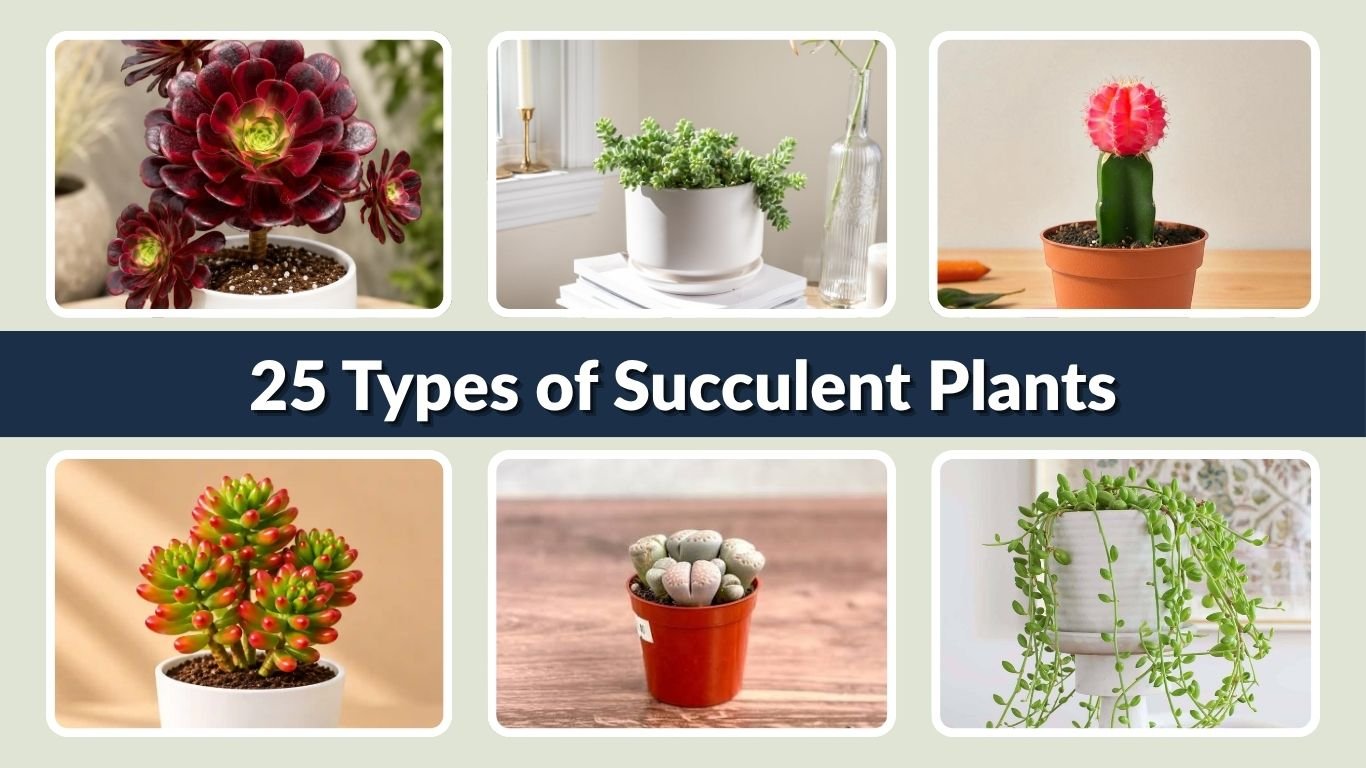
Succulent plants are popular for their attractive shapes, colorful foliage, and easy maintenance. From Aloe Vera and Jade Plants to Echeveria and String of Pearls, there are many beautiful types of succulent plants to explore. These drought-tolerant plants store water in their thick leaves, stems, or roots, making them ideal for low-maintenance gardening. Whether you are a beginner or an experienced gardener, these 25 succulent varieties can add natural beauty to your indoor and outdoor spaces.
1. Aloe Vera
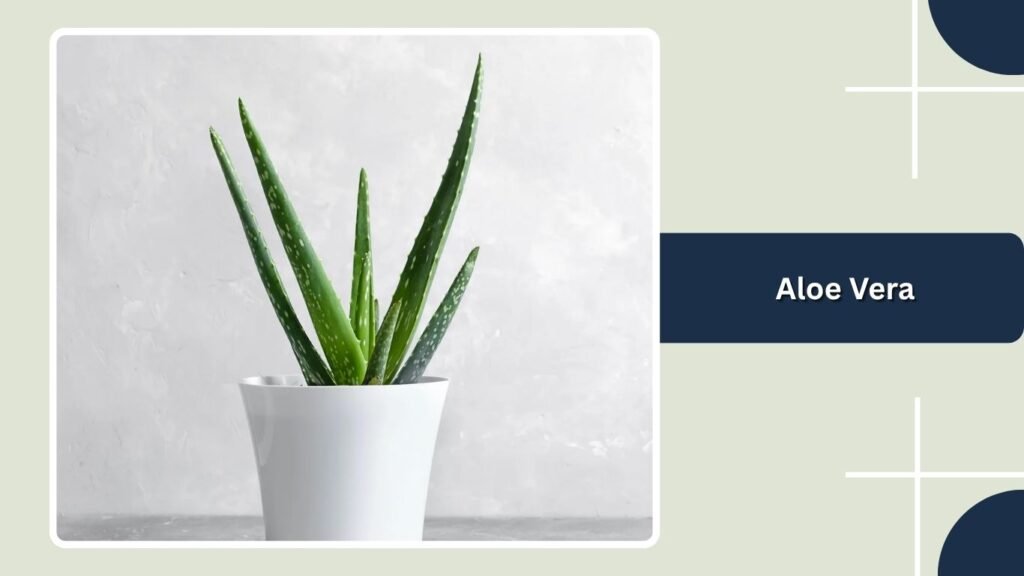
Aloe Vera is one of the most popular succulent plants, known for its thick, fleshy leaves and soothing gel. This low-maintenance plant is ideal for beginners and grows well indoors with proper sunlight and occasional watering. Its attractive green leaves and compact growth make it a beautiful addition to windowsills, desks, and indoor plant collections.
Identification and Characteristics
- Scientific Name: Aloe vera
- Plant Type: Perennial succulent
- Leaf Color: Green to grayish-green
- Leaf Shape: Thick, pointed, fleshy leaves with serrated edges
- Mature Height: 12–24 inches
- Growth Habit: Upright rosette formation
- Special Feature: Gel-filled leaves that store water
Ideal Indoor Growing Conditions
Aloe Vera grows best in bright, indirect sunlight and can tolerate some direct morning sun. Place it near a sunny window where it receives sufficient natural light without excessive afternoon heat. This succulent prefers well-draining cactus or succulent soil and containers with drainage holes. Temperatures between 60–80°F are generally suitable for healthy indoor growth. Avoid placing the plant in dark corners or areas with cold drafts.
Watering and Maintenance Tips
Water Aloe Vera thoroughly only when the soil has dried out completely. Overwatering can cause root rot, so avoid keeping the soil constantly moist. During winter, reduce watering because the plant grows more slowly. Remove damaged or dried leaves to maintain its appearance. Repot when necessary, and use a balanced, diluted fertilizer sparingly during the growing season.
2. Echeveria
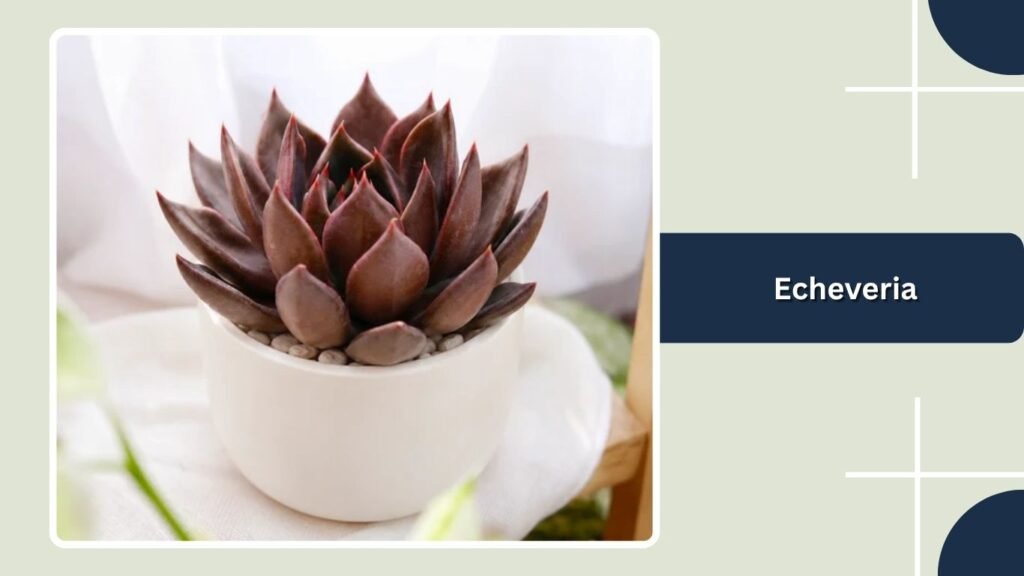
Echeveria is a beautiful succulent plant known for its symmetrical rosette-shaped leaves and attractive colors. Native to Mexico and parts of Central America, this succulent is popular for indoor decoration, container gardens, and succulent arrangements. Its compact growth, colorful foliage, and relatively low maintenance requirements make Echeveria an excellent choice for succulent enthusiasts.
Identification and Characteristics
- Scientific Name: Echeveria spp.
- Plant Type: Perennial succulent
- Leaf Color: Green, blue, pink, purple, or silver
- Leaf Shape: Thick, fleshy leaves arranged in rosettes
- Mature Height: 2–12 inches, depending on variety
- Growth Habit: Compact, symmetrical rosette
- Special Feature: Colorful foliage and delicate, bell-shaped flowers
Ideal Indoor Growing Conditions
Echeveria thrives in bright sunlight and requires several hours of strong light daily to maintain its compact shape and vibrant colors. Place it near a sunny south-facing window or use a grow light when natural sunlight is insufficient. This succulent prefers well-draining soil designed for cacti and succulents. Temperatures between 60–80°F generally support healthy growth.
Watering and Maintenance Tips
Water Echeveria thoroughly when the soil becomes completely dry. Avoid allowing water to collect inside the rosette because trapped moisture can encourage rot. Reduce watering during cooler months and remove dried lower leaves occasionally. Provide good air circulation and avoid excessive fertilization. Repot when the plant outgrows its container.
3. Jade Plant
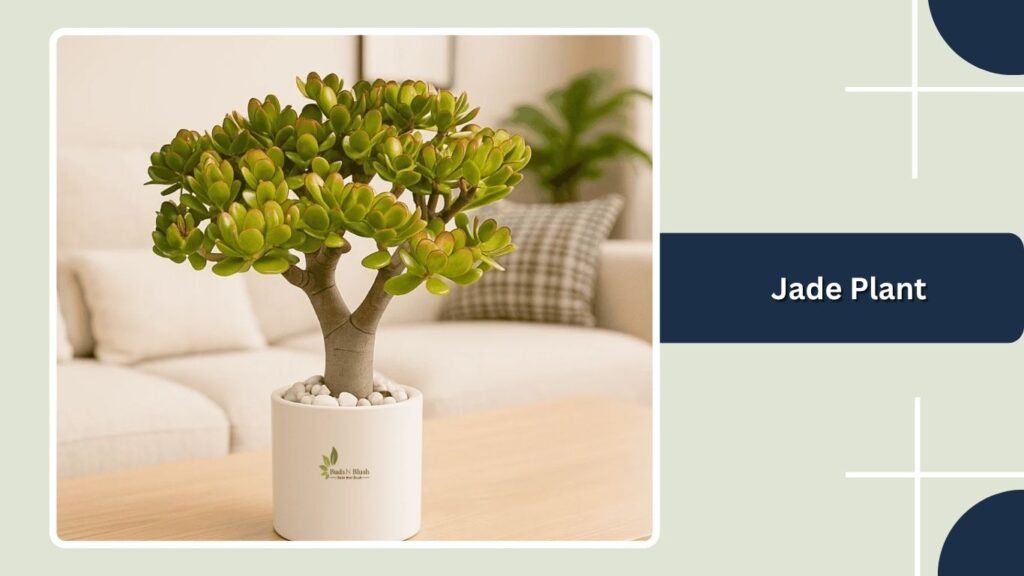
Jade Plant is a popular indoor succulent recognized for its thick, glossy leaves and woody stems. Often associated with good luck and prosperity, this attractive plant can develop into a miniature tree with proper care. Its long lifespan, drought tolerance, and easy maintenance make it a favorite among beginners and experienced indoor gardeners.
Identification and Characteristics
- Scientific Name: Crassula ovata
- Plant Type: Perennial succulent
- Leaf Color: Deep green with occasional reddish edges
- Leaf Shape: Thick, oval-shaped, glossy leaves
- Mature Height: 2–3 feet indoors, sometimes taller
- Growth Habit: Upright, branching, tree-like structure
- Special Feature: Thick woody stems and long lifespan
Ideal Indoor Growing Conditions
Jade Plants prefer bright natural light and grow best near south-facing or west-facing windows. Several hours of direct sunlight can encourage stronger stems and attractive reddish leaf edges. Use sandy, well-draining succulent soil to prevent excess moisture around the roots. Indoor temperatures between 65–75°F are generally suitable. Protect the plant from freezing temperatures and prolonged exposure to cold drafts.
Watering and Maintenance Tips
Allow the soil to dry completely between watering sessions. Jade Plants store water in their fleshy leaves, making frequent watering unnecessary. Reduce watering during winter when growth slows. Prune overly long branches to maintain a compact shape and encourage bushier growth. Fertilize lightly during spring and summer, and repot when necessary.
4. Zebra Haworthia
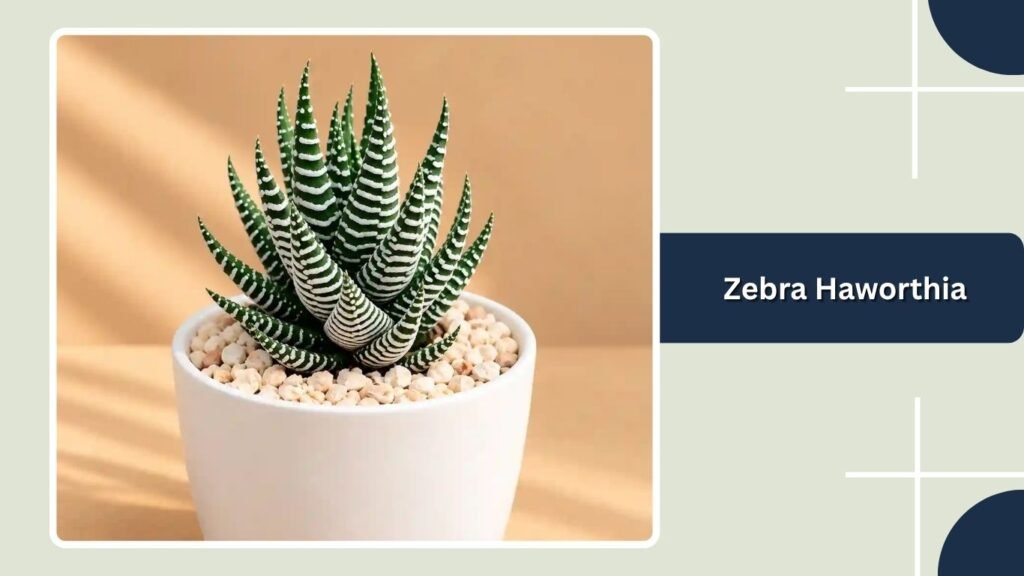
Zebra Haworthia is a compact succulent admired for its pointed green leaves decorated with raised white stripes. Its distinctive appearance resembles zebra patterns, making it a decorative choice for desks, shelves, and small indoor spaces. Unlike many sun-loving succulents, this plant tolerates bright indirect light and requires relatively little maintenance.
Identification and Characteristics
- Scientific Name: Haworthiopsis attenuata
- Plant Type: Perennial succulent
- Leaf Color: Dark green with raised white stripes
- Leaf Shape: Narrow, pointed, triangular leaves
- Mature Height: 3–6 inches
- Growth Habit: Compact rosette with clustering offsets
- Special Feature: Distinctive raised white bands on the leaves
Ideal Indoor Growing Conditions
Zebra Haworthia grows best in bright, indirect sunlight. An east-facing window is often ideal because it provides gentle morning light without intense afternoon exposure. Too much direct sunlight can cause leaf discoloration or sunburn. Use well-draining cactus soil mixed with perlite or pumice to improve drainage. Indoor temperatures between 60–80°F are generally suitable for healthy growth.
Watering and Maintenance Tips
Water Zebra Haworthia only when the soil has dried out completely. Avoid overwatering because its roots are sensitive to prolonged moisture. During winter, water less frequently as growth slows. Remove dried leaves and inspect the plant occasionally for pests. Small offsets that develop around the main rosette can be separated and planted in individual containers for propagation.
5. Burro’s Tail
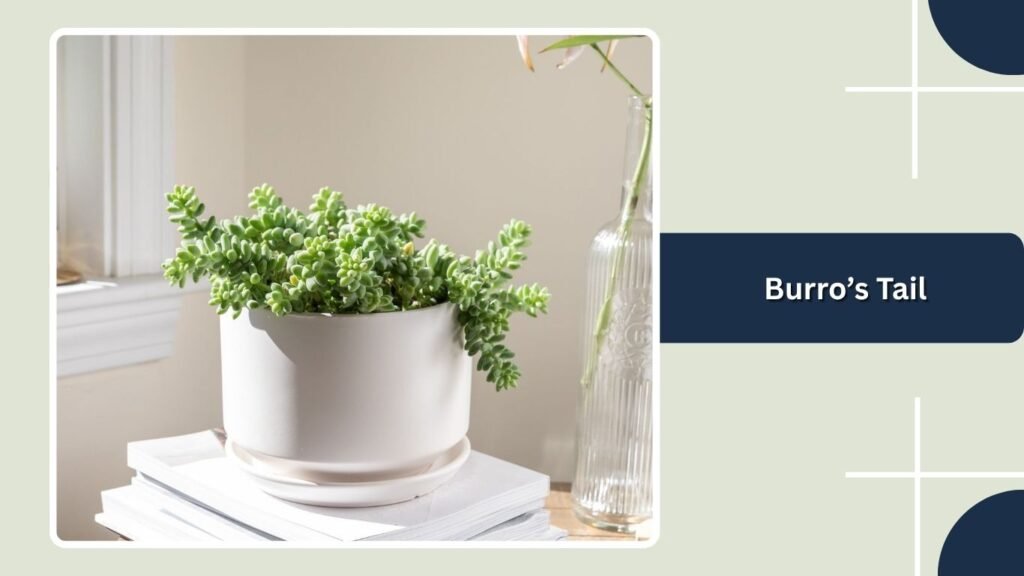
Burro’s Tail is a trailing succulent known for its long, hanging stems covered with plump, overlapping leaves. This attractive plant is especially popular in hanging baskets, elevated shelves, and indoor planters. Its cascading growth creates a beautiful decorative display, while its drought-tolerant nature makes it suitable for indoor gardening with careful handling.
Identification and Characteristics
- Scientific Name: Sedum morganianum
- Plant Type: Perennial trailing succulent
- Leaf Color: Blue-green to pale green
- Leaf Shape: Small, thick, elongated leaves
- Mature Length: 2–4 feet under favorable conditions
- Growth Habit: Trailing, cascading stems
- Special Feature: Long hanging stems with densely packed leaves
Ideal Indoor Growing Conditions
Burro’s Tail thrives in bright sunlight and performs well near a sunny window. Gentle morning sunlight is beneficial, while harsh afternoon sun may damage its delicate leaves. Use a well-draining succulent potting mix and a hanging container with drainage holes. Indoor temperatures between 65–80°F generally encourage healthy growth. Keep the plant away from frequently used pathways because its leaves detach easily when touched.
Watering and Maintenance Tips
Allow the soil to dry completely before watering. Burro’s Tail stores moisture in its thick leaves and does not tolerate constantly wet soil. Water less frequently during winter and avoid unnecessary handling. Fallen healthy leaves can be used for propagation. Remove damaged stems carefully and provide occasional diluted fertilizer during active growth.
6. String of Pearls
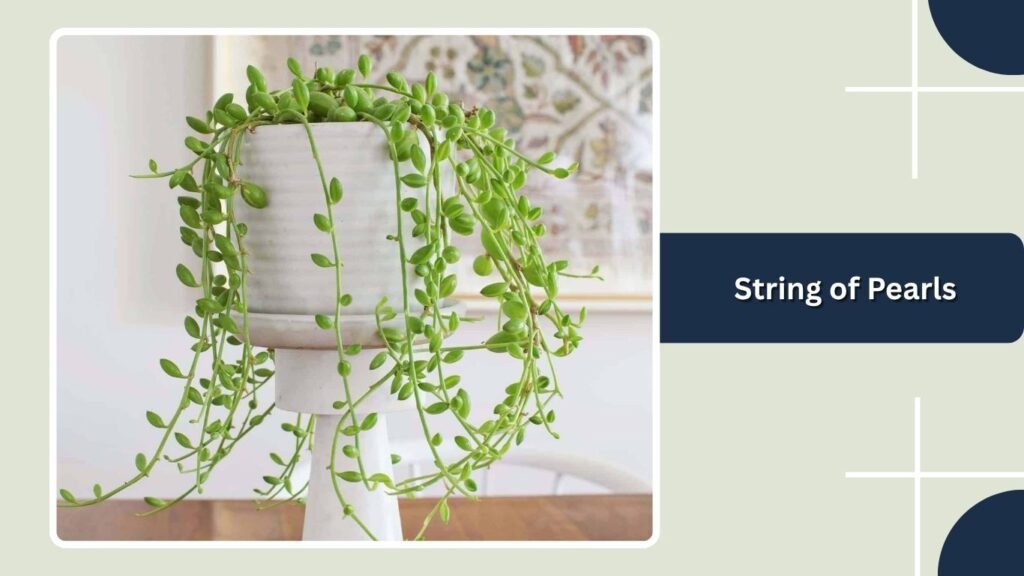
String of Pearls is a unique trailing succulent famous for its small, round leaves that resemble green beads. Its delicate vines create an elegant cascading appearance, making it a popular choice for hanging baskets and decorative shelves. This unusual succulent adds visual interest to indoor spaces and grows successfully when provided with proper lighting, drainage, and watering.
Identification and Characteristics
- Scientific Name: Curio rowleyanus
- Plant Type: Perennial trailing succulent
- Leaf Color: Bright green to medium green
- Leaf Shape: Small, spherical, bead-like leaves
- Mature Length: 2–3 feet or longer
- Growth Habit: Trailing vines with hanging strands
- Special Feature: Pearl-shaped leaves and small white flowers
Ideal Indoor Growing Conditions
String of Pearls prefers bright, indirect sunlight with some gentle morning sun. Position it near an east-facing window or a bright south-facing window with filtered light. Insufficient lighting may cause weak growth and widely spaced leaves. Use a fast-draining succulent potting mix and a container with drainage holes. Temperatures between 65–80°F generally support healthy indoor growth.
Watering and Maintenance Tips
Water String of Pearls when the potting mix is dry and the leaves begin to lose some firmness. Avoid frequent watering because excess moisture can quickly cause root rot. Reduce watering during winter and maintain good airflow around the plant. Trim excessively long vines to encourage fuller growth. Healthy stem cuttings can be rooted in well-draining soil to produce new plants.
7. Hens and Chicks
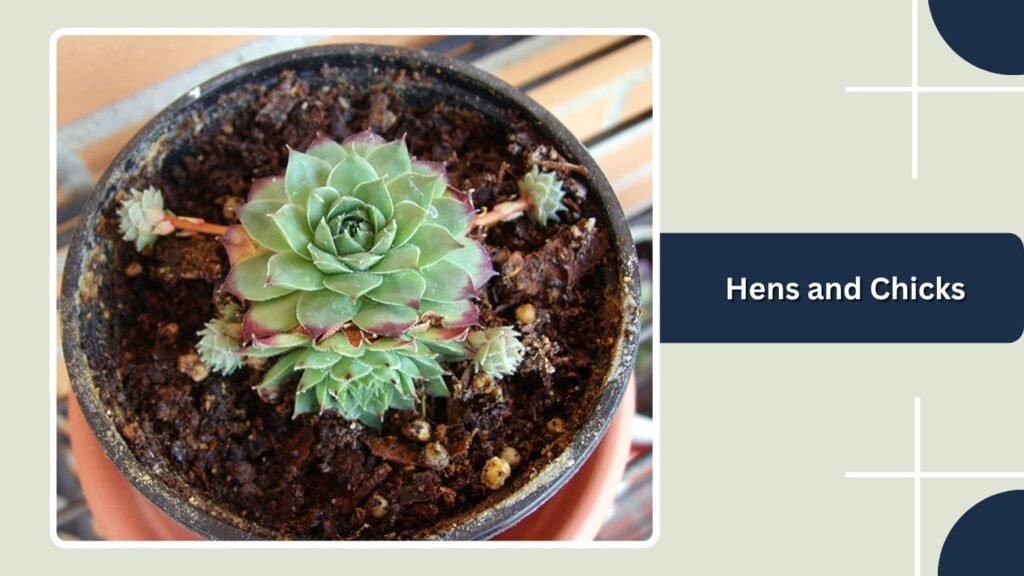
Hens and Chicks is a hardy succulent known for its attractive rosette-shaped leaves and ability to produce numerous small offsets. This low-maintenance plant is popular in rock gardens, containers, and outdoor succulent arrangements. Its colorful foliage, compact growth, and excellent drought tolerance make it an ideal choice for gardeners looking for easy-to-grow succulents.
Identification and Characteristics
- Scientific Name: Sempervivum tectorum
- Plant Type: Perennial succulent
- Leaf Color: Green, red, purple, or bronze
- Leaf Shape: Thick, pointed leaves arranged in rosettes
- Mature Height: 3–6 inches
- Growth Habit: Low-growing clusters of rosettes
- Special Feature: Produces small offsets around the mother plant
Ideal Indoor Growing Conditions
Hens and Chicks grows best in full sunlight and requires several hours of direct light daily. Although primarily an outdoor succulent, it can grow indoors near a very sunny window or under a strong grow light. Use sandy, well-draining soil and containers with drainage holes. This plant prefers cool to moderate temperatures and benefits from good airflow.
Watering and Maintenance Tips
Water Hens and Chicks thoroughly when the soil becomes completely dry. Avoid excessive moisture because it can cause root rot. Remove dead leaves to maintain healthy growth and prevent fungal problems. Separate offsets when clusters become overcrowded. Fertilization is rarely necessary, making this succulent particularly easy to maintain.
8. Panda Plant
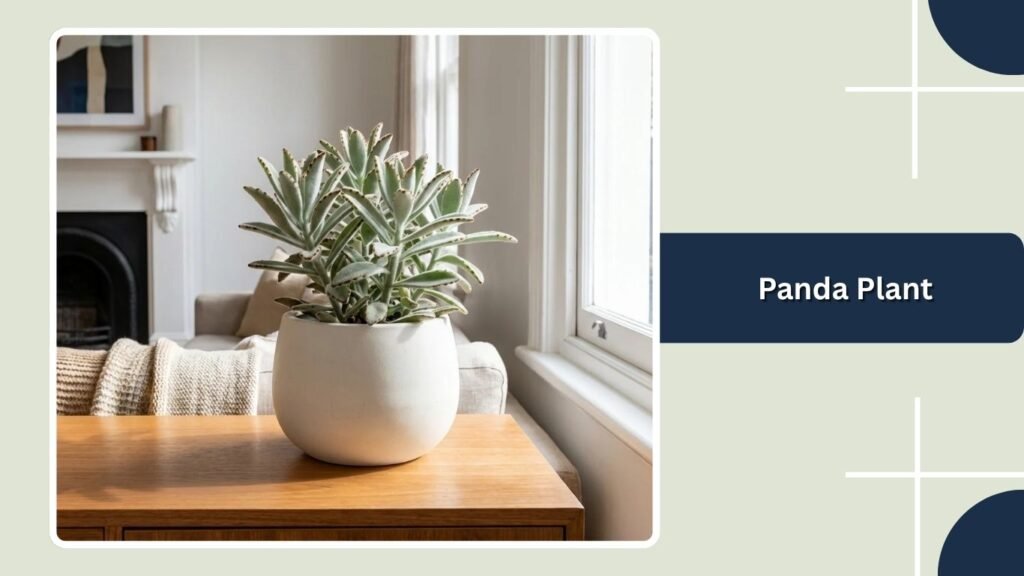
Panda Plant is an attractive succulent recognized for its soft, fuzzy leaves and distinctive brown markings along the edges. Native to Madagascar, this charming plant is commonly grown indoors for its unique texture and decorative appearance. Its compact growth, drought tolerance, and relatively simple care requirements make it a wonderful addition to succulent collections.
Identification and Characteristics
- Scientific Name: Kalanchoe tomentosa
- Plant Type: Perennial succulent
- Leaf Color: Silvery-green with brown edges
- Leaf Shape: Thick, oval-shaped, fuzzy leaves
- Mature Height: 1–2 feet indoors
- Growth Habit: Upright, branching succulent
- Special Feature: Velvety leaves covered with fine hairs
Ideal Indoor Growing Conditions
Panda Plant thrives in bright, indirect sunlight and tolerates several hours of gentle direct sunlight. Place it near an east-facing or bright south-facing window for healthy growth. Well-draining succulent soil is essential to prevent excess moisture around the roots. Temperatures between 60–80°F are generally suitable. Avoid prolonged exposure to cold drafts and high humidity.
Watering and Maintenance Tips
Allow the soil to dry completely between watering sessions. Panda Plant stores moisture in its thick leaves and rarely requires frequent watering. Avoid wetting the fuzzy foliage because trapped moisture may encourage fungal problems. Remove damaged leaves occasionally and fertilize lightly during spring and summer. Stem cuttings can be used to propagate new plants.
9. Snake Plant

Snake Plant is a popular succulent known for its tall, upright leaves and exceptional adaptability to indoor environments. Its striking sword-shaped foliage adds a modern decorative touch to homes and offices. This hardy plant tolerates varying light conditions and irregular watering, making it one of the easiest succulents for beginners to maintain.
Identification and Characteristics
- Scientific Name: Dracaena trifasciata
- Plant Type: Perennial succulent
- Leaf Color: Dark green with gray-green patterns and occasional yellow edges
- Leaf Shape: Long, upright, sword-shaped leaves
- Mature Height: 1–4 feet indoors
- Growth Habit: Upright clusters emerging from underground rhizomes
- Special Feature: Excellent drought tolerance and architectural foliage
Ideal Indoor Growing Conditions
Snake Plant grows well in bright, indirect sunlight but can tolerate lower lighting conditions. Moderate to bright light encourages stronger growth and more attractive leaf patterns. Use a well-draining succulent potting mix and a container with drainage holes. Indoor temperatures between 60–85°F are generally suitable. Protect the plant from freezing temperatures and prolonged exposure to cold drafts.
Watering and Maintenance Tips
Water Snake Plant only after the soil has dried completely. Overwatering is the most common cause of root rot and yellowing leaves. Reduce watering during winter when growth slows. Wipe dusty leaves occasionally to maintain their appearance. Remove damaged foliage and repot when the roots become crowded. Fertilize sparingly during the growing season.
10. Christmas Cactus
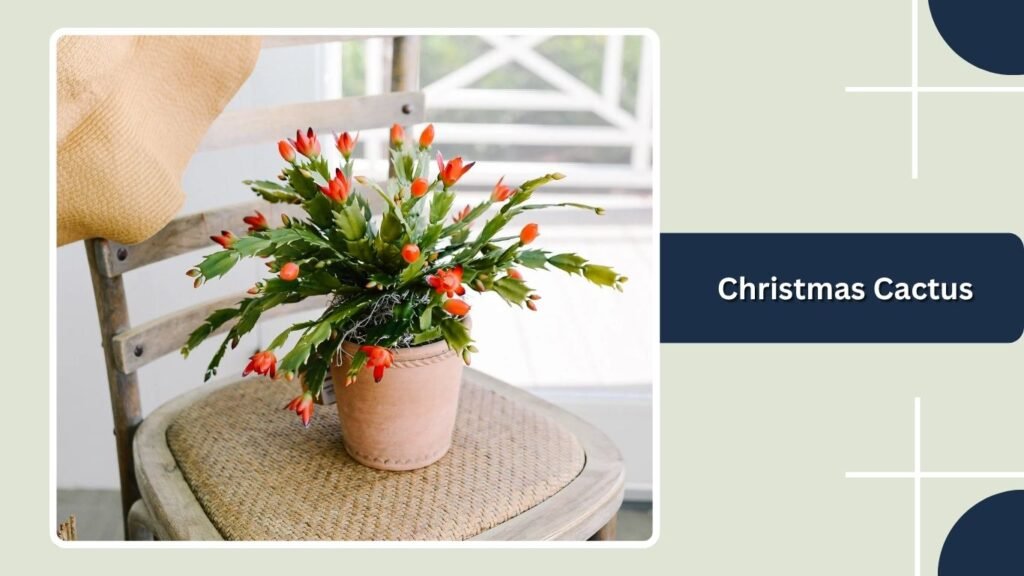
Christmas Cactus is a beautiful flowering succulent known for its flattened green stems and colorful blooms during the holiday season. Unlike desert succulents, this tropical plant naturally grows in humid forest environments. Its graceful arching stems and vibrant flowers make it a popular indoor plant for hanging baskets, shelves, and decorative containers.
Identification and Characteristics
- Scientific Name: Schlumbergera × buckleyi
- Plant Type: Perennial tropical succulent
- Leaf Color: Bright green to dark green
- Stem Shape: Flattened, segmented stems with rounded edges
- Mature Height: 6–12 inches
- Growth Habit: Arching and trailing stems
- Special Feature: Produces colorful tubular flowers during cooler months
Ideal Indoor Growing Conditions
Christmas Cactus prefers bright, indirect sunlight rather than intense direct sun. Place it near an east-facing window where it receives gentle morning light. Unlike desert succulents, it grows best in an airy, moisture-retentive but well-draining potting mix. Indoor temperatures between 60–75°F generally support healthy growth. Cooler nights and uninterrupted darkness can encourage flower bud formation.
Watering and Maintenance Tips
Water Christmas Cactus when the upper portion of the potting mix feels dry. Avoid allowing the roots to remain waterlogged or the entire root ball to stay dry for extended periods. Maintain moderate humidity and reduce unnecessary movement when flower buds develop. Prune after flowering to encourage branching. Fertilize lightly during active growth.
11. Bunny Ear Cactus
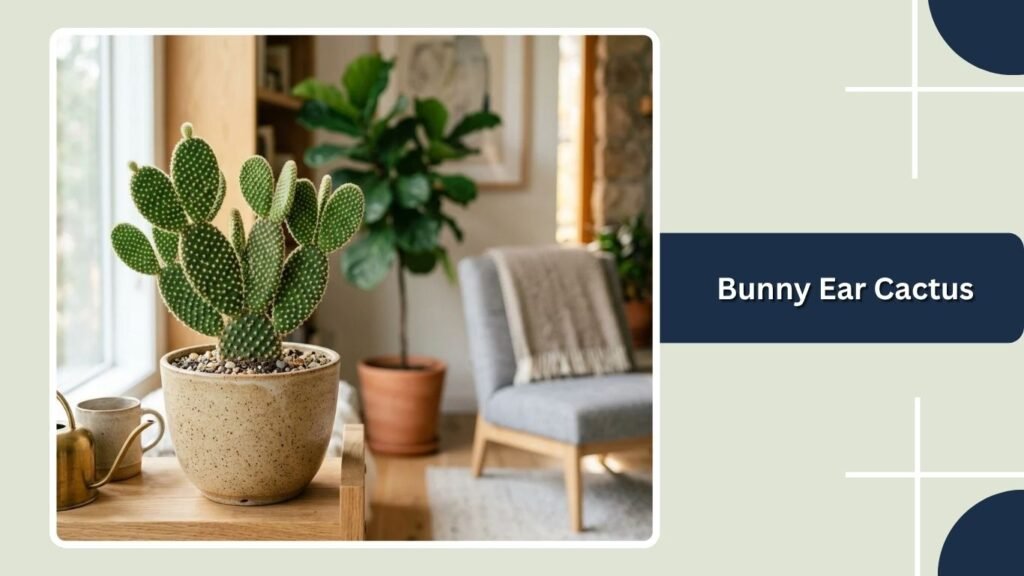
Bunny Ear Cactus is a distinctive succulent admired for its flat, oval-shaped pads that resemble rabbit ears. Native to Mexico, this attractive cactus is commonly grown in containers and sunny indoor spaces. Its playful appearance, compact structure, and drought tolerance make it a popular decorative plant, although its tiny spines require careful handling.
Identification and Characteristics
- Scientific Name: Opuntia microdasys
- Plant Type: Perennial cactus succulent
- Pad Color: Bright green to medium green
- Pad Shape: Flat, oval-shaped segments
- Mature Height: 1–3 feet
- Growth Habit: Upright, branching clusters of pads
- Special Feature: Tiny hair-like spines called glochids
Ideal Indoor Growing Conditions
Bunny Ear Cactus thrives in bright sunlight and requires several hours of direct light each day. A sunny south-facing window is usually ideal for indoor cultivation. Use sandy, fast-draining cactus soil and a container with drainage holes. Temperatures between 65–85°F generally encourage healthy growth. Protect the cactus from freezing temperatures and excessive indoor humidity.
Watering and Maintenance Tips
Allow the soil to dry completely before watering Bunny Ear Cactus. During winter, reduce watering significantly because the plant grows more slowly. Avoid touching its pads with bare hands, as the tiny glochids can irritate skin. Use thick gloves or suitable tools when repotting. Remove damaged pads carefully and fertilize sparingly during spring and summer.
12. Moon Cactus
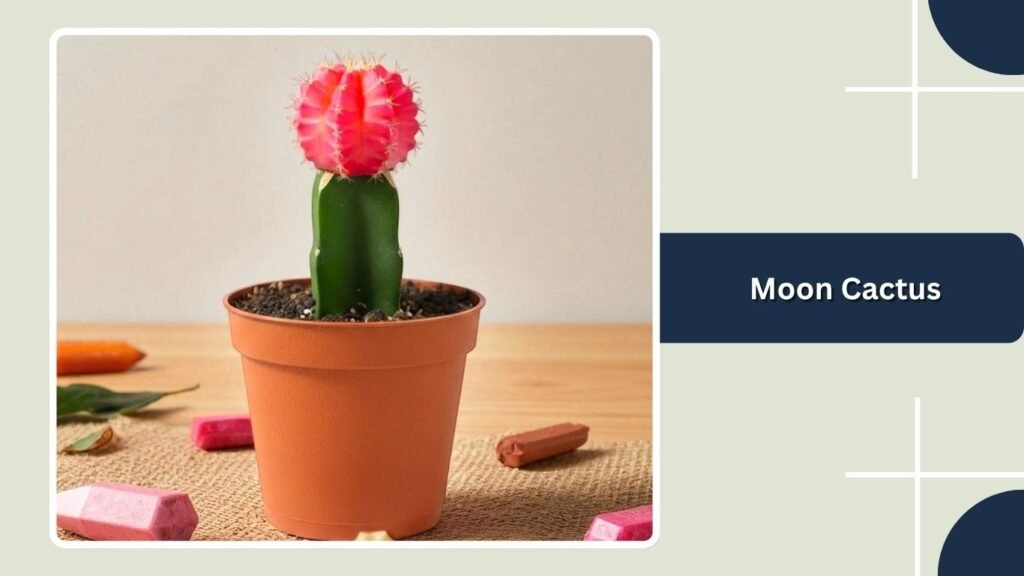
Moon Cactus is a colorful succulent recognized for its bright, rounded top and contrasting green base. This unique cactus is usually created by grafting a colorful, chlorophyll-deficient cactus onto a green rootstock. Its vibrant appearance, compact size, and unusual structure make it a popular decorative plant for windowsills, desks, and indoor succulent collections.
Identification and Characteristics
- Scientific Name: Gymnocalycium mihanovichii (grafted cultivars)
- Plant Type: Grafted cactus succulent
- Plant Color: Red, orange, yellow, pink, or purple
- Plant Shape: Rounded, colorful upper cactus
- Mature Height: 2–6 inches
- Growth Habit: Compact, upright grafted structure
- Special Feature: Brightly colored cactus supported by a green rootstock
Ideal Indoor Growing Conditions
Moon Cactus grows best in bright, indirect sunlight. Place it near an east-facing window where it receives gentle morning light without intense afternoon sun. Excessive direct sunlight can damage its colorful upper section. Use well-draining cactus soil and a container with drainage holes. Indoor temperatures between 65–80°F generally support healthy growth.
Watering and Maintenance Tips
Water Moon Cactus when the soil becomes completely dry. Avoid excessive watering because moisture buildup can damage the rootstock and cause root rot. Reduce watering during winter and protect the plant from cold temperatures. Inspect the graft connection occasionally for signs of damage. Avoid overfertilizing, and replace the plant if the rootstock eventually fails.
13. Crown of Thorns
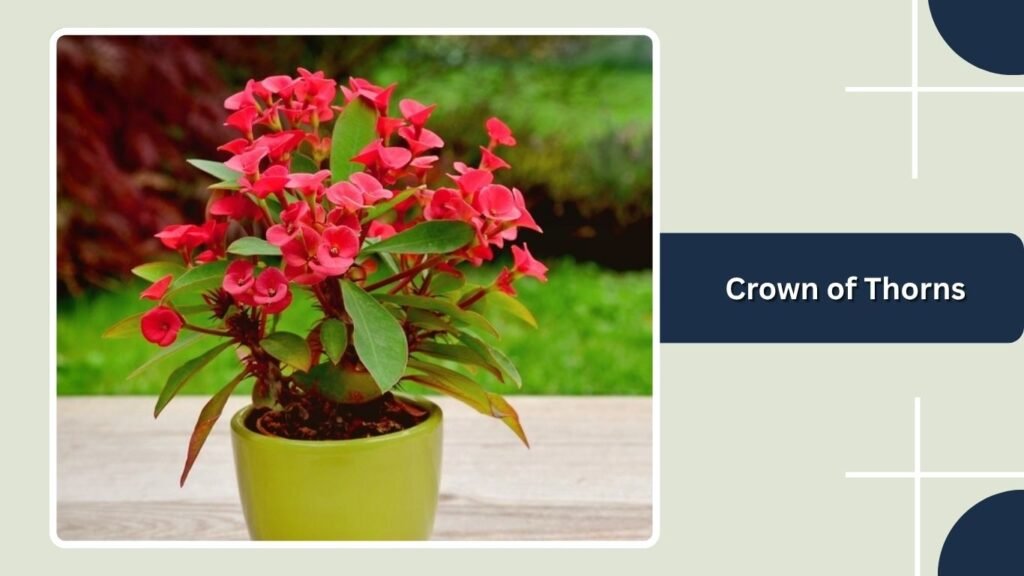
Crown of Thorns is an attractive flowering succulent known for its thorny stems, small green leaves, and colorful flower-like bracts. Native to Madagascar, this hardy plant adds beauty to sunny indoor spaces and container gardens. Its long flowering period, drought tolerance, and distinctive appearance make it a popular choice among succulent enthusiasts.
Identification and Characteristics
- Scientific Name: Euphorbia milii
- Plant Type: Perennial succulent shrub
- Leaf Color: Bright green to dark green
- Flower Colors: Red, pink, yellow, or white bracts
- Mature Height: 1–3 feet indoors
- Growth Habit: Upright, branching, thorny stems
- Special Feature: Colorful bracts and sharp thorns
Ideal Indoor Growing Conditions
Crown of Thorns thrives in bright sunlight and benefits from several hours of direct light daily. Position it near a sunny south-facing window to encourage healthy growth and frequent flowering. Use sandy, well-draining succulent soil and a container with drainage holes. Temperatures between 65–85°F generally support healthy development. Protect the plant from cold drafts and freezing conditions.
Watering and Maintenance Tips
Allow the upper portion of the soil to dry thoroughly before watering. Reduce watering during winter when growth slows. Prune carefully to maintain the desired shape and encourage branching. Wear protective gloves because its thorns are sharp and its milky sap can irritate skin and eyes. Fertilize lightly during the growing season.
14. String of Hearts
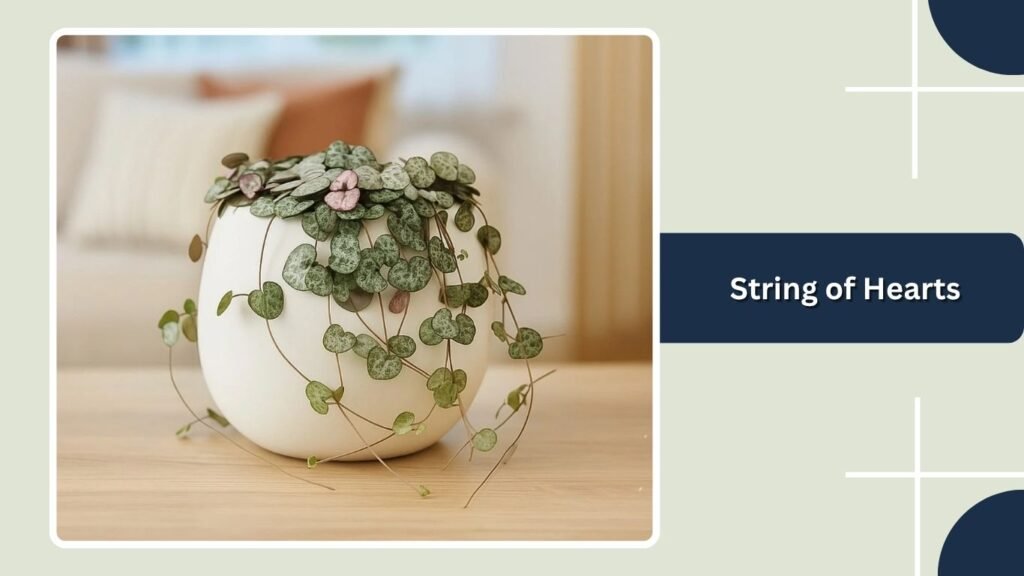
String of Hearts is a delicate trailing succulent admired for its heart-shaped leaves and slender, cascading vines. Native to southern Africa, this charming plant is commonly displayed in hanging baskets, shelves, and decorative containers. Its attractive foliage, compact root system, and relatively simple maintenance make it a wonderful choice for indoor succulent collections.
Identification and Characteristics
- Scientific Name: Ceropegia woodii
- Plant Type: Perennial trailing succulent
- Leaf Color: Green with silver markings and purple undersides
- Leaf Shape: Small, heart-shaped leaves
- Mature Length: 3–6 feet or longer
- Growth Habit: Thin, trailing vines
- Special Feature: Heart-shaped foliage and small tubular flowers
Ideal Indoor Growing Conditions
String of Hearts grows best in bright, indirect sunlight with some gentle direct morning light. An east-facing window or a bright location near a south-facing window is usually suitable. Insufficient sunlight may cause weak vines and widely spaced leaves. Use a well-draining succulent potting mix and a container with proper drainage. Indoor temperatures between 65–80°F generally encourage healthy growth.
Watering and Maintenance Tips
Water String of Hearts when the potting mix has dried out almost completely. Its fleshy leaves and underground tubers store moisture, making frequent watering unnecessary. Reduce watering during winter and avoid constantly wet soil. Trim long vines occasionally to encourage fuller growth. Healthy stem cuttings can be propagated to create additional plants.
15. Ghost Plant
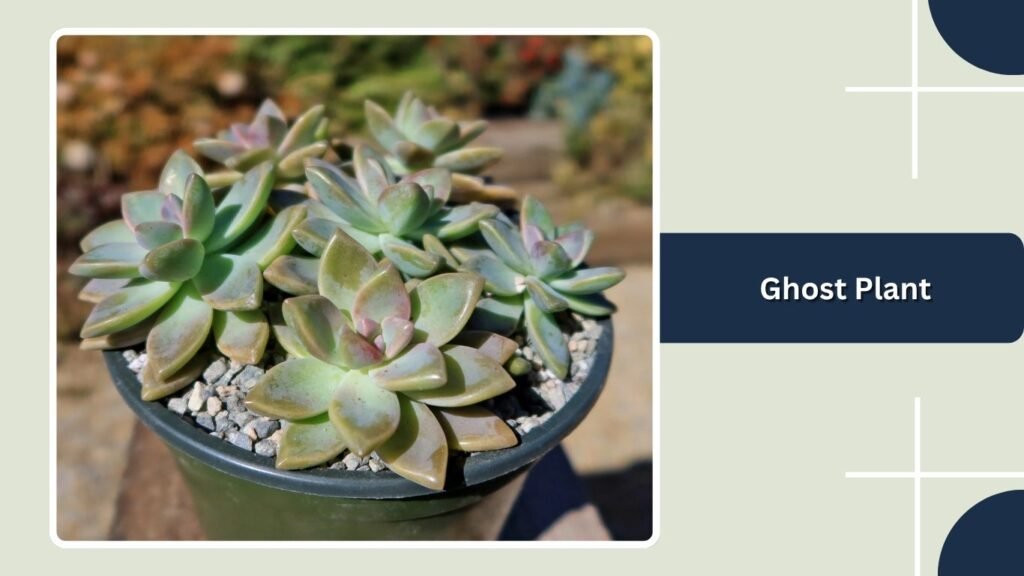
Ghost Plant is a beautiful succulent known for its pale, powdery leaves and attractive rosette-shaped growth. Native to Mexico, this drought-tolerant plant develops soft shades of gray, blue, pink, and lavender depending on sunlight exposure. Its unusual coloring, spreading growth habit, and easy propagation make it a favorite for succulent gardens and indoor containers.
Identification and Characteristics
- Scientific Name: Graptopetalum paraguayense
- Plant Type: Perennial succulent
- Leaf Color: Pale gray, blue-green, pink, or lavender
- Leaf Shape: Thick, pointed leaves arranged in rosettes
- Mature Height: 4–12 inches
- Growth Habit: Spreading stems with rosette clusters
- Special Feature: Powdery leaf coating and changing foliage colors
Ideal Indoor Growing Conditions
Ghost Plant thrives in bright sunlight and requires several hours of strong light to maintain compact growth and attractive leaf colors. Place it near a sunny south-facing window or use a suitable grow light. Insufficient sunlight may cause stretched stems and faded coloration. Use sandy, fast-draining succulent soil and containers with drainage holes. Temperatures between 60–80°F generally support healthy development.
Watering and Maintenance Tips
Allow the soil to dry completely before watering Ghost Plant. Excessive moisture can cause root rot and damage its fleshy leaves. Avoid touching the leaves frequently because handling can remove their protective powdery coating. Remove dried lower leaves and trim overly long stems when necessary. Fallen healthy leaves can often produce new plants through propagation.
16. Sedum
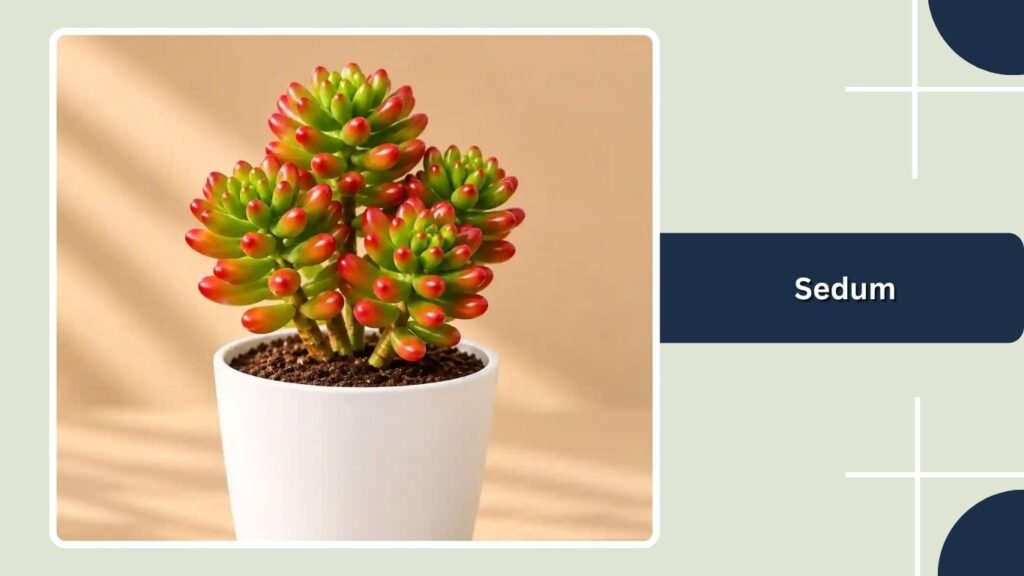
Sedum is a diverse group of succulent plants admired for their fleshy leaves, attractive colors, and excellent drought tolerance. Commonly known as stonecrops, these plants include low-growing ground covers and upright varieties. Their versatility, simple maintenance, and decorative foliage make them popular for rock gardens, outdoor containers, and sunny indoor succulent arrangements.
Identification and Characteristics
- Scientific Name: Sedum spp.
- Plant Type: Perennial succulent
- Leaf Color: Green, blue, yellow, red, or purple
- Leaf Shape: Small, fleshy, rounded, or pointed leaves
- Mature Height: 2–24 inches, depending on species
- Growth Habit: Creeping, trailing, or upright
- Special Feature: Colorful foliage and clusters of star-shaped flowers
Ideal Indoor Growing Conditions
Most commonly cultivated Sedum varieties prefer bright sunlight and require several hours of direct light daily. Place them near a sunny south-facing window for healthy growth. Some species grow better outdoors because they require stronger sunlight and seasonal temperature changes. Use sandy, well-draining soil to prevent excessive moisture retention. Indoor temperatures between 60–80°F are generally suitable for many varieties.
Watering and Maintenance Tips
Water Sedum thoroughly when the soil becomes completely dry. Its fleshy leaves store moisture, allowing the plant to tolerate periods without watering. Reduce watering during cooler months and avoid leaving containers in standing water. Remove dried stems and damaged leaves to maintain a neat appearance. Propagate suitable varieties using healthy stem or leaf cuttings.
17. Aeonium
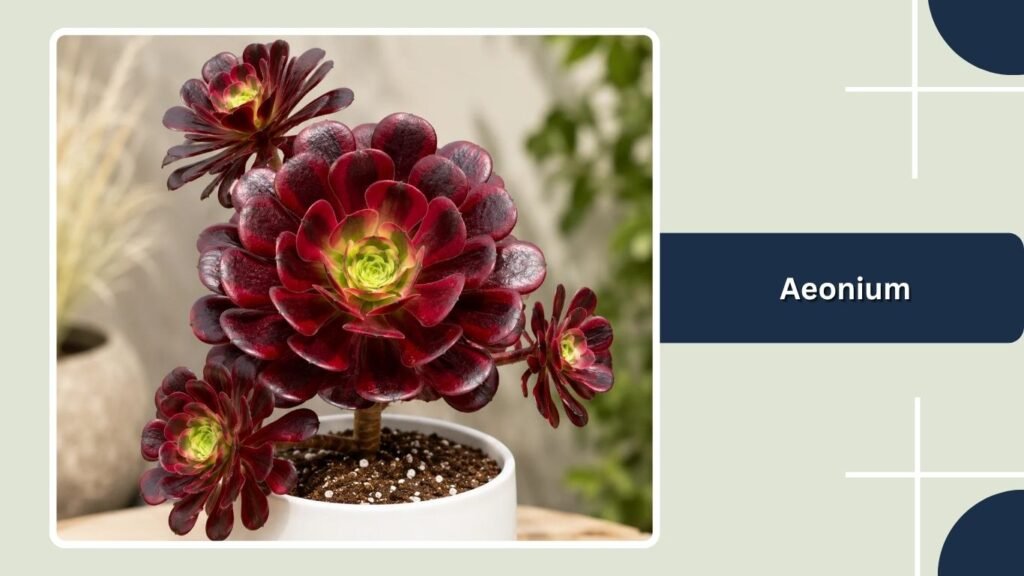
Aeonium is an attractive succulent known for its large, symmetrical rosettes and colorful foliage. Native to the Canary Islands and nearby regions, this plant produces beautiful leaf arrangements that resemble flowers. Its unique growth habit, striking colors, and decorative appearance make it a popular choice for succulent collections, sunny windowsills, and container gardens.
Identification and Characteristics
- Scientific Name: Aeonium spp.
- Plant Type: Perennial succulent
- Leaf Color: Green, purple, burgundy, or variegated
- Leaf Shape: Smooth, spoon-shaped leaves arranged in rosettes
- Mature Height: 6 inches to 3 feet, depending on variety
- Growth Habit: Upright, branching stems with rosettes
- Special Feature: Colorful rosettes resembling flowers
Ideal Indoor Growing Conditions
Aeonium grows best in bright sunlight and benefits from several hours of gentle direct sun daily. Place it near a sunny window where it receives sufficient natural light. This succulent prefers well-draining soil mixed with perlite or pumice. Temperatures between 60–75°F generally support healthy growth. Unlike many desert succulents, Aeonium often grows actively during cooler months and becomes dormant during hot summer weather.
Watering and Maintenance Tips
Water Aeonium when the upper portion of the soil becomes dry during active growth. Reduce watering significantly during hot summer dormancy, especially when rosettes close tightly. Avoid keeping the soil constantly wet. Remove dried lower leaves and prune overly long stems to maintain an attractive shape. Stem cuttings can be used for propagation.
18. Lithops
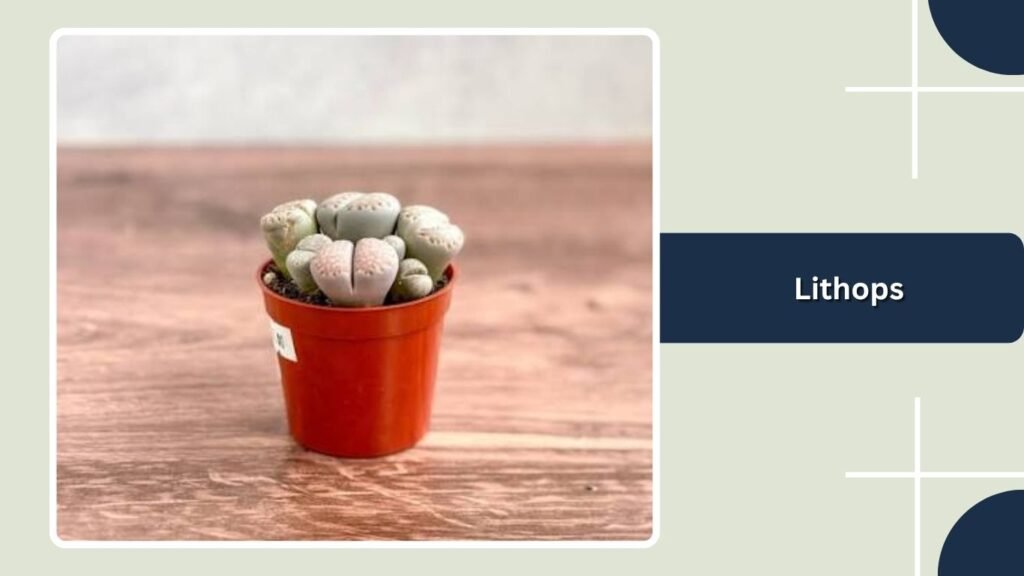
Lithops is a fascinating succulent commonly known as Living Stones because its appearance closely resembles small rocks or pebbles. Native to southern Africa, this unusual plant has thick, paired leaves that store water and help it survive extremely dry environments. Its compact size, unique patterns, and remarkable camouflage make it a favorite among collectors of unusual succulents.
Identification and Characteristics
- Scientific Name: Lithops spp.
- Plant Type: Perennial succulent
- Leaf Color: Gray, green, brown, cream, or reddish
- Leaf Shape: Two thick, rounded leaves separated by a central slit
- Mature Height: 0.5–1.5 inches
- Growth Habit: Compact, ground-level paired leaves
- Special Feature: Stone-like appearance and seasonal leaf replacement
Ideal Indoor Growing Conditions
Lithops thrive in bright sunlight and require several hours of strong light daily. A sunny south-facing window or suitable grow light can provide the illumination needed for healthy growth. Use a very gritty, fast-draining soil mixture containing pumice, coarse sand, or perlite. Temperatures between 65–80°F are generally suitable. Good airflow and protection from excessive humidity are important.
Watering and Maintenance Tips
Lithops require a carefully controlled watering schedule. Water lightly during appropriate active growth periods, allowing the soil to dry completely between applications. Avoid watering while the plant absorbs its old leaves to develop new ones. Excessive moisture can quickly cause rot. Do not remove old leaves until they have completely dried naturally.
19. Kalanchoe
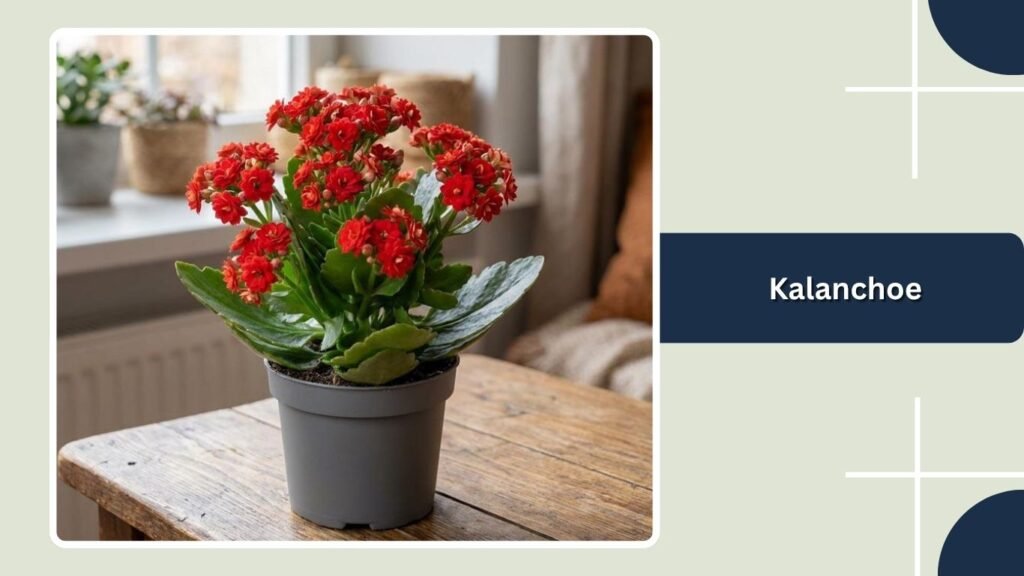
Kalanchoe is a popular flowering succulent admired for its colorful blooms and thick, glossy leaves. Native primarily to Madagascar and tropical Africa, this plant adds vibrant color to indoor spaces. Its compact growth, attractive flowers, and relatively easy maintenance make it an excellent choice for windowsills, tabletops, and decorative indoor planters.
Identification and Characteristics
- Scientific Name: Kalanchoe spp.
- Plant Type: Perennial succulent
- Leaf Color: Bright green to dark green
- Leaf Shape: Thick, oval-shaped leaves, often with scalloped edges
- Mature Height: 6–18 inches for common flowering varieties
- Growth Habit: Compact, upright, bushy growth
- Special Feature: Clusters of colorful, long-lasting flowers
Ideal Indoor Growing Conditions
Kalanchoe grows best in bright, indirect sunlight with a few hours of gentle direct sun. Place it near an east-facing or bright south-facing window to encourage healthy foliage and flowering. Use well-draining cactus or succulent potting soil and containers with drainage holes. Temperatures between 60–80°F generally support healthy growth. Many flowering varieties require longer periods of uninterrupted darkness to produce new flower buds.
Watering and Maintenance Tips
Water Kalanchoe thoroughly when the soil becomes dry. Avoid frequent watering because its fleshy leaves store moisture efficiently. Remove faded flowers to maintain a neat appearance and encourage healthy development. Fertilize lightly during the growing season. Prune leggy stems after flowering to maintain a compact, bushy shape.
20. Agave
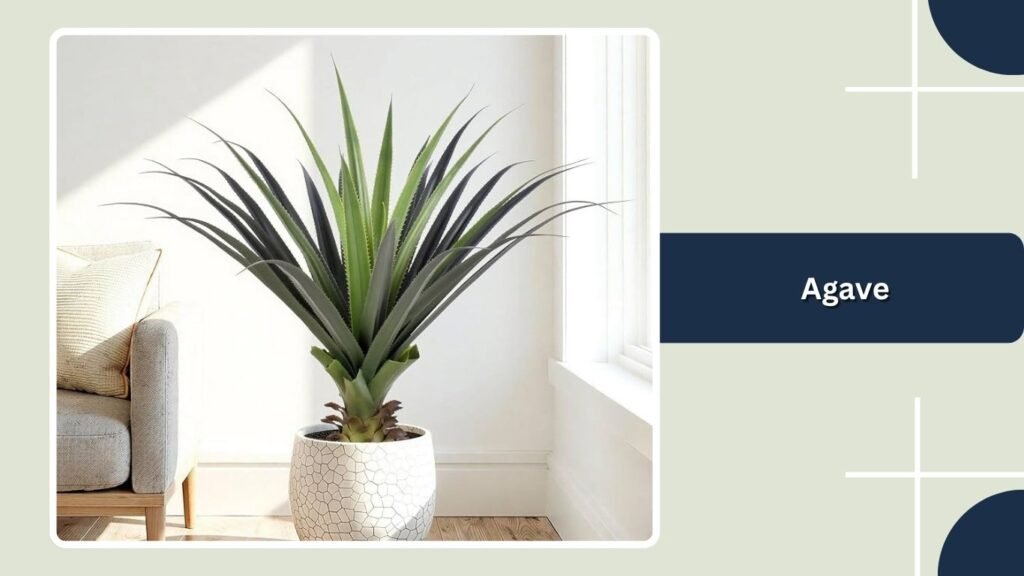
Agave is a striking succulent recognized for its thick, pointed leaves arranged in bold, symmetrical rosettes. Native mainly to Mexico and the southwestern United States, this drought-tolerant plant is widely used in desert landscapes and decorative containers. Smaller Agave varieties are suitable for sunny indoor spaces and create an impressive architectural appearance.
Identification and Characteristics
- Scientific Name: Agave spp.
- Plant Type: Perennial succulent
- Leaf Color: Blue-green, gray-green, or variegated
- Leaf Shape: Thick, sword-shaped leaves with pointed tips
- Mature Height: 6 inches to several feet, depending on species
- Growth Habit: Compact or large symmetrical rosettes
- Special Feature: Strong architectural foliage and excellent drought tolerance
Ideal Indoor Growing Conditions
Agave thrives in bright sunlight and generally requires several hours of direct sun daily. Place smaller varieties near a sunny south-facing window or provide supplemental grow lighting. Use sandy, fast-draining cactus soil and a container with drainage holes. Temperatures between 65–85°F are suitable for many cultivated varieties. Provide sufficient space around the plant because some species have sharp leaf tips.
Watering and Maintenance Tips
Water Agave thoroughly only when the soil has dried completely. Reduce watering during winter when growth slows. Avoid allowing moisture to collect around the base of the rosette. Remove dried lower leaves carefully and repot when the plant becomes rootbound. Wear protective gloves when handling varieties with sharp spines.
21. Elephant Bush

Elephant Bush is a beautiful succulent shrub known for its small, rounded leaves and reddish-brown stems. Native to South Africa, this plant is often called Dwarf Jade because of its resemblance to the Jade Plant. Its compact foliage, branching growth habit, and excellent drought tolerance make it popular for indoor containers, bonsai arrangements, and succulent gardens.
Identification and Characteristics
- Scientific Name: Portulacaria afra
- Plant Type: Perennial succulent shrub
- Leaf Color: Bright green or green with creamy variegation
- Leaf Shape: Small, rounded, fleshy leaves
- Mature Height: 1–3 feet indoors with pruning
- Growth Habit: Upright or spreading with branching stems
- Special Feature: Reddish stems and suitability for bonsai training
Ideal Indoor Growing Conditions
Elephant Bush grows best in bright sunlight and benefits from several hours of direct light daily. A sunny south-facing window is often suitable for maintaining compact growth and healthy foliage. Use well-draining succulent soil with added perlite or pumice. Temperatures between 65–85°F generally support healthy development. Protect the plant from freezing conditions and prolonged exposure to cold drafts.
Watering and Maintenance Tips
Allow the soil to dry completely between watering sessions. Elephant Bush stores moisture in its fleshy leaves, making it tolerant of occasional drought. Reduce watering during winter and avoid keeping the roots constantly moist. Prune long branches to encourage bushier growth and maintain the desired shape. Healthy stem cuttings can be rooted easily to produce new plants.
22. Blue Chalk Sticks
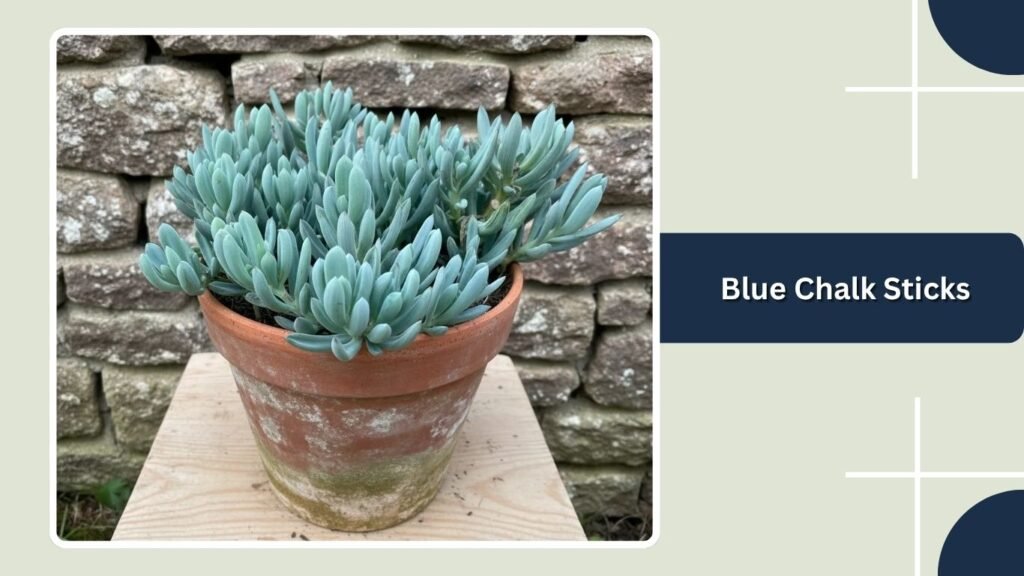
Blue Chalk Sticks is an attractive succulent known for its slender, cylindrical leaves and beautiful blue-gray coloring. Native to South Africa, this drought-tolerant plant is popular for its unusual foliage and spreading growth habit. Its striking color, simple maintenance, and decorative appearance make it an excellent choice for succulent gardens, container arrangements, and bright indoor spaces.
Identification and Characteristics
- Scientific Name: Curio repens
- Plant Type: Perennial succulent
- Leaf Color: Blue-gray to silvery-blue
- Leaf Shape: Narrow, cylindrical, finger-like leaves
- Mature Height: 6–12 inches
- Growth Habit: Low-growing, spreading clusters
- Special Feature: Distinctive powdery blue foliage
Ideal Indoor Growing Conditions
Blue Chalk Sticks grows best in bright sunlight and requires several hours of direct light daily to maintain its vibrant blue coloring. Place it near a sunny south-facing window or provide supplemental grow lighting. This succulent prefers sandy, well-draining soil and containers with drainage holes. Temperatures between 60–80°F generally support healthy growth. Avoid excessive humidity and poorly ventilated environments.
Watering and Maintenance Tips
Water Blue Chalk Sticks thoroughly when the soil becomes completely dry. Its fleshy leaves store moisture, making frequent watering unnecessary. Reduce watering during winter and avoid waterlogged soil. Remove damaged stems occasionally to maintain a neat appearance. Healthy stem cuttings can be used for propagation. Fertilize sparingly during active growth.
23. Bear’s Paw

Bear’s Paw is a charming succulent admired for its thick, fuzzy leaves that resemble tiny bear paws. Native to South Africa, this unusual plant features rounded leaves with small tooth-like tips that often develop reddish coloration. Its soft appearance, compact growth, and distinctive foliage make it a wonderful decorative addition to indoor succulent collections.
Identification and Characteristics
- Scientific Name: Cotyledon tomentosa
- Plant Type: Perennial succulent
- Leaf Color: Green with reddish-brown tips
- Leaf Shape: Thick, fuzzy leaves with claw-like edges
- Mature Height: 6–12 inches indoors
- Growth Habit: Compact, upright, branching succulent
- Special Feature: Velvety leaves resembling miniature bear paws
Ideal Indoor Growing Conditions
Bear’s Paw thrives in bright sunlight and benefits from several hours of gentle direct light daily. Place it near an east-facing or bright south-facing window for healthy growth. Insufficient sunlight may cause weak stems and reduced coloration. Use sandy, fast-draining succulent soil and containers with drainage holes. Indoor temperatures between 65–80°F generally support healthy development.
Watering and Maintenance Tips
Allow the soil to dry completely before watering Bear’s Paw. Its thick leaves store water, making the plant sensitive to excessive moisture. Avoid wetting the fuzzy foliage unnecessarily because trapped moisture can encourage fungal problems. Reduce watering during winter and remove dried or damaged leaves carefully. Stem cuttings can be used for propagation, while occasional diluted fertilizer supports active growth.
24. String of Bananas

String of Bananas is a beautiful trailing succulent known for its curved, banana-shaped leaves and long cascading vines. Native to southern Africa, this fast-growing plant is especially popular in hanging baskets, elevated shelves, and decorative indoor containers. Its unusual foliage, attractive trailing habit, and relatively easy care requirements make it a favorite among indoor succulent enthusiasts.
Identification and Characteristics
- Scientific Name: Curio radicans
- Plant Type: Perennial trailing succulent
- Leaf Color: Bright green to blue-green
- Leaf Shape: Curved, fleshy, banana-shaped leaves
- Mature Length: 2–3 feet or longer
- Growth Habit: Trailing, cascading vines
- Special Feature: Distinctive banana-shaped leaves and small white flowers
Ideal Indoor Growing Conditions
String of Bananas grows best in bright, indirect sunlight with some gentle direct morning sun. Position it near an east-facing window or a bright south-facing window with filtered light. Adequate lighting encourages fuller growth and healthy leaf development. Use well-draining succulent soil and a hanging container with drainage holes. Temperatures between 65–80°F generally support healthy indoor growth.
Watering and Maintenance Tips
Water String of Bananas when the soil becomes completely dry. Avoid frequent watering because its thick leaves store moisture efficiently. Reduce watering during winter and ensure excess water drains freely. Trim overly long vines to encourage fuller growth and maintain an attractive shape. Healthy stem cuttings can be propagated easily in well-draining soil.
25. Flapjack Plant
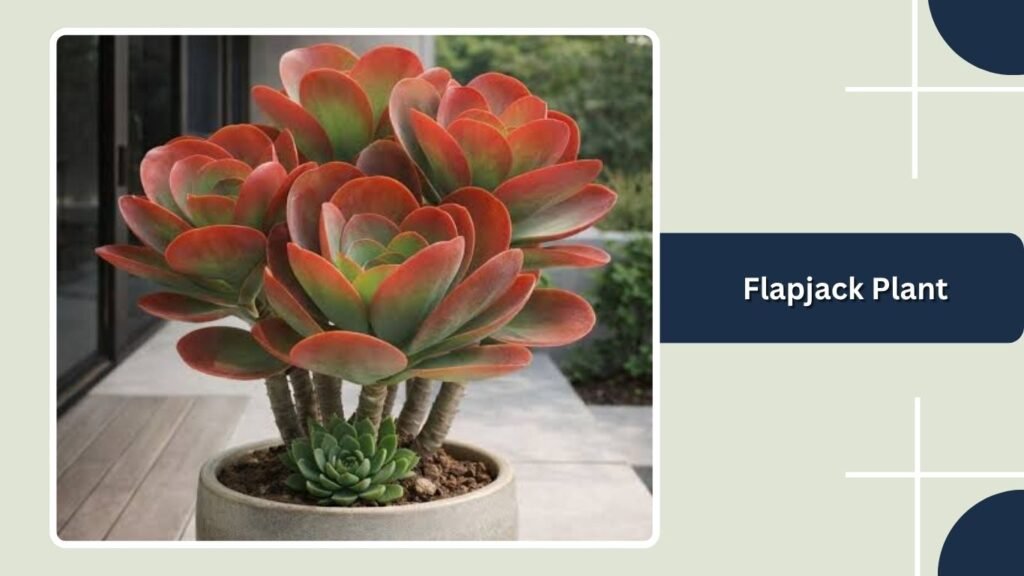
Flapjack Plant is a striking succulent known for its broad, flat leaves arranged in overlapping layers. Native to southern Africa, this attractive plant develops beautiful reddish edges when exposed to sufficient sunlight. Its unusual paddle-shaped foliage, bold appearance, and low maintenance requirements make it a popular choice for sunny indoor spaces and succulent container gardens.
Identification and Characteristics
- Scientific Name: Kalanchoe luciae
- Plant Type: Perennial succulent
- Leaf Color: Green with red or pink edges
- Leaf Shape: Broad, flat, rounded, paddle-shaped leaves
- Mature Height: 12–24 inches
- Growth Habit: Upright rosette formation
- Special Feature: Large overlapping leaves with colorful red margins
Ideal Indoor Growing Conditions
Flapjack Plant thrives in bright sunlight and benefits from several hours of direct light daily. Place it near a sunny south-facing window to encourage compact growth and vibrant leaf coloration. Insufficient sunlight may cause the leaves to remain mostly green. Use sandy, well-draining cactus soil and containers with drainage holes. Temperatures between 60–80°F generally support healthy growth.
Watering and Maintenance Tips
Allow the soil to dry completely between watering sessions. Flapjack Plant stores moisture in its thick leaves and does not tolerate constantly wet soil. Reduce watering during winter and avoid allowing excess moisture to collect around the roots. Remove dried lower leaves carefully and repot when necessary. Offsets can be separated for propagation, while occasional light fertilization supports healthy growth.
FAQs
1. What Are the Easiest Succulent Plants to Grow Indoors?
Aloe Vera, Jade Plant, Snake Plant, Zebra Haworthia, and Elephant Bush are among the easiest succulents to grow indoors. These plants require relatively little maintenance, tolerate occasional missed watering, and adapt well to suitable indoor environments. Providing adequate light and well-draining soil helps them grow successfully.
2. How Often Should You Water Succulent Plants?
Most desert succulents should be watered only after their soil has dried completely. Watering frequency depends on the plant species, container size, temperature, and sunlight exposure. Some may need watering every one to three weeks during active growth, while others require less. Tropical succulents, such as Christmas Cactus, prefer slightly more consistent moisture.
3. Do Succulent Plants Need Direct Sunlight?
Many succulents, including Echeveria, Agave, and Ghost Plant, grow best with several hours of direct sunlight. Others, such as Zebra Haworthia and Christmas Cactus, prefer bright, indirect light. Indoor succulents should receive sufficient natural light or suitable artificial grow lighting to prevent weak, stretched growth.
4. What Is the Best Soil for Succulent Plants?
Most succulent plants grow best in well-draining soil that allows excess water to escape quickly. A commercial cactus and succulent potting mix is suitable for many varieties. Adding pumice, perlite, or coarse mineral materials can improve drainage and reduce the risk of root rot.
5. Can Succulent Plants Grow in Small Pots?
Yes, many succulents grow successfully in small pots because they have compact root systems and relatively slow growth rates. Echeveria, Lithops, Zebra Haworthia, and Moon Cactus are excellent choices for small containers. Always choose pots with drainage holes and repot when the plants outgrow their containers.