
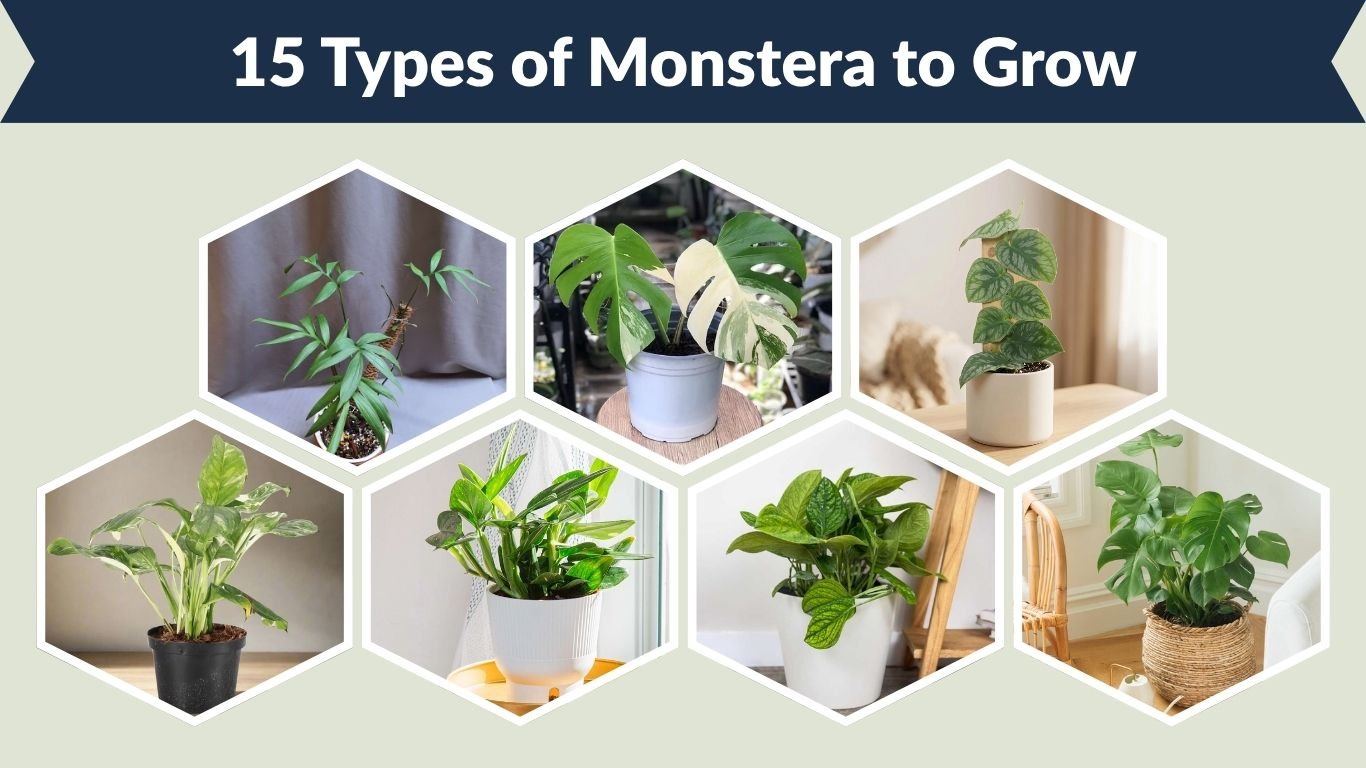
Monstera plants are among the most beautiful tropical houseplants, loved for their lush foliage, unique leaf patterns, and stunning natural splits. From the popular Monstera Deliciosa to rare varieties like Monstera Obliqua, each offers something special for indoor gardening. Explore 15 types of Monstera plants with pictures, identification features, growing requirements, and essential care tips to help you choose the perfect variety for your home.
1. Monstera Deliciosa (Swiss Cheese Plant)
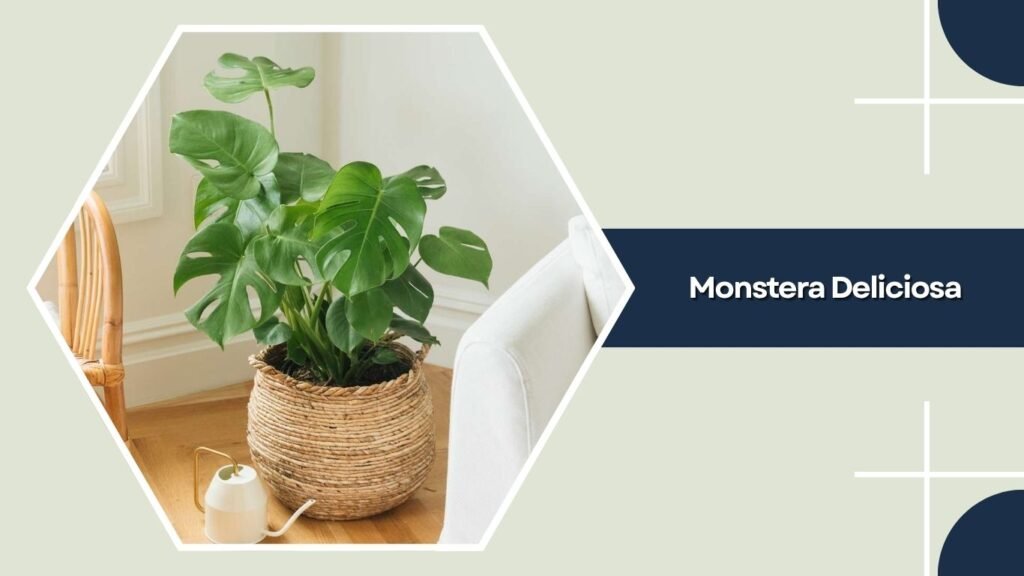
Monstera Deliciosa is one of the most popular tropical houseplants, admired for its large, glossy green leaves with distinctive splits and holes. Native to the tropical forests of Central America, this climbing plant brings a lush, jungle-like appearance to indoor spaces. With proper lighting, watering, and support, Monstera Deliciosa can grow into an impressive statement plant.
Identification
- Common Name: Swiss Cheese Plant, Split-Leaf Monstera
- Scientific Name: Monstera deliciosa
- Family: Araceae
- Leaf Color: Deep green with a glossy surface
- Leaf Shape: Large, heart-shaped leaves with natural splits and holes
- Mature Indoor Height: Typically 6–10 feet with suitable support
- Growth Habit: Climbing evergreen vine
- Light Requirements: Bright, indirect sunlight
Growing Conditions
Monstera Deliciosa grows best in bright, indirect light, although it tolerates moderate lighting conditions. Direct afternoon sunlight can scorch its leaves. A well-draining potting mix containing orchid bark, perlite, and organic matter helps maintain healthy roots. Indoor temperatures between 65°F and 85°F are generally suitable for consistent growth.
Watering and Maintenance
Water your Monstera Deliciosa when the top 1–2 inches of soil feel dry. Avoid leaving the roots in soggy soil, as excessive moisture can cause root rot. Moderate to high humidity encourages healthy foliage. Providing a moss pole or climbing support helps the plant develop larger, more mature leaves with attractive fenestrations.
2. Monstera Adansonii (Swiss Cheese Vine)
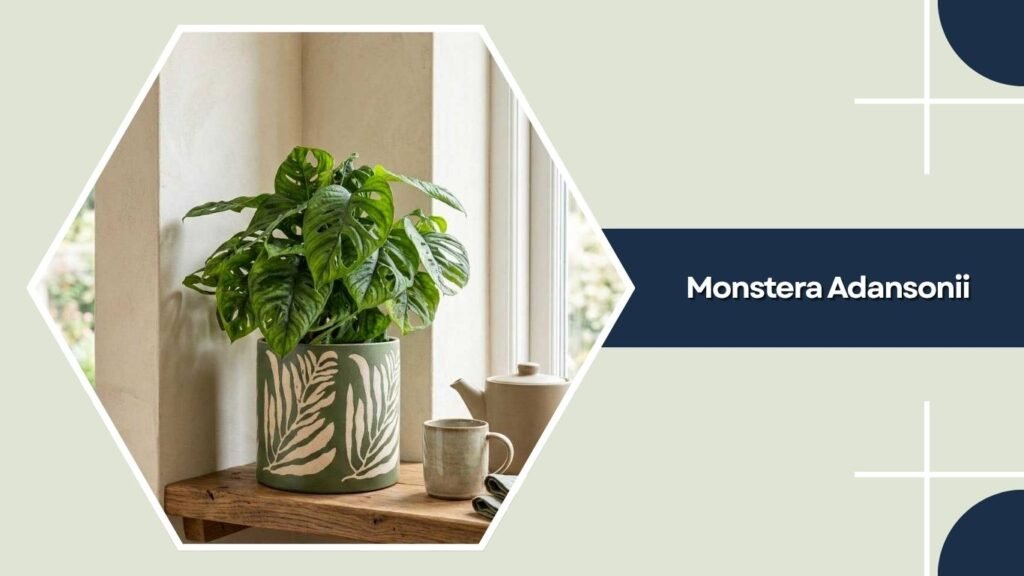
Monstera Adansonii is a beautiful tropical climbing plant known for its distinctive oval-shaped holes in its leaves. Native to Central and South America, this Monstera species has a compact growth habit compared to Monstera Deliciosa. Its trailing vines and decorative foliage make it an attractive choice for hanging baskets, shelves, and indoor climbing displays.
Identification
- Common Name: Swiss Cheese Vine, Five Holes Plant
- Scientific Name: Monstera adansonii
- Family: Araceae
- Leaf Color: Bright green to deep green
- Leaf Shape: Oval to heart-shaped with multiple natural holes
- Mature Indoor Length: Commonly 3–8 feet, depending on growing conditions
- Growth Habit: Climbing or trailing vine
- Light Requirements: Bright, indirect sunlight
Growing Conditions
Monstera Adansonii grows best in bright, filtered sunlight and well-draining soil. A potting mixture containing perlite, orchid bark, and peat-free organic material provides suitable drainage and moisture retention. Temperatures between 65°F and 85°F encourage healthy growth. Moderate to high humidity helps prevent leaf edges from turning brown.
Watering and Maintenance
Water when the upper 1–2 inches of soil become dry. Avoid excessive watering, which can lead to yellowing leaves and root rot. Regular pruning encourages fuller growth and controls long vines. Providing a moss pole or trellis allows the plant to climb naturally and develop larger leaves.
3. Monstera Obliqua
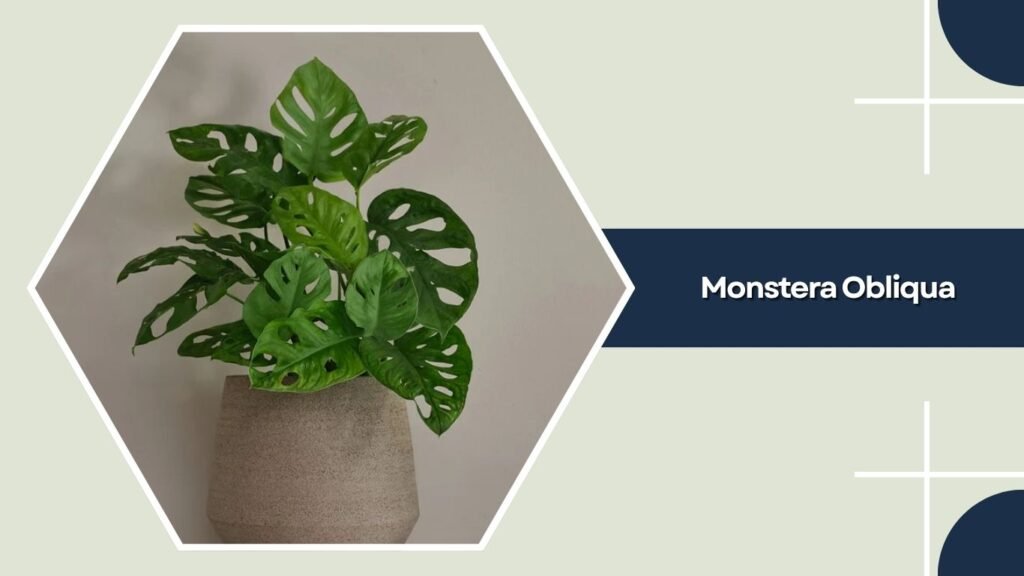
Monstera Obliqua is a rare tropical climbing plant recognized for its delicate leaves and dramatic natural perforations. Native to tropical regions of Central and South America, this species is particularly admired by collectors. Certain forms develop extremely thin leaves with large holes, creating a striking lace-like appearance. However, its demanding growing conditions make it more suitable for experienced indoor gardeners.
Identification
- Common Name: Obliqua Monstera
- Scientific Name: Monstera obliqua
- Family: Araceae
- Leaf Color: Light green to medium green
- Leaf Shape: Thin, oval leaves, sometimes with extensive perforations
- Mature Indoor Length: Variable, depending on its form and support
- Growth Habit: Delicate climbing vine
- Light Requirements: Bright, filtered sunlight
Growing Conditions
Monstera Obliqua prefers consistently warm temperatures, gentle airflow, and high humidity. A well-aerated growing medium containing orchid bark, sphagnum moss, and perlite can support delicate root development. Bright, indirect light encourages healthy foliage, while intense direct sunlight may damage the thin leaves. Maintaining stable environmental conditions is especially important.
Watering and Maintenance
Keep the growing medium lightly moist without allowing water to accumulate around the roots. Check moisture frequently because the plant can be sensitive to both prolonged dryness and waterlogging. A humidifier or controlled growing cabinet may help maintain suitable humidity. Handle the delicate foliage carefully during pruning and maintenance.
4. Monstera Dubia (Shingle Plant)
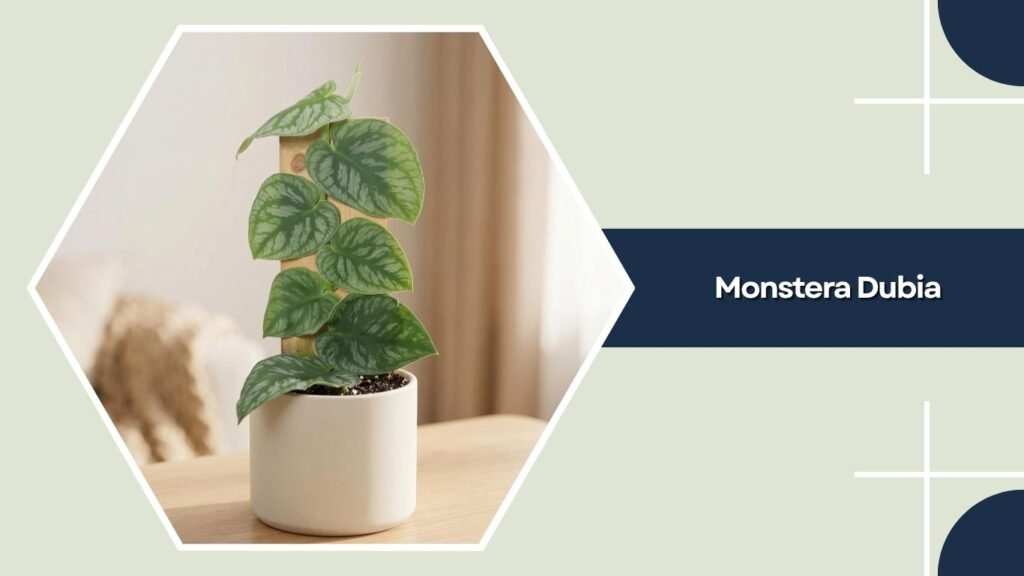
Monstera Dubia is an unusual climbing houseplant famous for its attractive shingling growth pattern. Native to tropical Central and South America, young plants produce small, heart-shaped leaves that grow flat against vertical surfaces. As the plant matures, its foliage changes dramatically, developing larger green leaves that may eventually form splits and holes.
Identification
- Common Name: Shingle Plant
- Scientific Name: Monstera dubia
- Family: Araceae
- Leaf Color: Green with silvery markings when juvenile
- Leaf Shape: Small, heart-shaped juvenile leaves; larger mature leaves
- Mature Indoor Height: Several feet when provided with climbing support
- Growth Habit: Climbing vine with shingling juvenile growth
- Light Requirements: Bright, indirect sunlight
Growing Conditions
Monstera Dubia thrives in warm, humid environments with filtered sunlight. Temperatures between 65°F and 85°F generally support healthy development. A chunky, well-draining potting mix containing orchid bark, perlite, and organic matter helps maintain root health. A wooden plank, moss board, or climbing support is particularly important for encouraging its distinctive growth pattern.
Watering and Maintenance
Water when the upper layer of soil begins drying, ensuring excess moisture drains freely. Maintaining moderate to high humidity helps protect the foliage from drying. Secure the plant gently against a suitable support to encourage vertical growth. Avoid repeatedly removing the vine from its climbing surface because its roots naturally attach to support structures.
5. Monstera Siltepecana (Silver Monstera)

Monstera Siltepecana is an attractive tropical vine recognized for its elongated leaves and beautiful silver-green markings. Native to parts of Central America, this species produces decorative juvenile foliage that gradually changes as the plant matures. Its flexible climbing or trailing growth habit makes it suitable for shelves, hanging baskets, and indoor plant displays.
Identification
- Common Name: Silver Monstera
- Scientific Name: Monstera siltepecana
- Family: Araceae
- Leaf Color: Silvery green with darker green veins
- Leaf Shape: Elongated, pointed leaves that become larger with maturity
- Mature Indoor Length: Commonly several feet
- Growth Habit: Climbing or trailing evergreen vine
- Light Requirements: Bright, indirect sunlight
Growing Conditions
Monstera Siltepecana performs best in bright, indirect light, which helps maintain its attractive silver markings. Use a loose, well-draining potting mix containing perlite, orchid bark, and organic materials. Warm indoor temperatures between 65°F and 85°F support vigorous growth. Moderate humidity is suitable, although higher humidity can promote stronger foliage development.
Watering and Maintenance
Water when the top 1–2 inches of soil feel dry. Excess moisture can damage the roots, so containers should have drainage holes. Pruning long vines helps maintain a fuller appearance. A moss pole encourages upward growth and may help the plant develop larger, more mature leaves.
6. Monstera Peru (Monstera Karstenianum)
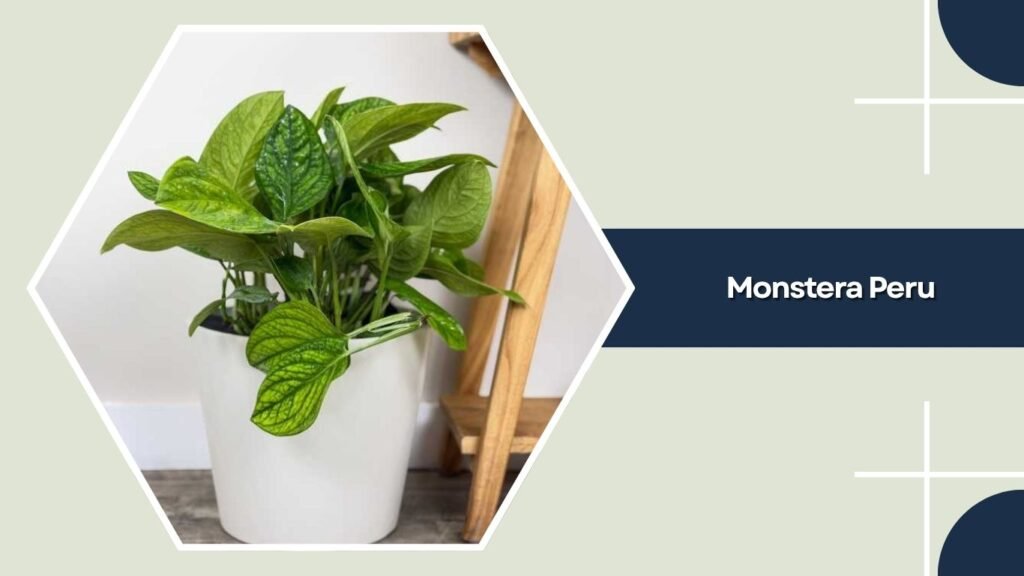
Monstera Peru is a striking tropical climbing plant admired for its thick, textured leaves and deep green coloration. Unlike many other popular Monstera varieties, its foliage typically lacks natural holes or splits. Instead, the plant displays heavily textured, almost quilted leaves that create a distinctive ornamental appearance. Its relatively compact foliage makes it attractive for indoor collections.
Identification
- Common Name: Monstera Peru, Karstenianum
- Scientific Name: Monstera sp. ‘Peru’ (commonly sold as Monstera karstenianum)
- Family: Araceae
- Leaf Color: Dark green with a glossy surface
- Leaf Shape: Thick, oval leaves with a strongly textured appearance
- Mature Indoor Length: Commonly several feet with suitable climbing support
- Growth Habit: Climbing evergreen vine
- Light Requirements: Bright, indirect sunlight
Growing Conditions
Monstera Peru grows best in warm environments with bright, indirect lighting. Temperatures between 65°F and 85°F generally encourage steady growth. A chunky potting mixture containing orchid bark, perlite, and organic matter provides good drainage. Moderate to high humidity can support healthy leaf development, although the plant tolerates ordinary indoor humidity reasonably well.
Watering and Maintenance
Allow the upper portion of the potting mix to dry before watering thoroughly. Its thicker leaves help it tolerate short periods of dryness, but prolonged drought can slow growth. Avoid constantly wet soil because it increases the risk of root rot. A moss pole or trellis helps the vines climb and maintain an organized appearance.
7. Monstera Pinnatipartita

Monstera Pinnatipartita is a beautiful tropical climbing plant admired for its dramatic foliage transformation as it matures. Native to tropical regions of South America, this species produces solid, oval-shaped juvenile leaves that gradually develop deep splits as the plant grows. Its glossy green foliage and climbing nature make it an attractive addition to indoor plant collections.
Identification
- Common Name: Split-Leaf Monstera
- Scientific Name: Monstera pinnatipartita
- Family: Araceae
- Leaf Color: Deep green with a glossy surface
- Leaf Shape: Oval juvenile leaves that develop deep divisions when mature
- Mature Indoor Height: Commonly 4–8 feet with climbing support
- Growth Habit: Climbing evergreen vine
- Light Requirements: Bright, indirect sunlight
Growing Conditions
Monstera Pinnatipartita thrives in bright, filtered sunlight and warm indoor environments. A well-draining potting mixture containing orchid bark, perlite, and organic matter promotes healthy root development. Temperatures between 65°F and 85°F encourage consistent growth. Moderate to high humidity helps maintain its attractive foliage, especially during periods of active development.
Watering and Maintenance
Water your Monstera Pinnatipartita when the upper 1–2 inches of soil become dry. Avoid waterlogged conditions, which can damage the roots. Providing a moss pole or climbing support encourages the development of larger, deeply divided leaves. Remove damaged foliage occasionally to maintain its appearance and encourage healthy growth.
8. Monstera Standleyana (Five Holes Plant)
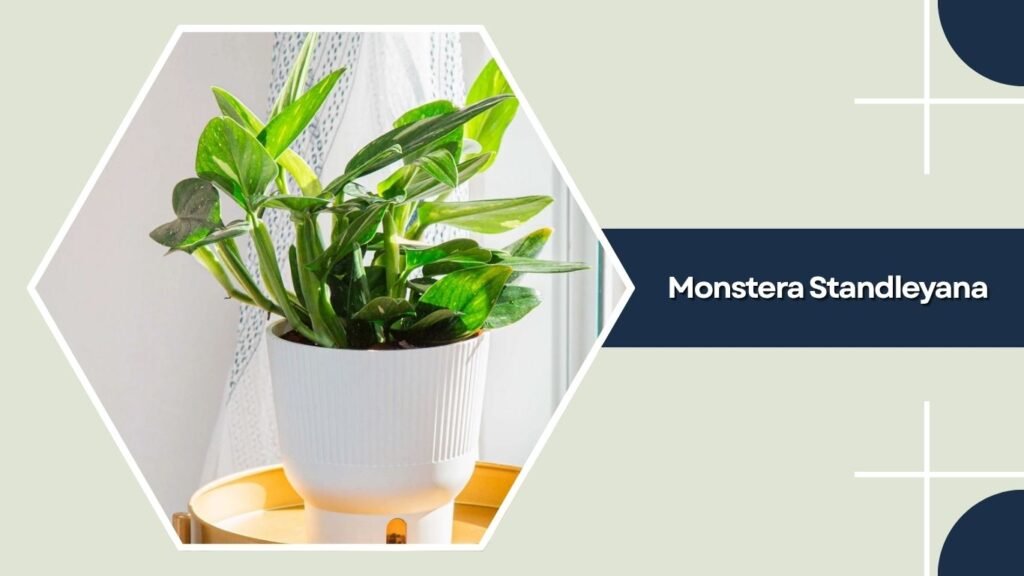
Monstera Standleyana is an attractive tropical climbing vine known for its elongated leaves and beautiful variegated forms. Native to Central America, this species differs from many other Monstera varieties because its leaves usually remain solid rather than developing large natural holes. Its compact foliage and climbing growth make it suitable for decorative indoor displays.
Identification
- Common Name: Standley’s Monstera, Five Holes Plant
- Scientific Name: Monstera standleyana
- Family: Araceae
- Leaf Color: Deep green, sometimes with white or cream variegation
- Leaf Shape: Narrow, oval to lance-shaped leaves
- Mature Indoor Height: Commonly 3–6 feet with suitable support
- Growth Habit: Climbing evergreen vine
- Light Requirements: Bright, indirect sunlight
Growing Conditions
Monstera Standleyana grows best in bright, indirect light, especially variegated varieties that need sufficient illumination to maintain their decorative patterns. A chunky potting mix containing orchid bark, perlite, and organic matter supports healthy growth. Warm temperatures between 65°F and 85°F are suitable, while moderate humidity helps prevent leaf damage.
Watering and Maintenance
Allow the upper layer of soil to dry slightly before watering. Ensure the container has drainage holes to prevent standing water around the roots. Pruning long vines encourages a more compact appearance. A moss pole or trellis provides support for vertical growth, while occasional leaf cleaning helps maintain its attractive glossy foliage.
9. Monstera Acuminata

Monstera Acuminata is a tropical climbing plant recognized for its delicate, pointed leaves and attractive natural perforations that may appear as the plant matures. Native to Central America, this species grows naturally in humid forests, where it climbs trees using aerial roots. Its relatively compact juvenile foliage makes it particularly appealing for indoor plant enthusiasts.
Identification
- Common Name: Acuminata Monstera
- Scientific Name: Monstera acuminata
- Family: Araceae
- Leaf Color: Medium to deep green
- Leaf Shape: Oval to elongated leaves with pointed tips
- Mature Indoor Height: Several feet with suitable climbing support
- Growth Habit: Climbing tropical vine
- Light Requirements: Bright, indirect sunlight
Growing Conditions
Monstera Acuminata prefers bright, filtered light and consistently warm temperatures. A well-aerated potting mixture containing orchid bark, perlite, and organic materials promotes healthy root growth. Temperatures between 65°F and 85°F are generally suitable. Higher humidity encourages stronger foliage development and helps replicate the plant’s tropical forest environment.
Watering and Maintenance
Water when the upper 1–2 inches of soil feel slightly dry. Avoid prolonged waterlogging because excessive moisture may cause root problems. Providing a moss pole or wooden climbing support encourages the plant to develop larger leaves. Regularly inspect the foliage for pests, particularly spider mites and mealybugs.
10. Monstera Lechleriana

Monstera Lechleriana is an attractive tropical climbing plant known for its broad, glossy foliage and natural leaf perforations that develop with maturity. Native to tropical regions of Central and South America, this species grows as a climbing vine in humid forest environments. Its bold leaves and relatively straightforward care requirements make it a desirable option for indoor growing.
Identification
- Common Name: Lechler’s Monstera
- Scientific Name: Monstera lechleriana
- Family: Araceae
- Leaf Color: Rich green with a glossy texture
- Leaf Shape: Broad, elongated leaves with holes near the central vein when mature
- Mature Indoor Height: Commonly several feet when supported
- Growth Habit: Climbing evergreen vine
- Light Requirements: Bright, indirect sunlight
Growing Conditions
Monstera Lechleriana thrives in warm indoor environments with bright, indirect sunlight. A loose potting mixture containing perlite, orchid bark, and organic matter allows excess water to drain efficiently. Temperatures between 65°F and 85°F encourage healthy development. Moderate to high humidity helps maintain leaf quality and supports the development of larger foliage.
Watering and Maintenance
Water when the upper portion of the potting mix begins to dry. Ensure excess water drains completely to prevent root rot. A moss pole or climbing board encourages vertical growth and may promote mature leaf development. Remove yellow or damaged leaves when necessary and clean the foliage occasionally to prevent dust accumulation.
11. Monstera Esqueleto
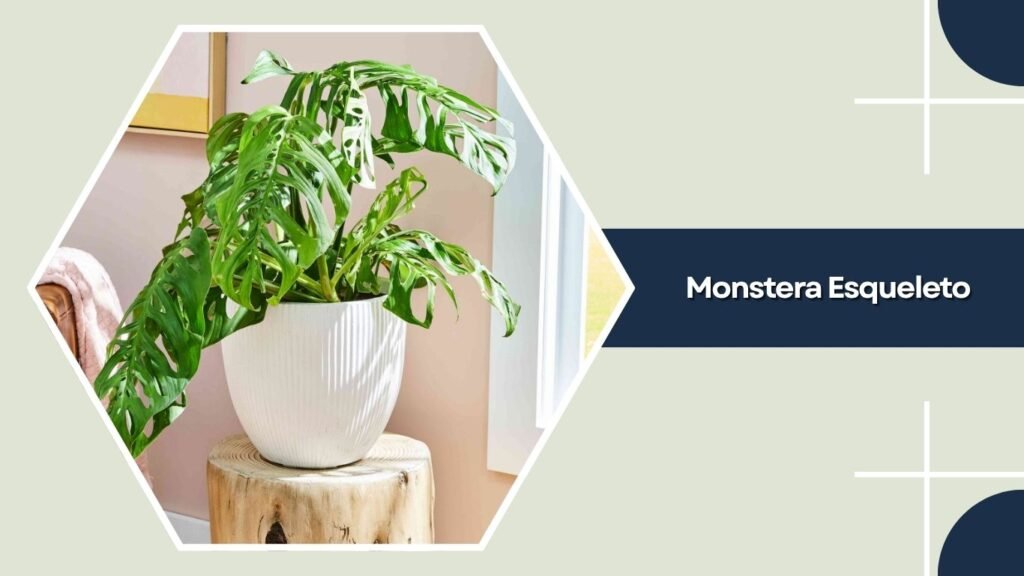
Monstera Esqueleto is a striking tropical climbing plant admired for its large leaves filled with dramatic natural perforations. Its name, meaning “skeleton” in Spanish, reflects the distinctive appearance of its mature foliage. Often sold as Monstera esqueleto, this cultivated plant is especially popular among collectors seeking unusual foliage for their indoor tropical gardens.
Identification
- Common Name: Monstera Esqueleto, Skeleton Monstera
- Botanical Name: Monstera ‘Esqueleto’
- Family: Araceae
- Leaf Color: Bright to deep green
- Leaf Shape: Large, elongated leaves with numerous oval holes
- Mature Indoor Height: Several feet with climbing support
- Growth Habit: Climbing tropical vine
- Light Requirements: Bright, indirect sunlight
Growing Conditions
Monstera Esqueleto thrives in bright, filtered light and warm indoor environments. A chunky, well-draining potting mix containing orchid bark, perlite, and organic materials supports healthy root growth. Temperatures between 65°F and 85°F are suitable for active development. Higher humidity can encourage the growth of larger, healthier leaves with impressive perforations.
Watering and Maintenance
Water when the upper 1–2 inches of potting mix begin drying. Avoid keeping the roots constantly wet, as excessive moisture increases the risk of root rot. Provide a sturdy moss pole or climbing support to encourage mature foliage development. Occasional pruning helps manage its size, while gentle cleaning keeps the perforated leaves free from dust.
12. Monstera Thai Constellation
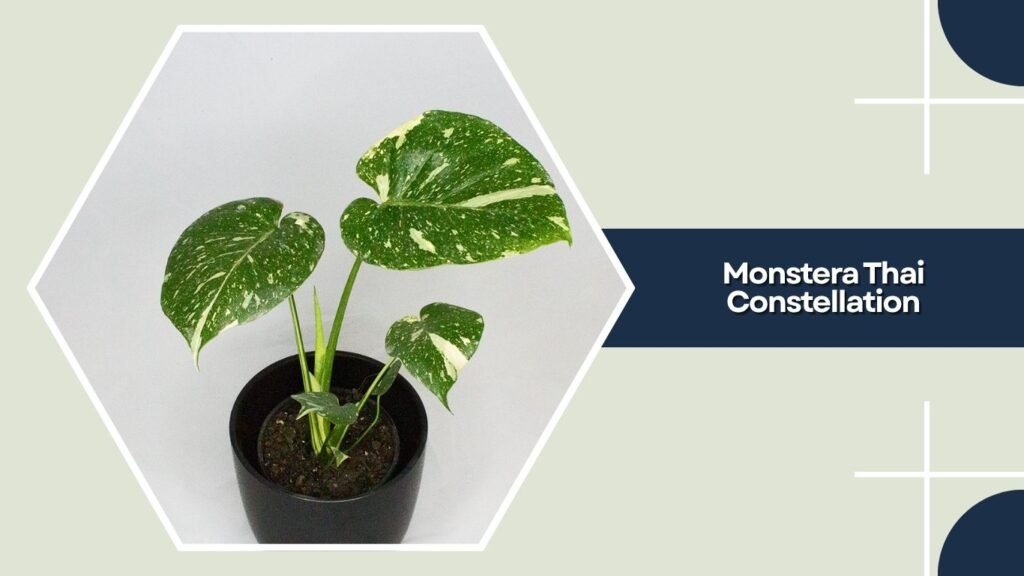
Monstera Thai Constellation is a stunning tropical houseplant famous for its creamy-white and yellow-speckled variegation. This cultivated variety of Monstera Deliciosa produces large, glossy leaves decorated with beautiful marble-like patterns resembling stars scattered across the night sky. Its distinctive appearance makes it a popular choice for indoor plant enthusiasts who want an elegant and eye-catching tropical plant.
Identification
- Common Name: Thai Constellation Monstera
- Botanical Name: Monstera deliciosa ‘Thai Constellation’
- Family: Araceae
- Leaf Color: Green with creamy-white or pale yellow variegation
- Leaf Shape: Large, heart-shaped leaves with splits and holes as they mature
- Mature Indoor Height: Commonly 4–8 feet with proper support
- Growth Habit: Climbing tropical evergreen
- Light Requirements: Bright, indirect sunlight
Growing Conditions
Monstera Thai Constellation thrives in bright, indirect sunlight, which helps support healthy growth and maintain its decorative foliage. A well-draining potting mixture containing orchid bark, perlite, and organic matter promotes root development. Temperatures between 65°F and 85°F are generally suitable. Avoid harsh direct sunlight because its pale variegated sections can develop brown patches or scorch.
Watering and Maintenance
Water when the upper 1–2 inches of soil become dry. Excessive moisture can lead to root rot, so ensure the container has adequate drainage. Moderate to high humidity supports healthy foliage development. Providing a moss pole or climbing support encourages upright growth and the production of larger, naturally split leaves.
13. Monstera Albo Variegata
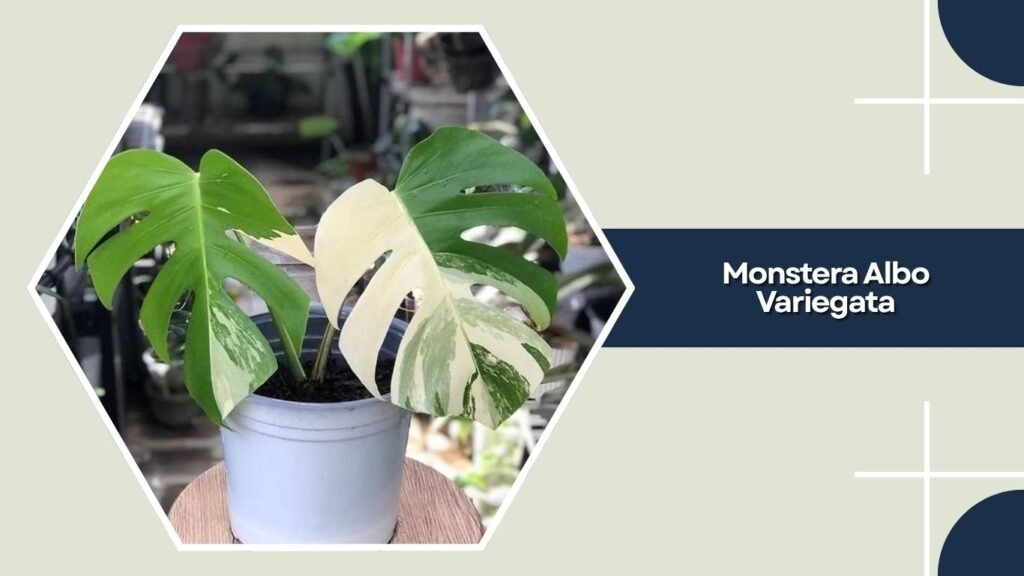
Monstera Albo Variegata is a highly admired tropical houseplant recognized for its striking white and green foliage. This variegated form of Monstera Deliciosa produces beautiful patterns ranging from small white streaks to dramatic half-white leaves. Native Monstera Deliciosa originates from Central America, while its Albo form is cultivated for its ornamental appearance and distinctive leaf patterns.
Identification
- Common Name: Monstera Albo, Variegated Swiss Cheese Plant
- Botanical Name: Monstera deliciosa ‘Albo Variegata’
- Family: Araceae
- Leaf Color: Green with white or cream variegation
- Leaf Shape: Large, heart-shaped leaves with splits and perforations
- Mature Indoor Height: Commonly 4–8 feet with adequate climbing support
- Growth Habit: Climbing evergreen vine
- Light Requirements: Bright, indirect sunlight
Growing Conditions
Monstera Albo Variegata prefers bright, filtered sunlight to maintain healthy growth. Its white leaf sections lack chlorophyll, making sufficient indirect lighting particularly important. Use a chunky potting mixture containing perlite, orchid bark, and organic materials. Temperatures between 65°F and 85°F encourage steady development, while moderate to high humidity helps maintain attractive foliage.
Watering and Maintenance
Allow the upper portion of the potting mix to dry before watering thoroughly. Avoid excessive watering because the roots are vulnerable to prolonged saturation. White portions of the leaves can develop brown edges under stressful conditions. Providing a sturdy moss pole supports vertical growth, while careful pruning helps manage the plant’s shape and variegated growth.
14. Monstera Burle Marx Flame

Monstera Burle Marx Flame is a rare and distinctive tropical climbing plant admired for its deeply divided mature leaves. Its narrow leaf segments create a flame-like appearance, making it one of the most unusual cultivated Monstera forms. This plant is particularly sought after by tropical plant collectors who appreciate dramatic foliage and distinctive growth patterns.
Identification
- Common Name: Burle Marx Flame Monstera
- Botanical Name: Monstera ‘Burle Marx Flame’
- Family: Araceae
- Leaf Color: Deep green with a glossy surface
- Leaf Shape: Juvenile leaves are mostly entire, while mature leaves develop narrow, deeply divided segments
- Mature Indoor Height: Several feet with suitable climbing support
- Growth Habit: Climbing tropical evergreen
- Light Requirements: Bright, indirect sunlight
Growing Conditions
Monstera Burle Marx Flame grows best in bright, indirect sunlight and consistently warm indoor environments. Temperatures between 65°F and 85°F generally encourage healthy development. A well-aerated potting mixture containing orchid bark, perlite, and organic matter provides suitable drainage. Higher humidity supports healthy leaf development, while a sturdy climbing support helps the plant develop its characteristic mature foliage.
Watering and Maintenance
Water when the upper 1–2 inches of potting mix begin to dry. Avoid waterlogged soil because excess moisture can damage the root system. Provide a moss pole or climbing board to encourage vertical growth and larger leaves. Regularly inspect the foliage for pests and remove damaged leaves when necessary to maintain the plant’s appearance.
15. Monstera Subpinnata
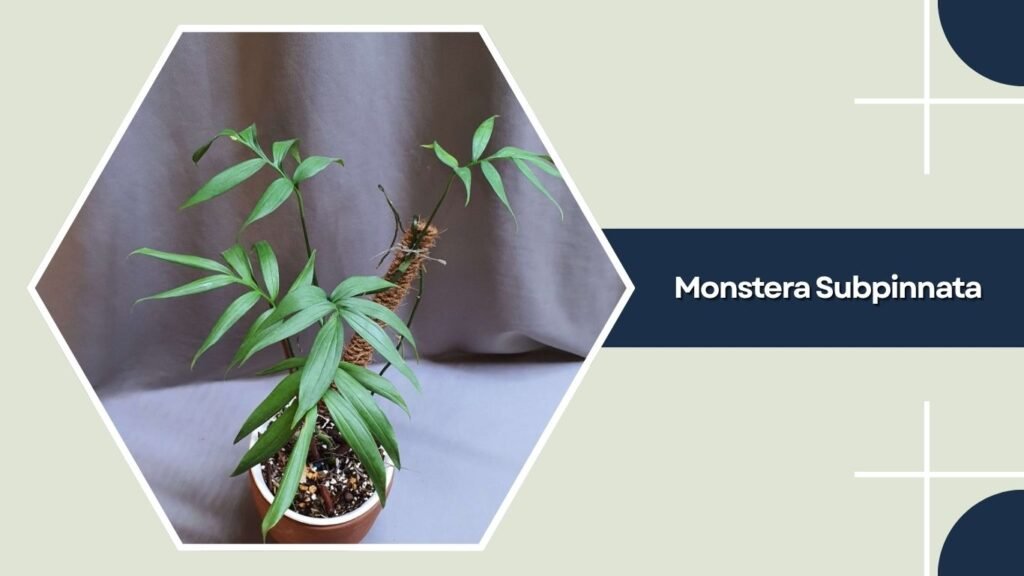
Monstera Subpinnata is a fascinating tropical climbing plant recognized for its deeply divided, feather-like foliage. Native to tropical South America, this species differs significantly from the familiar broad-leaved Monstera varieties. Its mature leaves develop numerous narrow segments arranged along a central vein, creating an elegant appearance similar to palm fronds.
Identification
- Common Name: Feather-Leaf Monstera
- Scientific Name: Monstera subpinnata
- Family: Araceae
- Leaf Color: Bright green to deep green
- Leaf Shape: Deeply divided, feather-like leaves with narrow segments
- Mature Indoor Height: Commonly 4–8 feet with suitable climbing support
- Growth Habit: Climbing tropical evergreen vine
- Light Requirements: Bright, indirect sunlight
Growing Conditions
Monstera Subpinnata thrives in warm, humid environments with plenty of filtered sunlight. A well-draining potting mixture containing orchid bark, perlite, and organic matter encourages healthy root development. Temperatures between 65°F and 85°F support consistent growth. Moderate to high humidity helps maintain attractive foliage, especially as the plant develops larger, deeply divided mature leaves.
Watering and Maintenance
Water when the upper 1–2 inches of soil become dry, allowing excess moisture to drain completely. Avoid prolonged waterlogging because it can cause root rot. Providing a moss pole or trellis encourages upright growth and helps support mature leaf development. Occasional pruning controls long vines, while gentle leaf cleaning removes accumulated dust.
FAQs
1. What Is the Easiest Monstera to Grow Indoors?
Monstera Deliciosa is one of the easiest Monstera varieties to grow indoors. It adapts well to typical household conditions and requires minimal maintenance. With bright, indirect sunlight, well-draining soil, and occasional watering, this tropical plant can develop large, attractive leaves, making it ideal for beginners.
2. How Often Should I Water My Monstera Plant?
Most Monstera plants need watering when the top 1–2 inches of soil feel dry. This may occur every 1–2 weeks, depending on temperature, humidity, and pot size. Always check soil moisture before watering, as excessive moisture can cause root rot and yellowing leaves.
3. Do Monstera Plants Need Direct Sunlight?
Monstera plants generally prefer bright, indirect sunlight rather than strong direct sunlight. Excessive afternoon sun can scorch their leaves, particularly variegated varieties. Placing your plant near an east-facing window or a few feet away from a bright south-facing window usually provides suitable growing conditions.
4. Which Monstera Varieties Are Rare?
Monstera Obliqua, Monstera Burle Marx Flame, and certain variegated Monstera varieties are considered uncommon or highly collectible. Their availability varies by location and nursery. These plants are admired for their unusual leaf shapes, dramatic perforations, or distinctive variegation, making them desirable among tropical houseplant enthusiasts.
5. Are Monstera Plants Toxic to Cats and Dogs?
Yes, Monstera plants are toxic to cats and dogs if chewed or ingested. Their tissues contain insoluble calcium oxalate crystals, which can cause mouth irritation, drooling, vomiting, and difficulty swallowing. Keep Monstera plants away from curious pets and contact a veterinarian if your pet chews the foliage.