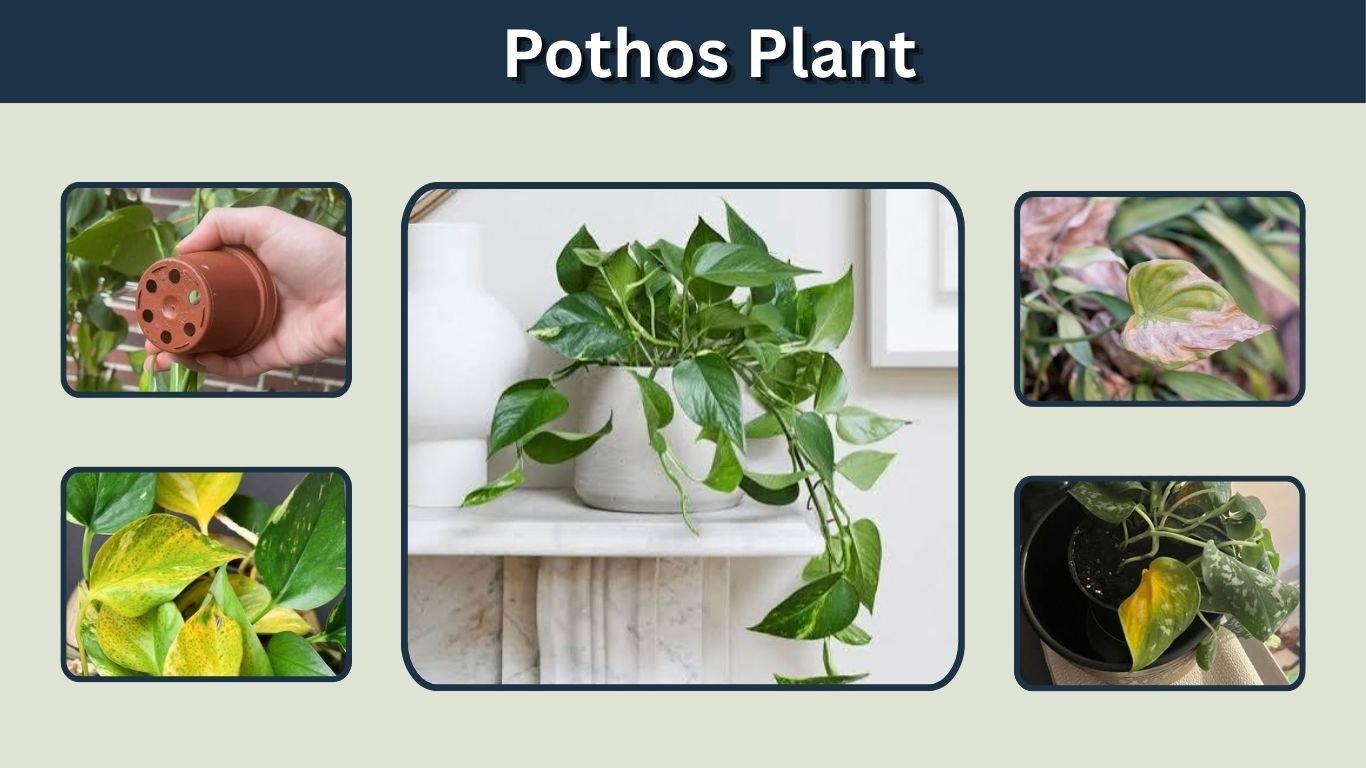
The pothos plant is one of the most popular houseplants for homes, offices, and indoor gardens. Known for its attractive trailing vines and heart-shaped leaves, pothos is valued for being adaptable, fast-growing, and relatively easy to maintain. It can grow in hanging baskets, containers, or along climbing supports, making it suitable for many decorating styles. Whether you are growing your first pothos indoor plant or caring for an established vine, understanding its light, water, soil, temperature, and maintenance needs can encourage healthier and fuller growth.
What Is a Pothos Plant?
A pothos plant is a tropical evergreen vine commonly grown as a houseplant because of its attractive foliage and adaptable growth habit. Its botanical name is Epipremnum aureum, and it belongs to the Araceae family. Indoors, pothos can trail from shelves and hanging baskets or climb upward when provided with suitable support.
Appearance of Pothos
Pothos typically develops heart-shaped leaves along flexible trailing stems. Leaf color varies depending on the cultivar.
Some plants have solid green foliage, while others display yellow, cream, white, or light green variegation. Indoor leaves usually remain moderate in size, although pothos can develop much larger foliage when mature plants climb in suitable tropical conditions.
Why Pothos Is a Popular Houseplant
Pothos houseplants are popular because they combine decorative foliage with relatively straightforward maintenance.
They tolerate a range of indoor conditions and can recover from occasional care mistakes. Their trailing growth also makes them versatile for shelves, desks, hanging baskets, bookcases, and plant stands.
Popular Types of Pothos Plants
There are many pothos varieties with different leaf colors and variegation patterns. Although their general care requirements are similar, some highly variegated varieties may need brighter indirect light to maintain their markings. Choosing the right variety allows you to match the plant with your preferred interior style and available growing conditions.
Common Pothos Varieties
Popular choices include:
- Golden pothos: Green leaves with yellow or golden variegation
- Neon pothos: Bright chartreuse or lime-green foliage
- Marble Queen pothos: Cream and green marbled leaves
- Jade pothos: Mostly solid dark-green foliage
- N’Joy pothos: Compact leaves with white and green patterns
- Pearls and Jade pothos: Green, white, and grayish variegation
Golden Pothos
Golden pothos is one of the most recognizable forms. Its green leaves feature irregular yellow or golden markings that become particularly attractive in bright indirect light.
It is commonly grown as a trailing houseplant and adapts well to many indoor settings.
Variegated Pothos
Variegated types may display white, cream, yellow, or pale-green areas across their leaves.
Because the lighter sections contain less chlorophyll, highly variegated plants often benefit from brighter indirect light than solid-green varieties. Too little light may result in less noticeable variegation.
How to Care for a Pothos Plant Indoors
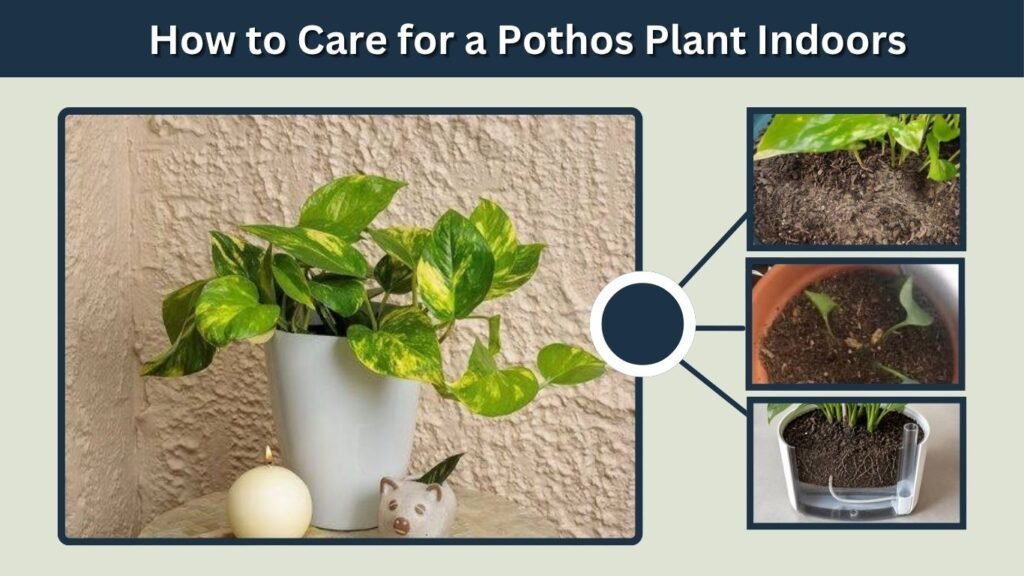
Good pothos plant care begins with balancing light, water, soil, and temperature. Although pothos is considered forgiving, consistently unsuitable conditions can still produce yellow leaves, brown tips, weak growth, or root problems. Paying attention to the plant’s appearance and soil moisture is usually more useful than following a rigid maintenance schedule.
Provide Bright Indirect Light
Pothos grows well in bright, indirect light, although many varieties tolerate lower-light locations.
Avoid prolonged intense direct sunlight because it can scorch foliage. In very low light, growth may slow and variegated plants may produce greener leaves.
Water When the Soil Begins to Dry
Allow the upper portion of the potting mixture to dry before watering again.
Water thoroughly until excess moisture drains from the bottom of the pot. Avoid allowing the roots to remain continuously wet, because poor drainage and excessive watering can contribute to root rot.
Use Well-Draining Soil
A loose, well-draining houseplant potting mix usually works well.
Containers should have drainage holes so excess water can escape. Heavy, compacted soil holds moisture around the roots for too long and may reduce healthy root growth.
Best Conditions for a Pothos Indoor Plant
Pothos indoor plants generally prefer the same comfortable temperatures found in many homes. Their adaptable nature makes them suitable for bedrooms, living rooms, kitchens, and offices, provided they receive reasonable light and are protected from temperature extremes. Stable conditions usually encourage stronger vines and more consistent leaf production.
Temperature and Humidity
Pothos prefers warm conditions and should be protected from cold drafts.
Average household humidity is usually acceptable, although moderately higher humidity can support healthy tropical growth. Avoid positioning the plant directly beside heating vents, air conditioners, or frequently opened cold windows.
Choose the Right Location
Suitable locations may include:
- Near an east-facing window
- A short distance from a bright south- or west-facing window
- On a well-lit shelf
- In a hanging planter
- On top of a cabinet
- Near a bright bathroom window
- In an office with adequate natural or supplemental light
Observe the plant after moving it to determine whether its new location provides suitable conditions.
How to Water a Pothos Plant
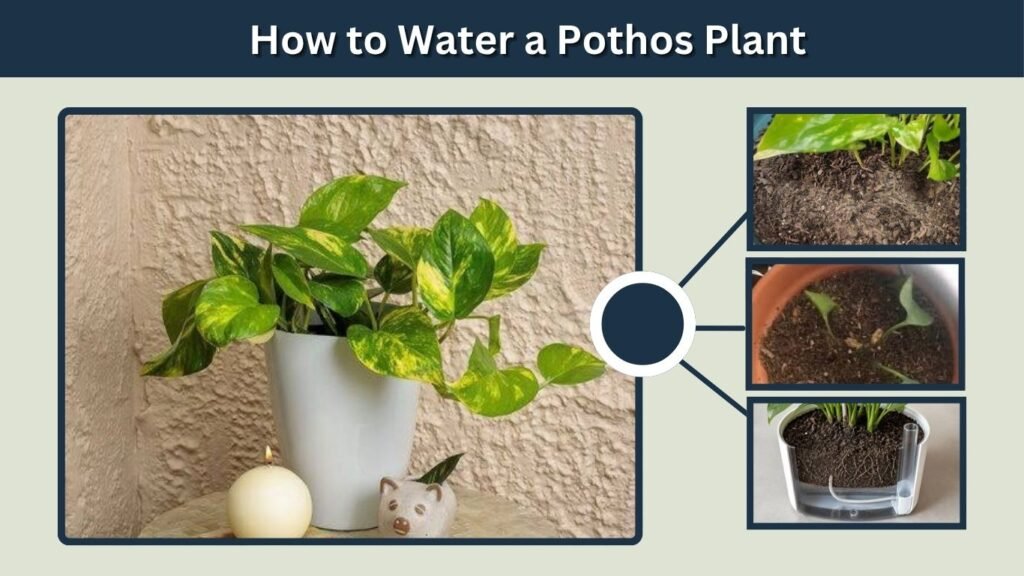
Watering is one of the most important parts of caring for pothos plants. The goal is to provide enough moisture for healthy growth without keeping the soil saturated. Environmental factors such as temperature, light, season, pot size, and soil composition influence how quickly the container dries, so watering frequency can vary considerably.
Check the Soil Before Watering
Insert a finger into the upper layer of soil before reaching for the watering can.
If the upper soil still feels noticeably moist, waiting longer is usually appropriate. When it has dried sufficiently, water the plant thoroughly and allow excess water to drain away.
Signs of Watering Problems
Watch for these common symptoms:
- Yellow leaves: May occur with excessive moisture
- Wilting foliage: Can occur when the plant becomes too dry
- Mushy stems: May indicate prolonged wet conditions
- Dry brown edges: Can be associated with moisture or environmental stress
- Constantly wet soil: Suggests drainage or watering problems
Always examine the soil and overall plant before deciding on the cause.
How to Encourage Fuller Pothos Growth
Pothos naturally produces long vines, but without pruning, a plant can eventually look sparse. Regular trimming encourages branching and helps maintain a compact, fuller shape. Providing adequate light and proper nutrition also supports healthy leaf development and stronger stems throughout the growing period.
Prune Long Vines
Trim long or bare vines just above a healthy node.
Pruning can encourage growth from nearby nodes and prevent the plant from becoming overly leggy. Clean pruning tools before cutting to reduce the chance of introducing disease.
Propagate and Replant Cuttings
One effective way to create a fuller container is to propagate healthy cuttings and eventually place rooted sections back into the original pot.
For propagation:
- Select a healthy vine.
- Cut below a node.
- Remove leaves that would sit below water or soil.
- Root the cutting in water or suitable growing medium.
- Wait for healthy roots to develop.
- Replant around the parent plant for a denser appearance.
Common Pothos Plant Problems
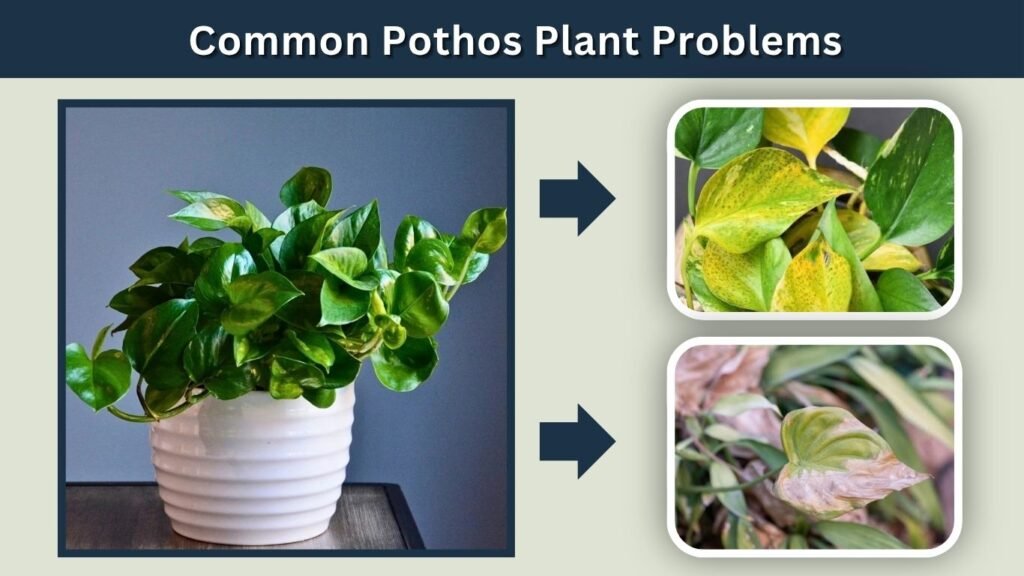
Even an easy-growing pothos can develop problems when environmental conditions become unsuitable. Leaf color, texture, and growth rate often provide clues about what is happening. Instead of immediately adding water or fertilizer, examine the plant carefully and consider recent changes in light, watering, temperature, and drainage.
Yellow Leaves
Yellow foliage can occur for several reasons, but consistently wet soil is one common concern.
Check drainage and soil moisture first. An occasional older yellow leaf may simply be part of the plant’s natural aging process, especially when the rest of the pothos appears healthy.
Brown Leaves or Tips
Brown sections can result from inconsistent watering, low humidity, excessive direct sunlight, or other stress.
If only the tips are affected, review the environment rather than automatically increasing watering.
Leggy Growth
Long spaces between leaves often develop when the plant receives inadequate light or has not been pruned for a long period.
Moving the plant to brighter indirect light and trimming excessively long vines can help encourage a fuller appearance.
How to Maintain Healthy Pothos Plants
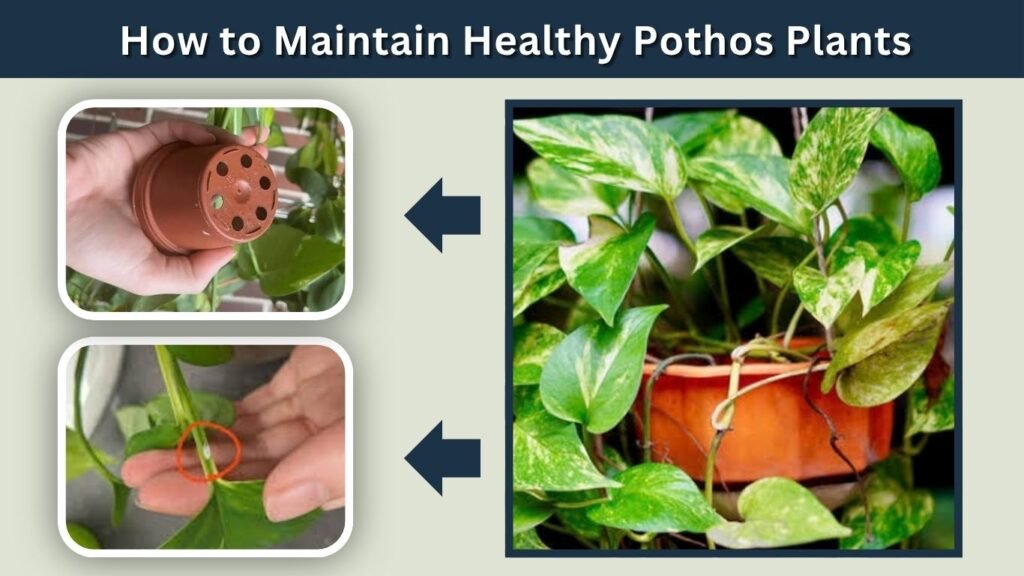
Long-term pothos maintenance is relatively simple when the plant receives consistent basic care. Regular observation allows you to identify watering, pest, or growth problems before they become severe. Cleaning foliage and occasionally rotating the container can also help the plant maintain an attractive, balanced appearance.
Essential Pothos Care Tips
For healthy growth:
- Provide bright, indirect light.
- Avoid intense direct sunlight.
- Allow the soil to partially dry between waterings.
- Use a container with drainage holes.
- Trim long vines when necessary.
- Wipe dust from leaves.
- Rotate the pot occasionally.
- Repot when roots become crowded.
- Inspect foliage for pests.
- Protect the plant from cold drafts.
These simple habits can keep a pothos houseplant attractive for years.
Is Pothos Easy to Grow?
Pothos is commonly considered one of the easier indoor plants to maintain. Its tolerance of different light conditions and occasional missed watering makes it particularly suitable for people developing their houseplant-care skills. However, it still performs best when its basic growing needs are consistently met.
Good Choice for Indoor Growing
Pothos can work well for homes where space is limited because its vines can grow vertically or trail downward.
It can also be pruned to control its size, making it suitable for compact rooms as well as larger indoor plant displays.
Important Safety Consideration
Pothos contains calcium oxalate crystals and should not be eaten. Chewing the plant can irritate the mouth and digestive system of people or pets.
Keep pothos out of reach of young children and animals that are likely to chew houseplants.
FAQs
1. What is a pothos plant?
A pothos plant is a tropical evergreen vine commonly grown indoors for its heart-shaped leaves and trailing growth. Its botanical name is Epipremnum aureum. Depending on the variety, leaves may be solid green or patterned with yellow, cream, white, or pale-green variegation.
2. Are pothos plants easy to care for?
Yes, pothos plants are generally considered easy-care houseplants. They tolerate different indoor light conditions and occasional missed watering. However, they perform best with bright indirect light, well-draining soil, and watering after the soil begins drying. Excessive watering is one of the most common problems.
3. How often should I water a pothos plant?
There is no fixed watering schedule because soil dries at different rates depending on light, temperature, season, and pot size. Check the soil before watering and wait until the upper portion has dried. Water thoroughly afterward and allow excess moisture to drain completely from the container.
4. Where should I place a pothos indoor plant?
Place pothos where it receives bright, indirect light, such as near an east-facing window or a short distance from a brighter window. It can tolerate lower light, but growth may slow and variegation may fade. Avoid strong direct afternoon sunlight and cold drafts.
5. Why are my pothos leaves turning yellow?
Pothos leaves may turn yellow because of excessive watering, poor drainage, environmental stress, or natural aging of older leaves. Check the soil first. If it remains wet for a long period, reduce watering frequency and confirm that the container has effective drainage holes.