
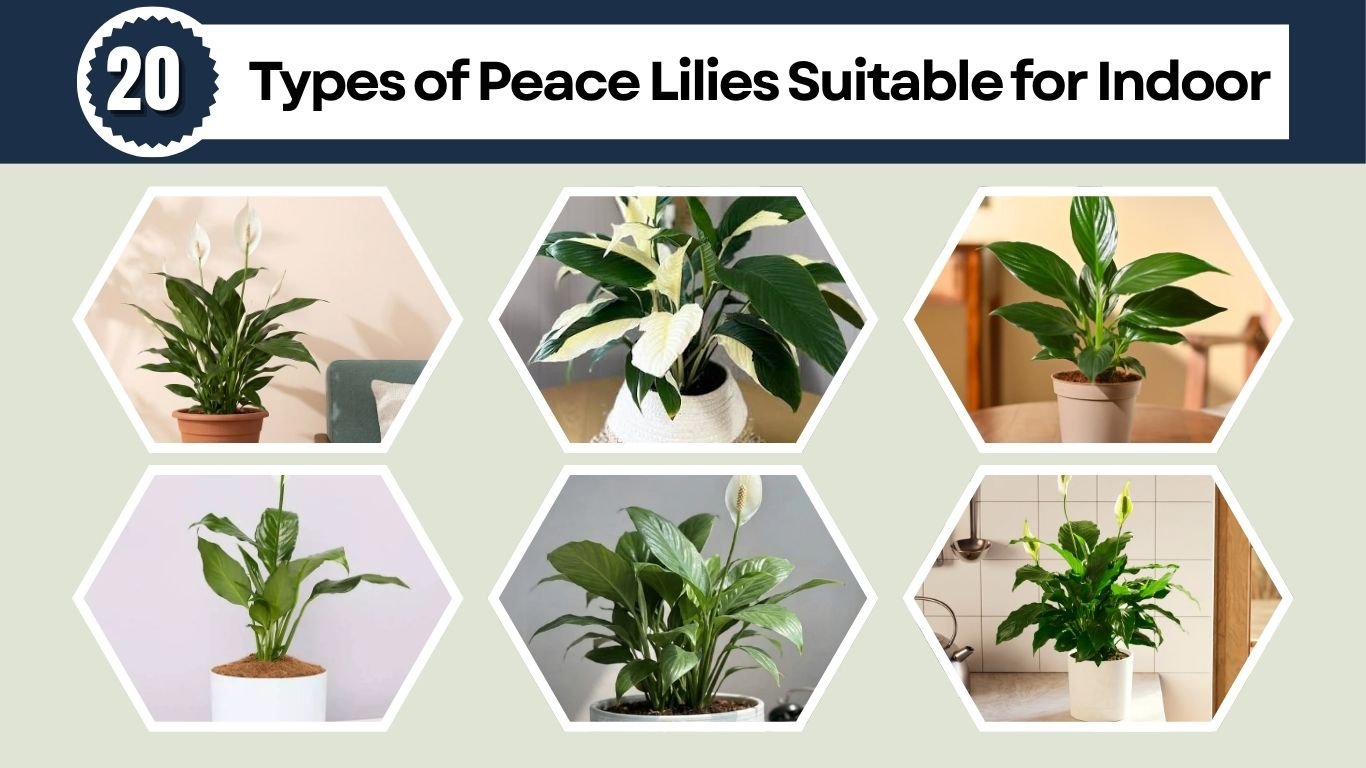
Peace lilies are among the most beautiful indoor houseplants, admired for their lush green foliage, elegant white blooms, and easy-care nature. From the impressive Sensation Peace Lily to compact varieties like Power Petite, each offers unique characteristics for indoor spaces. Explore 20 types of peace lilies with pictures, identification features, growing requirements, and essential care tips to find the perfect variety for your home.
1. Sensation Peace Lily (Spathiphyllum ‘Sensation’)
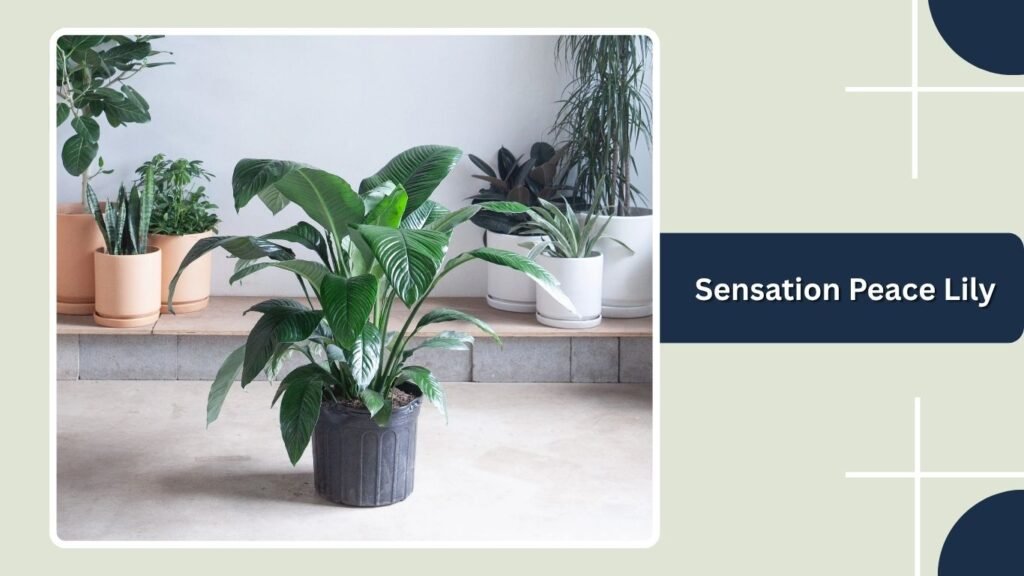
Sensation Peace Lily is one of the largest and most impressive peace lily varieties, admired for its broad, deeply ribbed, dark green leaves and elegant white flowers. This tropical evergreen is an excellent choice for indoor gardening, especially for those who want a bold statement plant. Its lush foliage and relatively easy maintenance make it suitable for living rooms, offices, and spacious indoor environments.
Identification
- Common Name: Sensation Peace Lily
- Botanical Name: Spathiphyllum ‘Sensation’
- Family: Araceae
- Leaf Color: Deep green with a glossy surface
- Leaf Shape: Large, elongated, oval leaves with prominent ribbed veins
- Mature Indoor Height: Approximately 3–6 feet
- Flower Color: White spathes surrounding creamy flower spikes
- Growth Habit: Upright, clump-forming tropical perennial
- Light Requirements: Medium to bright, indirect sunlight
Growing Conditions
Sensation Peace Lily thrives in medium to bright, indirect sunlight, although it can tolerate lower lighting conditions. It prefers well-draining, moisture-retentive soil enriched with organic matter. Indoor temperatures between 65°F and 85°F encourage healthy growth. Moderate to high humidity helps maintain its large, attractive leaves and prevents brown leaf tips.
Watering and Maintenance
Water your Sensation Peace Lily when the upper inch of soil begins to feel dry. Keep the soil slightly moist without allowing it to become waterlogged. Remove yellow or damaged leaves regularly to maintain its appearance. Occasionally wipe the broad leaves with a damp cloth to remove dust and support healthy growth.
2. Mauna Loa Peace Lily (Spathiphyllum ‘Mauna Loa’)
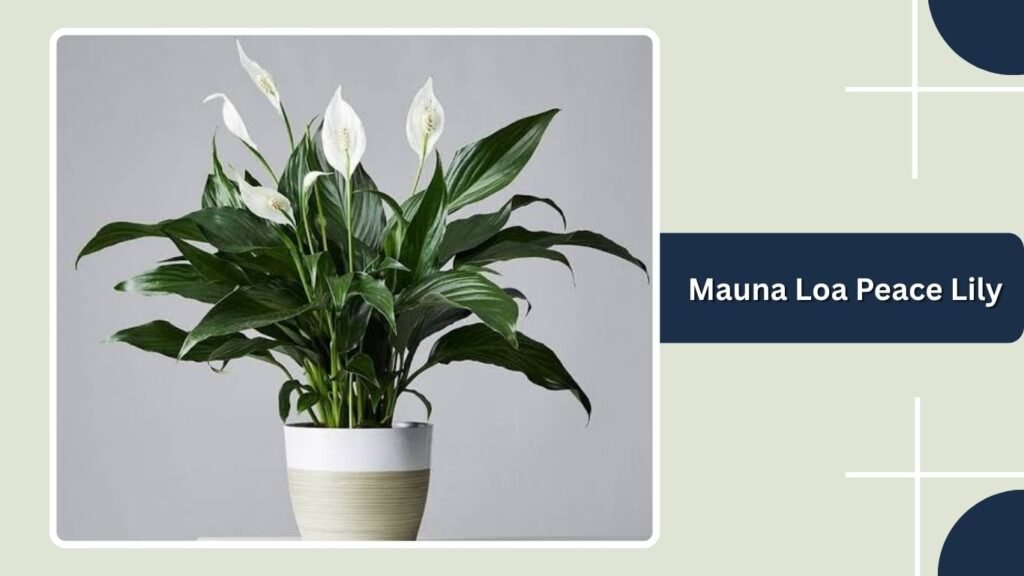
Mauna Loa Peace Lily is a beautiful tropical houseplant recognized for its glossy green foliage and elegant white flowers. This popular peace lily cultivar produces attractive, elongated leaves and distinctive white spathes surrounding creamy flower spikes. Its upright growth habit and manageable size make it an excellent choice for indoor gardening, especially in living rooms, bedrooms, and offices.
Identification
- Common Name: Mauna Loa Peace Lily
- Botanical Name: Spathiphyllum ‘Mauna Loa’
- Family: Araceae
- Leaf Color: Deep green with a glossy surface
- Leaf Shape: Long, oval to lance-shaped leaves with pointed tips
- Mature Indoor Height: Approximately 2–3 feet
- Flower Color: White spathes with creamy-white spadices
- Growth Habit: Upright, clump-forming perennial
- Light Requirements: Medium to bright, indirect sunlight
Growing Conditions
Mauna Loa Peace Lily thrives in medium to bright, indirect sunlight. Although it tolerates lower light levels, insufficient lighting may reduce flowering. A well-draining potting mixture containing organic matter and perlite supports healthy root development. Temperatures between 65°F and 85°F are generally suitable. Moderate to high humidity helps maintain its attractive green foliage.
Watering and Maintenance
Water when the upper inch of soil begins to feel dry, keeping the root zone lightly moist without waterlogging. Excessive watering may cause yellowing leaves and root rot. Remove faded flowers and damaged foliage to maintain a neat appearance. Occasional fertilization during spring and summer encourages healthy growth and flowering.
3. Domino Peace Lily (Spathiphyllum ‘Domino’)

Domino Peace Lily is a striking variegated peace lily cultivar admired for its decorative green leaves featuring irregular white and cream markings. Unlike traditional solid-green peace lilies, this variety produces marbled foliage that adds visual interest even when the plant is not flowering. Its attractive leaf patterns and relatively easy care requirements make it a popular addition to indoor plant collections.
Identification
- Common Name: Domino Peace Lily
- Botanical Name: Spathiphyllum ‘Domino’
- Family: Araceae
- Leaf Color: Dark green with irregular white or cream variegation
- Leaf Shape: Elongated, pointed leaves with slightly textured surfaces
- Mature Indoor Height: Approximately 1–3 feet
- Flower Color: White spathes surrounding creamy flower spikes
- Growth Habit: Compact, upright, clump-forming perennial
- Light Requirements: Bright, indirect sunlight
Growing Conditions
Domino Peace Lily grows best in bright, indirect sunlight, which helps maintain its attractive leaf variegation. Avoid harsh direct sunlight because it may scorch the pale leaf sections. Use a well-draining, moisture-retentive potting mixture containing perlite and organic matter. Warm temperatures between 65°F and 85°F and moderate humidity encourage healthy development.
Watering and Maintenance
Water your Domino Peace Lily when the upper inch of soil becomes slightly dry. Avoid allowing the entire root ball to dry completely for extended periods. Ensure excess water drains freely from the container. Occasionally wipe the foliage with a soft, damp cloth to remove dust. Remove damaged leaves and faded blooms to maintain its decorative appearance.
4. Picasso Peace Lily (Spathiphyllum ‘Picasso’)
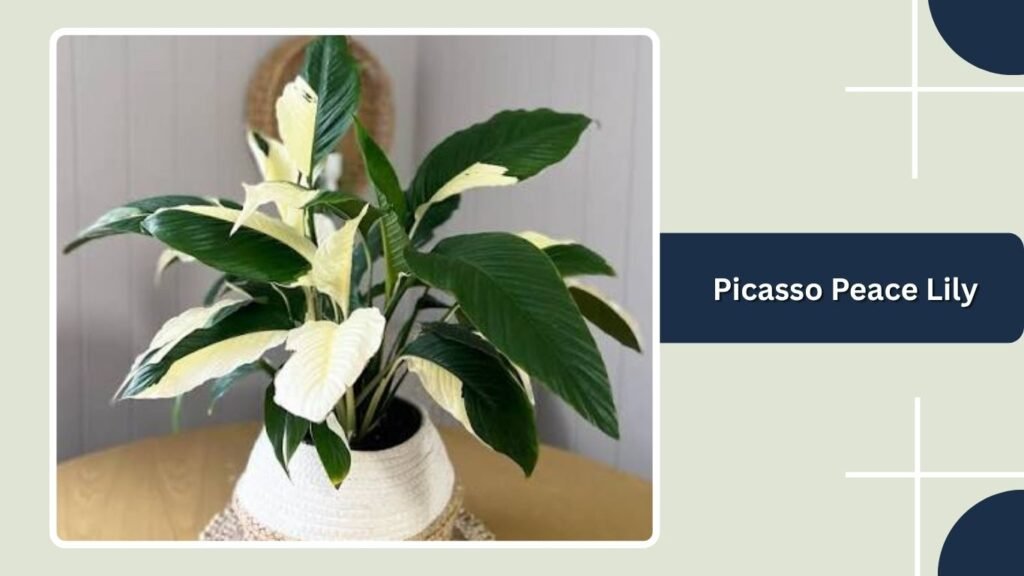
Picasso Peace Lily is an eye-catching tropical houseplant admired for its dramatic green and white variegated foliage. This distinctive cultivar produces leaves decorated with irregular white patches, streaks, and contrasting green sections. Its striking appearance makes it especially attractive to indoor plant collectors looking for something different from traditional peace lily varieties.
Identification
- Common Name: Picasso Peace Lily
- Botanical Name: Spathiphyllum ‘Picasso’
- Family: Araceae
- Leaf Color: Green with large white or cream variegated patches
- Leaf Shape: Elongated, oval leaves with pointed tips
- Mature Indoor Height: Approximately 1–2 feet, depending on conditions
- Flower Color: White spathes with creamy flower spikes
- Growth Habit: Upright, clump-forming tropical perennial
- Light Requirements: Bright, indirect sunlight
Growing Conditions
Picasso Peace Lily prefers bright, filtered sunlight to support healthy foliage development. Because its white leaf sections contain little or no chlorophyll, adequate indirect light is important. A well-draining potting mixture containing perlite, organic matter, and moisture-retentive materials works well. Temperatures between 65°F and 85°F provide suitable growing conditions.
Watering and Maintenance
Water when the upper inch of soil feels slightly dry, keeping the soil evenly moist but never soggy. The white portions of its leaves may develop brown patches when exposed to excessive sunlight, inconsistent watering, or very dry air. Maintain moderate humidity and avoid placing the plant directly beside heating or cooling vents.
5. Petite Peace Lily (Spathiphyllum ‘Petite’)
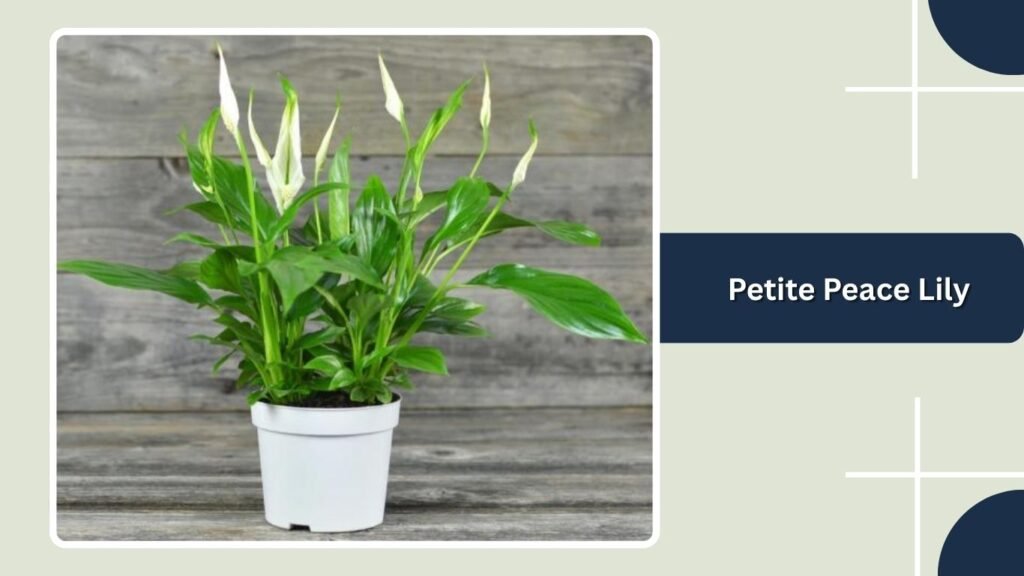
Petite Peace Lily is a compact tropical houseplant known for its attractive dark green foliage and elegant white blooms. Unlike larger peace lily cultivars, this variety maintains a relatively small growth habit, making it particularly suitable for apartments, offices, and indoor spaces with limited room. Its manageable size and straightforward care requirements make it appealing to beginner gardeners.
Identification
- Common Name: Petite Peace Lily
- Botanical Name: Spathiphyllum ‘Petite’
- Family: Araceae
- Leaf Color: Dark green with a glossy texture
- Leaf Shape: Narrow, oval leaves with pointed tips
- Mature Indoor Height: Approximately 8–12 inches, sometimes larger
- Flower Color: White spathes surrounding creamy spadices
- Growth Habit: Compact, clump-forming perennial
- Light Requirements: Low to medium indirect sunlight
Growing Conditions
Petite Peace Lily grows well in medium, indirect sunlight but can tolerate relatively low-light indoor environments. However, brighter filtered light generally encourages more flowering. Use a well-draining potting mix containing organic matter and perlite. Indoor temperatures between 65°F and 85°F are suitable, while moderate humidity helps maintain its glossy foliage.
Watering and Maintenance
Water when the top inch of soil feels dry. Because smaller containers can lose moisture quickly, check the soil regularly during warmer months. Avoid leaving the pot standing in water. Remove faded blooms and yellow leaves when necessary. A diluted, balanced houseplant fertilizer during the growing season can support healthy development.
6. Clevelandii Peace Lily (Spathiphyllum ‘Clevelandii’)
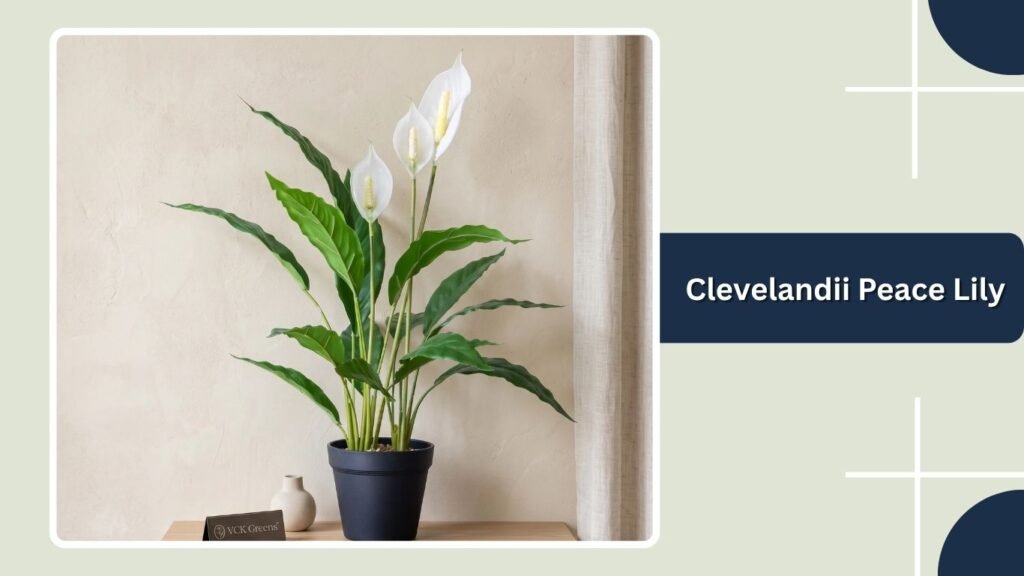
Clevelandii Peace Lily is an attractive tropical houseplant valued for its lush green foliage and elegant white flowering structures. Commonly sold as Spathiphyllum Clevelandii, this plant features elongated, glossy leaves that create a full, upright appearance. Its relatively simple maintenance requirements make it a practical choice for indoor gardeners seeking a decorative flowering plant.
Identification
- Common Name: Clevelandii Peace Lily
- Botanical Name: Spathiphyllum ‘Clevelandii’ (horticultural name)
- Family: Araceae
- Leaf Color: Rich green with a glossy surface
- Leaf Shape: Long, narrow to oval leaves with pointed tips
- Mature Indoor Height: Often around 1–3 feet, depending on the plant sold
- Flower Color: White spathes with creamy-white spadices
- Growth Habit: Upright, clump-forming tropical perennial
- Light Requirements: Medium to bright, indirect sunlight
Growing Conditions
Clevelandii Peace Lily thrives in warm indoor environments with medium to bright, filtered sunlight. A moisture-retentive but well-draining potting mixture containing organic matter and perlite supports healthy roots. Temperatures between 65°F and 85°F are generally suitable. Moderate to high humidity helps maintain lush green foliage and reduces the likelihood of brown leaf tips.
Watering and Maintenance
Water when the top inch of soil begins to dry, making sure excess water drains freely. Avoid both prolonged dryness and constantly saturated soil. Remove faded white spathes and yellowing leaves to keep the plant attractive. Occasional applications of diluted houseplant fertilizer during the growing season can encourage healthy foliage and flowering.
7. Wallisii Peace Lily (Spathiphyllum wallisii)
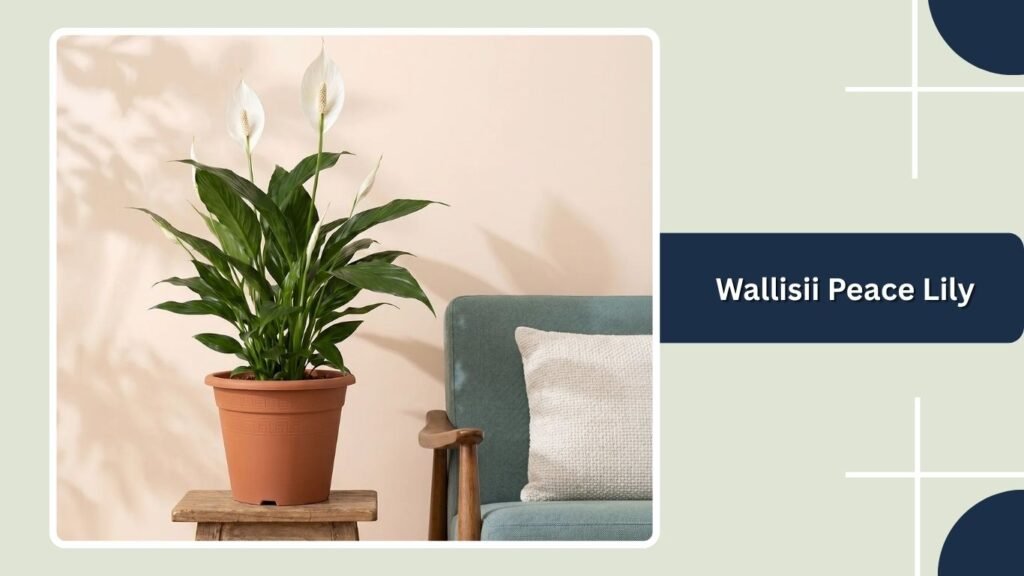
Wallisii Peace Lily is a beautiful tropical houseplant admired for its glossy green foliage and elegant white flowers. Native to tropical regions of northwestern South America, this species is one of the best-known peace lilies for indoor cultivation. Its compact growth habit, attractive leaves, and adaptability to household environments make it an excellent choice for beginners and experienced indoor gardeners.
Identification
- Common Name: Wallisii Peace Lily
- Scientific Name: Spathiphyllum wallisii
- Family: Araceae
- Leaf Color: Deep green with a glossy surface
- Leaf Shape: Long, lance-shaped leaves with pointed tips
- Mature Indoor Height: Approximately 1–2 feet
- Flower Color: White spathes surrounding creamy-white spadices
- Growth Habit: Compact, clump-forming tropical perennial
- Light Requirements: Medium to bright, indirect sunlight
Growing Conditions
Wallisii Peace Lily thrives in medium to bright, indirect sunlight but can tolerate lower lighting conditions. A well-draining potting mixture containing organic matter and perlite supports healthy roots. Indoor temperatures between 65°F and 85°F are generally suitable. Moderate to high humidity encourages lush foliage and helps prevent brown leaf tips.
Watering and Maintenance
Water when the upper inch of soil begins to feel dry. Keep the potting mixture lightly moist without allowing standing water around the roots. Remove yellowing leaves and faded flowers regularly. During spring and summer, occasional applications of diluted balanced fertilizer encourage healthy growth and flowering.
8. Gemini Peace Lily (Spathiphyllum ‘Gemini’)

Gemini Peace Lily is an attractive variegated peace lily cultivar recognized for its unusual green and cream-colored foliage. Its decorative leaves feature irregular lighter markings that distinguish it from traditional solid-green peace lilies. This tropical houseplant provides year-round visual interest, making it particularly appealing for indoor gardeners who enjoy collecting ornamental foliage plants.
Identification
- Common Name: Gemini Peace Lily
- Botanical Name: Spathiphyllum ‘Gemini’
- Family: Araceae
- Leaf Color: Dark green with cream or pale green variegation
- Leaf Shape: Elongated, oval leaves with pointed ends
- Mature Indoor Height: Approximately 1–2 feet
- Flower Color: White spathes with creamy spadices
- Growth Habit: Upright, clump-forming perennial
- Light Requirements: Bright, indirect sunlight
Growing Conditions
Gemini Peace Lily grows best in bright, filtered sunlight, which supports healthy growth and maintains its attractive leaf patterns. Avoid intense direct sunlight because it can scorch variegated foliage. A well-draining potting mixture containing perlite and organic matter provides suitable growing conditions. Temperatures between 65°F and 85°F and moderate humidity are generally ideal.
Watering and Maintenance
Water your Gemini Peace Lily when the upper inch of potting soil begins drying. Ensure the container has drainage holes to prevent excess moisture accumulation. Maintain relatively consistent humidity to reduce browning along the leaf edges. Remove damaged foliage and faded blooms when necessary to preserve its decorative appearance.
9. Piccolino Peace Lily (Spathiphyllum ‘Piccolino’)

Piccolino Peace Lily is a charming compact houseplant known for its small, glossy leaves and attractive white flowers. This miniature peace lily cultivar is especially popular among indoor gardeners who prefer plants that require limited growing space. Its tidy growth habit and elegant flowering structures make it a beautiful addition to apartments, offices, and small indoor gardens.
Identification
- Common Name: Piccolino Peace Lily
- Botanical Name: Spathiphyllum ‘Piccolino’
- Family: Araceae
- Leaf Color: Deep green with a glossy texture
- Leaf Shape: Small, oval to lance-shaped leaves with pointed tips
- Mature Indoor Height: Approximately 8–12 inches
- Flower Color: White spathes surrounding cream-colored spadices
- Growth Habit: Compact, clump-forming tropical perennial
- Light Requirements: Medium to bright, indirect sunlight
Growing Conditions
Piccolino Peace Lily thrives in medium to bright, filtered sunlight. Although it tolerates lower light, flowering may decrease under insufficient illumination. Use a lightweight, moisture-retentive potting mixture containing organic matter and perlite. Temperatures between 65°F and 85°F support healthy growth, while moderate humidity helps maintain attractive foliage.
Watering and Maintenance
Water when the upper inch of soil becomes slightly dry. Since Piccolino Peace Lily commonly grows in smaller containers, monitor moisture regularly to prevent excessive drying. Avoid waterlogging by using pots with proper drainage. Remove faded blooms and yellowing leaves, and apply diluted balanced fertilizer occasionally during the growing season.
10. Little Angel Peace Lily (Spathiphyllum ‘Little Angel’)
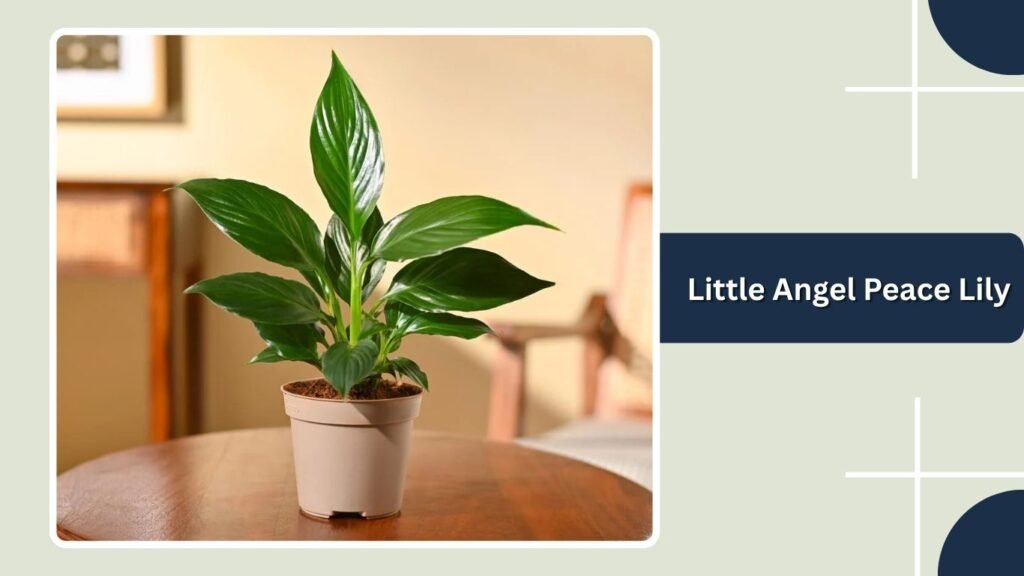
Little Angel Peace Lily is a compact tropical houseplant admired for its attractive green foliage and delicate white blooms. This dwarf peace lily cultivar is valued for its manageable size and ornamental appearance. Its relatively small growth habit allows gardeners to enjoy the classic beauty of peace lilies in limited indoor spaces, including bedrooms, offices, and apartments.
Identification
- Common Name: Little Angel Peace Lily
- Botanical Name: Spathiphyllum ‘Little Angel’
- Family: Araceae
- Leaf Color: Rich green with a glossy surface
- Leaf Shape: Small, elongated leaves with pointed tips
- Mature Indoor Height: Approximately 10–18 inches
- Flower Color: White spathes with creamy-white spadices
- Growth Habit: Compact, upright, clump-forming perennial
- Light Requirements: Medium to bright, indirect sunlight
Growing Conditions
Little Angel Peace Lily performs best in medium to bright, indirect sunlight. Lower lighting conditions are tolerated, but brighter filtered light generally encourages flowering. A well-draining potting mixture containing perlite and organic matter supports healthy root development. Maintain indoor temperatures between 65°F and 85°F and provide moderate humidity for attractive foliage.
Watering and Maintenance
Water when the upper inch of soil begins to dry. Avoid allowing the roots to remain in constantly saturated soil, as excessive moisture may cause root rot. Remove faded flowers and damaged leaves to maintain the plant’s appearance. Occasional feeding with diluted balanced fertilizer during spring and summer supports healthy development.
11. White Stripe Peace Lily (Spathiphyllum ‘White Stripe’)

White Stripe Peace Lily is a distinctive variegated houseplant recognized for its elegant green leaves decorated with pale white or cream-colored stripes. Unlike traditional peace lilies with uniformly green foliage, this cultivated variety offers additional visual interest through its decorative leaf markings. Its upright growth habit and attractive appearance make it a beautiful choice for indoor gardening.
Identification
- Common Name: White Stripe Peace Lily
- Botanical Name: Spathiphyllum ‘White Stripe’
- Family: Araceae
- Leaf Color: Deep green with white or cream-colored striping
- Leaf Shape: Elongated, oval leaves with pointed tips
- Mature Indoor Height: Approximately 1–2 feet, depending on growing conditions
- Flower Color: White spathes surrounding creamy spadices
- Growth Habit: Upright, clump-forming tropical perennial
- Light Requirements: Bright, indirect sunlight
Growing Conditions
White Stripe Peace Lily grows best in bright, indirect sunlight, which supports healthy foliage and helps maintain its decorative variegation. Avoid direct afternoon sunlight because the lighter leaf sections may scorch. Use a moisture-retentive but well-draining potting mixture containing organic matter and perlite. Warm temperatures between 65°F and 85°F are generally suitable.
Watering and Maintenance
Water when the upper inch of soil feels slightly dry, ensuring excess water drains freely. Avoid both prolonged drought and overwatering to maintain healthy roots. Moderate humidity helps prevent dry leaf tips. Occasionally clean the leaves with a damp cloth and remove damaged foliage or faded flowers to keep the plant looking attractive.
12. Jetty Peace Lily (Spathiphyllum ‘Jetty’)
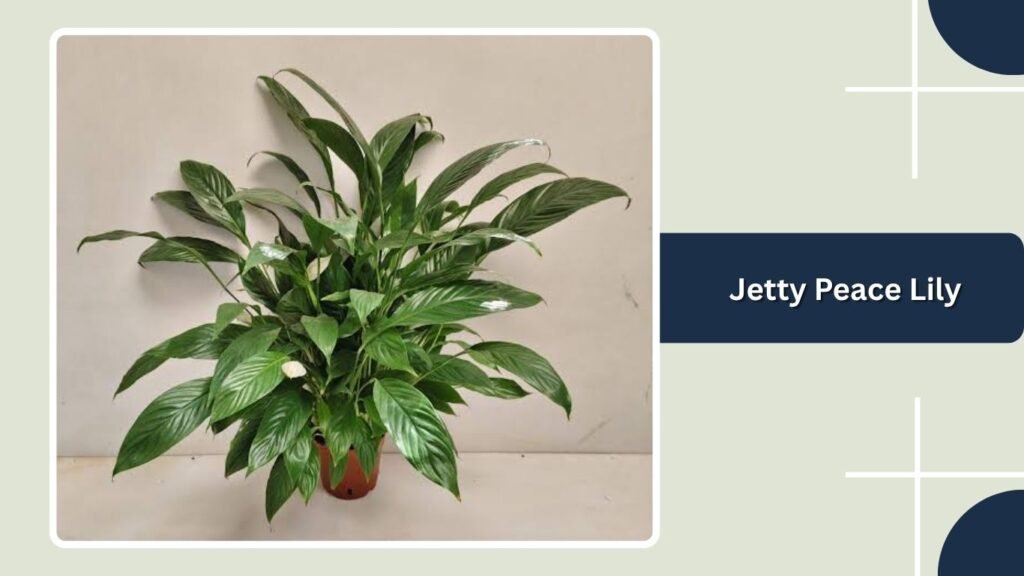
Jetty Peace Lily is an attractive tropical houseplant admired for its glossy green leaves and elegant white flowers. This cultivated peace lily features a compact, upright growth habit, making it suitable for indoor spaces. Its lush foliage creates a refreshing tropical appearance, while the white flowering spathes provide beautiful contrast. With proper care, Jetty Peace Lily can become a lovely addition to living rooms, offices, and indoor gardens.
Identification
- Common Name: Jetty Peace Lily
- Botanical Name: Spathiphyllum ‘Jetty’
- Family: Araceae
- Leaf Color: Deep green with a glossy surface
- Leaf Shape: Elongated, oval leaves with pointed tips
- Mature Indoor Height: Generally around 1–2 feet, depending on conditions
- Flower Color: White spathes surrounding creamy-white spadices
- Growth Habit: Upright, clump-forming perennial
- Light Requirements: Medium to bright, indirect sunlight
Growing Conditions
Jetty Peace Lily grows best in medium to bright, indirect sunlight. Although it can tolerate lower light conditions, sufficient filtered sunlight encourages healthy growth and flowering. A well-draining potting mixture containing organic matter and perlite supports root development. Temperatures between 65°F and 85°F are generally suitable, while moderate humidity helps maintain its attractive foliage.
Watering and Maintenance
Water when the upper inch of soil begins to feel dry. Keep the potting mixture lightly moist without allowing the roots to remain waterlogged. Remove faded flowers and yellowing leaves to maintain a tidy appearance. Occasional applications of diluted houseplant fertilizer during spring and summer encourage healthy foliage development.
13. Figaro Peace Lily (Spathiphyllum ‘Figaro’)
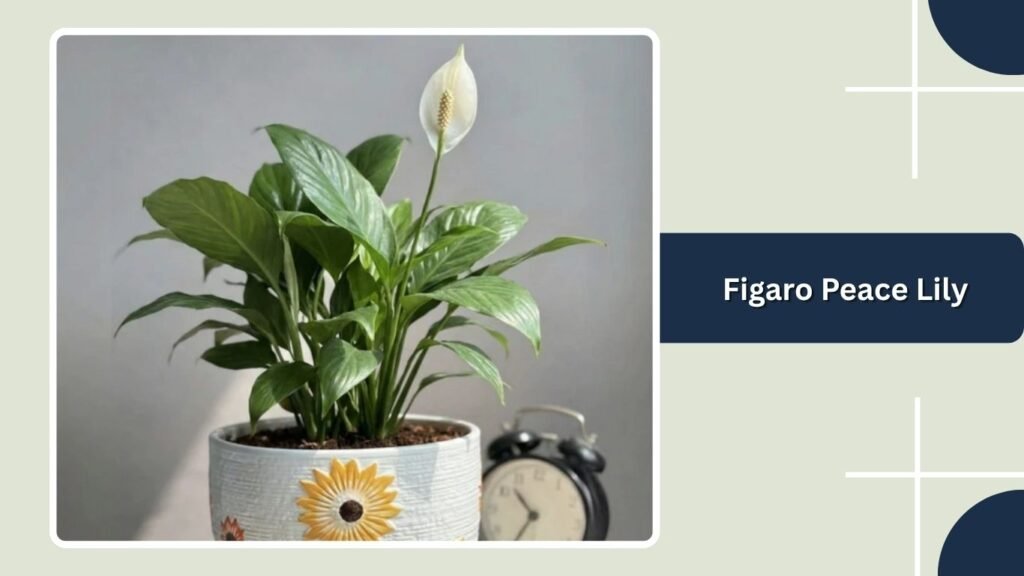
Figaro Peace Lily is a charming cultivated peace lily known for its attractive green foliage and elegant white flowering structures. This tropical houseplant offers the familiar beauty of traditional peace lilies while maintaining a manageable indoor growth habit. Its glossy leaves and graceful appearance make it suitable for decorative indoor containers, living spaces, and offices.
Identification
- Common Name: Figaro Peace Lily
- Botanical Name: Spathiphyllum ‘Figaro’
- Family: Araceae
- Leaf Color: Rich green with a glossy texture
- Leaf Shape: Narrow to oval leaves with pointed ends
- Mature Indoor Height: Size varies with the plant and growing conditions
- Flower Color: White spathes with creamy-colored spadices
- Growth Habit: Upright, clump-forming tropical perennial
- Light Requirements: Medium to bright, indirect sunlight
Growing Conditions
Figaro Peace Lily thrives in warm indoor environments with filtered natural light. Although it tolerates moderate shade, brighter indirect lighting usually promotes better flowering. Use a well-draining potting mixture containing organic matter, perlite, and moisture-retentive materials. Temperatures between 65°F and 85°F support healthy growth, while moderate humidity helps protect the leaf edges from drying.
Watering and Maintenance
Water when the top inch of soil begins drying, ensuring excess moisture drains through the container. Avoid prolonged waterlogging because it can damage the roots. Remove yellowing leaves and spent flowers regularly. During the active growing season, occasional feeding with diluted balanced fertilizer helps maintain healthy foliage and supports flower development.
14. Cupido Peace Lily (Spathiphyllum ‘Cupido’)
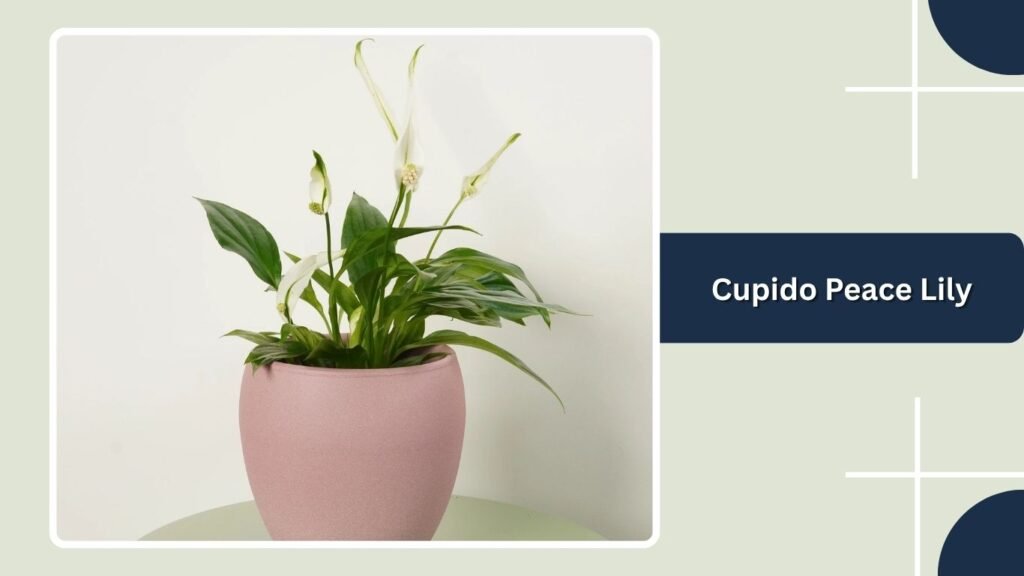
Cupido Peace Lily is an attractive tropical houseplant recognized for its lush green foliage and elegant white flowers. This cultivated variety is often appreciated for its compact appearance and decorative flowering habit. Its glossy leaves and upright growth make it an appealing choice for indoor gardeners interested in adding tropical greenery to smaller living spaces.
Identification
- Common Name: Cupido Peace Lily
- Botanical Name: Spathiphyllum ‘Cupido’
- Family: Araceae
- Leaf Color: Dark green with a glossy surface
- Leaf Shape: Elongated, oval to lance-shaped leaves
- Mature Indoor Height: Typically around 1–2 feet, depending on the selection
- Flower Color: White spathes surrounding creamy spadices
- Growth Habit: Compact, upright, clump-forming perennial
- Light Requirements: Medium to bright, indirect sunlight
Growing Conditions
Cupido Peace Lily performs best in medium to bright, indirect sunlight. Insufficient lighting may reduce flowering, while intense direct sunlight can damage its leaves. A well-draining, moisture-retentive potting mix containing organic matter and perlite encourages healthy roots. Indoor temperatures between 65°F and 85°F provide comfortable growing conditions, and moderate humidity helps maintain attractive foliage.
Watering and Maintenance
Water when the upper inch of potting soil feels slightly dry. Avoid letting the root ball remain completely dry for extended periods. Ensure the container has adequate drainage to prevent standing water. Remove spent flowers and damaged leaves as needed. Apply a diluted balanced fertilizer occasionally during spring and summer to support steady growth.
15. Chopin Peace Lily (Spathiphyllum ‘Chopin’)

Chopin Peace Lily is a popular compact tropical houseplant admired for its dark green leaves and graceful white flowers. This cultivated variety is especially suitable for smaller indoor environments because of its manageable size and attractive growth habit. Its elegant foliage and delicate flowering structures make it an appealing choice for both beginner gardeners and experienced plant enthusiasts.
Identification
- Common Name: Chopin Peace Lily
- Botanical Name: Spathiphyllum ‘Chopin’
- Family: Araceae
- Leaf Color: Deep green with a glossy finish
- Leaf Shape: Elongated, lance-shaped leaves with pointed tips
- Mature Indoor Height: Approximately 12–20 inches
- Flower Color: White spathes surrounding creamy-white spadices
- Growth Habit: Compact, clump-forming tropical perennial
- Light Requirements: Medium to bright, indirect sunlight
Growing Conditions
Chopin Peace Lily thrives in medium to bright, indirect sunlight. It tolerates lower lighting conditions, although flowering may become less frequent. A well-draining potting mixture containing organic matter and perlite provides suitable growing conditions. Maintain temperatures between 65°F and 85°F and protect the plant from cold drafts. Moderate humidity supports lush foliage development.
Watering and Maintenance
Water when the upper inch of soil begins drying. Keep the soil slightly moist but avoid allowing water to collect around the roots. Remove spent flowers and yellowing foliage to maintain its compact appearance. Occasional feeding with diluted balanced fertilizer during the growing season supports healthy leaf production and flowering.
16. Allison Peace Lily (Spathiphyllum ‘Allison’)
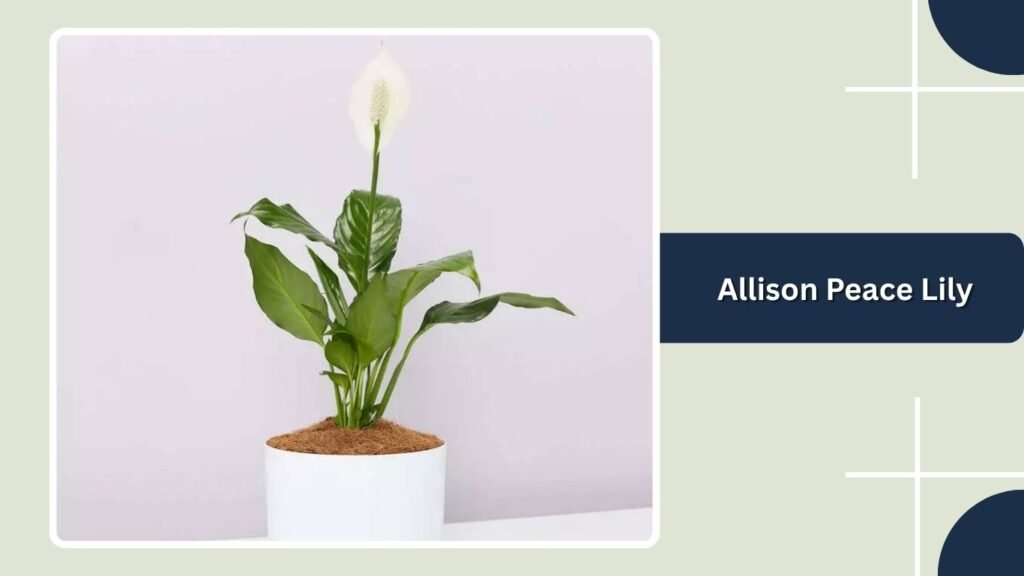
Allison Peace Lily is an attractive tropical houseplant appreciated for its broad green leaves and elegant white flowering spathes. This cultivated peace lily offers the familiar ornamental qualities of the genus Spathiphyllum, including glossy foliage and upright growth. Its classic appearance makes it suitable for indoor gardens, decorative floor arrangements, and bright living spaces.
Identification
- Common Name: Allison Peace Lily
- Botanical Name: Spathiphyllum ‘Allison’
- Family: Araceae
- Leaf Color: Dark green with a glossy surface
- Leaf Shape: Broad, elongated leaves with pointed tips
- Mature Indoor Height: Varies with growing conditions and the selection sold
- Flower Color: White spathes surrounding creamy flower spikes
- Growth Habit: Upright, clump-forming tropical perennial
- Light Requirements: Medium to bright, indirect sunlight
Growing Conditions
Allison Peace Lily thrives in medium to bright, filtered sunlight. A well-draining potting mixture containing organic matter and perlite supports healthy root development. Temperatures between 65°F and 85°F are generally suitable for indoor cultivation. Moderate to high humidity encourages lush foliage and helps reduce browning along the leaf edges.
Watering and Maintenance
Water when the top inch of soil feels slightly dry, keeping the growing medium consistently but lightly moist. Avoid overwatering because saturated soil can lead to root rot. Remove damaged leaves and faded flowers to maintain the plant’s decorative appearance. During spring and summer, occasional diluted fertilizer applications support healthy growth.
17. Bongo Bongo Peace Lily (Spathiphyllum ‘Bongo Bongo’)
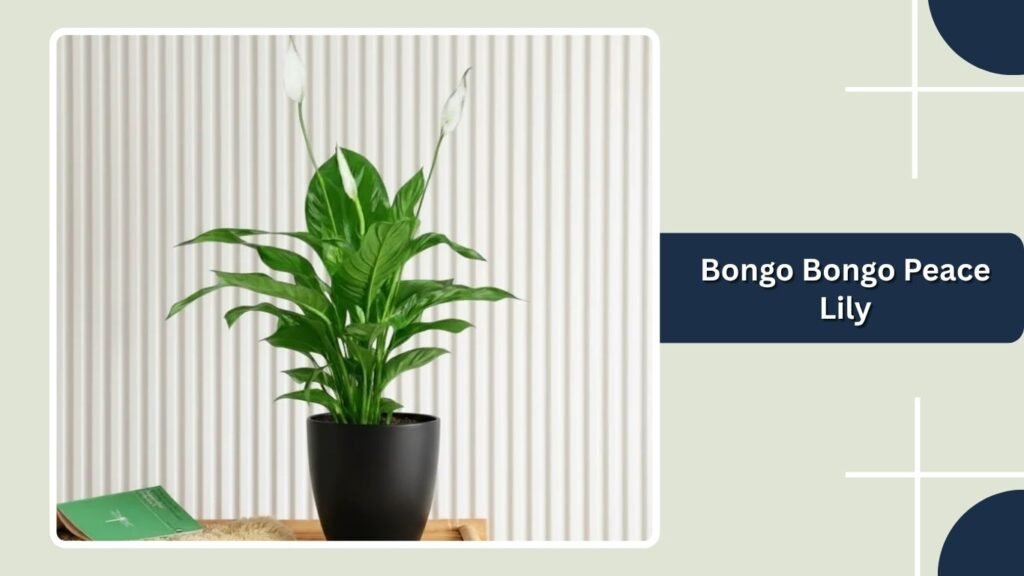
Bongo Bongo Peace Lily is a striking tropical houseplant admired for its large, glossy green leaves and elegant white blooms. This cultivated peace lily is particularly attractive because of its lush foliage and bold upright growth habit. Its tropical appearance makes it an excellent addition to spacious living rooms, offices, and indoor gardens where decorative greenery is desired.
Identification
- Common Name: Bongo Bongo Peace Lily
- Botanical Name: Spathiphyllum ‘Bongo Bongo’
- Family: Araceae
- Leaf Color: Deep green with a glossy surface
- Leaf Shape: Large, elongated leaves with prominent veins and pointed tips
- Mature Indoor Height: Approximately 3–5 feet under favorable conditions
- Flower Color: White spathes surrounding creamy-white spadices
- Growth Habit: Large, upright, clump-forming perennial
- Light Requirements: Medium to bright, indirect sunlight
Growing Conditions
Bongo Bongo Peace Lily thrives in medium to bright, indirect sunlight. A well-draining potting mixture containing organic matter, coco coir, and perlite supports healthy root development. Indoor temperatures between 65°F and 85°F encourage steady growth. Moderate to high humidity helps maintain its large, attractive foliage, while protection from cold drafts prevents unnecessary plant stress.
Watering and Maintenance
Water when the upper inch of soil begins to feel dry, keeping the root zone evenly moist without waterlogging. Ensure the container has adequate drainage to prevent root rot. Occasionally wipe the large leaves with a damp cloth to remove dust. Remove yellowing leaves and faded flowers to maintain the plant’s attractive appearance.
18. Sebastiano Peace Lily (Spathiphyllum ‘Sebastiano’)
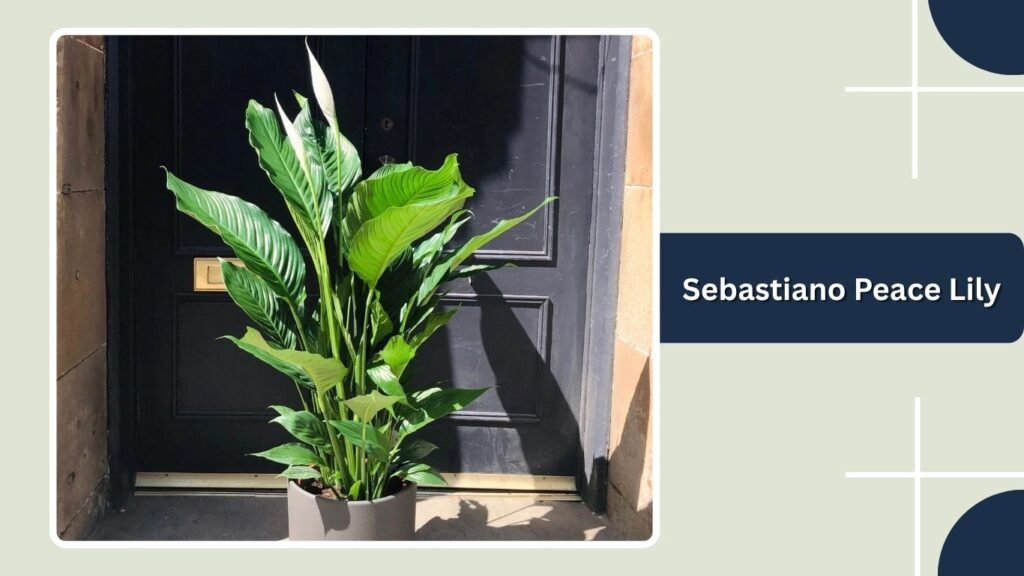
Sebastiano Peace Lily is an elegant tropical houseplant recognized for its tall, glossy green leaves and graceful white flowers. This cultivated variety is valued for its relatively large growth habit and ornamental foliage. Its upright appearance makes it a beautiful choice for indoor gardeners seeking a decorative plant that adds height and tropical character to living spaces.
Identification
- Common Name: Sebastiano Peace Lily
- Botanical Name: Spathiphyllum ‘Sebastiano’
- Family: Araceae
- Leaf Color: Rich green with a glossy texture
- Leaf Shape: Large, elongated, lance-shaped leaves with pointed ends
- Mature Indoor Height: Approximately 3–5 feet under favorable conditions
- Flower Color: White spathes with creamy-white spadices
- Growth Habit: Upright, clump-forming tropical perennial
- Light Requirements: Medium to bright, indirect sunlight
Growing Conditions
Sebastiano Peace Lily grows best in medium to bright, filtered sunlight. Although it tolerates relatively low light, stronger indirect illumination encourages healthier growth and flowering. Use a moisture-retentive but well-draining potting mix containing perlite and organic matter. Temperatures between 65°F and 85°F are suitable, while moderate humidity helps maintain its attractive foliage.
Watering and Maintenance
Water when the upper inch of soil becomes slightly dry. Avoid allowing the potting mixture to remain constantly saturated. Larger plants may require more frequent moisture checks during warmer months. Remove faded flowers and damaged leaves when necessary. Occasional applications of diluted balanced fertilizer during the growing season support healthy foliage development.
19. Sonia Peace Lily (Spathiphyllum ‘Sonya’)

Sonia Peace Lily, more accurately known as Sonya Peace Lily, is a compact tropical houseplant admired for its glossy green foliage and delicate white flowers. This cultivated variety is especially suitable for indoor gardeners seeking a small, elegant flowering plant. Its dense growth habit makes it an attractive addition to tabletops, desks, shelves, and decorative indoor containers.
Identification
- Common Name: Sonya Peace Lily, Sonia Peace Lily
- Botanical Name: Spathiphyllum ‘Sonya’
- Family: Araceae
- Leaf Color: Deep green with a glossy surface
- Leaf Shape: Elongated, oval leaves with pointed tips
- Mature Indoor Height: Compact; exact size varies with growing conditions
- Flower Color: White spathes surrounding creamy spadices
- Growth Habit: Very compact, clump-forming tropical perennial
- Light Requirements: Medium to bright, indirect sunlight
Growing Conditions
Sonya Peace Lily performs best in medium to bright, filtered sunlight. Although it tolerates lower light, brighter indirect illumination generally encourages flowering. Use a moisture-retentive but well-draining potting mixture containing organic matter and perlite. Temperatures between 65°F and 85°F support healthy development, while moderate humidity helps maintain its glossy foliage.
Watering and Maintenance
Water when the upper inch of soil begins to feel dry. Avoid allowing the roots to remain constantly saturated because excessive moisture may cause root rot. Since compact peace lilies are commonly grown in small containers, check soil moisture regularly. Remove faded flowers and yellowing leaves to maintain a tidy appearance.
20. Power Petite Peace Lily (Spathiphyllum ‘Power Petite’)

Power Petite Peace Lily is a beautiful dwarf tropical houseplant valued for its compact growth, glossy dark green leaves, and abundant white flowers. This cultivated variety was developed specifically for small containers and indoor environments. Its symmetrical, bushy appearance and relatively early flowering habit make it an excellent choice for gardeners who want a decorative peace lily for limited spaces.
Identification
- Common Name: Power Petite Peace Lily
- Botanical Name: Spathiphyllum ‘Power Petite’
- Family: Araceae
- Leaf Color: Dark green with a glossy surface
- Leaf Shape: Small, elongated leaves with pointed ends
- Mature Indoor Height: Approximately 8–15 inches
- Flower Color: White spathes surrounding creamy-white spadices
- Growth Habit: Compact, bushy, clump-forming perennial
- Light Requirements: Medium to bright, indirect sunlight
Growing Conditions
Power Petite Peace Lily thrives in medium to bright, indirect sunlight. Its compact growth habit makes it suitable for containers measuring approximately 4–6 inches in diameter. A well-draining potting mixture containing organic matter and perlite encourages healthy root development. Maintain temperatures between 65°F and 85°F and provide moderate humidity to support attractive foliage and flowering.
Watering and Maintenance
Water when the top inch of soil begins drying, keeping the growing medium lightly moist without waterlogging. Smaller containers may dry out more quickly, so inspect soil moisture regularly. Remove spent flowers and yellowing leaves to maintain the plant’s compact appearance. Occasional feeding with diluted balanced fertilizer during spring and summer encourages healthy growth.
FAQs
1. What Is the Easiest Peace Lily to Grow Indoors?
Wallisii Peace Lily and Mauna Loa Peace Lily are among the easiest varieties to grow indoors. They adapt well to typical household conditions and tolerate relatively low light. With moderate watering, well-draining soil, and indirect sunlight, these plants can produce attractive green foliage and beautiful white blooms.
2. How Often Should I Water My Peace Lily?
Peace lilies generally need watering when the top inch of soil feels slightly dry, often every 5–10 days. However, watering frequency depends on temperature, humidity, pot size, and lighting conditions. Keep the soil lightly moist but never waterlogged, as excessive moisture can cause yellow leaves and root rot.
3. Do Peace Lilies Need Direct Sunlight?
Peace lilies prefer medium to bright, indirect sunlight rather than direct sunlight. Strong afternoon sun can scorch their delicate leaves and cause brown patches. Although they tolerate low-light conditions, insufficient lighting may reduce flowering. Placing them near a bright window with filtered sunlight encourages healthy growth and beautiful white blooms.
4. Which Peace Lily Variety Is Best for Small Spaces?
Petite Peace Lily, Piccolino Peace Lily, and Power Petite Peace Lily are excellent choices for small indoor spaces. These compact varieties typically remain under 18 inches tall, depending on growing conditions. Their attractive green foliage and elegant white flowers make them suitable for desks, bookshelves, apartments, and decorative tabletop containers.
5. Are Peace Lilies Toxic to Cats and Dogs?
Yes, all peace lilies are toxic to cats and dogs if chewed or ingested. They contain insoluble calcium oxalate crystals that can cause mouth irritation, excessive drooling, vomiting, and difficulty swallowing. Keep these plants away from pets and young children, and contact a veterinarian if your pet eats any part.